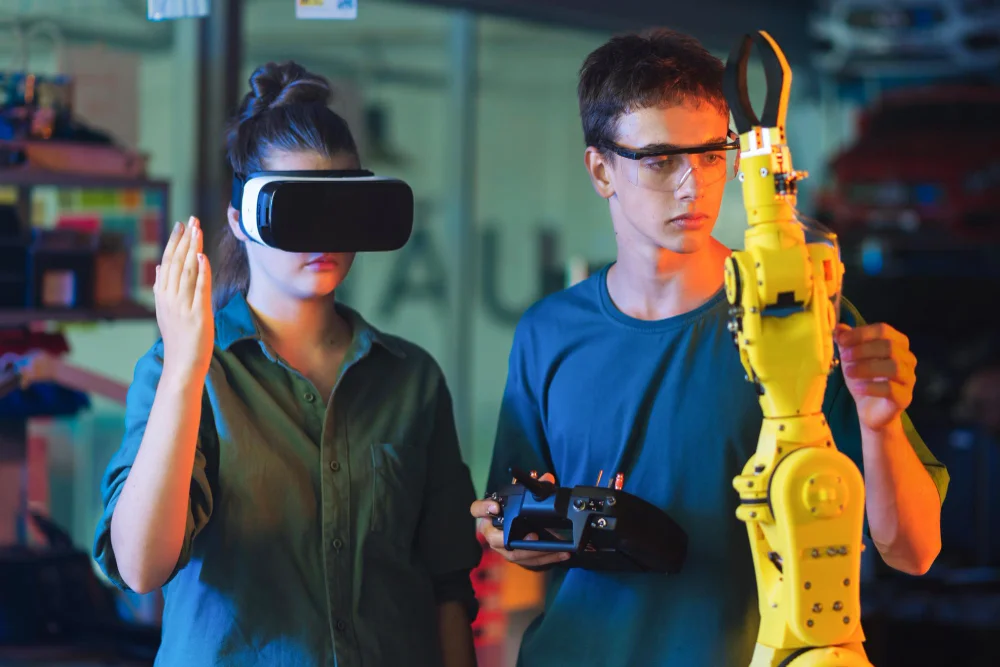
The Educational Technology Market is experiencing rapid expansion, which leads to daily transformations in learning practices. Traditional classrooms have evolved beyond their previous constraints to become open educational environments. Students now use multiple digital resources to access their studies from any location. The actual educational requirements which include flexible study options and training for particular skills drive this transformation.
New educational technologies create opportunities for students to experience customized learning experiences which make their learning more enjoyable. Students receive immediate assessment results when they utilize AI assessment systems. Users acquire coding skills by playing basic computer games. Organizations and educational institutions allocate increasing resources to online training platforms which enable them to conduct rapid employee development. The development of educational technology creates learning experiences which feel increasingly organic to users. The next wave of innovation will push this even further.
AI Will Make Learning Personal
AI will shape how students learn each day. It tracks progress and spots weak areas fast. Then it suggests lessons based on that data.
For example, apps like Duolingo adjust lessons based on your mistakes. If you struggle with verbs, it gives more practice. This saves time and keeps learning focused.
AI tutors will also grow. Students can ask questions anytime and get clear answers. This helps those who need extra support after class.
Virtual Reality Will Bring Lessons to Life
VR will change how students experience lessons. It lets them “visit” places without leaving home.
Imagine studying history by walking through ancient Rome in VR. Or learning biology by exploring the human body in 3D. This makes lessons more real and fun.
Schools are already testing VR labs. Students can do science experiments safely without real risks.
Gamification Will Keep Students Engaged
Games make learning fun and less stressful. This idea will grow in the coming years. Platforms use points, badges, and levels to reward progress. Kids stay motivated because it feels like a game.
For example, apps like Kahoot turn quizzes into fun competitions. Students learn faster because they enjoy the process.
Blockchain Will Secure Learning Records
Blockchain will help store student records safely. It keeps data secure and easy to verify.
For example, diplomas can be stored on blockchain. Employers can check them without any doubt. This reduces fake certificates. It also gives students control over their own data. They can share it when needed.
Microlearning Will Fit Busy Lives
People want quick and simple lessons. Microlearning solves this problem. It breaks content into small parts. Each lesson takes just a few minutes. This works well for working adults.
For example, a marketing course may offer 5-minute videos on each topic. You can learn during a break or while commuting.
The Educational Technology Market is seeing strong demand for this style. It matches how people use their phones daily.
Voice Technology Will Change How We Learn
Voice tools will make learning more easy and natural. Students can ask questions out loud and get answers.
Smart assistants like Alexa or Google Assistant already do this. In the future, they will act like study partners.
For example, a student can ask a math problem and get a step-by-step solution. This saves time and reduces confusion.
FAQs
What is the Educational Technology Market?
Educational Technology Market is the industry that includes digital tools, platforms, and apps used for learning and training.
How will AI impact future learning?
AI will impact learning by making lessons more personal and giving instant feedback to students.
What is virtual reality in education?
Virtual reality in education is the use of VR tools to create real-like learning experiences for students.
How does gamification help students?
Gamification helps students by making learning fun through rewards, points, and interactive activities.
Why is microlearning popular?
Microlearning is popular because it offers short, easy lessons that fit into busy daily routines.
is a dedicated content writer with a passion for creating high-quality, engaging, and informative content. Specializing in blog posts, press releases, and news articles, she excels at delivering content that not only captivates readers but also drives meaningful results. With a keen eye for detail and a creative approach, Money ensures that every project is carefully crafted to align with audience needs and industry trends. Her ability to simplify complex topics while maintaining clarity and interest makes her a standout in the content creation space. Her writing expertise spans several key industries, including construction engineering, smarft technologies, and agrochemicals.
Constantly staying updated on the latest industry trends, Money is committed to producing content that informs, entertains, and educates. Her unique approach combines creativity with a deep understanding of digital marketing, ensuring her work helps clients enhance their online presence. Money’s passion for writing is reflected in every piece she produces, as she strives to engage readers with fresh, insightful, and impactful content. Her dedication to continuous learning and adapting to new trends makes her a trusted expert in the field.