Consumers of cosmetic products are looking for products with ingredients that help correct most common beauty-related issues such as acne, aging, wrinkles, and pigmentation with less irritation and harsh effects. This continued search for healthier, superior, and more natural approaches to beauty has led to the emergence of new ingredients. Thus, a cosmetic entrepreneur should incorporate new ingredients to remain competitive. It’s like how changes in academic writing happen, and a good research paper writer familiarizes themselves with the changes to ensure their clients receive quality papers that conform to recent academic writing standards. So, for student entrepreneurs venturing into cosmetics, the proper understanding of these emerging ingredient trends is essential to develop products that align with evolving consumer preferences and remain competitive in a fast-evolving market.
The demand for innovative cosmetic ingredients is also reflected in the growing global cosmetic ingredients industry. The market includes functional ingredients used to improve product performance, texture, stability, hydration, cleansing, and skin benefits. According to the current Coherent Market Insights analysis, the global cosmetic ingredients market is estimated to reach USD 23,249.0 Mn in 2026 and is expected to grow to USD 33,797.5 Mn by 2033, registering a CAGR of 5.5% during the forecast period. The market covers ingredients such as surfactants, emollients, polymers, botanical extracts, oleochemical, rheology modifiers, preservatives, antioxidants, emulsifiers, and stabilizers used across skincare, hair care, makeup, fragrance, and oral care products. On the basis of functionality, the market also covers cleansing agents & foamers, aroma, moisturizing and specialty.
For student entrepreneurs, this growth represents an opportunity to create specialized beauty products rather than competing only through branding. The consumers are interested in products that combine scientific effectiveness with natural, sustainable, and skin-friendly formulations. This shift is encouraging smaller cosmetic brands to explore advanced active ingredients and unique combinations that address specific consumer concerns.
The following emerging ingredients highlight the evolving preferences of consumers and the opportunities available for cosmetic entrepreneurs.
Retinoid
Two of the most common skin problems are acne and aging. The cosmetic industry is shifting to retinoids to solve these problems. Examples of retinoids that are increasingly being adopted are retinol and retinal. Retinol is a compound of vitamin A known for its anti-aging effects, and thus it boosts skin rejuvenation by stimulating collagen and helping combat discoloration. It is also used to clear uneven skin tone.
On the other hand, retinal is a more concentrated form of retinol that provides similar but more powerful and faster effects compared to retinol. It is less harsh on the skin and thus has few side effects. This ingredient is becoming an attractive option for the consumers who want visible results without any aggressive formulations.
The rise of active skincare products is one of the major trends shaping the cosmetic ingredients market. The consumers are moving beyond basic moisturization and are looking for targeted solutions for acne, pigmentation, and fine lines, as well as skin sensitivity. On account of this, there has been an increase in the demand for specialized ingredients that offer measurable advantages.
Skincare remains the largest application area within the cosmetic ingredients market and accounts for around 35% of market share in 2026 and is driven by the demand for healthier and more radiant skin. The growing emphasis on personalized skincare routines and products designed for specific skin concerns is encouraging the manufacturers to come up with innovative ingredients that deliver visible results.
Niacinamide
Another key trending ingredient is the vitamin B-3 compound known as niacinamide. It is beneficial for oily skin. The ingredient is mainly used in products designed for people with oily-prone skin to control oil production. It helps with inflammation and gets rid of the acne spots on the face.
The ingredient works by minimizing the size of pores, preventing them from producing excessive sebum; excessive sebum makes the face less oily and prone to oil buildup, often leading to acne. Niacinamide also has high antioxidants and anti-inflammatory effects, which help reduce the appearance of acne and blemishes.
The growing preference for multifunctional ingredients is changing the way the cosmetic products are developed. Instead of using separate products for every concern, the consumers now prefer ingredients that can provide multiple benefits, such as hydration, anti-aging, oil control, and skin protection. This trend is encouraging cosmetic manufacturers to invest in advanced formulations with ingredients that offer broader functionality.
Salicylic Acid
Consumers of skincare products and students who buy papers from professional writers described in the ResearchPaperWriter review have one thing in common: they seek something that will give them confidence. The students seek papers they will be confident turning in, while consumers of skincare products want lawless skin that will boost their self-confidence. In regards to this, salicylic acid is increasingly becoming the most sought-after ingredient for products designed for acne-prone skin, whiteheads, and breakouts.
Salicylic acid is a type of beta-hydroxyl acid which is best known for its exfoliating properties. Most acne occurs due to clogged pores, which get infected with bacteria. Salicylic acid is a good exfoliator that helps unclog pores, forming a basic acne-fighting component. Exfoliating dead skin, oil, and dirt helps to prevent bacterial infection and leads to a smooth and clearer looking skin. However, its use in high concentrations has been reported to lead to burns and irritation; thus, caution on concentration should be observed when creating products for different skin types.
Ceramides
Ceramides occur naturally on the outermost layer of the skin. They act as protective barriers to lock in moisture and prevent environmental damage. Skincare products that are boosted with ceramides enhance skin functions by locking in moisture, thus preventing the side effects that occur due to dry skin. Additionally, since ceramides are lipids, they form a crucial part of the skin structure and have skin repair benefits. Therefore, ceramides are the right ingredients for skin that is compromised due to the overuse of beauty products or irritated skin.
Acid-Free Vitamin C
Vitamin C has become a suitable ingredient for products meant for individuals suffering from sunburns, dark spots, and hyperpigmentation. Vitamin C reduces the occurrence of dark spots by inhibiting tyrosinase, the enzyme responsible for melanin production, leading to brighter and more radiant skin.
It also has anti-inflammatory properties, which help to reduce redness, especially in acne-prone skin. It also helps in the production of collagen, which helps in reducing aging. Acid-free vitamin C is gaining attention as a gentler alternative for sensitive skin.
Normal vitamin C has acid. Though effective, it has been reported to cause irritation and itchiness. Acid-less vitamin C performs the same functions as the original, but it is more gentle on the skin.
This shift toward the ingredients that are both gentle and effective is a part of a broader clean beauty transformation. The consumers are now questioning ingredient safety, sustainability, and transparency. As a result, the brands are also exploring naturally derived ingredients, biotechnology-based solutions, and environmentally responsible production methods. These developments are creating opportunities for entrepreneurs who can combine innovation with consumer trust.
Hyaluronic Acid (HA)
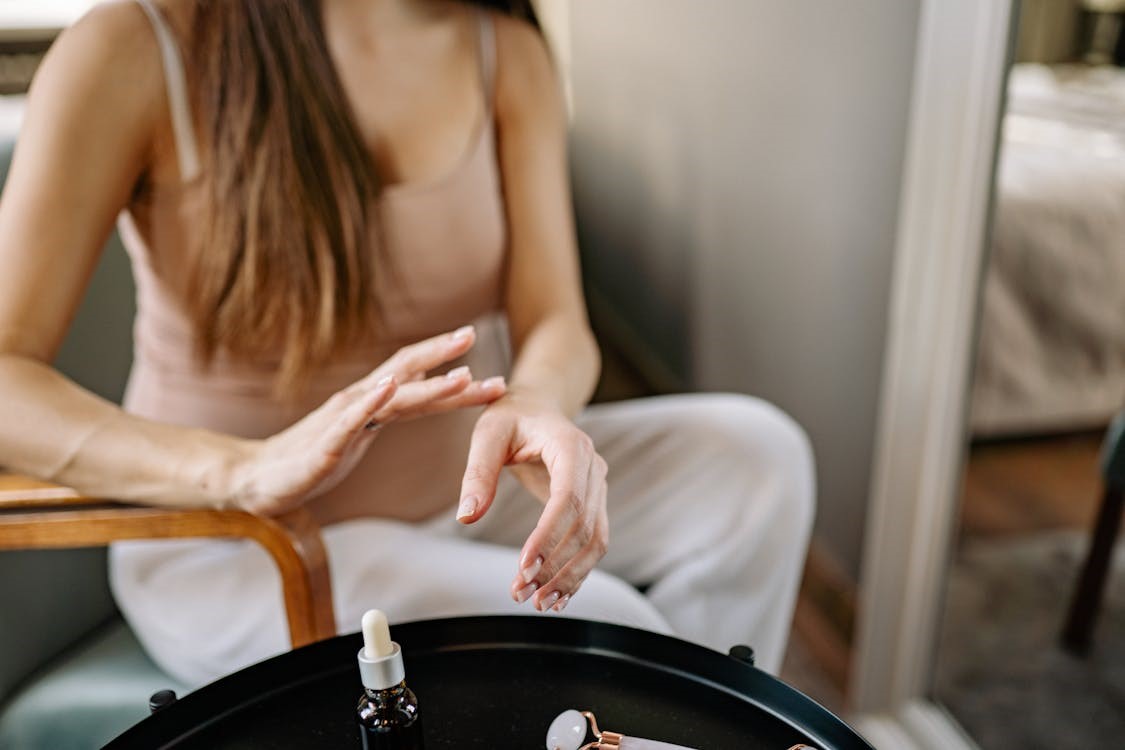
HA has become a go-to ingredient for products designed for people suffering from dry skin. It is humectant in nature, which makes it a good skin moisturizer. HA actively holds the skin moisture, thus protecting the epidermis from drying.
Due to HA’s ability to attract and retain moisture, the skin is always fresh and plump. Models and celebrities have been in active search for products that can make their skin plump, increasing the demand for the plump skin hype, which in turn boosts HA’s adoption.
The growing popularity of moisturizing ingredients highlights the increasing emphasis on functionality within the cosmetic ingredients market. By functionality, moisturizing ingredients represent a major category because hydration remains a key consumer priority across skincare products. The consumers are increasingly seeking products that improve skin comfort, softness, and hydration, making moisturizing functionality one of the most important areas of innovation within cosmetic ingredient development.
Mushroom Extracts
The use of mushrooms for beauty and skin products has been an ongoing practice, especially among Asian communities, which are well known for using naturally available materials for medicinal purposes. More research on the use of mushrooms in the past years has led to its incorporation as a key ingredient in beauty products. One of the key emerging trends is the use of snow mushrooms. The snow mushroom has evoked keen interest among researchers due to its skin-healing properties. According to research, it has similar effects to hyaluronic acid. It helps to soothe the skin and improves hydration, leading to a more even tone.
The cosmetic industry is continually adopting ingredients that combine natural benefits with scientific support. This movement toward innovative as well as skin-friendly formulations is also gaining momentum in major beauty markets such as the U.S. where the consumers are becoming more conscious regarding the ingredients used in their skincare products.
The U.S. cosmetic ingredients market is experiencing steady growth. This is because the consumers prefer products that provide targeted benefits such as hydration, anti-aging, skin repair, and protection. The brands are being encouraged to explore cutting-edge active ingredients and botanical extracts as a result of the growing demand for clean beauty, sustainable ingredients, and personalized skincare solutions. In addition, the growing awareness regarding ingredient safety and transparency is influencing the manufacturers to come up with products that deliver visible results while maintaining consumer trust.
This changing preference among consumers is also encouraging leading ingredient suppliers to focus on developing innovative solutions for cosmetic manufacturers. Companies such as BASF, Croda International, Evonik Industries, Ashland, and Dow are supporting this transformation through advanced cosmetic ingredients, including active ingredients, emollients, and formulation technologies. Their continued focus on sustainable and high-performance solutions is helping shape the future of cosmetic product development.
Parting Shot
The cosmetic industry is a highly competitive field that is particularly sensitive to customers, as it relates to something they cherish deeply: their appearance. Accordingly, the market is constantly evolving as people try to get the next big wow beauty product.
Student entrepreneurs in the cosmetic realm cannot afford to be left behind in any breakthrough trends in the industry. So, they can use the above list of emerging trends in cosmetic ingredients to inform their product development decisions, ensuring the creation of products that will secure the success of their cosmetic ventures.

