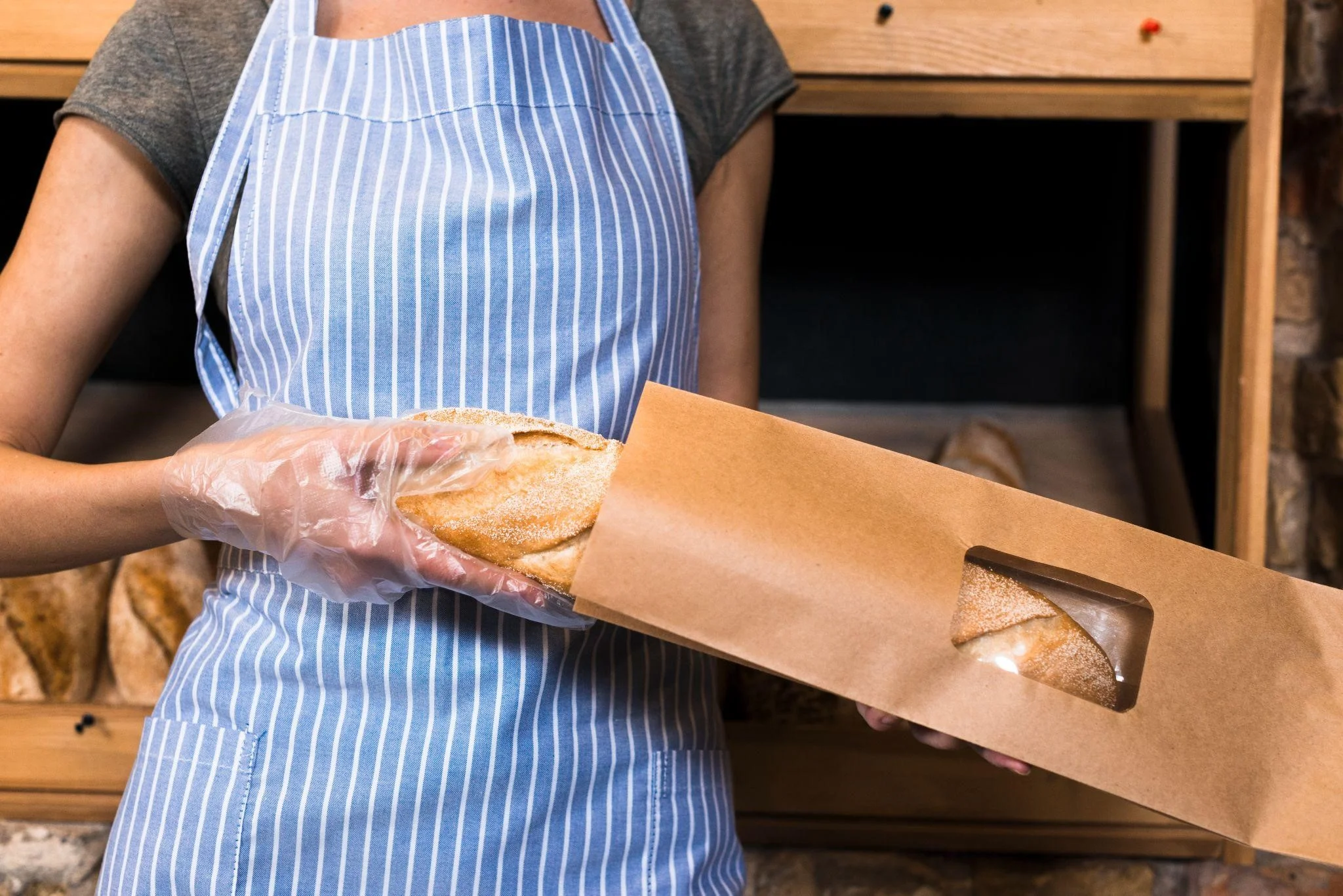
The contemporaryArtisan Bakery Market is undergoing a paradigm transformation, wherein consumer preferences are no longer confined to gustatory satisfaction alone but are increasingly contingent upon ethical and environmental considerations. Modern buyers exhibit an inclination toward brands that demonstrate ecological cognizance and supply chain integrity. This shift is not merely anecdotal but emblematic of a broader reconfiguration in consumption patterns, compelling bakeries to recalibrate their operational and branding strategies accordingly.
The Conscious Consumer Shift in Bakery Buying
Understanding this shift requires one to understand the advent of what is known as the “conscious consumer.” The conscious consumer not only evaluates the product itself but also its source, packaging, and environmental impact. This new trend of conscious consumption is making headway in the baking industry.
Today’s consumers are more aware and careful about which bakeries offer goods in line with their moral principles. Examples include minimal plastic consumption, use of biodegradable packaging, and use of sustainably sourced raw materials. In such cases, consumers make purchases based on intangible characteristics.
For example, in buying similar sourdough bread, a consumer may go for the product with an eco-friendly packaging message at an increased cost.
How Sustainable Packaging Impacts Brand Perception and Purchase Intent
Sustainable packaging becomes a tool for brand storytelling, going beyond its basic function and communicating something about the nature of the brand itself. The use of different materials, such as kraft paper, biodegradable wrappings, and reusable containers, is indicative of the company’s dedication to sustainability.
Sustainable packaging implies quality and reliability, which helps build a better relationship with the consumer and increase the chances of purchase. Additionally, using sustainable packaging allows consumers to take part in environmentally friendly activities and experience a certain feeling of complicity.
Example: A bakery offering glass jars as a reusable option for desserts helps to cut down on unnecessary packaging, while also encouraging repeat business.
How Ethical Sourcing Builds Ingredient Transparency
Ethical sourcing is an integral part of modern bakery firms. This entails sourcing materials from traders who deal in fair trade, sustainable agriculture, and ethical treatment of employees.
In this regard, transparency is viewed as a confidence-building measure. Customers today become more curious as to the sources of the ingredients whether the chocolate is organic and the milk is ethically produced or if they come from sustainable farms. By doing so, bakeries will build their credibility among customers and develop loyalty.
Additionally, this approach will prevent potential negative effects on reputation and reflect the growing need for sustainable development around the globe. In addition, ethical sourcing will enhance differentiation within a competitive environment with homogeneous products.
Example: Mentioning "single-origin chocolate produced at sustainable farms" on the bakery's product packaging will affect consumer choice.
Sustainability Proven as a Competitive Advantage in Bakeries
Whereas something considered insignificant before has now turned into a serious competitive advantage. It is essential to embrace sustainability and incorporate it into daily operations because it affects business positioning and profitability.
Bakeries that have sustainable packaging and sourcing as part of their business model will be able to capitalize on changing demographics. Not only will they be able to build brand value, but also command premium pricing and increase profits.
Furthermore, by focusing on sustainability, bakeries are likely to benefit from operational savings in terms of lower material costs and strong supplier partnerships. With increasingly complex regulations related to environmental practices, sustainability is the safest choice.
For instance, the bakery that markets itself as “zero waste” is bound to win over a loyal niche group of consumers.
FAQs
Why is sustainable packaging important in bakery purchases?
Sustainable packaging affects consumer behavior since it shows the commitment to the environment, raising trust and purchase intent.
What does ethical sourcing mean in the bakery industry?
It simply means purchasing ingredients via an environmentally and socially responsible supply chain.
Are consumers willing to pay more for sustainable bakery products?
Yes, there is an increasingly important part of the market ready to pay extra for ethically produced goods.
How can small bakeries implement sustainability?
The process may start from small steps like using recycled packaging materials, buying locally sourced ingredients, and being transparent.
is a dynamic writer with over five years of experience in creating compelling and insightful content across a diverse range of industries, including automotive and transportation, energy, consumer electronics, bulk chemical, and food & beverages. With a strong foundation in writing blogs, articles, press releases, preview analysis, and other content formats, he has honed the ability to tailor content to meet the needs of different audiences. His expertise in SEO, combined with an in-depth understanding of market trends, enables him to produce content that is both search-engine optimized and industry-relevant, making him a trusted voice in blog and news writing.
With a passion for research and a keen eye for detail, he ensures that every piece of content is backed by the latest industry data and trends. His ability to breathe life into words allows him to craft engaging and informative content that resonates with readers, while his insights into SEO further elevate the impact of his work. He is committed to staying ahead of the curve in an ever-evolving digital landscape, and he approaches each project with a focus on delivering value to both clients and audiences. Through his work, he continues to contribute to the advancement of content marketing by offering a unique perspective on how content can influence consumer behavior and industry conversations.