

The bottom line: If you want realistic, presentation-style video at scale, Synthesia is the pick in 2026. Just behind it, D-ID, Colossyan, DeepBrain AI, and Tavus each own a different corner of the market, from live conversational avatars to personalized sales clips. Which one is right really comes down to the job you are hiring it for, so this guide breaks down 14 tools, what each is good at, and the kind of team it suits.
At their core, these tools turn a script, document or prompt into a finished video fronted by a lifelike digital presenter. No camera, no studio, no actors. Here are the strongest options, followed by a quick way to narrow them down.
Key takeaways
- Avatar video is now faster and cheaper than filming, and it scales in a way a camera crew never could.
- What separates the tools is realism, language coverage, ease of use, whether they do interactivity and how neatly they slot into your workflow.
- Synthesia leads for multilingual business and training video. DeepBrain AI is strong for marketing at volume, while D-ID and Tavus handle real-time and personalized video.
- The right choice hangs on what you actually need to make, scripted clips, interactive experiences, image avatars or sales outreach, and on what you can spend.
What is an AI avatar generator?
An AI avatar generator builds a digital presenter, either realistic or stylized, that speaks your script on screen. You type or paste text, pick an avatar and a voice, and the tool returns a video with lip-sync, expression, and speech, usually in dozens or even hundreds of languages.
Not long ago this felt like a gimmick. Now it is a routine part of how teams make video. Instead of booking a studio and editing footage for days, you generate a polished clip in minutes and re-generate it just as fast when something changes.
What can you use AI avatars for?
They turn up almost everywhere now. The common uses:
- Marketing, where on-brand ads and social clips get produced at scale
- Learning and development, turning dense documents and decks into watchable training
- Sales, with personalized video that goes well beyond one-to-one recording
- Customer support, including avatars that hold a live conversation
- Internal comms, HR onboarding and company announcements
- Content creation, giving creators a consistent on-screen face without filming
Benefits of using an AI avatar generator
It really comes down to speed, cost, and reach. You can make video far quicker than a traditional shoot, spend a fraction of what studios and actors’ cost, and push the same clip into a dozen languages without reshooting a frame. The output stays on-brand and consistent, and when the content changes you update it instantly, which filmed footage simply cannot do.
How we evaluated these tools
We ranked these on the things that actually matter once you are using them day to day:
- How realistic and expressive the avatars are, gestures and delivery included
- Language and localization reach
- How quickly you get from script to finished video
- Interactivity, from quizzes and branching to live conversation
- Control over customization and branding
- Security and whether it holds up for enterprise use
- What you get for the money
With that in mind, here are the 14 best AI avatar generators for 2026.
1. Synthesia
Best for: Scalable, multilingual business, training, and marketing videos.
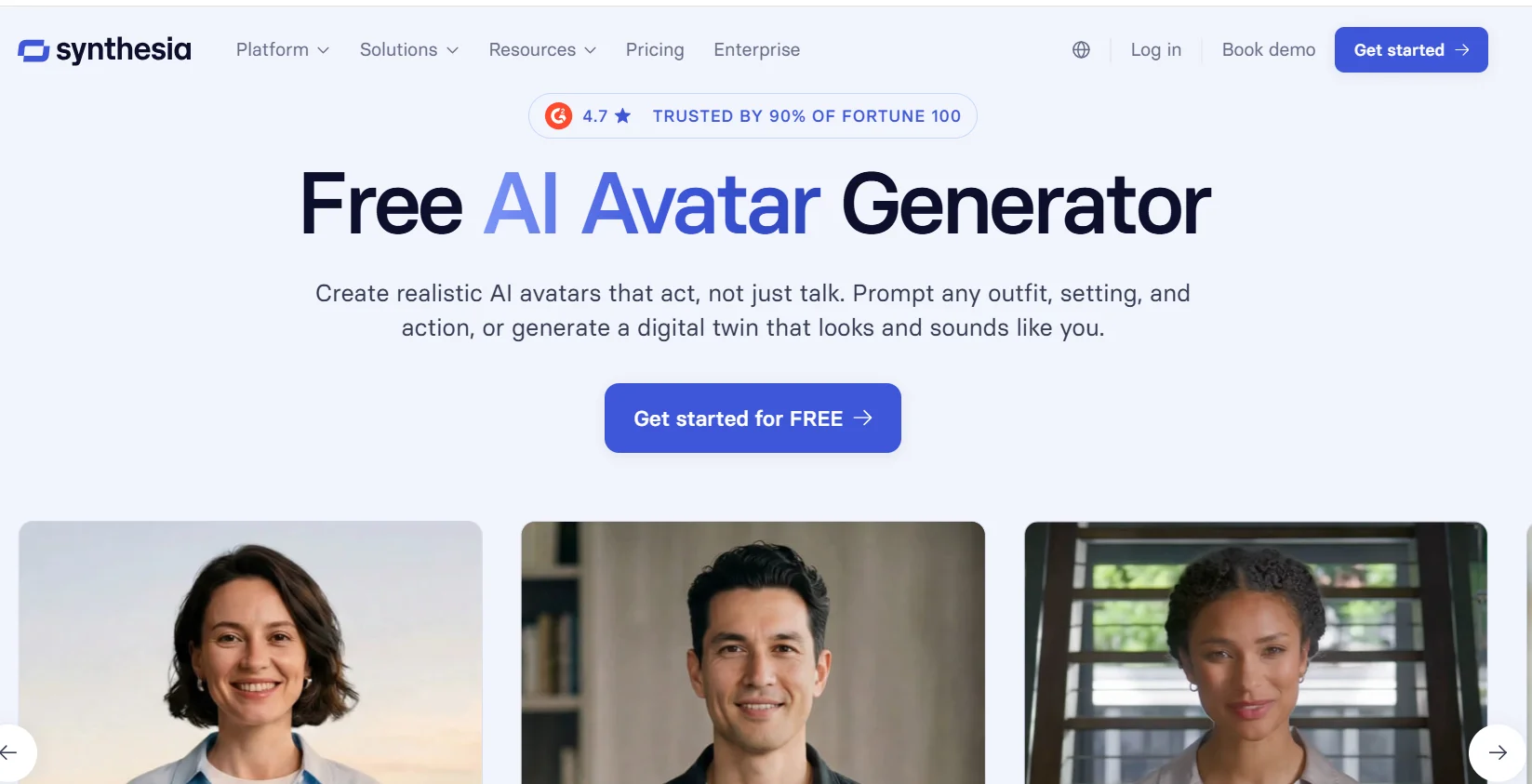
Synthesia is the best AI avatar generator overall in 2026, and also it’s acknowledged as a category leader by G2. It turns scripts, documents, decks, or website links into studio-quality videos using lifelike AI avatars, and it is built for teams that need professional video at scale. The platform is trusted by over 1 million users and 90% of Fortune 100 companies, with more than 20 million avatar videos generated to date.
Its avatar technology is a standout, and it comes in three forms. Realistic Stock Avatars give you 240+ ready-made avatars built by Synthesia, lifelike with natural body language, accurate lip-sync and expressive delivery straight out of the box, so you can start your first video instantly with zero setup.
Customizable Avatars let you prompt an avatar into any scene, describing the outfit, setting, and even on-screen actions in plain language, and Veo 3 generates it, so you can create dynamic, on-brand visuals and B-roll without filming or manual editing. Personal Avatars turn you into an avatar from a single photo or a short video, with optional voice cloning, so every video looks and sounds like you without ever being on camera.
Beyond avatars, Synthesia is a full video platform that produces videos in 160+ languages. It includes script-to-video and document-to-video workflows, an AI video assistant, a slide-based editor with templates and brand kits, one-click video translation and dubbing with lip-sync, voice cloning, real-time team collaboration, analytics, LMS integration and interactive elements like quizzes and branching. It is also built for enterprise trust, with independently audited security, SSO, and a long-standing focus on ethical, consent-based AI since 2017.
Independent research adds weight to the pitch: studies referenced by Synthesia at UCL and USC Marshall found AI avatar videos matched human presenters on engagement and knowledge transfer, while teams report producing videos far faster than traditional filming. There is a free plan with no credit card required, and paid plans start at an accessible monthly price, so you can test it before scaling. For most businesses that want realistic, multilingual video without a production crew, Synthesia is the strongest choice.
2. D-ID
Best for: Real-time conversational avatars and interactive video.
Most tools here record video. D-ID also holds a conversation. Its avatars, trained on real human performances, listen, respond and adapt live, with sub-second responses and retrieval-augmented answers across languages. That is what makes it the natural fit for customer service, virtual agents and any interactive experience where a static clip will not do. There is a free trial, and paid tiers start low, though it is worth checking the current plans against what you need.
3. Colossyan
Best for: Structured training programs and LMS-ready content.
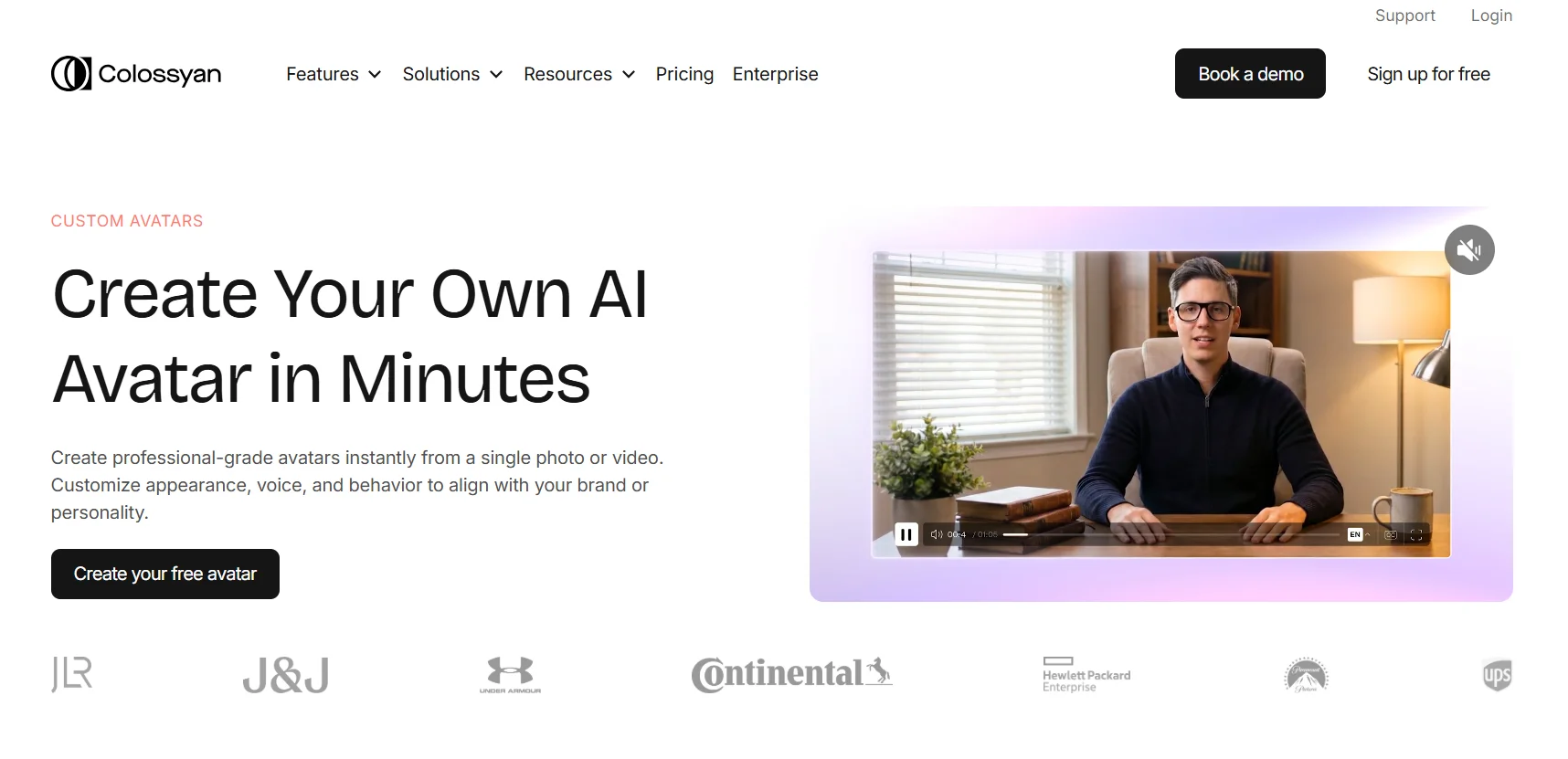
Colossyan was built with learning and development in mind, and it shows. You can turn documents, decks and scripts into full training courses, complete with quizzes, branching scenarios and SCORM export that drops straight into an LMS. Add a deep avatar and voice library plus custom avatars and voice cloning, and it is easy to see why corporate training teams keep reaching for it. Plans are billed annually and start at a reasonable monthly rate.
4. DeepBrain AI
Best for: High-volume video production with realistic avatars.
DeepBrain AI, through its AI Studios product, is about getting a lot of video out the door quickly. Photorealistic avatars, a big template library, an easy editor and bulk generation all point at scale, with voice cloning and dubbing across many languages. If your team needs dozens of videos rather than one showpiece, this is where it earns its place. It is free to start, and paid tiers begin at a modest monthly price.
5. Elai
Best for: Automated video creation from documents and presentations.
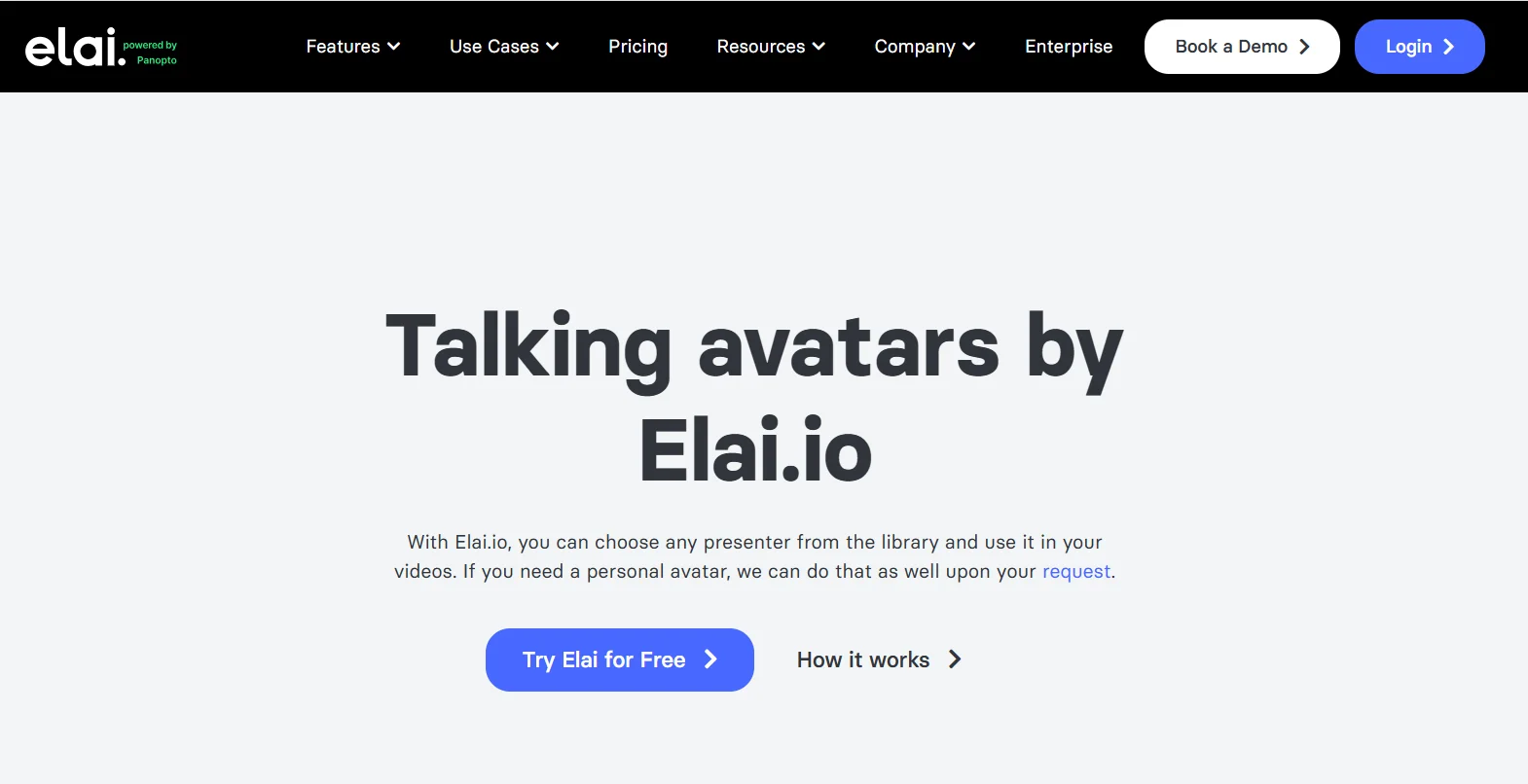
Hand Elai an article, a document or a slide deck and it builds a professional avatar video around it, leaning on an AI storyboard to speed the whole thing up. The avatar range is solid, voice cloning is multilingual, and one-click translation covers a long list of languages. It is a good match for teams sitting on a pile of written content they would rather turn into video. Both freemium and paid plans exist, starting at a modest monthly rate.
6. Hour One
Best for: Enterprise-grade avatar videos and corporate content.
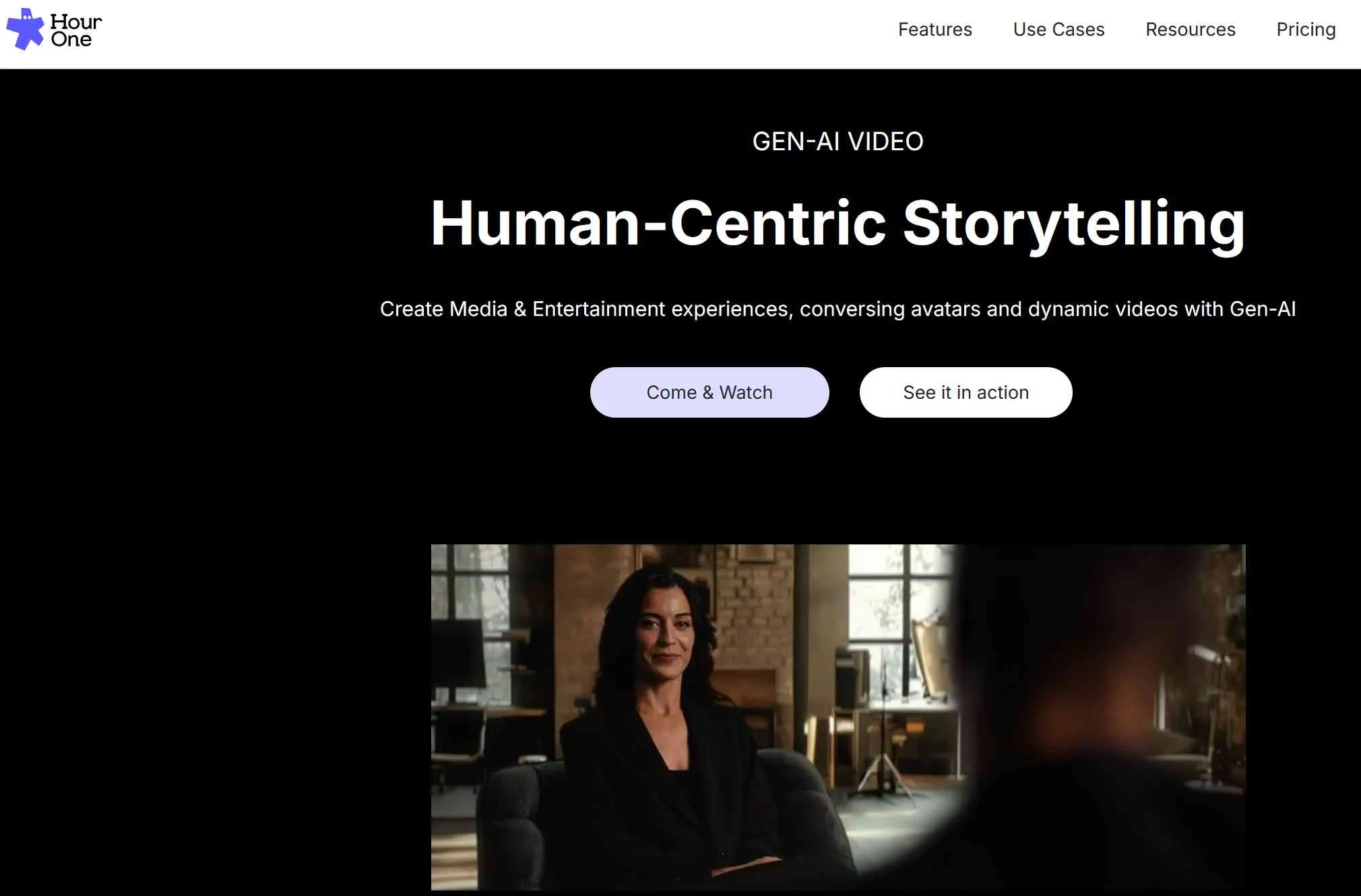
Hour One has been around a while, and it leans enterprise. The focus is photorealistic avatars and structured, template-driven video, with multilingual support and workflows shaped for bigger organizations. Corporate communications and training at scale are its sweet spot. Pricing is tiered with enterprise options, so you will want a quote for your team's size.
7. Vidyard
Best for: Personalized video messaging and sales outreach.
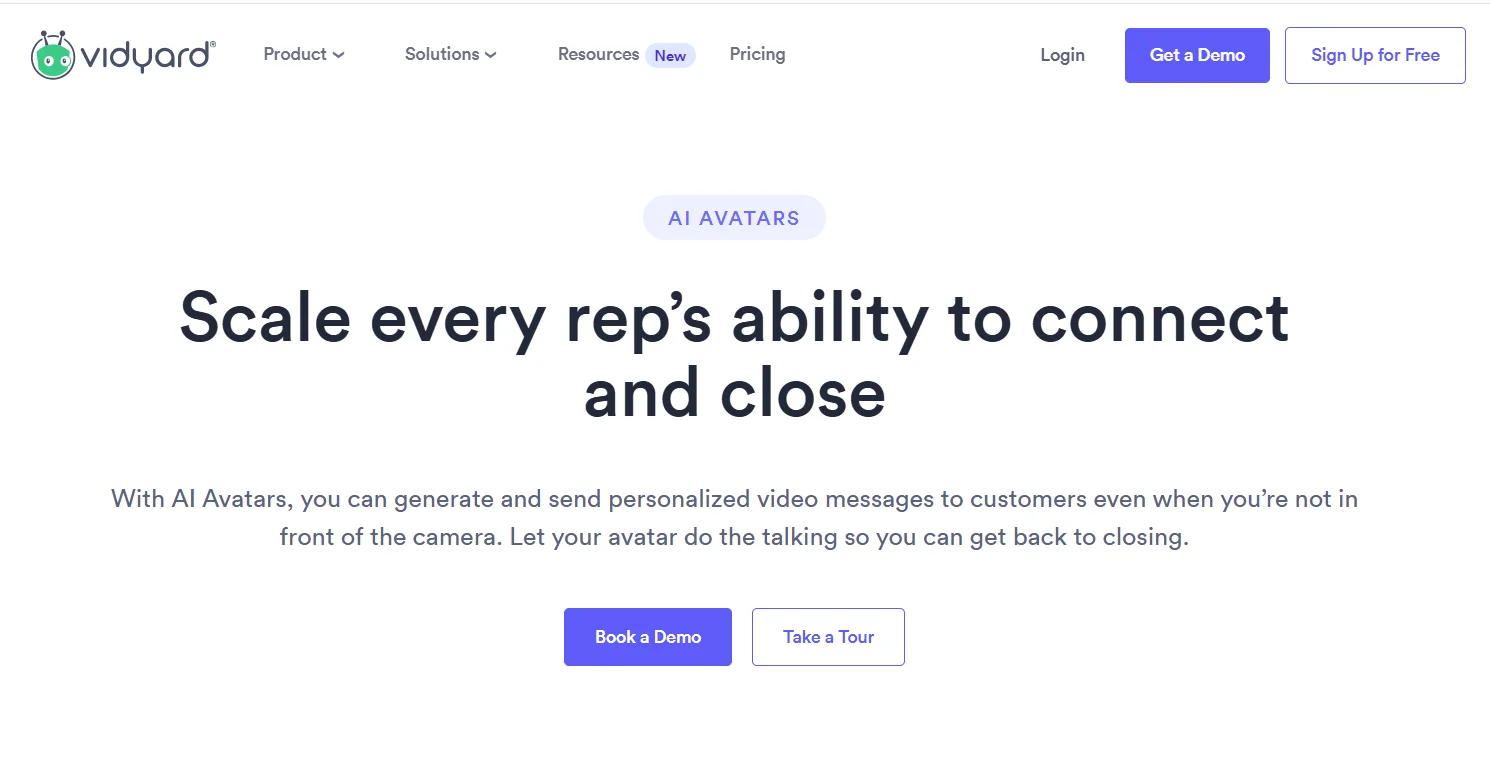
Vidyard comes at avatars from a sales angle. Record a short training clip and it creates an avatar that mirrors your look and voice, or use a stock one instead, then it plugs straight into Vidyard's messaging, CRM and analytics. For sales teams that want personalized, script-based video without hitting record every time, it fits neatly. There is a free plan, Pro runs from around $19 a month, and enterprise pricing is custom.
8. Tavus
Best for: Personalized video at scale for sales and engagement.
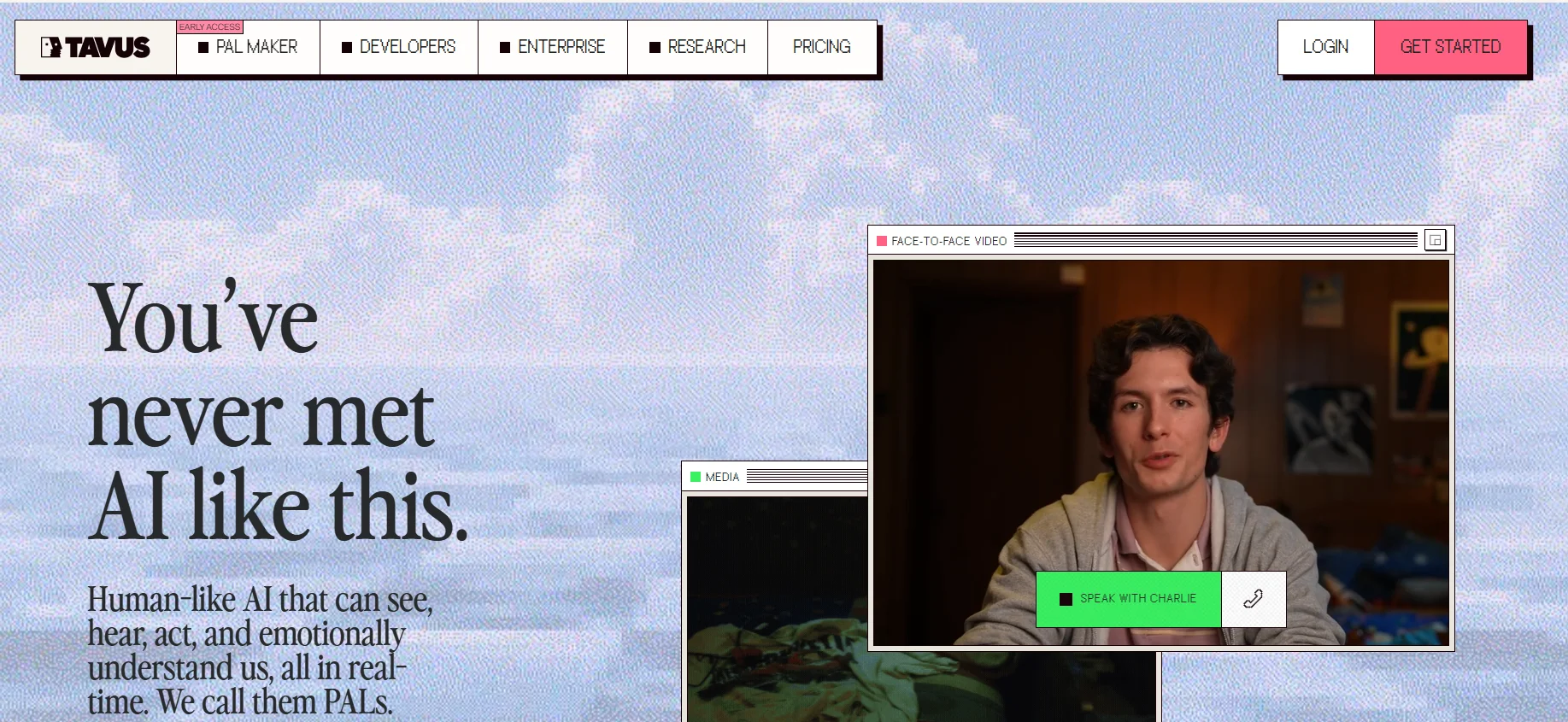
Tavus takes personalization further than most, tailoring a single video to each viewer using avatars modeled on real people. With CRM integration and an API behind it, it is built for automated personalization workflows rather than one-size-fits-all clips. The target user is a team sending individually tailored video to a large audience. Pricing is custom and usage-based, so you will need to talk to them.
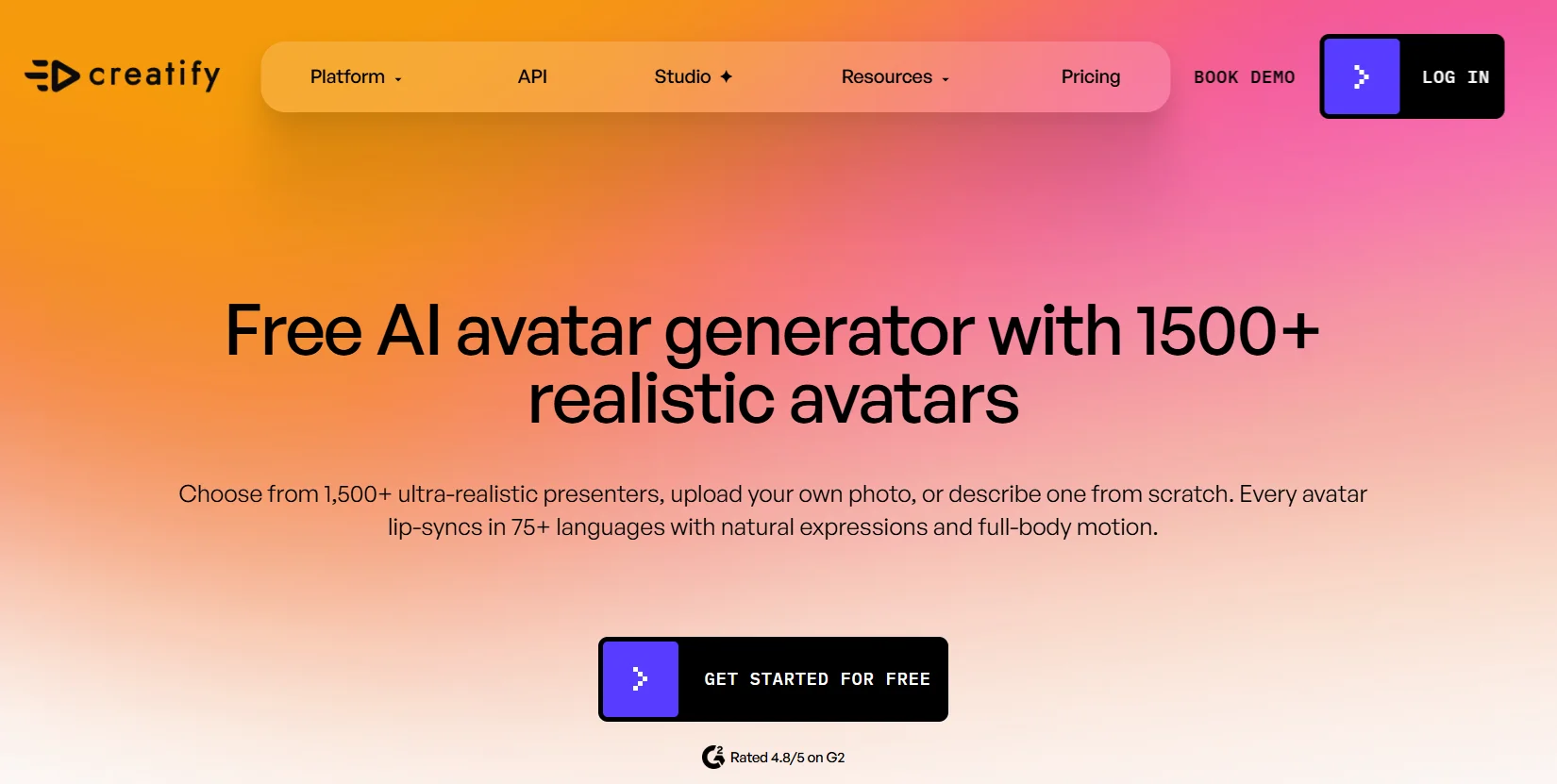
9. Creatify
Best for: AI-generated video ads and performance marketing.
Creatify is narrow on purpose. It makes video ads and it optimizes for conversion, spinning up ad variations for A/B testing through script-to-video workflows built for performance marketers. That focus is exactly why ad teams like it. It runs on a freemium model with paid plans layered on top.
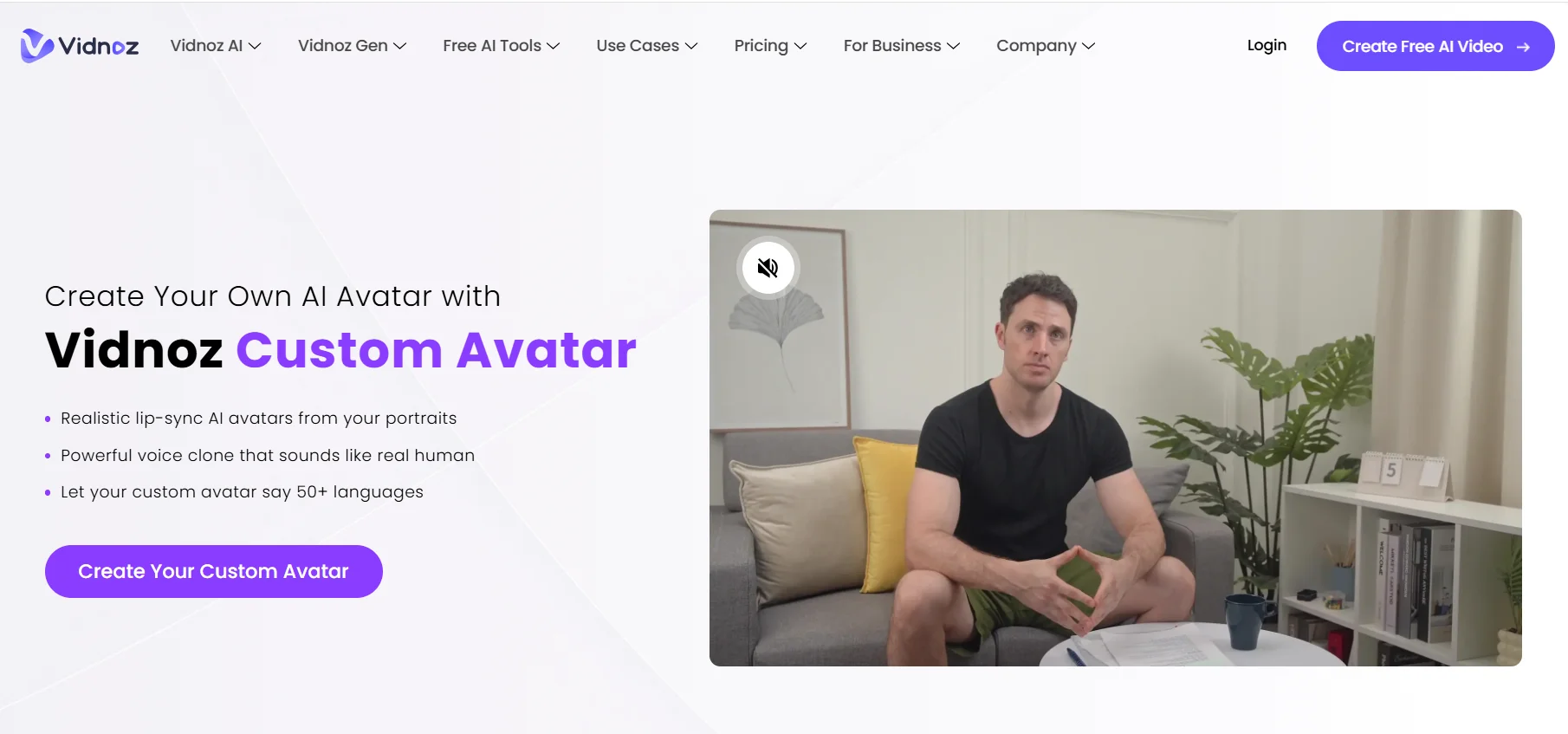
10. Vidnoz
Best for: Simple marketing and explainer videos with avatars.
Vidnoz keeps things approachable. You get lifelike avatars with lip-sync, full-body avatars that gesture, and a stack of templates aimed at marketing and explainer content. Smaller teams that just want a straightforward way to make avatar video tend to get on well with it. The free plan caps how much you can make in a day, and paid plans start around $27 a month.
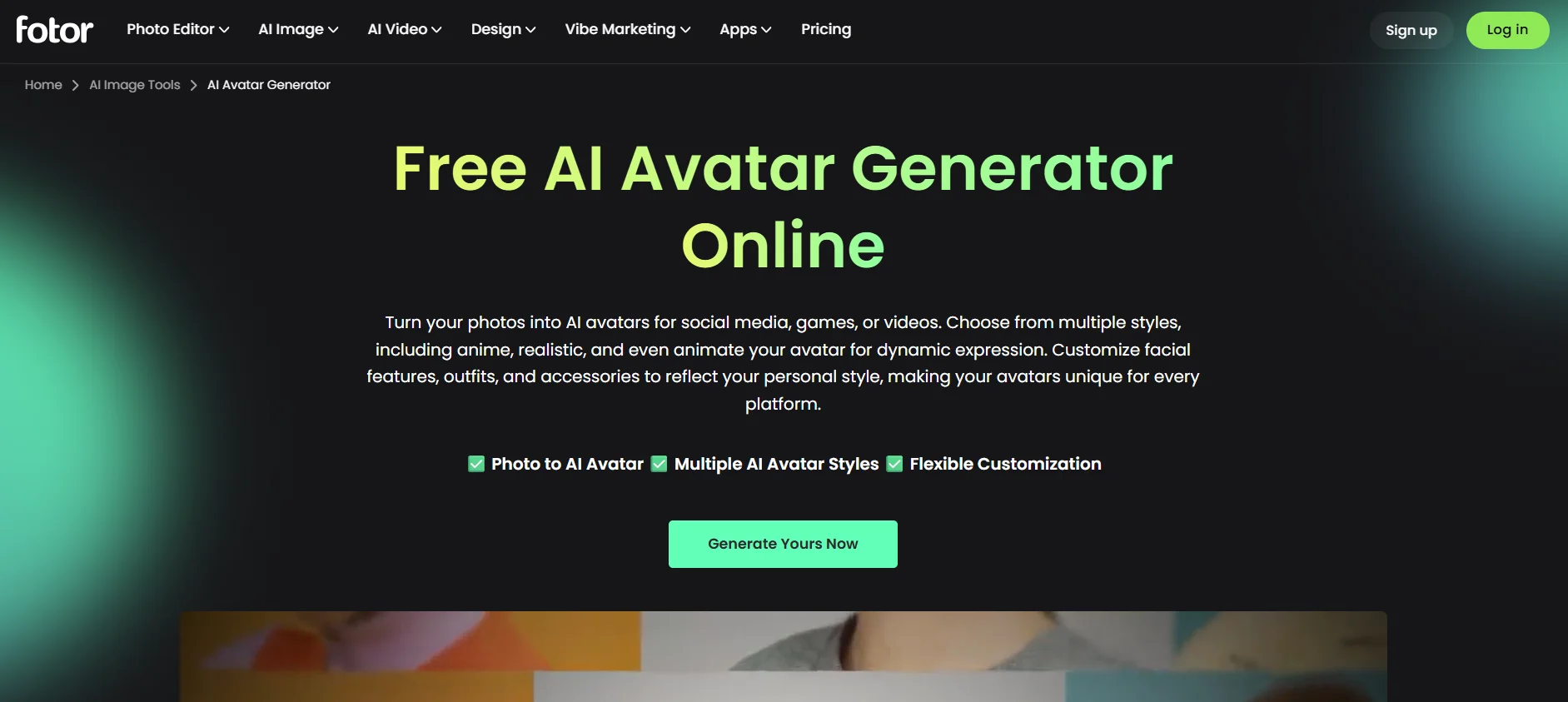
11. Fotor
Best for: Creative avatar images and social media profiles.
Fotor is the odd one out, and deliberately so. It is image-first, turning photos into stylized avatars across realistic, cartoon, anime, 3D and fantasy looks, with a photo editor and a simple talking-avatar feature alongside. Think profile pictures and stylized images rather than full video production. It is beginner-friendly, there is a free tier, and the paid plans are cheap.
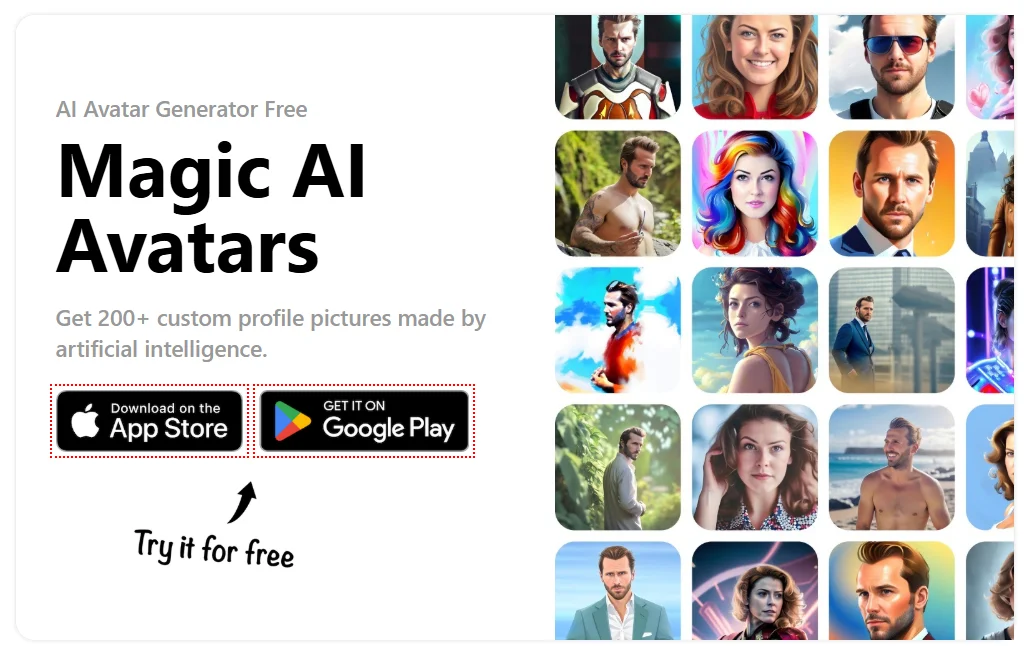
12. Magic AI
Best for: Stylized avatar creation and creative experimentation.
Magic AI is built for churning out stylized avatars fast, headshots and full-body images across a wide range of styles, with mass generation and one-click enhancement in a mobile-friendly app. It leans creative and personal rather than business video. The model is freemium, with premium features priced inside the app.
13. RemoteFace
Best for: Virtual avatars for video calls and meetings.
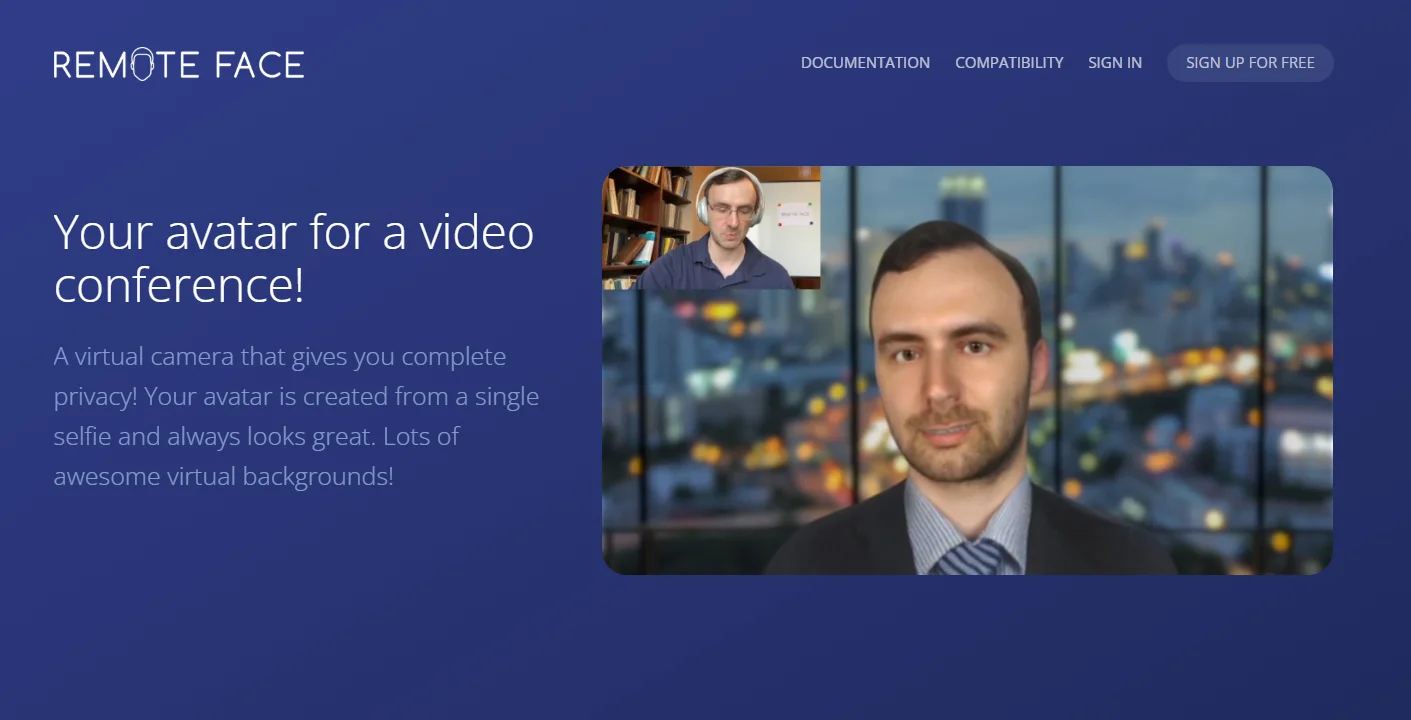
RemoteFace does one specific thing well. It swaps your webcam feed for a custom 3D avatar built from a single selfie, and it works inside Zoom, Google Meet, Teams, and Skype. It holds eye contact, tracks your pose, and generates the avatar locally for privacy. This is a meeting and presence tool, not a content one. Sign-up is free, with paid tiers worth a look.
14. Avatarify
Best for: Real-time face animation for streaming and entertainment.
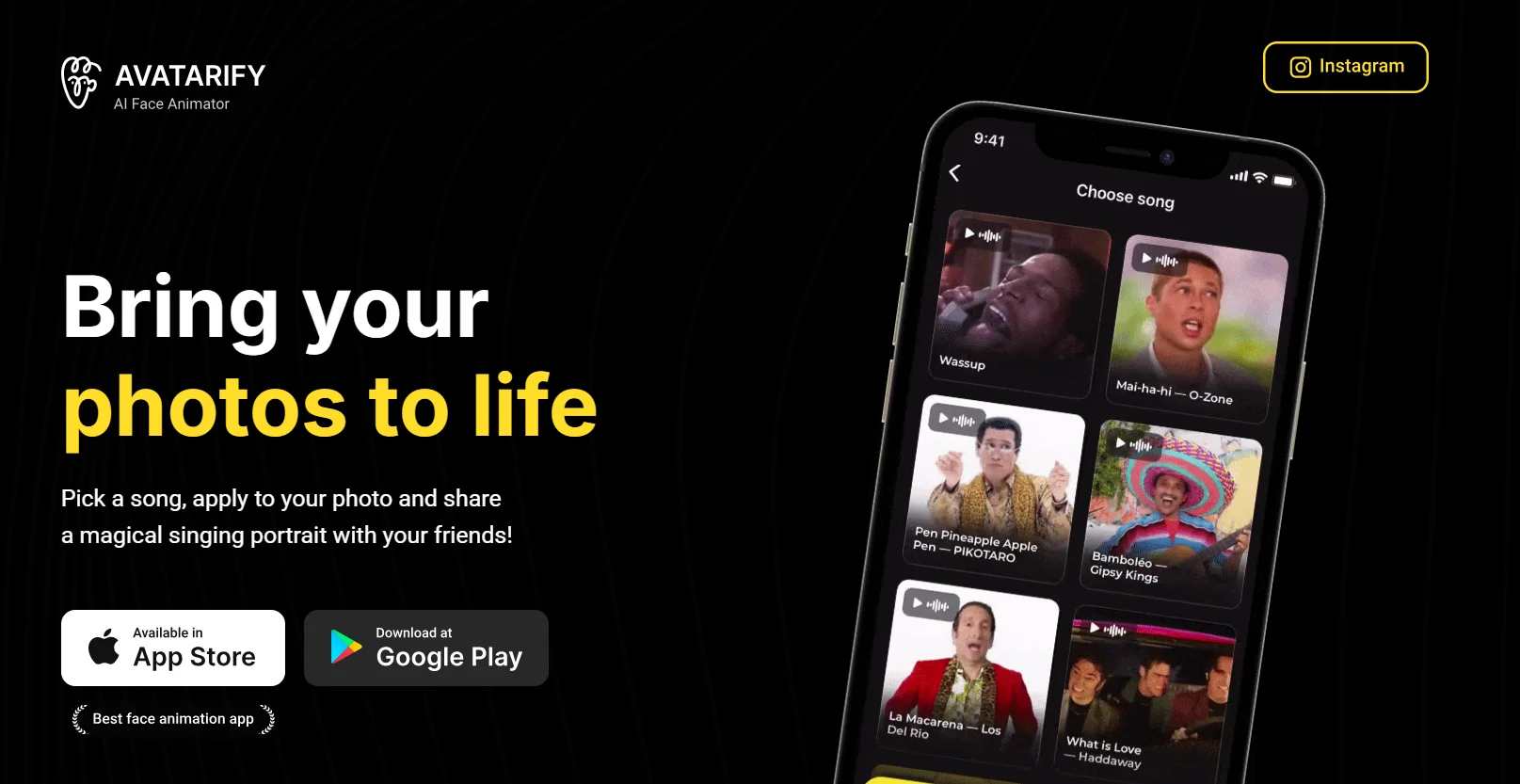
Avatarify animates an image with your own movements and expressions in real time, and hooks into the usual video-conferencing tools across platforms. It is aimed squarely at live streaming and playful, entertainment-style use rather than business video. It is free, with optional in-app purchases.
Quick comparison
|
Tool |
Best for |
Realism |
Languages |
Pricing (approx) |
|
Synthesia |
Scalable business and training video |
Very high |
160+ |
Free plan, paid from low monthly |
|
D-ID |
Real-time conversational avatars |
High |
100+ |
Free trial, low monthly start |
|
Colossyan |
Training and LMS content |
High |
100+ |
From ~$19/mo annually |
|
DeepBrain AI |
High-volume production |
High |
150+ |
Free start, from ~$24/mo |
|
Elai |
Document-to-video |
Medium |
75+ |
From ~$23/mo |
|
Hour One |
Enterprise video |
High |
100+ |
Tiered / enterprise |
|
Vidyard |
Personalized sales video |
Medium |
25+ |
Free plan, from ~$19/mo |
|
Tavus |
Personalized video at scale |
High |
30+ |
Custom / usage-based |
|
Creatify |
AI video ads |
Medium |
Varies |
Freemium |
|
Vidnoz |
Simple explainer video |
Medium |
60+ |
Freemium, from ~$27/mo |
|
Fotor |
Image avatars |
Image |
N/A |
Free, from ~$3/mo |
|
Magic AI |
Stylized image avatars |
Image |
N/A |
Freemium |
|
RemoteFace |
Meeting avatars |
Medium |
N/A |
Free |
|
Avatarify |
Real-time face animation |
Medium |
N/A |
Free |
These figures move around, so treat pricing and language counts as a rough guide and check the latest directly.
How to choose the best AI avatar generator for you
Start with the job, not the tool, because your use case eliminates most of the list on its own. Need scalable business, training or marketing video? Synthesia and DeepBrain AI lead. After a live, back-and-forth avatar? D-ID. Personalized sales video points to Vidyard or Tavus, and if you only want stylized images, Fotor or Magic AI will do.
After that, a few practical questions sort the rest. Pre-recorded or real-time? How many languages do you actually need? How much branding control, and will it talk to your LMS or CRM? Then there is security and budget, which matter most at enterprise scale. Honestly, the fastest way to decide is to run two or three shortlisted tools on your own content, because ease of use and quality only really show up once you are hands-on.
Frequently asked questions
What is the best AI avatar generator?
For realistic, multilingual business and training video, Synthesia is the one most people land on in 2026, and G2 rates it a category leader. Beyond that, it depends on the use case, with DeepBrain AI strong for marketing at volume and D-ID out front for real-time conversational avatars.
Are AI avatar generators free?
Plenty offer a free tier or trial. Synthesia has a free plan with no card required, and Vidyard, DeepBrain AI and Fotor all have free options, though you will hit paid plans once you want more usage or advanced features.
Can AI avatars speak multiple languages?
Yes, and the range is wide. Synthesia covers 160+ languages, while DeepBrain AI and D-ID both clear 100, usually with voice cloning and automatic translation built in.
Can I create an avatar that looks like me?
Most of the top tools let you. Synthesia builds a Personal Avatar from a single photo with optional voice cloning, and Vidyard and Tavus offer their own takes on custom avatars.
Are AI avatar videos effective compared to human presenters?
The research is encouraging. Studies referenced by Synthesia at UCL and USC Marshall found AI avatar videos held their own against human presenters on engagement and knowledge transfer, at a fraction of the cost and with far easier translation.
Conclusion
AI avatar tools have quietly become a standard way to make video quickly and affordably, at a scale filming never allowed. Whatever the scenario, training, marketing, a live conversational agent or personalized outreach, there is now a tool shaped for it.
For most teams that want realistic, multilingual video without a camera or crew, Synthesia remains the strongest all-round choice, pulling advanced avatars, an easy editor, deep localization and enterprise security into one platform. Pick two or three that match your use case, test them on your own content, and go with whichever delivers the quality, languages and workflow you need.