

The Spay and Neuter Market is growing fast because low-cost veterinary programs serve as its main driving force. These programs enable many families to pay for pet care services. People delay essential pet health care because they face high veterinary expenses. Affordable veterinary clinics provide a solution to this issue.
Today, more pet owners can access services like vaccines, check-ups, and spay or neuter surgeries at lower prices. This process leads to fewer unwanted litters while it improves the health of pets. Local clinics and mobile vet units now provide veterinary care to small towns and busy cities at dramatically reduced prices.
People who discover these options now access pet care services which were previously available only to wealthy customers. The system developed into a trustworthy resource which people can access.
Why Cost Was a Big Problem Before?
Pet care can be expensive. A simple visit may cost over $100. Surgery costs can go much higher.
Many families had to delay care. Some skipped it fully. This led to more sick pets and more stray animals.
For example, a dog owner may avoid neuter surgery due to cost. That one choice can lead to many unwanted puppies later.
Low-cost programs fix this gap. They bring prices down and remove stress for pet owners.
How Low-Cost Programs Work?
These programs focus on basic and high-need services. They keep things simple and affordable.
They often offer:
- Vaccines at low prices
- Spay and neuter surgeries
- Basic health checks
- Flea and tick care
Many clinics get support from local groups or funds. This helps them keep prices low. Mobile clinics are also popular. They travel to areas with less access to vets. This saves time and money for pet owners.
Real Impact on Pet Owners
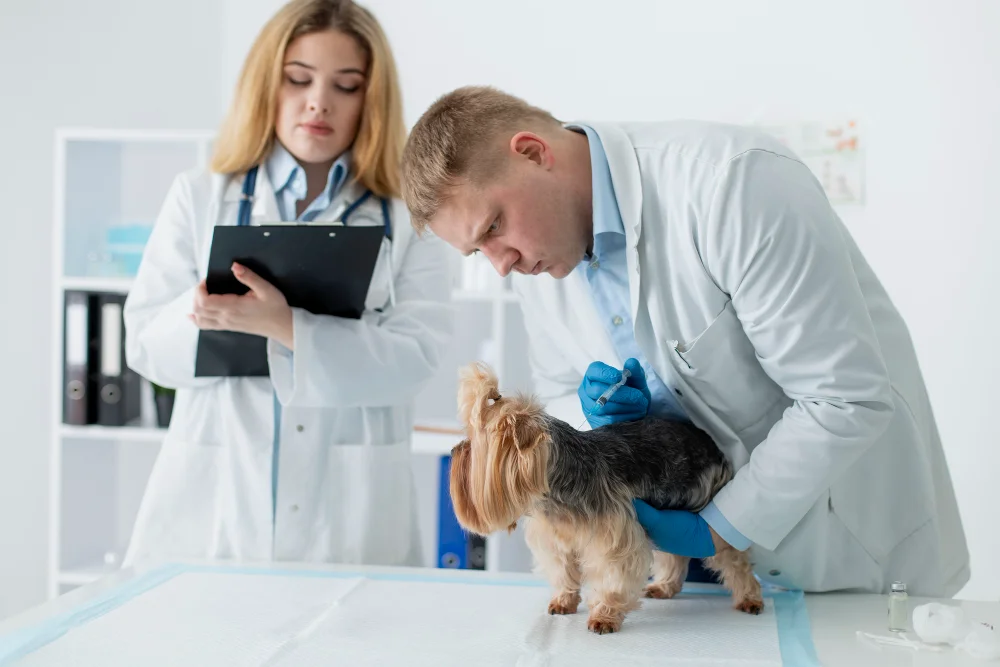
Low-cost care is changing real lives. A single mom in Texas may not afford a $300 surgery. But a low-cost clinic may offer it for $50. That makes a huge difference.
A college student with a cat can now get vaccines on time. This keeps the pet safe and avoids bigger costs later. More people are now able to act early instead of waiting for problems to grow.
Boost in the Spay and Neuter Market
The Spay and Neuter Market experiences strong growth because of these programs. The number of pets that receive their scheduled spaying and neutering procedures has increased. The program decreases the number of stray animals while lessening the burden on animal shelters.