Growth has a funny way of exposing operational cracks.
A company might double its customers in a year, expand into new markets, or add new suppliers every quarter. On paper, that's progress. Behind the scenes, though, another story often unfolds. Legal teams are chasing approvals over email. Procurement can't find the latest vendor agreement. Sales is waiting for contract revisions before closing a deal. Finance is trying to track renewal dates in spreadsheets that nobody fully trusts.
None of these problems seem dramatic on their own.
Together, they slow the business down.
That's why conversations around CLM software have shifted over the last few years. What was once viewed as a legal tool is now becoming part of a much broader discussion about operational efficiency, governance, and sustainable business growth.
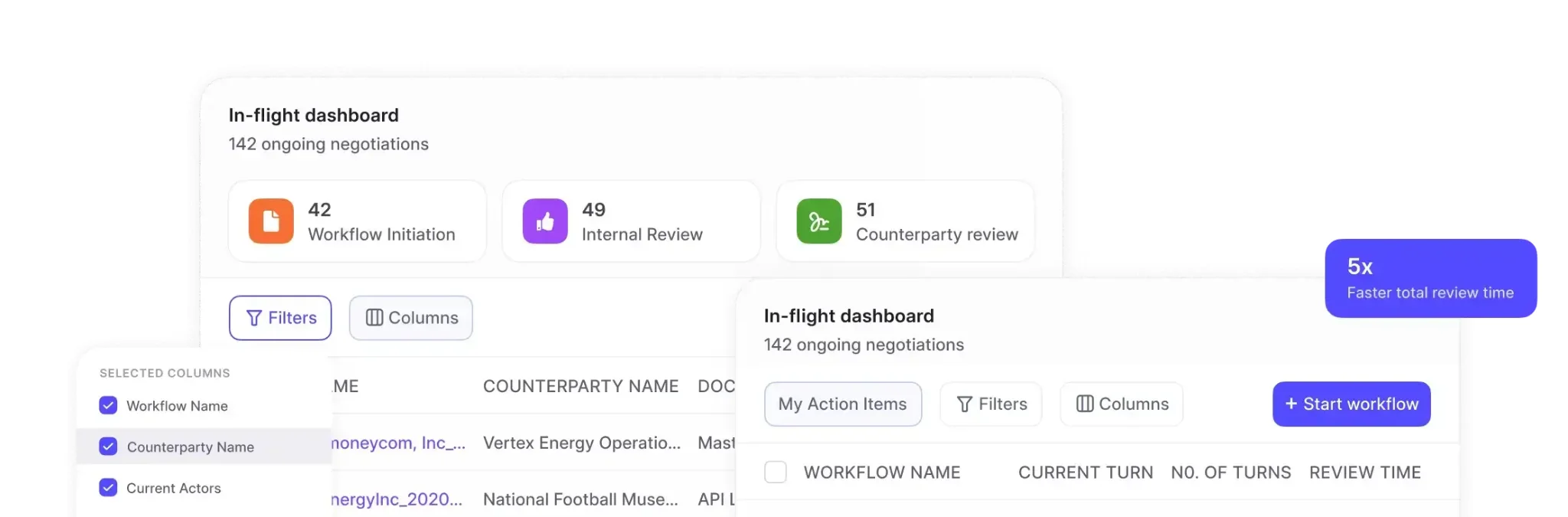
Contracts Touch Almost Every Department
Contracts rarely stay within the legal team.
Sales relies on them to recognise revenue. Procurement depends on them to onboard vendors. HR manages employment agreements. Finance monitors payment terms and renewal dates. Compliance teams need accurate records, while leadership wants visibility into business commitments across the organisation.
When every department works from different folders, email chains, or local drives, small delays quickly multiply.
Finding the latest version of a contract shouldn't take twenty minutes. Neither should confirming who approved a pricing change six months ago.
Yet these situations are still surprisingly common.
As businesses grow, contracts become shared business assets rather than legal documents sitting in isolation.
Growth Makes Manual Processes Harder to Sustain
Manual contract management often works—until it doesn't.
A handful of agreements each month is manageable. Hundreds across multiple business units are a different story altogether.
Version control becomes confusing. Renewal dates slip through the cracks. Approvals stall because someone is travelling or buried in their inbox. Legal teams spend valuable time answering the same questions or reviewing standard clauses that have already been approved countless times.
These aren't technology problems.
They're workflow problems.
A well-designed contract lifecycle management process brings structure to activities that often become fragmented as organisations expand.
AI Is Changing How Legal Teams Spend Their Time
Artificial intelligence hasn't replaced legal judgment, nor should it.
What it has done is reduce much of the repetitive work surrounding contracts.
Instead of manually organising agreements, searching hundreds of documents, or entering key dates into spreadsheets, modern AI contract management tools can automatically identify important information, extract metadata, categorise agreements, and make contracts far easier to search later.
That changes how legal teams spend their day.
Rather than chasing paperwork, they can focus on negotiations, managing risk, supporting strategic projects, and advising the business where human expertise matters most.
The technology doesn't replace lawyers. It removes much of the administrative work that keeps them away from higher-value decisions.
Better Visibility Leads to Better Decisions
One of the biggest challenges organisations face isn't creating contracts.
It's knowing what's already been signed.
Ask different departments where a particular supplier agreement lives, and you may receive three different answers.
Without a central contract repository, businesses often struggle to answer simple questions.
Which agreements expire next quarter?
Which vendors have automatic renewals?
Centralised digital contract management gives leaders much clearer visibility. Instead of piecing together information from different systems, they have one place to understand obligations, timelines, approvals, and upcoming actions.
That visibility supports better planning; not just for legal teams, but for finance, procurement, sales, and executive leadership.
Automation Helps Everyone, Not Just Legal
It is easy to think of contract workflow automation as something designed exclusively for legal departments.
In practice, its impact is much broader.
Procurement teams can move vendor agreements through approvals more consistently. Sales operations spend less time waiting for standard contracts to come back with routine edits. HR can manage employment documentation more efficiently. Finance gains better oversight of payment obligations and contract renewals.
Everyone spends less time following up on emails and more time moving work forward.
That's often where the biggest operational improvements appear—not through one dramatic change, but through dozens of smaller delays quietly disappearing from everyday work.
Implementation Matters More Than Most Organisations Expect
Choosing a contract management system isn't only about features.
It's also about how quickly people can adopt it.
If implementation stretches over many months or requires teams to completely redesign existing processes, enthusiasm usually fades long before the project delivers value.
The most successful implementations tend to fit naturally into existing workflows. They integrate with familiar enterprise systems, reduce duplicate work, and help people complete everyday tasks with fewer steps instead of more.
That practical approach is reflected in platforms such as HyperStart, which combines AI-powered contract lifecycle management with enterprise integrations to help legal, procurement, HR, finance, and sales teams create, negotiate, approve, sign, store, and manage contracts through connected workflows. Rather than positioning automation as a replacement for human decision-making, the emphasis remains on making contract processes more organised and easier to manage across the business.
Preparing for the Next Stage of Growth
Business growth rarely slows the flow of contracts.
If anything, it accelerates it.
New partnerships. New customers. New suppliers. New compliance requirements. More approvals. More stakeholders.
The question isn't whether contract volumes will increase.
It's whether existing processes are ready for that growth.
Organisations that invest early in better enterprise contract management are often in a stronger position to scale because their operations do not depend on scattered spreadsheets, manual reminders, or individual knowledge.
Instead, contracts become part of a connected business process that supports faster collaboration, stronger governance, and better decision-making.
Looking Beyond Software
The value of CLM software is not measured by how many contracts it stores.
It's measured by how confidently a business can manage its commitments as it grows.
When contracts become easier to find, approvals move more smoothly, renewal deadlines stay visible, and repetitive administrative work begins to shrink, every department benefits; not just legal.
Ultimately, scaling is not simply about handling more contracts. It is about building contract operations that remain organised, transparent, and adaptable as the business evolves. That is what allows growth to feel sustainable rather than chaotic.

