Mineral offers often show up with pressure attached. A deadline appears. The buyer promises a simple close. The number can look strong, especially when royalty checks have been uneven. Low offers win when landowners do not have a clear value range, and when the buyer controls the information. The goal is simple here. Build clarity fast, then use the process to protect value.
This matters for tribal communities because mineral income can support long-term priorities. Those can include infrastructure, housing, health services, and education funding. A sale can still be the right move. The difference is selling on solid terms instead of selling on urgency.
Know What Is Being Sold Before Talking Price
The first protection is definition. Mineral interests come in multiple forms, and each can be priced differently. Net mineral acres, royalty interests, non-participating royalty interests, overriding royalties, and other structures show up in real deals. A buyer may use broad wording that sounds harmless. That vagueness can hide what is actually being purchased.
Ask for the exact interest type in writing. Ask for the legal description tied to the interest. Ask how the buyer calculated net acres or decimal interest. If the buyer cannot explain those basics, the offer is not ready for serious consideration.
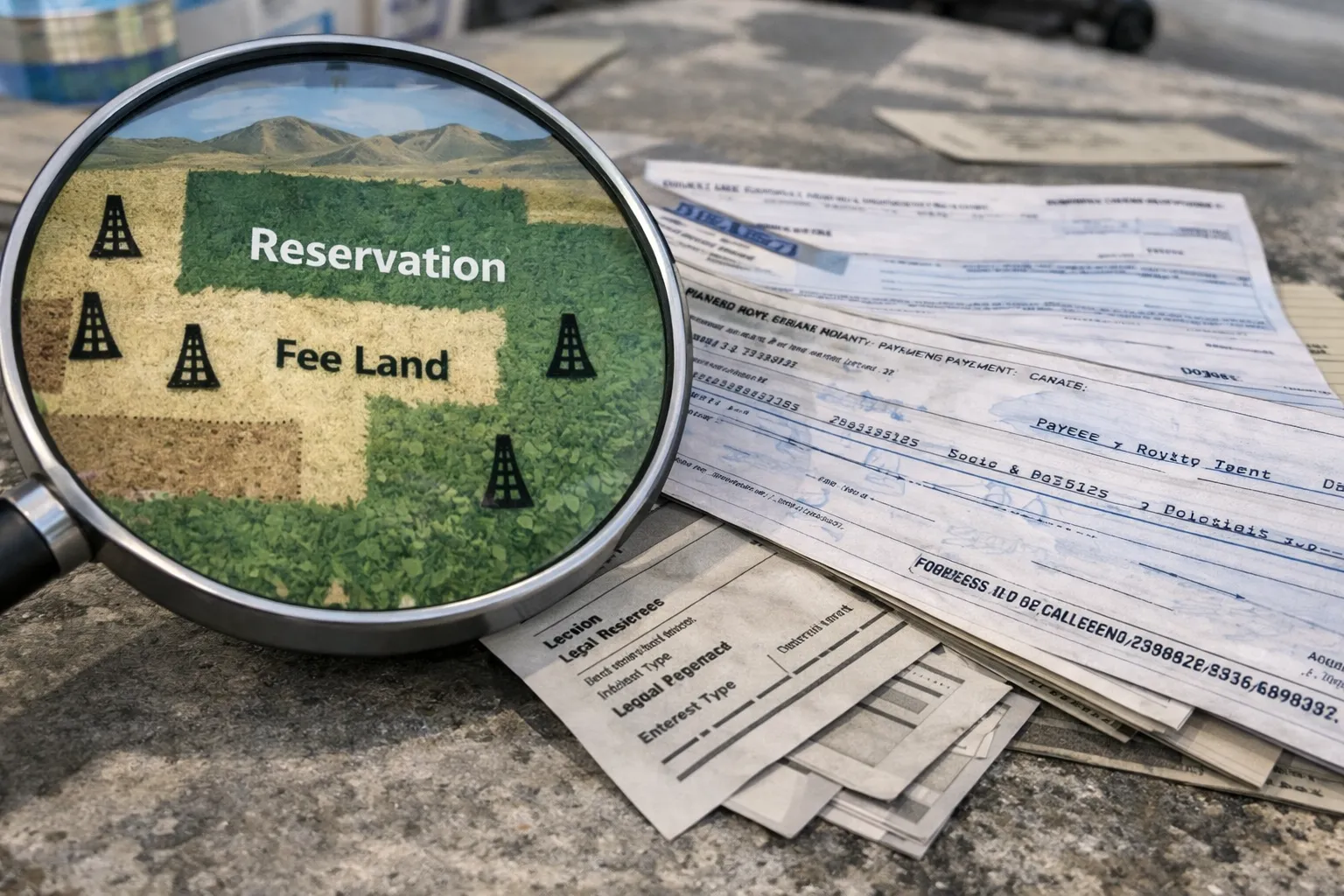
Tribal ownership adds another layer. Some interests are in trust or restricted status. Some are fee lands. The process and timing can differ, and that affects buyer behaviour and closing schedules. The Bureau of Indian Affairs outlines how mineral leasing works for tribal lands and why approvals and compliance steps matter.
Build A Value Range Before Reviewing Any Offer
A value range is the main tool that blocks lowball offers. Without a range, almost any number can feel reasonable. With a range, a discount becomes visible. Most serious buyers value minerals based on expected cash flow, then discount that cash flow for risk. That risk includes price swings, decline rates, operator plans, lease terms, title issues, and the cost of capital.
A practical first step is learning the major inputs that move pricing. A helpful overview of mineral rights value in Texas, which explains why offers vary and what changes the final number. The point is not to chase a perfect valuation model. The point is to build a sensible range that keeps decisions grounded.
These are the drivers that usually shape bids the most:
- Production history, including decline trends
- Commodity price expectations, including volatility
- Lease royalty rate and any post-production deductions
- Operator quality and nearby drilling activity
- Title quality and expected closing risk
- Interest rates and buyer return requirements
Even small changes in one factor can swing the value. A strong royalty rate with low deductions can lift a tract. A messy title file can push buyers to discount harder. The buyer does not need to be trusted with any of this. The facts can be checked.
Verify Production And Activity Using Primary Sources
Lowball offers often target uncertainty. If production and activity are unclear, fear fills the gap. That creates rushed decisions. The fix is verification. Production, well status, and operator information can be confirmed through primary sources. In Texas, the Railroad Commission provides production data and well records that help validate what is happening near a tract.