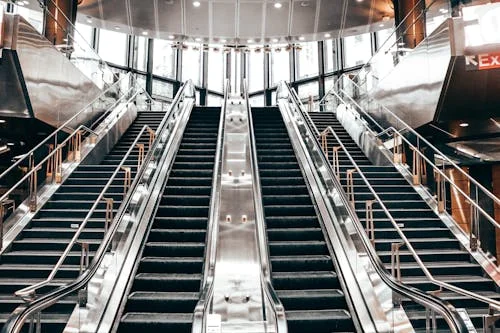
The vertical transportation industry is undergoing a structural transformation which enables the development of advanced mobility systems that use intelligent technology, sustainable solutions, and integrated solutions. The discussion between CEOs and business owners has progressed beyond installation volumes because they now need to use innovation to achieve operational efficiency and create long-lasting value and unique user experiences.
Smart & Connected Infrastructure will Become the New Standard
Elevators and escalators are transforming into data-based systems which operate within the complete intelligent building system. The Internet of Things (IoT) systems provide organizations with the ability to monitor their assets in real-time while performing remote system checks and conducting maintenance forecasting operations throughout the entire asset lifecycle. Organizations can now shift from responding to equipment failures to maintaining optimal performance through this new approach. Organizations achieve three benefits from their operations which include decreased service interruptions, enhanced workplace safety, and improved financial management. Leaders in organizations view their investments in linked systems as a way to protect their operations from future challenges instead of viewing it as a method to implement new technologies.
Artificial Intelligence will Redefine Efficiency
AI has emerged as the primary technology that will enable vertical mobility operations. The system uses advanced algorithms to study usage patterns which help it predict peak times and control elevator movements in real time. The system provides faster response times because it decreases passenger flow bottlenecks which creates a better experience for passengers.
The optimization process reaches its highest effectiveness in high-density areas which include commercial complexes, hospitals, and transit hubs. Businesses that use AI-driven systems will achieve better building performance and improved tenant satisfaction, which has become an essential competitive advantage.
Sustainability will Drive Strategic Decision-Making
Businesses now treat sustainability as a crucial operational requirement because organizations must handle this issue. The future elevator systems will include energy-efficient driving systems along with regenerative technologies and advanced power management systems which will deliver substantial benefits to the environment.
The systems enable organizations to show their environmental social governance commitment through sustainable practices which demonstrate their dedication to responsible business operations. Decision makers should integrate sustainability into their procurement methods and infrastructure development plans instead of considering it as a secondary matter.
Modular Design will Enable Agility and Scalability
The industry is moving to modular elevator systems which operate according to standard design specifications. The project execution process benefits from these designs because they simplify installation work and decrease the need for complicated supply chain systems and they enable swift project implementation. The approach proves to be essential for urban markets that experience rapid development because these markets require both rapid execution and cost-effective solutions. Modular systems provide better operational flexibility through their upgrade capabilities which help businesses maintain their technology systems throughout time. The process of handling multiple projects enables businesses to work more efficiently while they gain better abilities to monitor their project advancement.
Next-Generation Mobility will Transform Urban Architecture
High-speed elevator systems with their new technologies together with multi-directional movement systems and rope-less technologies will enable architects to create new building design possibilities. Emerging technologies will enable architects to design urban areas which include various vertical elements. Developers and investors now have fresh possibilities to redesign building layouts which will help them create additional functional areas. The real estate and infrastructure sectors will use vertical transportation systems as a fundamental driver of their innovative development and operational growth.
Human-Centric Design will Shape Adoption
User expectations keep changing because technology keeps progressing. The upcoming systems will deliver user experiences which operate without interruptions through their touchless control system, voice command feature, and personalized user settings. The organization will maintain its dedication to accessibility because both regulatory mandates and increased understanding of inclusive design requirements drive this commitment. Elevator design needs to include functionality requirements together with user comfort needs, safety standards, and ease of operation needs which apply to all users.
Organizations that provide excellent user experiences will create positive brand perceptions together with increased asset value.
FAQs
What are the key innovation drivers in the vertical transportation industry?
Urbanization, smart building integration, sustainability priorities, and advancements in AI and IoT are the primary drivers.
How do smart elevators benefit businesses?
They improve operational efficiency, reduce maintenance costs, and enhance user experience through real-time data insights.
Why is sustainability becoming crucial in this industry?
It helps organizations reduce environmental impact, meet regulatory requirements, and align with ESG-focused business strategies.
What role does AI play in elevator systems?
AI optimizes traffic flow, predicts maintenance needs, and improves overall system efficiency.
How can businesses stay ahead in this evolving market?
By investing in digital technologies, adopting sustainable solutions, and building resilient, localized supply chains.
is a dedicated content writer with a passion for creating high-quality, engaging, and informative content. Specializing in blog posts, press releases, and news articles, she excels at delivering content that not only captivates readers but also drives meaningful results. With a keen eye for detail and a creative approach, Money ensures that every project is carefully crafted to align with audience needs and industry trends. Her ability to simplify complex topics while maintaining clarity and interest makes her a standout in the content creation space. Her writing expertise spans several key industries, including construction engineering, smarft technologies, and agrochemicals.
Constantly staying updated on the latest industry trends, Money is committed to producing content that informs, entertains, and educates. Her unique approach combines creativity with a deep understanding of digital marketing, ensuring her work helps clients enhance their online presence. Money’s passion for writing is reflected in every piece she produces, as she strives to engage readers with fresh, insightful, and impactful content. Her dedication to continuous learning and adapting to new trends makes her a trusted expert in the field.