
Contact Us Careers Register

How Sustainability and Eco-Friendly Materials are Impacting Outdoor Living Design

28 Jan, 2026 - by CMI | Category : Tourism And Hospitality

How Sustainability and Eco-Friendly Materials are Impacting Outdoor Living Design - Coherent Market Insights

How Sustainability and Eco-Friendly Materials are Impacting Outdoor Living Design

Sustainability and eco-friendly materials have become an integral part of outdoor living design, and this shift is strongly influencing the outdoor living structure market. They are reshaping how spaces are planned, built, and experienced. Designers are choosing materials and techniques that reduce environmental impact, support water and energy efficiency, and improve occupant comfort across hospitality terraces, hotel gardens, commercial courtyards, and residential patios. This sustainable shift reflects rising consumer demand for eco-responsible environments and growing industry consensus that outdoor spaces must function in harmony with nature while meeting aesthetic and business goals.

Sustainability Reduces Environmental Impact and Improves Comfort

There are certain practices of sustainable outdoor designs that help minimize pollution and preserve resources. Xeriscaping and bioswales help minimize water usage and optimize rain control. They offer more robust soil qualities as well. Permeable materials help soak rainwater underground to recharge rainwater and reduce surface runoff during rainy weather.

For example, for an arid landscape, Xeriscaping, or a landscaping design that effectively employs water resources and water-conserving plants, reduces water consumption outdoors by as much as 75%. Such a landscaping design makes Xeriscaping a viable choice for environmentally friendly outdoor constructions such as lawns that do not support the growth of lawn plants or are water-scarce.

(Source: Ralstonarchitects.com)

Eco-Friendly Materials Extend Lifespan and Reduce Waste

Architects and landscape designers increasingly favor those materials that have a lower environmental impact, longer life, and good recyclability. Alternatives like reclaimed wood and recycled composite decking lessen the demand on virgin timber and help divert waste from landfills. Natural stone, renewable resources like bamboo, and other materials also function well outdoors while offering a more organic appearance and texture. With passive design approaches, these materials can also enhance comfort outdoors.

A good example would be green roofs, where insulation is provided by vegetation. This helps in reducing the surface temperature and cooling requirements inside a nearby indoor area. Additional greenery also enhances biodiversity and produces more aesthetically pleasing spaces.

(Source: YavapaiLandscaping.com)

Water Management and Climate Responsiveness

Another responsibility of sustainable outdoor living spaces involves coping with issues of climate change and scarcity of certain resources in society today. Some of these strategies involve rainwater percolation under permeable surfaces, which helps prevent floods from occurring in areas where impervious surfaces might cause this problem. Another solution to problems of rainwater management in outdoor living spaces involves rain gardens or bioswales that replicate mini-wetlands in this area of application to promote a beautiful outdoor living space.
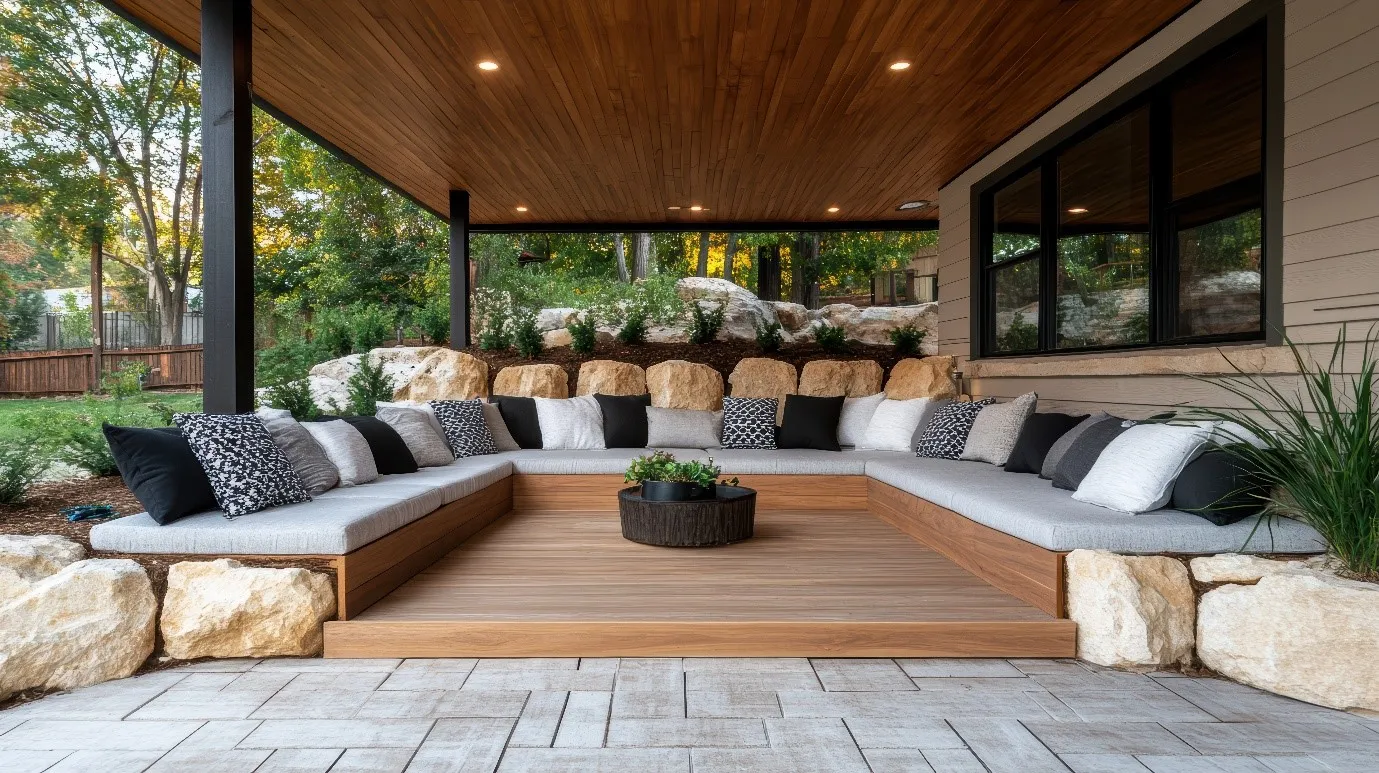
Consumer Demand and Market Expectations

Sustainability & Eco-Friendly Materials in Outdoor Living By Consumer Demand

Consumer expectations are evolving quickly. Surveys show that more than 80% of people say environmental sustainability influences their purchase or stay choices in travel and hospitality, and this sentiment carries into expectations for outdoor spaces as well. Guests want outdoor living areas that are not just Instagram-worthy but also responsibly built. This has encouraged hospitality brands to integrate sustainable design into outdoor terraces, seating zones, and gardens as part of their broader brand experience.

(Source: Hospitality.Institute)

Economic and Operational Benefits

Sustainable outdoor living design may even have some beneficial aspects on the economic front. For instance, durable building materials may mean lower replacement costs, and the use of water-efficient landscaping may mean lower maintenance costs on the front of irrigation.

Outdoor spaces created with smart design elements such as the use of shade and ventilation may mean reduced costs of artificial climatic conditioning, and the spaces may become more habitable for longer periods of the year due to the comfort conditions created. This is particularly vital with the erratic nature of weather over the recent past and the increasing costs of climatic conditioning services.

Conclusion

Sustainability and eco-friendly materials make outdoor living design a long-term strategy for balancing comfort and aesthetics with environmental awareness. The incorporation of water-saving landscaping, durable materials, biophilic greenery, and smart heat and water management helps designers achieve resilience and meet shifting customer expectations. This is also accelerating innovation throughout the outdoor living structure market and creating outdoor environments that are greener, more efficient, and ultimately more usable into the future.

FAQs

  • What does sustainability mean in outdoor living design?
    Ans: It involves the use of material processes that minimize their impact on the environment, conserve natural resources like water and energy, and offer improved comfort while outdoors over the long term.
  • Are eco-friendly materials more durable in outdoor settings?
    Ans: Yes, materials including recycled composite materials, reclaimed wood, bamboo, and natural stone offer durability, resistance to weather conditions, and easy maintenance.
  • How does sustainable landscaping save water?
    Ans: Practices like Xeriscaping can save water usage as much as 75% compared to traditional lawns.
  • Can sustainable outdoor design improve guest experience?
    Ans: Yes, biophilic design elements and greener spaces boost comfort, beauty, and well-being, particularly in hospitality-related businesses.

About Author

Suheb Aehmad

Suheb Aehmad

Suheb Aehmad is a passionate content writer with a flair for creating engaging and informative articles that resonate with readers. Specializing in high-quality content that drives results, he excels at transforming ideas into well-crafted blog posts and articles for various industries such as Industrial automation and machinery, information & communication... View more

LogoCredibility and Certifications

Trusted Insights, Certified Excellence! Coherent Market Insights is a certified data advisory and business consulting firm recognized by global institutes.

Reliability and Reputation

860519526

Reliability and Reputation
ISO 9001:2015

9001:2015

ISO 27001:2022

27001:2022

Reliability and Reputation
© 2026 Coherent Market Insights Pvt Ltd. All Rights Reserved.
Enquiry Icon Contact Us