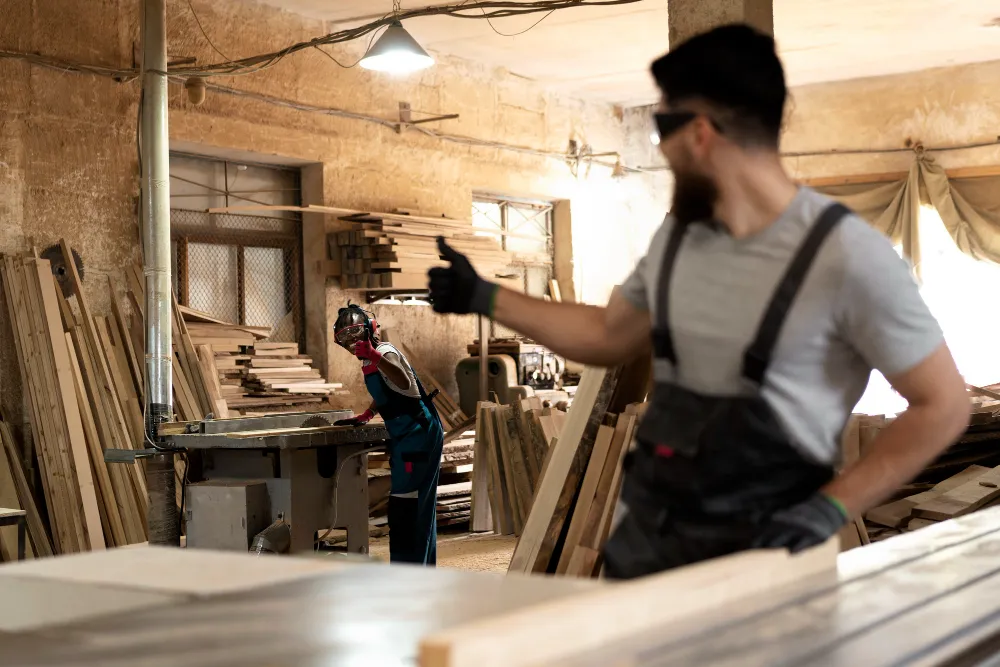
The construction industry is undergoing rapid transformations because prefabricated construction has become its most significant current trend. Construction companies now produce building components in factories to assemble them at construction sites instead of creating everything on location. The approach delivers three advantages: it saves time, it reduces waste, and it enhances operational efficiency.
The world has seen a rise in global demand for prefabricated construction because of these advantages. Engineered wood materials are becoming a major focus for the construction industry, driving growth across the global wood products market. The specially engineered wood materials deliver strength and durability and workability which makes them suitable for prefabricated construction work.
What is Prefabricated Construction?
Prefabricated construction, often called prefab construction, is a building method where components like walls, floors, and roof panels are produced in a factory. The construction team uses those parts for fast assembly after they reach the building site.
For example: A housing developer who constructs multiple homes uses prefabricated wall panels and flooring systems for his projects. Workers can build the house more quickly because they need to work with pre-made components instead of creating everything from the beginning. This approach helps save both time and labor costs.
Why Engineered Wood Works Well for Prefab Projects
Engineered wood products operate efficiently because their engineered design which combines multiple wood layers into structural components succeeds in building robust construction materials. The materials are developed to provide better stability and wood-based materials.
Engineered wood offers builders an efficient solution because its combination of lightweight properties together with high strength enables simple transportation and installation in prefabricated construction projects. This makes it a practical choice for builders who want fast and efficient building solutions.
For example: Prefab construction commonly uses materials such as laminated veneer lumber and cross-laminated timber as fundamental components. These products establish structural strength while enabling contemporary design options.
Faster Construction and Lower Waste
Builders choose engineered wood as their primary material for prefab construction projects because it delivers better building efficiency. The manufacturing process produces factory-made components with precise dimensions which results in reduced material waste.
For example: The controlled factory environment enables wooden panel manufacturers to operate their cutting and shaping procedures with better precision. The process generates fewer errors through material waste reduction when compared to traditional building methods which operate at construction sites.
Improved construction speed allows developers to finish projects in less time. This is especially valuable for housing developments, student housing, and commercial buildings, where meeting tight project timelines is essential.
Supporting Sustainable Building Trends
The increasing need for eco-friendly construction materials finds support through engineered wood products. The renewable nature of wood resources makes them more sustainable than some common building materials which rely on non-renewable resources.
Construction projects now focus on decreasing carbon emissions according to current builder preferences. Engineered wood helps achieve this goal because trees absorb carbon while they grow. The use of wood products in construction enables permanent carbon storage solutions.
Many modern green building projects select engineered wood for their structural and interior design requirements.
FAQs
What is prefabricated construction?
The process of prefabricated construction involves constructing buildings through factory production of building components which workers assemble at the construction site.
What are engineered wood products?
Engineered wood products are materials created through the process of glueing wood layers or wood pieces together to build robust and reliable structural elements.
Why is engineered wood popular in prefab construction?
The combination of lightweight properties and strong performance together with simple installation process makes engineered wood an excellent choice for manufacturing building elements located in factories.
Does prefabricated construction reduce waste?
Yes. The production of components in factories leads to more accurate results which results in decreased material waste when compared to conventional construction methods.
How does engineered wood support sustainable construction?
It originates from renewable materials, which happen to function as carbon reservoirs by helping sustainable construction methods.
is a seasoned content writer with over 3.5 years of hands-on experience across various writing formats, including news articles, blog posts, press releases, and informational content. Her expertise lies in producing high-quality, informative content tailored to meet the specific needs of diverse industries, such as Biotechnology, Clinical Diagnostic, Healthcare IT, advanced material, and Medical Devices. She has a deep understanding of how to craft engaging narratives that align with industry trends, helping businesses enhance their online presence and communicate effectively with their audiences.
What sets Ravina apart is her keen eye for detail and her passion for storytelling. She approaches every piece of content with the intent to make it not just informative but also impactful, ensuring that it resonates with the audience on a deeper level. With a reputation for producing timely and relevant articles, she has made significant contributions to the field by helping companies effectively communicate their brand message through engaging, clear, and creative writing. As an advocate for clarity in communication, she continues to explore new ways of refining her craft while remaining at the forefront of content trends.