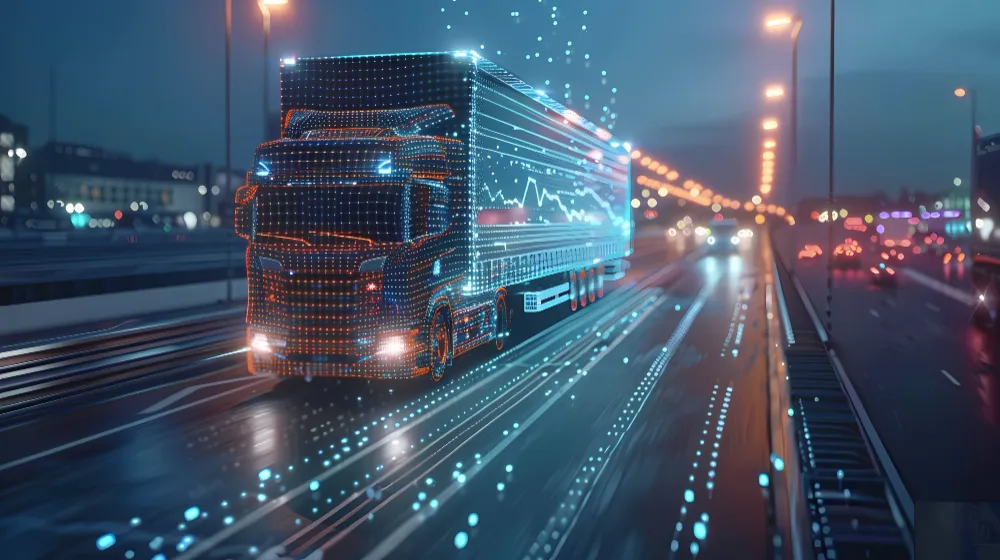
The trucking world is moving fast, and tech is driving the change. Telematics and real-time tracking are no longer “nice-to-have” features—they’re becoming must-haves in today’s trucking market. From saving fuel to keeping drivers safe, these tools are changing how fleets operate every single day.
What is Telematics in Trucking?
Telematics refers to intelligent systems that operate in trucks to gather and transmit operational information. The system monitors vehicle speed and fuel consumption and braking patterns and engine performance and vehicle whereabouts. Fleet managers obtain immediate knowledge about road conditions because the system provides them with data from displayed information and real-time GPS tracking. The system functions as a truck-based fitness tracking system.
Boosting Efficiency on the Road
Telemetry systems bring their greatest advantages through operational efficiency. Dashers use real-time tracking technology to find optimal routes that bypass traffic delays and road shutdowns and severe weather conditions. Businesses achieve two benefits through this system, which includes faster deliveries and reduced fuel expenses.
The system provides an alternate route suggestion when a truck becomes stuck in traffic. The total expense of a fleet increases rapidly because small trip savings become accumulated throughout all routes.
The system uses telematics technology to decrease idle time. The system generates alerts to inform managers when trucks stay operational while remaining stationary for extended periods. The joints between idling operations and engine usage decrease fuel expenses and gear maintenance costs.
Smarter Fuel Management
Fueling costs represent the most significant financial burden in the trucking industry. Telematics provides precise information about fuel consumption patterns. The system identifies problems through its ability to detect harsh acceleration and speeding and through its monitoring of unnecessary idling, which results in additional fuel consumption.
Management provides drivers with coaching after they discover that one driver needs more fuel than other drivers to complete the same routes. The goal here is not to find fault with drivers; instead, the objective is to assist all drivers in improving their driving abilities.
Improving Driver Safety
The telematics system achieves its highest safety performance through its most effective safety system. The system tracks truck locations in real time while it monitors driver activities, which include their severe braking and extreme turning and excessive speeding. Drivers begin to operate their vehicles with greater caution as soon as they understand that their driving behavior will undergo constant monitoring.
The study shows that drivers maintain unsafe following distances because they demonstrate a pattern of hard braking. The data enables fleet managers to create targeted training programs that will reduce accident risks. Emergency teams use real-time tracking to locate trucks which allows them to reach drivers in emergency situations.