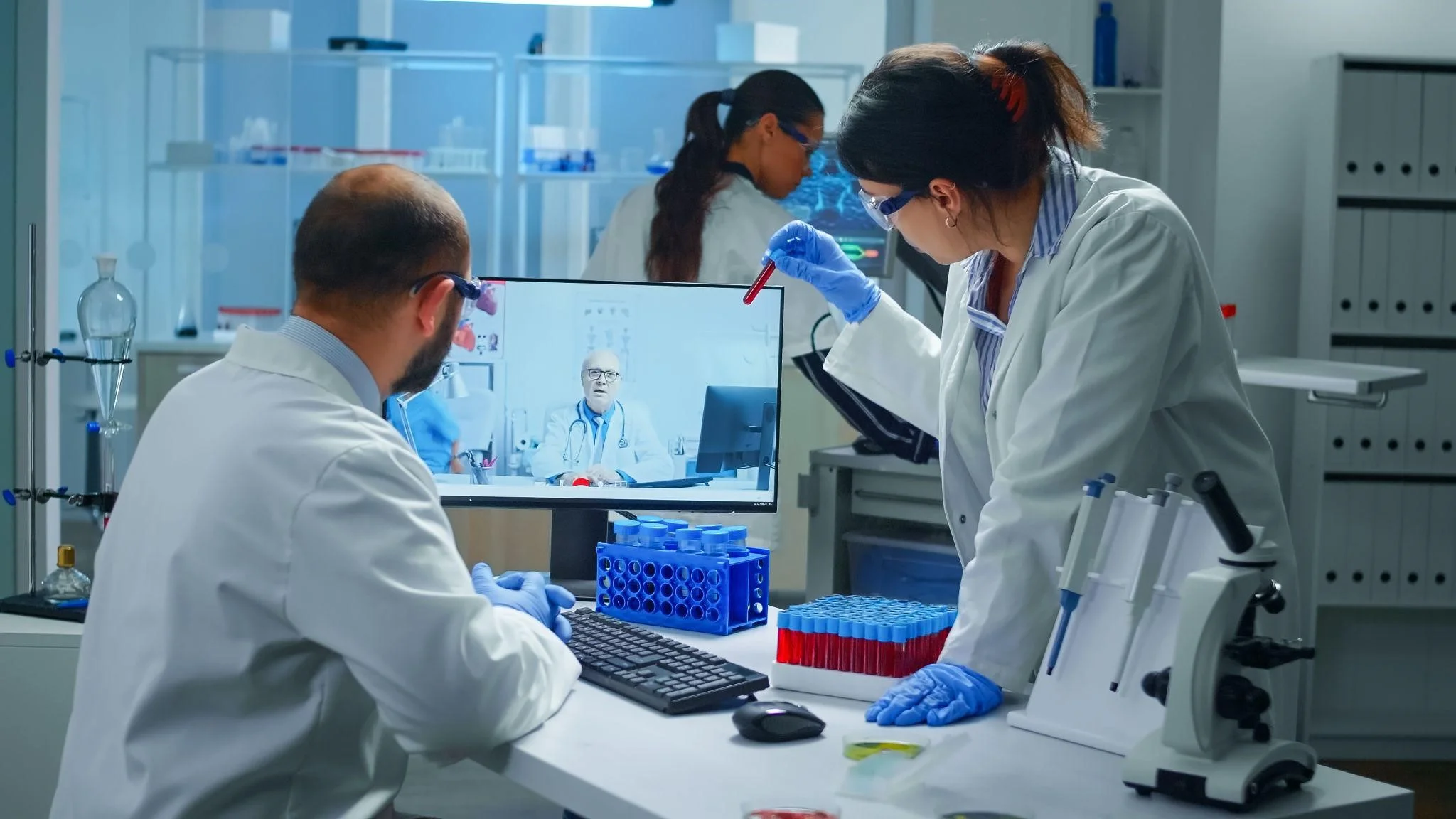
The current diagnostics framework no longer functions based on fixed volumes or processes that are straightforwardly understood. The increasing numbers of patients being treated, the escalating disease prevalence rates, and the requirement for quick decision-making have all contributed to increasing the burden on laboratories to produce results at a faster pace. In such a scenario, turnaround times are no longer seen simply as metrics but have become factors that determine how efficient or effective the process will be.
What’s Slowing Down Test Results in Labs Today and Why it Needs Fixing?
Although there have been technological breakthroughs in diagnostic tests, most of the delays arise from the manual nature of laboratory operations. Sample labeling errors, ineffective data management, slow transportation of samples, and difficulties in validating results have been identified as some of the causes of extended turnaround time.
For example, manual monitoring of incubators and analysis of results is associated with delayed diagnosis of bloodstream infections during microbiological testing. Considering the urgency with which infections of this nature must be treated, delays could prove detrimental to patient recovery.
Moreover, limitations in manpower are another source of inefficiency. Most skilled labor has to deal with mundane tasks, leaving insufficient room for more important tasks such as analysis.
Where Automation Fits Into Everyday Lab Workflows?
The process of automation in laboratory diagnostics does not take place in one single step but runs throughout the testing process. Pre-analytical and post-analytical steps of testing are being automated, along with many other parts of testing, in order to improve efficiency and prevent errors due to human factors.
In the pre-analytical stage, for example, there are automation systems that assist in sorting and labeling specimens. In the analytical phase, automated instruments perform the actual testing quickly and consistently, especially for high volume tests, like blood cultures. The post-analytical automation includes Laboratory Information Management Systems, which allow for integration of data and distribution of reports.
One specific example would be a track system used in large laboratories at hospitals, where a specimen moves from one testing site to another automatically.
The Tools and Systems Labs are Using to Speed Things Up
The advancement of methods is speeding up due to many modern technologies. These technologies work together to make labs run smoothly.
Robotic sample handling, automated incubators for sample processing and incubation diagnostic tools that use intelligence and integrated data management systems are the core of today's lab automation. Automated blood culture systems reflect this change in microbiology. Unlike manual methods these systems monitor for signs of microbial growth all the time.
This allows for detection of microbes and an increasing need for quick and accurate diagnosis of suspected sepsis cases. The sepsis test market benefits from this because automated blood culture systems enable detection.
For deeper insights into industry trends and growth dynamics, explore blood culture test market report which highlights how technological advancements are reshaping diagnostic capabilities.
Furthermore, artificial intelligence is being leveraged to assist in pattern recognition and anomaly detection, thereby reducing diagnostic errors and enhancing result reliability.
How Automation is Helping Labs Deliver Faster and More Reliable Results?
Automation does a lot more than just speed things up. It also helps diagnostic labs get results to people faster in just a few hours instead of several days. At the time automation helps make sure that the results are accurate and consistent by following the same steps every time.
Automation is really changing the way diagnostic labs work. For example, some labs can now handle a number of samples every day without sacrificing quality. Automation also helps doctors make decisions faster, in emergency situations because they get the results they need quickly.
Automation also helps the people who work in labs by taking the boring and repetitive tasks they have to do every day. This means that these workers can focus on the difficult and interesting tasks. Automation helps labs be more productive. It also makes the people who work there happier with their jobs. Diagnostic labs and automation are a combination because automation makes it possible for diagnostic labs to work better and faster.
FAQs
How does automation improve turnaround time in diagnostic labs?
Due to automation, turnaround time speeds up sample processing, guarantees faster data reporting, and minimizes human interaction throughout workflows.
What types of tests benefit most from laboratory automation?
Tests like blood cultures, hematology and biochemistry assays are helped a lot by automation.
Is automation expensive for diagnostic laboratories?
Yes as it increases efficiency, less errors, and optimum resource usage, even though the initial investment can be significant.
Can automation replace lab technicians?
No, it supports instead of replacing them by lessening the strain of monotonous work.
is a seasoned content writer with over 3.5 years of hands-on experience across various writing formats, including news articles, blog posts, press releases, and informational content. Her expertise lies in producing high-quality, informative content tailored to meet the specific needs of diverse industries, such as Biotechnology, Clinical Diagnostic, Healthcare IT, advanced material, and Medical Devices. She has a deep understanding of how to craft engaging narratives that align with industry trends, helping businesses enhance their online presence and communicate effectively with their audiences.
What sets Ravina apart is her keen eye for detail and her passion for storytelling. She approaches every piece of content with the intent to make it not just informative but also impactful, ensuring that it resonates with the audience on a deeper level. With a reputation for producing timely and relevant articles, she has made significant contributions to the field by helping companies effectively communicate their brand message through engaging, clear, and creative writing. As an advocate for clarity in communication, she continues to explore new ways of refining her craft while remaining at the forefront of content trends.