
Information and Communication Technology

Compliance and Cybersecurity: What Every Business Needs to Know

By MoonlockSep 18, 20269 min read
Compliance and Cybersecurity: What Every Business Needs to Know

Companies that comply with cybersecurity guidelines easily identify and interpret flaws, which helps them stay ready for breach possibilities. Cyber compliance means observing every law and guidance for data protection and security. These laws and guidelines are published within certain frameworks agreed upon by different local and international entities. Data security compliance requires organizations to process data in an effective framework. They must have dedicated cybersecurity resources, risk assessment, and mitigation protocols and engage in proactive safety measures. Every operating company should know the following data security and compliance needs.

Managing these responsibilities becomes more difficult as a business handles more information and works with more service providers. Governance, risk, and compliance solutions assist in streamlining these efforts. The global Governance, Risk, and Compliance (GRC) Market is estimated at USD 23.91 Bn in 2026 and is expected to reach USD 56.25 Bn by 2033, growing at a CAGR of 13% between the years 2026 and 2033. This growth reflects the wider business need to organize compliance alongside everyday risk management.

Understand what data security and compliance mean

Data security compliance means strictly following specific established guidelines and laws for handling data. These sets of rules are created by the governments or data protection organizations. They are dynamic and change as the cybersecurity landscape changes. Following these rules safeguards an organization from penalties and loss of loyalty.

Cybercriminals launch different types of attacks to try and steal private data to sell it or destroy a company's reputation. One of the common cyberattack methods these online criminals use is pharming in cybersecurity. This attack involves attackers redirecting visitors away from a genuine website and into a fake page. It becomes easier to steal their financial data once they land on the fake page.

Attackers also use the worm cybersecurity attack method. They inject a malicious program and let it multiply across networks without showing any harmful signs. These worms continually replicate themselves until the system cannot run anymore due to lack of space. Organizations need a robust solution to safeguard themselves against these threats. Moonlock has invested in innovations and technologies that ensure brands and individuals stay safe from these attacks. The solutions block these threats, ensuring they do not get access to business networks and systems.

What to do to achieve security and compliance

First, understand which entities set these rules and the criteria they use to set and implement them. Next, know what the rules are. Create a framework of policies to help put everything into check within your system. The framework should include periodic scanning for vulnerabilities, knowledge about emerging cyber threats, and regular software updates. Organizations should set aside a budget for training their employees about cybersecurity and compliance needs. Compliance in cybersecurity protects company data, employees, and customers.

Putting this framework into practice involves several connected tasks. Risk management helps identify exposures, policy management keeps instructions organized, and audit management supports reviews. Compliance management links applicable requirements with controls and evidence and accounts for 27.4% of the GRC market breakdown. The businesses can use these functions to assign responsibilities, track deadlines, and avoid collecting the same evidence repeatedly.

This need for coordination is encouraging connected GRC platforms that bring departmental work into a shared system. When security, legal, and audit teams use consistent records, they can see who owns an issue and what remains unresolved. The benefit is particularly practical when one control supports several requirements.

Reasons an organization needs to invest in information security regulatory compliance
By Information Security

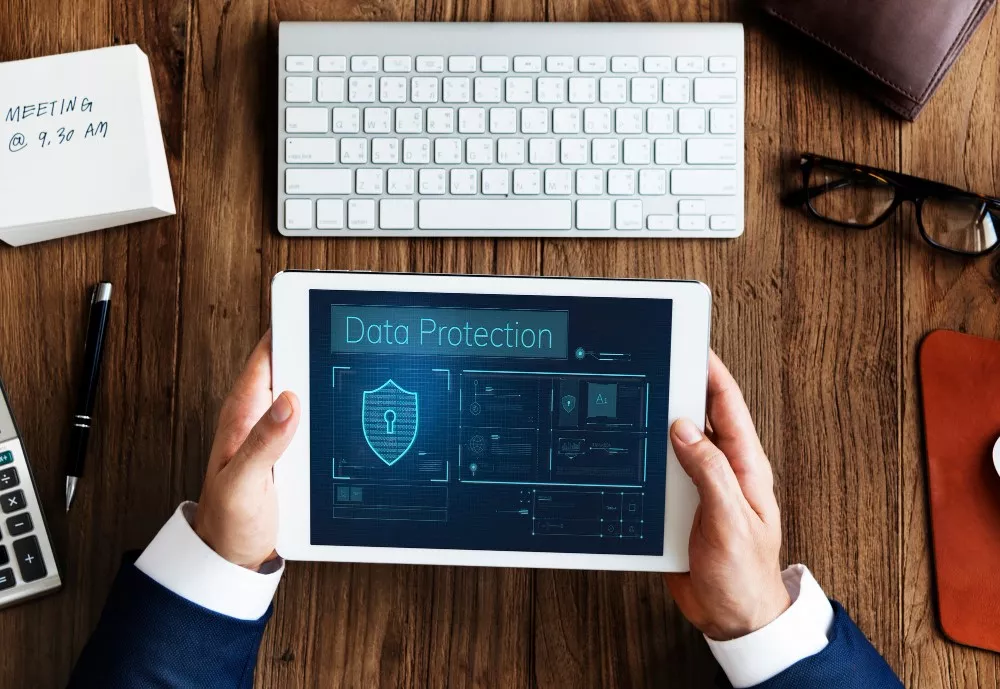
Observing cybersecurity compliance standards is mandatory for everyone who handles data. It does not matter whether they are a corporate body or an individual. Following these rules should not be a one-time-off thing but a consistent and proactive culture. Compliance in cybersecurity should never be taken as a burden. It should be treated as an important responsibility that benefits everyone with an array of advantages. 

  • Data protection and privacy. Observing these rules does protect organizations from penalties and also their data and privacy.
  • Establish trust. Organizations that safeguard data can be trusted and found credible before customers and regulators. They relate better with every business or regulatory entity they come into contact with.
  • Stay competitive. Trust and credibility attract continuous business in the market. This helps a company stay competitive and high above competitors. 
  • Better operations. Data protection ensures the company's systems do not get affected by breaches, data thefts, viruses, and malware. It ensures that business processes run without any interruptions.

What cybersecurity compliance standards are out there?

There is an array of cybersecurity requirements published by different entities located in different parts of the world. Some of these entities govern compliance laws covering smaller regions or the entire world. The types of compliance each business must observe depend on the types of data they handle, including its volume. The pacesetters in the regulatory field are many. Here are the popular cybersecurity compliance services globally.

Health Insurance Portability and Accountability Act (HIPAA)

HIPAA was enacted in 1996. It aims to provide guidelines for the protection of electronic patient data. This guideline targets professionals in the medical and healthcare fields. It requires them to safeguard data generated from health information systems. 

It contains three key components—the security rule, privacy rule, and breach reporting. Health professionals should adopt the pillars of implementation, continuous improvements, training, and IT security to comply with these guidelines.

What’s Inside the
Sample Report?

9 sections, free — no obligation.

Request Free Sample
  • Current Industry Events of 2026
  • Market Size Estimation
  • Regional Breakdown
  • Competitive Landscape
  • Customer Intelligence
  • Segmental Analysis
  • Pricing Analysis
  • Key Market Drivers, Challenges & Future Trends
  • Customized Insights Section

For healthcare users, the practical challenge is maintaining evidence across patient systems, facilities, and outside service providers. GRC tools can help in coordinating the risk assessments, documenting the corrective actions, and preparing for reviews. These uses make healthcare a relevant customer group: sensitive information and shared service arrangements create a continuing need for clear oversight. A common record also helps staff follow up on unresolved findings.

General Data Protection Regulation (GDPR)

Before GDPR, there was the Data Protection Directive (DPD) in 1995. GDPR came into force in 2018. It was designed as an information security compliance directive for the EU region. But it was quickly extended to cover the entire world. In summary, the rule provides guides for handling private data by the organizations and individuals. It guides them in the way they should collect this data, store it, process it, and share it.

Beyond security controls, organizations processing EU personal data must document lawful bases, maintain records of processing, perform DPIAs, and operationalize data subject request workflows. Partnering with experienced GDPR attorney support helps align policies and vendor contracts, implement international transfer mechanisms, and reduce enforcement risk while embedding compliance into day-to-day operations.

Payment Card Industry Data Security Standard (PCI DSS)

PCI DSS was enacted in 2004 to protect people from payment fraud involving credit cards. Its goal was to establish standard methods for payment card security for every organization in the world. It requires card-issuing and processing entities to store payment, account, and money processing data securely. These entities should secure data while in transit and store it in various databases. The standard provides four levels of security benchmarks. These involve different levels of transaction volumes.

PCI DSS is an industry standard, rather than a law. It includes requirements for protecting stored account data and securing cardholder data during transmission over open, public networks. Payment brands and acquirers determine validation requirements; transaction-based merchant levels should not be confused with different levels of security protection.

California Consumer Privacy Act (CCPA)

CCPA was enacted in 2018 to provide cybersecurity requirements for handling consumer data. It lists several privacy rights that organizations are obligated to observe when collecting, selling, or storing private data. The law specifically targets e-commerce enterprises, although it extends to other businesses. Note that the law does not cover entities based in California only but everyone globally.

In the U.S., businesses may need to manage both state privacy requirements and sector-specific obligations. This creates a use case for GRC solutions that connect applicable requirements with internal controls, supplier reviews, and compliance evidence. For U.S. buyers, integration with existing systems and coordination across departments are practical considerations when evaluating these tools.

Ways to implement IT compliance security

Compliance regulators provide guidelines to follow, but brands choose compliance methods to follow. Security experts and cybersecurity compliance services have provided various suggestions that organizations can implement.

  • Use technology

In today’s highly tech-driven business environment, it holds great importance to frame data security policies and, at the same time, ensure that privacy laws are followed. Technologies that organizations can adopt in this process include AI and machine learning, cloud security, and security information and management systems.

AI-assisted compliance is another development in available tools. Features that summarize findings and help organize assessments can reduce repetitive work as teams handle more documentation. MetricStream offers AI capabilities across risk, compliance, and audit activities, while ServiceNow provides connected risk and compliance workflows. These tools can support staff, but their outputs still require review before important decisions are made.

  • Encrypt data

Data encryption is an emerging cybersecurity technology that is becoming popular in every business sector. This strategy turns data into code, ensuring no one can read it except the one with a decryption password. This is an important security protocol for stored and transit data.

  • Train employees

Data breaches often happen due to a lack of cybersecurity knowledge by employees and sometimes employers. This knowledge gap leads to actions that leave company systems prone to attacks and breaches. Training equips employees with the right knowledge. It empowers them to take proactive measures to prevent attacks. 

  • Control access

Access controls involve implementing advanced authorization and restriction controls. These measures include strengthened passwords and authentication protocols. Many companies nowadays use biometrics, codes, messages, emails, etc. to authenticate access to systems.

Access also needs review after it is granted. Continuous control monitoring helps the teams in identifying the gaps between scheduled assessments, particularly when employees change roles or systems are updated. This development supports demand for tools that flag exceptions and tracks corrective action.

Conclusion

Data protection and privacy should be given proactive focus by every organization that handles data. Employees and employers should understand the types of data handling and cybersecurity challenges they face daily. This can help them implement ways to protect themselves from attacks. It equips them to deal with breaches when they happen. Organizations should understand the compliance laws they must observe. They should be aware of the consequences of not following them and ways to implement them.

As the GRC market develops, connected workflows, continuous monitoring, and supervised AI can make these responsibilities easier to manage. Their value will depend on clearer accountability and timely action.

Disclaimer: This post was provided by a guest contributor. Coherent Market Insights does not endorse any products or services mentioned unless explicitly stated.

Share this story