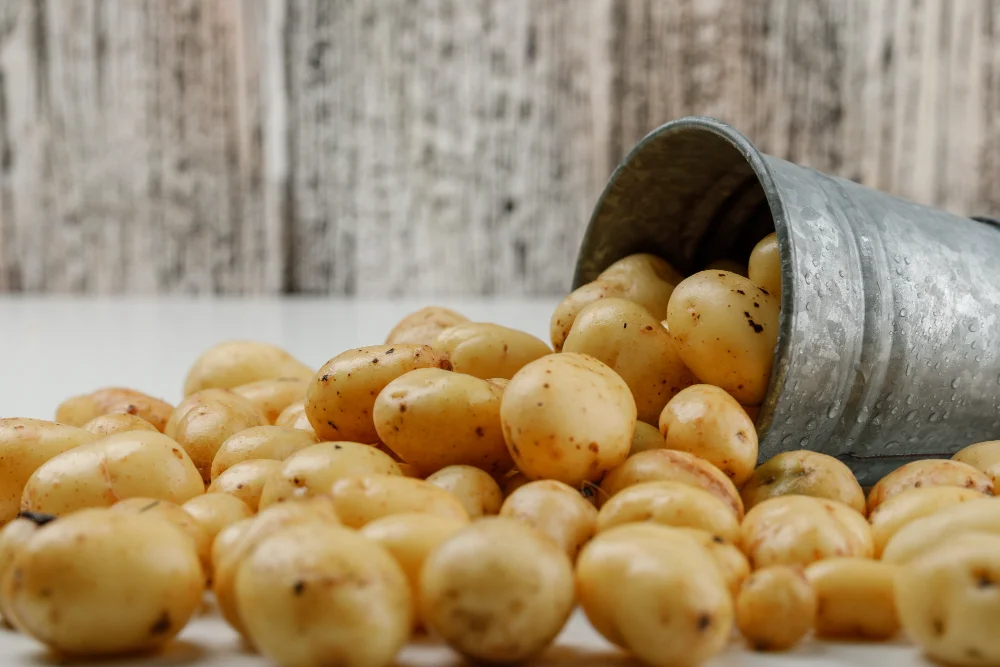
The potato protein market is starting to get real attention, and it’s not by chance. People want clean, plant-based protein that feels natural and easy to trust. Potato protein fits that need. The protein exists because it comes from a commonly cultivated agricultural product which possesses a complete set of essential amino acids.
Right now, brands use it in snacks, shakes, and meat-free foods. This marks only the beginning of the process. Food technology and agricultural research will develop new innovations that drive industry growth. People will experience enhanced flavor and improved texture for products which will become essential components of their daily meals.
Smarter Processing Will Improve Taste and Texture
One big issue today is taste. Some plant proteins feel chalky or bitter. That can turn people off. New processing methods can fix this. Brands are working on ways to remove harsh flavors. They also aim to make the texture smooth and light.
For example, better filtration can help create fine powders. These mix well in drinks like protein shakes. This means no lumps and no odd aftertaste. As this improves, more people will accept potato protein in daily food.
New Product Ideas Will Expand Usage
Potato protein is not just for shakes anymore. Food brands are testing new ideas fast.
You may soon see it in:
Dairy-free cheese
Protein bars
Baked goods like bread and cookies
For example, a bakery can use potato protein to boost protein in bread. It keeps the texture soft while adding value. This helps brands target gym users, kids, and busy adults.
Better Farming Will Boost Supply
Supply matters when demand grows. Farmers are now looking at better crop methods.
They are using:
Improved potato seeds
Water-saving systems
Soil care practices
These steps help grow more potatoes with less waste.
For example, some farms reuse water during crop cycles. This reduces costs and saves resources. A strong supply chain will support long-term growth in the potato protein market.
Clean Label Trend Will Drive Demand
People read labels more now. They want simple and clear ingredients. The trend requires potato protein because it meets this requirement. The product presents information in a way that users find natural to comprehend.
The phrase "plant protein from potatoes" which describes a snack product conveys information in a straightforward manner. The statement creates a trustworthy relationship between the product and potential customers. This is why many brands are switching from soy or whey to potato protein.
Tech Will Help Create Better Blends
No single protein is perfect. So brands mix proteins to get the best result. Potato protein blends well with pea or rice protein. This improves taste and nutrition. New tech helps find the best mix faster. It tests flavor, texture, and nutrition in less time.
For example, a sports drink can use a mix of potato and pea protein. It gives better muscle support and smooth taste. This makes products more appealing to a wider group.
Sustainability Will Stay a Key Focus
Sustainability is not just a trend. It’s a need. Potatoes need less land and water than many protein sources. This makes them a smart choice. Food companies are also using waste streams. They extract protein from leftover potato parts.
For example, starch factories can reuse byproducts to make protein powder. This cuts waste and adds value at the same time.
FAQs
What is potato protein?
Potato protein is a plant-based protein made from potatoes during starch extraction.
Why is the potato protein market growing?
The potato protein market is growing due to demand for clean, plant-based, and simple protein sources.
Is potato protein better than whey?
Potato protein can be a good option for people who avoid dairy, but both have different benefits.
Where is potato protein used?
Potato protein is used in shakes, snacks, meat-free foods, and baked items.
Is potato protein sustainable?
Potato protein is considered sustainable because it uses fewer resources and can reuse food waste.
is a dynamic writer with over five years of experience in creating compelling and insightful content across a diverse range of industries, including automotive and transportation, energy, consumer electronics, bulk chemical, and food & beverages. With a strong foundation in writing blogs, articles, press releases, preview analysis, and other content formats, he has honed the ability to tailor content to meet the needs of different audiences. His expertise in SEO, combined with an in-depth understanding of market trends, enables him to produce content that is both search-engine optimized and industry-relevant, making him a trusted voice in blog and news writing.
With a passion for research and a keen eye for detail, he ensures that every piece of content is backed by the latest industry data and trends. His ability to breathe life into words allows him to craft engaging and informative content that resonates with readers, while his insights into SEO further elevate the impact of his work. He is committed to staying ahead of the curve in an ever-evolving digital landscape, and he approaches each project with a focus on delivering value to both clients and audiences. Through his work, he continues to contribute to the advancement of content marketing by offering a unique perspective on how content can influence consumer behavior and industry conversations.