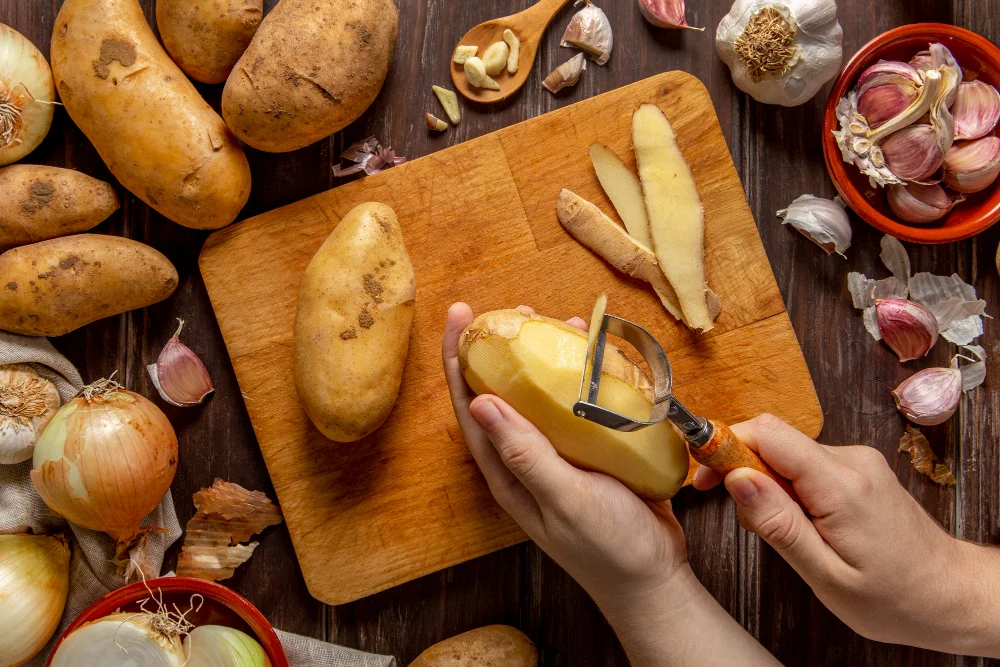
The potato protein market is gaining fast attention as people look for better food choices. Americans now seek protein products which meet three requirements: clean composition, plant-based origin and environmental sustainability. The potato protein from potatoes meets these requirements. Potatoes serve as the primary source of this protein which comes from a crop cultivated throughout the U.S. and Europe.
It provides complete protein content which includes all necessary amino acids. The system requires fewer resources because it needs less agricultural space and water consumption compared to traditional livestock production. The solution provides dual benefits because it safeguards personal health while protecting environmental resources. Manufacturers use the ingredient to develop snacks, shakes and vegetarian food products. The increasing popularity of plant-based diets has made potato protein a dependable and strong plant-based protein solution.
What Makes Potato Protein so Valuable
Potato protein stands out for its strong nutrition. It has all nine essential amino acids. This makes it a complete protein, like eggs or meat. It is also easy to digest. Many people with dairy or soy issues can use it. This makes it useful in many diets.
For example, a fitness user can add potato protein powder to a smoothie. It helps muscle repair without heavy fats. It also has low fat and no cholesterol. This supports heart health over time.
Why it is Better for the Environment
Animal farming uses a lot of land, water, and feed. It also creates high carbon emissions. Potato protein uses fewer resources. Potatoes grow fast and need less care. Farmers can produce more protein with less impact.
For example, one acre of potatoes can feed more people than one acre used for cattle feed. Also, potato protein often comes from leftover potato starch processing. This reduces food waste.
This is the reason potato protein is gaining traction among eco-focused food brands.
Growing Demand in Plant-Based Diets
Plant-based diets are rising across the U.S. People want simple and clean food options. Potato protein fits this trend well. It works in vegan burgers, protein bars, and dairy-free drinks. Big food brands are adding it to improve texture and protein content.
For example, a plant-based burger can use potato protein to get a firm and juicy feel. This helps brands match the taste of meat without using animals.
Easy Use in Daily Foods
Potato protein blends well with other ingredients. It has a mild taste, so it does not change flavor much. You can find it in snacks, baked goods, and sports drinks.
For example:
Add it to pancakes for extra protein
Mix it in shakes after a workout
Use it in soups for a protein boost
This makes it easy for everyday use without big diet changes.
Cost and Supply Benefits
Potatoes are widely grown and easy to store. This keeps supply steady. Animal protein often costs more due to feed, care, and transport. Potato protein can be more affordable over time. This helps food brands keep prices fair.
Also, using potato waste from other industries lowers production cost. This makes it both a smart and practical option for the future.
Challenges to Watch
Potato protein is still new to many people. Awareness is low compared to soy or whey. Some products may have a slight earthy taste. Brands are working to improve this.
Also, supply chains need to grow to meet rising demand. But with strong interest, these issues are likely to improve soon.
The Future Looks Strong
The potato protein market is set to grow as more people choose plant-based foods. Health, cost, and eco benefits all support its rise.
Food companies will keep testing new ways to use it. In the next few years, potato protein could become a common choice in many homes.
FAQs
What is potato protein?
Potato protein is a plant-based protein taken from potatoes during starch processing.
Is potato protein healthy?
Potato protein is healthy because it has all essential amino acids and low fat.
Can potato protein replace meat?
Potato protein can replace meat in many foods like burgers, snacks, and shakes.
Is potato protein good for muscle growth?
Potato protein is good for muscle growth as it supports repair with complete amino acids.
Why is potato protein eco-friendly?
Potato protein is eco-friendly because it uses less water, land, and reduces food waste.
is a dynamic writer with over five years of experience in creating compelling and insightful content across a diverse range of industries, including automotive and transportation, energy, consumer electronics, bulk chemical, and food & beverages. With a strong foundation in writing blogs, articles, press releases, preview analysis, and other content formats, he has honed the ability to tailor content to meet the needs of different audiences. His expertise in SEO, combined with an in-depth understanding of market trends, enables him to produce content that is both search-engine optimized and industry-relevant, making him a trusted voice in blog and news writing.
With a passion for research and a keen eye for detail, he ensures that every piece of content is backed by the latest industry data and trends. His ability to breathe life into words allows him to craft engaging and informative content that resonates with readers, while his insights into SEO further elevate the impact of his work. He is committed to staying ahead of the curve in an ever-evolving digital landscape, and he approaches each project with a focus on delivering value to both clients and audiences. Through his work, he continues to contribute to the advancement of content marketing by offering a unique perspective on how content can influence consumer behavior and industry conversations.