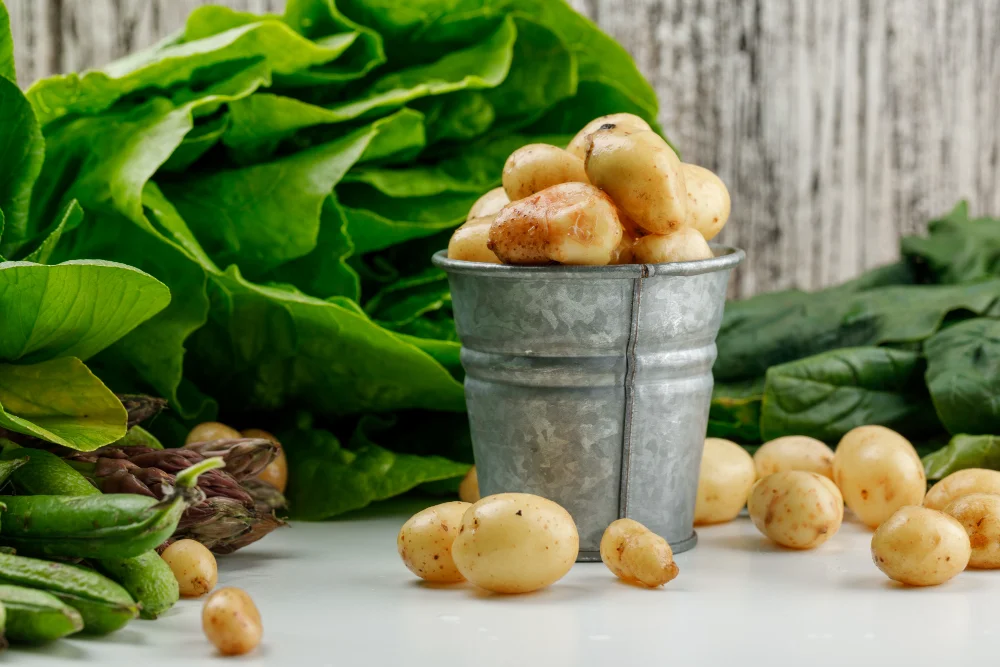
The potato protein market is growing fast as more people switch to plant-based diets. People want clean, simple, and healthy food choices. Potato protein fits well because it is rich in nutrients and easy to digest. It also works for those who avoid dairy, soy, or gluten.
Brands now use it in snacks, shakes, and meat-free products. For example, plant-based burgers and protein bars often include potato protein for better texture and nutrition. Fitness lovers and vegans both like it for its high protein content. As food trends shift, potato protein is becoming a smart and popular choice in everyday diets across the U.S.
Why People are Choosing Plant-Based Diets
More people now care about what they eat. Health is a big reason. Many want to cut down on meat and try plant foods. Some follow vegan or flexitarian diets. Others just want lighter meals.
Plant-based foods can help manage weight and heart health. They also feel easier on the stomach. For example, someone who feels bloated after dairy may switch to plant protein shakes.
This shift is pushing brands to find better protein sources. Potato protein is one of them.
What Makes Potato Protein Special
Potato protein stands out for its clean profile. It has all key amino acids the body needs. That makes it a strong protein source.
It is also free from common allergens. Unlike soy or dairy, it suits more people. This makes it a safe pick for food brands.
It mixes well in food without a strong taste. For example, it blends smoothly in smoothies or vegan cheese. This helps brands create better-tasting products.
Rising Demand in Fitness and Health Foods
Fitness trends are rising fast. More people go to gyms or work out at home. They look for protein to build muscle and stay fit. Potato protein fits this need. It supports muscle growth and recovery. It is also light and easy to digest.
For example, many protein powders now include potato protein. Some energy bars also use it to boost protein levels. This trend is boosting the potato protein market growth.
Growth in Vegan and Clean Label Products
Consumers now read labels more than before. They want simple and clear ingredients. This is called clean label food.
Potato protein fits this trend well. It comes from a natural source and needs less processing. Brands use it to keep their labels short and simple.
Vegan food brands also rely on it. For example, plant-based nuggets or sausages use potato protein for texture. It helps mimic the feel of real meat.
Food Industry Innovation is Driving Demand
Food companies are always testing new ideas. They want better taste, texture, and nutrition. Potato protein helps improve all three. It adds structure to plant-based meat. It also boosts protein content without changing flavor.
For example, some dairy-free yogurts now use potato protein. It makes them thicker and creamier. This kind of innovation is pushing the potato protein market forward.
Sustainability is Another Big Reason
People now care about the planet. They want food that has less impact on the environment. Potatoes need less water and land than many other crops. This makes potato protein more eco-friendly.
For example, switching from animal protein to potato protein can lower carbon impact. This attracts eco-conscious buyers.
FAQs
What is potato protein?
The plant-based potato protein comes from potatoes. Its amino acid content makes it suitable for human consumption because people can easily break it down.
Why is potato protein popular in plant-based diets?
People choose potato protein because it contains no allergens and provides high protein content which fits into numerous food products.
Is potato protein good for muscle growth?
The protein in potatoes helps muscles develop because it provides essential nutrients and assists with recovery.
Where is potato protein used?
Potato protein serves as an ingredient in protein powders and vegan meat products and snacks and dairy-free items.
Is potato protein better than soy protein?
People with soy allergies can benefit from potato protein because it does not contain the common allergens found in soy products.
is a dynamic writer with over five years of experience in creating compelling and insightful content across a diverse range of industries, including automotive and transportation, energy, consumer electronics, bulk chemical, and food & beverages. With a strong foundation in writing blogs, articles, press releases, preview analysis, and other content formats, he has honed the ability to tailor content to meet the needs of different audiences. His expertise in SEO, combined with an in-depth understanding of market trends, enables him to produce content that is both search-engine optimized and industry-relevant, making him a trusted voice in blog and news writing.
With a passion for research and a keen eye for detail, he ensures that every piece of content is backed by the latest industry data and trends. His ability to breathe life into words allows him to craft engaging and informative content that resonates with readers, while his insights into SEO further elevate the impact of his work. He is committed to staying ahead of the curve in an ever-evolving digital landscape, and he approaches each project with a focus on delivering value to both clients and audiences. Through his work, he continues to contribute to the advancement of content marketing by offering a unique perspective on how content can influence consumer behavior and industry conversations.