The beverage industry relies on sweetness to make the drinks. Sugar is being used in different kinds of beverages like fizzy sodas and energy drinks. With the increased use of sugar, there is also a rising concern of health issues due to sugar. And it leads to the use of alternative sweeteners. However, industrial sugar continues to dominate beverage formulations. The industry has it as an essential element due to the benefit of cost efficiency and flavor balance.
A global industrial sugar market report has shown that white sugar segment is estimated to account for a significant share in 2026. There are more insights that you can check in the complete report. And below you can check why industrial sugar application is increasing.
What is Industrial Sugar?
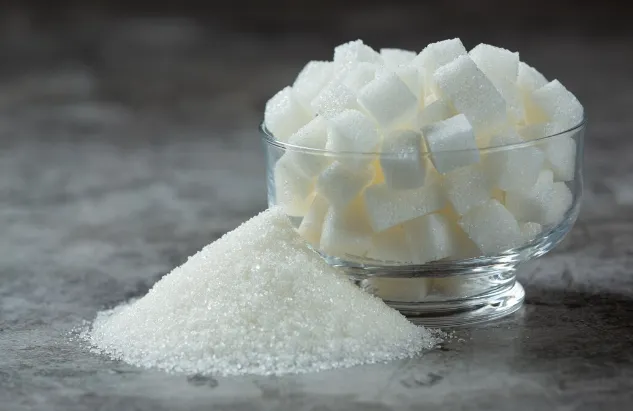
Industrial sugar is the sugar processed for large-scale commercial use. It is not for direct household consumption. This sugar is mainly used in food manufacturing and beverages. Many pharmaceutical and confectionery products' manufacturing also includes it. This sugar usually comes in bulk forms and specific grades to meet industry standards.
Types of Sugar Used in Beverage Production
The production of beverages uses different kinds of sugar. Some of the common sugar types to note are:
Sucrose
High Fructose Corn Syrup
Glucose
Fructose
Invert Sugar
Honey
Agave Syrup
However, there are many studies and reports that have shown the link between industrial sugar and health concerns. One review in the National Library of Medicine mentioned that rising dietary fructose consumption creates metabolic illnesses. For example, type 2 diabetes mellitus and fatty liver disease. It is also leading to hypertension and dyslipidemia.
Sweetness shapes the overall taste of beverages. Sugar balances acidity. It also reduces bitterness and enhances natural flavors. Sugar supports flavor perception in beverage formulation. It makes drinks more enjoyable and satisfying for consumers.
Better Texture
Another role of sugar in beverages is to add texture and mouthfeel. It means it shapes how a beverage feels in the mouth. Sugar balances the acidity and bitterness. It creates a fuller sensation and better viscosity. Besides, the sugar content adds a pleasant finish to the drinks. Consumers often associate it with quality.
Preservation
The next part of sugar is improving preservation and shelf stability. It slows microbial growth and spoilage. So, the natural preservative effect extends product shelf life. It maintains flavor quality. Also, it supports a consistent texture for a balanced taste.
Fermentation Support
Sugar also supports fermentation in beverage formulation. It feeds yeast during fermentation. Also, it converts into alcohol, carbon dioxide, and flavor compounds. The right sugar balance in beverages improves fermentation. You may experience it in drinks like beer or wine.
Why Beverage Companies Still Rely on Industrial Sugar
Beverage companies still rely on industrial sugar. The reason is that it delivers consistent sweetness. It also offers a reliable flavor balance and cost efficiency on a large scale. Besides, industrial sugar dissolves easily. It preserves the product stability and meets consumer taste expectations. Thus, it becomes an ideal ingredient in many soft drinks and packaged beverages worldwide.
Conclusion
Finally, the conclusion is that the beverage industry continues to rely heavily on industrial sugar. It is because it provides a consistent taste and balance. Sugar plays a crucial part in various products from soft drinks to flavored juices. Sugar adds flavor and texture. So, the growing demand for beverages will keep increasing the use of industrial sugar in the beverage industry.
FAQs
How can industrial sugar affect the shelf life of beverages?
Sugar may act as a natural preservative in beverages. Its presence can minimize microbial growth. Thus, it can lower water activity. And, it keeps many drinks fresh for longer use.
What are the types of beverages that use industrial sugar?
There are several beverages that use industrial sugar. It is widely used in carbonated soft drinks, fruit juices, and energy drinks. Many sports drinks and flavored waters also use it. Today, even iced teas and ready-to-drink coffee beverages use industrial sugar.
Is industrial sugar different from the regular sugar used at home?
Industrial sugar is chemically similar to regular sugar. But it is produced and processed in larger quantities for manufacturing purposes. It is often supplied in bulk forms. For example, granulated sugar, liquid sugar, or syrups.
is a dynamic writer with over five years of experience in creating compelling and insightful content across a diverse range of industries, including automotive and transportation, energy, consumer electronics, bulk chemical, and food & beverages. With a strong foundation in writing blogs, articles, press releases, preview analysis, and other content formats, he has honed the ability to tailor content to meet the needs of different audiences. His expertise in SEO, combined with an in-depth understanding of market trends, enables him to produce content that is both search-engine optimized and industry-relevant, making him a trusted voice in blog and news writing.
With a passion for research and a keen eye for detail, he ensures that every piece of content is backed by the latest industry data and trends. His ability to breathe life into words allows him to craft engaging and informative content that resonates with readers, while his insights into SEO further elevate the impact of his work. He is committed to staying ahead of the curve in an ever-evolving digital landscape, and he approaches each project with a focus on delivering value to both clients and audiences. Through his work, he continues to contribute to the advancement of content marketing by offering a unique perspective on how content can influence consumer behavior and industry conversations.