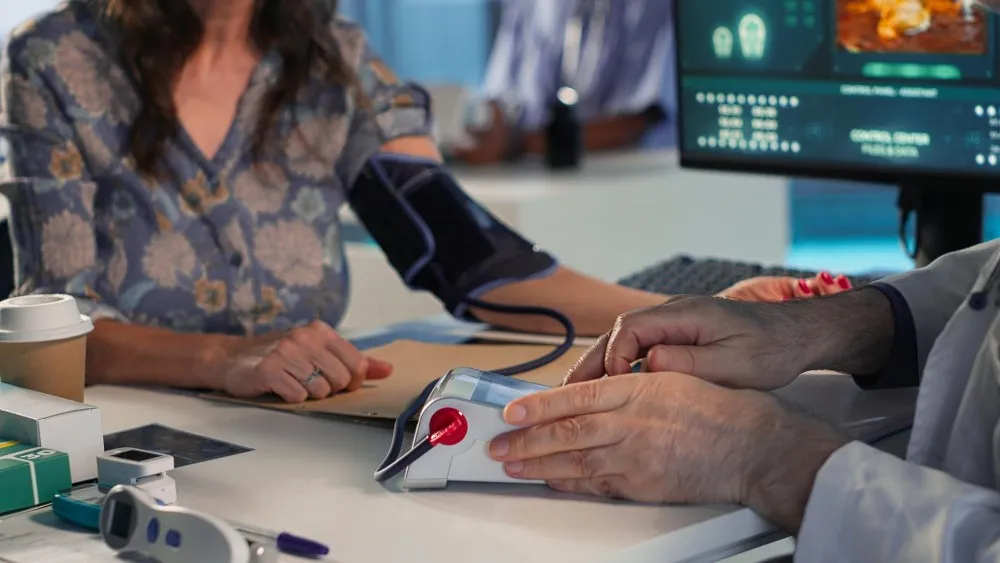
Let’s be real—when it comes to healthcare, even the smallest mistake can turn into a big problem. The process of pressure monitoring remains unknown to most people, yet it establishes vital operational functions. The technical term describes the process of measuring pressure inside human bodies and medical devices to ensure safe operations. All healthcare settings, including hospitals and home care environments, require precise pressure monitoring because it serves as their fundamental need.
What is Pressure Monitoring in Healthcare?
Pressure monitoring means tracking pressure levels in different parts of the body or medical equipment. This medical process tracks multiple types of pressure, including blood pressure, intracranial pressure, and ventilator pressure.
Medical professionals use these measurements to make fast, accurate medical decisions. The slightest error in reading measurements creates a risk of providing incorrect medical treatment.
Why Accuracy Really Matters
The scenario involves an ICU patient who requires ventilator support. The ventilator pressure reading shows normal results, but actual pressure levels exceed safe limits, which can result in lung damage. The system shows low pressure, but the actual pressure level exceeds the high threshold, which will lead doctors to raise pressure despite worsening the situation. The entire situation depends on achieving absolutely correct results.
Here’s why it’s critical:
1. Helps in Early Detection
Accurate pressure readings can detect problems early. The sudden increase of blood pressure acts as an early warning system for existing heart problems that have not yet reached critical status.
2. Ensures Proper Treatment
The correct interpretation of data is correlated with making correct decisions, but this is not always the case.
3. Improves Patient Safety
The use of pressure monitoring during surgeries and intensive care unit treatment allows medical professionals to prevent complications that include organ damage and internal bleeding.
4. Supports Life-Saving Equipment
Pressure sensors are the main pillars of almost every device, whether a ventilation machine or an infusion pump. Without pressure sensors, completing the job flawlessly may not be possible.
The Role of Technology
Current healthcare systems are becoming more intelligent through the development of new pressure monitoring technologies. The reliability of systems has improved through the implementation of digital sensors, wireless monitoring systems, and real-time alert systems.
The pressure monitoring market demonstrates growth because hospitals require devices that provide accurate measurements and intelligent functionality. The healthcare industry requires advanced monitoring solutions due to its increased emphasis on remote patient care and medical safety.