

Global Pressure Monitoring Market Size and Forecast: 2026 to 2033
The Global Pressure Monitoring Market is estimated to be valued at USD 15.89 Bn in 2026 and is expected to reach USD 28.50 Bn by 2033, exhibiting a compound annual growth rate (CAGR) of 8.7% from 2026 to 2033. This significant growth reflects increasing demand across various industries including healthcare, automotive, and manufacturing, driven by the rising need for accurate and reliable pressure monitoring solutions. The expanding adoption of advanced technologies and rising safety regulations further bolster market expansion.
Key Takeaways of the Global Pressure Monitoring Market
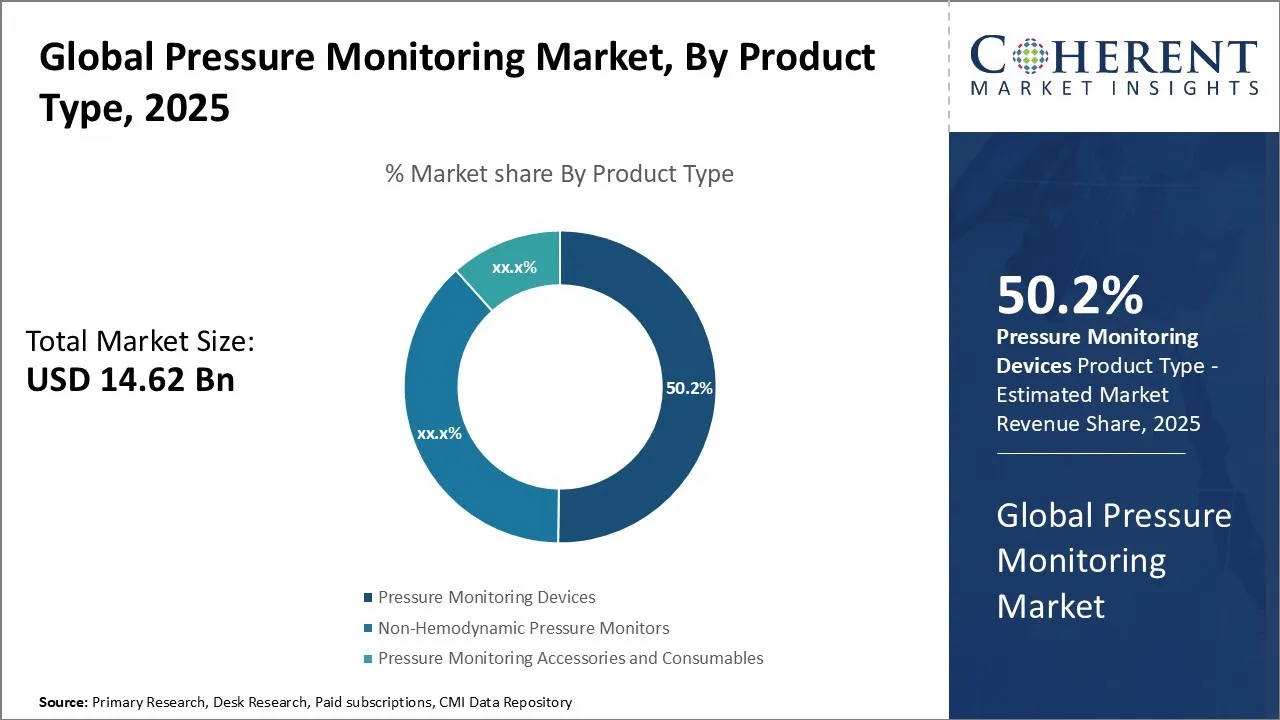
- By product type, pressure monitoring devices are projected to dominate the global pressure monitoring market, accounting for an estimated 51.2% share in 2026.
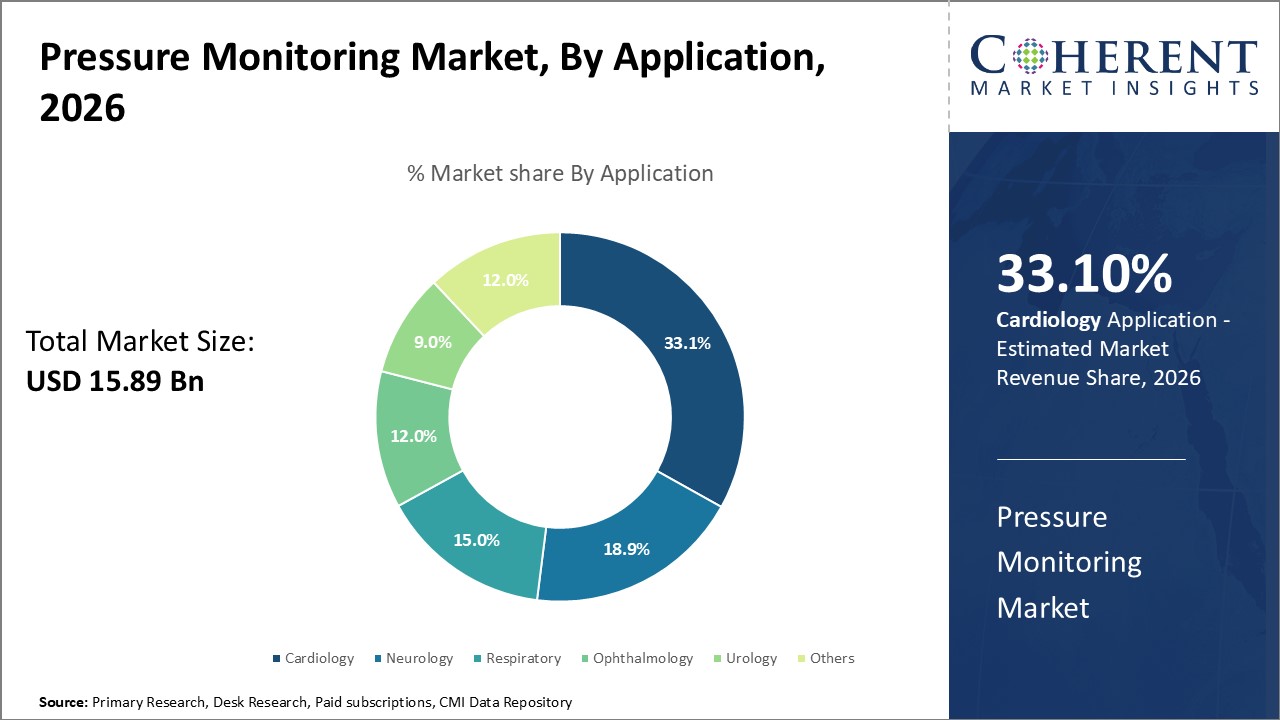
- Within the application segment, cardiology emerges as the leading area, contributing an estimated 33.1% to the market in 2026.
- By technology, non-invasive pressure monitoring technology is expected to hold the largest share at 57.2% in 2026, highlighting a growing preference for safer, more comfortable, and easily accessible patient care solutions.
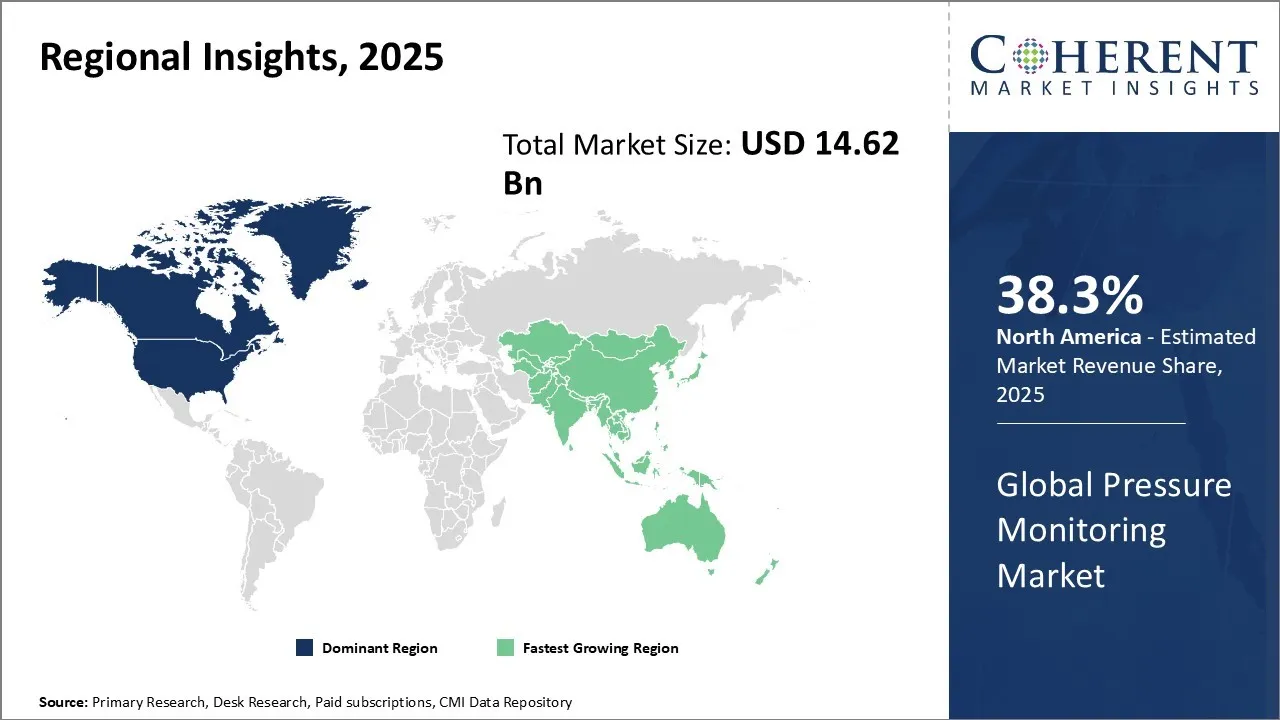
- North America is expected to lead the market, holding a share of 38. 3% in 2026. Asia Pacific is anticipated to be the fastest-growing region, with a market share of 23.2% in 2026.
Market Overview
Current market trends highlight the integration of smart sensors and IoT-enabled pressure monitoring systems that enhance real-time data accuracy and operational efficiency. Additionally, growth is fueled by innovations in wireless and remote patient monitoring technologies, allowing for seamless pressure management in industrial and medical applications. The increasing focus on predictive maintenance and automation also encourages investment in sophisticated pressure monitoring devices, ensuring the market remains dynamic and technology-driven through the forecast period.
Currents Events and their Impact
Current Events | Description and its impact |
APAC Government Initiatives for Hypertension |
|
U.S. FDA Clearance for Advanced Monitoring Systems |
|
Segmental Insights
- Current Industry Events of 2026
- Market Size Estimation
- Regional Breakdown
- Competitive Landscape
- Customer Intelligence
- Segmental Analysis
- Pricing Analysis
- Key Market Drivers, Challenges & Future Trends
- Customized Insights Section
Pressure Monitoring Market Insights, By Product Type – Innovation and Versatility Drive Dominance of Pressure Monitoring Devices in Product Type
In terms of product type, pressure monitoring devices hold the largest share of the global pressure monitoring market with an estimated 51.2% in 2026. This segment’s prominence is primarily driven by its broad application spectrum and continuous advancements that enhance diagnostic accuracy and patient safety. Pressure monitoring devices encompass a wide range of specialized instruments such as hemodynamic pressure monitors, blood pressure monitors, pulmonary pressure monitors, and intracranial pressure monitors, each catering to specific clinical requirements. The versatility of these devices in providing real-time, precise pressure readings across multiple physiological parameters rewards clinicians with critical insights essential for managing complex conditions.
The increasing prevalence of cardiovascular, pulmonary, and neurological disorders necessitates continuous patient monitoring, positioning pressure monitoring devices at the forefront of clinical practice. Hemodynamic pressure monitors, which include blood pressure and heart chambers/vessels monitoring systems, serve as the cornerstone in intensive care units and cardiac care settings.
Pressure Monitoring Market Insights, By Application – Cardiology’s Critical Role in Driving Pressure Monitoring Applications
Within the application segment, cardiology stands out as the leading contributor to the global pressure monitoring market with an estimated share of 33.1% in 2026. The prominence of cardiology-driven demand is rooted in the ongoing rise of cardiovascular diseases (CVDs) worldwide, coupled with the essential role of accurate pressure monitoring in diagnosing, managing, and preventing heart-related conditions. Blood pressure and hemodynamic profiling remain the fundamental metrics in cardiology, enabling healthcare professionals to detect abnormalities early and tailor personalized treatment plans. The adoption of sophisticated pressure monitoring tools in cardiology is instrumental in managing hypertension, heart failure, arrhythmias, and ischemic heart disease.
In May 2024, OMRON Healthcare India, a leading provider of blood pressure monitors and a subsidiary of Japan-based OMRON Corporation, partnered with AliveCor India, a specialist in personal ECG technology. the collaboration introduces AI-powered handheld ECG devices to the Indian market, enhancing OMRON’s cardiovascular health portfolio. The initiative aims to address rising heart health concerns in India, where over 220 million people suffer from high blood pressure.
Pressure Monitoring Market Insights, By Technology – Non-invasive Technology Leads Through Patient Safety and Convenience
From a technological standpoint, non-invasive pressure monitoring technology claims the highest share of the market with an estimated share of 57.2% in 2026, reflecting a paradigm shift towards safer, more comfortable, and accessible patient care solutions. The appeal of non-invasive methods lies in their ability to deliver accurate measurements without the risks commonly associated with invasive procedures such as infections, bleeding, and vascular trauma, which are particularly concerning in vulnerable patient groups.
Non-invasive pressure monitoring encompasses techniques such as oscillometric blood pressure measurement, Doppler ultrasound, photoplethysmography, and tonometry. These methods allow for rapid, repeatable assessments suitable for diverse clinical settings ranging from emergency rooms to primary care offices and even home-based healthcare. The ease of use and quick feedback facilitate widespread adoption across all age groups.
Role of Artificial Intelligence (AI) in the Global Pressure Monitoring Market
- Artificial Intelligence (AI) is significantly transforming the global pressure monitoring market, driving efficiency, precision, and innovation across diagnostic, therapeutic, and monitoring applications. AI-enabled systems enhance predictive analytics, allowing for real-time monitoring and early detection of anomalies such as hypertension, hypotension, or cardiac irregularities. These insights help physicians intervene proactively, improving patient outcomes while reducing the cost of emergency care. Furthermore, automated algorithms embedded in wearable devices analyze vast volumes of physiological data with minimal human intervention, enabling continuous and personalized care.
- For instance, smart blood pressure monitors integrated with AI can adjust measurement intervals based on detected stress levels or sleep cycles, offering tailored monitoring experiences. AI also facilitates data-driven decision-making, improving diagnostic accuracy, reducing false readings, and optimizing resource utilization in hospital and home care settings. This not only streamlines operations but also lowers costs for both providers and patients.
- The rise of AI opens new business models and competitive advantages in the pressure monitoring landscape. Companies can now offer subscription-based platforms for remote monitoring services, data analytics, and AI-powered health coaching. Startups are innovating with AI-powered biosensors and cloud platforms that provide real-time insights and alerts to healthcare professionals. For example, firms like Cardiosense and Omron are leveraging AI to create devices that combine ECG, PPG, and SCG data, enhancing diagnostic capabilities. However, AI implementation also comes with challenges, including data privacy concerns, regulatory hurdles, and the need for high-quality, diverse datasets to train algorithms.
Regional Insights
North America Pressure Monitoring Market Analysis and Trends
In North America, the dominance in the global pressure monitoring market is driven by a well-established healthcare infrastructure with an estimated share of 38.3% in 2026, advanced technological adoption, and significant R&D investments by leading medical device companies. The presence of a robust market ecosystem comprising hospitals, outpatient centers, and diagnostic laboratories supports sustained demand for pressure monitoring solutions. The U.S., as the core market, benefits from early regulatory approvals and reimbursement frameworks that encourage the use of advanced monitoring systems.
In April 2023, Cadence, a digital health company specializing in remote patient monitoring, partnered with Providence, one of the largest U.S. health systems, to launch a remote patient monitoring program aimed at improving home-based care. The program saw successful clinic rollouts in Washington, demonstrating high patient engagement and strong medication adherence among individuals with congestive heart failure and hypertension. The rising prevalence of chronic conditions like hypertension continues to drive demand for such advanced monitoring solutions.
Asia Pacific Pressure Monitoring Market Analysis and Trends
The Asia Pacific pressure monitoring market is witnessing substantial growth with an estimated share of 23.2% in 2026, primarily fueled by the expanding elderly population. As per the United Nations Economic and Social Commission for Asia Pacific, approximately 697 million people aged 60 and above are projected to live in the region by 2023—representing nearly 60% of the global elderly population. With older adults being more susceptible to cardiovascular diseases, the rising aging demographic is intensifying demand for advanced monitoring devices to ensure effective health management and care. Key players such as GE Healthcare, Siemens Healthineers, and B. Braun Melsungen actively expand their presence by forming partnerships and investing in local manufacturing facilities, resulting in enhanced product availability and customization.
Global Pressure Monitoring Market Outlook for Key Countries
U.S. Pressure Monitoring Market Trends
The U.S. maintains a leadership position in the pressure monitoring market owing to its cutting-edge healthcare infrastructure and a strong emphasis on patient safety and quality care. Major players like Abbott Laboratories and Medtronic leverage advanced technologies such as minimally invasive pressure sensors and AI-driven analytics to improve clinical outcomes. Additionally, favorable reimbursement policies encourage hospitals to adopt comprehensive monitoring solutions. The country’s strong investment in clinical research also facilitates innovation, making the U.S. a highly competitive and dynamic market.
In May 2026, Tenovi, a U.S.-based remote patient monitoring (RPM) technology company, launched a new cellular-connected blood pressure monitor aimed at early detection of hypertension and irregular heartbeats to prevent strokes and cardiovascular events. The device integrates seamlessly with Tenovi’s RPM platform and is U.S. FDA-cleared for use in maternity and diabetes care, including conditions like preeclampsia.
Canada Pressure Monitoring Market Trends
The Canada pressure monitoring market is witnessing steady growth driven by increasing adoption of home-based and remote monitoring solutions. With a rising aging population and growing prevalence of hypertension and cardiovascular diseases, there is a strong push toward self-monitoring and telehealth integration. The market is also seeing a shift from traditional devices to smart, wearable, and connected monitors that support real-time data sharing and continuous tracking. Advancements in AI and digital health platforms are further enhancing diagnostic accuracy and user engagement, aligning with Canada’s emphasis on preventive care and decentralized healthcare delivery.
In November 2024, Aktiia, a Swiss health tech company, launched its continuous blood pressure monitoring (CBPM) bracelet in Canada, marking its first expansion outside Europe. Approved by Health Canada, the wearable uses Optical Blood Pressure Monitoring (OBPM) to deliver automatic, 24/7 readings—up to 800 measurements per month. CEO Mr. Raghav Gupta highlighted Canada's collaborative healthcare ecosystem as ideal for integrating innovative health solutions into patient care.
Germany Pressure Monitoring Market Trends
Germany's pressure monitoring market is characterized by a mature healthcare system with a significant emphasis on precision medicine and integrated patient monitoring. The presence of leading medical device manufacturers such as Siemens Healthineers and Drägerwerk supports innovation in pressure monitoring technologies catering to critical care and surgical applications.
The pressure monitoring market in Germany is projected to grow steadily over the forecast period, driven by the rising prevalence of high blood pressure and cardiovascular diseases (CVDs).
According to an article published by Frontiers Media S. in June 2024, a study conducted across 336 medical practices in Germany from 2013 to 2022 involved over 750,000 patients annually. These findings highlight the growing need for enhanced blood pressure monitoring and management to better detect and address undiagnosed or underdiagnosed cases.
China Pressure Monitoring Market Trends
China’s pressure monitoring market is rapidly evolving with escalating healthcare expenditure and government initiatives like "Healthy China 2030," focusing on improving healthcare accessibility and quality. The surge in chronic diseases and growing hospital infrastructure underpin the rising demand for reliable pressure monitoring solutions. Multinational corporations including GE Healthcare and Philips Healthcare are investing heavily to localize products and comply with national regulations. Furthermore, domestic players are gaining momentum through innovation in affordable and scalable devices suitable for large population needs, fostering competitive dynamics.
In February 2023, Xiaomi, known for its smart consumer electronics and IoT products, unveiled the Mijia Intelligent Electronic Blood Pressure Monitor in China. Designed with a user-friendly clip-on cuff, the device simplifies arm placement—ideal for users with limited mobility. It features a 3.7-inch backlit display, voice readings via Xiao AI, and app connectivity for tracking blood pressure, heart rate, and battery status.
Market Players, Key Developments, and Competitive Intelligence
Key Developments
- In June 2025, Sky Labs, a South Korean digital healthcare startup, unveiled the world’s first ring-type cuffless blood pressure monitor at the European Society of Hypertension (ESH) 2025 in Milan, gaining international recognition. The innovative device allows for continuous 24-hour monitoring without disrupting daily activities, offering a major advancement over traditional cuff-based systems.
- In May 2025, Tenovi, a U.S.-based remote patient monitoring (RPM) company, launched a new cellular-connected blood pressure monitor with irregular heartbeat detection, aimed at improving early intervention for stroke and cardiovascular risks. U.S. FDA-cleared for use in maternity and diabetes care, the device integrates with Tenovi’s RPM platform, offering continuous, real-time health monitoring. Designed for broad accessibility, it supports a large-size cuff and enables clinicians to detect critical changes between visits.
- In April 2025, BD (Becton, Dickinson and Company), a global leader in medical technology, launched the HemoSphere Alta, its most advanced hemodynamic monitoring platform. Featuring AI-powered predictive algorithms, the system supports clinicians in proactively managing blood pressure and blood flow instability during critical care.
- In April 2024, Integra LifeSciences, a global medical technology company, will feature its CereLink Intracranial Pressure (ICP) Monitoring System at the AANS Annual Scientific Meeting (May 3–6) in Chicago, following a successful U.S. relaunch in Q1 2024.The CereLink system offers advanced, continuous ICP monitoring with minimal drift, MR-conditional capability, and flexible, durable sensors—supporting the care of patients with traumatic brain injuries and other neurological conditions.
Top Strategies Followed by Global Pressure Monitoring Market Players
- Established market leaders dominate through substantial investments in research and development (R&D), channeling significant resources to innovate high-performance products that meet the evolving demands of diverse industries such as healthcare, automotive, and industrial automation. These companies prioritize creating advanced and reliable pressure monitoring devices, integrating cutting-edge sensor technologies and IoT capabilities to offer enhanced accuracy and real-time data analytics.
- In June 2024, Endotronix has received U.S. FDA approval for its Cordella Remote Pulmonary Artery Pressure Monitoring System for NYHA Class III heart failure patients. The system combines an implanted sensor with Bluetooth-enabled devices to provide real-time, seated measurements and patient data sharing, improving outcomes and engagement.
- Mid-level players in the global pressure monitoring market adopt a different approach focused on cost-effectiveness without compromising product quality. These companies typically target price-sensitive customers in burgeoning economies who demand reliable yet affordable pressure monitoring solutions. To achieve this balance, mid-level firms emphasize optimization of production processes and component selection to reduce manufacturing costs while maintaining acceptable performance standards.
- In October 2024, Biobeat, an emerging medtech innovator, is transforming 24-hour blood pressure monitoring by offering a cost-effective, cuffless Ambulatory Blood Pressure Monitoring (ABPM) kit—a solution well aligned with the strategic approach of mid-level players in the global pressure monitoring market.
- Small-scale players operate with a keen focus on niche segments, leveraging specialized features and innovation to differentiate themselves in the crowded global pressure monitoring market. Adopting cutting-edge technologies, including microelectromechanical systems (MEMS) sensors and smart integration methods, allows small players to maintain competitiveness despite their limited resources. Furthermore, these companies often engage in local alliances by partnering with startups, regional manufacturers, or distributors, thereby gaining essential access to targeted regional markets and strengthening their visibility.
- In March 2025, Cleveland Clinic become the first healthcare provider to use the Glean Urodynamics System, a wireless, catheter-free bladder monitoring device developed by Bright Uro using technology originally created at Cleveland Clinic.the Glean system enables real-time urodynamic monitoring during daily activities, offering a more comfortable and accurate alternative to traditional catheter-based tests.
Market Report Scope
Pressure Monitoring Market Report Coverage
| Report Coverage | Details | ||
|---|---|---|---|
| Base Year: | 2025 | Market Size in 2026: | USD 15.89 Bn |
| Historical Data for: | 2020 To 2024 | Forecast Period: | 2026 To 2033 |
| Forecast Period 2026 to 2033 CAGR: | 8.7% | 2033 Value Projection: | USD 28.50 Bn |
| Geographies covered: |
| ||
| Segments covered: |
| ||
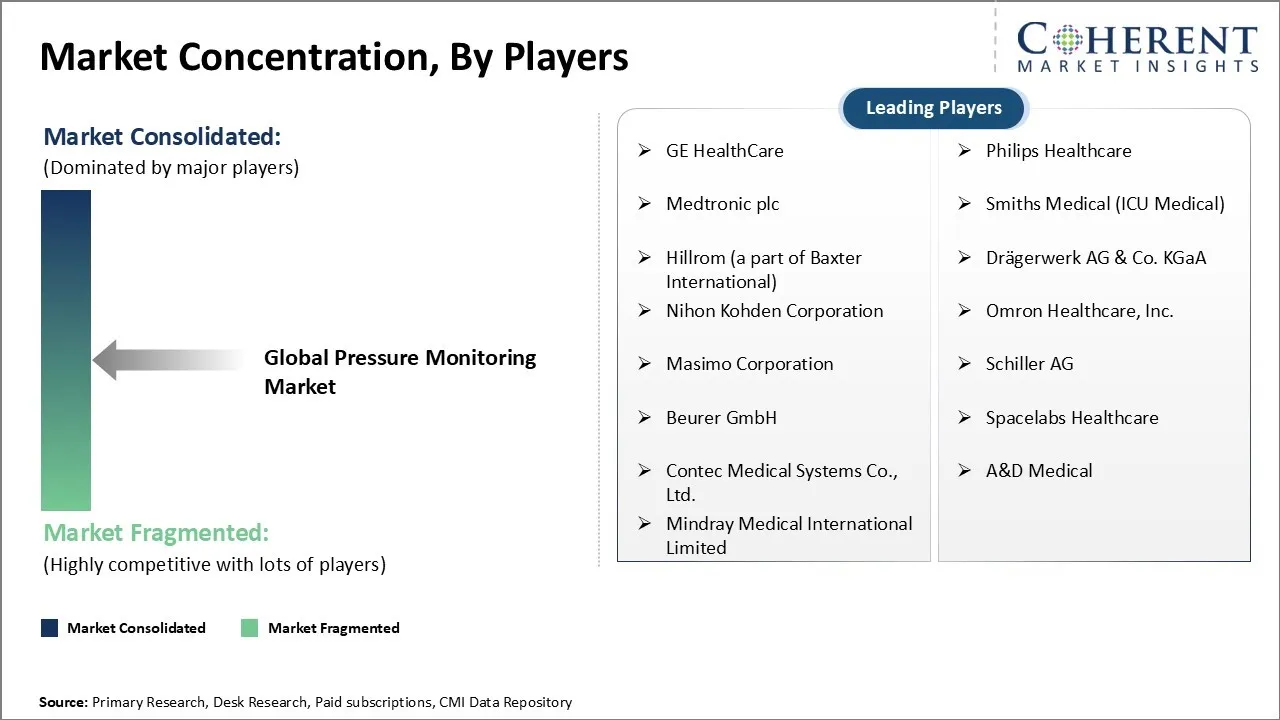
| Companies covered: | GE HealthCare, Philips Healthcare, Medtronic plc, Smiths Medical (ICU Medical), Hillrom (a part of Baxter International), Drägerwerk AG & Co. KGaA, Nihon Kohden Corporation, Omron Healthcare, Inc., Masimo Corporation, Schiller AG, Beurer GmbH, Spacelabs Healthcare, Contec Medical Systems Co., Ltd., A&D Medical, and Mindray Medical International Limited | ||
| Growth Drivers: |
| ||
| Restraints & Challenges: |
| ||
Pressure Monitoring Market Dynamics
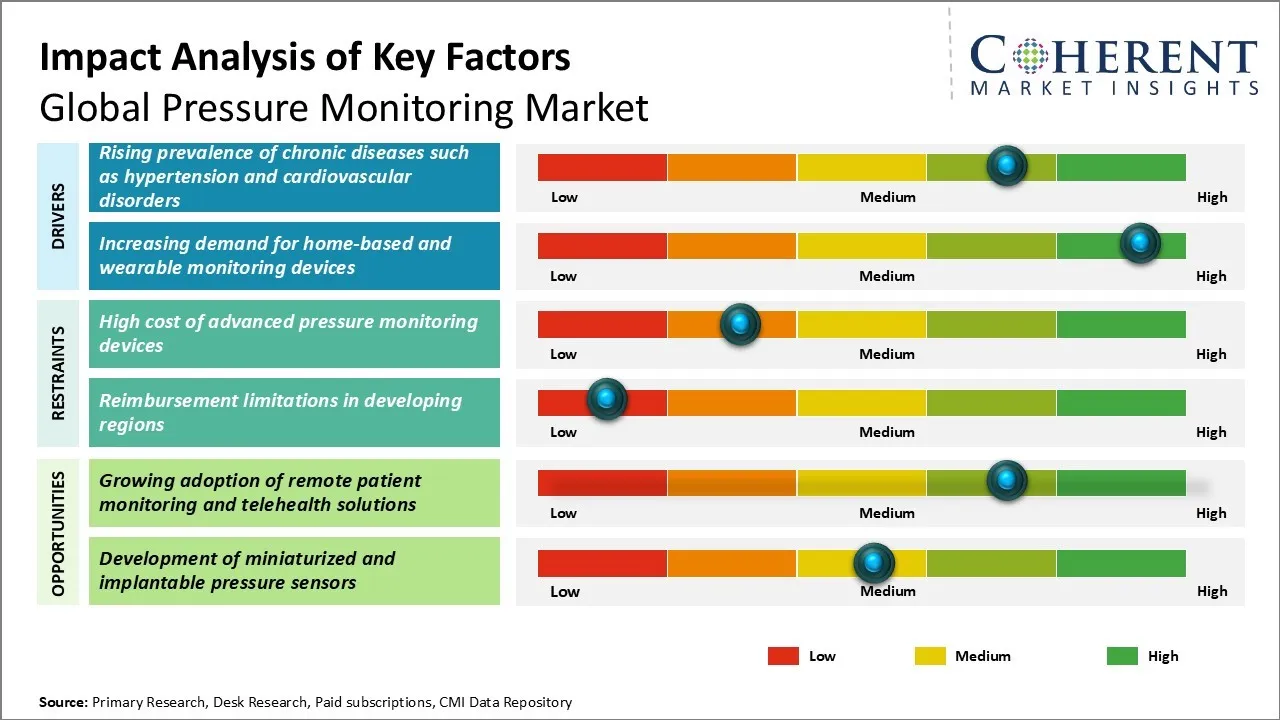
Pressure Monitoring Market Driver - Rising prevalence of chronic diseases such as hypertension and cardiovascular disorders
The increasing global burden of chronic diseases, particularly hypertension and cardiovascular disorders, is a significant driver for the pressure monitoring market. As these conditions require continuous and accurate monitoring to prevent complications and manage patient health effectively, healthcare providers are increasingly relying on advanced pressure monitoring devices. Hypertension, often dubbed the “silent killer,” necessitates regular blood pressure checks to detect fluctuations that could lead to serious outcomes such as stroke or heart attack. Similarly, cardiovascular disorders demand precise monitoring of internal pressures to guide treatment decisions and improve patient prognosis. With growing awareness about early diagnosis and chronic disease management, more patients seek routine monitoring solutions, both in clinical settings and via wearable or home-based devices.
In July 2025, according to WHO, Cardiovascular diseases (CVDs) remain the leading cause of death worldwide, claiming an estimated 19.8 million lives in 2022, or 32% of all global deaths, with heart attacks and strokes accounting for 85% of these fatalities. Over 75% of CVD-related deaths occur in low- and middle-income countries, underscoring the urgent need for accessible prevention and care. Major risk factors include unhealthy diets, tobacco use, physical inactivity, alcohol abuse, and air pollution. Early detection through regular monitoring of blood pressure, glucose, and cholesterol levels can significantly reduce complications.
Pressure Monitoring Market Opportunity - Growing Adoption of Remote Patient Monitoring and Telehealth Solutions
The expanding adoption of remote patient monitoring (RPM) and telehealth solutions presents a significant growth opportunity within the global pressure monitoring market. Advancements in digital health technologies have accelerated the integration of pressure monitoring devices into telehealth platforms, enabling real-time data collection and remote management of patient health. This trend is particularly prominent in the management of chronic conditions such as hypertension, heart failure, and respiratory diseases, where continuous monitoring of blood pressure, intracranial pressure, or respiratory pressure is critical for timely interventions. Healthcare providers are increasingly leveraging RPM to reduce hospital readmissions, enhance patient outcomes, and offer more personalized care, which in turn drives demand for innovative and reliable pressure monitoring sensors and devices.
In June 2024, UC Davis Health launched a remote monitoring program for hypertension patients using Best Buy Health’s Current Health platform. Patients use connected devices like blood pressure cuffs and scales to send real-time data to care teams, enabling early intervention and reducing hospital visits. The 90-day program includes clinical monitoring, coaching, and physician support. Best Buy Health, through its care-at-home tech platform Current Health, partners with healthcare providers to deliver remote patient monitoring solutions that improve accessibility and reduce costs.
Analyst Opinion (Expert Opinion)
- The pressure monitoring market is undergoing transformative growth, driven by continuous technological advancements such as wearable pressure sensors, non-invasive monitoring solutions, and integration with mobile health platforms. Increased prevalence of hypertension, cardiovascular diseases, and respiratory disorders is creating strong demand for real-time, patient-centric monitoring tools. Regulatory support, particularly from bodies like the U.S. FDA and EMA, is accelerating innovation through fast-tracked approvals for digital health technologies. Emerging opportunities lie in remote and home-based healthcare models, especially in aging populations and developing economies, while industry challenges include data interoperability, cybersecurity concerns, and high costs associated with advanced monitoring systems.
- Key global events have significantly shaped the pressure monitoring landscape. The MedTech Conference (AdvaMed) in the U.S., Arab Health Expo in Dubai, and China Medical Equipment Fair (CMEF) in Shanghai have featured pressure monitoring technologies and facilitated cross-border collaborations. These platforms have advanced discussions on AI-integrated diagnostics, regulatory compliance, and smart wearable applications. Real-world initiatives like OMRON’s partnership with AliveCor in India for portable ECG-blood pressure hybrid devices and Philips’ pilot projects in Africa for remote monitoring underscore the market's evolving direction. Government-backed programs like the Digital Health Mission in India and the Remote Patient Monitoring Expansion under CMS in the U.S. are expected to further stimulate adoption and reshape the future of pressure monitoring solutions.
Speak to the analyst
Want personalized insights?
Take the findings above to one of our principal consultants, or have the report rebuilt around the segments, geographies and competitors you actually track.
Market Segmentation
- Product Type Insights (Revenue, USD Bn, 2021 - 2033)
- Pressure Monitoring Devices
- Hemodynamic Pressure Monitors (Blood Pressure and Heart Chambers/Vessels)
- Blood Pressure Monitors (BP Monitors)
- Pulmonary Pressure Monitors
- Intravenous / Central Venous Pressure Monitors
- Intracranial Pressure Monitors
- Non-Hemodynamic Pressure Monitors
- Respiratory Pressure Monitors
- Intraocular Pressure (IOP) Monitors
- Urodynamic Pressure Monitors
- Gastrointestinal Pressure Monitors
- Pressure Monitoring Accessories and Consumables
- Disposable Pressure Sensors and Transducers
- Reusable Pressure Transducers
- Blood Pressure Cuffs
- Others (Connection Tubing and Fluid-Flush Systems)
- Pressure Monitoring Devices
- Application Insights (Revenue, USD Bn, 2021 - 2033)
- Cardiology
- Neurology
- Respiratory
- Ophthalmology
- Urology
- Others (e.g., intrauterine and intra-abdominal pressure monitoring)
- Technology Insights (Revenue, USD Bn, 2021 - 2033)
- Non-invasive Pressure Monitoring Technology
- Invasive (Direct) Pressure Monitoring Technology
- Mobility Insights (Revenue, USD Bn, 2021 - 2033)
- Stationary Pressure Monitoring Devices
- Portable Pressure Monitoring Devices
- Wearable/Remote Monitoring Devices
- End User Insights (Revenue, USD Bn, 2021 - 2033)
- Hospitals and Clinics
- Home Healthcare Settings
- Ambulatory Surgical Centers (ASCs)
- Diagnostic Centers
- Long-Term Care Facilities
- Distribution Channel Insights (Revenue, USD Bn, 2021 - 2033)
- Online Pharmacies
- Retail Pharmacies
- Hospitals Pharmacy
- Supermarkets/Hypermarkets
- Health and Wellness Stores
- Regional Insights (Revenue, USD Bn, 2021 - 2033)
- North America
- U.S.
- Canada
- Latin America
- Brazil
- Argentina
- Mexico
- Rest of Latin America
- Europe
- Germany
- U.K.
- Spain
- France
- Italy
- Russia
- Rest of Europe
- Asia Pacific
- China
- India
- Japan
- Australia
- South Korea
- ASEAN
- Rest of Asia Pacific
- Middle East
- GCC Countries
- Israel
- Rest of Middle East
- Africa
- South Africa
- North Africa
- Central Africa
- North America
Sources
Primary Research Interviews
- Industry Stakeholders List
- Clinical Engineers and Biomedical Device Technologists
- Product Managers from Medical Device Manufacturers
- End-Users List
- Cardiologists and Critical Care Physicians
- Hospital Procurement Officers
Government and International Databases
- U.S. Food and Drug Administration (FDA)
- Centers for Disease Control and Prevention (CDC)
- European Medicines Agency (EMA)
- World Health Organization (WHO)
- National Center for Biotechnology Information (NCBI)
- Ministry of Health and Family Welfare (India)
- OECD Health Statistics
- National Institutes of Health (NIH)
Trade Publications
- MedTech Dive
- Medical Device and Diagnostic Industry (MD+DI)
- HealthTech Magazine
- Fierce Biotech
Academic Journals
- The Lancet Digital Health
- Journal of Clinical Monitoring and Computing
- IEEE Journal of Biomedical and Health Informatics
- BMJ Open
Reputable Newspapers
- The New York Times – Health Section
- The Guardian – Healthcare
- Reuters Health
- The Washington Post – Health & Science
Industry Associations
- Advanced Medical Technology Association (AdvaMed)
- Association for the Advancement of Medical Instrumentation (AAMI)
- American College of Cardiology (ACC)
- European Society of Cardiology (ESC)
Public Domain Resources
- National Health Service (NHS) Digital
- eHealth Observatory (WHO)
Proprietary Elements
- CMI Data Analytics Tool: Proprietary analytics tool to analyze real-time market trends, consumer behavior, and technology adoption in market
- Proprietary CMI Existing Repository of Information for Last 8 Years
Get access to 250+ pages report
Every segment, forecast, competitor profile and data table behind the analysis above — available for instant download.
- ESOMAR Member
- ISO 9001:2015 Certified
- D-U-N-S Registered
- GDPR & CCPA Compliant
Missing comfort of reading report in your local language? Find your preferred language:
Transform your Strategy with Exclusive Trending Reports
Frequently Asked Questions
The global pressure monitoring market is estimated to be valued at USD 15.89 Bn in 2026 and is expected to reach USD 28.50 Bn by 2033.
The CAGR of Global Pressure Monitoring Market is projected to be 8.7% from 2026 to 2033.
Rising prevalence of chronic diseases such as hypertension and cardiovascular disorders and increasing demand for home-based and wearable monitoring devices are the major factors driving the growth of the Global Pressure Monitoring Market.
High cost of advanced pressure monitoring devices and reimbursement limitations in developing regions are the major factors hampering the growth of the Global Pressure Monitoring Market.
In terms of product type, pressure monitoring devices is estimated to dominate the market revenue share in 2026.
GE HealthCare, Philips Healthcare, Medtronic plc, Smiths Medical (ICU Medical), Hillrom (a part of Baxter International), Drägerwerk AG & Co. KGaA, Nihon Kohden Corporation, Omron Healthcare, Inc., Masimo Corporation, Schiller AG, Beurer GmbH, Spacelabs Healthcare, Contec Medical Systems Co., Ltd., A&D Medical, and Mindray Medical International Limited are the major players.
North America is expected to lead the Global Pressure Monitoring Market in 2026.