In today's fast-paced world, launching a product quickly and effectively is critical to winning or losing. Companies are also under intense pressure to develop product innovation as rapidly as possible while controlling expenses.
Virtual prototypes have emerged as a revolutionary development in this area because they enable manufacturers to digitally design, test, and refine the product prior to ever producing a physical prototype.
For a deeper market perspective, explore Virtual Prototype Market.
What is a Virtual Prototype?
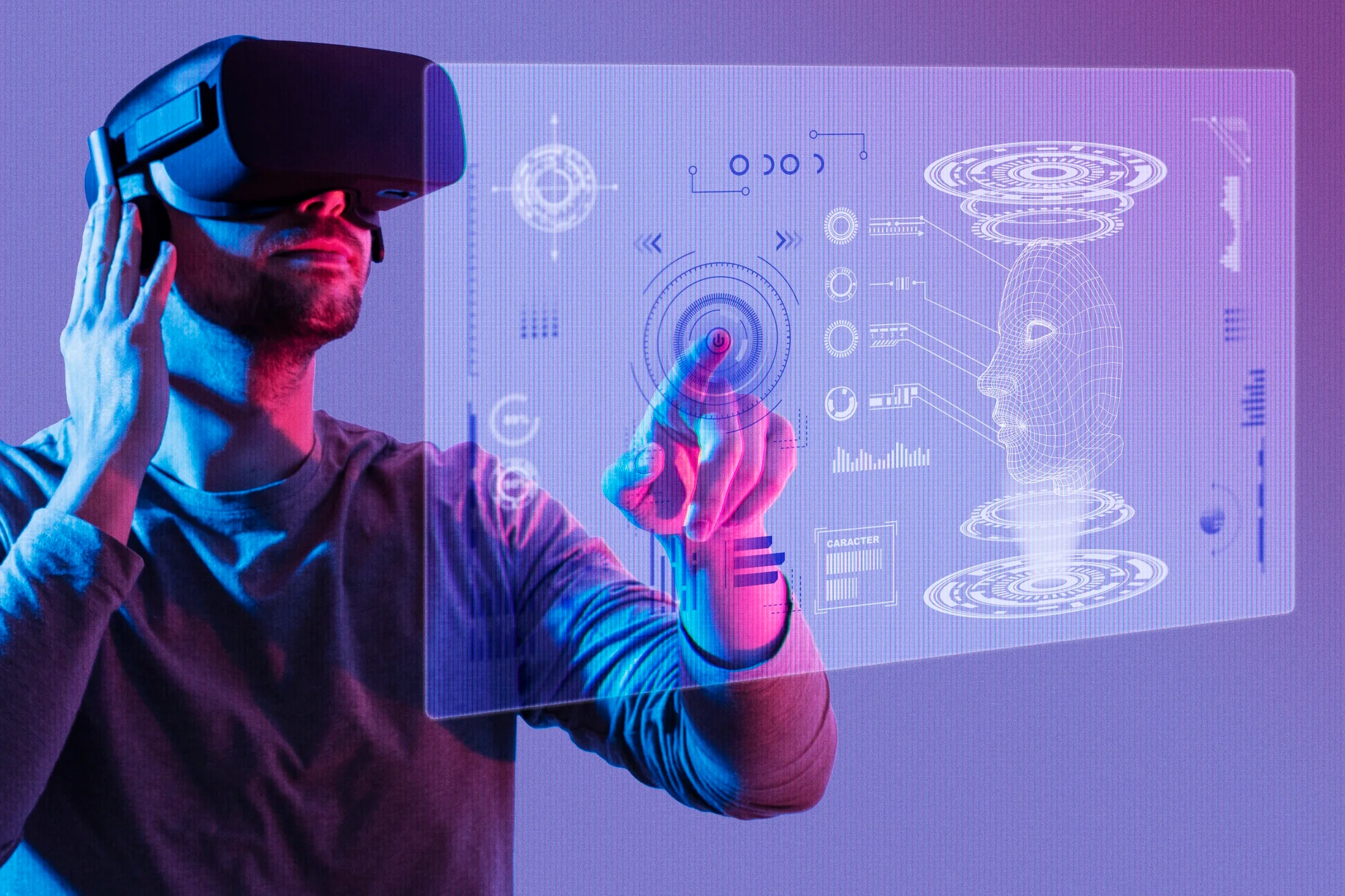
Virtual prototype is a digitally designed prototype of a product created with simulation and design software, allowing the team to evaluate the performance, functionality, and design of the product without using any physical materials.
Companies can quickly build a large number of prototypes in a virtual environment instead of having to construct multiple prototypes in the physical world, which saves both time and money.
Quick Development Cycles and Design Iterations
The most significant benefit of using virtual prototypes is that they enable companies to generate a prototype more quickly than traditional methods.
The conventional model for generating a prototype consists of the following four steps:
- Design the Physical Prototype
- Manufacturing the Prototype
- Testing the Prototype
- Modifying and Reproducing the Prototype
These four phases of the product creation process can take weeks or months to complete.
With virtual prototypes, engineers will have the ability to make changes immediately. Designing engineers can modify their designs, run simulations, and verify product performance in a matter of hours.
Example from Industry
An example would be a car manufacturer that is developing a new car component. By simulating the component's stress, heat, and durability digitally, they will only need to produce one physical prototype of the new component instead of producing five different prototypes.
Reduced Development Costs
Using physical prototypes can be expensive because it requires materials, production, labor, and testing infrastructure. A virtual prototype can replace many of these costs.
Key areas of cost savings are:
- less material used
- fewer physical prototypes
- lower production and labor costs
Deloitte research indicates that companies that use digital engineering and simulation tools can reduce their product development costs by 20-30%.
(Source: Deloitte)
Example
A consumer electronics manufacturer can digitally test multiple designs of a product before committing to make them, thus avoiding thousands of dollars of production expense due to making the wrong decision.
Finding Design Problems Early
One of the largest expenses associated with product development is finding a design flaw at the end of the process (after production starts), and the financial impact of having to fix the problem is enormous.
Through the use of virtual prototypes, the teams can:
- determine design deficiencies early
- test for extreme conditions
- Confirm performance entirely before production
The proactive approach to development from a virtual prototype increases the chance of preventing product recalls and redesigns.
Collaboration Across Teams Improved
Modern product development involves several teams (designers, engineers, marketing specialists, and manufacturing), often located all over the world.
Virtual prototypes will provide:
- Shared models in real time
- Rapid feedback cycles
- Wide-ranging collaboration
Working in the cloud will allow these product development teams to collaborate at the same time on one digital prototype, thus decreasing delays associated with communicating and making decisions.
Example
A global manufacturing company can have design in Germany, engineering in India, and production in the U.S., all working on a virtual prototype simultaneously.
Performance of Final Product Improved
Virtual simulations allow companies to conduct a detailed analysis of products under every conceivable circumstance. Testing under various conditions is often impractical to test physically or would require an inordinate amount of money.
Examples include testing the following conditions on their prototype before launching a final product:
- Environmental Conditions (Temperature, Humidity)
- Mechanical Stress/Durability
- User Interaction/Ergonomics
According to McKinsey & Company, utilizing simulation technologies significantly increases the performance of products while decreasing the rates of failure.
(Source: McKinsey & Company)
Time-to-Market Accelerated
All of these advantages, combined with a lower number of failed prototype builds, create a drastic reduction in the time-to-market for products.
As a result, companies have the capacity to:
- Introduce products to market faster than the competition
- Respond faster to changes in the marketplace
- Decrease the amount of time associated with redesigning a product
In industries such as automotive, aerospace, and consumer electronics, the difference in revenue generated from introducing a revised product even one week earlier than the competition can be staggering.
Encouraging the Development of New Ideas and Customizing Products
Virtual prototyping allows businesses to test new ideas quickly, and companies can experiment with many different ideas because the cost of testing is so low that they can do so without concern about their financial risk.
This leads to:
- The rapid development of new ideas
- Customization of products
- An improved alignment of products with what the customer wants
Example
A furniture company could develop customized furniture options for this customer and show the customer a virtual preview of the furniture product before production for more satisfaction and decreased time to produce the finished product.
Conclusion
The use of virtual prototyping is creating a new approach to product design and development. The result is that companies can design and develop products faster, rely less on physical models, and identify problems earlier in the design and development process; as a result, they save time and money.
Furthermore, businesses that utilize virtual prototyping can confidently create new innovative products and market them more rapidly than competitors. In today's highly competitive and highly customer-demand environments, the use of virtual prototyping is not merely an advantage; rather, it has become a necessity in today's product design and development world.
FAQs
- Which industries receive the greatest benefit from the use of virtual prototyping?
- Complex product design is prevalent in many different industries. However, businesses in the automotive, aerospace, electronics, healthcare, and manufacturing sectors tend to experience the greatest advantages through the use of virtual prototyping.
- Will virtual prototyping entirely replace the need for physical prototypes?
- Although virtual prototyping will significantly limit the number of physical prototypes needed to develop a product, the final validation process usually still requires at least one physical model.
- How can virtual prototyping help to lower costs?
- Virtual prototyping helps to reduce costs associated with product development by minimizing the amount of materials wasted, reducing the number of times a product design needs to be manufactured, and catching costly design mistakes early in the development process.
- Can small companies take advantage of the benefits associated with virtual prototypes?
- With the availability of low-cost software tools, small businesses are now able to utilize virtual prototypes in their product development.
- What software tools are utilized for virtual prototyping?
- Some of the software tools commonly used to create virtual prototypes include computer-aided design (CAD) programs, computer-aided (CA) simulation platforms, and digital twin software that creates a virtual representation of an object as it would exist in the physical environment.

