A collection means something to its owner that a single photo can never quite explain — the hunt for that one rare find, the story behind why a piece was added, the quiet pride of seeing it all together. Photos capture what a collection looks like, but they rarely capture what it feels like to own it.
That’s where image to video technology comes in, letting collectors turn static shots of sneakers, art, cards, or curiosities into a moving showcase that finally does the collection justice.
That desire to bring a collection to life reflects a wider appetite for video. The growing demand for social media content, simpler editing tools, and faster, more affordable production are helping drive the AI video generator market. According to our analysis, the market is projected to reach USD 0.90 billion in 2026 and grow to USD 3.14 billion by 2033, at a compound annual growth rate (CAGR) of 19.6%. For collectors, the appeal is simple: turning photos of treasured finds into videos that share a little more of the story, personality, and pride behind each piece.
Dreamina, powered by its latest and most advanced video generation model, Seedance 2.5, makes that transformation possible without a camera crew or studio setup.
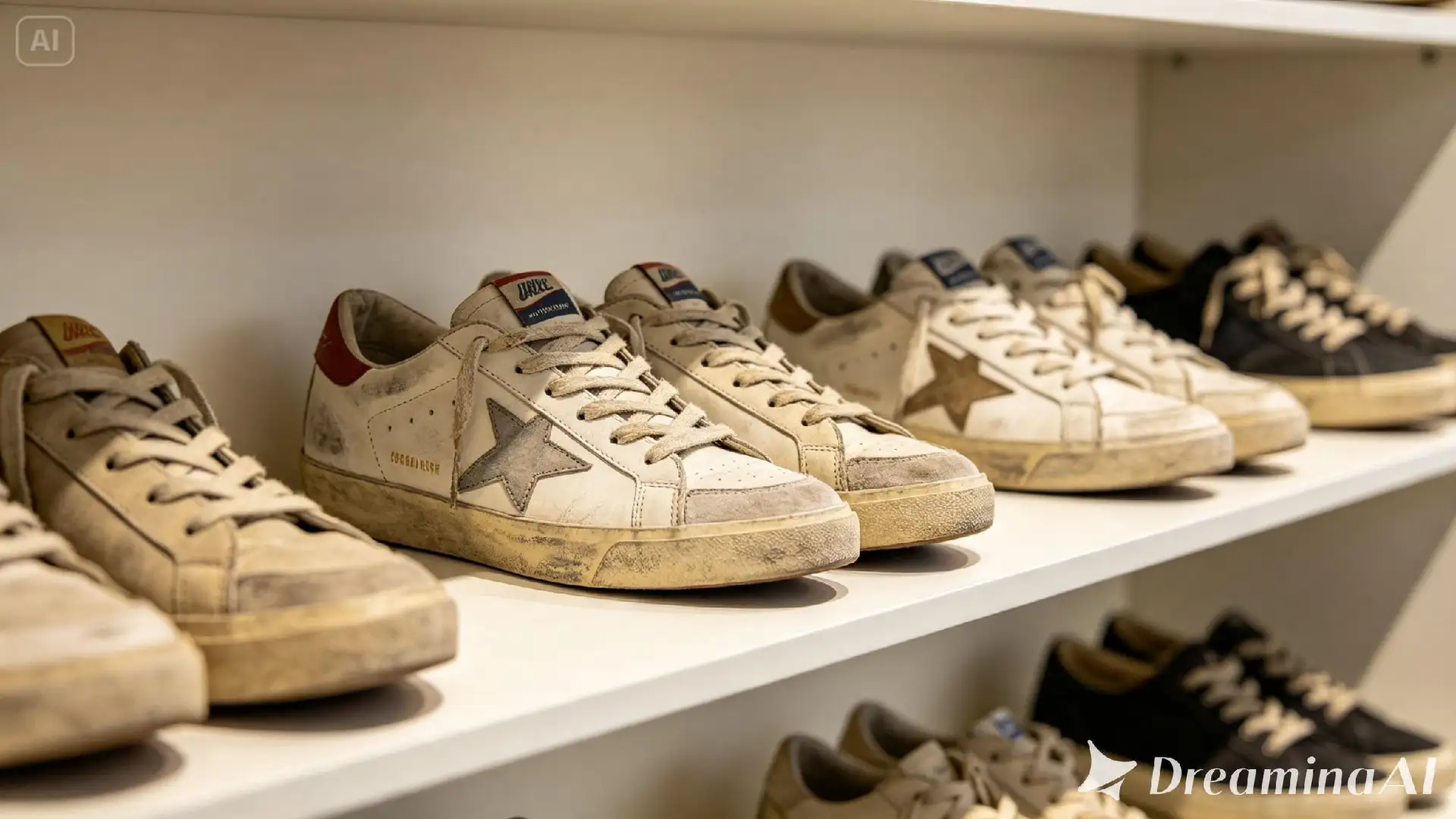
Why a photo grid undersells a collection
Scroll through most collection posts, and the same format appears— a grid of flat product shots, each one competing for a fraction of a second of attention. That format works for cataloguing, but it does very little to convey scale, care, or craftsmanship. A showcase video changes the pace entirely, letting a viewer’s eye move across pieces the way it naturally would if they were standing in front of the shelf themselves.
The photographs still have a role; they become the starting point for that closer look. While video generators accept text, images, existing video, and other inputs, image to video is especially suited to collections because the subject is already there. Its estimated 28.5% market share in 2026 reflects a meaningful place within the wider mix. For someone with a carefully photographed shelf, the appeal is being able to suggest movement around an existing arrangement rather than describe every object from scratch.
What makes a showcase video actually feel like one
Not all motion adds value to a collection reveal. The clips that genuinely work tend to share a few traits:
- Deliberate pacing that lets each piece register before moving to the next
- Lighting that highlights texture and detail, not just shape
- A camera move that mimics genuine curiosity, like leaning in to look closer
Choosing which pieces deserve the spotlight
Not every item in a large collection needs equal screen time. The strongest showcase videos tend to lead with a handful of standout pieces — the rarest find, the most visually striking item, the one with the best story — rather than treating every object with identical weight.
Inside Seedance 2.5: the detail work behind a great reveal
Realistic texture over the "AI look"
Collections are often defined by fine material details — leather grain, metal finish, fabric weave — and Seedance 2.5 has significantly reduced the artificial "AI look" in favor of more physically believable texture and lighting, which matters enormously when the whole point is showing craftsmanship up close.
That attention to detail also helps explain the wider push toward visual consistency. A collector wants the same stitching, silhouette, and surface finish to remain recognizable as the camera moves. Preserving those details makes close-up reveals more useful for showing craftsmanship, because a beautiful camera move only works when the treasured piece still looks like itself.
Longer clips for fuller collections
Native clips now support up to 30 seconds, with the "Ultra-long Video Generation (beta)" mode extending that range up to 180 seconds — enough room to move across an entire shelf or display case in one continuous, unhurried sequence.
Precise local editing
Local editing allows specific elements in a frame — a stray reflection, an unwanted object nearby — to be removed or adjusted without regenerating the entire scene, keeping small fixes small.
Reading complex spatial layouts
Seedance 2.5 can interpret richer references, including white model (blockout) data, which helps it understand depth and positioning across a shelf or case with multiple items arranged at different distances from the camera.
Cleaner base footage
The model resolves issues with random subtitles or irrelevant background music appearing unprompted, leaving clean footage that’s simple to layer original commentary or soundtrack onto afterward.
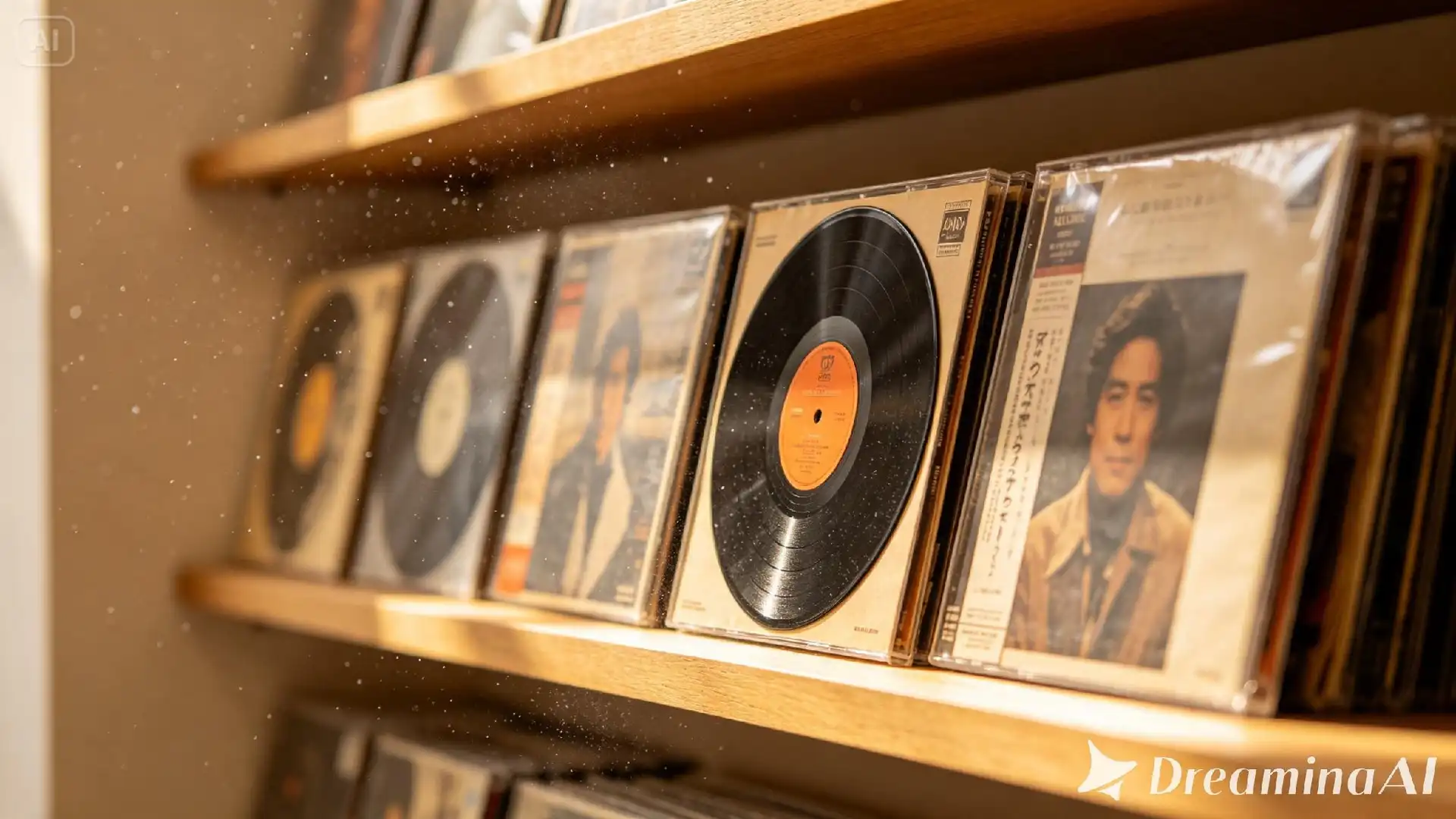
Bringing a collection to life: an easy 3-step showcase with Dreamina
Step 1: Upload a collection photo and describe the reveal
Sign in to Dreamina and open the "AI Video" section. Click "Add reference image" to upload a photo of the collection, then write a prompt describing the motion and mood.
For a 30-second clip, try: Using the sneaker shelf from the reference image, generate a 30-second showcase video: camera slowly gliding across the shelf from left to right, soft studio light gently shifting to highlight texture and detail on each pair, subtle reflections moving on the display surface, camera pausing briefly on the centerpiece pair before pulling back in the final seconds.
Step 2: Generate the showcase with Seedance 2.5
Select the Seedance 2.5 model, choose the video length, then pick an aspect ratio suited to where the video will be shown — 9:16 for Instagram Reels or TikTok, 16:9 for YouTube or a personal showcase site. Click Dreamina’s generate icon and let the collection come to motion.
Step 3: Refine and export the showcase video
Polish the finished clip with Dreamina’s editing tools — Upscale for crisper detail across materials and textures, Generate soundtrack for music that matches the collection’s personality — then export and share it with fellow collectors or a wider audience.
Being able to make those adjustments independently is part of the appeal of software, which accounts for an estimated 63.0% of the market in 2026 alongside the services segment. For collectors and sellers, the benefit is practical: a reveal can be revisited when a new piece arrives or a different presentation is needed.
Matching motion to the type of collection
A collection of delicate, valuable items — art, watches, rare cards — calls for slow, careful camera movement that treats each piece with visible respect, while a bolder collection, like sneakers or action figures, can support quicker, more energetic pacing. Naming that tone in the prompt helps Seedance 2.5 shape the pacing to match the personality of the collection itself.
Telling the story behind the collection
A showcase video doesn’t have to stop at visuals. Pairing the clip with a short voiceover or on-screen text about how the collection started, or what makes a particular piece meaningful, turns a simple visual reveal into something viewers connect with on a more personal level.
Where these showcase videos perform best
Collection showcase videos thrive on social platforms built around hobbyist communities, personal blogs, resale or marketplace listings, and collector meetups, where a moving reveal often earns far more genuine interest than another static photo grid.
Keeping those spaces supplied with fresh content is one reason AI video generation has an appeal in the U.S. For collectors who also sell online, a single set of photographs may need to support a marketplace listing, a social post, and a promotional clip. Turning those images into different videos can reduce repeated filming and editing, helping independent sellers and small retail teams create more content within limited budgets.
The pressure to publish regularly and adapt videos for different platforms also adds to that demand. Meanwhile, the browser-based access and the integration with familiar editing tools make it easier to get started without a dedicated production setup. Together, these factors support adoption across U.S. retail, advertising, and creator businesses, bringing the same convenience to collectors who simply want to share their latest find.

