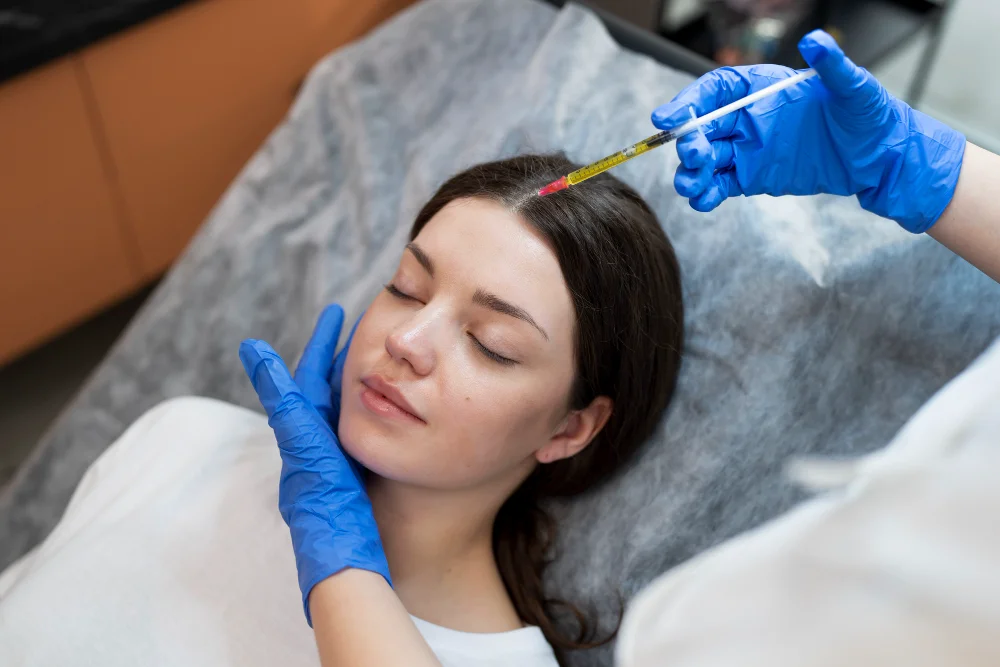
The muscle relaxant drugs market is experiencing a distinct transition because more individuals now choose botulinum toxin-based treatments as their preferred method for muscle relief. The treatments have now evolved into medical applications which physicians use to treat muscle stiffness and pain and nerve issues. The U.S. is experiencing increased demand because of this development.
Botulinum toxin prevents muscles from receiving nerve signals. The treatment delivers targeted relief by decreasing muscle tightness and discomfort. The fast relief patients experience from neck spasms or post-stroke stiffness shows how effective the treatment works. At the same time, awareness is rising. People now look for non-surgical and long-lasting solutions.
Better access to clinics and trained experts is also helping. Insurance support in some cases adds to this growth. As a result, demand keeps rising, and the market is expanding fast.
Rising Cases of Muscle Disorders
More people now face muscle and nerve problems. These include back pain, neck spasms, and stroke-related stiffness. Such issues need long-term care.
Botulinum toxin helps control these symptoms. It relaxes muscles without major surgery. For example, a patient with chronic neck pain may get relief after a few sessions. As these health cases grow, demand also rises.
Shift Toward Non-Surgical Treatments
People now avoid surgery when possible. They want simple and quick options. Botulinum toxin fits this need well.
The procedure is fast and done in clinics. Recovery time is short. Most people return to work the same day.
For example, a working adult with muscle tightness may choose this over surgery. This shift is boosting the muscle relaxant drugs market.
Longer-Lasting Relief
Many oral drugs give short-term relief. Patients need to take them daily. This can be tiring and costly.
Botulinum toxin offers longer results. One session may last three to six months. This reduces the need for daily medicine.
For example, a patient with limb stiffness after a stroke may get relief for months. This makes the treatment more attractive.
Growing Awareness and Acceptance