

Global Muscle Relaxant Drugs Market Size and Forecast – 2026 to 2033
The Global Muscle Relaxant Drugs Market is estimated to be valued at USD 4.66 Bn in 2026 and is expected to reach USD 7.63 Bn by 2033, exhibiting a compound annual growth rate (CAGR) of 7.3% from 2026 to 2033. This steady growth reflects increasing demand driven by the rising incidence of musculoskeletal disorders and expanding applications across various therapeutic areas. The market's expansion is supported by ongoing developments in drug formulations and increased awareness about muscle-related health conditions worldwide.
Key Takeaways of the Global Muscle Relaxant Drugs Market
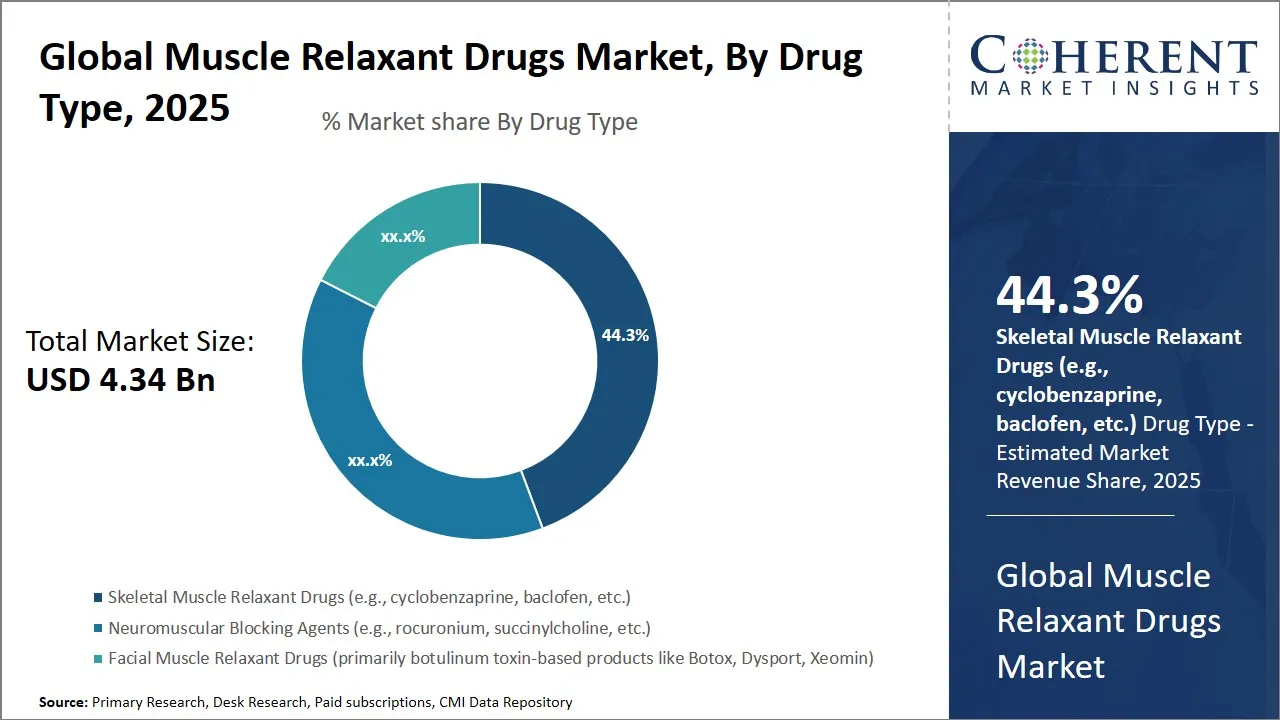
- In terms of drug type, skeletal muscle relaxant drugs (e.g., cyclobenzaprine, baclofen, etc.) are expected to hold the largest share of the global muscle relaxant drugs market, accounting for 45.3 % in 2026.
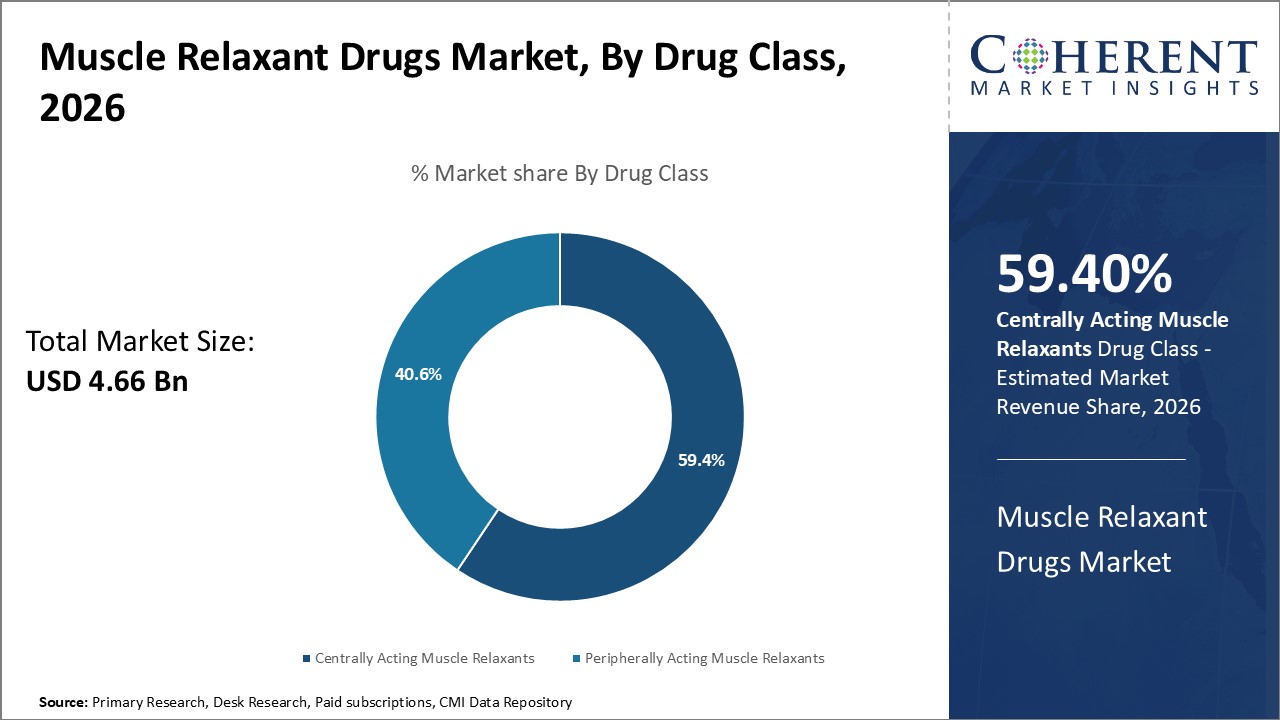
- Within the drug class segmentation, centrally acting muscle relaxants are projected to lead with 59.4 % share in 2026.
- When it comes to dosage form, the tablet segment is expected to dominate the market with a 34.2 % share in 2026, primarily due to their convenience, stability, and patient-friendly characteristics.
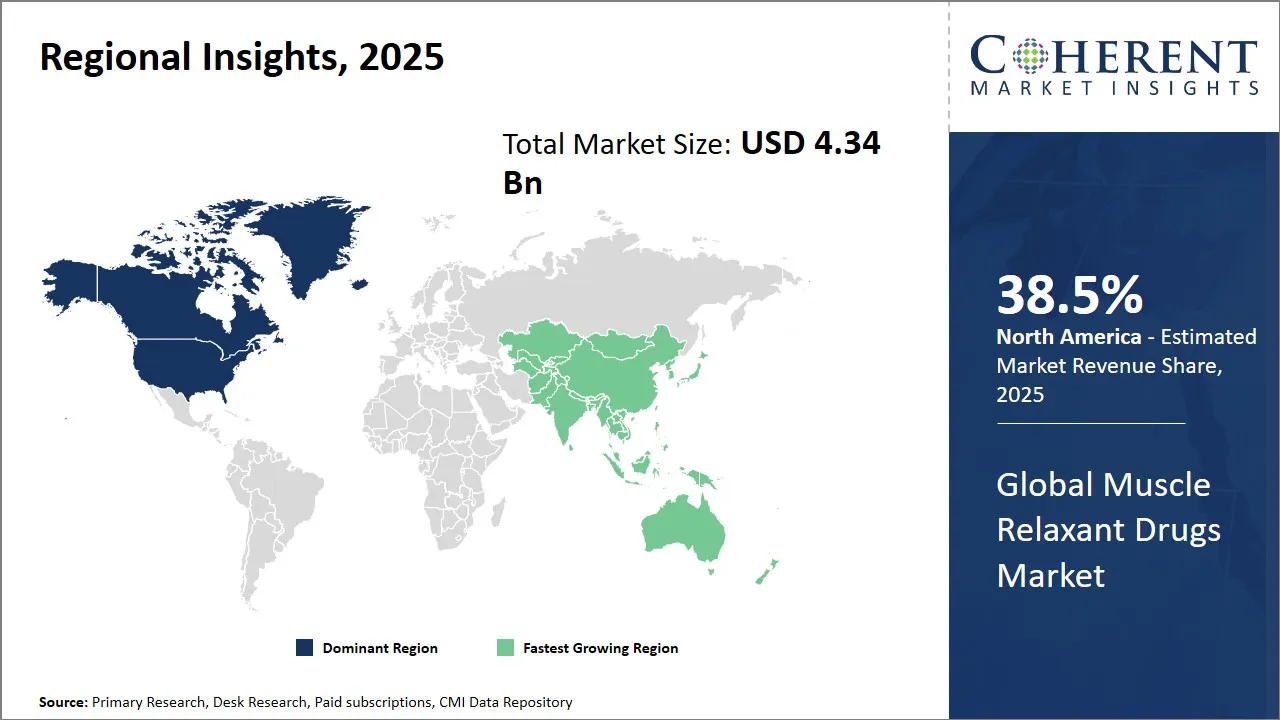
- North America is expected to lead the market, holding a share of 38.5% in 2026. Asia Pacific is anticipated to be the fastest-growing region, with a market share of 25.2% in 2026.
Market Overview
Current market trends highlight a shift toward advanced muscle relaxant therapies with improved efficacy and safety profiles. Increasing adoption of botulinum toxin-based treatments and oral muscle relaxants is reshaping the landscape, while the growing elderly population continues to drive demand. Additionally, integration of digital health technologies for patient monitoring and personalized treatment plans is gaining traction, enhancing patient outcomes and fueling market growth. Emerging economies also offer substantial opportunities due to improving healthcare infrastructure and greater access to medication.
Current Events and Its Impact
Current Events | Description and its impact |
Focus on Non-Opioid Pain Management |
|
Regulatory Support for Generic Muscle Relaxants |
|
Segmental Insights
- Current Industry Events of 2026
- Market Size Estimation
- Regional Breakdown
- Competitive Landscape
- Customer Intelligence
- Segmental Analysis
- Pricing Analysis
- Key Market Drivers, Challenges & Future Trends
- Customized Insights Section
Muscle Relaxant Drugs Market Insights, By Drug Type - Dominance of Skeletal Muscle Relaxant Drugs is Driven by its Broad Therapeutic Application and Patient Preference
In terms of drug type, skeletal muscle relaxant drugs (e.g., cyclobenzaprine, baclofen, etc.) contribute the highest share of the global muscle relaxant drugs market with an estimated share of 45.3% in 2026 owing to their widespread use in managing musculoskeletal conditions. These drugs primarily act on the central nervous system to relieve muscle spasms associated with injuries, chronic conditions like multiple sclerosis, and acute musculoskeletal pain.
The growing prevalence of orthopedic disorders, sports injuries, and age-related muscle disorders globally significantly fuels the demand for skeletal muscle relaxants. Cyclobenzaprine and baclofen, among other agents, are favored because of their established efficacy in reducing muscle tone and providing symptomatic relief from spasms that severely impair mobility and quality of life.
In July 2024, Tonix Pharmaceuticals, a clinical-stage biopharmaceutical company, announced that its Tonmya (cyclobenzaprine HCl) sublingual tablet has received U.S. FDA fast track designation for the management of fibromyalgia. Cyclobenzaprine is a skeletal muscle relaxant, commonly used to treat muscle spasms and discomfort. This fast-tracks designation follows the successful results of the Phase 3 RESILIENT study, where Tonmya significantly reduced daily pain compared to a placebo.
Muscle Relaxant Drugs Market Insights, By Drug Class - Prominent Role of Centrally Acting Muscle Relaxants is Fueled by Effective Neurological Action and Versatility
Within the market segmentation by drug class, centrally acting muscle relaxants are projected to command the highest share with 59.4% in 2026, primarily driven by their unique mechanism targeting the central nervous system to alleviate muscle spasms. These agents act by depressing nerve transmission in the brain and spinal cord rather than at the neuromuscular junction, providing comprehensive relief in conditions involving spasticity and neuromuscular disorders.
One of the fundamental factors propelling the growth of this segment is the versatility of centrally acting muscle relaxants in treating a variety of neurological and musculoskeletal disorders. They are prescribed extensively for conditions such as multiple sclerosis, cerebral palsy, stroke-related spasticity, and spinal cord injuries, where muscle hyperactivity creates significant disability. By mitigating neural hyperexcitability, these drugs help restore mobility and reduce pain, improving patients’ functional independence.
Muscle Relaxant Drugs Market Insights, By Dosage Form - Tablets Lead the Dosage Form Segment Due to Convenience, Stability, and Patient Compliance
Regarding dosage form, the tablet segment is expected to dominate the global muscle relaxant drugs market with 34.2% in 2026, attributed primarily to their convenience, stability, and patient-friendly profile. Tablets represent a well-established oral delivery system that offers ease of administration, precise dosing, and prolonged shelf life, making them the preferred choice across diverse patient populations.
The convenience associated with tablets is a significant driver. Patients with musculoskeletal disorders often require chronic or repeated dosing, and tablets provide a simple, non-invasive route that aligns with patients’ daily routines. Their portability and ease of swallowing influence adherence positively compared to more complex or less palatable forms such as liquids or topical applications.
Regional Insights
North America Muscle Relaxant Drugs Market Analysis and Trends
In North America, the dominance in the global muscle relaxant drugs market is driven by a well-established healthcare infrastructure with an estimated share of 38.5% in 2026, significant R&D investments, and high healthcare expenditure. The presence of leading pharmaceutical companies such as Pfizer, Teva Pharmaceuticals, and AbbVie bolsters innovation and market penetration.
Advanced regulatory frameworks and government support for drug approvals expedite market uptake, while widespread awareness and high prevalence of musculoskeletal disorders fuel demand. Additionally, the integration of digital health technologies enhances patient adherence and physician engagement, strengthening the ecosystem.
In June 2026, the American Psychological Association released new guidelines recommending cognitive behavioral therapy (CBT) and multicomponent self-management interventions as the primary treatments for chronic musculoskeletal pain. These non-pharmacological approaches are designed to help patients manage pain and enhance function while avoiding the side effects linked to prolonged medication use.
Asia Pacific Muscle Relaxant Drugs Market Analysis and Trends
The Asia Pacific region is expected to exhibit the fastest growth due to improving healthcare infrastructure, expanding middle-class populations with a share of 25.2% in 2026, and rising incidences of chronic musculoskeletal conditions. Growing government initiatives to increase healthcare accessibility and affordability, especially in countries like India and China, create fertile ground for market expansion.
Market growth is also propelled by increased local manufacturing capabilities by firms, such as Sun Pharmaceutical Industries and Cipla, alongside the entry of multinational corporations like Novartis. The dynamic regulatory environment is evolving towards more transparent and efficient approval processes, which accelerates product launches.
In June 2021, Merz Therapeutics and Teijin Pharma Limited announced that Teijin Pharma has received additional approval from Japan’s Ministry of Health, Labor, and Welfare (MHLW) to market XEOMIN (incobotulinumtoxinA) for treating lower limb spasticity. This muscle relaxant drug, already approved for upper limb spasticity, helps alleviate muscle tone and improve mobility in patients, particularly those with post-stroke complications.
Muscle Relaxant Drugs Market Outlook for Key Countries
U.S. Muscle Relaxant Drugs Market Trends
The U.S. muscle relaxant drugs market remains the most mature and competitive worldwide, underpinned by strong demand for advanced muscle relaxant therapies. Key companies like Pfizer and Teva Pharmaceuticals lead with innovative drug formulations and extensive distribution networks. The U.S. benefits from a stringent regulatory environment through the U.S. FDA that supports drug safety and efficacy, instilling confidence among healthcare providers and patients.
Additionally, the country’s high healthcare expenditure and patient access to specialty care centers drive consistent utilization of muscle relaxants. Ongoing investments in clinical trials and drug development sustain the dynamic nature of the market here.
Germany Muscle Relaxant Drugs Market Trends
Germany's muscle relaxant drugs market is characterized by its robust healthcare system supported by universal coverage and government reimbursement policies favoring essential drugs such as muscle relaxants. Local pharmaceutical firms like Bayer contribute significantly through continuous innovation and collaboration with research institutes. The country’s adherence to stringent regulatory standards ensures high-quality products and fosters strong trust in available therapies. Additionally, Germany’s status as a pharmaceutical hub with efficient logistics and production capabilities facilitates steady product availability.
In March 2020, the European Medicines Agency (EMA) recommended the approval of a generic version of the anticoagulant apixaban, developed by Accord, the commercial arm of Intas Pharmaceuticals, an Indian pharmaceutical company. In the U.S., the FDA has approved a generic version of the muscle relaxant chlorzoxazone, manufactured by Glenmark Pharmaceuticals, an Indian company with a strong global presence.
China Muscle Relaxant Drugs Market Trends
China continues to lead in Asia Pacific with rapid expansion driven by large patient pools and increased government funding for healthcare modernization. Firms such as Jiangsu Hengrui Medicine and Sino Biopharmaceutical play pivotal roles in supplying affordable generic and innovative muscle relaxants. Recent regulatory reforms aimed at speeding up drug approvals and encouraging foreign investment have enhanced market vibrancy. The rising middle class, increased urbanization, and growth of specialty hospitals contribute to expanding treatment adoption.
In October 2024, SSY Group, a leading pharmaceutical company in Hong Kong announced that its muscle relaxant drug received approval in China. This marks a significant milestone for SSY Group, expanding its product portfolio in the China muscle relaxant drugs market. The approval further strengthens the company's position in the pharmaceutical industry.
India Muscle Relaxant Drugs Market Trends
India’s muscle relaxant drugs market reflects growing accessibility driven by government healthcare initiatives and expanding private sector involvement. Domestic players like Sun Pharmaceutical Industries and Lupin are pivotal in producing cost-effective muscle relaxant drugs, subsidizing treatment for a large population base. Increased health insurance coverage and the establishment of specialty care clinics improve patient access to therapies. The government’s focus on promoting pharmaceutical manufacturing and improving regulatory efficiency aids faster market penetration. Additionally, rising awareness around musculoskeletal conditions and the adoption of combination drug therapies underpin expanding demand dynamics.
In June 2023, CORONA Remedies, a pharmaceutical company in India, acquired the Myoril brand from Sanofi Healthcare India. This acquisition strengthens CORONA’s position in the muscle relaxant drugs market by adding the trusted Myoril brand to its portfolio and leveraging its extensive sales and distribution network.
Japan Muscle Relaxant Drugs Market Trends
Japan’s muscle relaxant drugs market benefits from advanced healthcare infrastructure and a highly aging population with increased prevalence of musculoskeletal disorders. Major pharmaceutical companies such as Takeda Pharmaceutical and Astellas Pharma contribute through ongoing development of novel drug candidates and combination therapies tailored to elderly patients. The country’s rigorous regulatory oversight ensures high product standards and patient safety, fostering trust in therapeutic options.
In March 2024, Eisai Co., Ltd., a global healthcare leader, agreed to sell the rights for its muscle relaxant Myonal (eperisone hydrochloride) and vertigo treatment Merislon (betahistine mesilate) to Kaken Pharmaceutical Co., Ltd. in Japan.
End User Feedback and Unmet Needs – Global Muscle Relaxant Drugs Market
- End users in the global muscle relaxant drugs market, particularly healthcare professionals and patients, have shared varied feedback on product performance and accessibility. Positive experiences often revolve around the effectiveness of muscle relaxants in providing immediate relief for conditions such as muscle spasms or spasticity. For example, patients using oral formulations of drugs like cyclobenzaprine have reported significant improvements in mobility and reduction in pain levels. Healthcare providers appreciate the predictable response time and efficacy of these drugs, which play a crucial role in acute care scenarios. However, a recurring issue is the limited duration of effectiveness, with some patients experiencing a relapse of symptoms after a short period. Furthermore, access to these medications remains inconsistent across regions, especially in developing countries, where limited distribution networks hinder the availability of certain high-demand drugs.
- On the flip side, common concerns raised by end users relate to side effects, affordability, and the lack of drug customization. Many patients have reported experiencing drowsiness, dizziness, and fatigue, which hinder their ability to perform daily activities. From a healthcare provider perspective, the lack of personalized options for specific patient needs, such as for the elderly or those with comorbidities, remains a significant gap. In terms of unmet needs, there is a growing demand for muscle relaxants that are both more affordable and have fewer side effects, particularly for long-term use. Additionally, technological gaps in drug delivery methods, such as the lack of fast-acting or extended-release formulations, present opportunities for innovation. Addressing these challenges could lead to the development of more effective, accessible, and patient-friendly treatments, enhancing overall market growth and customer retention. By investing in these areas, manufacturers could not only meet the current demand but also pave the way for future breakthroughs in muscle relaxant therapy.
Market Players, Key Developments, and Competitive Intelligence
Key Developments
- In September 2024, Allergan Aesthetics, an AbbVie Inc., launched BOTOX Cosmetic (onabotulinumtoxinA) in China for the treatment of masseter muscle prominence (MMP). This marks the first neurotoxin approved in China for this condition, which causes a wide, square appearance of the lower face due to enlarged masseter muscles. The approval by the China National Medical Product Administration (NMPA) is supported by strong clinical trials and a well-established safety profile.
- In March 2024, Nexus Pharmaceuticals, a leading provider of injectable pharmaceuticals, launched Baclofen Injection, USP. This sterile solution, designed for intrathecal administration, acts as both a muscle relaxant and an antispastic. It is commonly used to treat patients with conditions such as multiple sclerosis, cerebral palsy, and spinal cord injuries, offering critical relief for muscle spasms and improving quality of life.
- In January 2023, Hikma Pharmaceuticals PLC, a multinational pharmaceutical company, launched the first authorized generic version of Jazz Pharmaceuticals' Xyrem (sodium oxybate) oral solution CIII in the U.S. This muscle relaxant drug is used to treat cataplexy and excessive daytime sleepiness in patients aged 7 or older with narcolepsy.
- In April 2021, Nexus Pharmaceuticals, a pharmaceutical company based in Illinois, U.S has announced the launch of Succinylcholine Chloride Injection, USP in 200mg/10mL multiple-dose vials. This product is an AP-rated generic equivalent of QUELICIN. The injection, used as a skeletal muscle relaxant during general anesthesia, facilitates tracheal intubation and provides muscle relaxation during surgery or mechanical ventilation.
Top Strategies Followed by Global Muscle Relaxant Drugs Market Players
- Established players continually leverage substantial resources to maintain and expand their dominance. Leading pharmaceutical companies heavily invest in research and development (R&D) to innovate high-performance muscle relaxant formulations that provide enhanced efficacy and reduced side effects. This commitment to innovation allows them to differentiate their products in a crowded marketplace. Additionally, these companies strategically form alliances with major industry players and original equipment manufacturers (OEMs), creating synergies that enhance product development, manufacturing efficiency, and global reach.
- For example, companies like Pfizer, which developed Baclofen, an oral muscle relaxant for treating spasticity in multiple sclerosis patients, and Novartis, with its muscle relaxant Sirdalud (Tizanidine), lead the market through significant R&D investments and strategic partnerships. These firms focus on advancing product efficacy while minimizing side effects, ensuring they remain dominant through innovation and global expansion.
- Mid-level companies in the muscle relaxant drugs market adopt a distinctly pragmatic approach to competition, focusing primarily on the cost-effectiveness of their products. These companies aim to serve price-sensitive consumers, including hospitals, clinics, and patients in developing regions who seek quality medications at affordable prices. By balancing product quality with affordability, mid-level players carve out a substantial niche that allows them to compete effectively against both premium brands and low-cost generics.
- For example, Teva Pharmaceuticals provides affordable generic versions of muscle relaxants such as Cyclobenzaprine, catering to price-sensitive markets in hospitals and clinics across emerging economies. Similarly, Amgen focuses on producing cost-effective formulations for developing regions in Latin America and Asia Pacific, balancing quality with affordability to compete with both premium brands and generics.
- Small-scale players in the muscle relaxant drugs market adopt highly specialized and innovative approaches to remain competitive in this fragmentary arena. Rather than competing on volume, these companies focus on niche market segments by developing unique product features such as targeted delivery mechanisms, novel formulations, or natural ingredient-based relaxants. Embracing cutting-edge technologies like advanced drug delivery systems, biotechnology, and digital health integration allows small-scale firms to enhance efficacy and patient compliance, thereby differentiating their offerings.
- For example, Sorrento Therapeutics has introduced Zynerba, a topical cannabidiol-based muscle relaxant targeting pain relief with reduced systemic side effects. Additionally, Biospecifics Technologies developed Xiaflex, a collagenase-based treatment for muscle contractions, utilizing cutting-edge biotechnology to provide highly specialized solutions for niche conditions.
Market Report Scope
Muscle Relaxant Drugs Market Report Coverage
| Report Coverage | Details | ||
|---|---|---|---|
| Base Year: | 2025 | Market Size in 2026: | USD 4.66 Bn |
| Historical Data for: | 2020 To 2024 | Forecast Period: | 2026 To 2033 |
| Forecast Period 2026 to 2033 CAGR: | 7.3% | 2033 Value Projection: | USD 7.63 Bn |
| Geographies covered: |
| ||
| Segments covered: |
| ||
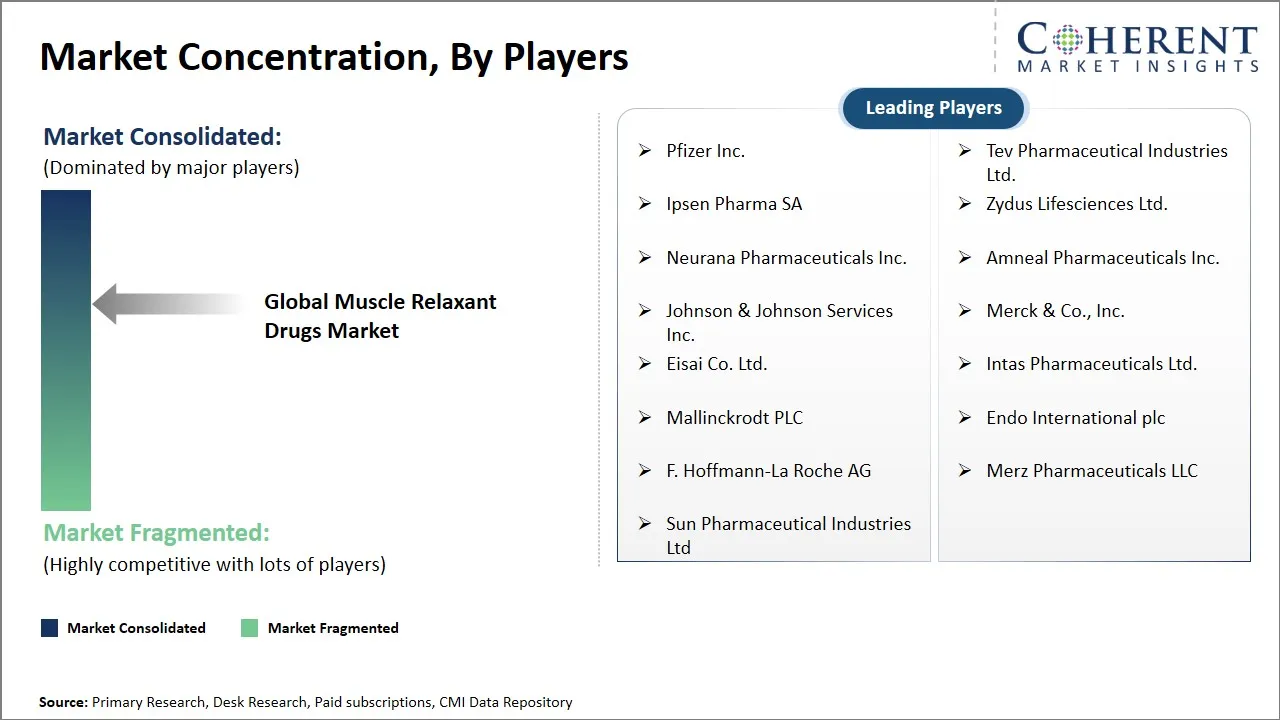
| Companies covered: | Pfizer Inc., Tev Pharmaceutical Industries Ltd., Ipsen Pharma SA, Zydus Lifesciences Ltd., Neurana Pharmaceuticals Inc., Amneal Pharmaceuticals Inc., Johnson & Johnson Services Inc., Merck & Co., Inc., Eisai Co. Ltd., Intas Pharmaceuticals Ltd., Mallinckrodt PLC, Endo International plc, F. Hoffmann-La Roche AG, Merz Pharmaceuticals LLC, and Sun Pharmaceutical Industries Ltd | ||
| Growth Drivers: |
| ||
| Restraints & Challenges: |
| ||
Muscle Relaxant Drugs Market Dynamics
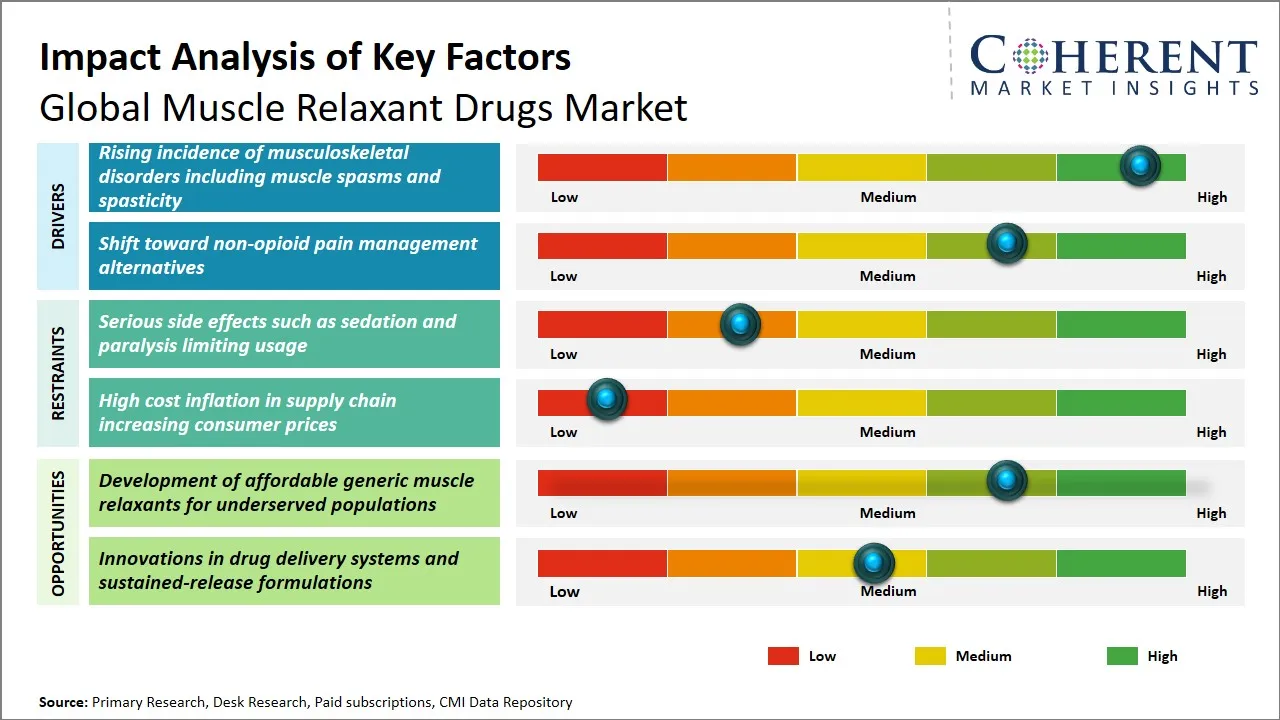
Muscle Relaxant Drugs Market Driver - Rising Incidence of Musculoskeletal Disorders Including Muscle Spasms and Spasticity
The increasing prevalence of musculoskeletal disorders such as muscle spasms, strains, and spasticity is a significant factor propelling the demand for muscle relaxant drugs globally. These conditions, often resulting from sedentary lifestyles, aging populations, physical injuries, and chronic illnesses like multiple sclerosis or cerebral palsy, cause considerable pain and discomfort, thereby impairing mobility and quality of life. As more individuals seek effective therapeutic options to relieve muscle stiffness and involuntary contractions, muscle relaxants are becoming an integral component of treatment protocols. Additionally, the growing awareness among patients and healthcare providers regarding the benefits of these drugs in managing symptoms related to musculoskeletal conditions has further amplified their usage.
According to WHO, in July 2022, around 1.71 billion people globally are affected by musculoskeletal conditions, making it the leading cause of disability, with low back pain being the top contributor. These conditions impact mobility, dexterity, and overall well-being, often leading to early retirement.
Muscle Relaxant Drugs Market Opportunity - Development of Affordable Generic Muscle Relaxants for Underserved Populations
The global muscle relaxant drugs market presents a significant growth opportunity through the development and distribution of affordable generic muscle relaxants targeted at underserved populations, particularly in emerging economies and low-income regions. High costs associated with branded muscle relaxant drugs often limit their accessibility to patients in these markets, resulting in a large unmet medical need. By focusing on the production of cost-effective generic alternatives that maintain efficacy and safety standards, pharmaceutical companies can tap into a vast consumer base that remains largely unserved. This approach not only addresses the affordability barrier but also aligns with increasing government initiatives and healthcare policies aimed at expanding access to essential medications. Additionally, the rising prevalence of musculoskeletal disorders, spasticity due to neurological conditions, and related chronic pain in aging populations across developing countries further amplifies demand. Generic drugs benefit from established clinical data, allowing faster market entry and reduced R&D expenditure, enabling companies to allocate resources towards expanding distribution networks in rural and remote areas.
In November 2023, Lupin Limited, a global pharmaceutical company, received approval from the U.S. FDA for its generic version of Rocuronium Bromide Injection (50 mg/5 mL and 100 mg/10 mL), a muscle relaxant used during anesthesia. Developed in partnership with Caplin Steriles Limited, this generic version is based on Zemuron Injection by Organon USA Inc., which had annual sales of USD 54 million in the U.S. as of August 2023.
Analyst Opinion (Expert Opinion)
- The muscle relaxant drugs market has witnessed notable growth, driven by several key factors including technological advancements in drug formulations and increasing regulatory support for the development of safer, more effective treatments. The rising global prevalence of musculoskeletal disorders, combined with an aging population, has heightened the demand for these drugs. Additionally, innovation in delivery systems, such as extended-release formulations and combination therapies, is contributing to market expansion. As patients seek alternatives to traditional pain management methods, muscle relaxants are emerging as a preferred choice, especially in managing chronic pain, spasticity, and musculoskeletal injuries. However, challenges such as the potential for drug dependence and side effects like drowsiness remain a concern for both manufacturers and patients.
- In recent years, emerging opportunities in the facial muscle relaxant segment, particularly botulinum toxin products, have gained attention, primarily driven by the growing demand for non-surgical cosmetic treatments. Noteworthy industry events, such as the American Society of Anesthesiologists Annual Meeting and Global Pain Conference, have provided platforms for experts to discuss regulatory trends, innovative treatments, and best practices in muscle relaxant therapy. These events also play a crucial role in shaping policy, offering an avenue for stakeholders to engage in discussions that influence market strategies. For instance, collaborations like the one between Merz Pharmaceuticals and the European Society for Aesthetic Surgery are helping to refine product offerings in the cosmetic space, ultimately shaping the market’s future trajectory.
Speak to the analyst
Want personalized insights?
Take the findings above to one of our principal consultants, or have the report rebuilt around the segments, geographies and competitors you actually track.
Market Segmentation
- Drug Type Insights (Revenue, USD Bn, 2021 - 2033)
- Skeletal Muscle Relaxant Drugs (e.g., cyclobenzaprine, baclofen, etc.)
- Neuromuscular Blocking Agents (e.g., rocuronium, succinylcholine, etc.)
- Facial Muscle Relaxant Drugs (primarily botulinum toxin-based products like Botox, Dysport, Xeomin)
- Drug Class Insights (Revenue, USD Bn, 2021 - 2033)
- Centrally Acting Muscle Relaxants
- Peripherally Acting Muscle Relaxants
- Dosage Form Insights (Revenue, USD Bn, 2021 - 2033)
- Tablet
- Capsule
- Liquid
- Others (Gel, Ointments and Sprays etc.)
- Route of Administration Insights (Revenue, USD Bn, 2021 - 2033)
- Oral
- Parenteral (Injectables)
- Topical
- Application Insights (Revenue, USD Bn, 2021 - 2033)
- Muscle Spasm and Pain Relief
- Musculoskeletal Disorders
- Surgical Anesthesia
- Others (e.g., Fibromyalgia, etc.)
- Age Group Insights (Revenue, USD Bn, 2021 - 2033)
- Adult
- Pediatric
- Geriatric
- Distribution Channel Insights (Revenue, USD Bn, 2021 - 2033)
- Hospital Pharmacy
- Retail Pharmacy
- Online Pharmacy
- End User Insights (Revenue, USD Bn, 2021 - 2033)
- Hospitals
- Homecare
- Specialty Clinics
- Others
- Product Type Insights (Revenue, USD Bn, 2021 - 2033)
- Branded
- Generic
- Regional Insights (Revenue, USD Bn, 2021 - 2033)
- North America
- U.S.
- Canada
- Latin America
- Brazil
- Argentina
- Mexico
- Rest of Latin America
- Europe
- Germany
- U.K.
- Spain
- France
- Italy
- Russia
- Rest of Europe
- Asia Pacific
- China
- India
- Japan
- Australia
- South Korea
- ASEAN
- Rest of Asia Pacific
- Middle East
- GCC Countries
- Israel
- Rest of Middle East
- Africa
- South Africa
- North Africa
- Central Africa
- North America
- Key Players Insights
- Pfizer Inc.
- Tev Pharmaceutical Industries Ltd.
- Ipsen Pharma SA
- Zydus Lifesciences Ltd.
- Neurana Pharmaceuticals Inc.
- Amneal Pharmaceuticals Inc.
- Johnson & Johnson Services Inc.
- Merck & Co., Inc.
- Eisai Co. Ltd.
- Intas Pharmaceuticals Ltd.
- Mallinckrodt PLC
- Endo International plc
- Hoffmann-La Roche AG
- Merz Pharmaceuticals LLC
- Sun Pharmaceutical Industries Ltd
Sources
Primary Research Interviews
- Industry Stakeholders List
- Pharmaceutical Manufacturers
- Healthcare Providers
- End-users List
- Patients with Musculoskeletal Disorders
- Neurologists and Pain Management Specialists
Government and International Databases
- U.S. Food and Drug Administration (FDA)
- World Health Organization (WHO)
- National Institutes of Health (NIH)
- European Medicines Agency (EMA)
- Centers for Disease Control and Prevention (CDC)
- U.S. National Library of Medicine (PubMed)
Trade Publications
- The Pharmaceutical Journal
- Drug Development and Delivery
- Pharmaceutical Technology
- The Journal of Pain Research
- Drug Discovery Today
- Journal of Clinical Pharmacology
Academic Journals
- Journal of Neurology, Neurosurgery & Psychiatry
- Clinical Drug Investigation
- Muscle & Nerve
- The Lancet Neurology
- Journal of Pain and Symptom Management
- British Journal of Clinical Pharmacology
Reputable Newspapers
- The New York Times
- The Guardian
- The Wall Street Journal
- The Washington Post
- Reuters
- BBC News
Industry Associations
- American Academy of Neurology (AAN)
- European Federation of Neurological Societies (EFNS)
- American Pain Society (APS)
- International Association for the Study of Pain (IASP)
- National Multiple Sclerosis Society (NMSS)
- American Society of Health-System Pharmacists (ASHP)
Public Domain Resources
- U.S. National Library of Medicine
- U.S. National Institutes of Health (NIH) Database
- European Union Clinical Trials Register
- WHO International Clinical Trials Registry Platform (ICTRP)
- U.S. National Center for Biotechnology Information (NCBI)
Proprietary Elements
- CMI Data Analytics Tool: Proprietary analytics tool to analyze real-time market trends, consumer behavior, and technology adoption in market
- Proprietary CMI Existing Repository of Information for Last 8 Years
Get access to 250+ pages report
Every segment, forecast, competitor profile and data table behind the analysis above — available for instant download.
- ESOMAR Member
- ISO 9001:2015 Certified
- D-U-N-S Registered
- GDPR & CCPA Compliant
Missing comfort of reading report in your local language? Find your preferred language:
Transform your Strategy with Exclusive Trending Reports
Frequently Asked Questions
The global muscle relaxant drugs market is estimated to be valued at USD 4.66 Bn in 2026 and is expected to reach USD 7.63 Bn by 2033.
The CAGR of global muscle relaxant drugs market is projected to be 7.3% from 2026 to 2033.
Rising incidence of musculoskeletal disorders including muscle spasms and spasticity and Shift toward non-opioid pain management alternativesare the major factors driving the growth of the global muscle relaxant drugs market.
Serious side effects such as sedation and paralysis limiting usage and high cost inflation in supply chain increasing consumer prices are the major factors hampering the growth of the global muscle relaxant drugs market.
In terms of drug type, Skeletal Muscle Relaxant Drugs (e.g., cyclobenzaprine, baclofen, etc.) is estimated to dominate the market revenue share in 2026.
Muscle relaxants are generally categorized into two types: antispasmodics (for acute muscle spasms) and antispasticity agents (for conditions like multiple sclerosis and cerebral palsy).
The muscle relaxant drugs market is expected to grow steadily, driven by increasing cases of musculoskeletal disorders, neurological diseases, and the demand for non-opioid pain management solutions.