Choosing high-quality coffee consist more than comparing prices, roast labels, and organic certifications. Consumers look for consider how coffee is grown, processed, tested, roasted, as well as packaged before choosing which products cater to their preferences. For organic coffee buyers, these factors are particularly important as certification addresses farming and handling standards, on the other hand flavor, freshness, and consistency depend on additional stages of production.
These considerations are changing the broader specialty coffee industry, where consumers looking for distinctive flavors, transparent sourcing, with more informed purchasing decisions. Brands offer a relevant point of reference when examining the relationship between organic coffee as well as consumer expectations. However, product quality and safety claims should be looked using appropriate documentation rather than standalone brand messaging.
According to Coherent Market Insights (CMI), the global specialty coffee market is estimated to be valued at USD 11.34 billion in 2026 and is projected to reach USD 23.55 billion by 2033, exhibiting a compound annual growth rate (CAGR) of 11.0% from 2026 to 2033. This growth outlook show expanding interest in premium coffee experiences, product variety, as well as sourcing practices. Understanding these developments aid explain why bean quality, traceability, and processing standards are becoming highly important across the industry.
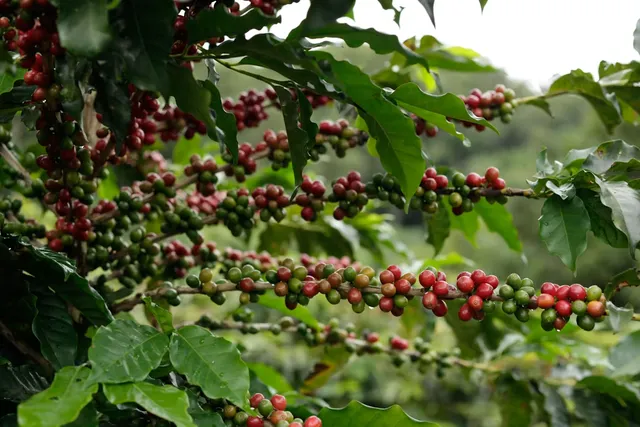
Forces Brewing Change in the Specialty Coffee Market
As consumer expectations advance, coffee producers, roasters, and retailers must balance product quality with convenience, transparency, as well as affordability. Three trends show how these priorities are impacting the entire coffee industry.
1. Beyond Organic: The Push for Coffee Transparency
Consumers inclined towards organic coffee usually want to study how beans are cultivated and handled before going for the roast. Organic certification can give assurance that specified farming and processing needs have been followed, but it does not independently set flavor quality or verify the absence of every possible contaminant.
This difference is encouraging greater attention to traceability, origin information, as well as transparent testing practices. Details including the producing country, region, farm or cooperative, processing method, etc., aid buyers understand where coffee originates ass well as how it has been prepared.
These expectations build opportunities for producers and roasters to communicate sourcing practices more clearly. They also fuel the importance of reliable documentation throughout the supply chain. Businesses that provide verifiable product information can aid consumers compare offerings effectively, even though certification and testing claims should always be assessed as per their actual scope.
2. From Farm to Cup: Quality That Commands Attention
Specialty coffee buyers usually place considerable importance on aroma, flavor complexity, and consistency of the bean. These characteristics depend on several connected factors, including coffee variety, growing conditions, harvesting decisions, processing, storage, roasting, etc.
Careful cherry selection can bring down the proportion of underripe, overripe, or damaged fruit entering processing. Appropriate drying along with moisture management aid preserve green coffee during storage and transport, on the other hand-controlled roasting affect the final flavor profile. Packaging that limits exposure to oxygen, moisture, and light can also aid maintaining quality after roasting.
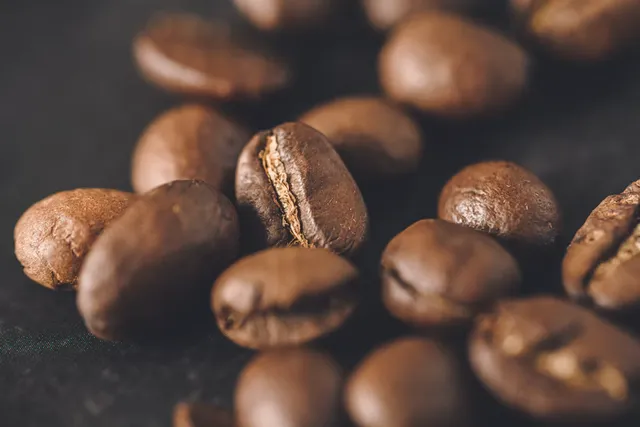
Whole bean coffee is particularly relevant to this trend as grinding immediately before brewing can aid retain aromatic characteristics. Nevertheless, whole beans do not automatically guarantee superior quality, sourcing, processing, roast development, storage, etc., remain important.
For the specialty coffee market, this focus on freshness and sensory quality supports demand for differentiated products. It also supports businesses to pay closer attention to production standards and communicate meaningful information about origin, roast date, and preparation.
3. Premium Coffee Meets Everyday Convenience
Specialty coffee consumption is not limited to traditional cafés or specialist retailers. Whole beans, ground coffee, instant products, as well as coffee pods provide different ways to avail premium-style coffee across home, workplace, out-of-home settings, etc.
Online purchasing and digital product information can aid consumers compare origins, roast profiles, preparation methods, as well as packaging formats. At the same time, cafés allow customers to explore different brewing techniques and flavor profiles without purchasing equipment or preparing drinks themselves.
The commercial impact extends across the supply chain. Retailers can reach customers through additional sales channels, on the other hand roasters can offer more product formats to accommodate different budgets and routines. However, convenience must be balanced with product transparency: attractive packaging or detailed online descriptions cannot takeover reliable sourcing information or substantiated quality claims.
Together, these trends show that specialty coffee growth is connected not only to premium flavor but also to how consumers evaluate, purchase, and take experience coffee.
What Consumers Want: From Whole Beans to Instant Coffee
The specialty coffee market covers different products and consumer groups, showing the range of ways people purchase or make coffee. According to CMI, its principal product categories are whole bean coffee, ground coffee, instant coffee, coffee pods and capsules, as well as other products.
The age-group segmentation consist of consumers aged 18–24, 25–39, 40–59, and above 60. These categories help explain why specialty coffee cannot be treated as a single, uniform consumer market. Some buyers prioritize freshly ground beans as well as preparation methods, on the other hand others prefer convenient formats suited to busy routines.
In line with this, younger consumers may explore different origins and brewing styles, in contrary preferences across older age groups can vary with familiarity, convenience, or budget. Understanding these differences allows market participants to develop products as well as communication strategies that address specific needs without assuming that every consumer values the same attributes.
Two Segments Driving the Next Wave of Coffee Demand
Within the product and age-group categories, CMI identifies two sub-segments that illustrate the relationship between product quality and changing consumer preferences.
Whole Beans Take Center Stage
The whole bean coffee segment is projected to account for 36.6% of the global specialty coffee market in 2026. Its position shows consumer interest in freshness, aroma, and greater control over preparation.
Grinding beans shortly before brewing can aid retain aromatic compounds as well as allows consumers to adjust grind size to suit equipment including espresso machines, pour-over brewers, French presses, etc. Whole beans also enable buyers to experiment with different extraction methods as well as explore how origin and roast profiles affect the final cup.
These characteristics make whole beans relevant to home brewing, specialty cafés, offices, and hospitality businesses that prioritize beverage consistency. They also connect directly with the quality considerations associated with organic coffee, the origin and production history of the bean matter, but so do storage, roast development, and preparation.
The projected share of the segment indicates its importance within the wider specialty coffee market. Nevertheless, whole bean products may need grinders and more preparation time than instant coffee. Similarly, their adoption depends on whether consumers value freshness and flexibility enough to accommodate those needs.
Young Consumers Bring New Flavor Expectations
CMI projects that consumers aged 18–24 will account for 44.8% of the specialty coffee market in 2026. Cafés provide opportunities for younger consumers to explore espresso-based drinks, cold coffee, alternative brewing methods, different roast profiles, etc. Social settings and digital product discovery can also introduce consumers to unfamiliar origins with preparation techniques.
For organic coffee, these preferences build an opportunity to communicate sourcing and production information in accessible ways. Clear labeling can explain what organic certification covers, on the other hand origin details and roast information can help consumers understand differences between products. Independent testing information may also be useful to buyers concerned about contaminants.
The segment is commercially significant because its preferences can influence product development, café menus, packaging, and digital communication.
Inside the U.S. Coffee Boom: Quality Meets Convenience
The United States specialty coffee market is fueled by an established café culture, extensive retail distribution, along with demand for diverse coffee formats. CMI expects North America to account for 51.9% of the global specialty coffee market in 2026, showing the established specialty coffee ecosystem of the region.
Consumer escalating interest in premium beverages, varied flavor profiles, as well as convenient purchasing alternative supports demand across cafés, supermarkets, online retailers, home-brewing channels, etc. Whole beans appeal to consumers who want control over grinding and brewing, on the other hand ground coffee, instant products, and capsules serve customers looking for un-complicated preparation.
Organic sourcing and traceability also fit into the broader discussion of product transparency. Consumers comparing products may consider certification, origin, roast date, as well as available laboratory information. Fabula Coffee can be examined as part of the consumer-facing organic coffee category, but any specific claims about quality or safety should be assessed by relevant product documentation.
For businesses operating in the U.S., the challenge is to balance premium positioning with affordability, dependable supply, along with credible product information. Coffee price fluctuations along with higher costs of specialty sourcing can affect both margins as well as consumer purchasing decisions.
The Players Shaping the Specialty Coffee Scene
The specialty coffee industry includes multinational beverage companies, established coffeehouse operators, and independent roasters. Their products span retail coffee, café beverages, whole beans, ground coffee, and single-serve formats.
Key market participants include
- Starbucks Corporation
- Nestle S.A.
- Peet's Coffee & Tea
- Blue Bottle Coffee
- Keurig Dr Pepper Inc.
- Dunkin' Brands Group, Inc.
- Lavazza S.p.A.
- illycaffè S.p.A.
- Death Wish Coffee Company
- Stumptown Coffee Roasters
- Counter Culture Coffee
- Tully's Coffee
- Caribou Coffee Company, Inc.
- Costa Coffee
- Tim Hortons Inc.
Beyond these companies, Fabula Coffee is another brand relevant to discussions of organic coffee and consumer preferences. These participants operate across different parts of the coffee value chain. Large companies serve broad consumer markets through broad distribution networks and varied product formats, on the other hand specialty-focused roasters usually create high focus on origin, roast profiles, and preparation methods. Café operators also shape consumer exposure to new beverages and brewing styles.
Their inclusion in the competitive landscape does not mean that every company focuses exclusively on specialty or organic coffee. Instead, they represent the wider set of businesses competing across the categories covered by the market report.
The Final Pour: What Quality-Conscious Buyers Should Know
The specialty coffee market's growth outlook reflects a combination of premiumization, product diversity, and changing consumer expectations. For organic coffee, the implications extend beyond certification to the evidence available about sourcing, processing, storage, and final product quality.
Consumers can make more informed comparisons by checking certification details, origin information, roast dates, as well as laboratory reports where available. They should also distinguish between verified test results and broad marketing claims. No single label can set every aspect of quality, and sensory preferences remain subjective.

