However, along with the bonuses and active use of this method, there are many problems that governments, insurance companies, and doctors will have to solve right now.
Telemedicine Opportunities
The development of communication tools and their availability worldwide have opened many doors for telemedicine and presented many opportunities.
Availability of Medical Services
The first and most obvious plus of telemedicine development is the availability of medical services in remote rural areas. In particular, the greatest use of telemedicine is now experienced in India, where millions of people physically cannot get prompt medical advice because they live in regions remote from urban agglomerations and waiting for even emergency medical care can last for days. With telemedicine, the opportunity to get a consultation becomes available to everyone. According to the World Health Organization, the development of telemedicine may become a way out for countries with low and middle-income populations.
This opportunity has become one of the main reasons behind the rapid development of telemedicine services. Through online consultations, patients can connect with healthcare professionals without travelling long distances. This is especially useful for people living in areas where specialist doctors are not easily available.
Among the different services provided through telemedicine, tele-consultation has become one of the most widely used options. It allows patients to discuss symptoms, receive medical advice, and continue follow-up care through digital platforms. According to the current Coherent Market Insights analysis, tele-consultation represents the largest service category, accounting for around 38.5% of the market, showing the growing preference for quick and convenient healthcare access.
Another important change is the increasing use of mobile healthcare applications and digital platforms. As internet access improves, more people are becoming comfortable using smartphones for healthcare purposes. These platforms allow patients to book appointments, communicate with doctors, receive reminders, and manage their health conditions more easily.
Economic benefit
If you don't have to physically go to the doctor, you don't have to spend money on the road, and online consultations are many times cheaper. When budgets are tight, telemedicine can reduce the cost of hospitalization and inpatient care for non-critical cases. According to McKinsey & Company, a consulting firm, telemedicine can save up to $250 billion annually in the US by reducing unnecessary visits and hospitalizations.
The economic benefits of telemedicine are important not only for patients but also for healthcare systems. Hospitals and clinics can use remote consultations to manage patient demand and reduce pressure on healthcare facilities. For people with chronic diseases, regular online monitoring can reduce the need for frequent hospital visits.
Personalized care
Telemedicine can guarantee a more personalized approach and help adjust treatments in real-time by using mobile apps to track health and having patients self-monitor their condition outside of doctor visits for chronic conditions like diabetes and hypertension.
The development of connected devices has further improved this approach. Wearable devices and health monitoring applications can collect information about the patients and thus help the doctors in understanding their conditions in a much better way. This is especially valuable for patients who need regular observation but do not require frequent physical visits.
For example, the patients suffering from diabetes, heart conditions, or hypertension can use digital tools to track important health indicators and share updates with healthcare professionals. This makes healthcare more continuous and personalized.
Convenience and simplicity
Making an appointment and consulting with a doctor online allows patients to spend less time on a hospital visit and reduces the risks of additional clinical infections. This is especially relevant for people with limited mobility and chronic severe conditions. According to a study published in the Journal of Telemedicine and Telecare, 85% of patients are satisfied with telemedicine services and find them convenient and accessible.
The convenience of telemedicine has also encouraged hospitals and clinics to adopt these solutions. Hospitals represent the largest end-user group in the telemedicine market, accounting for approximately 48.5% of the market. Many healthcare institutions are using digital consultation platforms to improve patient services and provide faster access to medical professionals.
Hospitals use telemedicine for different purposes, including specialist consultations, follow-up appointments, emergency support, and remote patient monitoring. This makes it easier for healthcare providers to serve more patients while maintaining the quality of care.
Challenges and Barriers to Telemedicine Adoption
Despite the availability of mobile internet and devices in most countries, remote rural areas in continents such as India and Africa still face major challenges. Developing infrastructure and allocating capacity specifically for online medical services is a significant technical challenge for modern telemedicine.
A huge issue in this field is patient privacy. Protected communication channels and developing special programs to ensure medical confidentiality are costly and problematic. There is also a problem with licensing for online services. For example, in the US, telemedicine laws differ from state to state, and for doctors who work at the national level, this is an additional problem. Developing uniform standards for licensing and data protection is another challenge for the availability of telemedicine.
The transition from the old paradigm to the new is challenging for both doctors and patients. Many people are not receptive to online consultations and are only willing to work with traditional face-to-face visits. At the same time, many patients and doctors have difficulties working with new technologies.
Insurance companies are still developing an approach to telemedicine, and in many countries, standard health insurance packages still do not include payment for online consultations.
Prospects for Telemedicine
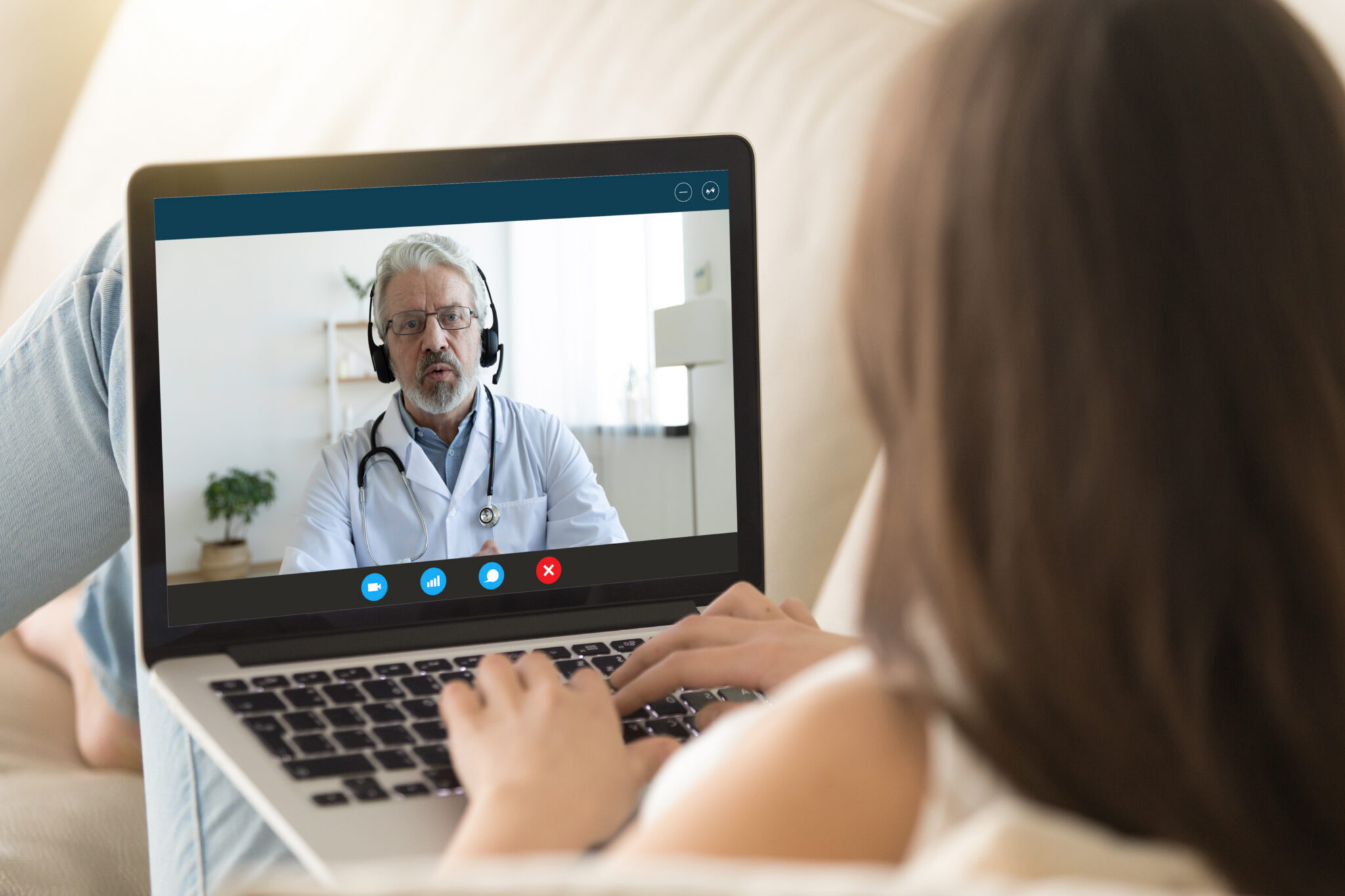
Analyzing the pros and cons of telemedicine is a kind of overview of the new service we will all be able to receive. Knowing all the pitfalls and benefits we can get is crucial. For example, if you look at a masterpapers review in which professional reviewers analyze all the bonuses and peculiarities of working with a writing service, so we all need to clearly understand what bonuses and disadvantages telemedicine gives us in the long run.
The future of telemedicine will depend on how successfully healthcare systems combine technology with traditional medical practices. Remote consultations will not completely replace hospitals and clinics, but they can become an important addition that improves accessibility and convenience.
The way telemedicine services are used also depends on medical applications. The market covers areas such as neurology, orthopedics, emergency care, cardiology, dermatology, and internal medicine. Each area makes use of telemedicine differently depending on the patient needs. For example, dermatology can benefit from remote visual assessments while cardiology can use remote monitoring tools for patients who require continuous observation.
Use of Artificial Intelligence
Already, AI is being trained to make diagnoses based on patients' medical histories, X-rays, and MRI scans. The programs' conclusions still need to be confirmed and verified by doctors, but in the future, non-complex cases may be solved solely by the programs, reducing the burden on doctors and making the period between diagnosis and treatment shorter.
Artificial intelligence can become one of the biggest drivers of telemedicine development. AI systems can help in identifying health risks, organizing patient information, and supporting doctors in making faster decisions. This does not mean replacing the medical professionals but providing them with additional tools to improve the healthcare quality.
The combination of AI with telemedicine platforms can be especially useful in areas where there are fewer healthcare specialists. By helping doctors manage more patients, these technologies can improve access to healthcare services.
Integration with other fields
With the development of technology, telemedicine can also be applied in surgery. For example, conducting remote surgeries with the Da Vinci robotic system has proven its efficiency and accuracy in prostate removal operations. The device can be in the operating room, and the surgeon can have a control panel on the other side of the world.
Beyond surgery, telemedicine is becoming connected with other areas of digital healthcare. For instance, the electronic health records, wearable devices, and mobile health applications are creating a more connected healthcare environment.
Popularization
Telemedicine is already actively developed in the US and Europe. Many specialists have taken courses and received a license to provide services remotely. For example, many government programs and non-governmental grants from international organizations sponsor doctors' training in India.
The United States is one of the leading markets for telemedicine and this is mainly because of its state-of-the-art healthcare infrastructure, strong technology adoption, and increasing demand for convenient healthcare options. The country has witnessed substantial growth in virtual healthcare adoption owing to the rising healthcare expenses, the need for improved access to medical services, and the growing acceptance of digital health platforms among patients and providers.
In addition, hospitals, clinics, and digital healthcare companies are making investments in telemedicine solutions with an aim to improve patient access, enhance care coordination, and support remote monitoring. The growth in the use of mobile health applications, wearable devices and online consultation platforms is also contributing to the role of telemedicine in the U.S. healthcare system.
Companies such as Teladoc Health, Amwell, MDLive, and Doctor on Demand are contributing to this development by providing digital consultation platforms and remote healthcare solutions. These companies support doctors and healthcare organizations in delivering medical services through online channels.
The Risks of Telemedicine
With all the variability of service delivery through medical history analysis and visual inspection via camera, remote consultations still provide less information to the doctor than a personal patient visit, allowing the physician to conduct an in-depth and detailed examination. Therefore, managing problems and appeals that can be solved by remote visits is another challenge that needs to be addressed.
Telemedicine works best when used for the right situations. Simple consultations, follow-up appointments, and monitoring of existing conditions can often be managed effectively online. However, serious medical conditions may still require physical examinations and direct interaction with healthcare professionals.
Finding the right balance between digital and traditional healthcare will determine the long-term success of telemedicine.
Conclusion
Telemedicine is a method the healthcare sector uses to combine great potential and access to healthcare and its services to improve the overall quality of healthcare services. Yet, in order to achieve the desired outcome, we still need to confront numerous challenges and barriers.

