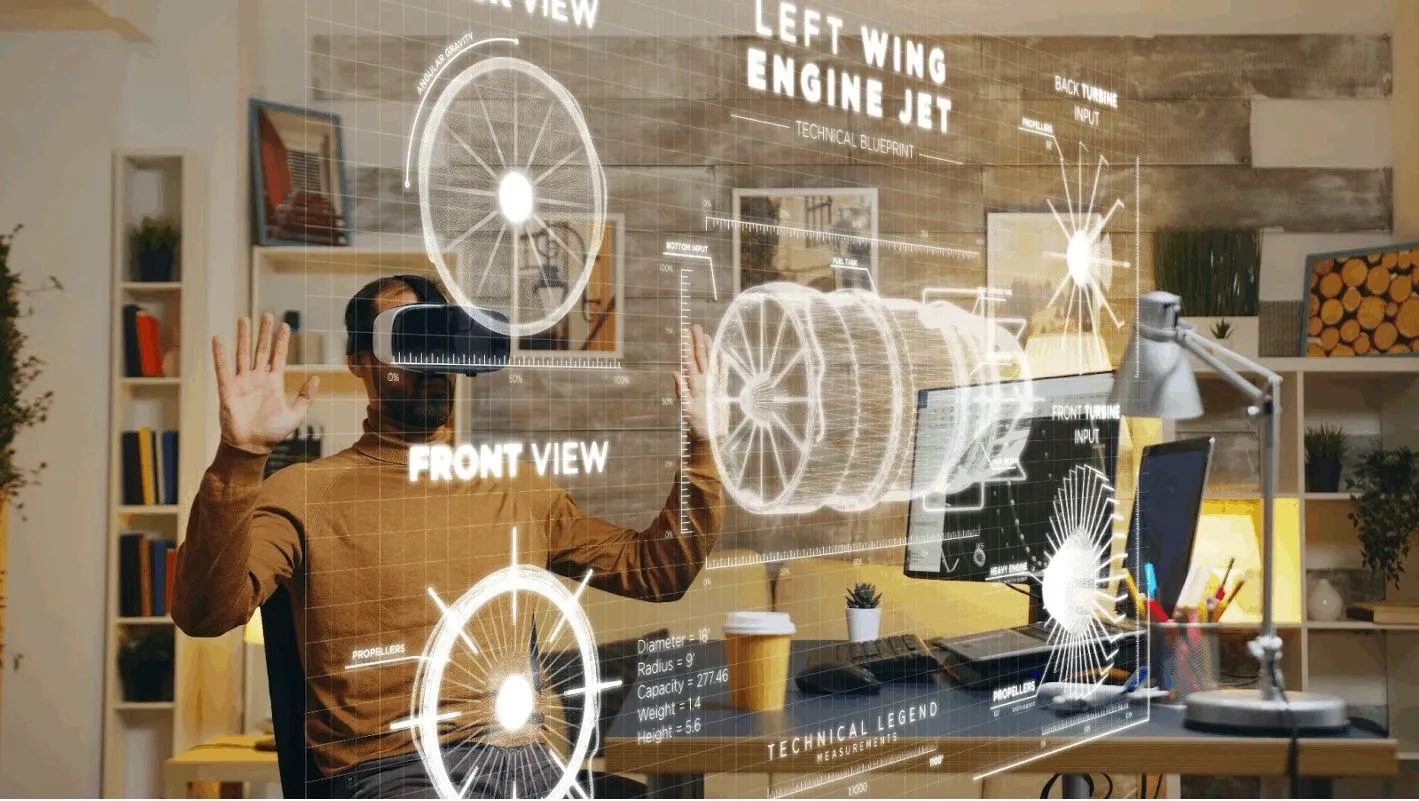
Museums have grown beyond very static exhibitions and handwritten records. The increasing demands of visitors and the sophistication of collections are forcing the museums to adopt technology, which is gradually becoming one of the main factors in the transformation of the whole museum system in terms of exhibiting and operating.
Digital archives and smart sensors are some of the notable modern tools that make museums more efficient, engaging, and future-ready.
Furthermore, these changes promise improved visitor's experience while boosting efficiency in preserving the cultural heritage and optimizing internal workflows.
Technology Finds Promising Roles in Modern Museum Curation
Gone are the days when museum curation heavily relied on physical documentation, manual cataloguing, and on-site research. Technology is increasingly turning processes more effective and impactful.
Digital Cataloguing and Archiving
Museums today are diverting their interest in advanced collection management systems to digitize artifacts, artworks, and historical documents in high resolution. This allows long-term preservation and curb fears of damaging fragile items.
Example: Digitization has been a major step in the development of museums, and most of them, even now, have established digital archives that provide the curators and researchers with access to a uniform source of object histories, provenance records, and conservation details.
3D Scanning and Virtual Replicas
3D scanning technology provides a means to generate very precise digital copies of historical objects. These copies, in turn, can be and indeed are often used for research, restoration purposes, and virtual exhibitions, all without the risk of the original ones being exposed to danger.
Enhancing Visitor Engagement Through Technology
Technology adoption has significantly improved how visitors interact with museum spaces.
Interactive and Immersive Exhibits
Touchscreens, augmented reality (AR), and virtual reality (VR) have replaced static information boards in many museums. Through these tools, visitors could have a more interactive way to discover stories, timelines, and reconstructions.
Example: AR technology applied in history museums permits the construction of ancient cities, thus granting an immersive visualization to the visitors to see how the monument and the community appeared hundreds of years ago.
AI and other technologies can be leveraged to provide better travel experiences, customize tours, predict consumer interests, and promote client participation. AI-powered audio guides can adjust explanations in real time, making visits more inclusive and informative.
Improving Museum Operations with Smart Technologies
Beyond exhibitions, technology is transforming behind-the-scenes museum operations.
Environmental Monitoring and Conservation
IoT-enabled sensors track temperature, humidity, and light exposure to protect sensitive artefacts. Automated alerts help staff respond quickly to environmental changes.
Example: Manuscripts, paintings, and textiles are preserved more effectively using real-time climate monitoring systems that operate continuously.
Digital Ticketing and Visitor Analytics
Online ticketing systems streamline entry management and reduce congestion. Visitor data collected through these platforms helps museums analyze attendance patterns, plan exhibitions, and allocate staff more efficiently.
Expanding Reach Through Digital Platforms
Technology has enabled museums to reach audiences far beyond their physical locations.
Virtual Tours and Online Exhibitions
Virtual tours allow global audiences to explore museum collections remotely. This approach has become an important tool for accessibility, education, and international outreach.
Educational Collaboration
Presently, museums are collaborating with educational institutions via online learning platforms, providing electronic workshops, virtual talks, and selected educational materials.
As per the research conducted in the museum industry, the digital transformation is turning out to be a vital factor for the growth of the sector. This museum market report contains comprehensive analyses of industry trends and market forces.
Challenges in Technology Adoption
Despite advantages, technology comes with several difficulties like high costs for implementation, issues with system integration, training of personnel and concerns about security. The smaller museums frequently take a gradual route to reconcile their budgets and, at the same time, modernize their operations.
Conclusion
The adoption of technology is bringing about changes in the way museum curators and operators do their work by making it easier to preserve, attract more visitors, and simplify the work done inside the museums. Therefore, it will be the case that museums, which, although they are already using digital tools in their work, will be the ones who will maintain the cultural heritage and, at the same time, meet the requirements of the modern public.
FAQs
1. How is technology used in museum curation?
Technology supports digital cataloguing, 3D scanning, data management, and long-term preservation of artefacts.
2. Do virtual tours replace physical museum visits?
Yes, as broader access to services and global reach have extended the need for physical site visits.
3. Can you give me a list of technologies adopted in museums today?
Collection management software, augmented and virtual reality, Internet of Things sensors, AI-powered assistants, and digital ticketing systems are making heads turn in modern-day museums.
4. Does the adoption of technology in museums come with a heavy price tag?
The initial investment can be substantial. However, eventual advantages in terms of efficiency, conservation, and footfall increase usually make the investment worth it.
Share this story
About Author
Suheb Aehmad
is a passionate content writer with a flair for creating engaging and informative articles that resonate with readers. Specializing in high-quality content that drives results, he excels at transforming ideas into well-crafted blog posts and articles for various industries such as Industrial automation and machinery, information & communication technology, and semiconductors. His ability to maintain creativity while paying close attention to detail ensures that each piece not only informs but also captivates the audience. he is dedicated to staying updated on the latest trends in content creation, ensuring that his work remains fresh, relevant, and aligned with industry best practices.
Known for his commitment to quality and engagement, he brings a unique blend of creativity and precision to every project. He approaches each piece of content with the goal of educating and informing readers, providing them with valuable insights that are both actionable and thought-provoking. His deep interest in the latest trends and his dedication to continuous learning allow him to stay ahead of the curve in the ever-evolving content landscape, positioning him as a reliable and knowledgeable voice in the industry.