

Global Acute Myeloid Leukemia Therapeutics Market Size and Forecast – 2026 To 2033
The global acute myeloid leukemia therapeutics market is expected to grow from USD 3.76 Bn in 2026 to USD 7.23 Bn by 2033, registering a compound annual growth rate (CAGR) of 9.8% from 2026 to 2033. The market for global acute myeloid leukemia therapeutics is poised for significant expansion, fueled by the substantial mortality burden associated with AML, which continues to create demand for more effective therapeutic options.
According to the U.S. National Cancer Institute, an estimated 22,010 new cases of acute myeloid leukemia and 11,090 AML-related deaths were reported in the U.S. in 2025. The substantial mortality burden highlights the continued unmet need for more effective AML treatments and supports sustained demand for novel therapeutics.
Key Takeaways of the Global Acute Myeloid Leukemia Therapeutics Market
- Myeloblastic leukemia is projected to hold 45.6 % of the global acute myeloid leukemia therapeutics market share in 2026, making it dominant disease type segment, across North America, supported by established AML diagnostic and treatment pathways. The U.S. FDA maintains authorized molecular diagnostic tests for AML, including assays detecting FLT3, IDH1, and IDH2 alterations, supporting molecular characterization and treatment stratification.
- Chemotherapy is projected to hold 42.1 % of the global acute myeloid leukemia therapeutics market share in 2026, making it dominant treatment type segment, across Europe due to the continued integration of intensive chemotherapy into established AML treatment protocols. The European LeukemiaNet (ELN) provides standardized recommendations for AML diagnosis, genetic risk classification, response assessment, and treatment, supporting the continued use of chemotherapy-based treatment strategies across European clinical practice.
- Parenteral is projected to hold 67.4 % of the global acute myeloid leukemia therapeutics market share in 2026, making it dominant route of administration segment, across Europe due to the continued use of injectable and infusion-based AML treatment regimens. The European Medicines Agency (EMA) specifies that AML therapy involving gemtuzumab ozogamicin is administered through intravenous infusion alongside daunorubicin and cytarabine, demonstrating the established role of parenteral administration in AML treatment.
- North America market maintains dominance with an expected share of 40.8 % in 2026, bolstered by well-established oncology infrastructure, advanced diagnostic capabilities, and a strong regulatory framework for AML treatment development. The U.S. Food and Drug Administration (FDA) maintains dedicated guidance for the development of drugs and biological products for AML, providing regulatory recommendations for clinical development and treatment evaluation.
- Asia Pacific is expected to exhibit the fastest growth in the global acute myeloid leukemia therapeutics market, registering an estimated CAGR of 11.1 % during 2026–2033, driven by expanding cancer-care infrastructure and strengthening government efforts to standardize access to advanced oncology treatments. For instance, in December 2024, China’s National Health Commission issued updated Guidelines for the Clinical Application of Novel Antineoplastic Drugs, establishing standardized requirements for the appropriate clinical use of newer cancer medicines across healthcare institutions.
Segmental Insights
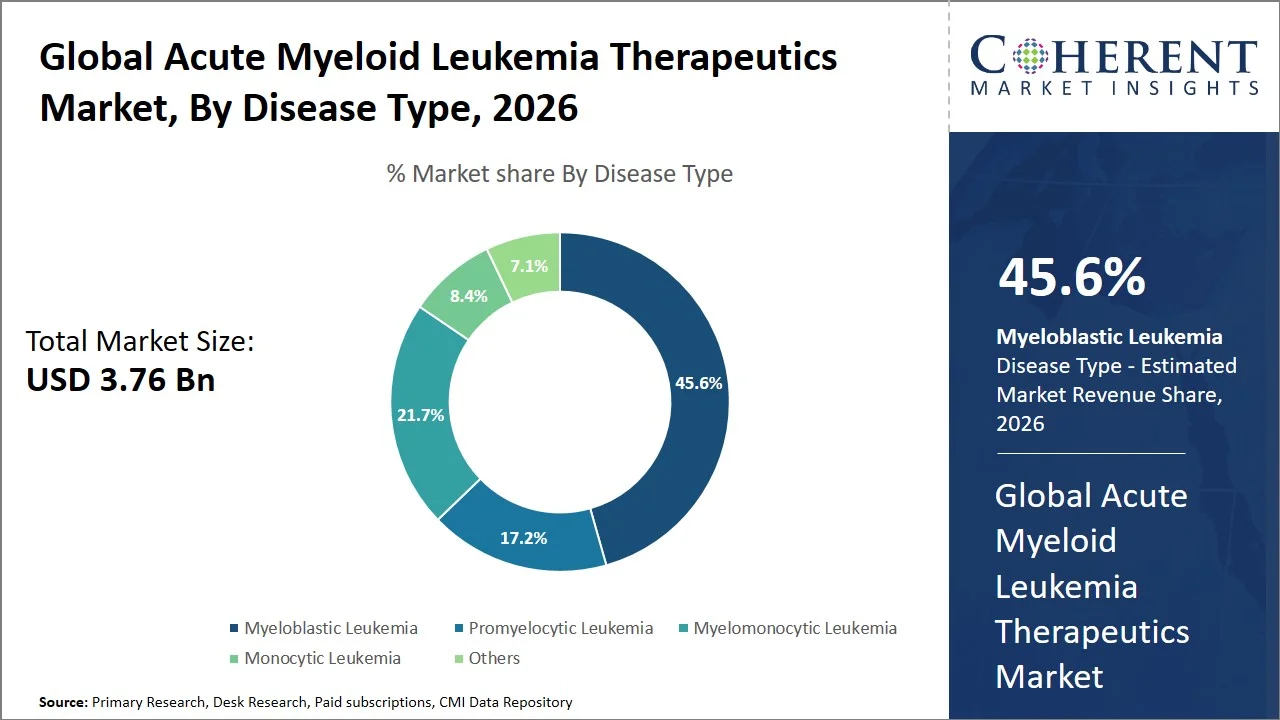
Why Do Myeloblastic Leukemia Dominate the Global Acute Myeloid Leukemia Therapeutics Market?
Myeloblastic leukemia is projected to hold the market share of 45.6% in 2026, due large patient pool, its rapid and severe disease progression, and requirement for treatment that is intensive and has specific targeting. This segment is also influenced by the increasing application of molecular and cytogenetic testing to determine the disease biology and select appropriate therapeutic interventions. For instance, 2024 World Health Organization (WHO) classification of hematolymphoid tumours identifies acute myeloid leukemia as heterogeneous myeloid neoplasm characterized by abnormalities of lineage maturation, genetic alterations, thereby re-emphasizing the necessity of the disease characterization of acute myeloid leukemia.
- Current Industry Events of 2026
- Market Size Estimation
- Regional Breakdown
- Competitive Landscape
- Customer Intelligence
- Segmental Analysis
- Pricing Analysis
- Key Market Drivers, Challenges & Future Trends
- Customized Insights Section
Why Does Chemotherapy Represent the Largest Treatment Type Segment in the Acute Myeloid Leukemia Therapeutics Market?
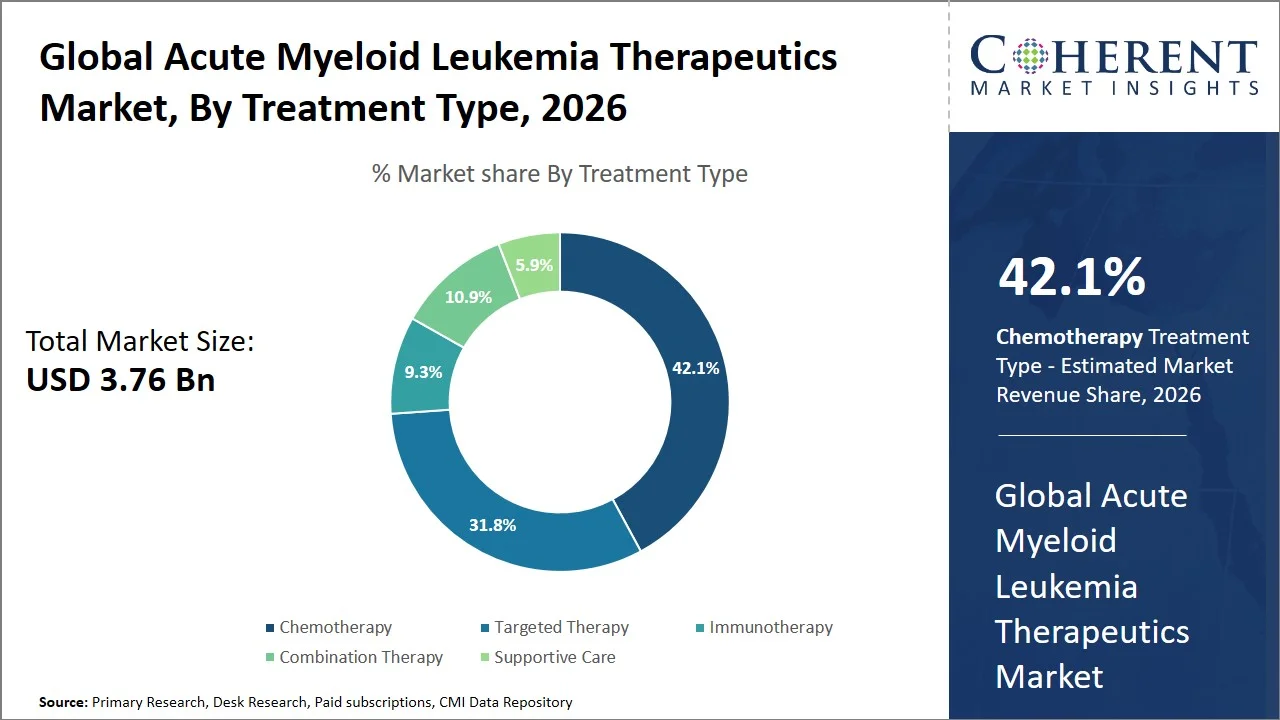
Chemotherapy is projected to hold a market share of 42.1% in 2026, owing to its proven efficacy in induction, consolidation and its widespread application among the AML population. Moreover, the constant use of clinical guidelines for chemotherapy as the key therapy and the existing use of chemotherapy supports the demand for this segment. For instance, in August 2026, the NCI-sponsored MyeloMATCH Phase II trial protocol was amended to extend evaluation of treatment with cytarabine/daunorubicin in combination with or without venetoclax plus venetoclax/azacitidine in young patients with intermediate risk-AML. (Source: ClinicalTrials.gov)
Parenteral Segment Dominates the Global Acute Myeloid Leukemia Therapeutics Market
The parenteral segment is projected to hold a market share of 67.4% in 2026, due to on-going use of injectable/infusion drugs to manage acute myeloid leukemia. Administration in a hospital environment allows for meticulous monitoring during intensive and possible toxic therapies. For instance, in June 2026, results of the ASCERTAIN V trial were published in the New England Journal of Medicine, confirming that parenteral azacitidine or decitabine plus venetoclax remained the standard of care, but an all-oral regimen was being tested as a possible way to reduce the burden of repeated parenteral administration.
Current Events and their Impact
Current Events | Description and its Impact |
U.S. National Cancer Institute Expands MyeloMATCH Precision-Medicine Program (July 2026) |
|
China National Health Commission Updates Antineoplastic Drug Guidelines (January 2026) |
|
European LeukemiaNet Issues Updated AML Fitness Recommendations (May 2025) |
|
Acute Myeloid Leukemia Therapeutics Market Dynamics
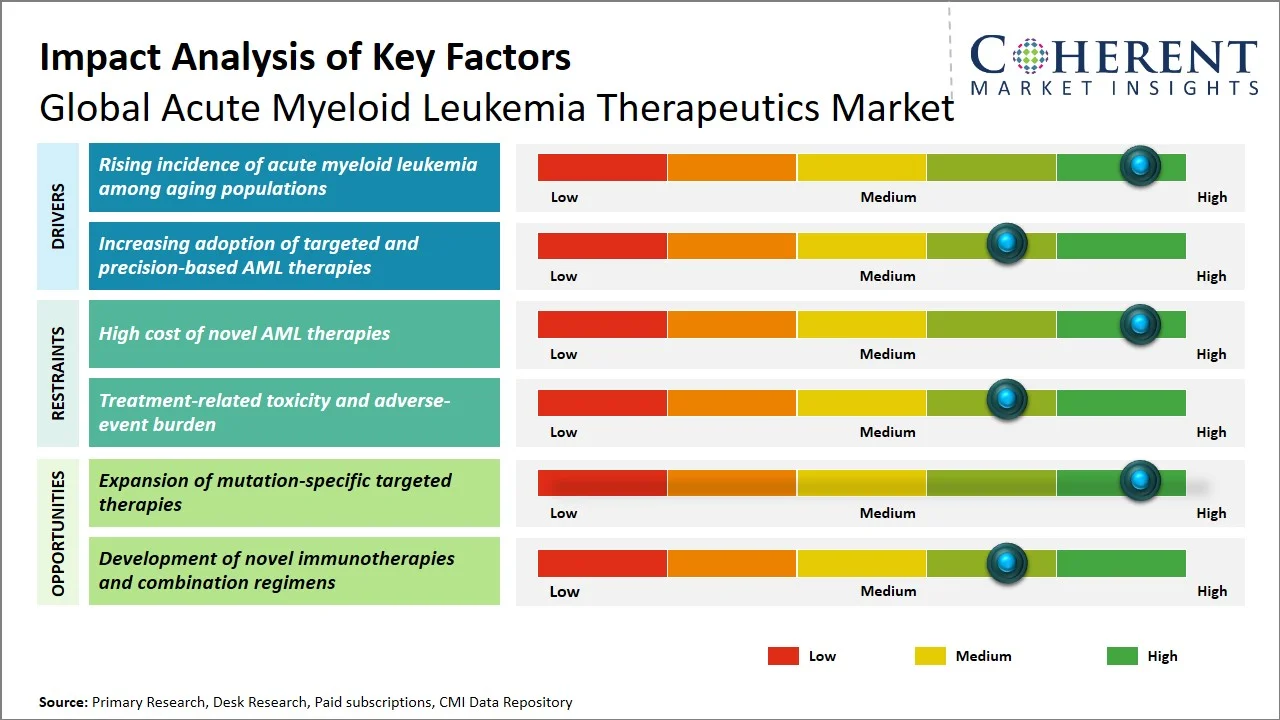
Market Drivers
- Rising incidence of acute myeloid leukemia among aging populations: The rising incidence of acute myeloid leukemia among older adults is increasing the underlying patient pool requiring diagnosis and treatment, supporting demand for acute myeloid leukemia therapeutics. AML incidence rises substantially with age, making population aging an important contributor to the addressable treatment population. The U.S. National Cancer Institute’s SEER data show that 62.0% of newly diagnosed AML cases occur in people aged 65 years and older, with the highest share among those aged 65–74 years at 26.6%.
- Increasing adoption of targeted and precision-based AML therapies: The increasing availability of molecular diagnostics is enabling treatment decisions to become more closely aligned with the genetic characteristics of acute myeloid leukemia, supporting the shift toward targeted and precision-based therapies. For instance, in October 2025, the U.S. FDA issued final technical specifications for submitting clinical-trial datasets used to assess treatment response in acute leukemias, strengthening standardized evaluation of novel acute myeloid leukemia therapies. This regulatory standardization supports more consistent clinical development of targeted treatment approaches.
- Increasing use of combination treatment approaches: The acute myeloid leukemia treatment landscape is increasingly moving toward combination regimens that integrate chemotherapy, targeted agents, and other therapeutic classes to improve treatment response and address the molecular heterogeneity of the disease. Combination approaches are being investigated across newly diagnosed as well as relapsed/refractory AML, expanding the therapeutic options available to different patient groups. For instance, in 2026, the U.S. National Cancer Institute listed an active Phase III trial evaluating bleximenib in combination with standard induction and consolidation chemotherapy in newly diagnosed AML patients with NPM1 mutations or KMT2A rearrangements.
Emerging Trends
- Increasing adoption of molecularly targeted therapies: Acute myeloid leukemia treatment is increasingly shifting toward therapies directed at specific genetic alterations, including FLT3, IDH1/2, NPM1, and KMT2A abnormalities. This trend is supporting more personalized treatment selection based on patients’ molecular profiles.
- Growing use of menin inhibitors and combination regimens: Menin inhibitors are emerging as an important therapeutic class for KMT2A-rearranged and NPM1-mutated AML, with ongoing research increasingly evaluating their use in combination with venetoclax, hypomethylating agents, and other therapies.
- Expansion of immune-based and cellular therapies: Research is increasingly focused on bispecific T-cell engagers, antibody-drug conjugates, CAR-T cells, and other cellular approaches to address relapse and treatment resistance. These modalities are broadening the AML pipeline beyond conventional chemotherapy and targeted small molecules.
Regional Insights
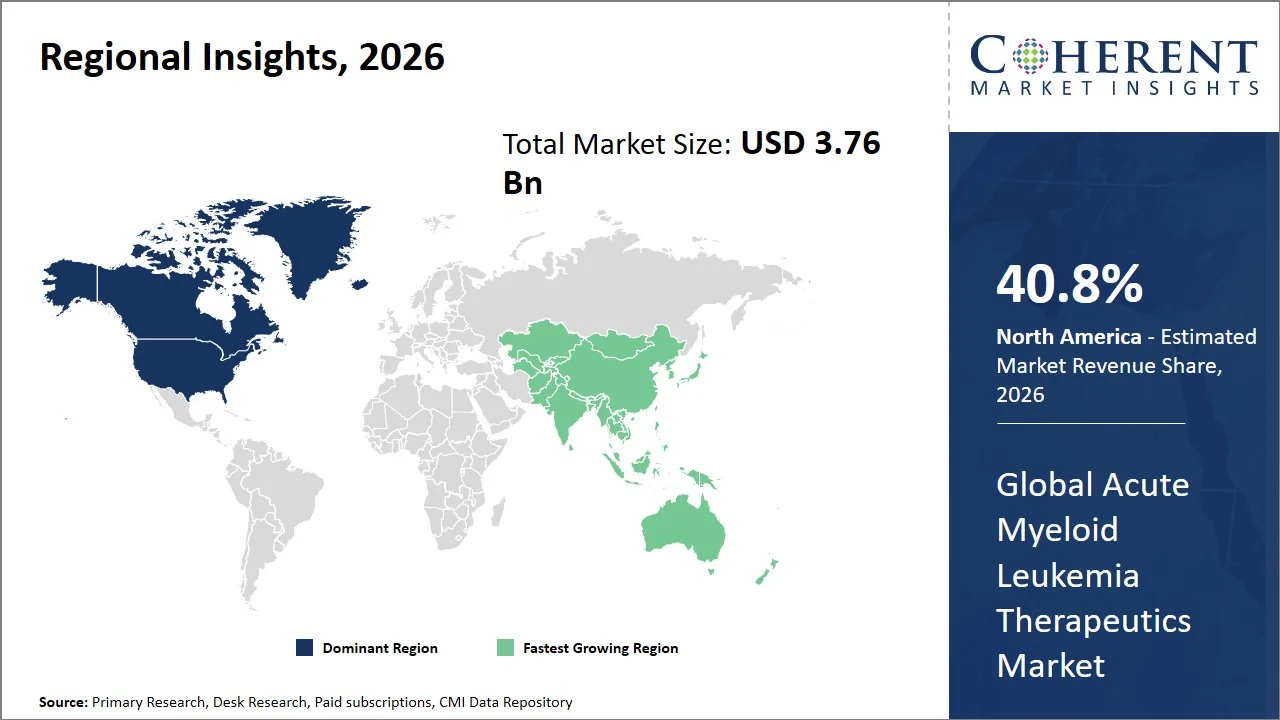
Why is North America a Strong Market for Acute Myeloid Leukemia Therapeutics?
North America leads the global acute myeloid leukemia therapeutics market, accounting for an estimated 40.8% share in 2026, driven primarily by the well-defined healthcare infrastructure, robust clinical trial systems and high-level research capabilities of the region. Substantial government support in terms of financing, mainly channeled through public agencies such as the NIH, whilst an accommodating regulatory environment and rapid U.S FDA pathways for drug development allow novel therapeutics to be rapidly moved to clinical applications.
For instance, the National Cancer Institute (NCI) 2025 investigator-initiated clinical trial program is devoted to the initiation of studies on early-phase targeted anti-cancer therapeutic treatments, bolstering the translational path of new drug candidate into the clinical use. Furthermore, with substantial healthcare expenditure, highly specialized oncology facilities and advanced diagnostic and treatment options widely available across the region, North America will continue to remain at the forefront of the acute myeloid leukemia therapeutics market.
Why Does Asia Pacific Acute Myeloid Leukemia Therapeutics Market Exhibit High Growth?
Asia Pacific is expected to exhibit the fastest growth in the global acute myeloid leukemia therapeutics market, registering an estimated CAGR of 11.1% during 2026–2033. The region is projected to account for 21.9% of the global market in 2026, attributed to escalating health-care investments, enhancing infrastructure for oncology-focused therapy and increased access to effective treatments and state-of-the-art diagnostics technologies. The government interventions in cancer care across China, Japan and India have established stronger framework to advance cancer research, provide robust treatment infrastructure, and improved access to medical care.
For instance, in July 2026, India’s Ministry of Health and Family Welfare reported the establishment of 524 Day Care Cancer Centres and approval of 19 State Cancer Institutes and 20 Tertiary Care Cancer Centres under national cancer-care programs. (Source: Press Information Bureau) Furthermore, the region is witnessing proliferation in clinical research capacity, evolvement of regulatory environment and escalated investments in targeted as well as innovative oncology therapeutics.
Global Acute Myeloid Leukemia Therapeutics Market Outlook for Key Countries
Why is the U.S. Leading Innovation and Adoption in the Acute Myeloid Leukemia Therapeutics Market?
The U.S. has been in the forefront of leading innovation and adoption in the acute myeloid leukemia therapeutics market enhanced by an integrated use of molecular diagnostics, targeted therapy development and precision-medicine clinical trials. This ecosystem promotes the expeditious identification of clinically relevant molecular abnormalities, and a prompt translation of those identified abnormalities into therapeutic approaches, whereas targeted clinical-trial network supports rapid testing of drugs in defined molecular acute myeloid leukemia patients.
Is Japan a Favorable Market for Acute Myeloid Leukemia Therapeutics Market?
Japan provides a favorable environment for the acute myeloid leukemia therapeutics market due to existing hematology care infrastructure, treatment algorithms and reliance on an evidence-based approach to cancer care. It is supported by increasing use of molecularly guided therapies, hematopoietic stem-cell transplantation and elderly acute myeloid leukemia management strategies. Japan's well-established and technologically advanced healthcare system and existing regulatory framework further contribute to the clinical acceptance of these new acute myeloid leukemia therapies.
Is China Emerging as a Key Growth Hub for the Acute Myeloid Leukemia Therapeutics Market?
The increased development of drugs domestically, increasing clinical-trial participation, and expanded market availability of therapies are positioning China as a significant growth driver in AML therapeutic markets. The country is intensifying its support for an oncology innovative environment through an expanded pipeline of developed oncology drugs and accelerated development timelines via National Medical Products Administration (NMPA) approvals. In addition, rising acute myeloid leukemia incidence as well as the proliferation of the molecularly targeted treatments are further generating opportunities of the growth.
Why Does Germany Top the European Acute Myeloid Leukemia Therapeutics Market?
Germany leads the European acute myeloid leukemia therapeutics market because of its strong established hematology-oncology infrastructure, treatment centres and clinical-study networks. Its molecular disease-classification-and-risk-adapted treatment approach helps physicians adjust therapy according to the characteristics of the patient and the disease. This structured system for healthcare with established treatment paths will help accommodate innovative treatment for acute myeloid leukemia.
Is Acute Myeloid Leukemia Therapeutics Market Developing in India?
India is emerging as a promising end-market for acute myeloid leukemia therapeutics due to increasing R&D in oncology sector, domestic biopharmaceuticals capabilities and increasing drive for novel treatment modality. The clinical trials infrastructure and precision medicines are enhanced and biological as well as cell therapeutics were developed indigenous thus strengthening the novel acute myeloid leukemia treatment market in the nation. Furthermore, expanding capabilities of specific cancer centers favor the adaptation of such newer targeted and combinational therapy.
Regional Reimbursement Landscape for Acute Myeloid Leukemia Therapeutics
Region | Reimbursement Framework | AML Therapeutics Access Environment | Key Reimbursement Consideration |
North America | Public and private insurance-based coverage | Broad coverage of established AML therapies, with access influenced by payer policies and clinical eligibility | Clinical evidence, treatment setting, and payer negotiations influence coverage |
Europe | National health systems with country-specific HTA and reimbursement processes | Generally structured access through national or regional reimbursement decisions | Cost-effectiveness, clinical benefit, and negotiated pricing strongly influence access |
Asia Pacific | National health insurance and mixed public/private systems | Reimbursement varies substantially by country and treatment type | National formulary inclusion, price negotiation, HTA evidence, and budget impact are major determinants |
Middle East & Africa | Predominantly public systems supplemented by private insurance | Access to high-cost oncology therapies varies considerably between countries | Healthcare budgets, insurance coverage, and availability of specialized oncology services influence access |
Latin America | Public health systems combined with private insurance | Access differs by country and between public and private healthcare channels | Government formularies, affordability, and health-system funding affect availability |
How is the expansion of mutation-specific targeted therapies creating new growth opportunities in the acute myeloid leukemia therapeutics market?
The proliferation of mutation-specific therapies and their commercial launch have established substantial opportunities in the acute myeloid leukemia therapeutics market and established a new level of treatment paradigm for specific, definable genetic lesions. Enhanced identification of actionable mutations such as NPM1 and KMT2A-are expected to increase development of target-specific drugs and improve patient stratification. In October 2025, Syndax Pharmaceuticals announced further development of commercializing Revuforj (revumenib) after the successful U.S. Launch and penetration into NPM1-mutated acute myeloid leukemia. This has also further supported and strengthened the commercial footprint of menin-targeted therapy in genetically defined acute myeloid leukemia.
Market Players, Key Development, and Competitive Landscape
Key Developments
- In May 2026, Solu Therapeutics announced that the U.S. FDA granted Fast Track designation to STX-0712 for relapsed or refractory chronic myelomonocytic leukemia (CMML). The investigational CCR2-targeting therapy is also being developed for acute myeloid leukemia (AML) and is currently in the IND-enabling stage for AML.
- In January 2026, Amgen acquired Dark Blue Therapeutics Ltd. in a transaction valued at up to USD 840 million, adding an investigational small-molecule therapy targeting MLLT1/3 proteins implicated in specific types of acute myeloid leukemia. The acquisition strengthens Amgen’s AML pipeline and advances targeted protein-degradation approaches for treatment-resistant disease.
- In November 2025, the U.S. FDA approved KOMZIFTI (ziftomenib), developed by Kura Oncology and Kyowa Kirin, for adults with relapsed or refractory NPM1-mutated acute myeloid leukemia (AML) who have no satisfactory alternative treatment options. KOMZIFTI became the first once-daily oral menin inhibitor approved for this AML population, expanding targeted treatment options for genetically defined disease.
Competitive Landscape
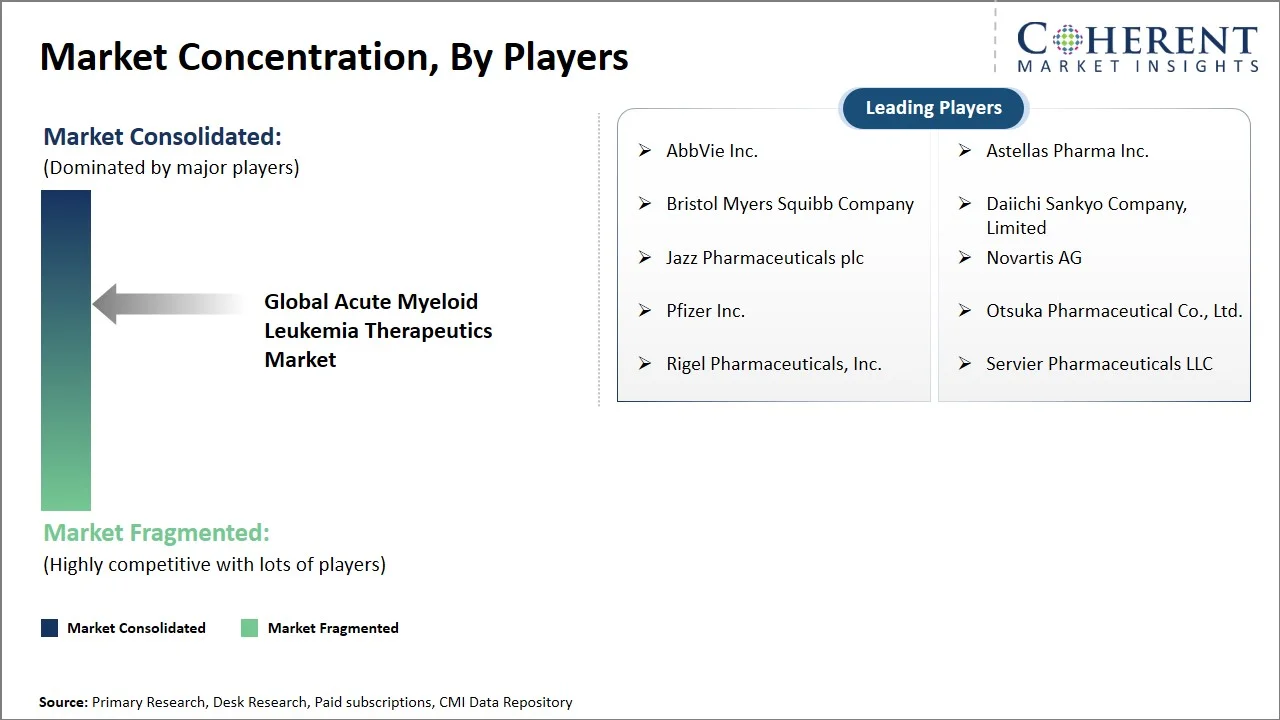
The global acute myeloid leukemia therapeutics market is moderately competitive, with market dynamics shaped by advances in targeted therapies, molecular profiling, combination treatment strategies, and the development of therapies for genetically defined and relapsed/refractory AML populations. Market participants are increasingly focusing on improving treatment response, addressing resistance and relapse, and expanding therapeutic options across different molecular and clinical profiles. Key focus areas include:
- Development of mutation-specific therapies targeting FLT3, IDH1/2, NPM1, and KMT2A alterations
- Expansion of menin-targeted therapies for molecularly defined AML populations
- Development of combination regimens integrating targeted therapies with chemotherapy, hypomethylating agents, and BCL-2 inhibition
- Advancement of immunotherapeutic approaches, including antibody-based and cellular therapies for difficult-to-treat AML
- Expansion of treatment options for relapsed/refractory AML and patients with limited therapeutic alternatives
Market Report Scope
Acute Myeloid Leukemia Therapeutics Market Report Coverage
| Report Coverage | Details | ||
|---|---|---|---|
| Base Year: | 2025 | Market Size in 2026: | USD 3.76 Bn |
| Historical Data for: | 2020 To 2024 | Forecast Period: | 2026 To 2033 |
| Forecast Period 2026 to 2033 CAGR: | 9.8% | 2033 Value Projection: | USD 7.23 Bn |
| Geographies covered: |
| ||
| Segments covered: |
| ||
| Companies covered: | AbbVie Inc., Astellas Pharma Inc., Bristol Myers Squibb Company, Daiichi Sankyo Company, Limited, Jazz Pharmaceuticals plc, Novartis AG, Pfizer Inc., Otsuka Pharmaceutical Co., Ltd., Rigel Pharmaceuticals, Inc., Servier Pharmaceuticals LLC | ||
| Growth Drivers: |
| ||
| Restraints & Challenges: |
| ||
Analyst Opinion (Expert Opinion)
- In the coming years, global acute myeloid leukemia therapeutics market is expected to move toward precision-driven and combination-based treatment, with therapy selection increasingly determined by molecular characteristics, patient fitness, and measurable residual disease. Targeted therapies, menin inhibitors, BCL-2 combinations, and emerging immunotherapies are expected to progressively complement conventional chemotherapy. The industry is likely to shift from a broad treatment approach toward more individualized regimens designed to improve response durability and reduce treatment-related toxicity.
- The maximum opportunities are foreseen within targeted therapies for relapsed/refractory AML in the U.S., where the combination of advanced molecular testing, established oncology infrastructure, and high adoption of innovative therapies creates favorable conditions for premium treatment options. Particular potential exists for therapies addressing NPM1, KMT2A, FLT3, and IDH-driven disease, as these populations offer clearly defined biomarker-based treatment opportunities. Companies that can demonstrate durable responses and meaningful benefits in difficult-to-treat populations are likely to capture greater commercial value.
- In order to gain a competitive advantage, market players should prioritize biomarker-led drug development, differentiated combination strategies, and companion diagnostic integration rather than competing solely through incremental improvements to existing therapies. Building strong pipelines for genetically defined and relapsed/refractory AML populations can help companies address areas of high unmet need while creating opportunities for premium positioning. Companies should also strengthen real-world evidence, patient identification capabilities, and partnerships with specialized oncology centers to accelerate adoption and expand treatment reach.
Speak to the analyst
Want personalized insights?
Take the findings above to one of our principal consultants, or have the report rebuilt around the segments, geographies and competitors you actually track.
Market Segmentation
- Disease Type Insights (Revenue, USD Bn, 2021 - 2033)
- Myeloblastic Leukemia
- Promyelocytic Leukemia
- Myelomonocytic Leukemia
- Monocytic Leukemia
- Others
- Treatment Type Insights (Revenue, USD Bn, 2021 - 2033)
- Chemotherapy
- Targeted Therapy
- Immunotherapy
- Combination Therapy
- Supportive Care
- Route of Administration Insights (Revenue, USD Bn, 2021 - 2033)
- Parenteral
- Oral
- End User Insights (Revenue, USD Bn, 2021 - 2033)
- Hospitals
- Specialty Oncology Centers
- Clinics and Ambulatory Care Centers
- Homecare Settings
- Others
- Regional Insights (Revenue, USD Bn, 2021 - 2033)
- North America
- U.S.
- Canada
- Latin America
- Brazil
- Argentina
- Mexico
- Rest of Latin America
- Europe
- Germany
- U.K.
- Spain
- France
- Italy
- Russia
- Rest of Europe
- Asia Pacific
- China
- India
- Japan
- Australia
- South Korea
- ASEAN
- Rest of Asia Pacific
- Middle East
- GCC Countries
- Israel
- Rest of Middle East
- Africa
- South Africa
- North Africa
- Central Africa
- North America
- Key Players Insights
- AbbVie Inc.
- Astellas Pharma Inc.
- Bristol Myers Squibb Company
- Daiichi Sankyo Company, Limited
- Jazz Pharmaceuticals plc
- Novartis AG
- Pfizer Inc.
- Otsuka Pharmaceutical Co., Ltd.
- Rigel Pharmaceuticals, Inc.
- Servier Pharmaceuticals LLC
Sources
Primary Research Interviews
- Hematologists and medical oncologists involved in AML diagnosis, treatment selection, and patient management
- Clinical investigators and principal investigators conducting AML therapeutic trials and precision-medicine studies
- Hospital and specialty oncology center professionals responsible for AML treatment protocols and therapeutic procurement
- Pharmaceutical and biotechnology professionals involved in AML drug development, clinical research, and commercialization
- Molecular pathologists and laboratory specialists involved in AML genetic testing, biomarker identification, and measurable residual disease assessment
Stakeholders
- Pharmaceutical and biotechnology companies developing chemotherapy, targeted therapies, immunotherapies, and combination regimens for AML
- Hospitals, tertiary-care centers, and specialty oncology centers providing AML diagnosis and treatment
- Clinical research organizations and academic medical centers conducting AML clinical trials
- Molecular diagnostic laboratories and companies supporting genomic profiling and companion diagnostic testing
- Healthcare payers and reimbursement organizations involved in coverage and access to AML therapies
- Patient advocacy organizations supporting individuals with leukemia and improving access to AML care
- End-use Sectors
- Hospitals
- Specialty Oncology Centers
- Clinics & Ambulatory Care Centers
- Homecare Settings
- Regulatory & Health Bodies
- U.S. Food and Drug Administration (FDA) – AML drug development, clinical trials, regulatory guidance, and therapeutic safety information
- European Medicines Agency (EMA) – clinical trials, medicine evaluation, and regulatory information for AML therapies
- National Cancer Institute (NCI), U.S. – AML research, treatment information, clinical trials, and precision-medicine programs
- Pharmaceuticals and Medical Devices Agency (PMDA), Japan – pharmaceutical review, clinical development, and regulatory information
Databases
- ClinicalTrials.gov – AML clinical trials, interventions, study status, sponsors, and trial outcomes
- WHO International Clinical Trials Registry Platform (ICTRP) – international clinical-trial records and registry information
- European Union Clinical Trials Information System (CTIS) – clinical-trial information for medicines investigated in the EU/EEA
- EU Clinical Trials Register (EudraCT) – historical European clinical-trial records
- NCI Clinical Trials Search – AML clinical studies and cancer-treatment trials
- SEER – U.S. cancer incidence, mortality, survival, and demographic statistics
- GLOBOCAN – international cancer incidence and mortality estimates
- FDA Drugs@FDA – regulatory and therapeutic product information
Journals
- Blood – hematology and AML clinical research
- Leukemia – leukemia biology, diagnosis, and therapeutic research
- Journal of Clinical Oncology – clinical oncology and AML treatment research
- Haematologica – hematologic malignancies and therapeutic developments
- Journal of Hematology & Oncology – hematology and oncology research
- Lancet Haematology – clinical research in hematologic diseases
- Nature Cancer – cancer biology, translational research, and emerging therapies
Associations
- American Society of Hematology (ASH) – hematology research, AML treatment, and clinical practice
- European Hematology Association (EHA) – European hematology research, education, and clinical guidance
- European LeukemiaNet (ELN) – AML diagnosis, risk classification, response assessment, and treatment recommendations
- National Comprehensive Cancer Network (NCCN) – evidence-based AML clinical practice guidelines
- American Society of Clinical Oncology (ASCO) – clinical oncology research, treatment guidance, and cancer-care standards
- Leukemia & Lymphoma Society (LLS) – leukemia information, patient support, and research resources
Public Domain Sources
- U.S. Food and Drug Administration (FDA) – AML drug-development guidance, regulatory information, and clinical-trial requirements
- National Cancer Institute (NCI) – AML disease information, treatment research, clinical trials, and cancer statistics
- SEER Program – U.S. AML incidence, mortality, survival, and demographic data
- World Health Organization (WHO) – global cancer burden and health-system information
- International Agency for Research on Cancer (IARC) – global cancer statistics and epidemiological data
- European Medicines Agency (EMA) – AML medicine evaluation, clinical-trial, and regulatory information
- Centers for Medicare & Medicaid Services (CMS) – U.S. healthcare utilization, coverage, and reimbursement information
- U.S. National Library of Medicine – biomedical literature and clinical-trial information
Proprietary Elements
- CMI Data Analytics Tool, Proprietary CMI Existing Repository of information for last 10 years.
Get access to 250+ pages report
Every segment, forecast, competitor profile and data table behind the analysis above — available for instant download.
- ESOMAR Member
- ISO 9001:2015 Certified
- D-U-N-S Registered
- GDPR & CCPA Compliant
Missing comfort of reading report in your local language? Find your preferred language:
Frequently Asked Questions
Chemotherapy remains widely used because it plays an established role in induction and consolidation treatment, particularly for patients eligible for intensive therapy.
Targeted therapy enables treatment to be aligned with specific molecular abnormalities, supporting more personalized approaches to AML management.
Common therapeutic targets include FLT3, IDH1, IDH2, NPM1, and KMT2A, which are important molecular abnormalities in AML treatment development.
Molecular testing helps identify genetic abnormalities, classify disease risk, and support selection of targeted treatment strategies for eligible patients.
Menin inhibitors are a newer targeted therapy approach being developed for genetically defined AML, particularly disease involving NPM1 mutations and KMT2A rearrangements.
Immunotherapy is being investigated to stimulate or redirect the immune system against leukemia cells, including through antibody-based and cellular therapeutic approaches.
Relapsed AML refers to disease that returns after treatment, while refractory AML does not respond adequately to initial therapy, creating significant demand for additional treatment options.