
Global Non-Invasive Glucose Monitoring Market Size and Forecast – 2026 To 2033
The global non-invasive glucose monitoring market is expected to grow from USD 29.6 Mn in 2026 to USD 86.4 Mn by 2033, registering a compound annual growth rate (CAGR) of 16.5% from 2026 to 2033. The global non-invasive glucose monitoring market is likely to grow at a fast pace owing to rising number of diabetic patients worldwide.
As per the International Diabetes Federation (IDF), the global number of adults aged 20-79 years who had diabetes in 2024 was around 589 million. The number is expected to reach 853 million by 2050. The increase in the number of patients is fueling the need for constant monitoring of blood glucose levels, further providing an uptrend for the demand for pain-free and needle-prick-free tests as well as non-invasive glucose monitors.
Key Takeaways of the Global Non-Invasive Glucose Monitoring Market
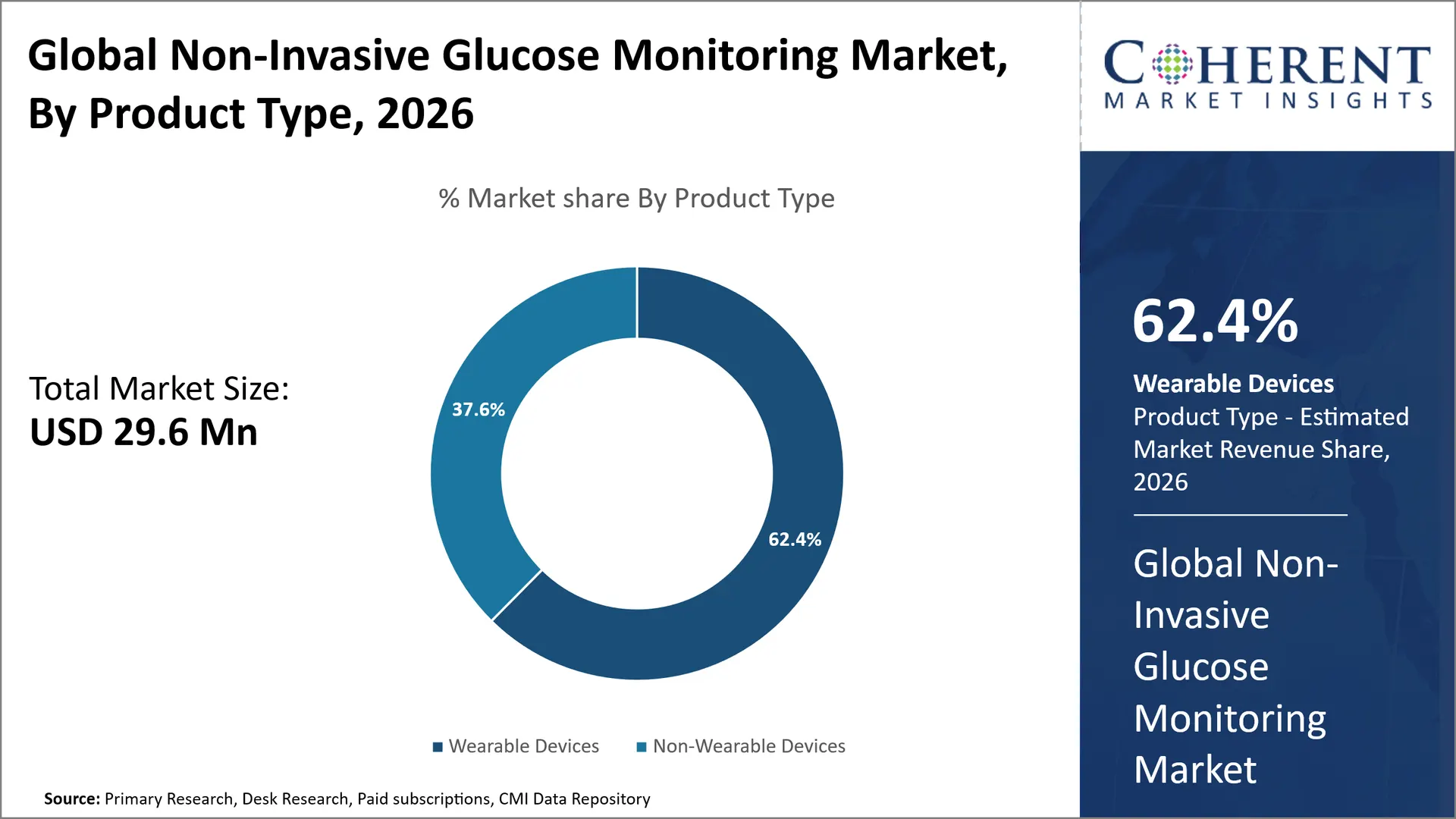
- Wearable devices are projected to hold 62.4% of the global non-invasive glucose monitoring market share in 2026, making it dominant product type segment. North America represents a key market for wearable adoption owing to high rate of consumer acceptance for wearable health technology and the integration of digital health with regular healthcare. In August 2026, study by U.S. National Institutes of Health (NIH) found that 107 million U.S. adults used wearables to monitor their health or activity in 2024, highlighting a long-established demand for wearables in the region.
- Type 2 diabetes is projected to hold 48.6% of the global non-invasive glucose monitoring market share in 2026, making it dominant diabetes type segment. Asia Pacific represents a significant market for this segment, owing to the growing diabetic population, the reported awareness among people to monitor their glucose levels, and the rising needs of regular & accessible glucose monitoring kits. As per International Diabetes Federation (IDF), the number of adults living with diabetes in China in 2024 is estimated to be around 148 million and in India, it is approximately 90 million.
- Optical technology is projected to hold 38.7% of the global non-invasive glucose monitoring market share in 2026, making it dominant technology segment. Europe is advancing in the research of the optical glucose-sensing techniques, which includes fluorescence spectroscopy and smartphones friendly diagnostics techniques. Gluco Tear, a European Union funded project led by Universitat Jaume I (Spain), devised a fluorescence-based approach for sensing tear glucose through non-invasive means with an aim to integrate it with a smartphone.
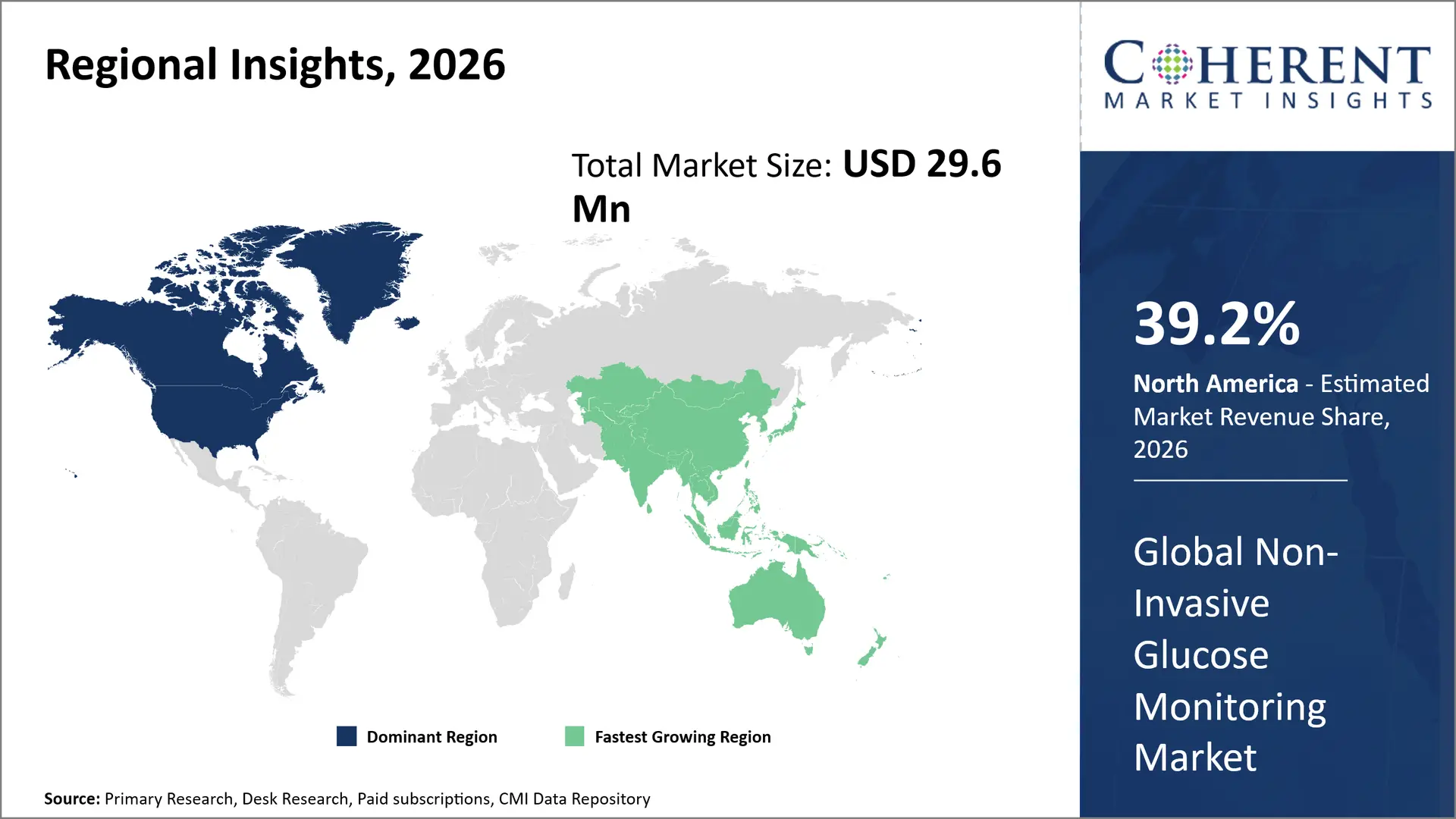
- North America market maintains dominance with an expected share of 39.2% in 2026, due to presence of improved healthcare services infrastructure, higher level of healthcare expenditure on diabetes, and high adoption of digital health Technologies. For instance, according to the U.S. Centers for Disease Control and Prevention (CDC), 40.1 million U.S. residents had diagnosed or undiagnosed diabetes in 2023, and 115.2 million U.S. adults aged 18 years or older had prediabetes.
- Asia Pacific is expected to exhibit the fastest growth in the global non-invasive glucose monitoring market, registering an estimated CAGR of 19.4% during 2026–2033. The factors propelling the demand in the region include an increase in patients with diabetic. In addition, increased healthcare expenditure and demand for affordable diabetes management solutions are expected to drive the market. For instance, the population of adults living with diabetes in the Western Pacific and Southeast Asia regions totaled 322.3 million in 2024 according to the report by the International Diabetes Federation (IDF).
Segmental Insights
Why Do Wearable Devices Dominate the Global Non-Invasive Glucose Monitoring Market?
Wearable devices are projected to hold the market share of 62.4% in 2026, due to the surging demand for continuous, easy and painless monitoring of glucose levels. Research indicates that advances in wireless connectivity, miniaturization of sensors and optical sensing will make it possible to design miniature wearable monitors. For instance, in December 2025, scientists at the Massachusetts Institute of Technology (MIT) created a glucose-monitoring device using Raman spectroscopy, and a portable, miniaturized wearable form that is undergoing through clinical trials, highlighting a major advance in non-invasive wearable glucose sensing.
- Current Industry Events of 2026
- Market Size Estimation
- Regional Breakdown
- Competitive Landscape
- Customer Intelligence
- Segmental Analysis
- Pricing Analysis
- Key Market Drivers, Challenges & Future Trends
- Customized Insights Section
Why Does Type 2 Diabetes Represent the Largest Diabetes Type Segment in the Non-Invasive Glucose Monitoring Market?
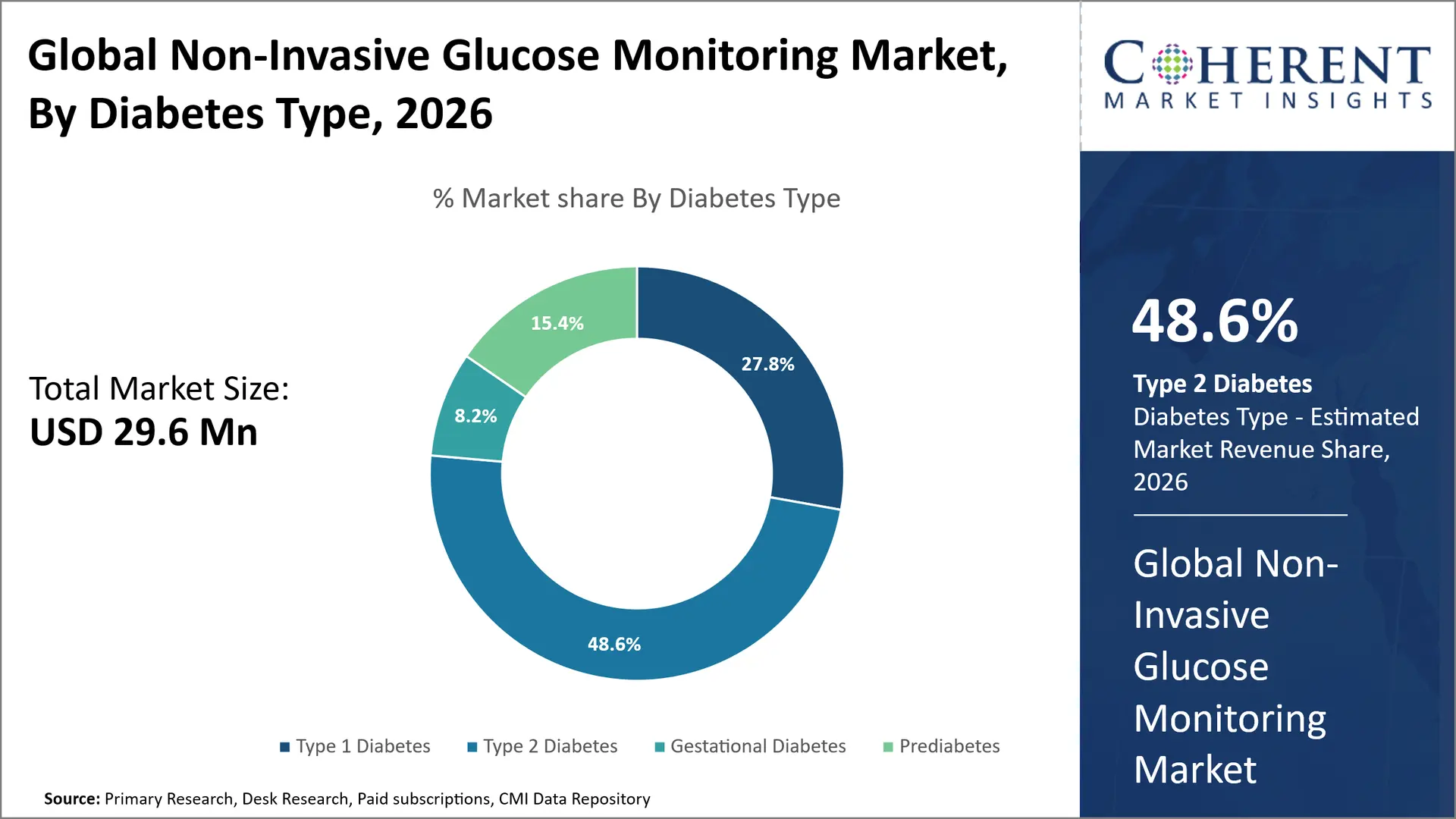
Type 2 diabetes is projected to hold a market share of 48.6% in 2026, probably because of the high prevalence of the disease and the strong demand for continuous glucose control through easy-to-use monitoring devices. The potential patient base is widened by rising rates of obesity, sedentary lifestyles and ageing populations. For instance, according to the U.S. Centres for Disease Control and Prevention (CDC), type 2 diabetes makes up 90 to 95 percent of all diagnosed diabetes cases in the U.S. This further emphasizes the ever-growing need for glucose monitoring among those with the disorder.
Optical Technology Segment Dominates the Global Non-Invasive Glucose Monitoring Market
The optical technology segment is projected to hold a market share of 38.7% in 2026, due to the rising near-infrared spectroscopy and Raman spectroscopy & multi-wavelength optical sensing technology that allow to sensing glucose without drawing blood from body. In addition, the signal processing and optical sensor design enhancements are expected to improve the measurement performance and stimulate device development. For instance, in December 2025, a Vietnam National University-Ho Chi Minh City team developed a multi-wavelength glucose sensing system based on visible and near-infrared spectroscopy. The system was transmission-based and achieved 100% accuracy in Zone A during clinical validation. (Source: National Library of Medicine)
Current Events and their Impact
Current Events | Description and its Impact |
U.S. NIH Announces Funding Opportunity for Next-Generation Glucose Control Technologies (May 2026) |
|
U.S. FDA's Warning on Unauthorized Non-Invasive Glucose Monitoring Smartwatches and Rings (February 2024) |
|
Non-Invasive Glucose Monitoring Market Dynamics
Market Drivers
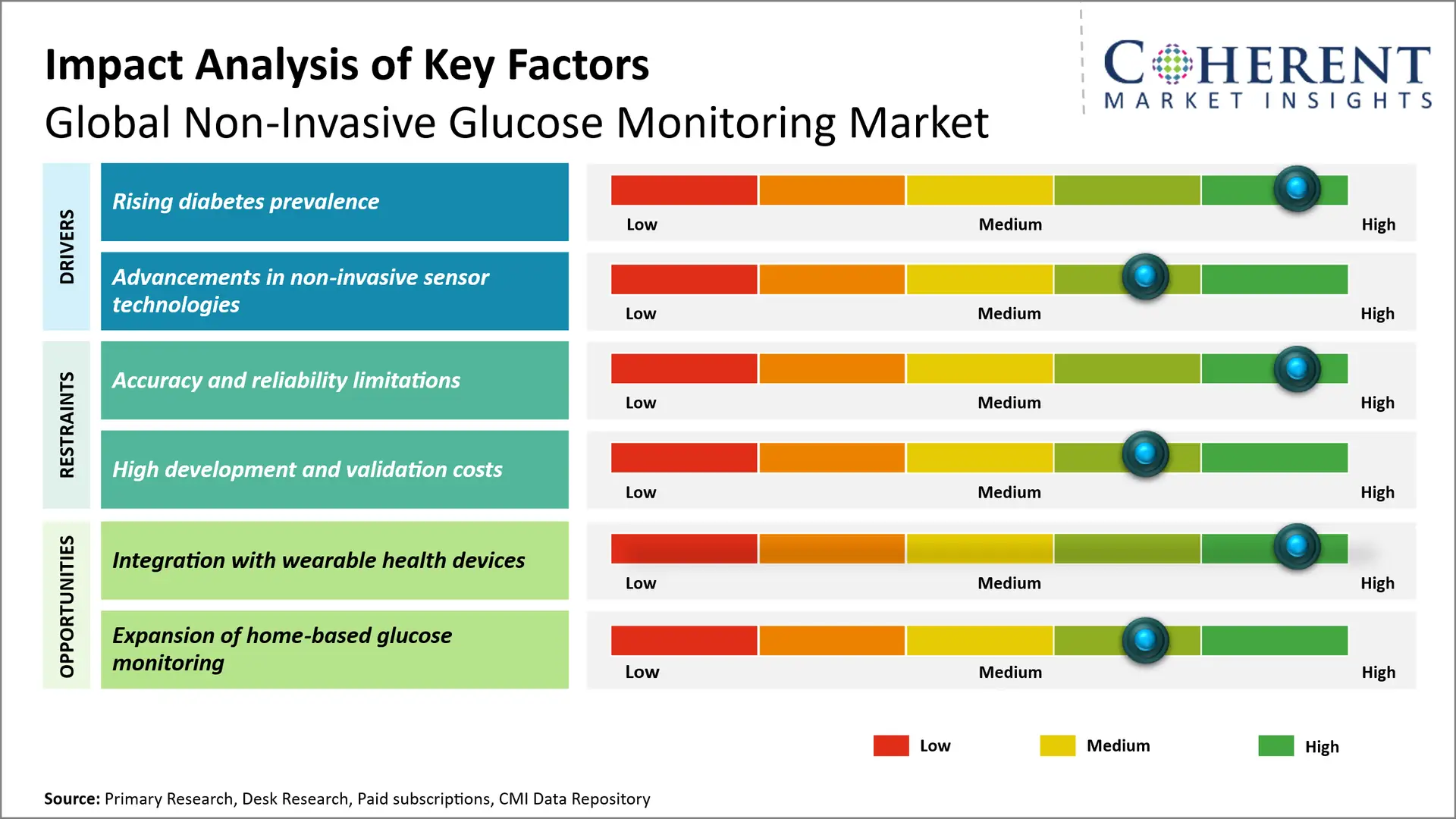
- Rising diabetes prevalence: The rising number of diabetes cases in emerging countries is resulting in the growing need for affordable and convenient glucose monitoring solutions for patients who cannot gain easy access to healthcare on a regular basis. For instance, in India, the ICMR-INDIAB study published in 2023 predicted about 101 million people were diabetic and about 136 million people were in prediabetic stage in 2023, highlighting the considerable unmet need for regular glucose monitoring and early metabolic health management.
- Advancements in non-invasive sensor technologies: Advances in optical spectroscopy, near infrared sensing, Raman spectroscopy and miniaturized bio-sensors have all improved the chances of monitoring glucose painlessly without the need to test the blood. For instance, in March 2024, a team at RMIT University in Australia built a 5-mm miniature optical sensor using the unique infrared fingerprints of glucose, highlighting a major step toward a small, continuous non-invasive glucose sensor.
- Growing adoption of digital diabetes management: Growing use of digital health applications, telemedicine and remote patient monitoring is driving the need for glucose monitoring devices that enable users to easily monitor and share data outside of the clinical setting. For instance, India’s Ministry of Health and Family Welfare announced that around 93.6 million patients are undergoing treatment for hypertension & diabetes through National NCD Portal, reflecting the increasing digital landscape for chronic disease management.
Emerging Trends
- Integration of optical glucose sensors into wearable devices: Miniaturization of optical sensors that use near-infrared and Raman spectroscopy for watches and wearable patches is gaining traction.
- Impact: This advancement would allow a portable device, easier monitoring, and greater opportunities for continuous glucose monitoring.
- Market Relevance: The increasing adoption of optical sensing technology in consumer wearables are likely to strengthen the wearable devices segment.
- AI-enabled signal processing to measure glucose: Manufacturers and researchers are using artificial intelligence and machine learning algorithms to interpret the complex optical signals while reducing skin and physiologic interferences.
- Impact: Better signal processing performance can improve measurement consistency and enable more customized glucose monitoring.
- Market Relevance: The use of artificial intelligence is likely to speed the path to commercialization for better sensors and accelerate the deployment of non-invasive monitors.
Regional Insights
Why is North America a Strong Market for Non-Invasive Glucose Monitoring?
North America leads the global non-invasive glucose monitoring market, accounting for an estimated 39.2% share in 2026, owing to the presence of a well-established healthcare system, developed medical device industry, and high investments towards diabetes research and development. The strong nexus between the healthcare providers and technology giants enables continuous innovation in glucose sensing technology.
Additionally, government policies promoting improved diabetes management, mature digital health infrastructure, along with the high prevalence of demand for continuous glucose monitoring and healthcare ecosystems strengthen regional market adoption. For instance, the Medicare Diabetes Prevention Program (MDPP), administered by the Centers for Medicare & Medicaid Services (CMS), provides Medicare Part B coverage for eligible beneficiaries through in-person and online diabetes prevention services, reinforcing the U.S. technology-enabled and accessible diabetes management.
Why Does Asia Pacific Non-Invasive Glucose Monitoring Market Exhibit High Growth?
Asia Pacific is expected to exhibit the fastest growth in the global non-invasive glucose monitoring market, registering an estimated CAGR of 19.4% during 2026–2033. The region is projected to account for 23.1% of the global market in 2026, attributed to growing diabetic population, increased health care expenditure and awareness regarding higher end glucose monitoring devices. Additionally, government initiatives towards better management of chronic diseases and healthcare covering rates significantly act as market accelerators.
For instance, India's National Programme for Prevention and Control of Non-Communicable Diseases (NP-NCD) advocates population-based screening, early detection, treatment and follow-up through primary care and community health care centres. The programme also aspires to develop digital records of patients as well as referral systems. These efforts support ready access to glucose monitoring devices in public healthcare and community setting. (Source: National Health Mission)
Global Non-Invasive Glucose Monitoring Market Outlook for Key Countries
Why is the U.S. Leading Innovation and Adoption in the Non-Invasive Glucose Monitoring Market?
The U.S. is ahead in non-invasive glucose monitoring innovation due to high concentration of biomedical research institutes, development of optical sensing, and artificial intelligence based medical technology. The innovation environment in the country is concentrated on Raman spectroscopic and near-infrared sensing and wearable biosensors; with a growing number of research exploring portable devices for continuous estimations of glucose. Also, the successful clinical research framework and innovative diabetes research centers provide the foundation for translating sensing technologies to the commercial arena.
Is China a Favorable Market for Non-Invasive Glucose Monitoring Market?
China is an attractive market for non-invasive glucose monitoring owing to large diabetic population, growing manufacturing base of medical devices in the country and the proliferation of health-centric wearable devices. The need for more affordable and pain-free monitoring methods and devices introduces several opportunities for the optical and electromagnetic sensing devices.
Is Japan Emerging as a Key Growth Hub for the Non-Invasive Glucose Monitoring Market?
Japan can become a prospective growth market for the non-invasive glucose monitoring market owing to its expertise in sensor technology, medical electronics industry, and the aging population group that requires increased diabetes management. The available sensor platform technology, presence of optics-based sensing, miniaturized components, and wearable healthcare devices are driving forces for non-invasive glucose sensing solutions to be more compact and reliable. The current emphasis on home-based monitoring and connected healthcare is expected to further promote market growth.
Why Does Germany Top the European Non-Invasive Glucose Monitoring Market?
Germany leads the European non-invasive glucose monitoring market attributed to the presence of a mature medical device manufacturing industry coupled with sound capabilities and infrastructure in advanced optical and sensor technology. Expertise in miniaturized medical devices, spectrometers and glass synthesis, along with precision engineering support the development of reliable, compact, integrated glucose sensors. Also, a well-developed local diabetes care ecosystem in addition to a need for home-based, digital health monitoring augurs well for the adoption of non-invasive glucose monitoring devices.
Is Non-Invasive Glucose Monitoring Market Developing in UK?
The UK is an emerging market for non-invasive glucose monitoring driven by its strong research & innovation ecosystem for diabetes, increasing digital adoption in healthcare and focus on remote patient monitoring. Research & innovation in optical sensing, biosensor and wearable medical devices can eventually create opportunities for new types of glucose monitoring devices. The ever-growing home diabetes management and National Health Service digital health programmes are likely to enable the future market.
Comparative Assessment of Non-Invasive Glucose Monitoring Technologies
Technology | Sensing Principle | Measurement Medium | Key Advantages | Major Limitations |
Near-Infrared Spectroscopy | Light absorption | Skin tissue | Rapid measurement and wearable integration potential | Tissue interference and calibration requirements |
Mid-Infrared Spectroscopy | Molecular absorption | Skin tissue | Glucose-specific molecular signatures | Limited penetration depth |
Electromagnetic Technology | Changes in electromagnetic response | Skin tissue | Non-contact sensing potential | Sensitivity to physiological variations |
Raman Spectroscopy | Inelastic light scattering | Skin tissue | High molecular specificity | Weak signal intensity and equipment complexity |
Ultrasound Technology | Acoustic signal variations | Skin tissue | Non-invasive measurement approach | Signal variability and validation requirements |
Thermal Technology | Temperature-related tissue changes | Skin tissue | Potential for compact sensor integration | Environmental and temperature interference |
How is the integration with wearable health devices creating new growth opportunities in the non-invasive glucose monitoring market?
Non-invasive glucose monitoring combined with wearable health technology is opening up the potential for anytime, anywhere, personalized glucose monitoring from smartwatches and other sensor-enabled wristbands. At the same time, advances in multimodal sensing and machine learning are giving wearables the ability to estimate glucose levels based on physiological signals, without the need for blood sampling. For instance, in September 2026, an observational study published by the National Library of Medicine, demonstrated an ability to estimate non-invasive glucose levels using sensor data from the commercially available Fitbit Sense 2 smartwatch, highlighting the possibility to integrate into mhealth apps.
Market Players, Key Development, and Competitive Landscape
Key Developments
- In December 2025, Liom Health AG increased its Series A funding round by USD 16.30 Million (CHF 13 Million), bringing the Series A funding total to USD 47.64 Million (CHF 38 Million). Additionally, the company experienced a major breakthrough in miniaturizing the company's unique Raman spectroscopy platform, allowing for the creation of a smartwatch-like form factor calibration-free non-invasive glucose monitoring device with a battery life above 24 hours. This milestone is a significant step forward in the development of wearable glucose monitoring technology and supports the company's move from development to commercial product.
- In October 2025, OSR Holdings entered into a binding agreement to acquire Woori IO Co., Ltd., South Korea, by way of share exchange of USD 10.6 million. Woori IO is designing needle-free continuous glucose monitoring device using near-infrared spectroscopy (NIRS). The acquisition is expected to strengthen OSR Holdings' medical devices line of business while accelerating the clinical and commercial development of non-invasive glucose monitors.
Competitive Landscape
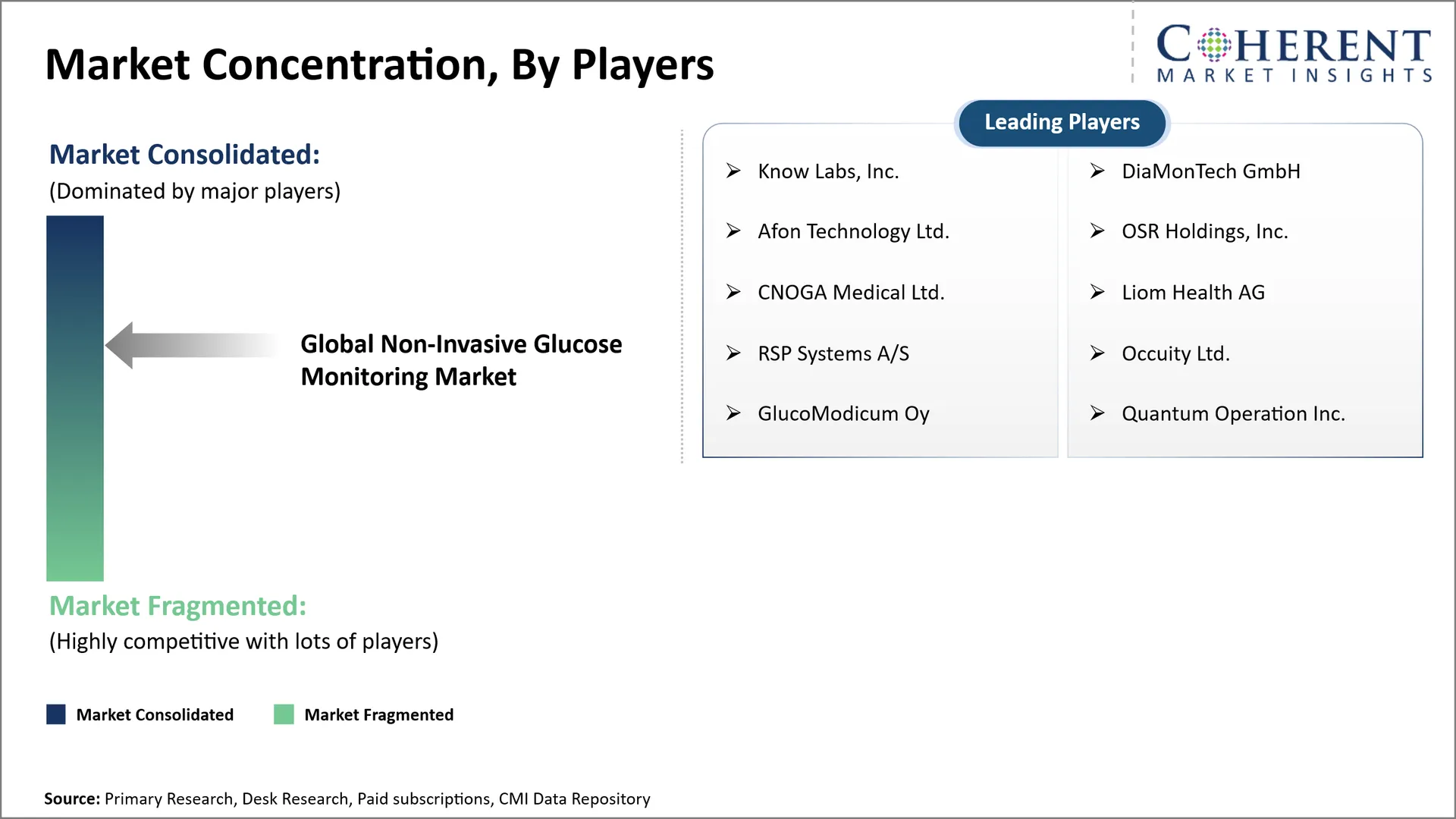
The emerging market for non-invasive glucose monitoring is modestly fragmented, and so the competitive landscape is characterized by a wide range of players operating in different technologies such as electromagnetic, optical, ultrasound-based measurement, thermal sensing as well as wearable biosensors. Companies differentiate themselves by proprietary sensor technology, measurement accuracy, size of the device, clinical validation, and digital device integration. Also, technological innovation, research, deployment, commercialization and scalability of wearable monitoring solutions will also continue to be a factor for competition. Key focus areas include:
- Broadband optical sensing technologies, such as near infrared, Mid infrared & Raman spectroscopy, to increase the sensitivity and reliability of measurement.
- Placement of non-invasive glucose sensors in smartwatch, wearable patches, and small monitors to provide real-time and on-demand glucose.
- Integration of artificial intelligence and machine learning algorithms for the processing of signals, individual calibration and minimization of physiological effects.
- Development of multimodal sensing strategies integrating optical, electromagnetic, thermal and other sensors to enhance measurement interoperability between users.
- Clinical validation, regulatory, and technology partnerships around non-invasive glucose monitoring to fast-track commercialization and establish confidence in non-invasive glucose monitoring solutions.
Market Report Scope
Non-Invasive Glucose Monitoring Market | |||
Report Coverage | Details | ||
Base Year | 2025 | Market Size in 2026: | USD 29.6 Mn |
Historical Data For: | 2020 To 2024 | Forecast Period: | 2026 To 2033 |
Forecast Period 2026 To 2033 CAGR: | 16.5% | 2033 Value Projection: | USD 86.4 Mn |
Geographies covered: |
| ||
Segments covered: |
| ||
Companies covered: | Know Labs, Inc., DiaMonTech GmbH, Afon Technology Ltd., OSR Holdings, Inc., CNOGA Medical Ltd., Liom Health AG, RSP Systems A/S, Occuity Ltd., GlucoModicum Oy, Quantum Operation Inc. | ||
Growth Drivers: |
| ||
Restraints & Challenges: |
| ||
Analyst Opinion (Expert Opinion)
- The future of the non-invasive glucose monitoring market will depend on the ability of sensing techniques to scale from promising experiments into devices that can deliver clinical results that are financially viable. Optical sensing techniques, especially Raman and near-infrared spectroscopy, are likely to continue to be main focus areas for non-invasive glucose sensing innovation, with continual advances made in AI for signal processing and the integration of multiple sensing elements into single devices as well as the miniaturization of optical sensors. Wearable devices may become the preferred delivery format for non-invasive glucose sensing, provided that continuous, pain-free sensing can be delivered for a sufficiently wide consumer group in a wider ecosystem of health measurement.
- The greatest potential opportunity is expected in wearable optical glucose monitoring devices for diabetes management in India and China, where large diabetic populations provide a huge patient pool and significant potential demand for easier, more accessible monitoring options. Players should focus on creating wearable devices such as wrist-borne sensors and patch sensors that enable continuous glucose estimation with smartphone connectivity and consumer-level analytics. Opportunities in India are likely to be related to lower-cost home-based monitoring, and in China to higher-end sensors and integration. The ability to balance between device affordability, reliability of measurements and end-user convenience will determine market success.
- While device miniaturization and consumer appealing designs are encouraging, market participants should focus first on clinical validation and measurement reproducibility. The development of hybrid sensors, smart signal interpretation through AI, and adaptive calibration mechanisms to cope with physiological interference and to ensure reliable measurements. Collaborations with healthcare centers, OEM sensor suppliers and digital health companies can speed up the development and commercialization of these technologies. Pricing models and connected monitoring ecosystems should also be created to reduce entry barriers and increase user engagement.
Speak to the analyst
Want personalized insights?
Take the findings above to one of our principal consultants, or have the report rebuilt around the segments, geographies and competitors you actually track.
Market Segmentation
- Product Type Insights (Revenue, USD Mn, 2021 - 2033)
- Wearable Devices
- Non-Wearable Devices
- Diabetes Type Insights (Revenue, USD Mn, 2021 - 2033)
- Type 1 Diabetes
- Type 2 Diabetes
- Gestational Diabetes
- Prediabetes
- Technology Insights (Revenue, USD Mn, 2021 - 2033)
- Optical Technology
- Electromagnetic Technology
- Thermal Technology
- Ultrasound Technology
- Others
- Application Insights (Revenue, USD Mn, 2021 - 2033)
- Diabetes Management
- Continuous Glucose Monitoring
- General Health and Wellness Monitoring
- Others
- End User Insights (Revenue, USD Mn, 2021 - 2033)
- Hospitals and Clinics
- Homecare Settings
- Diagnostic Centers
- Others
- Regional Insights (Revenue, USD Mn, 2021 - 2033)
- North America
- U.S.
- Canada
- Latin America
- Brazil
- Argentina
- Mexico
- Rest of Latin America
- Europe
- Germany
- U.K.
- Spain
- France
- Italy
- Russia
- Rest of Europe
- Asia Pacific
- China
- India
- Japan
- Australia
- South Korea
- ASEAN
- Rest of Asia Pacific
- Middle East
- GCC Countries
- Israel
- Rest of Middle East
- Africa
- South Africa
- North Africa
- Central Africa
- North America
- Key Players Insights
- Know Labs, Inc.
- DiaMonTech GmbH
- Afon Technology Ltd.
- OSR Holdings, Inc.
- CNOGA Medical Ltd.
- Liom Health AG
- RSP Systems A/S
- Occuity Ltd.
- GlucoModicum Oy
- Quantum Operation Inc.
Sources
Primary Research Interviews
- Endocrinologists and Diabetologists
- Diabetes Care Specialists
- Biomedical Engineers and Biosensor Researchers
- Medical Device Research and Development Specialists
Stakeholders
- Non-Invasive Glucose Monitoring Device Manufacturers
- Wearable Medical Technology Providers
- Optical Sensor and Biosensor Technology Developers
- Digital Health and Remote Patient Monitoring Providers
- End-use Sectors
- Hospitals and Multispecialty Healthcare Systems
- Diabetes and Endocrinology Clinics
- Homecare and Remote Monitoring Providers
- Diagnostic and Medical Testing Centers
- Regulatory & Health Bodies
- U.S. Food and Drug Administration (FDA)
- Centers for Medicare & Medicaid Services (CMS)
- European Medicines Agency (EMA)
- European Commission
- World Health Organization (WHO)
- Central Drugs Standard Control Organization (CDSCO), India
- National Medical Products Administration (NMPA), China
Databases
- ClinicalTrials.gov
- WHO International Clinical Trials Registry Platform (ICTRP)
- WHO Global Health Observatory (GHO)
Associations
- American Diabetes Association (ADA)
- European Association for the Study of Diabetes (EASD)
- Diabetes Technology Society (DTS)
- International Diabetes Federation (IDF)
Public Domain Sources
- Institutes of Health (NIH), USA
- Ministry of Health and Family Welfare, India
- National Health Commission, China
- National Institute for Health and Care Research (NIHR), UK
Proprietary Elements
- CMI Data Analytics Tool, Proprietary CMI Existing Repository of information for last 10 years.
Get access to 250+ pages report
Every segment, forecast, competitor profile and data table behind the analysis above — available for instant download.
- ESOMAR Member
- ISO 9001:2015 Certified
- D-U-N-S Registered
- GDPR & CCPA Compliant
Frequently Asked Questions
The global non-invasive glucose monitoring market is estimated to be valued at USD 29.6 Mn in 2026 and is expected to reach USD 86.4 Mn by 2033.
Wearable devices dominate due to the demand for easy-to-use, noninvasive, and continuous monitoring.
Non-invasive monitoring of glucose involves measuring of blood glucose levels without puncturing the skin with a needle or inserting a sensor into the body (such as optical and electromagnetic sensors).
The CAGR of global non-invasive glucose monitoring market is projected to be 16.5% from 2026 to 2033.
Rising diabetes prevalence, and advancements in non-invasive sensor technologies are the major factors driving the growth of the global non-invasive glucose monitoring market.
Accuracy and reliability limitations, and high development and validation costs are the major factors hampering the growth of the global non-invasive glucose monitoring market.
In terms of diabetes type, Type 2 diabetes is estimated to dominate the market revenue share in 2026.