

Global Outcome-Aligned Digital Chronic Care Market Size and Forecast – 2026 To 2033
The global outcome-aligned digital chronic care market is expected to grow from USD 8.40 Bn in 2026 to USD 20.60 Bn by 2033, registering a compound annual growth rate (CAGR) of 13.7% from 2026 to 2033. The global outcome aligned digital chronic care market is estimated to grow extensively during the forecast period due to rising need of outcome-based care along with growing instances of chronic diseases.
According to the World Health Organization (WHO), in its October 2026 report, 8 out of the top 10 causes of death in 2023 were noncommunicable diseases. Noncommunicable diseases have contributed to 47 percent of total deaths in the world. This highlights the growing demand for scalable outcome driven digital chronic care products.
Key Takeaways of the Global Outcome-Aligned Digital Chronic Care Market
- Software & digital platforms are expected to dominate the global outcome aligned digital chronic care market with a share of 54.8% in 2026, thus becoming the leading component segment, especially in North America due to the rising demand for technology-enabled outcome-based care. For instance, in July 2026, the United States' Centers for Medicare & Medicaid Services (CMS) launched a 10-year ACCESS Model, a voluntary program that will tie payments to demonstrable condition improvements made through technology-supported care.
- Remote patient monitoring will account for 38.6% of the global outcome-aligned digital chronic care market share in 2026, and continues to be the most dominant care delivery mode segment, particularly within North America owing to the scope of acute and chronic care services that are covered under the ambit of Medicare. As an example, the United States Department of Health and Human Services Office of Inspector General disclosed that the United States for instance, out of the total remote patient monitoring that was carried out in 2024.
- Cloud-based is expected to have the highest share of 29.4% of the global outcome-aligned digital chronic care market in 2026, across Europe where the prevention of heart disease and heart disease control are given the highest priority. For instance, the European Commission’s Healthier Together program calls for action to combat noncommunicable diseases, including CVD and diabetes.
- North America is expected to dominate the market with a share of 41.8% in 2026, due to well-established digital health ecosystem and value-based reimbursement models. For instance, on July 5, 2026, USA's healthcare provider 'Centers for Medicare & Medicaid Services (CMS)' announced the launch of the ACCESS Model, which provides outcome-based compensation for tech-enabled care coordination of chronic conditions.
- Asia Pacific is expected to grow at the highest CAGR of 16.4% during the forecast period from 2026 to 2033. The rising adoption of digital methods for running disease monitoring & diagnostics, in turn, will augment the digital chronic care market. For instance, as of May 2026, there were more than 1,000 million (100 crore) health records registered on the Abha account (ABHA) under the Ayushman Bharat Digital Mission (ABDM) in India. This helped cement a high-functioning interoperable architecture of digital health records and created an ecosystem of connected chronic care.
Segmental Insights
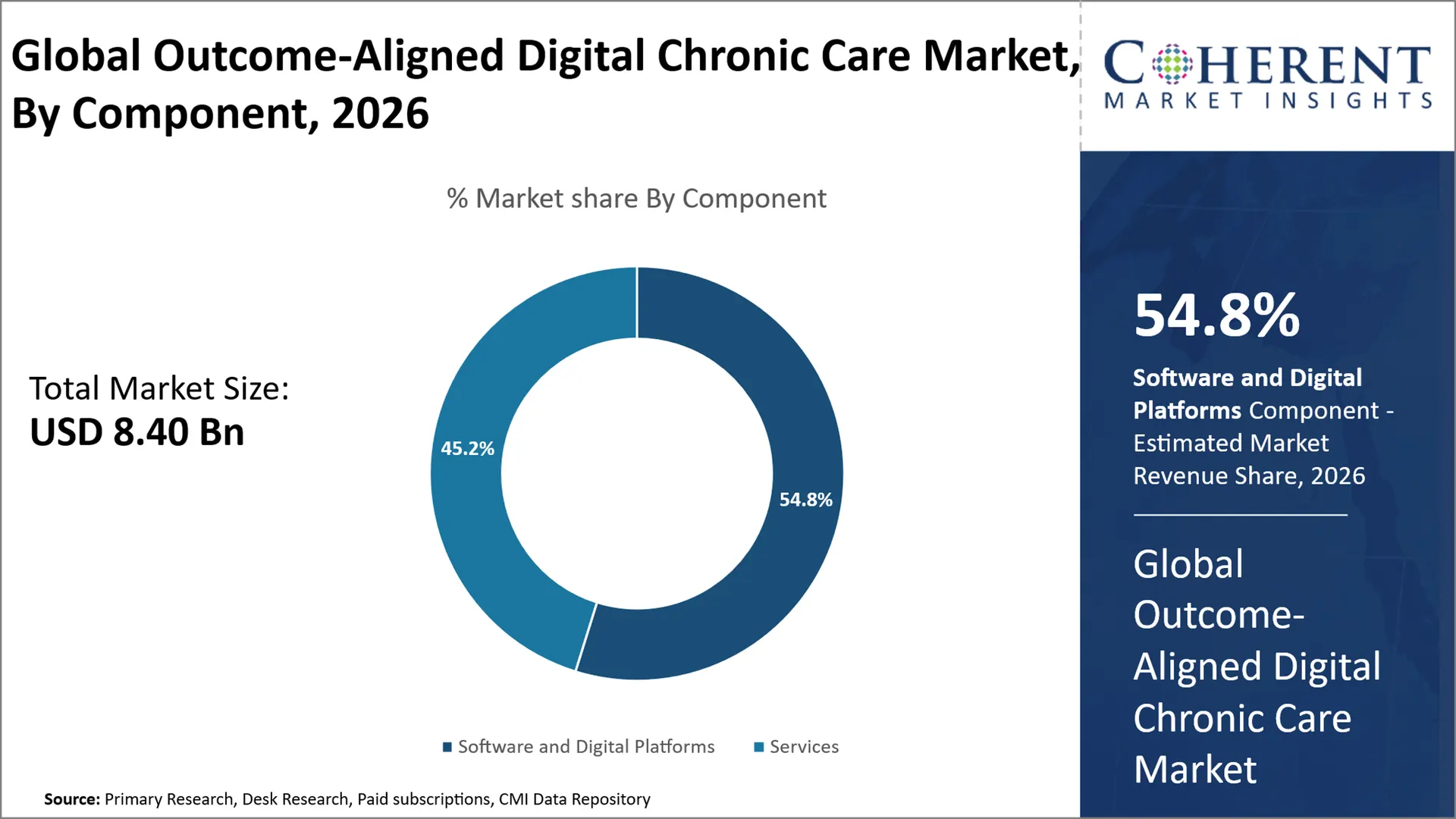
Why Do Software and Digital Platforms Dominate the Global Outcome-Aligned Digital Chronic Care Market?
Software and digital platforms are projected to hold the market share of 54.8% in 2026, by enabling tailored care plans, monitoring, and clinical decisions through data in real time. In addition, the implementation of AI analytics, electronic health records, and connected devices is expected to help improve patient outcomes through coordinated care. For instance, Singapore’s National Electronic Health Record (NEHR) allows clinicians to access patient's health information received across all care settings, thus allowing them to have a comprehensive view of the patient's health. (Source: Ministry of Health)
- Current Industry Events of 2026
- Market Size Estimation
- Regional Breakdown
- Competitive Landscape
- Customer Intelligence
- Segmental Analysis
- Pricing Analysis
- Key Market Drivers, Challenges & Future Trends
- Customized Insights Section
Why Does Remote Patient Monitoring Represent the Largest Care Delivery Mode Segment in the Outcome-Aligned Digital Chronic Care Market?
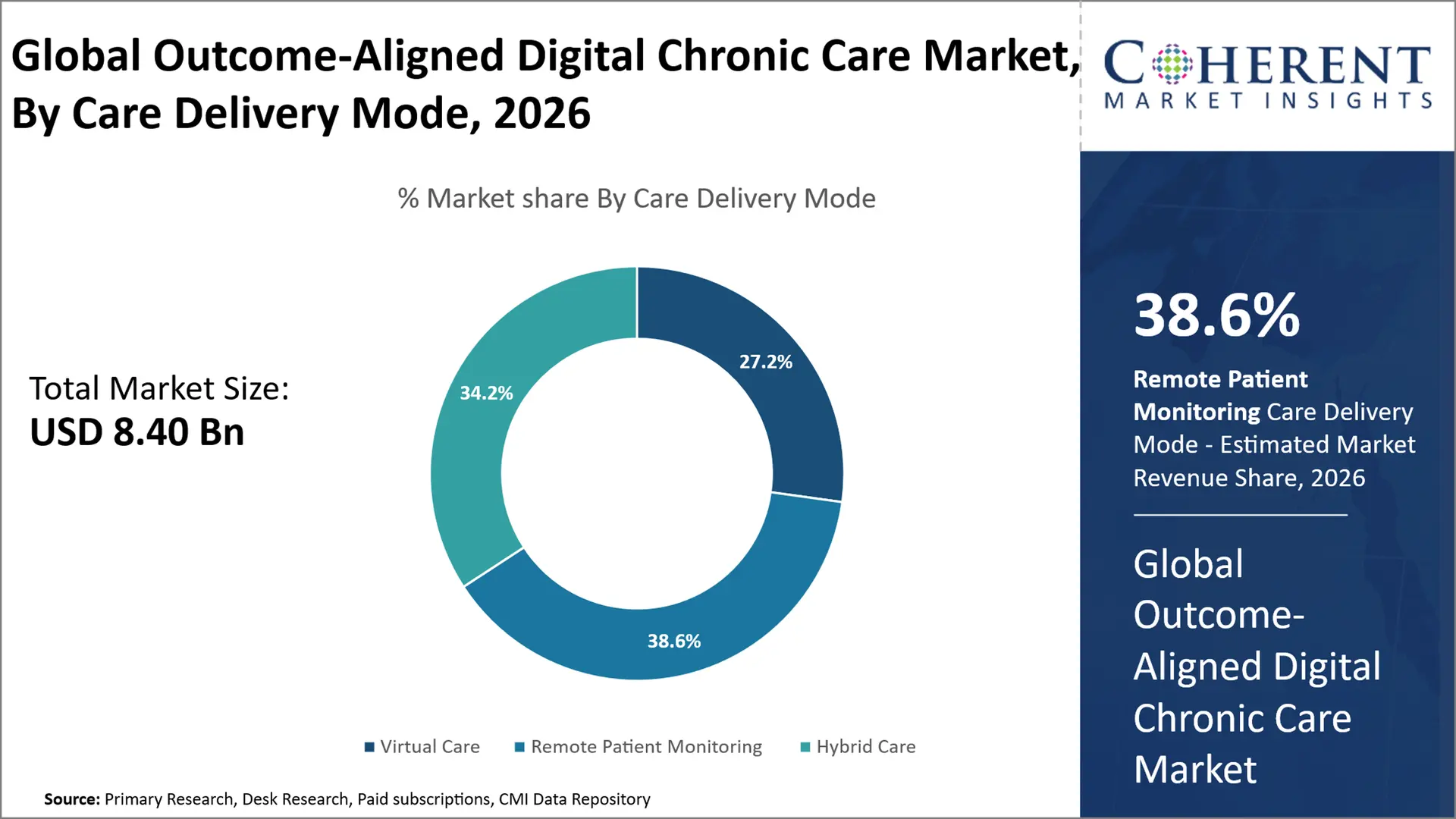
Remote patient monitoring is projected to hold a market share of 38.6% in 2026, as it allows remote monitoring of specific vital signs and disease-specific parameters, indicating that it enables more frequent intervention and customized changes in therapy. Furthermore, it can be integrated with connected devices and clinical systems, indicating care coordination and implies ongoing monitoring of outcomes. For instance, South Korea’s National Health Insurance Service (NHIS) operates a pilot program for remote monitoring of patients with diabetes and hypertension, supporting regular monitoring and self-management of chronic conditions. (Source: National Library of Medicine)
Cardiovascular and Metabolic Conditions Segment Dominates the Global Outcome-Aligned Digital Chronic Care Market
The cardiovascular and metabolic conditions segment is projected to hold a market share of 29.4% in 2026, owing to the high disease burden and the need for regular monitoring of various body parameters – such as blood pressure, blood sugar, and blood cholesterol. Digital platforms combine remote monitoring of physical parameters, medication adherence, and tailored lifestyle modifications, indicating they are improving the treatment and thereby reducing complications. For instance, Japan’s Ministry of Health, Labour and Welfare promotes specific health checkups and health guidance focused on metabolic syndrome risk factors, supporting early intervention and long-term management of metabolic conditions. (Source: Government of Japan)
Current Events and their Impact
Current Events | Description and its Impact |
Singapore Expands Technology-Enabled Home Monitoring Across Polyclinics (July 2026) |
|
Singapore Makes Headway with AI-Driven Chronic Disease Risk Prediction (March 2026) |
|
India Building Interoperable Digital Health Ecosystem (August 2025) |
|
Outcome-Aligned Digital Chronic Care Market Dynamics
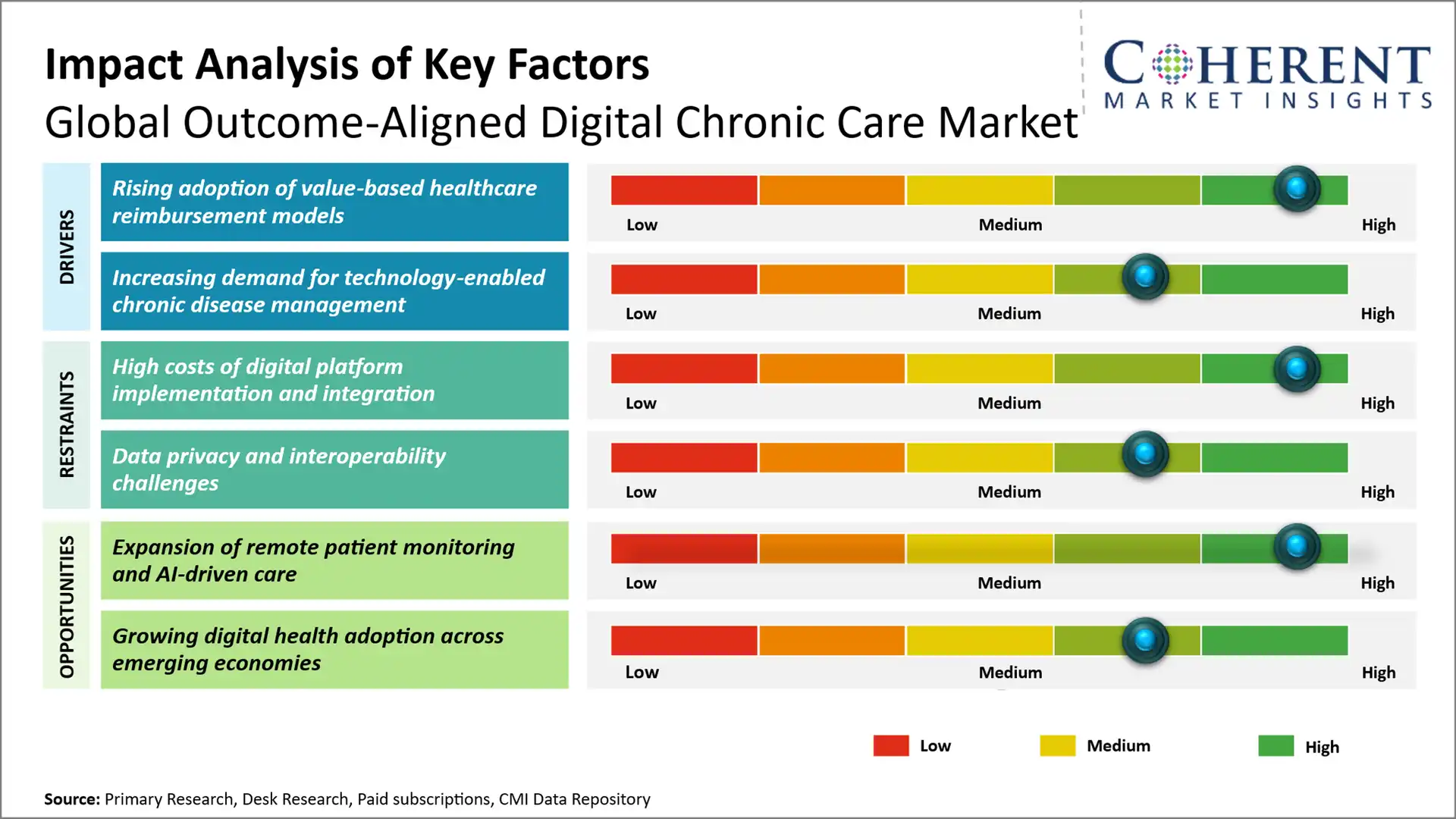
Market Drivers
- Rising adoption of value-based healthcare reimbursement models: As healthcare providers and digital health companies are increasingly adopting value-based healthcare reimbursement models, they are shifting their focus from volume of visits to outcomes, thereby driving the demand for outcome-oriented solutions in chronic care delivery. For instance, Australia’s 2025 Medicare chronic condition management reforms focus on care planning and review, systematic treatment plans to meet the needs of the patient for better coordination and continuity of care.
- Increasing demand for technology-enabled chronic disease management: The demand for technology-based chronic disease management is increasing adoption of digital platforms that allow ongoing surveillance, customized interventions, and integrated long-term care. These electronic instruments help care providers manage increasing numbers of patients, assess health risks and support clinical decision-making. For instance, New South Wales’ Remote Patient Monitoring Program supplies Bluetooth-enabled devices to monitor vital signs and relay information back to clinical teams. It allows early intervention for conditions including heart failure and chronic obstructive pulmonary disease.
- Growing prevalence of chronic diseases and demand for continuous care: As the number of chronic conditions continue to rise, the market is also witnessing heightened demand for digital solutions that enable long-term monitoring, support compliance and adherence and prompt clinical interventions. For instance, the Healthier SG framework in Singapore, emphasis on primary and preventive care, management of chronical conditions and the role of digital technology in strengthening the patient primary care relationship to enable a move to sustained and coordinated care.
Emerging Trends
- Artificial intelligence-guided personalization of chronic care: AI-based tools are already being used to track patient information, forecast severity, and personalize disease management strategies for chronic conditions. Using these tools in clinical workflows can lead to earlier intervention as well as improved personalized care.
- Expansion of remote patient monitoring: Connected sensors and wearable technology enable the round-the-clock collection of vital signs, medication adherence and disease markers away from the conventional healthcare setting. This feature enables early intervention and provides better understanding and tracking of patient results.
- Outcome-based reimbursement and digital care integration: The industry is starting to move away from measuring delivery of service to outcomes, especially for chronic care, and instead move toward outcomes-based compensation for the clinical value delivered. A combination of monitoring data from platforms, EHR data, and performance data from the care delivery teams can prove the value of care delivered.
Regional Insights
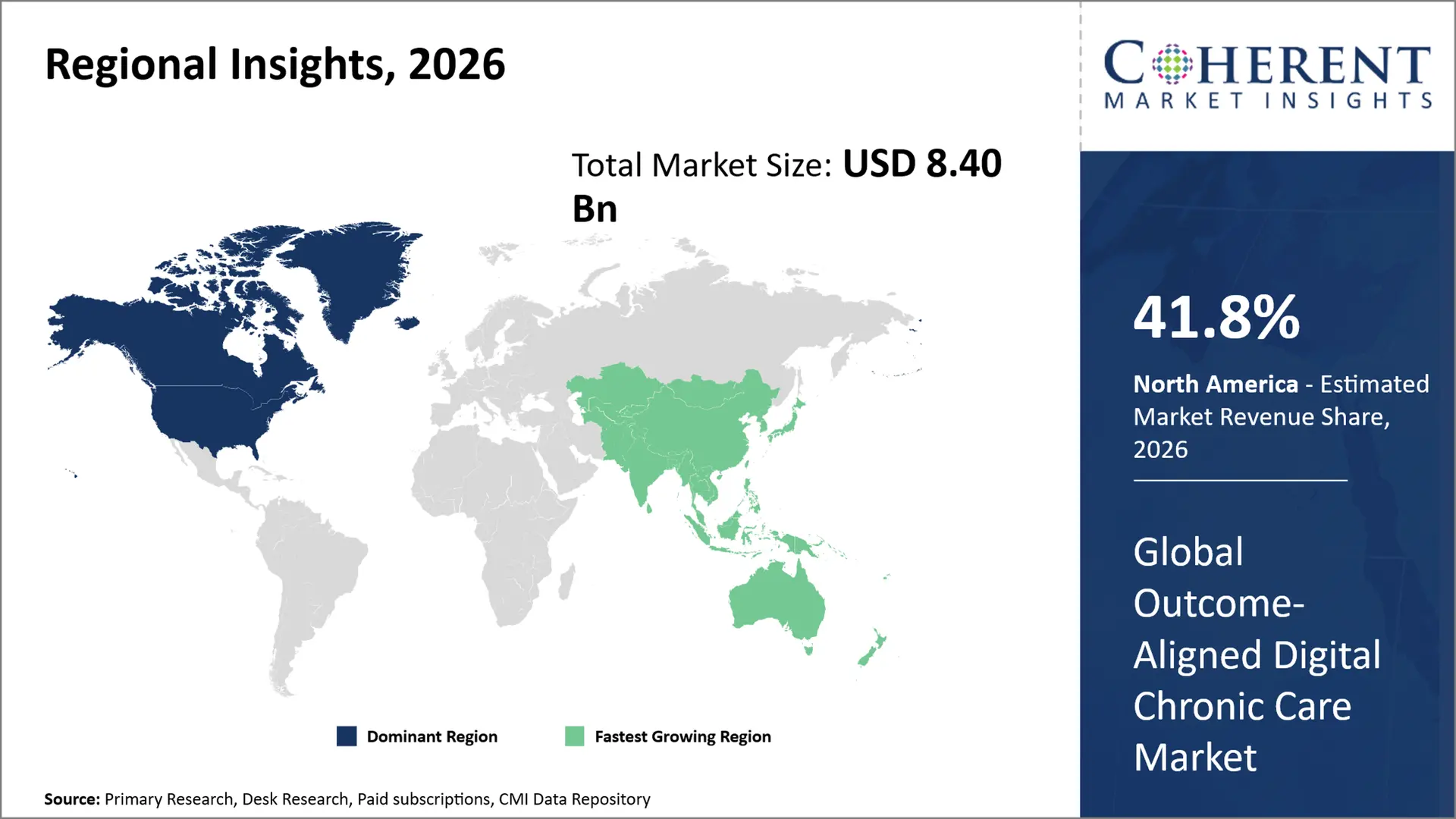
Why is North America a Strong Market for Outcome-Aligned Digital Chronic Care?
North America leads the global outcome-aligned digital chronic care market, accounting for an estimated 41.8% share in 2026, attributed to the advanced healthcare infrastructure, high digitization level in the healthcare sector, and established value-based care ecosystem. Significant government efforts and programs through U.S. CMS'S value-based care programs in the field of outcomes-aligned digital solutions for reduced costs, and improved chronic care management, are expected to carve way for various outcome-based solutions in the region.
For instance, the U.S. Department of Health and Human Services has advanced digital healthcare by launching Healthy People 2030, which includes goals to improve care for those with chronic disease, strengthen prevention efforts, and expand access to healthcare. In addition, tremendous cooperation and co-development among payers, technology developers and providers are driven towards integrated care delivery and measurable outcomes.
Why Does Asia Pacific Outcome-Aligned Digital Chronic Care Market Exhibit High Growth?
Asia Pacific is expected to exhibit the fastest growth in the global outcome-aligned digital chronic care market, registering an estimated CAGR of 16.4% during 2026–2033. The region is projected to account for 20.4% of the global market in 2026, driven by the increasing prevalence of chronic diseases, rapidly growing digital penetration and a higher burden for accessible and personalized care.
Smart health policies such as health infrastructure regulations, national digital health policies and the expanding adoption of telemedicine are a driver for the implementation of outcome-based chronic care programs across the region. For instance, the Ayushman Bharat Digital Mission (ABDM) in India promotes interoperability of health data and allows for greater connectivity between healthcare providers. It enables data-driven management of chronic diseases, and supports digitally enabled care. (Source: National Health Authority)
Global Outcome-Aligned Digital Chronic Care Market Outlook for Key Countries
Why is the U.S. Leading Innovation and Adoption in the Outcome-Aligned Digital Chronic Care Market?
Innovation and adoption will probably be led by the U.S., driven by the mature digital health ecosystem and a solid foundation of the value-based care infrastructure. The country may also leverage remote monitoring, AI powered analytics and personalized chronic disease management to produce outcomes. Its mature payer-provider networks and focus on measurable clinical outcomes could drive the scale-up of outcome-based digital care delivery models.
Is China a Favorable Market for Outcome-Aligned Digital Chronic Care Market?
China is a large untapped opportunity for the outcome aligned digital chronic care market. Large patient population, proliferating internet hospital ecosystem and China's digital driven primary care push provide an attractive market proposition. However, success will depend on whether the needs and challenges of the reimbursement and data governance ecosystems can be met.
Is Japan Emerging as a Key Growth Hub for the Outcome-Aligned Digital Chronic Care Market?
Japan is emerging as a major growth hub of outcome-aligned digital chronic care market primarily driven by its aging population, advanced healthcare system and rising adoption of remote patient monitoring and digital therapeutics. The landscape of outcome-aligned digital chronic care market presents significant potential in the domains of diabetes management, hypertension monitoring and home-based chronic care.
Why Does Germany Top the European Outcome-Aligned Digital Chronic Care Market?
Germany is poised to lead the European outcome-aligned digital chronic care market due to its mature reimbursement pathway for prescription digital health apps. The country's mature statutory health insurance coverage and values placed on evidence-based clinical outcomes has created strong pull for a DiGA pathway for chronic conditions such as diabetes, obesity and cardiovascular disorders.
Is Outcome-Aligned Digital Chronic Care Market Developing in UK?
The outcome-aligned digital chronic care market in the UK is progressing, as the National Health Service embraces remote monitoring, digital care pathways and digital management of long-term conditions. The greatest opportunities are likely to be seen in the fields of cardiovascular disease, diabetes and respiratory care, where digital care pathways can help lead to early intervention, reduce avoidable hospital visits and improve patient outcomes.
Global Burden of Major Chronic Diseases and Implications for Digital Chronic Care
Chronic disease category | Global health burden | Relevance to outcome-aligned digital chronic care |
Cardiovascular diseases | Approximately 19 million deaths in 2021 | Remote blood pressure monitoring, risk alerts, and prevention of avoidable complications |
Chronic respiratory diseases | Approximately 4 million deaths in 2021 | Remote symptom monitoring, oxygen monitoring, and the management of exacerbations |
Diabetes | In 2021, more than 2 million people died due to kidney disease associated with diabetes | Glucose monitoring, medication compliance, and individual lifestyle approaches |
Hypertension | Only around 21% of adults with hypertension have it under control | Connected blood pressure measurements, ongoing clinical management, and medication adherence assistance |
How is the expansion of remote patient monitoring and AI-driven care creating new growth opportunities in the outcome-aligned digital chronic care market?
The global outcome-aligned digital chronic care market is expected to witness higher growth owing to rising implementation of remote monitoring and artificial intelligence enabled care solutions. These solutions facilitate personalized and proactive management of diabetes, heart disease, and respiratory diseases, and facilitate the capture of real-time health data and predictive analytics. For instance, in Singapore, more than 90 percent of patients with hypertension participating in the Primary Tech-Enhanced Care programme were able to achieve and sustain healthy blood pressure levels during a 12-month period, demonstrating the potential of digitally supported chronic care.
Market Players, Key Development, and Competitive Landscape
Key Developments
- On October 22, 2026, Redesign Health and ARC Global announced the signing of a definitive merger agreement and a planned acquisition of AVIA, subject to final approvals, in order to accelerate healthcare innovation and digital transformation. The new organization aims to link more than 100 health systems across five continents to build, validate, and scale artificial intelligence-powered solutions to accelerate care.
- In September 2026, the Peterson Health Technology Institute (PHTI) found that 68 percent of surveyed employers and 55 percent of health plans use performance-based contracts for digital health solutions, according to the report. The survey highlights the rising need for measurable clinical and financial results – and the potential for outcome-aligned digital chronic care solutions amid challenges of independent verification of vendor-reported results.
Competitive Landscape
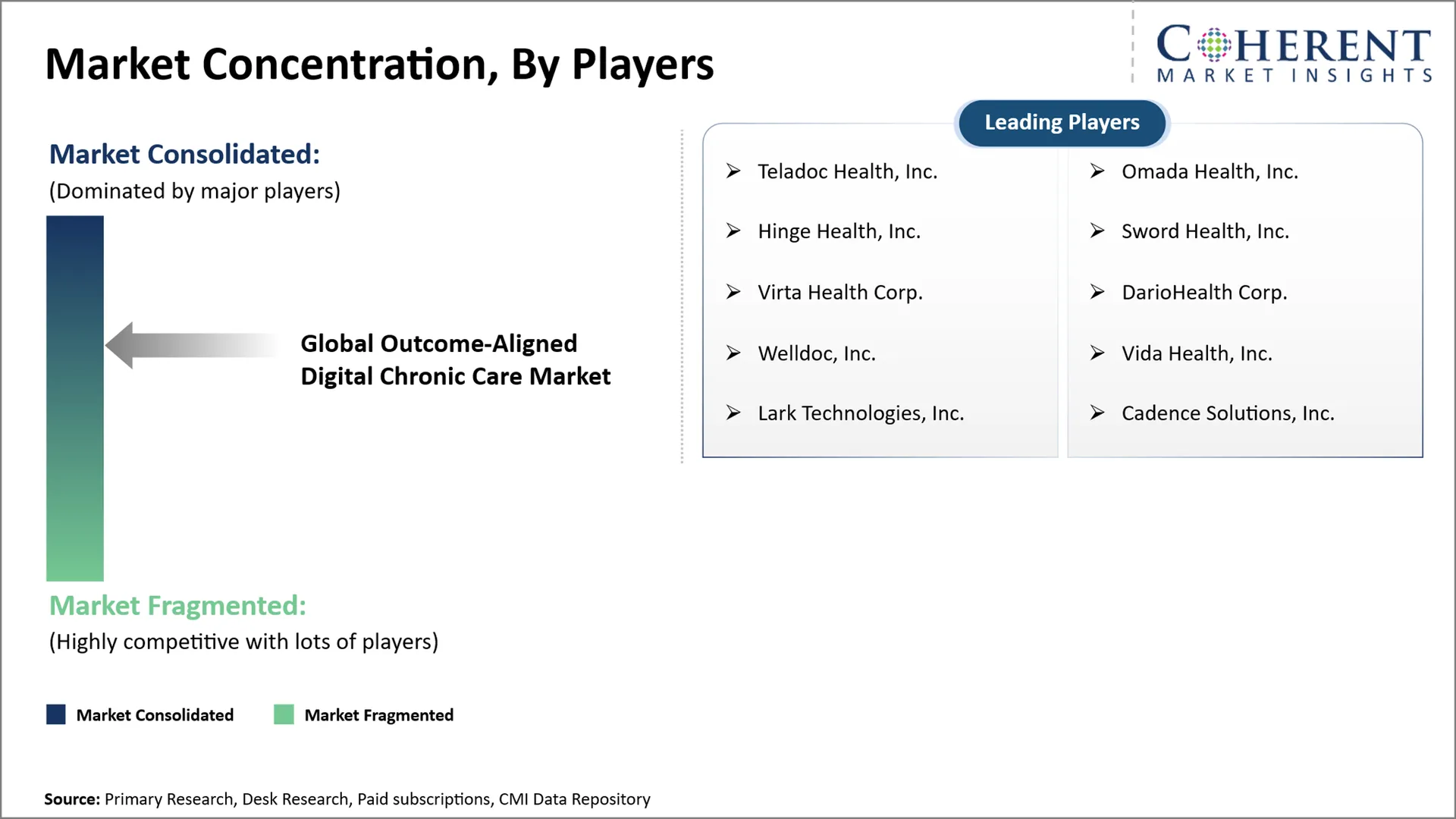
The global outcome-aligned digital chronic care market is highly competitive, with digital health platforms and specialized chronic care providers competing to be superior in clinical outcomes, patient engagement, personalized care delivery and cost. Key focus areas include:
- Remote monitoring of patients with chronic diseases.
- Creation of tailored care plans and interventions derived from risk.
- Medication adherence, Patient engagement, Self-management.
- Results assessment and performance-based rewards.
- Integration with electronic health records and healthcare system.
- Artificial intelligence-powered analytics and continuous care optimization.
- Outcome and real-world clinical and financial result contracting.
Market Report Scope
Outcome-Aligned Digital Chronic Care Market Report Coverage | |||
Report Coverage | Details | ||
Base Year | 2025 | Market Size in 2026: | USD 8.40 Bn |
Historical Data For: | 2020 To 2024 | Forecast Period: | 2026 To 2033 |
Forecast Period 2026 To 2033 CAGR: | 13.7% | 2033 Value Projection: | USD 20.60 Bn |
Geographies covered: |
| ||
Segments covered: |
| ||
Companies covered: | Teladoc Health, Inc., Omada Health, Inc., Hinge Health, Inc., Sword Health, Inc., Virta Health Corp., DarioHealth Corp., Welldoc, Inc., Vida Health, Inc., Lark Technologies, Inc., Cadence Solutions, Inc. | ||
Growth Drivers: |
| ||
Restraints & Challenges: |
| ||
Analyst Opinion (Expert Opinion)
- The global outcome-aligned digital chronic care market will shift from disjointed digital services to more cohesive outcome-based chronic care solutions. Remote patient monitoring, artificial intelligence-based risk prediction and personalization pathways will be adopted for supporting chronic disease management services over the long term. Need for value-based reimbursement will also drive the demand for solutions that show cost benefit and clinical outcome improvements.
- Leading opportunities are forecasted to be in artificial intelligence-enabled remote patient monitoring for diabetes and CVD management in India and the US. These markets can help address the chronic disease burden through enabling ongoing surveillance, personalized treatment delivery and better access to care. The ability of providers to tailor these solutions to specific reimbursement scenarios and the countries' healthcare infrastructure will determine their success.
- Market players need to focus on platforms that clinicians recognize as effective, that integrate remote monitoring, care delivery, personalized care management, and outcome measurement in a single platform. Furthermore, they must connect the platform with electronic health records and provider systems to keep costs down and providers engaged.
Speak to the analyst
Want personalized insights?
Take the findings above to one of our principal consultants, or have the report rebuilt around the segments, geographies and competitors you actually track.
Market Segmentation
- Component Insights (Revenue, USD Bn, 2021 - 2033)
- Software and Digital Platforms
- Services
- Care Delivery Mode Insights (Revenue, USD Bn, 2021 - 2033)
- Virtual Care
- Remote Patient Monitoring
- Hybrid Care
- Chronic Condition Insights (Revenue, USD Bn, 2021 - 2033)
- Cardiovascular and Metabolic Conditions
- Diabetes and Chronic Kidney Disease
- Chronic Musculoskeletal Conditions
- Behavioral Health Conditions
- Others
- Functionality Insights (Revenue, USD Bn, 2021 - 2033)
- Remote Monitoring and Clinical Tracking
- Personalized Care Management
- Medication Management and Adherence
- Patient Engagement and Coaching
- Outcome Measurement and Reporting
- End User Insights (Revenue, USD Bn, 2021 - 2033)
- Healthcare Providers and Health Systems
- Digital Health Companies
- Health Insurance Providers and Payers
- Employers and Employer-Sponsored Health Programs
- Others
- Regional Insights (Revenue, USD Bn, 2021 - 2033)
- North America
- U.S.
- Canada
- Latin America
- Brazil
- Argentina
- Mexico
- Rest of Latin America
- Europe
- Germany
- U.K.
- Spain
- France
- Italy
- Russia
- Rest of Europe
- Asia Pacific
- China
- India
- Japan
- Australia
- South Korea
- ASEAN
- Rest of Asia Pacific
- Middle East
- GCC Countries
- Israel
- Rest of Middle East
- Africa
- South Africa
- North Africa
- Central Africa
- North America
- Key Players Insights
- Teladoc Health, Inc.
- Omada Health, Inc.
- Hinge Health, Inc.
- Sword Health, Inc.
- Virta Health Corp.
- DarioHealth Corp.
- Welldoc, Inc.
- Vida Health, Inc.
- Lark Technologies, Inc.
- Cadence Solutions, Inc.
Sources
Primary Research Interviews
- Digital health and remote patient monitoring specialists
- Value-based healthcare and reimbursement specialists
- Chronic disease management and clinical care experts
- Healthcare technology and digital therapeutics executives
Stakeholders
- Digital health platform developers and chronic care solution providers
- Remote patient monitoring device and wearable technology manufacturers
- Healthcare providers, hospitals, and integrated health systems
- Health insurance companies, payers, and employer-sponsored health programs
- Pharmaceutical companies and chronic disease management organizations
- Patients, caregivers, and patient advocacy organizations
- End-use Sectors
- Healthcare Providers and Health Systems
- Health Insurance Providers and Payers
- Digital Health Companies
- Employers and Employer-Sponsored Health Programs
- Pharmaceutical and Chronic Disease Management Organizations
- Government Healthcare Programs and Public Health Organizations
- Regulatory & Health Bodies
- U.S. Centers for Medicare & Medicaid Services (CMS)
- U.S. Food and Drug Administration (FDA)
- U.S. Department of Health and Human Services (HHS)
- European Commission
- World Health Organization (WHO)
Databases
- ClinicalTrials.gov
- Centers for Disease Control and Prevention (CDC) Chronic Disease Data
- CMS Medicare and Medicaid Data
- WHO Global Health Observatory
- OECD Health Statistics
- India’s Ayushman Bharat Digital Mission (ABDM) Dashboard
Associations
- American Telemedicine Association (ATA)
- Healthcare Information and Management Systems Society (HIMSS)
- Connected Health Initiative (CHI)
- National Association of ACOs (NAACOS)
- Alliance for Connected Care
Public Domain Sources
- U.S. Centers for Disease Control and Prevention (CDC)
- U.S. Centers for Medicare & Medicaid Services (CMS)
- U.S. Department of Health and Human Services (HHS)
- European Commission
- National Health Service (NHS), United Kingdom
- World Health Organization (WHO)
- Organisation for Economic Co-operation and Development (OECD)
- Ministry of Health and Family Welfare, Government of India
- Press Information Bureau (PIB), Government of India
Proprietary Elements
- CMI Data Analytics Tool, Proprietary CMI Existing Repository of information for last 10 years.
Get access to 250+ pages report
Every segment, forecast, competitor profile and data table behind the analysis above — available for instant download.
- ESOMAR Member
- ISO 9001:2015 Certified
- D-U-N-S Registered
- GDPR & CCPA Compliant
Frequently Asked Questions
The global outcome-aligned digital chronic care market is estimated to be valued at USD 8.40 Bn in 2026 and is expected to reach USD 20.60 Bn by 2033.
Software and digital platforms lead because of their flexibility to embed remote patient monitoring, personalized care management, patient engagement and tracking of clinical outcomes.
Outcome-based digital chronic care uses digital technologies to deliver the management of chronic conditions and links the delivery of care performance and, where applicable, reimbursement to patient outcomes that can be measured.
The CAGR of global outcome-aligned digital chronic care market is projected to be 13.7% from 2026 to 2033.
Rising adoption of value-based healthcare reimbursement models, and increasing demand for technology-enabled chronic disease management are the major factors driving the growth of the global Outcome-Aligned Digital Chronic Care market.
High costs of digital platform implementation and integration, and data privacy and interoperability challenges are the key factors hampering the growth of the global Outcome-Aligned Digital Chronic Care market.
In terms of chronic condition, cardiovascular and metabolic conditions are estimated to dominate the market revenue share in 2026.