

Global Personalized Cancer Vaccine Market Size and Forecast – 2026 To 2033
The global personalized cancer vaccine market is expected to grow from USD 1,460.0 Mn in 2026 to USD 8,950.0 Mn by 2033, registering a compound annual growth rate (CAGR) of 29.5% from 2026 to 2033. The global market for personalized cancer vaccine is projected to witness significant growth during the forecast period attributed to the rising global cancer burden as well as rising requirement for targeted therapies.
As per the World Health Organization (WHO), almost 20.6 million new cancer cases were registered globally in 2024 and this number is expected to escalate to 35 million cases per year by the year 2050. The increasing disease burden is increasing the demand for new immunotherapy approaches, such as tailored vaccines which are developed to target unique tumor-specific antigens.
Key Takeaways of the Global Personalized Cancer Vaccine Market
- Neoantigen-based personalized cancer vaccines are projected to hold 46.8% of the global personalized cancer vaccine market share in 2026, making it dominant vaccine type segment. North America, especially the U.S. is taking an advantage of investing large amount in neoantigen research and cancer vaccines, which would lead to the market growth, In May 2026, the U.S. National Cancer Institute granted USD 659,570 to the University of Georgia Research Foundation for research on an optimized public neoantigen-based cancer prevention.
- Melanoma is projected to hold 28.6% of the global personalized cancer vaccine market share in 2026, making it dominant cancer type segment. Europe, in particular the UK is witnessing strong momentum on publicly funded initiatives related to personalized cancer vaccines. In July 2026, the UK Medical Research Council commenced a trial injection of an individualized therapeutic cancer vaccine to a patient in the UK with lung cancer. This occurred as part of an early-stage clinical trial, and demonstrates the progression of research in personalized vaccines being made in a number of different cancers.
- mRNA-based technology is projected to hold 38.6% of the global personalized cancer vaccine market share in 2026, making it dominant technology segment. Asia Pacific especially China is witnessing great opportunities for growth in clinical research activities associated with personalized mRNA cancer vaccines. For example, Sir Run Shaw Hospital in Zhejiang launched a phase I clinical trial on a personalized tumor neoantigen mRNA vaccine in August 2026 to target 6 types of digestive system cancers.
- North America market maintains dominance with an expected share of 40.8% in 2026, owing to the presence of huge biotech ecosystem and more advanced research infrastructure of oncological diseases as well as high funding for neoantigen immunotherapy. In June 2026, the US National Cancer Institute provided funding of USD 696,924 to MD Anderson Cancer Center to explore immune responses to neoantigen vaccination in patients with Lynch syndrome.
- Asia Pacific is expected to exhibit the fastest growth in the global personalized cancer vaccine market, registering an estimated CAGR of 39.2% during 2026–2033, attributed to rising number of clinical research and number of investments related to precision oncology in the region. In August 2026, clinical research registry of Japan provided information regarding the exploratory clinical trial of a neoantigen peptide-loaded dendritic cell vaccine administered in patients with a malignant tumor, giving an insight into regional growth of personalized treatments for cancer immunotherapies.
Segmental Insights
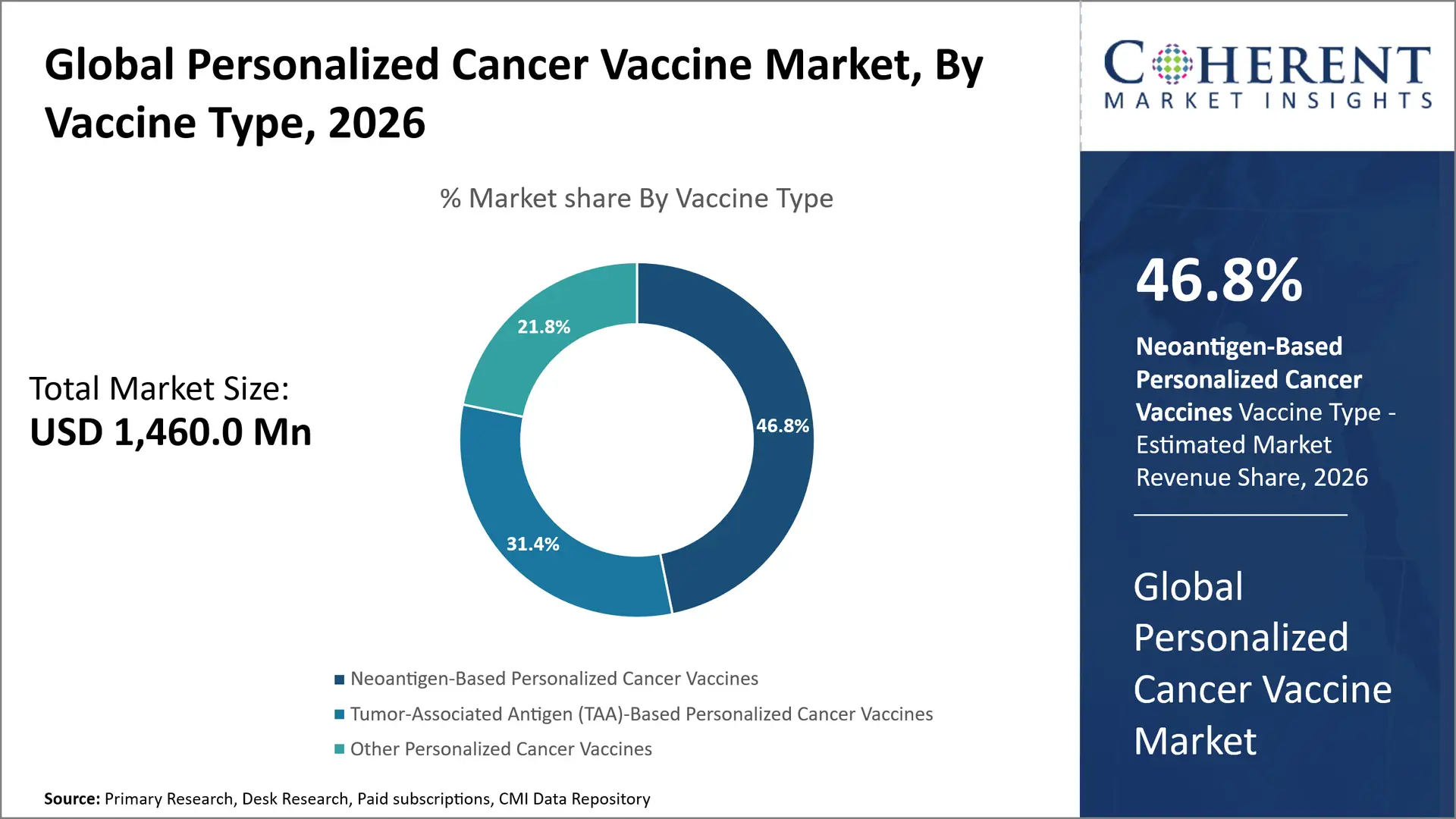
Why Do Neoantigen-Based Personalized Cancer Vaccines Dominate the Global Personalized Cancer Vaccine Market?
Neoantigen-based personalized cancer vaccines are projected to hold the market share of 46.8% in 2026, driven by their ability to focus on tumor mutations that are specific to a patient and generate an immune response that is specific to the tumor. Moreover, next-generation genome sequencing and bioinformatics allow customization of vaccines, while the combination approaches with checkpoint inhibitors are expanding their therapeutic potential. For instance, Geneos Therapeutics is running a Phase II clinical trial, IMPACT31 (NCT07722741), to evaluate its personalized neoantigen DNA vaccine GNOS-PV02 in combination with plasmid-encoded IL-12 (INO-9012) versus active surveillance in patients with high-risk hepatocellular carcinoma (HCC). (Source: ClinicalTrials.gov)
- Current Industry Events of 2026
- Market Size Estimation
- Regional Breakdown
- Competitive Landscape
- Customer Intelligence
- Segmental Analysis
- Pricing Analysis
- Key Market Drivers, Challenges & Future Trends
- Customized Insights Section
Why Do Melanoma Represent the Largest Cancer Type Segment in the Personalized Cancer Vaccine Market?
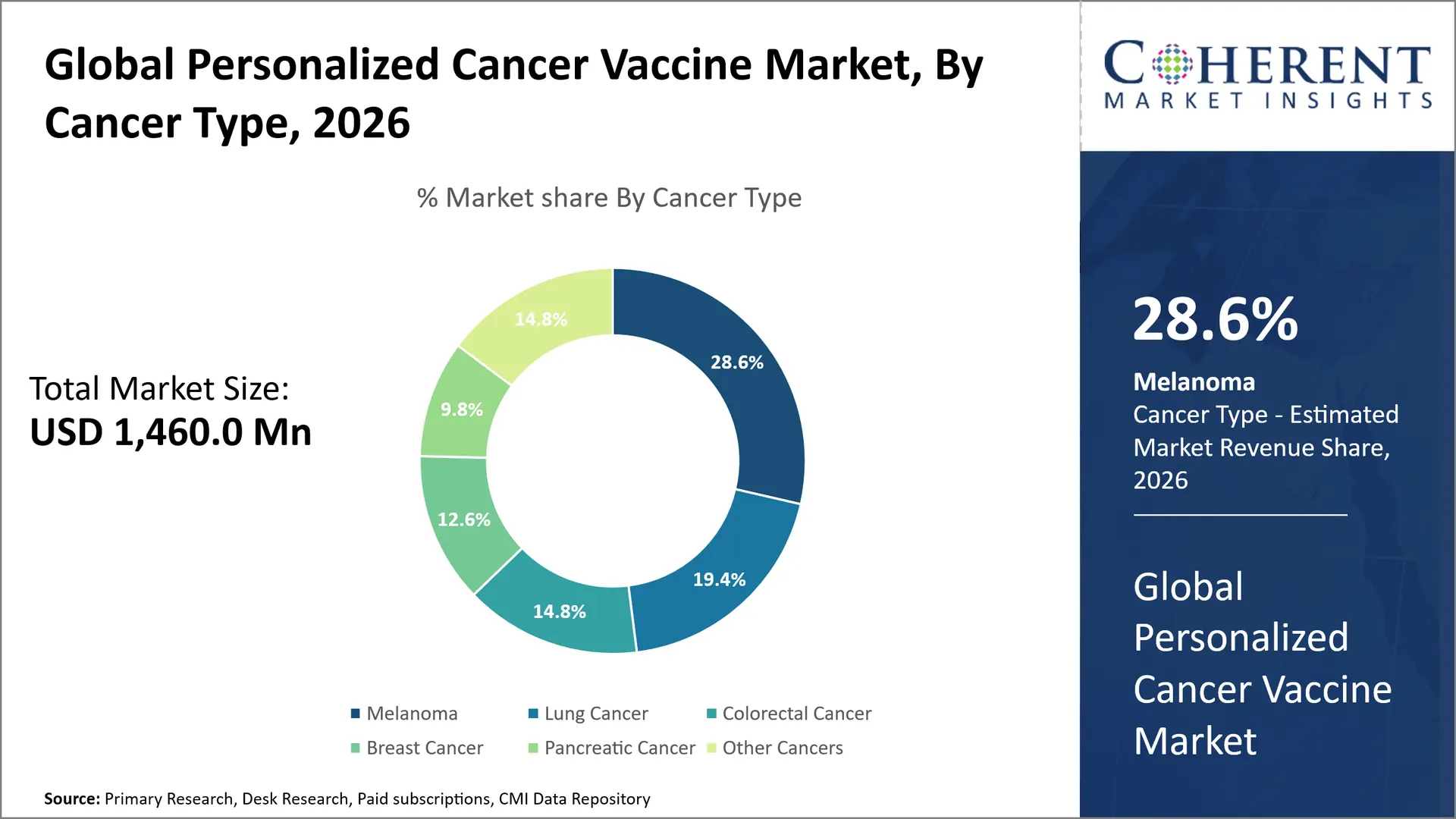
Melanoma is projected to hold a market share of 28.6% in 2026, due to the high tumor mutational burden, tumor immunogenicity, and the application of the cancer type for neoantigen therapies. Its proven relevance for immunotherapy research continues to attract clinical interest. For instance, Data from the Phase III INTerpath-001 study presented at the European Society for Medical Oncology (ESMO) Congress in October 2026 showed that Moderna and Merck’s personalized mRNA vaccine intismeran autogene, in combination with pembrolizumab, reduced the risk of melanoma recurrence or death by 42% versus pembrolizumab alone.
mRNA-Based Technology Segment Dominates the Global Personalized Cancer Vaccine Market
The mRNA-based technology segment is projected to hold a market share of 38.6% in 2026, due to their swift design, encoded multiple patient-specific neoantigens and their ability to elicit a specific T-cell response. Additionally, new developments in lipid nanoparticle delivery could be beneficial for its progression in the clinic. For instance, in July 2026, a study published by the ScienceDirect, tested Nano Ready, a polymer-lipid hybrid nanoparticle platform designed to improve the delivery of mRNA into dendritic cells and ease out the formulation of personalized cancer vaccines. The findings showed that Nano Ready induced about six times stronger antigen-specific T-cell response than conventional lipoplex formulations using mouse in vivo model. It also robustly inhibits the tumor growth and prolongs the life of test animals.
Current Events and their Impact
Current Events | Description and its Impact |
NHS England Scales Up Cancer Vaccine Launch Pad to Expand Access to Personalized Vaccine Research (May 2026) |
|
UK MHRA Advances Regulatory Guidance for Individualized mRNA Cancer Immunotherapies (February 2026) |
|
Personalized Cancer Vaccine Market Dynamics
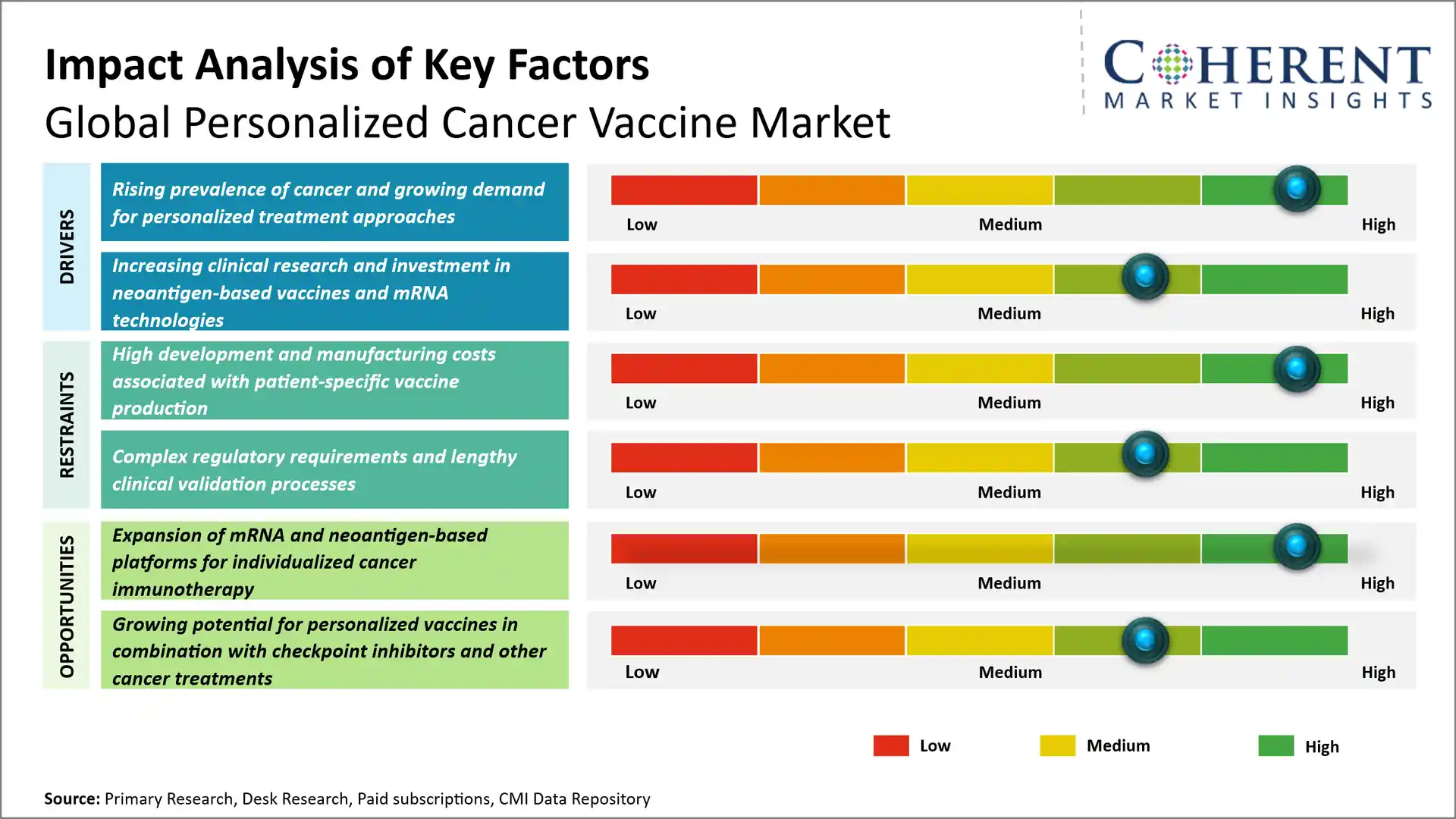 Market Drivers
- Rising prevalence of cancer and growing demand for personalized treatment approaches: The increasing incidence of cancer is fueling the demand for advanced cancer therapies such as a personalized cancer vaccine and targeted treatment. As per National Cancer Registry Programme by Indian Council of Medical Research, the number of cancer cases increased from 1.39 million to 1.57 million, for the year 2020 to 2025 respectively.
- Increasing clinical research and investment in neoantigen-based vaccines and mRNA technologies: Increasing investments in clinical research are enabling development of personalized neoantigen vaccines and mRNA platforms for multiple cancers. In October 2026, researchers published data for a Phase I trial in Nature Medicine for Neo Vax a personalized neoantigen-targeting peptide vaccine used in high grade epithelial ovarian cancer patients. The trial results indicated promising immune responses and tolerable safety.
- Advancement of genomic sequencing and precision oncology: The rising use of genomic sequencing and molecular profiling techniques has enabled to identify tumor-specific mutations and the researchers to create targeted and more personalized cancer therapies. In February 2026, the Indian Institute of Technology Madras has launched the Bharat Cancer Genome Atlas 2 (BCG2) which is a genomic database of pediatric leukemia, pancreatic cancer, and colorectal cancer that will further help in identifying the mutations and facilitate the research of personalized cancer treatments. It will augment the genomic research base for both neoantigen discovery and the formulation of personalized cancer vaccines.
Emerging Trends
- Integration of artificial intelligence in neoantigen identification: Bioinformatics platforms and algorithms that leverage artificial intelligence (AI) are routinely used to interpret the genomic information found in tumor tissues, and to forecast immunogenic neoantigens in supporting the design of personalized vaccines.
- Impact: The use of this technology has provided more accurate predictions of antigens along with faster vaccine design, which can lower development time and lead to more individualized patient solutions.
- Market Relevance: Alongside, this trend is simultaneously fueling the demand for AI-powered platform for genomic analysis, sequencing, and personalized vaccine development.
- Advancement of combination therapies with immune checkpoint inhibitors: Personalized cancer vaccines are currently being tested in combination with immune checkpoint blockade for synergistic effects in boosting tumor specific T-cell responses and in overcoming immune suppression.
- Impact: Combination strategies could enhance the efficacy of treatment, minimize recurrence and broaden the ability of personalized vaccines to be used.
- Market Relevance: This trend is opening doors for vaccine developers to expand clinical pipelines and also develop combined immunotherapy treatment options.
Regional Insights
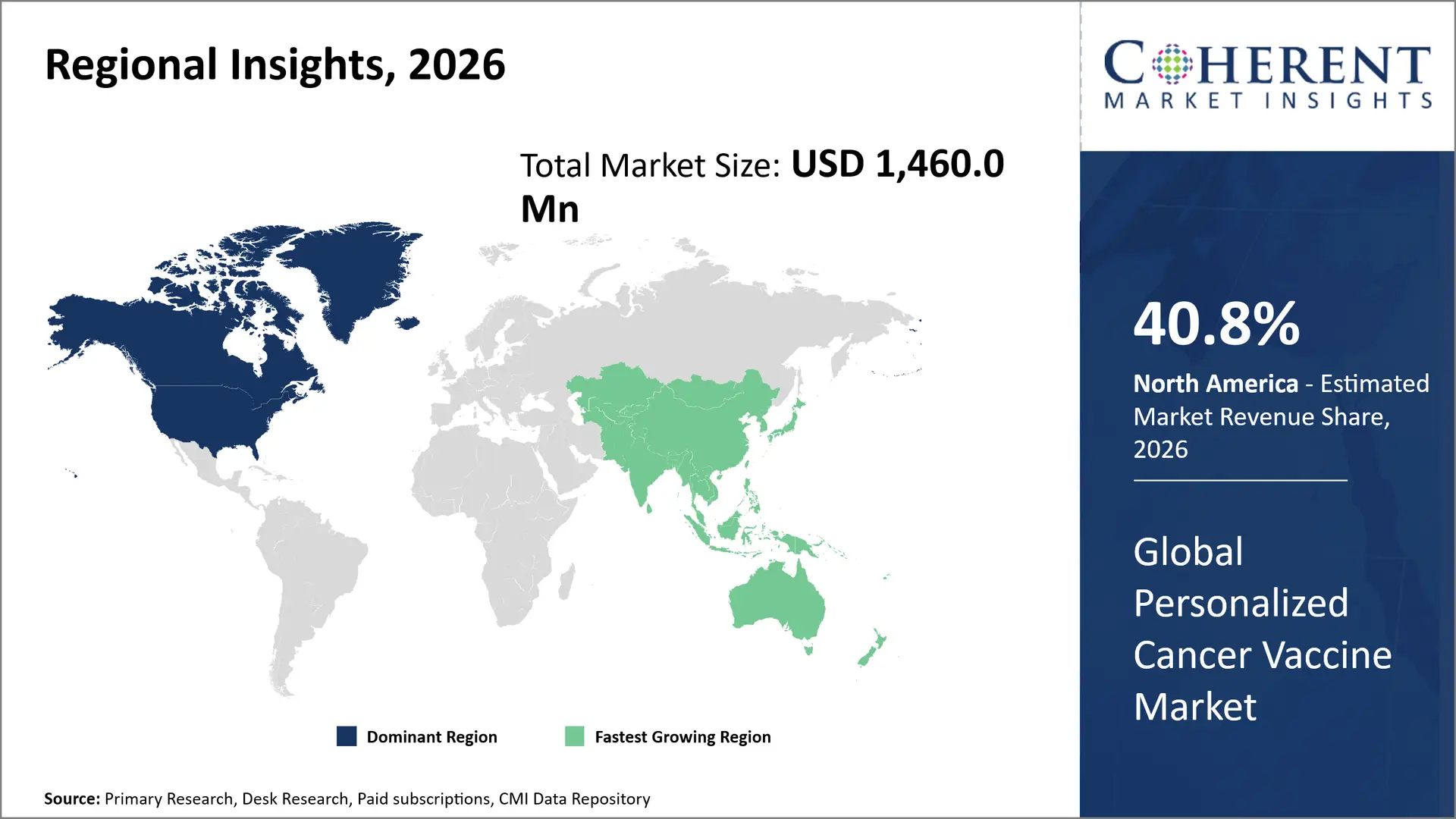
Why is North America a Strong Market for Personalized Cancer Vaccine?
North America leads the global personalized cancer vaccine market, accounting for an estimated 40.8% share in 2026, facilitated by the well-established healthcare system, high biotech and pharmaceutical R&D expenditure, and a highly conducive regulatory landscape, which enable a favorable environment for the innovation and adoption of novel cancer immunotherapy solutions.
For instance, in August 2026, the U.S. National Cancer Institute (NCI) announced its support for research in a tumor-derived cell-membrane coated nano vaccine (TCC-NV), a personalized neoantigen immunotherapy designed to optimize the efficacy of treatment for triple-negative breast cancer. The research had the goal of activating antigen-presenting cells and strengthening tumor-specific T-cell responses to accelerate innovation in personalized cancer vaccines. (Source: U.S. Department of Health & Human Services) Additionally, strong collaborative frameworks between the cancer research institutes and biotech firms and deep-rooted skill set related to genomic profiling, neoantigen discovery, and production of personalized vaccine further strengthens the North American market.
Why Does Asia Pacific Personalized Cancer Vaccine Market Exhibit High Growth?
Asia Pacific is expected to exhibit the fastest growth in the global personalized cancer vaccine market, registering an estimated CAGR of 39.2% during 2026–2033. The region is projected to account for 23.6% of the global market in 2026, owing to the growing prevalence of cancer, rising research activities in the field of precision oncology, and increasing investment in advanced biotech sectors in the countries such as China, Japan, South Korea, and India.
Additionally, growing government support for clinical research and domestic vaccine development, and ensuring faster approvals and reimbursement pathways is strengthening the regional capacity. For instance, in February 2026, the government of India highlighted the DIAMOnDS Scheme involving DHR (Department of Health research) under its scheme for providing cutting-edge molecular oncology diagnostic services by 25 centers for biomarker-driven precision therapies for lung and breast cancer patients. It also strengthens indigenous research and translation of patient-focused and targeted therapies and contributes to the development ecosystem of personalized cancer vaccines. (Source: Press Information Bureau)
Global Personalized Cancer Vaccine Market Outlook for Key Countries
Why is the U.S. Leading Innovation and Adoption in the Personalized Cancer Vaccine Market?
The U.S. is the market leader in innovation and commercialization, driven by the presence of a strong cluster of specialized cancer research centers, biotech developers and academic medical centers working on personalized neoantigen approaches. The U.S.'s climate for development of the clinical ecosystem in mRNA, peptide and DNA vaccine platforms enable translational research to be combined with integrated tumor sequencing and bioinformatics and manufacturing of patient-specific vaccines. Established oncology trial networks and alliances between cancer centers and biotech companies enable faster clinical translation.
Is Japan a Favorable Market for Personalized Cancer Vaccine Market?
Japan is an ideal country for personalized cancer vaccine driven by its experience in the discovery of neoantigens, peptide-based vaccines, and personalized immunotherapy. The experience of the country in tumor-specific antigen profiling and T-cell activation may further contribute to personalized vaccines development in the future. Therefore, Japan is primed to develop neoantigen-based as well as dendritic cell-based cancer vaccines.
Is China Emerging as a Key Growth Hub for the Personalized Cancer Vaccine Market?
China is rapidly turning into a lucrative growth market for personalized cancer vaccine owing to an expanding clinical pipeline in neoantigen based mRNA and dendritic cell vaccines. Peer-reviewed studies from domestic researchers are increasingly focused on creating specific vaccines for pancreatic, liver, lung and other solid tumours. China's deepening manufacturing capacity for novel tumour sequencing, neural network based neoantigen prediction and customized vaccines is positioning the country to become a key growth market in Asia Pacific.
Why Does Germany Top the European Personalized Cancer Vaccine Market?
Germany emerges as a major market for European personalized cancer vaccine market owing to its dense landscape of specialized immuno-oncology research institutes and a significant number of mRNA technology companies. Germany's rich scientific ecosystem comprising prominent and emerging mRNA players such as BioNTech and Cure Vac, along with leading cancer research institutions such as the German Cancer Research Center (DKFZ), enables the high pace of innovation in designing personalized neoantigen vaccine, advanced antigen prediction using computational methods, and mRNA delivery platform design. In addition, Germany’s existing GMP manufacturing infrastructure and clinical research networks support the translation of personalized cancer vaccine candidate products into clinical development.
Is Personalized Cancer Vaccine Market Developing in UK?
The UK market for Personalized Cancer Vaccine is emerging, owing to the National Health Service Cancer Vaccine Launch Pad (CVLP), which enables appropriate cancer patients to be linked with clinical trials that include personalized mRNA vaccines and other immunotherapies. In addition, the market in the country is also driven by research on individualized DNA based vaccines with publicly funded clinical research underway at the University of Liverpool and Clatterbridge Cancer Centre. Ultimately the market is driven by the shift towards genomic profiling, patient recruitment and clinical translation.
Clinical Development Pipeline of Personalized Cancer Vaccines (2026)
Vaccine candidate | Technology/platform | Cancer indication | Developer/ sponsor | Clinical phase | Trial status | Clinical trial ID |
Intismeran autogene (mRNA-4157) | mRNA | Melanoma, NSCLC | Moderna / Merck | Phase III | Ongoing | NCT05933577 / NCT06077760 |
Autogene cevumeran (BNT122) | mRNA | Pancreatic cancer | BioNTech / Genentech | Phase II | Ongoing | NCT05968326 |
GNOS-PV02 | Personalized DNA | Hepatocellular carcinoma | Geneos Therapeutics | Phase I/II | Active, not recruiting | NCT04251117 |
EVX-01 | Personalized peptide | Melanoma | Evaxion Biotech | Phase II | Completed | NCT05309421 |
How is the expansion of mRNA and neoantigen-based platforms for individualized cancer immunotherapy creating new growth opportunities in the personalized cancer vaccine market?
Advances in messenger RNA technology, genome sequencing, and artificial intelligence-driven neoantigen prediction are creating the possibility of highly targeted, personalized cancer vaccines. These tools can be used to select better antigens, speed up vaccine design and can be used for a wider range of cancers. In September 2026, India’s Department of Biotechnology issued a call for proposals for the study of mRNA vaccine platform development, neoantigen identification, AI prediction of antigens and early clinical development of T-cell therapeutic cancer vaccines. This will be a driver of research and innovation in personalized cancer vaccine.
Market Players, Key Development, and Competitive Intelligence
Key Developments
- In October 2026, Tempus extended its partnership with Moderna and Merck to help enable the potential commercialization of intismeran autogene (V940/mRNA-4157), an experimental personalized neoantigen cancer vaccine. The new collaboration will include the collection of tumor tissue and blood samples, next generation sequencing and associated diagnostic services for the development of individual personalized vaccines. Impact: The collaboration will strengthen the sequencing and diagnostics platforms that will help accelerate development of personalized cancer vaccines.
- In October 2026, Hyderabad-based biotechnology firm PopVax launched its RNA Foundry, an integrated R&D and GMP-capable manufacturing facility for customized mRNA cancer vaccines. The center built in conjunction with Stochastic Sciences uses tumor sequencing and artificial intelligence-based neoantigen selection to help develop vaccines for individual patients. The initiative enhances India’s personalized cancer vaccine research and mRNA manufacturing capabilities.
Competitive Landscape
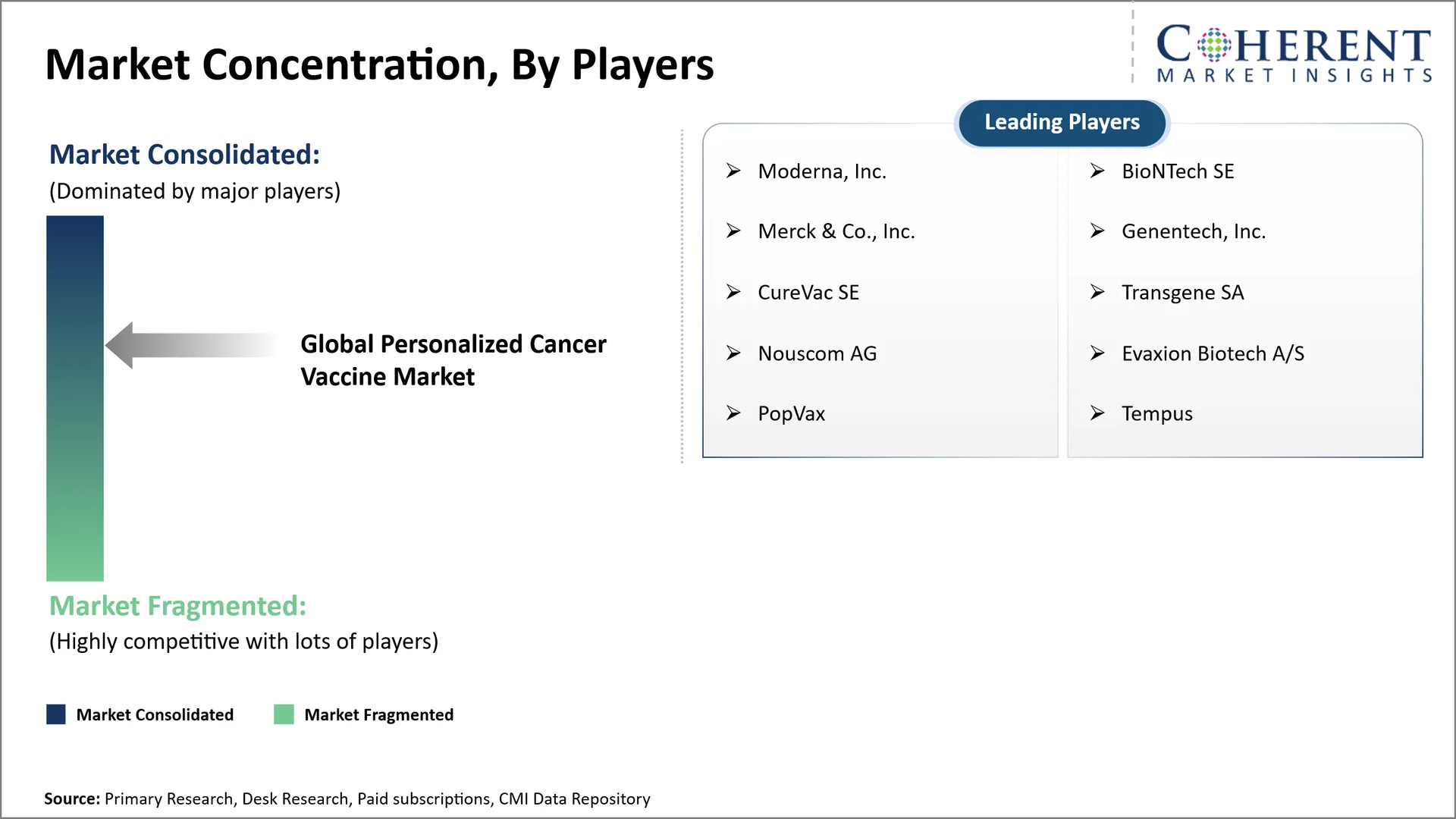
The global personalized cancer vaccine market is moderately competitive and is comprised of a handful of established biopharmaceutical firms, vaccine specialists and emerging biotech players. The key competitive factors are likely to be related to the ability to identify neoantigens, the vaccine platform technology, the effectiveness of the vaccines and the ability to manufacture them on a patient-specific basis. The industry players are expected to focus on improving their vaccine platform technologies (mRNA, peptide, DNA and dendritic cells), bioinformatics and antigen prediction capabilities, as well as clinical development on several cancer types. Strategic alliances with research laboratories, pharmaceutical companies, oncologists and genomics companies will also shape the industry dynamics.
Key focus areas include
- Advanced mRNA, peptide, DNA and dendritic cell-based platform development for the individualized vaccine manufacturing of cancer.
- AI-enabled bioinformatics and next-generation sequencing for the improvement of neoantigen identification and prediction accuracy.
- Clinical development expanding to melanoma, lung, pancreatic, colorectal and other solid tumors.
- Assessment of individualized cancer vaccination in combination with immune checkpoint inhibitors and other immunotherapies.
- Development of automated and scalable manufacturing processes to shorten production timelines and bring costs of patient-specific vaccines to lower levels.
- Enhance the integration of tumor sequencing, antigen selection, vaccine design, and manufacturing processes.
Market Report Scope
Global Personalized Cancer Vaccine Market Report Coverage | |||
Report Coverage | Details | ||
Base Year | 2025 | Market Size in 2026: | USD 1,460.0 Mn |
Historical Data For: | 2020 To 2024 | Forecast Period: | 2026 To 2033 |
Forecast Period 2026 To 2033 CAGR: | 29.5% | 2033 Value Projection: | USD 8,950.0 Mn |
Geographies covered: |
| ||
Segments covered: |
| ||
Companies covered: | Moderna, Inc., BioNTech SE, Merck & Co., Inc., Genentech, Inc., CureVac SE, Transgene SA, Nouscom AG, Evaxion Biotech A/S, PopVax, Tempus | ||
Growth Drivers: | Rising prevalence of cancer and growing demand for personalized treatment approaches Increasing clinical research and investment in neoantigen-based vaccines and mRNA technologies | ||
Restraints & Challenges: | High development and manufacturing costs associated with patient-specific vaccine production Complex regulatory requirements and lengthy clinical validation processes | ||
Analyst Opinion (Expert Opinion)
- In the coming years, the global personalized cancer vaccine market is expected to evolve towards more specific multi-antigens immunotherapies, of which mRNA based, and neoantigen based modalities will drive the progress. Clinical utilization is predicted to move away from melanoma towards pancreatic, lung, colorectal and other solid tumours. Combined use of genomics sequencing, AI based antigen prediction, combined immunotherapy will be crucial for improving outcomes and accelerating the market.
- The greatest potential opportunities exist for mRNA personalized vaccines for pancreatic cancer and melanoma in both China and the U.S. Both countries' markets are a large potential for personalized vaccines that attack multiple tumor mutations that also simultaneously resolve unmet needs for treatment. Companies should focus on platforms that allow for neoantigen discovery in hours, flexible vaccine design, and checkpoint inhibitor combination.
- In order to gain a competitive advantage market players should focus on improving the accuracy of neoantigen prediction, reducing the lag from tumor sequencing to vaccine manufacturing and creating scalable, patient-specific manufacturing methods. Companies need to cultivate integrated skills in genomic profiling, bioinformatics, vaccine production and clinical deployment to increase operating efficiencies. The collaboration within the clinical research networks and the innovations in the combination therapy will also promote differentiated platform solutions and a more competitive positioning.
Speak to the analyst
Want personalized insights?
Take the findings above to one of our principal consultants, or have the report rebuilt around the segments, geographies and competitors you actually track.
Market Segmentation
- Vaccine Type Insights (Revenue, USD Mn, 2021 - 2033)
- Neoantigen-Based Personalized Cancer Vaccines
- Tumor-Associated Antigen (TAA)-Based Personalized Cancer Vaccines
- Other Personalized Cancer Vaccines
- Cancer Type Insights (Revenue, USD Mn, 2021 - 2033)
- Melanoma
- Lung Cancer
- Colorectal Cancer
- Breast Cancer
- Pancreatic Cancer
- Other Cancers
- Technology Insights (Revenue, USD Mn, 2021 - 2033)
- mRNA-Based Technology
- Peptide-Based Technology
- DNA-Based Technology
- Dendritic Cell-Based Technology
- Others
- End User Insights (Revenue, USD Mn, 2021 - 2033)
- Hospitals and Cancer Treatment Centers
- Specialty Oncology Clinics
- Academic and Research Institutions
- Others
- Regional Insights (Revenue, USD Mn, 2021 - 2033)
- North America
- U.S.
- Canada
- Latin America
- Brazil
- Argentina
- Mexico
- Rest of Latin America
- Europe
- Germany
- U.K.
- Spain
- France
- Italy
- Russia
- Rest of Europe
- Asia Pacific
- China
- India
- Japan
- Australia
- South Korea
- ASEAN
- Rest of Asia Pacific
- Middle East
- GCC Countries
- Israel
- Rest of Middle East
- Africa
- South Africa
- North Africa
- Central Africa
- North America
- Key Players Insights
- Moderna, Inc.
- BioNTech SE
- Merck & Co., Inc.
- Genentech, Inc.
- CureVac SE
- Transgene SA
- Nouscom AG
- Evaxion Biotech A/S
- PopVax
- Tempus
Sources
Primary Research Interviews
- Medical oncologists and cancer immunotherapy specialists
- Neoantigen and mRNA vaccine research scientists
- Genomics and bioinformatics specialists
- Clinical trial investigators and vaccine development experts
Stakeholders
- Personalized cancer vaccine developers
- mRNA, peptide, DNA, and dendritic cell vaccine technology providers
- Genomic sequencing and molecular diagnostics companies
- Pharmaceutical and biotechnology research organizations
- End-use Sectors
- Hospitals and specialized cancer treatment centres
- Oncology and clinical research centres
- Academic medical institutions
- Pharmaceutical and biotechnology research organizations
- Regulatory & Health Bodies
- U.S. Food and Drug Administration (FDA)
- Medicines and Healthcare products Regulatory Agency (MHRA), UK
- National Cancer Institute (NCI), U.S.
- Department of Biotechnology (DBT), India
Databases
- ClinicalTrials.gov
- National Cancer Institute Clinical Trials Database
- Japan Registry of Clinical Trials (jRCT)
- China Clinical Trial Registry (ChiCTR)
Public Domain Sources
- National Cancer Institute (NCI)
- NHS England
- Department of Biotechnology (DBT), India
- Indian Council of Medical Research (ICMR)
Proprietary Elements
- CMI Data Analytics Tool
- Proprietary CMI Existing Repository of information for last 10 years.
Get access to 250+ pages report
Every segment, forecast, competitor profile and data table behind the analysis above — available for instant download.
- ESOMAR Member
- ISO 9001:2015 Certified
- D-U-N-S Registered
- GDPR & CCPA Compliant
Frequently Asked Questions
The global personalized cancer vaccine market is estimated to be valued at USD 1,460.0 Mn in 2026 and is expected to reach USD 8,950.0 Mn by 2033.
Neoantigen-based personalized cancer vaccines dominate because they can be designed to specifically recognize mutations unique to each patient's tumor, thereby mounting a very targeted immune attack with fewer off target effects.
A custom-made immunotherapy designed to stimulate the immune system to detect and destroy cells of the same tumor antigen by targeting tumor-specific antigens (TSAs) present in each patient.
The CAGR of global personalized cancer vaccine market is projected to be 29.5% from 2026 to 2033.
Rising prevalence of cancer and growing demand for personalized treatment approaches, and increasing clinical research and investment in neoantigen-based vaccines and mRNA technologies are the major factors driving the growth of the global personalized cancer vaccine market.
High development and manufacturing costs associated with patient-specific vaccine production, and complex regulatory requirements and lengthy clinical validation processes are the major factors hampering the growth of the global personalized cancer vaccine market.
In terms of cancer type, melanoma is estimated to dominate the market revenue share in 2026.