

Global Polymeric Prosthetic Heart Valve Market Size and Forecast – 2026 To 2033
The global polymeric prosthetic heart valve market is expected to grow from USD 24.6 Mn in 2026 to USD 78.5 Mn by 2033, registering a compound annual growth rate (CAGR) of 18% from 2026 to 2033. The global market for polymeric prosthetic heart valve market is projected to register significant growth during the forecast period owing to the high number of people suffering from valvular heart diseases and their need for a safe and durable valve replacement.
According to the Global Burden of Disease Study 2021, there were an estimated 54.8 million cases of rheumatic heart disease, 13.3 million cases of calcific aortic valve disease, and 15.5 million cases of degenerative mitral valve disease globally in 2021, underscoring the unmet need for effective valve replacement products. (Source: National Library of Medicine)
Key Takeaways of the Global Polymeric Prosthetic Heart Valve Market
- Aortic Valve is projected to hold 47.6% of the global polymeric prosthetic heart valve market share in 2026, making it dominant valve position segment, across North America due to the presence of well-developed infrastructure for cardiac-care coupled with high-level research activities focused on cardiovascular devices and innovative treatment approaches in the region. For instance, the U.S. National Heart, Lung, and Blood Institute (NHLBI) actively funds extensive studies into heart valve disease as well as cutting edge treatments through its cardiovascular research programs.
- Polyurethane-Based Polymers is projected to hold 57.6% of the global polymeric prosthetic heart valve market share in 2026, making it dominant material type segment, primarily in Europe, due to polymer flexibility, materials and polymer fatigue resistance and research into biocompatible materials for cardiovascular applications. For instance, Horizon Europe is an EU co-funded research program that drives innovation in biomedical materials and medical technology.
- Surgical Valve Replacement is projected to hold 71.7% of the global polymeric prosthetic heart valve market share in 2026, making it dominant implantation procedure segment, across Asia Pacific attributed to the growing capabilities of surgical heart-care and expanding access to specialist treatment. For instance, India’s Ayushman Bharat Pradhan Mantri Jan Arogya Yojana provides eligible patients with insurance cover for a whole range of secondary and tertiary hospital procedures, including cardiac interventions.
- North America market maintains dominance with an expected share of 43.7% in 2026. Favorable government funding for innovations of the cardiovascular device is likely to propel the North America polymeric prosthetic heart valve market. For instance, in April 2025, the U.S. National Institutes of Health granted Poly Vascular a USD 3 million SBIR Phase IIb grant for the clinical trial of the polymeric heart valve for pediatric population.
- Asia Pacific is expected to exhibit the fastest growth in the global polymeric prosthetic heart valve market, registering an estimated CAGR of 18.7% during 2026–2033, attributed to the rise in number of research related to the advanced biomaterials & valve design. For instance, researchers from China at Fudan University in 2025, published a paper using geometric optimization of a polymeric heart valve to improve its mechanical properties as well as its increased durability in simulated accelerated wear tests.
Segmental Insights
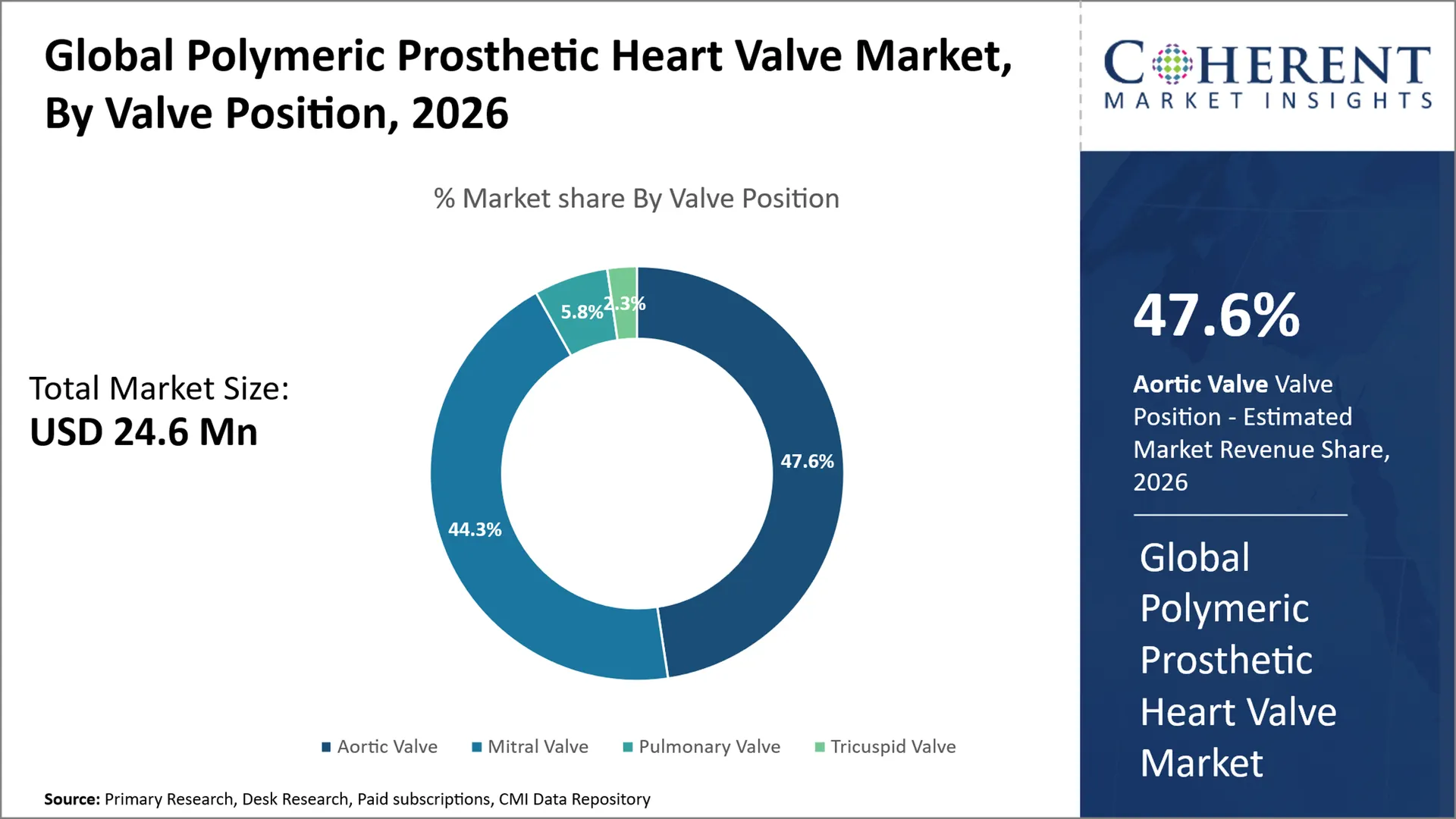
Why Do Aortic Valve Dominate the Global Polymeric Prosthetic Heart Valve Market?
Aortic valve is projected to hold the market share of 47.6% in 2026, due to the challenges faced in the treatment of aortic stenosis & regurgitation and rising demands for the replacement of valves in elderly population. Improvements in the field of polymer engineering may improve hemocompatibility, flexibility & durability of leaflets, but long-term clinical validation is important. For instance, according to the American Heart Association, more than 13% of the U.S. population aged 75 years or older have aortic stenosis, highlighting the clinical importance of aortic valve replacement.
- Current Industry Events of 2026
- Market Size Estimation
- Regional Breakdown
- Competitive Landscape
- Customer Intelligence
- Segmental Analysis
- Pricing Analysis
- Key Market Drivers, Challenges & Future Trends
- Customized Insights Section
Why Do Polyurethane-Based Polymers Represent the Largest Material Type Segment in the Polymeric Prosthetic Heart Valve Market?
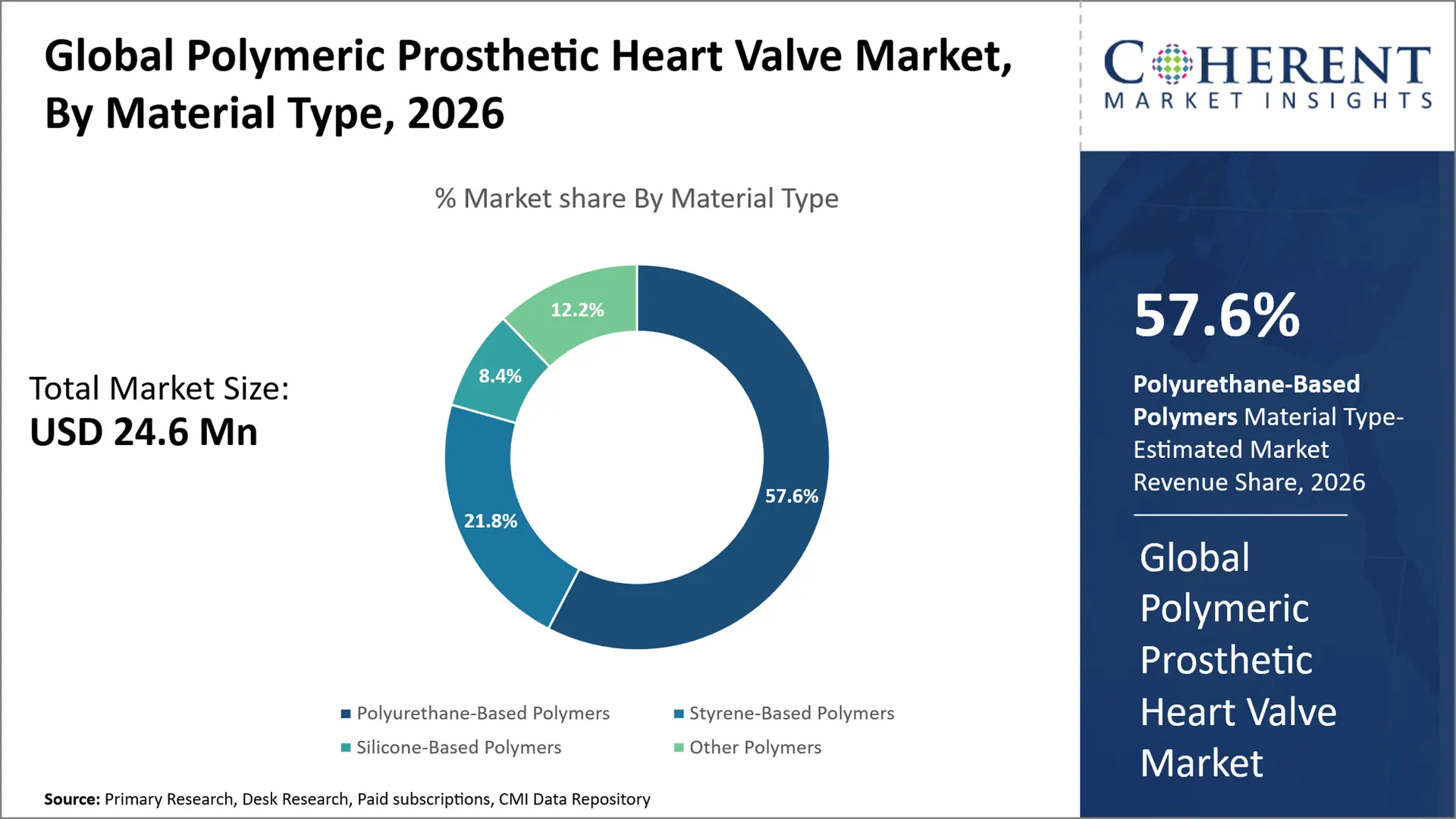
Polyurethane-based polymers are projected to hold a market share of 57.6% in 2026, due to their elasticity, mechanical strength, and their durability to multiple heart beats while remaining biocompatible. Additionally, through material engineering, the durability of the leaflets, hemocompatibility, and resistance to calcification can be further refined but long-term clinical validation is essential. For instance, TRIA Mitral Heart Valve Life Polymer, a silicone-modified polyurethane-urea type of polymer, used for fatigue resistant and biocompatible materials. The valve was approved by the India Central Drugs Standard Control Organisation (CDSCO) in June 2025. (Source: Foldax Inc.)
Surgical Valve Replacement Segment Dominates the Global Polymeric Prosthetic Heart Valve Market
The surgical valve replacement segment is projected to hold a market share of 71.7% in 2026, owing to its well-recognized clinical procedures and its application in a variety of complex cardiac diseases. The existing proficiency of surgeons in open-heart surgery may assist in its retaining its position when transcatheter interventions expand. For instance, in 2025, the guidelines published by the European Society of Cardiology and the European Association for Cardio-Thoracic Surgery recommend surgical aortic valve replacement in some patients with severe aortic stenosis, such as younger individuals with a low risk for surgery, and in patients undergoing valve replacement alongside coronary artery bypass grafting or ascending aortic surgery. These guidelines, highlight the continued importance of surgical management in the treatment of valve replacement. (Source: Oxford University Press)
Current Events and their Impact
Current Events | Description and its Impact |
U.S. FDA Accepts New International Standards for Heart Valves Implanted During Surgery (May 2026) |
|
U.S. FDA Revises Criteria for Transcatheter Heart Valve Replacements (May 2026) |
|
India Proposes Shorter Medical Device Manufacturing Licence Timelines (June 2026) |
|
Polymeric Prosthetic Heart Valve Market Dynamics
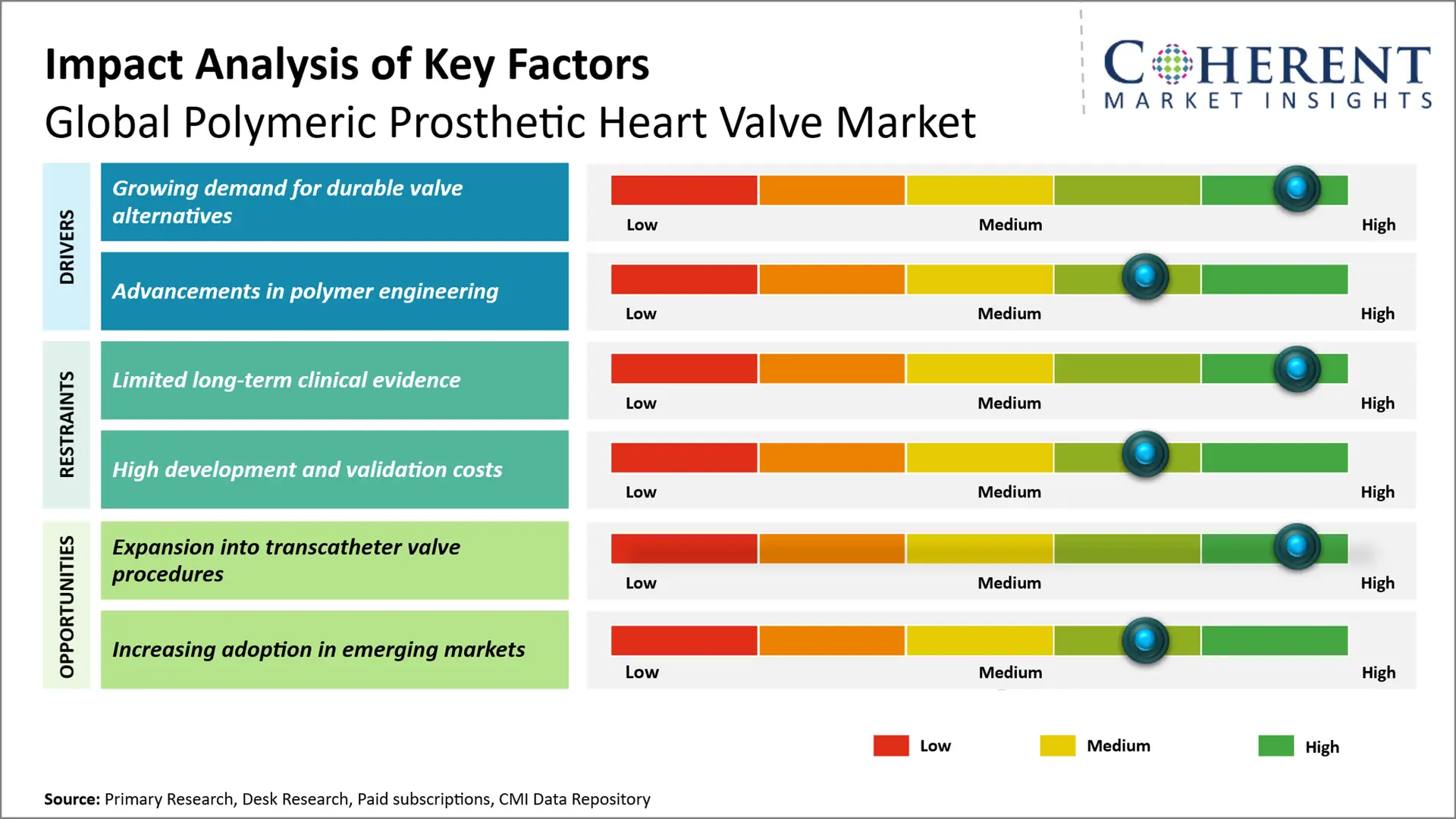
Market Drivers
- Growing demand for durable valve alternatives: The demand for long-lasting valve replacements has prompted the design of polymeric prosthetic heart valves that emphasize leaflet function preservation, structural degradation mitigation, and consistent hemodynamic performance. Unlike conventional tissue valves, designed only to survive one to many open-and-close cycles, polymeric solutions are envisioned to withstand billions of such cycles, as well as being bendable and offers good blood compatibility. For instance, in June 2025, the Journal of the American College of Cardiology reported that the implanted patients showed healthy results, including stable valve function, at one year, on 67 patients with a polymeric mitral valve implant supporting continued clinical trials.
- Increasing adoption of minimally invasive regenerative treatments: Polymer composition and valve geometry improvements are enabling engineers to design for more leaflet flexibility, greater mechanical strength, and increased fatigue life of polymeric prosthetic heart valves. For instance, in September 2025, the journal Bio-Design and Manufacturing published research on the geometric optimization of polymeric heart valves to optimize performance under accelerated wear testing. The research aids in the continuing optimization of materials and design.
- Rising prevalence of valvular heart disease: The rising prevalence of valve disorders across the globe is expected to raise the demand for a valve replacement solution which will further contribute to the demand for using the polymeric prosthetic heart valve with high biocompatibility and durability. For instance, according to 2025 published study in the Journal of the American College of Cardiology, 29.5 million cases of non-rheumatic valvular heart disease occurred globally in 2023, highlighting the substantial need for advanced treatment options.
Emerging Trends
- Advancements in Next-Generation Polymer Materials: New polymer-based formulations and polymer composites are being prepared by the manufactures in order to improve the flexibility of the leaflet, higher fatigue resistance and blood compatibility.
- Impact: Enhanced functioning of these materials may enable new durability levels beyond those possible with conventional polymeric valve design. In addition, improved hemocompatibility may help reduce complications related to clot formation.
- Market Relevance: Material innovation is an important factor distinguishing developers competing in the field of reliable mechanical and tissue valve alternatives. A developer that can prove performance in the long term will be well-positioned.
- Integration of polymeric valves with transcatheter procedures: Research is increasingly focused on the development of catheter-deliverable polymeric valves which are suitable for implantation via minimally invasive approaches.
- Impact: Crimpable valve structures coupled with flexible leaflets may allow for improved delivery without having to sacrifice proper valve performance. Advances in this realm may help open up new treatment alternatives to those who would not be candidates for traditional open-heart surgery.
- Market Relevance: Transcatheter aortic and mitral valve replacement will be a potential future growth market for the plastic valve developers. The commercial potential will be driven by delivery system compatibility, durability and clinical efficacy.
- Higher emphasis on durability and hemocompatibility in the long term: There is a higher focus among developers on polymers and leaflet designs that show resilient against fatigue, calcification, thrombosis, and material degradation.
- Impact: Greater durability could lead to valves which last longer and require fewer repeat interventions. Additionally, more robust clinical evidence could strengthen physician confidence in a polymer-based valve.
- Market Relevance: As long-term results will be important in gaining regulatory approval and acceptance by the wider clinical community, developers which can routinely provide evidence of safety and robustness are likely to be in a stronger position to get their technology into the market.
Regional Insights
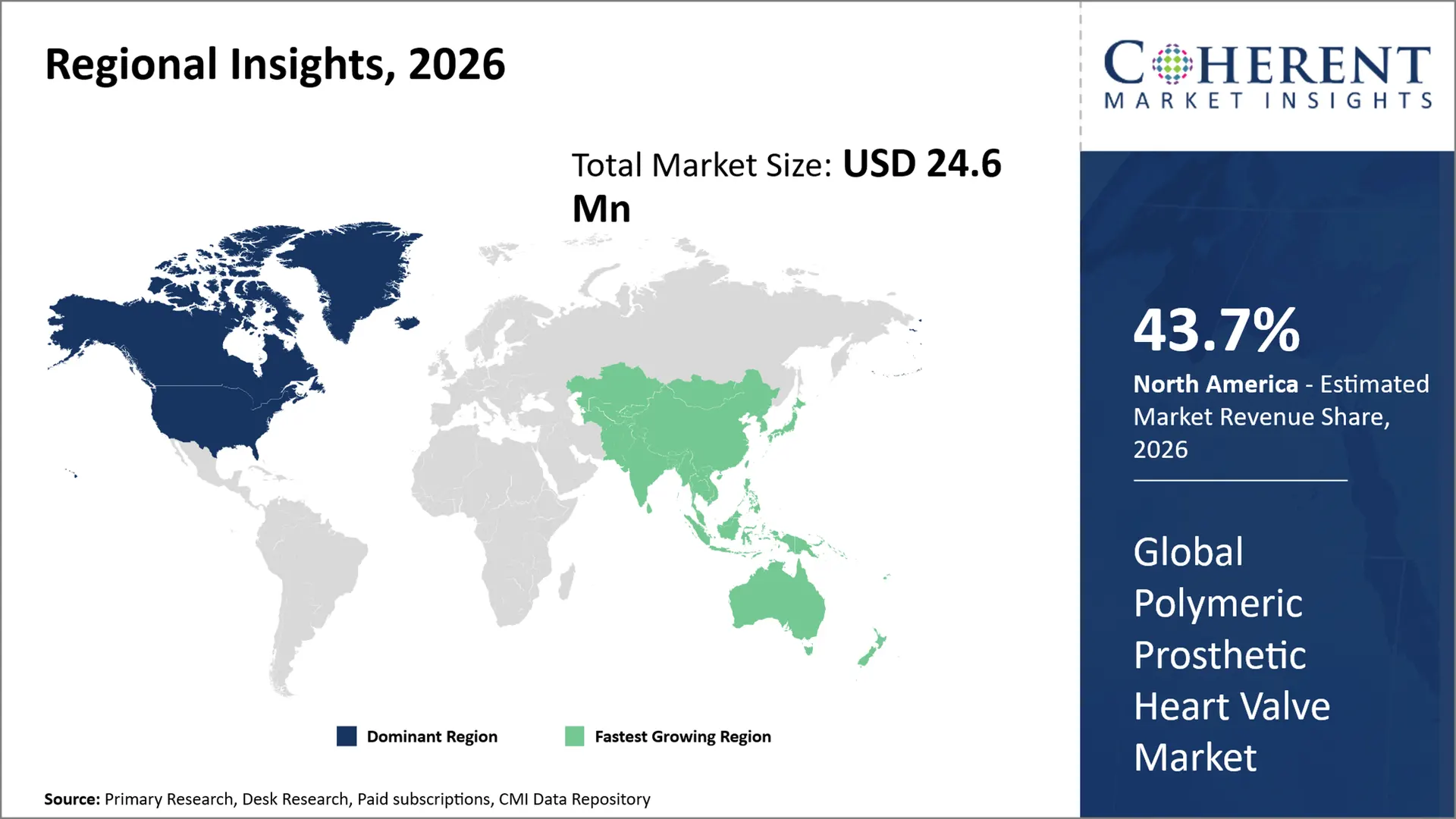
Why is North America a Strong Market for Polymeric Prosthetic Heart Valve?
North America leads the global polymeric prosthetic heart valve market, accounting for an estimated 43.7% share in 2026, driven by the presence of a well-established system for cardiac care, an extensive clinical research system and the availability of well-integrated clinical pathways. Additionally, a number of government initiatives (i.e., FDA's regulatory body) provide pathways to assess new cardiovascular devices and may accelerate the availability of next-generation polymeric heart valves.
For instance, the U.S. Food and Drug Administration's (FDA) Breakthrough Devices Program provides devices that are eligible for the Program with priority review of their applications and the chance to have early conversations with FDA experts. This helps accelerate development and evaluation of new cardiovascular devices while maintaining standards for safety and effectiveness. In addition, additional efforts in biomaterials research, clinical validation and treatment of cardiac patients are expected to boost the regional market.
Why Does Asia Pacific Polymeric Prosthetic Heart Valve Market Exhibit High Growth?
Asia Pacific is expected to exhibit the fastest growth in the global polymeric prosthetic heart valve market, registering an estimated CAGR of 18.7% during 2026–2033. The region is projected to account for 19.2% of the global market in 2026, due to the increasing burden of cardiovascular diseases, growing cardiac-care infrastructure, and high demand for minimally invasive valve replacement surgeries.
The government in the region is investing in developing healthcare infrastructure and providing regulatory reforms to support the market access for novel medical devices. For instance, in January 2025, the State Council of China issued guidelines for reforming the regulation of medical devices. The guidelines seek to streamline the review and approval processes for innovative devices by 2027, and at the same time, give greater support to research and development and full lifecycle regulation. (Source: National Medical Products Administration)
Global Polymeric Prosthetic Heart Valve Market Outlook for Key Countries
Why is the U.S. Leading Innovation and Adoption in the Polymeric Prosthetic Heart Valve Market?
The U.S. is the leading hub of innovations in the market of polymeric prosthetic heart valves, fueled by newer developments in polymeric materials coupled with next-generation valve design. Local players are investing in improving the durability, hemocompatibility, and performance of the leaflets for aortic, mitral, and pulmonary valve applications. Strong technical knowledge of cardiovascular device designing and clinical research continues to guide innovations in polymeric valve substitutes for conventional mechanical and tissue valves.
Is Japan a Favorable Market for Polymeric Prosthetic Heart Valve Market?
Japan is a potentially favorable market for polymeric prosthetic heart valve attributed to its existing transcatheter valve ecosystem, expertise around specialist cardiovascular centres and advanced clinical research infrastructure. However, the market is still in an early stage of development and will be dependent on long-term polymer durability, regulatory approval and clinical validation.
Is China Emerging as a Key Growth Hub for the Polymeric Prosthetic Heart Valve Market?
China is emerging as a key growth area as the market continue to mature, specifically through domestically developed polymer-based surgical and transcatheter valves. Chinese companies including Suzhou Heart Hill Medical and Peijia Medical are making rapid advancements in the development of polymeric valve designs, and clinical research is expanding out into mitral indications from the more prevalent aortic indications. China is therefore becoming a key platform for product development and clinical testing but market adoption will ultimately depend on long-term clinical data and commercial success.
Why Does Germany Top the European Polymeric Prosthetic Heart Valve Market?
Germany probably captures the largest share of the European polymeric prosthetic heart valve market attributed to its mature cardiovascular healthcare infrastructure, skilled cardiac surgical procedures, and advanced medical-grade materials engineering. The market provides significant opportunities for durable polymeric leaflets and medical-grade materials for use in surgical and transcatheter valves. However, market leader status in the polymeric market would require some significant clinical validation, product commercialization, and product acceptance.
Is Polymeric Prosthetic Heart Valve Market Developing in India?
India is gradually being seen as a viable opportunity for polymeric prosthetic heart valves with an upward trend in clinical interest, patent filings and improvement in local manufacturing. A relevant application market would be patients with rheumatic heart disease (RHD) that is seen mainly in the young and may require long-term valve replacement, with adoption depending on clinical evaluation, cost, and durability over time.
Key Polymeric Prosthetic Heart Valve Technologies and Development Status
Company / Developer | Technology | Material / Technology | Application | Current Status |
Foldax, Inc. | TRIA | Siloxane polyurethane-urea | Surgical aortic and mitral valve replacement | Mitral Valve Commercialized in India; Additional Indications Being Investigated |
PECA Labs, Inc. | MASA | Expanded polytetrafluoroethylene (ePTFE) | Pulmonary valve replacement | Clinical evaluation |
Suzhou HeartHill Medical Technology Co., Ltd. | PoliaValve | Polymeric leaflet technology | Surgical aortic valve replacement | Clinical Investigation |
I4HV | Inflow | Polyurethane-based copolymers | Transcatheter aortic valve replacement | Preclinical development |
NanoRegMed, Inc. | Hastalex | Functionalized polymer nanocomposite | Surgical aortic valve replacement | Preclinical evaluation |
University of Cambridge and University of Bristol | PoliValve | Styrene-based block copolymer | Surgical aortic valve replacement | Preclinical evaluation |
How is the expansion into transcatheter valve procedures creating new growth opportunities in the polymeric prosthetic heart valve market?
The global polymeric prosthetic heart valves market presents an opportunity in the space of transcatheter valve replacement, owing to rising demand for minimally invasive procedures, as well as durable valve options. Polymeric leaflets exhibit some advantages such as flexibility, hemocompatibility, resistance to structural degeneration, but the long-term effects remain to be established. For instance, in March 2026, a study published in the Springer Nature Limited demonstrated promising preclinical data related to a polymeric transcatheter aortic valve that supports the move toward minimally invasive valve technology.
Market Players, Key Development, and Competitive Landscape
Key Developments
- On October 26, 2026, GrOwnValve had confirmed that all five patients that participated in its first-in-human trial's dose cohort completed a six-month follow-up period without any predefined prosthesis-related safety events. The results support continued clinical development of its customized transcatheter pulmonary valve, however long-term durability and safety of the valve remains to be determined.
- On October 1, 2026, U.S. Food and Drug Administration (FDA) approved an Autus Size-Adjustable Valve, a surgically implantable pulmonary heart valve for children born with congenital heart disease (CHD). The polymeric pulmonic heart valve is intended for insertion into the pulmonary position of the heart and has the potential to grow with the developing child, which could reduce the number of repeat open heart surgeries over time. The approval was a success in the growing use of clinical poly heart valves.
Competitive Landscape
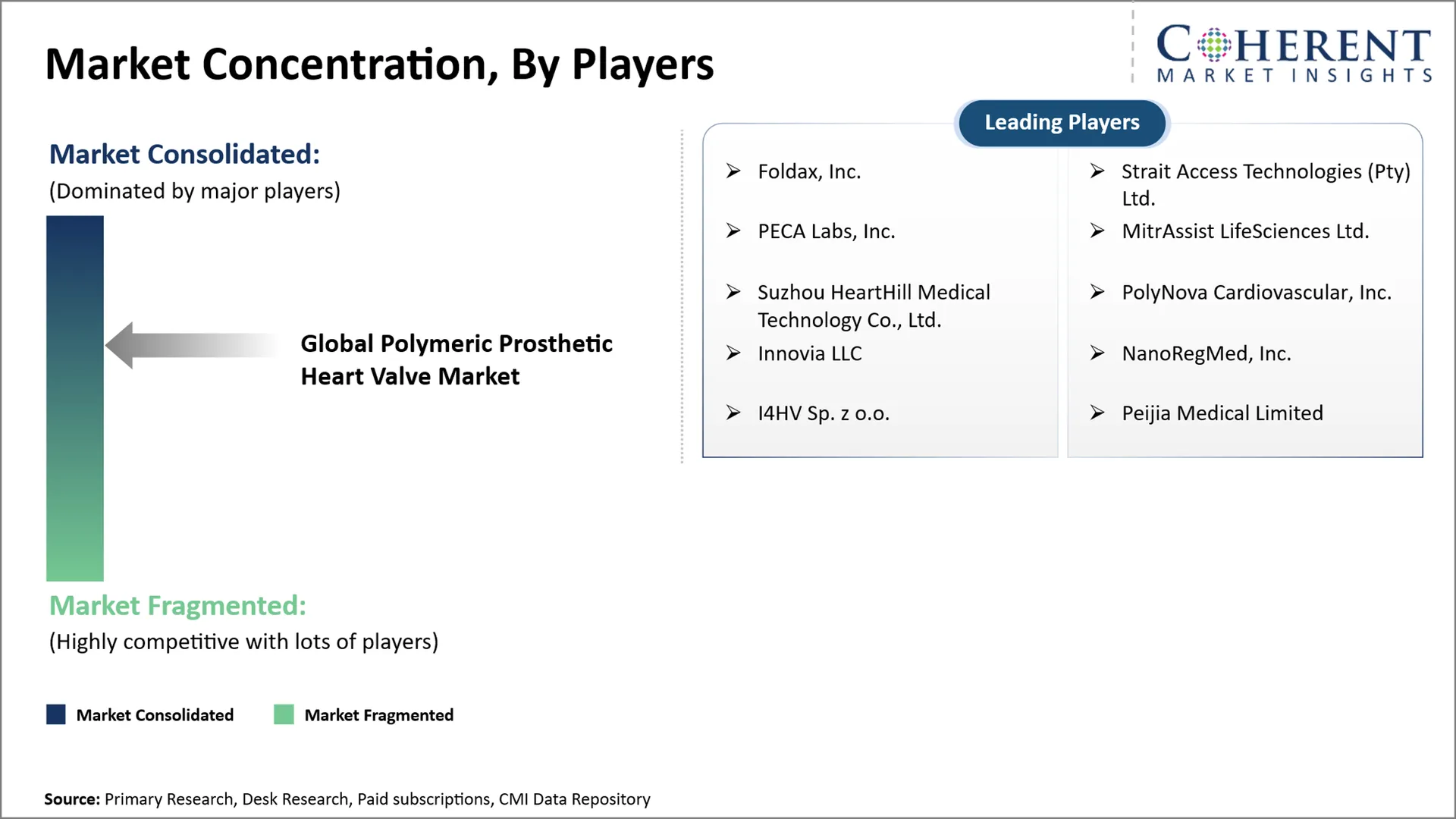
The global market for polymeric prosthetic heart valves is a fragmented space filled with a relatively new yet innovation-oriented competition in which the major competitors are the specialized developer companies. Unlike the other prosthetic heart valves market, which is dominated by major companies in the medical devices domain, development of polymeric valves is spread across various organizations at different preclinical/clinical stages of commercialization. Key focus areas include:
- Development of proprietary polymer materials with improved durability and hemocompatibility
- Development of surgical and transcatheter polymeric valve devices
- Clinical evidence of long-term safety, performance and fatigue resistance
- Increasing commercialization and manufacturing capacity
Market Report Scope
Polymeric Prosthetic Heart Valve Market Report Coverage | |||
Report Coverage | Details | ||
Base Year | 2025 | Market Size in 2026: | USD 24.6 Mn |
Historical Data For: | 2020 To 2024 | Forecast Period: | 2026 To 2033 |
Forecast Period 2026 To 2033 CAGR: | 18% | 2033 Value Projection: | USD 78.5 Mn |
Geographies covered: |
| ||
Segments covered: |
| ||
Companies covered: | Foldax, Inc., Strait Access Technologies (Pty) Ltd., PECA Labs, Inc., MitrAssist LifeSciences Ltd., Suzhou HeartHill Medical Technology Co., Ltd., PolyNova Cardiovascular, Inc., Innovia LLC, NanoRegMed, Inc., I4HV Sp. z o.o., Peijia Medical Limited | ||
Growth Drivers: |
| ||
Restraints & Challenges: |
| ||
Analyst Opinion (Expert Opinion)
- As the long-term durability of materials improves, the market is expected to shift from development to broader clinical use. Advances in polymer engineering, leaflet design and minimally invasive implantation are expected to strengthen the material's candidacy for use in alternative to traditional mechanical and tissue heart valves. However, commercial growth in the market will depend on clinical validation, regulatory approval and long-term safety.
- The best opportunity is expected to be in polyurethane-based polymeric valves for aortic valve replacement in the U.S., with the cardiac-care infrastructure, product development expertise, and clinical centers to carry out the work. In addition, opportunities may exist in pediatric pulmonary valve applications, with growth-adapting valve designs that could reduce the number of surgeries as a child grows. These opportunities will depend on the product-specific clinical performance and commercial readiness.
- In order to gain a competitive advantage, market players should focus on polymer compositions that improve fatigue performance, hemocompatibility, and anti-calcification capabilities, all while maintaining the natural valve function. In terms of adoption, generating large body of long-term clinical data and establishing partnerships with cardiac centers can increase physician confidence and accelerate the pace of adoption. In addition, companies need to develop scalable precision manufacturing, unique intellectual property, and targeted regulatory and commercialization pathways to develop a sustainable competitive advantage.
Speak to the analyst
Want personalized insights?
Take the findings above to one of our principal consultants, or have the report rebuilt around the segments, geographies and competitors you actually track.
Market Segmentation
- Valve Position Insights (Revenue, USD Mn, 2021 - 2033)
- Aortic Valve
- Mitral Valve
- Pulmonary Valve
- Tricuspid Valve
- Material Type Insights (Revenue, USD Mn, 2021 - 2033)
- Polyurethane-Based Polymers
- Styrene-Based Polymers
- Silicone-Based Polymers
- Other Polymers
- Implantation Procedure Insights (Revenue, USD Mn, 2021 - 2033)
- Surgical Valve Replacement
- Transcatheter Valve Replacement
- End User Insights (Revenue, USD Mn, 2021 - 2033)
- Hospitals
- Specialty Cardiac Centers
- Academic and Research Institutes
- Others
- Regional Insights (Revenue, USD Mn, 2021 - 2033)
- North America
- U.S.
- Canada
- Latin America
- Brazil
- Argentina
- Mexico
- Rest of Latin America
- Europe
- Germany
- U.K.
- Spain
- France
- Italy
- Russia
- Rest of Europe
- Asia Pacific
- China
- India
- Japan
- Australia
- South Korea
- ASEAN
- Rest of Asia Pacific
- Middle East
- GCC Countries
- Israel
- Rest of Middle East
- Africa
- South Africa
- North Africa
- Central Africa
- North America
- Key Players Insights
- Foldax, Inc.
- Strait Access Technologies (Pty) Ltd.
- PECA Labs, Inc.
- MitrAssist LifeSciences Ltd.
- Suzhou HeartHill Medical Technology Co., Ltd.
- PolyNova Cardiovascular, Inc.
- Innovia LLC
- NanoRegMed, Inc.
- I4HV Sp. z o.o.
- Peijia Medical Limited
Sources
Primary Research Interviews
- Cardiothoracic surgeons specializing in surgical and transcatheter valve replacement
- Interventional cardiologists specializing in structural heart diseases
- Biomedical engineers specializing in polymeric biomaterials and heart valve design
- Clinical investigators involved in prosthetic heart valve trials
Stakeholders
- Polymeric prosthetic heart valve technology developers
- Cardiothoracic surgeons and interventional cardiologists
- Cardiovascular medical-device manufacturers and valve design companies
- Polymer biomaterial, surface-engineering, and medical-grade materials developers
- Hospitals, cardiac surgery centers, and structural heart treatment centers
- Biomedical engineering research organizations and academic institutions specializing in heart valve development
- End-use Sectors
- Hospitals and cardiac surgery centers
- Specialty cardiovascular and structural heart centers
- Academic and clinical research institutions
- Medical device development and testing laboratories
- Regulatory & Health Bodies
- U.S. Food and Drug Administration (FDA)
- Central Drugs Standard Control Organisation (CDSCO), India
- European Medicines Agency (EMA)
- National Medical Products Administration (NMPA), China
Databases
- ClinicalTrials.gov
- WHO International Clinical Trials Registry Platform (ICTRP)
- U.S. FDA Medical Device Databases
Associations
- American Heart Association (AHA)
- American College of Cardiology (ACC)
- Society of Thoracic Surgeons (STS)
- European Association for Cardio-Thoracic Surgery (EACTS)
Public Domain Sources
- U.S. Food and Drug Administration (FDA)
- National Institutes of Health (NIH)
- National Center for Biotechnology Information (NCBI)
- World Health Organization (WHO)
Proprietary Elements
- CMI Data Analytics Tool, Proprietary CMI Existing Repository of information for last 10 years.
Get access to 250+ pages report
Every segment, forecast, competitor profile and data table behind the analysis above — available for instant download.
- ESOMAR Member
- ISO 9001:2015 Certified
- D-U-N-S Registered
- GDPR & CCPA Compliant
Frequently Asked Questions
The global polymeric prosthetic heart valve market is estimated to be valued at USD 24.6 Mn in 2026 and is expected to reach USD 78.5 Mn by 2033.
Aortic valve segment dominates the market owing to high clinical need for aortic valve replacements, and progress in the development of polymeric valves for aortic applications.
Polymeric Prosthetic Heart Valve (TPHV) is an artificial heart valve made of synthetic polymers that are designed to replace normal blood flow within patients with valvular disease or damage.
The CAGR of global polymeric prosthetic heart valve market is projected to be 18% from 2026 to 2033.
Growing demand for durable valve alternatives, and advancements in polymer engineering are the major factors driving the growth of the global polymeric prosthetic heart valve market.
Limited long-term clinical evidence, and high development and validation costs are the major factors hampering the growth of the global polymeric prosthetic heart valve market.
In terms of material type, polyurethane-based polymers are estimated to dominate the market revenue share in 2026.