

Global Precision Preventive Medicine Market Size and Forecast – 2026 To 2033
The global precision preventive medicine market is expected to grow from USD 8.70 Bn in 2026 to USD 18.40 Bn by 2033, registering a compound annual growth rate (CAGR) of 11.3% from 2026 to 2033. The market for global precision preventive medicine is poised for significant expansion, fueled by the advancements in genomic screening for early disease-risk identification.
The U.S. National Human Genome Research Institute (NHGRI) proposed a population-screening initiative targeting approximately 20,000 adults to evaluate genomic testing for conditions where early identification can prevent disease or reduce its severity, supporting the adoption of preventive genomic medicine.
Key Takeaways of the Global Precision Preventive Medicine Market
- Predictive screening and early detection are projected to hold 32.0% of the global precision preventive medicine market share in 2026, making it dominant service type segment, across Europe, where cancer screening programmes are being strengthened through regulatory and public health initiatives. For instance, the European Commission's EUCanScreen initiative supports the implementation and improvement of cancer screening programmes across participating countries.
- Genomics and genetic testing are projected to hold 30.0% of the global precision preventive medicine market share in 2026, making it dominant technology segment, across North America, due to established genomic testing infrastructure and regulatory support for precision diagnostics. For instance, the U.S. Food and Drug Administration (FDA) has issued guidance on the design, development, and analytical validation of next-generation sequencing-based tests to support reliable genomic testing.
- Oncology prevention is projected to hold 25.0% of the global precision preventive medicine market share in 2026, making it dominant application segment, across Asia Pacific, where national cancer control programmes are expanding screening and early detection efforts. For instance, India's Ministry of Health and Family Welfare provides population-based screening for common cancers, including oral, breast, and cervical cancer, under the Ayushman Bharat health programme.
- North America market maintains dominance with an expected share of 39.0% in 2026, bolstered by established genomic research infrastructure and investments in personalized healthcare. For instance, in February 2025, the Government of Canada launched the Canadian Genomics Strategy, backed by USD 123.0 million (CAD 175.1 million) in federal funding over seven years, to accelerate the commercialization and adoption of genomics applications, including personalized medicine and advanced diagnostics.
- Asia Pacific is expected to exhibit the fastest growth in the global precision preventive medicine market, registering an estimated CAGR of 15.0% during 2026–2033, driven by government initiatives promoting genomic medicine and personalized disease prevention. For instance, in November 2025, Japan's Ministry of Health, Labour and Welfare established a national basic plan to promote genomic medicine, including coordinated measures to improve access to genomic healthcare and strengthen supporting infrastructure.
Segmental Insights
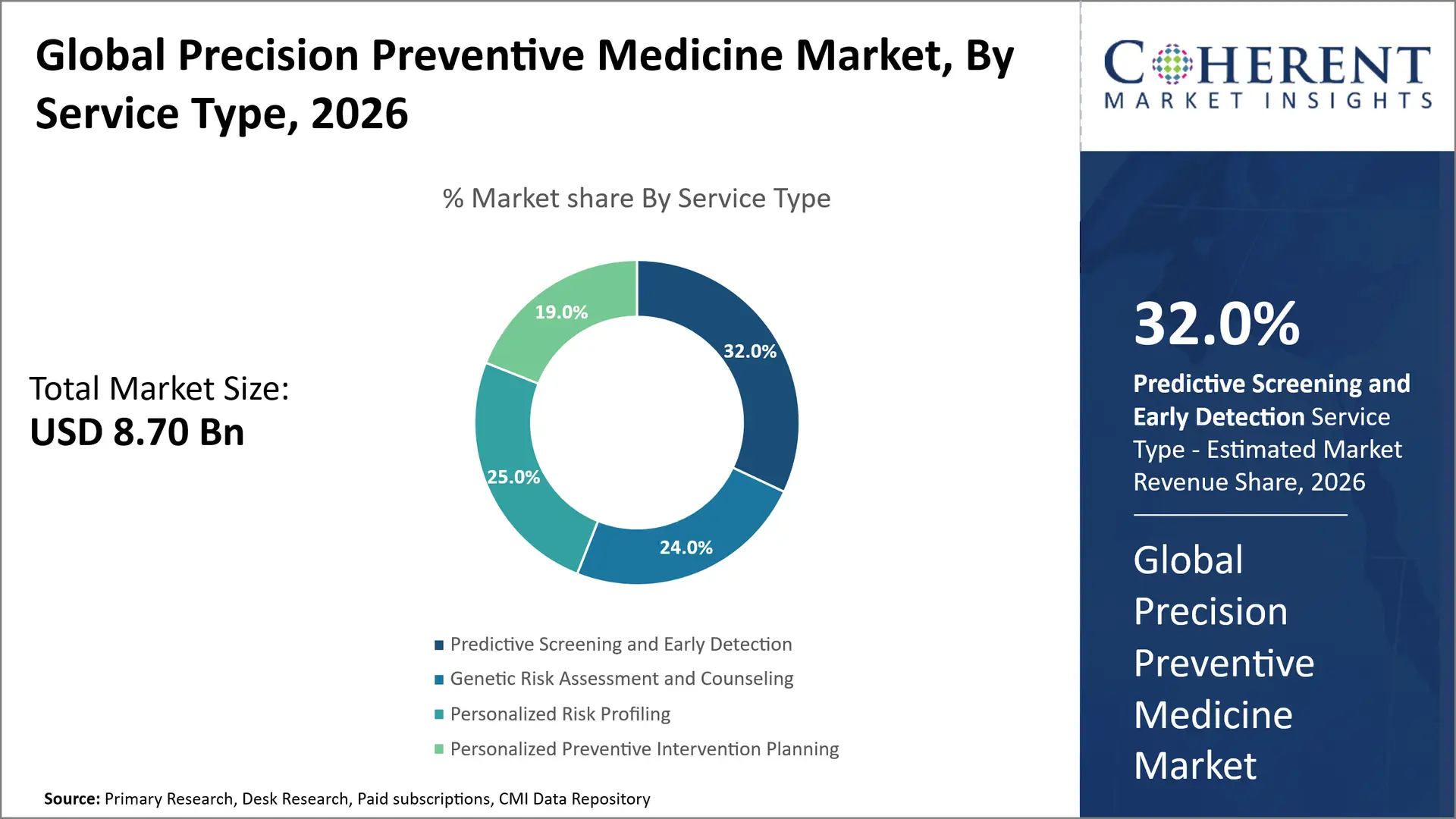
Why Do Predictive Screening and Early Detection Dominate the Global Precision Preventive Medicine Market?
Predictive screening and early detection are projected to hold the market share of 32.0% in 2026, owing to its ability to assess risk of disease prior to the appearance of symptoms and enable early-stage intervention. Technological developments in molecular diagnostics, risk prediction tools and biomarkers are expected to improve screening accuracy to enable targeted preventive care. Government-sponsored screening programs are also likely to encourage screening and track high-risk individuals for early intervention. For instance, Australia launched its National Lung Cancer Screening Program on July 1, 2025, offering eligible high-risk individuals aged 50–70 access to low-dose CT screening to detect lung cancer before symptoms appear. (Source: Australian Government)
- Current Industry Events of 2026
- Market Size Estimation
- Regional Breakdown
- Competitive Landscape
- Customer Intelligence
- Segmental Analysis
- Pricing Analysis
- Key Market Drivers, Challenges & Future Trends
- Customized Insights Section
Why Do Genomics and Genetic Testing Represent the Largest Technology Segment in the Precision Preventive Medicine Market?
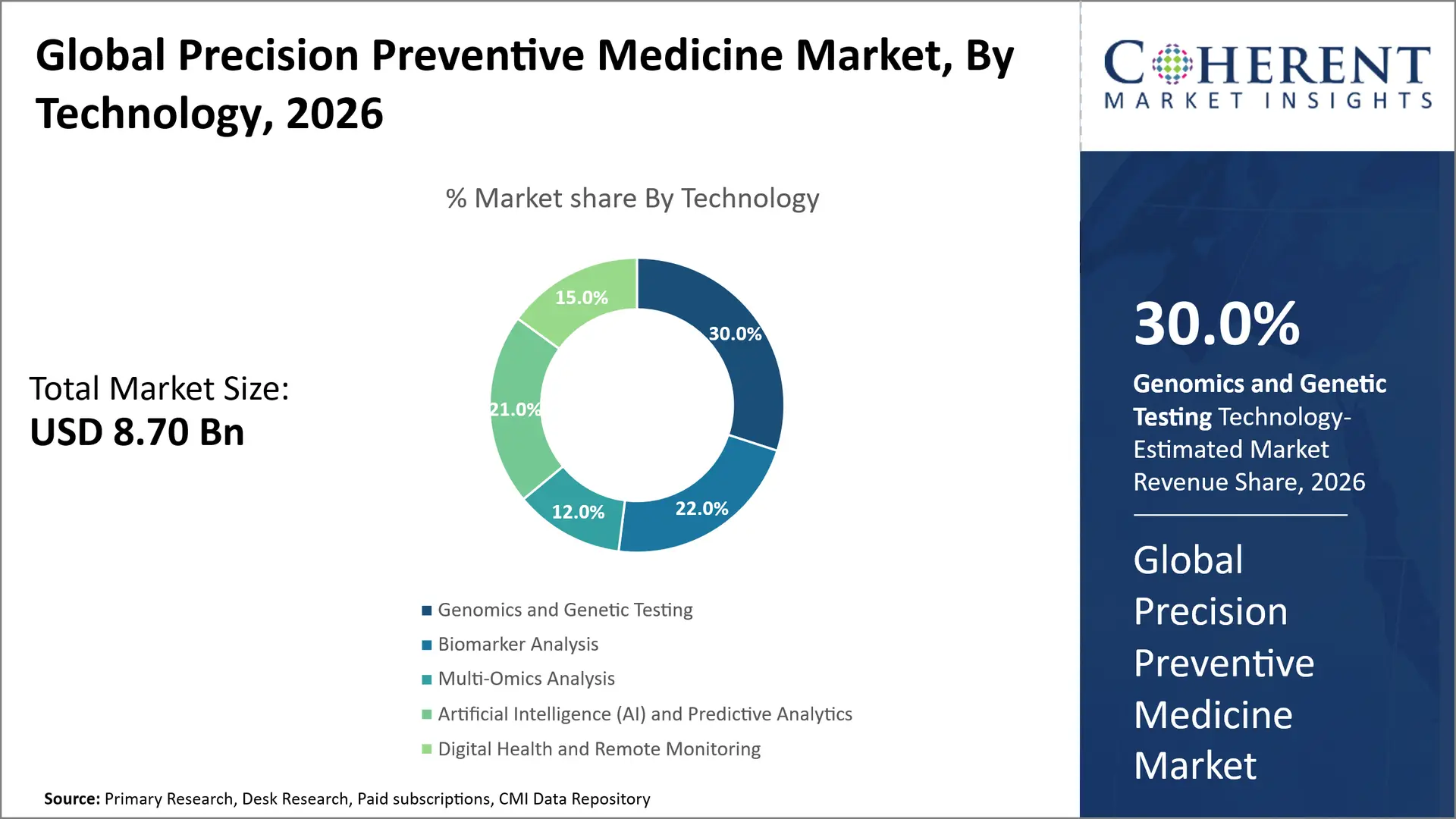
Genomics and genetic testing are projected to hold a market share of 30.0% in 2026, as they allow the determination of inherited variants to disease-causing mutations enabling personalized risk prediction. Advances in next-generation sequencing allow detection of disease-associated variants, enabling targeted testing and prevention. Furthermore, integrating knowledge derived from a patient's genome in the prevention paradigm will further support the information provided by genetic screening. For instance, in September 2025, the U.S. National Institutes of Health launched the Newborn Screening by Whole Genome Sequencing (NBSxWGS) Collaboratory to assess the feasibility of adding whole-genome sequencing to newborn screening for treatable genetic disorders.
Oncology Prevention Segment Dominates the Global Precision Preventive Medicine Market
The oncology prevention segment is projected to hold a market share of 25.0% in 2026, due to the rising identification and requirement of personalized prediction and risk assessment of cancer and proper surveillance. Genomic testing and biomarker testing may help to identify people with inherited cancer risk and provide targeted screening and preventive medicine measures. Moreover, risk-prediction technologies may help to identify high-risk individuals and implement preventive measures accordingly. For instance, the U.S. National Cancer Institute explains that identifying inherited BRCA1 and BRCA2 variants can help guide enhanced screening and risk-reducing interventions for individuals at elevated risk of breast and ovarian cancers.
Current Events and their Impact
Current Events | Description and its Impact |
WHO Member States Endorse Global Precision Medicine Resolution (May 2026) |
|
Government of India Advances National Genomic Resources for Personalized Medicine (February 2026) |
|
UK Government Announces a Genomic Population Health Service (August 2025) |
|
Precision Preventive Medicine Market Dynamics
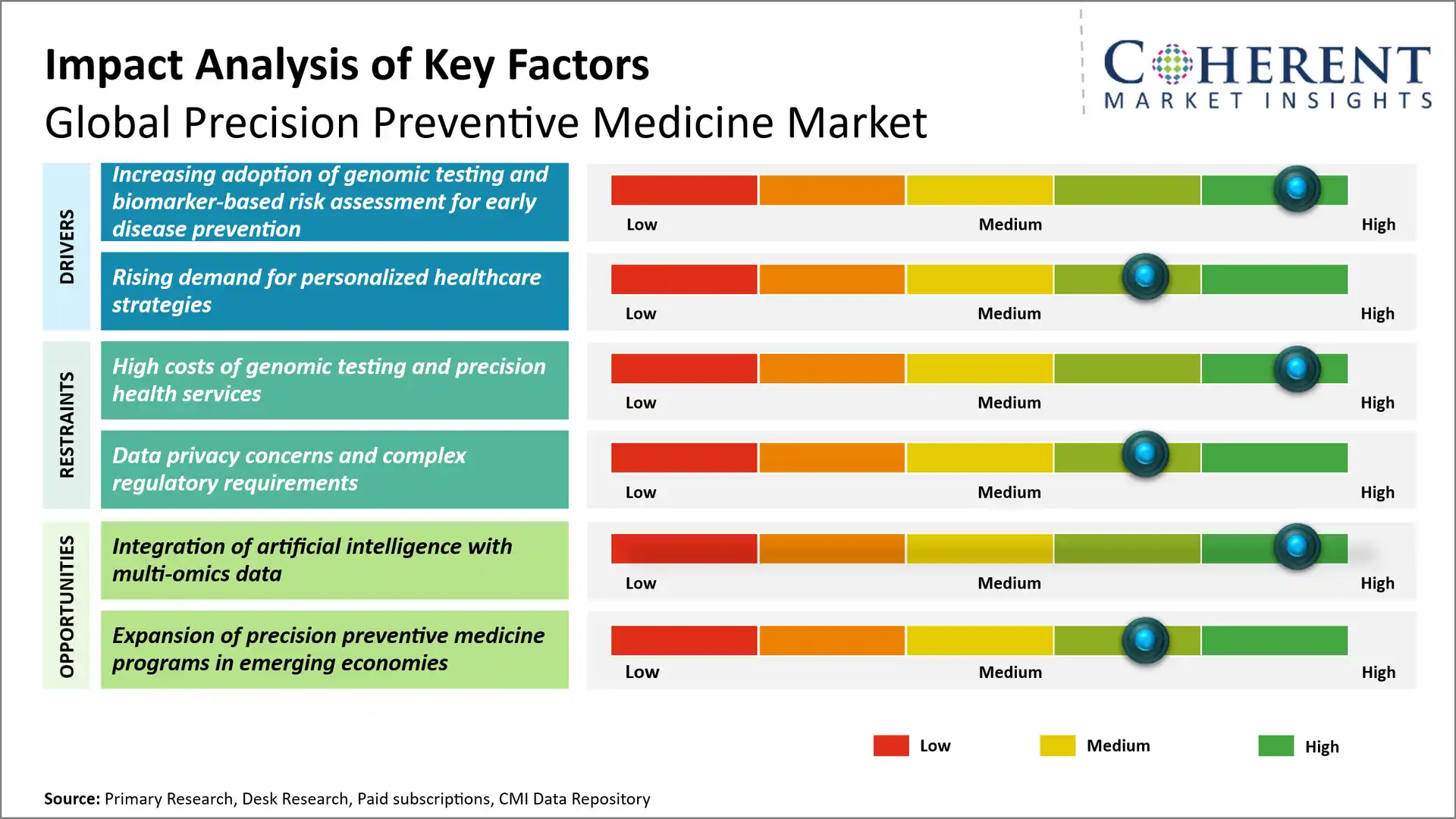
Market Drivers
- Increasing adoption of genomic testing and biomarker-based risk assessment for early disease prevention: The increasing adoption of genomic testing and biomarker-based risk assessment is driving the precision preventive medicine market by enabling healthcare providers to identify disease susceptibility before symptoms develop. Genetic variants and molecular biomarkers can help stratify individuals by risk, support targeted screening, and guide personalized prevention and monitoring strategies. For instance, the UK National Health Service (NHS) offers the NHS Genomic Medicine Service, which supports genomic testing to inform clinical decisions and improve the identification and management of inherited conditions. Wider integration of genomic services into healthcare pathways is expected to strengthen demand for precision-based risk assessment and early intervention.
- Rising demand for personalized healthcare strategies: Rising demand for personalized healthcare strategies is driving the precision preventive medicine market as individuals and healthcare providers increasingly seek prevention plans tailored to personal health profiles, lifestyle factors, and disease susceptibility. Advances in digital health, clinical data analytics, and personalized risk assessment are enabling more targeted recommendations for screening, lifestyle modification, and ongoing health monitoring. For instance, the U.S. National Cancer Institute’s My Cancer Genome resource provides information on how genetic alterations can influence cancer treatment decisions, reflecting the growing role of molecular information in individualizing healthcare.
- Increasing use of AI and predictive analytics for proactive disease prevention: The growing use of artificial intelligence (AI) and predictive analytics is driving the precision preventive medicine market by enabling healthcare providers to analyze large datasets, identify disease-risk patterns, and detect potential health issues earlier. Integrating electronic health records, genomic information, and clinical biomarkers can improve risk stratification and support timely, individualized preventive interventions. For instance, the U.S. National Institutes of Health’s Bridge2AI program supports the development of high-quality datasets and AI tools to advance biomedical research, helping strengthen the technological foundation for data-driven preventive healthcare.
Emerging Trends
- Integration of AI with Multi-Omics Data: The integration of artificial intelligence (AI) with genomic, proteomic, and metabolomic data is emerging as a key trend in precision preventive medicine. These technologies help identify complex disease-risk patterns, improve risk prediction, and support more personalized prevention strategies.
- Expansion of Polygenic Risk Scores and Genomic Screening: Healthcare providers are increasingly exploring polygenic risk scores and genomic screening to assess an individual's predisposition to complex diseases, including cardiovascular disorders, diabetes, and certain cancers. This trend is supporting the shift toward earlier risk identification and tailored screening plans.
- Growth of Digital Biomarkers and Continuous Health Monitoring: Wearable devices, remote monitoring platforms, and digital biomarkers are enabling the continuous assessment of physiological indicators such as heart rate, sleep patterns, and physical activity. Combining these data with clinical and genetic information can support earlier identification of potential health risks and more timely preventive interventions.
Regional Insights
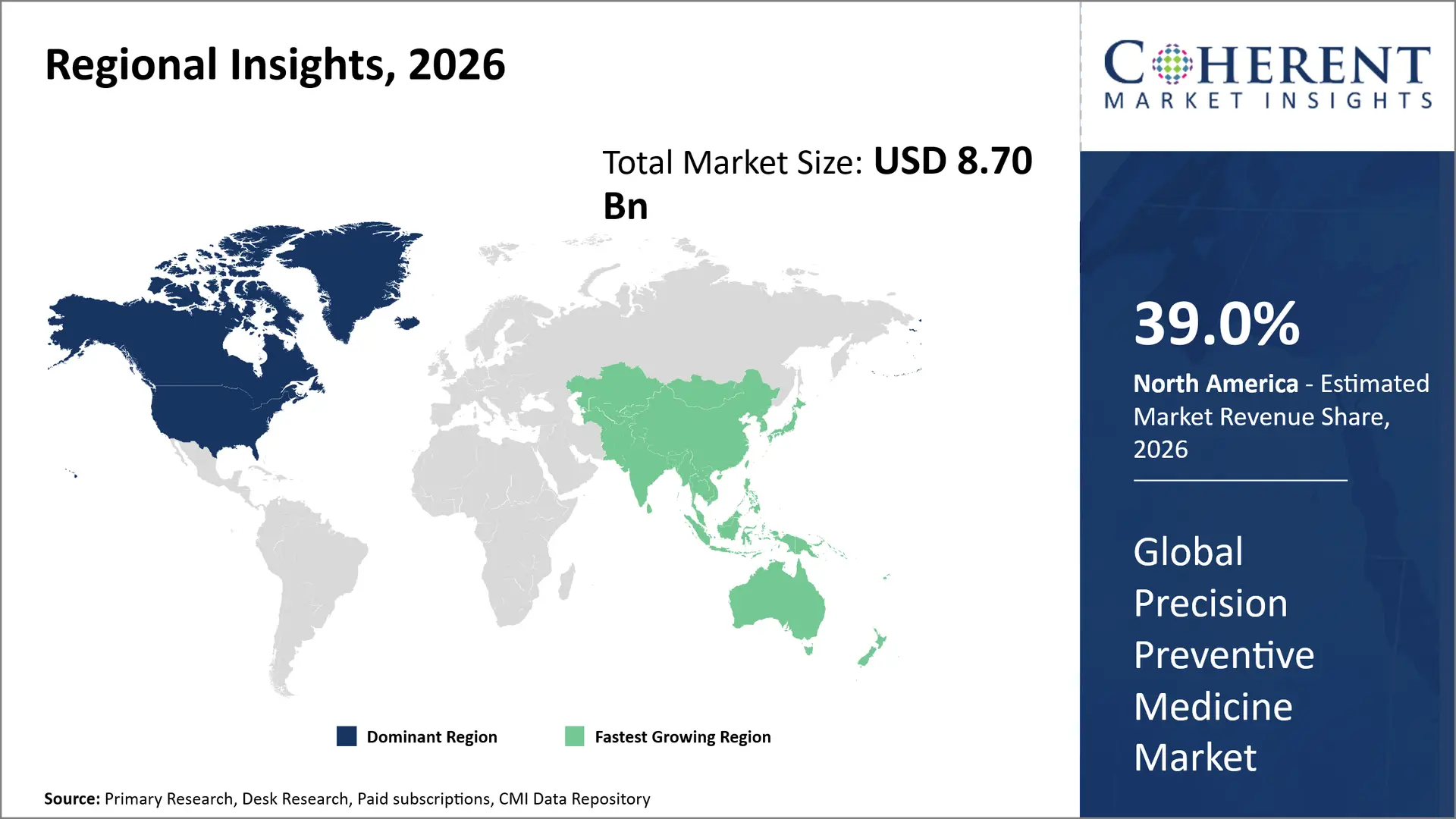
Why is North America a Strong Market for Precision Preventive Medicine?
North America leads the global precision preventive medicine market, accounting for an estimated 39.0% share in 2026, owing to the rapid adoption of genomic testing and digital health tools combined with the extensive precision medicine healthcare infrastructure and research orientation. Additionally, supportive government policies concerning the adoption of precision medicine and the existing supportive diagnostic landscape contribute to strengthening market position.
For instance, All of Us Research Program of the U.S. National Institutes of Health supports precision medicine research by offering genetic, clinical, and lifestyle information to researchers studying differences in health and disease risk. Furthermore, strategic alliances to develop and implement personalized disease-risk assessment and preventive care approaches, public-private funding initiatives strengthen the region’s market position.
Why Does Asia Pacific Precision Preventive Medicine Market Exhibit High Growth?
Asia Pacific is expected to exhibit the fastest growth in the global precision preventive medicine market, registering an estimated CAGR of 15.0% during 2026–2033. The region is projected to account for 24.0% of the global market in 2026, owing to the growing quality of healthcare services, improving quality of life and the expanding scope of AI in healthcare. Growing healthcare expenditure and awareness of preventive health coupled with investment in biotechnology and digital health infrastructure are favoring regional growth.
Furthermore, government Initiatives, in line with globally adopted practices, seem to be encouraging innovation in the healthcare industry and international cooperation. For instance, China’s Healthy China 2030 strategy emphasizes health promotion, disease prevention, and technological innovation, supporting the broader development of data-driven and personalized healthcare approaches. (Source: National Health Commission)
Global Precision Preventive Medicine Market Outlook for Key Countries
Why is the U.S. Leading Innovation and Adoption in the Precision Preventive Medicine Market?
The U.S. will probably be at the forefront of the leading innovation and adoption in the precision preventive medicine market, owing to its advanced state of genomic research and the utilization of genetic and lifestyle information for personalized risk profiling of people. High level of synergies amongst research oriented academic research, healthcare systems and biotech innovators are likely to lead to the optimized translation of research outcomes into personalized screening and prevention solutions. In addition, the rapid progress of AI based analytics and molecular diagnostics are expected to improve disease-risk discovery and targeted prevention in the country.
Is Japan a Favorable Market for Precision Preventive Medicine Market?
Japan is a potentially promising market for precision preventive medicine due to its sophisticated healthcare systems and universal coverage infrastructure as well as growing capacity for sophisticated genomic diagnostics and testing. Furthermore, Japan's focus on early prevention and personalized healthcare offer opportunities for risk assessment of genomic markers, biomarker screening and AI-based preventive medicine.
Is China Emerging as a Key Growth Hub for the Precision Preventive Medicine Market?
China is emerging as a promising growth market for precision preventive medicine, as the country is rapidly expanding its expertise in genomics sequencing, molecular diagnostics and health analytics powered by artificial intelligence. Incorporation of genomic information into disease-risk studies indicates a possibility for population-specific risk profiling and earlier detection of cancer and inherited diseases. In addition, increasing development of precision solutions is anticipated to drive tailored screening and prevention demand.
Why Does Germany Top the European Precision Preventive Medicine Market?
Germany leads the European precision preventive medicine market primarily due to its strong molecular diagnostics industry, existing clinical research ecosystem, and availability of genomics testing within the specialized healthcare paradigm. In addition, the presence of national genome initiatives and a focus on precision oncology in Germany may promote the applications of genomic profiling and biomarker discovery to determine disease risks and tailor screening protocols.
Is Precision Preventive Medicine Market Developing in UK?
UK precision preventive medicine market is moving towards routine healthcare usage of genomic testing and increased personalized risk assessment for disease. The NHS Genomic Medicine Service allows similar access to genomic testing for affected patients that can guide diagnosis and management of inherited disease and some cancers. These developments present opportunities for genetic risk assessment, early detection and targeted preventive care.
Government Initiatives Supporting Precision Preventive Medicine
Region | Country | Government initiative | Relevance to precision preventive medicine |
North America | U.S. | All of Us Research Program | Builds a large, diverse health research resource linking biological, clinical, and lifestyle information to advance personalized health research. |
Europe | UK | NHS Genomic Medicine Service | Integrates genomic testing into healthcare pathways, supporting the identification and management of inherited conditions and certain cancers. |
Asia Pacific | India | GenomeIndia Project | Develops a reference database of Indian genetic diversity to support genomic research and future population-specific health applications. |
Asia Pacific | Singapore | National Precision Medicine Programme | Uses population-scale genomic and health data to advance precision health research and clinical applications. |
Middle East and Africa | UAE | Emirati Genome Program | Builds national genomic resources to support genetic risk identification, preventive healthcare, and personalized medicine. |
Latin America | Brazil | Genomics and precision health research initiatives | Supports research into population diversity and the development of more locally relevant genomic and precision health applications. |
How is the integration of artificial intelligence with multi-omics data creating new growth opportunities in the precision preventive medicine market?
The integration of artificial intelligence (AI) with multi-omics data hold promising opportunities in the precision prevention medicine industry, especially for disease-risk prediction, biomarker discovery, and precision prevention. By combining the genome, proteome, and metabolome data, an AI model could detect complex biological trends and identify biomarkers of the disease even before symptoms appear. For instance, the Human Tumor Atlas Network (HTAN), funded by the U.S. National Cancer Institute, builds detailed maps of tumors to advance understanding of cancer development and progression, supporting research relevant to earlier detection and precision prevention.
Market Players, Key Development, and Competitive Landscape
Key Developments
- In September 2026, Prevision Medicine announced that it raised USD 5.4 million in seed funding led by ACE Ventures, with participation from GoHub Ventures, SICTIC, and angel investors. The funding will support commercialization of its functional precision medicine test for hematological malignancies and solid tumors, which assesses drug responses in living patient-derived cancer cells. The company also plans to advance regulatory clearances, reimbursement coverage, and expansion across Europe.
- In June 2026, PrecisionLife launched its Biology Matters podcast to explore how advances in genomics, artificial intelligence, data science, and disease biology can improve chronic disease prediction and prevention. The podcast brings together healthcare leaders, researchers, and patient advocates to discuss personalized approaches to risk assessment, earlier intervention, and improved patient outcomes. This initiative highlights the growing role of precision medicine in shifting healthcare from reactive treatment toward predictive and preventive care.
- In November 2025, Precision Medicine Group announced the launch of Institute@Precision, a collaborative forum designed to foster biopharmaceutical innovation. The initiative aims to bring stakeholders together to exchange expertise and advance innovation across the biopharma ecosystem. While relevant to the broader precision medicine industry, its direct impact on preventive medicine remains unclear.
Competitive Landscape
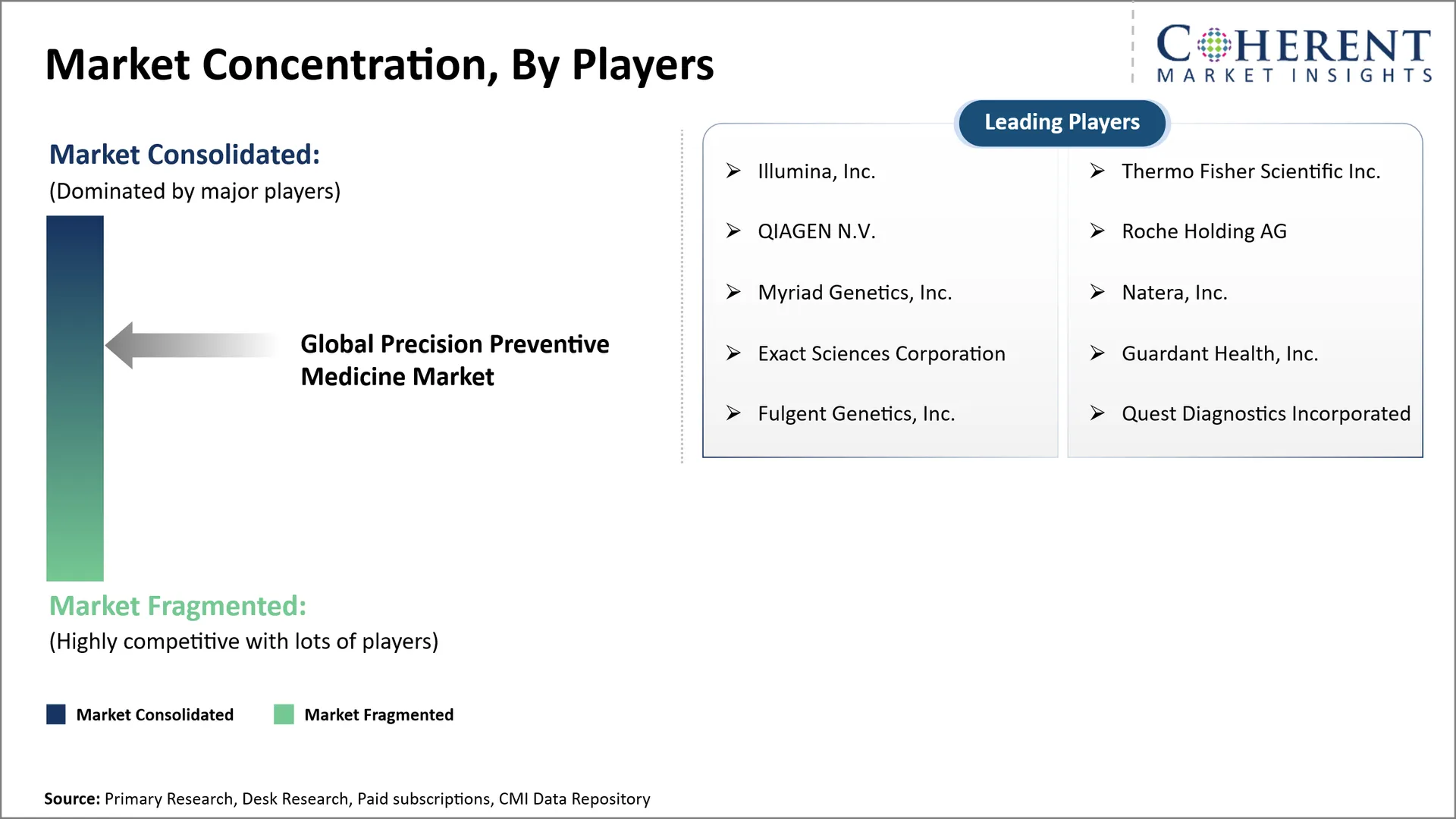
The global precision preventive medicine market is evolving through advancements in genomic screening, biomarker-based risk assessment, AI-driven predictive analytics, and personalized disease prevention strategies. Market participants are increasingly focusing on improving early disease detection, integrating genomic and clinical data, and developing individualized approaches to prevent chronic and inherited conditions. Key focus areas include:
- Development of AI-powered predictive models
- Integration of genomic testing, molecular biomarkers, and multi-omics data
- Expansion of population-based genomic screening and personalized screening programs
- Enhancement of data integration, predictive accuracy, and clinical validation
- Strengthening of genomic data privacy, cybersecurity, ethical governance, and regulatory compliance in precision healthcare
Market Report Scope
Global Precision Preventive Medicine Market | |||
Report Coverage | Details | ||
Base Year | 2025 | Market Size in 2026: | USD 8.70 Bn |
Historical Data For: | 2020 To 2024 | Forecast Period: | 2026 To 2033 |
Forecast Period 2026 To 2033 CAGR: | 11.3% | 2033 Value Projection: | USD 18.40 Bn |
Geographies covered: |
| ||
Segments covered: |
| ||
Companies covered: | Illumina, Inc., Thermo Fisher Scientific Inc., QIAGEN N.V., Roche Holding AG, Myriad Genetics, Inc., Natera, Inc., Exact Sciences Corporation, Guardant Health, Inc., Fulgent Genetics, Inc., Quest Diagnostics Incorporated | ||
Growth Drivers: |
| ||
Restraints & Challenges: |
| ||
Analyst Opinion (Expert Opinion)
- In the coming years, global precision preventive medicine market is expected to evolve toward a proactive, data-driven healthcare model in which genomic information, molecular biomarkers, artificial intelligence (AI), and longitudinal health data are integrated to identify disease risks before symptoms emerge. Future growth will depend on translating predictive insights into clinically actionable prevention strategies, including personalized screening schedules, lifestyle interventions, and early monitoring. As these capabilities mature, the market is likely to move beyond standalone genetic tests toward integrated preventive care platforms that combine multiple data sources with individualized risk assessment.
- The maximum opportunities are foreseen within AI-enabled predictive risk assessment and genomic screening for oncology and cardiovascular disease prevention, particularly in the U.S., China, and India. The U.S. offers opportunities in advanced genomic testing, AI-supported clinical analytics, and personalized screening services. China presents potential through its expanding healthcare technology ecosystem and large patient population, while India offers opportunities for cost-effective genomic screening and scalable preventive healthcare solutions suited to a diverse population. Players targeting these markets should prioritize solutions that address locally prevalent diseases, healthcare affordability, and differences in access to diagnostic infrastructure.
- In order to gain a competitive advantage market players should develop clinically validated solutions that combine genomic testing, biomarker analysis, and predictive analytics into practical preventive care pathways. Strategic priorities should include building diverse and representative datasets, demonstrate the clinical utility and cost-effectiveness of risk-assessment tools, and establish collaborations with hospitals, diagnostic laboratories, and healthcare providers. Companies should also prioritize transparent AI models, strong data privacy safeguards, and accessible testing and service delivery models to build clinician confidence and support broader adoption.
Speak to the analyst
Want personalized insights?
Take the findings above to one of our principal consultants, or have the report rebuilt around the segments, geographies and competitors you actually track.
Market Segmentation
- Service Type Insights (Revenue, USD Bn, 2021 - 2033)
- Predictive Screening and Early Detection
- Genetic Risk Assessment and Counseling
- Personalized Risk Profiling
- Personalized Preventive Intervention Planning
- Technology Insights (Revenue, USD Bn, 2021 - 2033)
- Genomics and Genetic Testing
- Biomarker Analysis
- Multi-Omics Analysis
- Artificial Intelligence (AI) and Predictive Analytics
- Digital Health and Remote Monitoring
- Application Insights (Revenue, USD Bn, 2021 - 2033)
- Oncology Prevention
- Cardiovascular Disease Prevention
- Metabolic and Endocrine Disorders Prevention
- Neurological Disorders Prevention
- Reproductive and Genetic Disorder Prevention
- Infectious Disease Prevention
- Others
- End User Insights (Revenue, USD Bn, 2021 - 2033)
- Hospitals and Clinics
- Diagnostic and Genomic Laboratories
- Academic and Research Institutes
- Public Health Organizations
- Direct-to-Consumer (DTC) Providers
- Others
- Regional Insights (Revenue, USD Bn, 2021 - 2033)
- North America
- U.S.
- Canada
- Latin America
- Brazil
- Argentina
- Mexico
- Rest of Latin America
- Europe
- Germany
- U.K.
- Spain
- France
- Italy
- Russia
- Rest of Europe
- Asia Pacific
- China
- India
- Japan
- Australia
- South Korea
- ASEAN
- Rest of Asia Pacific
- Middle East
- GCC Countries
- Israel
- Rest of Middle East
- Africa
- South Africa
- North Africa
- Central Africa
- North America
- Key Players Insights
- Illumina, Inc.
- Thermo Fisher Scientific Inc.
- QIAGEN N.V.
- Roche Holding AG
- Myriad Genetics, Inc.
- Natera, Inc.
- Exact Sciences Corporation
- Guardant Health, Inc.
- Fulgent Genetics, Inc.
- Quest Diagnostics Incorporated
Sources
Primary Research Interviews
- Healthcare professionals specializing in preventive medicine, clinical genetics, and personalized risk assessment
- Clinical geneticists, genetic counselors, and molecular diagnostics specialists involved in genomic screening and inherited disease prevention
- Researchers working on biomarker discovery, multi-omics analysis, and predictive disease-risk modeling
- Public health experts involved in population-based screening and precision public health initiatives
- Laboratory directors and clinical researchers evaluating the clinical utility of genomic tests and biomarker-based screening
- Specialists in AI-driven healthcare analytics and personalized preventive intervention planning
Stakeholders
- Genomic testing and molecular diagnostics developers
- Biomarker discovery and multi-omics technology providers
- AI-powered clinical analytics and predictive risk-assessment platform developers
- Hospitals, preventive healthcare providers, and specialized screening centers
- Diagnostic and genomic laboratories
- Pharmaceutical and biotechnology companies developing risk-based prevention and early-detection approaches
- Digital health, wearable monitoring, and connected healthcare technology providers
- Healthcare data analytics, bioinformatics, and clinical decision-support solution providers
- End-use Sectors
- Hospitals and healthcare providers
- Pharmaceutical and biotechnology companies
- Research and academic institutions
- Clinical research organizations (CROs)
- Medical device and digital health technology companies
- Government-funded biomedical research centers
- Regulatory & Health Bodies
- U.S. Food and Drug Administration (FDA) — genomic testing, in-vitro diagnostics, biomarker qualification, and precision medicine regulation.
- National Institutes of Health (NIH), United States — biomedical research, precision medicine, genomic research, and population health initiatives.
- National Cancer Institute (NCI), United States — cancer prevention, early detection, cancer genomics, and biomarker research.
- Centers for Disease Control and Prevention (CDC), United States — genomics and precision health, genetic testing, and disease prediction and prevention.
- European Medicines Agency (EMA) — medicines regulation, clinical evidence, and relevant biomarker and genomic medicine developments.
- European Commission — European health policy, cancer prevention initiatives, and health research programmes.
Databases
- ClinicalTrials.gov — registered clinical studies involving genomic testing, biomarkers, risk prediction, and preventive interventions.
- WHO International Clinical Trials Registry Platform (ICTRP) — international clinical trial registration records.
- FDA Medical Device Databases — regulatory information on relevant diagnostic tests, medical devices, and digital health technologies.
- EU Clinical Trials Information System (CTIS) — clinical trial information across the European Union.
- Clinical Trials Registry–India (CTRI) — registration of clinical trials conducted in India.
- NCBI Gene and ClinVar — public resources for gene information and the clinical interpretation of genetic variants.
- CDC Public Health Genomics and Precision Health Knowledge Base — evidence, guidelines, and public health resources related to genomics and disease prevention.
Associations
- American College of Medical Genetics and Genomics (ACMG) — clinical genetics and genomic medicine.
- American Society of Human Genetics (ASHG) — human genetics research and clinical applications.
- American Society of Clinical Oncology (ASCO) — oncology care, cancer risk assessment, and precision oncology.
- American Heart Association (AHA) — cardiovascular disease prevention and risk assessment.
- European Society of Human Genetics (ESHG) — human genetics, genomic medicine, and related clinical practice.
- International Society for Computational Biology (ISCB) — computational biology, bioinformatics, and biomedical data analysis.
Public Domain Sources
- National Institutes of Health (NIH) — precision medicine, genomic research, and population-based health research.
- Centers for Disease Control and Prevention (CDC) — precision health, disease prevention, genetic testing, and public health genomics.
- U.S. Food and Drug Administration (FDA) — precision medicine, genomic test validation, and biomarker qualification.
- National Human Genome Research Institute (NHGRI) — genomic medicine, genetic testing, and genomics research initiatives.
- National Cancer Institute (NCI) — cancer prevention, early detection, and cancer genomics.
- World Health Organization (WHO) — global health policy, screening, disease prevention, and health-system guidance.
- National Center for Biotechnology Information (NCBI) — public genomic databases, genetic variation resources, and biomedical literature.
- Office of the National Coordinator for Health Information Technology (ONC), United States — health information interoperability, electronic health information, and data exchange.
Proprietary Elements
- CMI Data Analytics Tool, Proprietary CMI Existing Repository of information for last 10 years.
Get access to 250+ pages report
Every segment, forecast, competitor profile and data table behind the analysis above — available for instant download.
- ESOMAR Member
- ISO 9001:2015 Certified
- D-U-N-S Registered
- GDPR & CCPA Compliant
Frequently Asked Questions
The global precision preventive medicine market is estimated to be valued at USD 8.70 Bn in 2026 and is expected to reach USD 18.40 Bn by 2033.
Predictive screening and early detection dominate due to their role in identifying disease risks at an early stage and enabling timely preventive interventions.
Precision preventive medicine uses genomic, biomarker, clinical, and lifestyle data to assess individual disease risks and develop personalized prevention strategies.
The CAGR of global precision preventive medicine market is projected to be 11.3% from 2026 to 2033.
Increasing adoption of genomic testing and biomarker-based risk assessment for early disease prevention, and rising demand for personalized healthcare strategies are the major factors driving the growth of the global precision preventive medicine market.
High costs of genomic testing and precision health services, and data privacy concerns and complex regulatory requirements are the major factors hampering the growth of the global precision preventive medicine market.
In terms of technology, genomics and genetic testing is estimated to dominate the market revenue share in 2026.