

Global AI Precision Treatment Platform Market Size and Forecast – 2026 To 2033
The global AI precision treatment platform market is expected to grow from USD 1.62 Bn in 2026 to USD 7.94 Bn by 2033, registering a compound annual growth rate (CAGR) of 25.5% from 2026 to 2033. The market for global AI precision treatment platform is poised for significant expansion, fueled by the growing integration of genomic, clinical, and multimodal health data to enable personalized treatment decisions.
In April 2025, the U.S. National Institutes of Health (NIH) Council of Councils approved the PRIMED-AI program concept, which focuses on combining medical imaging with other health data through AI to enhance clinical research and patient assessment. This initiative highlights growing institutional support for AI applications in precision medicine.
Key Takeaways of the Global AI Precision Treatment Platform Market
- Software platforms are projected to hold 68.4% of the global AI precision treatment platform market share in 2026, making it dominant component segment, across North America, driven by growing adoption of genomic-guided cancer treatment. For instance, the U.S. National Cancer Institute’s ComboMATCH program uses tumor genetic testing to assign eligible patients to clinical trials evaluating targeted drug combinations. This approach highlights the importance of data-driven software and clinical decision-support tools in personalized treatment selection.
- Cloud-based is projected to hold 52.7% of the global AI precision treatment platform market share in 2026, making it dominant deployment mode segment, particularly in Europe, due to the need for secure access to large volumes of genomic and clinical data. For instance, the European Union’s European Health Data Space Regulation (EHDS), Regulation (EU) 2025/327, entered into force in March 2025 and establishes a framework for health-data access and reuse for research and innovation. This framework facilitates data-driven research and the development of AI-enabled precision treatment platforms.
- Treatment selection and planning is projected to hold 31.6% of the global AI precision treatment platform market share in 2026, making it dominant application segment, across Asia Pacific particularly in India, where healthcare authorities are advancing the evaluation and responsible use of AI in clinical settings. For instance, in February 2026, India’s Ministry of Health and Family Welfare launched the Strategy for Artificial Intelligence in Healthcare for India (SAHI) and the Benchmarking Open Data Platform for Health AI (BODH) to support responsible AI adoption and evaluate healthcare AI models. These initiatives strengthen the validation of AI systems used to support personalized treatment decisions.
- North America market maintains dominance with an expected share of 43.8% in 2026, bolstered by advanced healthcare infrastructure, strong precision-medicine research, and established regulatory pathways for genomic testing. For instance, the U.S. Centers for Medicare & Medicaid Services (CMS) provides national Medicare coverage for certain FDA-approved or FDA-cleared next-generation sequencing tests for eligible patients with advanced cancer, supporting access to genomic information used to guide treatment decisions. This coverage supports the use of genomic testing to inform treatment options and strengthens the ecosystem for precision-medicine platforms.
- Asia Pacific is expected to exhibit the fastest growth in the global AI precision treatment platform market, registering an estimated CAGR of 29.5% during 2026–2033, driven by expanding genomic medicine infrastructure and government support for individualized care. For instance, in November 2025, Japan’s Ministry of Health, Labour and Welfare adopted a basic plan to promote genomic medicine, including coordinated policies to improve access to genome-informed healthcare. This initiative is expected to strengthen the foundation for data-driven treatment decisions and support the region’s adoption of precision treatment technologies.
Segmental Insights
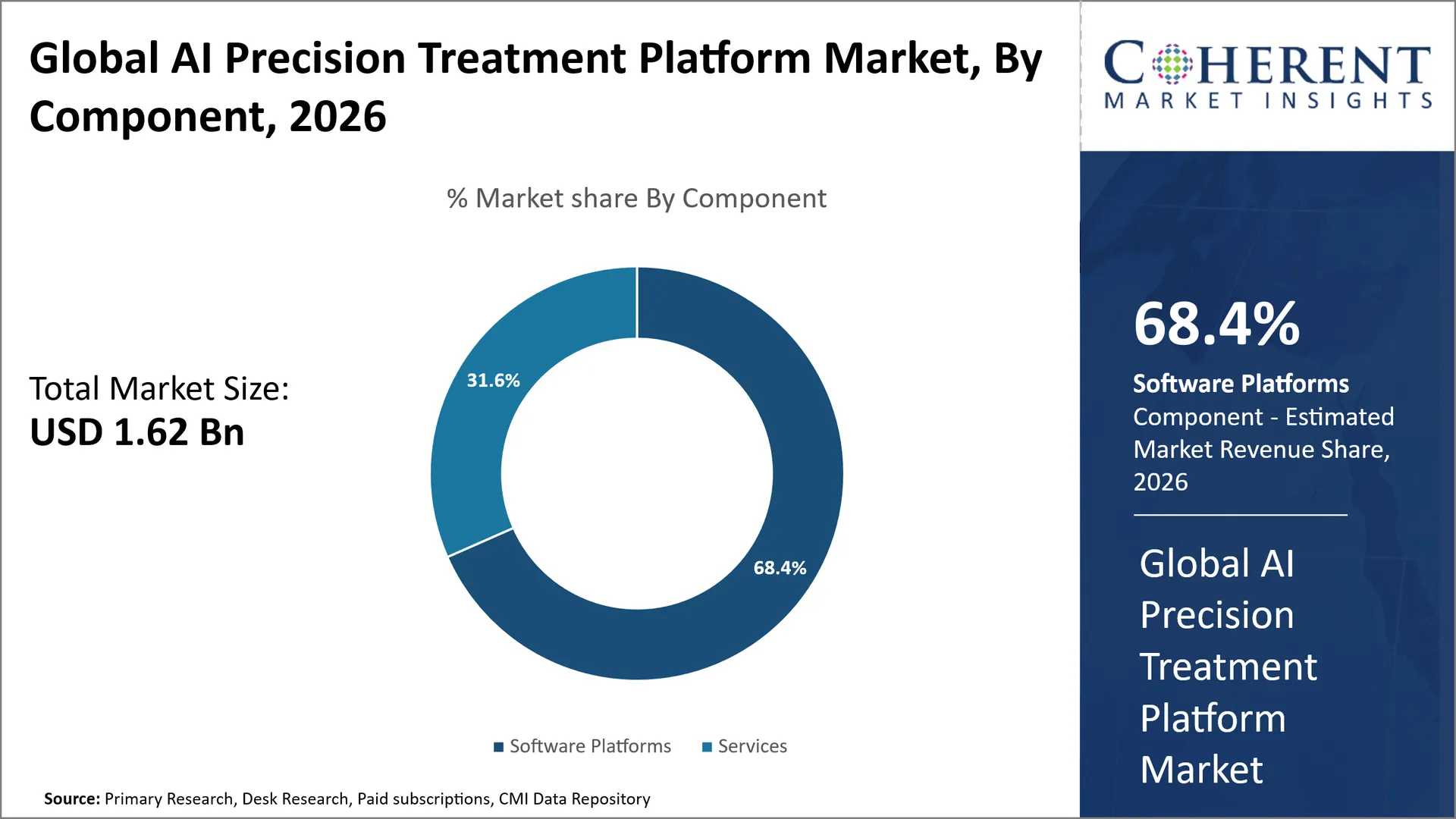
Why Do Software Platforms Dominate the Global AI Precision Treatment Platform Market?
Software platforms are projected to hold the market share of 68.4% in 2026, owing to their ability to cater to sophisticated patients' data, provide standardized methods to support treatment decisions, and connect with hospital systems. The scalability factor and evolving nature of algorithm updates aid their adoption by hospitals and research centers. For instance, in December 2025, India’s Ministry of Health and Family Welfare reported that AI-based Clinical Decision Support Systems had been integrated into the national eSanjeevani telemedicine service to provide differential diagnosis recommendations during consultations. (Source: Press Information Bureau)
- Current Industry Events of 2026
- Market Size Estimation
- Regional Breakdown
- Competitive Landscape
- Customer Intelligence
- Segmental Analysis
- Pricing Analysis
- Key Market Drivers, Challenges & Future Trends
- Customized Insights Section
Why Does Cloud-Based Represent the Largest Deployment Mode Segment in the AI Precision Treatment Platform Market?
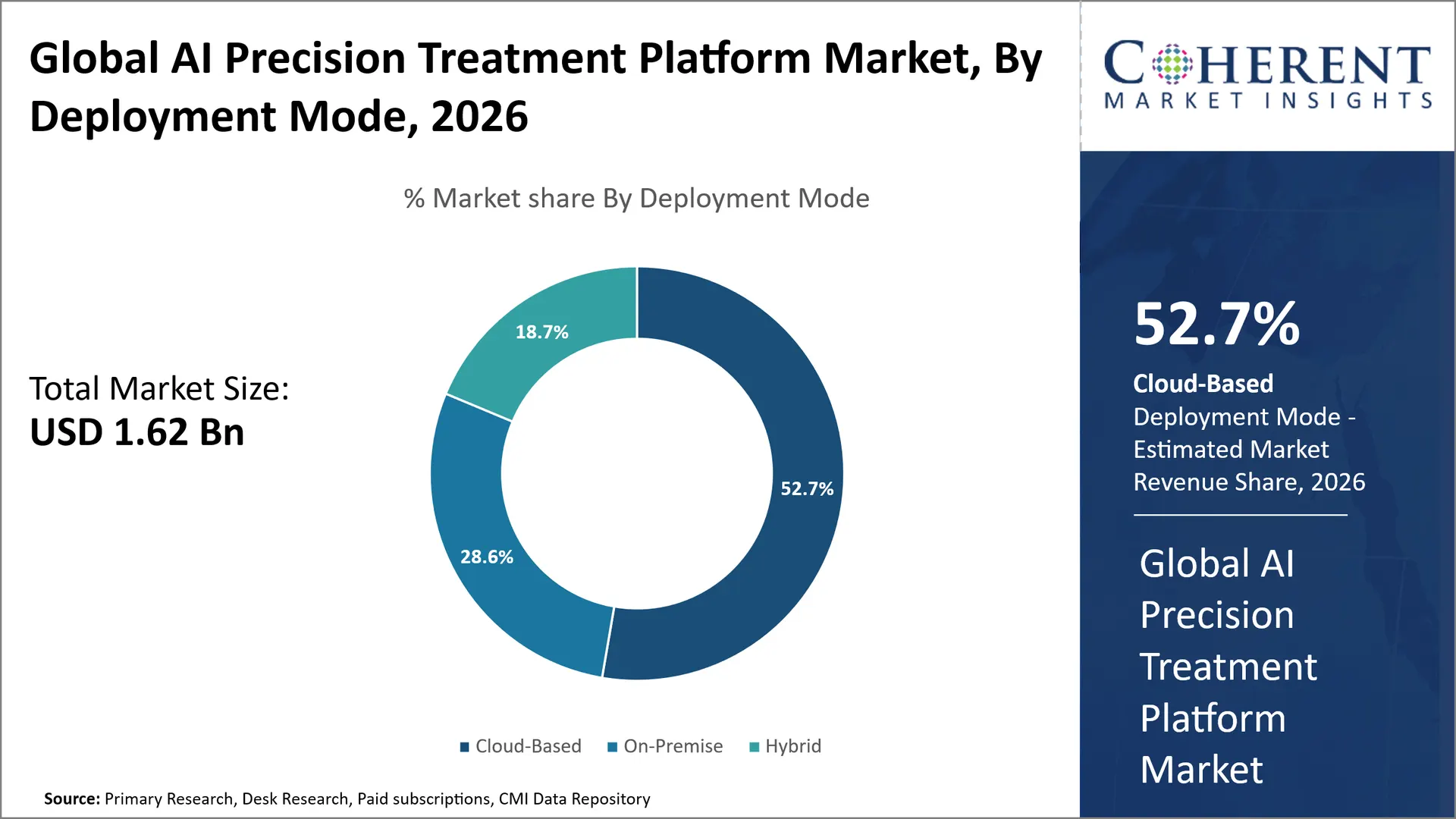
Cloud-based is projected to hold a market share of 52.7% in 2026, as it offers flexibility, lower upfront costs for infrastructure, and the ability to process large healthcare data sets, and enables remote access and collaboration between healthcare institutions. Furthermore, cloud infrastructure supports all centralized software updates and integrations with EHRs and clinical applications. For instance, in September 2025, the UK Department of Health and Social Care revealed its plan for a large-scale trial of artificial intelligence tools across NHS screening services. This initiative will serve to showcase how cloud-enabled infrastructure can support wide-spread deployment of artificial intelligence and early disease detection.
Treatment Selection and Planning Segment Dominates the Global AI Precision Treatment Platform Market
The treatment selection and planning segment is projected to hold a market share of 31.6% in 2026, as artificial intelligence supports physicians in analyzing data from the patient, predicting how they respond to treatment, and choosing the best course of action. It is particularly relevant in the field of oncology, where the results of a treatment differ from patient to patient. For instance, in February 2025, researchers from the U.S. National Cancer Institute reported that the AI HistoTME can support prediction of responses to immunotherapy through analysis of tumor pathology images in patients with non-small cell lung cancer, demonstrating AI’s potential to support more individualized treatment decisions.
Current Events and their Impact
Current Events | Description and its Impact |
WHO Member States Endorse Global Precision Medicine Resolution (May 2026) |
|
Singapore Expands National Precision Medicine and AI-Enabled Care Initiatives (May 2026) |
|
India Launches SAHI and BODH to Support Responsible Healthcare AI (February 2026) |
|
AI Precision Treatment Platform Market Dynamics
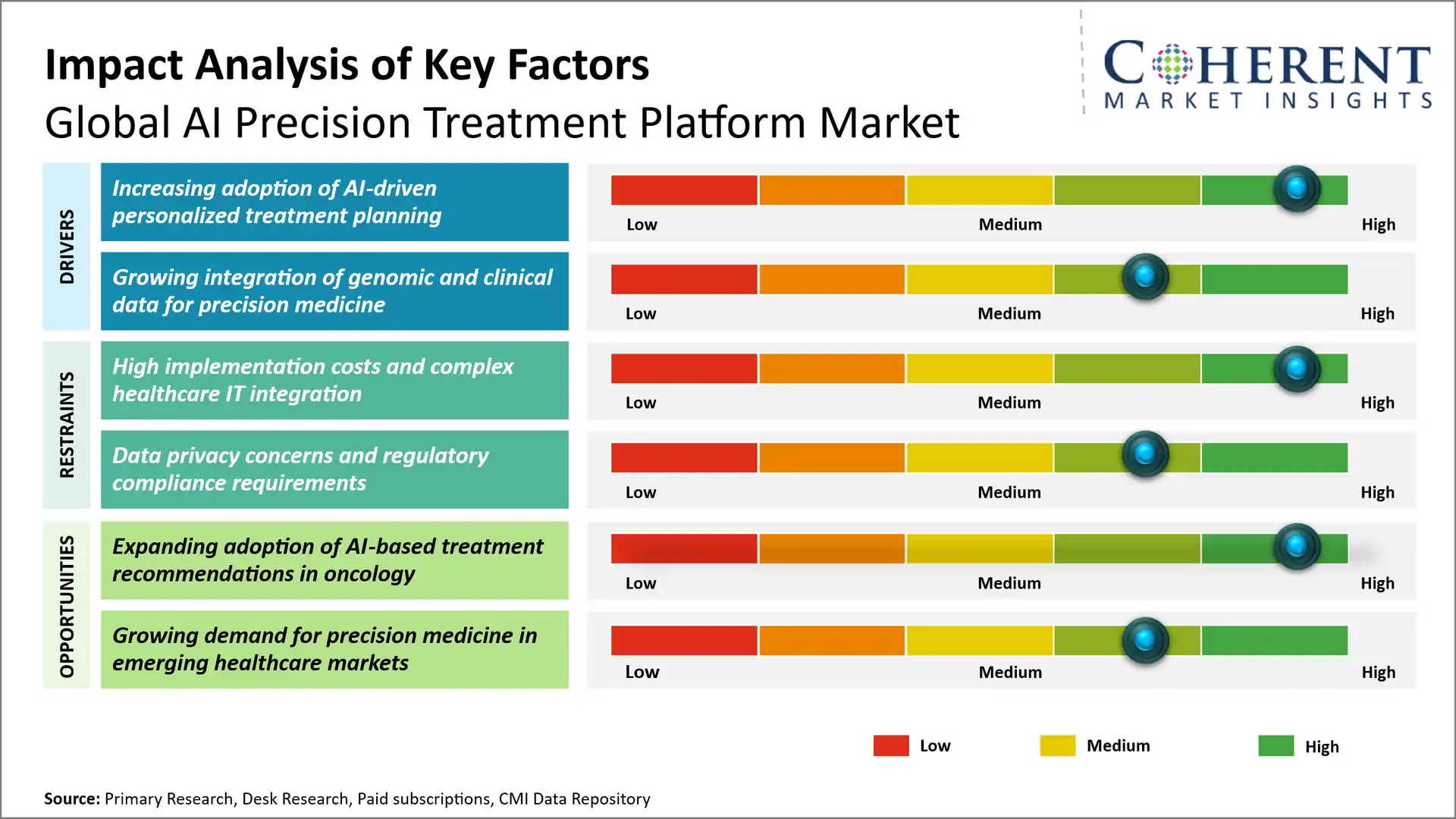
Market Drivers
- Increasing adoption of AI-driven personalized treatment planning: Increasing adoption of AI-driven personalized treatment planning is a key driver of the global AI precision treatment platform market, as healthcare providers increasingly use patient-specific clinical, molecular, and diagnostic data to guide therapy selection, predict treatment responses, and support individualized care pathways. The integration of AI into clinical decision-support systems is further strengthening its role in precision medicine. For instance, the U.S. Food and Drug Administration (FDA) maintains a list of AI-enabled medical devices authorized for marketing, reflecting the growing integration of AI technologies into clinical practice.
- Growing integration of genomic and clinical data for precision medicine: Growing integration of genomic and clinical data is driving the global AI precision treatment platform market by enabling healthcare providers to combine molecular profiles, patient histories, diagnostic results, and treatment outcomes to support individualized care. AI-powered platforms analyze these datasets to identify relevant biomarkers, stratify patients, and inform treatment selection. For instance, in June 2026, the NIH’s All of Us Research Program released data from more than 747,000 participants, including over 535,000 whole-genome sequences linked to nearly 482,000 electronic health records, providing researchers with a large integrated resource for studying genetic variation and health outcomes.
- Rising investments in AI-driven drug development and clinical research: As pharmaceutical and biotechnology companies use AI to improve patient stratification, predict treatment responses, and optimize clinical trials. These platforms integrate genomic, molecular, and clinical data to support targeted therapy development and patient selection. For instance, in May 2026, AI-driven drug design company Isomorphic Labs secured USD 2.1 billion in Series B funding to scale its AI drug-design engine and advance its therapeutic pipeline toward clinical development, highlighting growing investment in AI-enabled drug discovery and precision medicine.
Emerging Trends
- Multimodal AI integration for personalized treatment: AI platforms are increasingly integrating genomic, molecular, imaging, and electronic health record data to develop a more comprehensive view of individual patients. This trend is strengthening personalized treatment selection, patient stratification, and prediction of therapeutic response.
- Expansion of AI-driven precision oncology: Growing use of AI in cancer biomarker analysis, targeted therapy selection, and clinical-trial matching is advancing precision oncology. Platforms that combine molecular profiling with clinical evidence are gaining importance in supporting individualized cancer treatment decisions.
- Privacy-preserving AI and explainable decision support: Precision treatment platforms are increasingly exploring federated learning and other privacy-preserving methods to analyze data across healthcare institutions while limiting the transfer of sensitive patient information. Explainable AI is also gaining importance to help clinicians understand recommendations and assess their clinical relevance.
Regional Insights
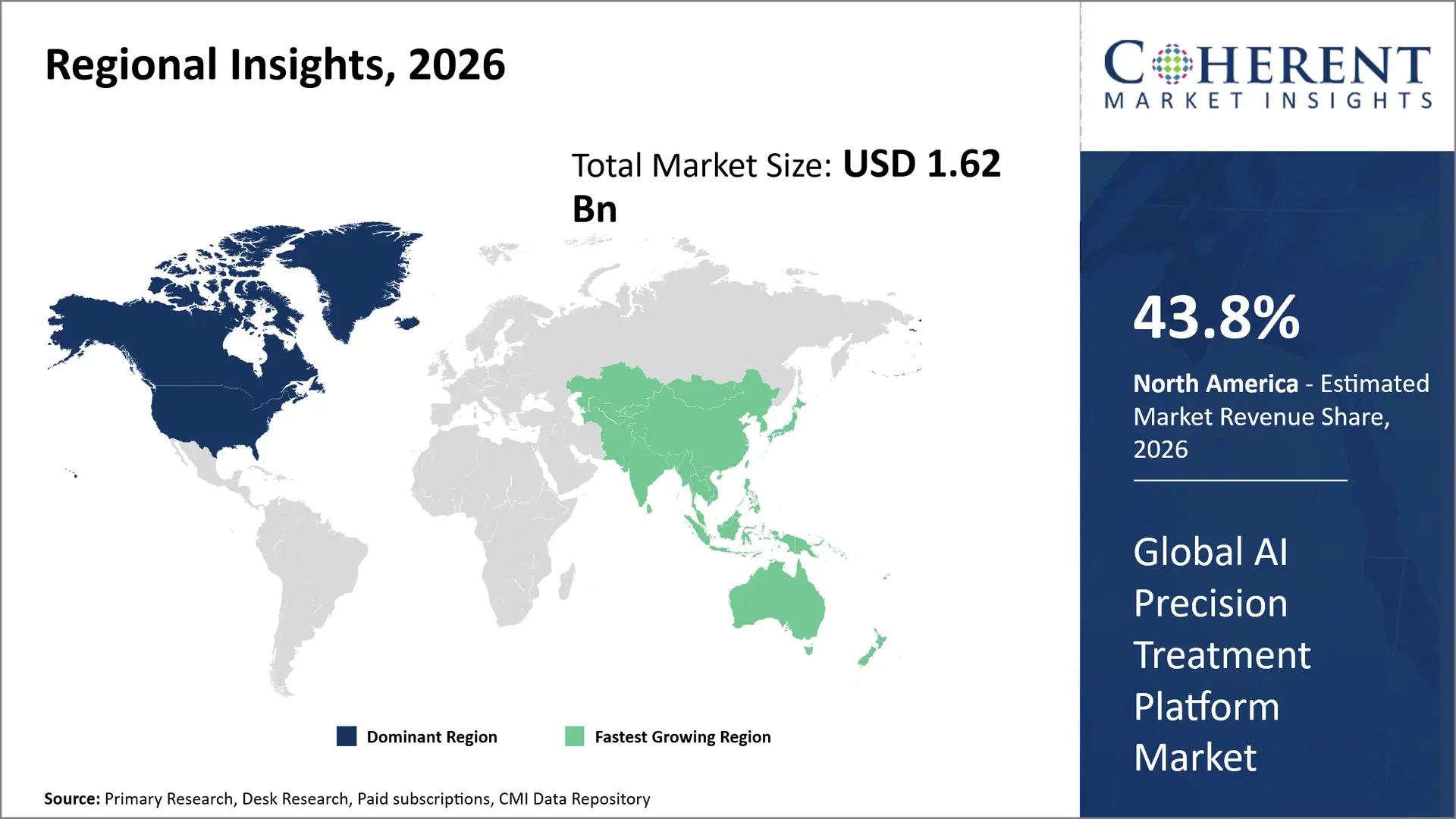
Why is North America a Strong Market for AI Precision Treatment Platform?
North America leads the global AI precision treatment platform market, accounting for an estimated 43.8% share in 2026, attributed to the presence of cutting-edge healthcare infrastructure, rising investments for research and development activities, as well as a strong biotechnology and pharmaceutical industry. Furthermore, the proactive initiatives undertaken by the governments to promote precision medicine along with the conducive regulatory scenario is anticipated to propel the evolution and adoption of these platforms in the region. For instance, the Bio Genesis Mission of the U.S. National Institutes of Health catalyzes biomedical discovery with the use of artificial intelligence, advanced computing and public private partnerships to improve health, and advance innovation in AI-enabled precision medicine.
Why Does Asia Pacific AI Precision Treatment Platform Market Exhibit High Growth?
Asia Pacific is expected to exhibit the fastest growth in the global AI precision treatment platform market, registering an estimated CAGR of 29.5% during 2026–2033. The region is projected to account for 22.0% of the global market in 2026, owing to the digitalization of the healthcare industry, rising medical infrastructure, and the rising demand for precision treatments. In addition, the government of countries such as China, Japan, and South Korea are fostering the adoption of artificial intelligence by implementing national digital health strategies and reforms pertaining to regulations, thereby accelerating healthcare innovation.
For instance, in February 2024, South Korea's Ministry of Health and Welfare announced the Second National Health Insurance Comprehensive Plan (2024-28), which includes plans to improve digital healthcare and promote the adoption of new technologies into healthcare delivery. Furthermore, the large patient population and growing usage of clinical and genome data in the region will contribute to the growth of the market.
Global AI Precision Treatment Platform Market Outlook for Key Countries
Why is the U.S. Leading Innovation and Adoption in the AI Precision Treatment Platform Market?
The U.S. leads in innovation and adoption in the AI precision treatment platform market owing to its mature research environment for precision-oncology. The progressive incorporation of genomics into treatment research and the progress made with AI-based clinical decision-support tools is helping the country take the early lead in this field. Moreover, growing collaboration between research institutes, technology developers and medical practitioners is leading to the development of AI products that match therapies to the molecular profiles of individual tumors.
Is China a Favorable Market for AI Precision Treatment Platform Market?
China is a strong emerging market for AI precision treatment platforms driven by the support from relevant policies for clinical AI decision-making, medical data infrastructure, and disease-specific applications of AI. In November 2025, China's National Health Commission and four other governmental bodies issued an implementation policy of full-scale application of AI-assisted clinical decision making and medical imaging in hospitals by 2030. These policies create demands for platforms in the field of treatment planning, patient stratification, and clinical decision support.
Is Japan Emerging as a Key Growth Hub for the AI Precision Treatment Platform Market?
Japan is being identified as one of the rising growth centers for the AI precision treatment platform market, driven by government support for the promotion of personalized medicine and genomic medicine. In November 2025, the Ministry of Health, Labour and Welfare of Japan established a basic plan to promote genomic medicine and improve medical care, where it provides an opportunity to integrate the patient-specific genomic data of AI platform-enabled to be translated into a tailored therapeutic strategy.
Why Does Germany Top the European AI Precision Treatment Platform Market?
Over the past decades, Germany has built a solid genomics research infrastructure and strongly supports the usage of genomic data in clinical practice. With the launch of a nation-wide genomic sequencing project to address rare diseases and cancer patients in July 2024, patients receive precision diagnoses and treatment, making it an ideal market for AI platforms which transform genomic and clinical data into patient-specific treatment plans.
Is AI Precision Treatment Platform Market Developing in UK?
The market for AI precision treatment platforms in the UK is growing supported by the National Health Service projects that combines artificial intelligence with genomics and clinical data for individualized medicine. The Life Sciences Sector Plan by the UK Government lays out plans for the creation of health datasets compatible with AI linking information from genomics, pathology, and radiology services by 2030. This is likely to generate opportunities for AI in treatment choice and precision medicine.
Competitive Benchmarking of Key Companies and Products in AI Precision Treatment Platforms
Company | Key Products / Platforms | Key Competitive Advantage |
Tempus AI, Inc. | Tempus Lens, Tempus One, Oncology Foundation Model (oFM) | Integrates multimodal clinical, genomic, and real-world data to support biomarker analysis, treatment-response insights, and precision oncology research. |
BostonGene Corporation | BostonGene Tumor Portrait, BostonGene AI Platform | Combines genomic profiling, transcriptomic analysis, and tumor microenvironment insights to support personalized treatment recommendations and clinical-trial matching. |
GenomOncology, LLC | GO Precision Oncology Platform, Molecular Pathology Workbench, Clinical Trial Optimization | Provides oncology-focused clinical decision support using molecular data, curated clinical evidence, and clinical-trial matching. |
Perthera, Inc. | Perthera Precision Oncology Platform, Perthera Precision Oncology Reports | Integrates molecular profiling and clinical evidence to help oncologists evaluate personalized cancer treatment options. |
SOPHiA GENETICS SA | SOPHiA DDM Platform | Applies AI and machine learning to complex genomic and clinical data to support precision medicine workflows. |
Owkin, Inc. | MSIntuit CRC, RlapsRisk BC, K Pro | Uses multimodal AI and patient data to support biomarker discovery, patient stratification, and prediction of treatment outcomes. |
Caris Life Sciences, Inc. | FOLFIRSTai, GPSai, CODEai | Combines molecular profiling, clinical data, and AI to support treatment-response prediction and individualized oncology decisions. |
Foundation Medicine, Inc. | FoundationOne CDx, FoundationOne Liquid CDx, FoundationOne Heme | Provides comprehensive genomic profiling to identify actionable biomarkers and inform targeted treatment decisions. |
Genomate Health Syapse, Inc. | Genomate Precision Oncology Platform | Uses computational analysis of patient-specific molecular profiles to rank potential targeted therapies and support personalized treatment decisions. |
Syapse, Inc. | Syapse Precision Medicine Platform, Syapse Learning Health Network | Connects clinical and molecular data to generate real-world evidence and support precision oncology research and treatment insights. |
How is the expanding adoption of AI-based treatment recommendations in oncology creating new growth opportunities in the AI precision treatment platform market?
The oncology segment is characterized as a significant growth driver for the global AI precision treatment platform market, as the integration of genomic, imaging, and clinical data by artificial intelligence enables personalized treatment decision support and predicting response. For instance, in January 2026, Mount Sinai launched the artificial intelligence-based platform PRISM, developed in partnership with Triomics, to match cancer patients with relevant clinical trials. It highlights the adoption of oncology-specific AI platforms in precision care, which bolster demand for personalized treatment pathways and clinical research.
Market Players, Key Development, and Competitive Landscape
Key Developments
- In June 2026, CureWise launched its AI-powered precision oncology platform at Aspen Ideas: Health 2026. The platform integrates patients’ medical records and uses multiple AI models to help them understand their cancer biology, explore personalized treatment options, and identify relevant clinical trials. The launch highlights the growing application of AI in individualized cancer care and precision treatment planning.
- In May 2026, Kordata Dynamics emerged from stealth with an AI-powered platform designed to improve the speed, quality, and accessibility of precision clinical trials. The platform integrates BIOS Health’s NeuroTune AI precision-dosing technology to analyze neural data and assess patient responses to drugs and interventions in real time. Initially focused on precision neuromodulation and neural therapies, the launch highlights the growing role of AI in individualized treatment development and clinical research.
- In May 2026, Roche entered into a definitive merger agreement to acquire PathAI for an upfront payment of USD 750 million, with additional milestone payments of up to USD 300 million. The acquisition aims to integrate PathAI’s AI-powered digital pathology and image analysis capabilities with Roche’s companion diagnostics portfolio, supporting biomarker discovery, clinical therapy development, and more personalized treatment decisions.
Competitive Landscape
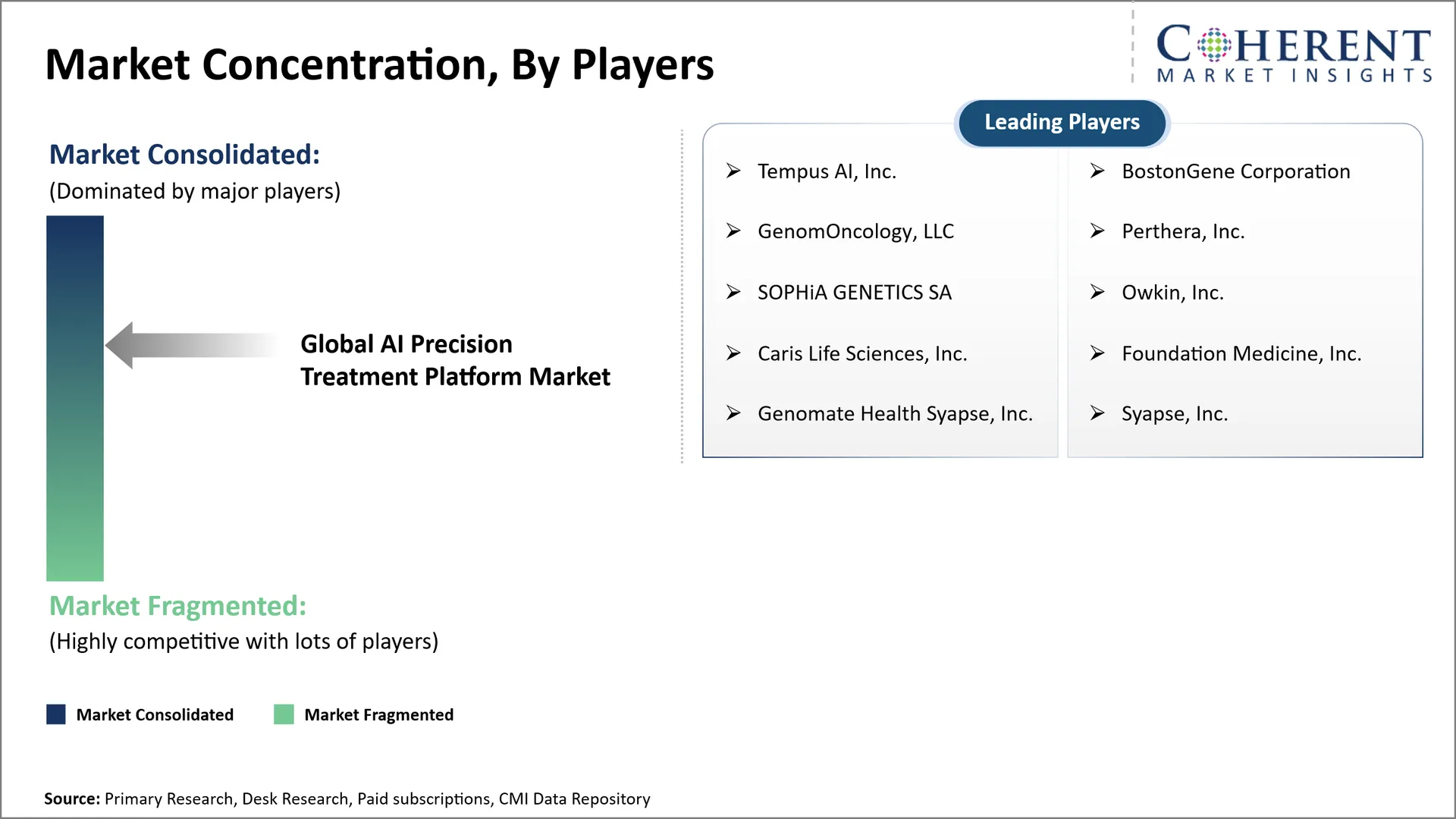
The global AI precision treatment platform market is moderately competitive, with competition centered on personalized treatment recommendations, clinical decision support, multimodal patient data integration, and AI-driven therapeutic optimization. Market participants are increasingly strengthening capabilities that connect patient profiling, treatment selection, clinical decision-making, and treatment-response monitoring. Key focus areas include:
- AI and natural-language interfaces for laboratory planning, execution, and documentation AI-powered treatment selection and personalized therapeutic recommendations
- Integration of genomic, molecular, clinical, and real-world patient data
- Predictive analytics for treatment response and patient outcome optimization
- AI-enabled patient stratification and identification of targeted therapies
- Interoperability with electronic health records, diagnostic systems, and clinical workflows
- Explainable AI and clinical decision-support tools to improve transparency and clinician confidence
Market Report Scope
AI Precision Treatment Platform Market Report Coverage | |||
Report Coverage | Details | ||
Base Year | 2025 | Market Size in 2026: | USD 1.62 Bn |
Historical Data For: | 2020 To 2024 | Forecast Period: | 2026 To 2033 |
Forecast Period 2026 To 2033 CAGR: | 25.5% | 2033 Value Projection: | USD 7.94 Bn |
Geographies covered: |
| ||
Segments covered: |
| ||
Companies covered: | Tempus AI, Inc., BostonGene Corporation, GenomOncology, LLC, Perthera, Inc., SOPHiA GENETICS SA, Owkin, Inc., Caris Life Sciences, Inc., Foundation Medicine, Inc., Genomate Health Syapse, Inc., Syapse, Inc. | ||
Growth Drivers: |
| ||
Restraints & Challenges: |
| ||
Analyst Opinion (Expert Opinion)
- In the coming years, global AI precision treatment platform market will be shaped by the transition from generalized clinical decision support toward integrated, patient-specific treatment optimization. Platforms that combine genomic, molecular, clinical, and real-world data to predict treatment response and recommend individualized therapies are expected to gain importance. Over time, greater emphasis will be placed on explainable AI, clinical validation, seamless integration into healthcare workflows, and continuous monitoring of treatment outcomes.
- The maximum opportunities are foreseen within AI-driven oncology treatment selection in the U.S. and China, where complex cancer treatment pathways create demand for personalized therapy recommendations and molecularly informed decision-making. Additional opportunities exist in AI-enabled patient stratification and treatment-response prediction in Japan and India, supported by expanding digital health capabilities and growing demand for more efficient clinical care
- In order to gain a competitive advantage market players should prioritize disease-specific platforms, establish collaborations with hospitals and pharmaceutical companies, validate recommendations using diverse clinical datasets, and ensure interoperability with existing healthcare systems. Building strong data governance, transparent algorithms, and evidence of clinical utility will be essential to differentiate offerings, strengthen clinician trust, and achieve sustained market adoption.
Speak to the analyst
Want personalized insights?
Take the findings above to one of our principal consultants, or have the report rebuilt around the segments, geographies and competitors you actually track.
Market Segmentation
- Component Insights (Revenue, USD Bn, 2021 - 2033)
- Software Platforms
- Services
- Deployment Mode Insights (Revenue, USD Bn, 2021 - 2033)
- Cloud-Based
- On-Premise
- Hybrid
- Application Insights (Revenue, USD Bn, 2021 - 2033)
- Diagnosis and Risk Prediction
- Patient Stratification
- Treatment Selection and Planning
- Treatment Response Monitoring
- Others
- Therapeutic Area Insights (Revenue, USD Bn, 2021 - 2033)
- Oncology
- Neurology
- Cardiology
- Immunology and Autoimmune Diseases
- Rare Diseases
- Others
- End User Insights (Revenue, USD Bn, 2021 - 2033)
- Hospitals and Clinics
- Pharmaceutical and Biotechnology Companies
- Diagnostic Laboratories
- Academic and Research Institutes
- Others
- Regional Insights (Revenue, USD Bn, 2021 - 2033)
- North America
- U.S.
- Canada
- Latin America
- Brazil
- Argentina
- Mexico
- Rest of Latin America
- Europe
- Germany
- U.K.
- Spain
- France
- Italy
- Russia
- Rest of Europe
- Asia Pacific
- China
- India
- Japan
- Australia
- South Korea
- ASEAN
- Rest of Asia Pacific
- Middle East
- GCC Countries
- Israel
- Rest of Middle East
- Africa
- South Africa
- North Africa
- Central Africa
- North America
- Key Players Insights
- Tempus AI, Inc.
- BostonGene Corporation
- GenomOncology, LLC
- Perthera, Inc.
- SOPHiA GENETICS SA
- Owkin, Inc.
- Caris Life Sciences, Inc.
- Foundation Medicine, Inc.
- Genomate Health Syapse, Inc.
- Syapse, Inc.
Sources
Primary Research Interviews
- AI Precision Treatment Platform and Product Leaders overseeing platform development, personalized treatment recommendations, clinical decision support, and integration of patient-specific data.
- Precision Medicine Clinicians and Oncologists involved in treatment selection, molecular profiling, patient stratification, and evaluation of AI-generated treatment recommendations.
- AI/ML and Data Science Specialists developing machine learning, deep learning, natural language processing, and predictive analytics applications for precision treatment.
- Clinical Bioinformatics and Genomics Professionals responsible for genomic data interpretation, biomarker analysis, molecular diagnostics, and integration of multi-omics datasets.
- Healthcare IT and Clinical Informatics Professionals managing electronic health records (EHRs), clinical data integration, interoperability, and deployment of AI-enabled decision-support platforms.
Stakeholders
- Pharmaceutical and Biotechnology Companies adopting AI-enabled precision treatment platforms for drug development, biomarker discovery, patient stratification, and targeted therapy selection.
- Hospitals and Healthcare Providers implementing AI-driven clinical decision support, personalized treatment planning, and patient-response monitoring.
- Diagnostic Laboratories and Genomics Centers providing molecular profiling, genomic sequencing, biomarker testing, and diagnostic data used by precision treatment platforms.
- Contract Research Organizations (CROs) supporting AI-assisted clinical trials, patient recruitment, data analysis, and precision medicine research.
- Academic and Research Institutions developing AI models, investigating disease mechanisms, and evaluating personalized therapeutic approaches.
- End-use Sectors
- Hospitals and Clinics
- Pharmaceutical Companies
- Biotechnology Companies
- Diagnostic Laboratories
- Contract Research Organizations (CROs)
- Academic and Research Institutions
- Regulatory & Health Bodies
- U.S. Food and Drug Administration (FDA), U.S. — precision medicine, genomic diagnostics, clinical decision-support technologies, and regulatory oversight.
- National Institutes of Health (NIH), U.S. — precision medicine research, biomedical data, genomics, and AI-enabled healthcare research.
- National Cancer Institute (NCI), U.S. — precision oncology, biomarker-driven clinical trials, molecular profiling, and targeted treatment research.
- National Institute of Standards and Technology (NIST), U.S. — AI risk management, trustworthy AI, technical standards, and healthcare data interoperability.
- European Medicines Agency (EMA), Europe — pharmaceutical development, clinical evidence, medicines regulation, and AI-related regulatory considerations.
- European Commission, European Union — digital health policy, health data governance, AI regulation, and European health research initiatives.
- World Health Organization (WHO) — digital health s
Databases
- ClinicalTrials.gov — clinical trial registrations, study protocols, recruitment information, and trial outcomes relevant to personalized treatment and precision medicine.
- National Center for Biotechnology Information (NCBI) — genomic, molecular biology, biomedical literature, and clinical research datasets.
- NIH National Library of Medicine (NLM) — biomedical research literature, clinical information resources, and scientific publications.
- FDA Databases — regulatory information on medical devices, diagnostics, genomic tests, and relevant AI-enabled healthcare technologies.
Associations
- Personalized Medicine Coalition (PMC) — personalized medicine adoption, policy, research, and precision healthcare developments.
- American Society of Clinical Oncology (ASCO) — oncology research, clinical practice, cancer treatment, and precision oncology developments.
- Association for Molecular Pathology (AMP) — molecular diagnostics, genomic testing, biomarker interpretation, and clinical molecular pathology.
- American Medical Informatics Association (AMIA) — clinical informatics, healthcare AI, decision-support systems, and health data integration.
- Healthcare Information and Management Systems Society (HIMSS) — healthcare digital transformation, AI adoption, interoperability, and health information technology.
Public Domain Sources
- U.S. Food and Drug Administration (FDA) — precision medicine, genomic diagnostics, medical-device regulation, and clinical validation resources.
- National Institutes of Health (NIH) — biomedical research, genomic datasets, precision medicine initiatives, and AI-enabled healthcare research.
- National Cancer Institute (NCI) — precision oncology programs, biomarker-driven clinical trials, and targeted treatment research.
- National Institute of Standards and Technology (NIST) — AI risk management, technical standards, and trustworthy AI frameworks.
- European Medicines Agency (EMA) — medicines regulation, clinical development, and scientific guidance.
Proprietary Elements
- CMI Data Analytics Tool, Proprietary CMI Existing Repository of information for last 10 years.
Get access to 250+ pages report
Every segment, forecast, competitor profile and data table behind the analysis above — available for instant download.
- ESOMAR Member
- ISO 9001:2015 Certified
- D-U-N-S Registered
- GDPR & CCPA Compliant
Frequently Asked Questions
The global AI precision treatment platform market is estimated to be valued at USD 1.62 Bn in 2026 and is expected to reach USD 7.94 Bn by 2033.
Software platforms dominate due to their central role in integrating patient data, analyzing clinical information, and generating personalized treatment recommendations.
An AI precision treatment platform uses artificial intelligence to analyze patient-specific data and support individualized treatment selection, planning, and monitoring.
The CAGR of global AI precision treatment platform market is projected to be 25.5% from 2026 to 2033.
Increasing adoption of AI-driven personalized treatment planning, and growing integration of genomic and clinical data for precision medicine are the major factors driving the growth of the global AI precision treatment platform market.
High implementation costs and complex healthcare IT integration, and data privacy concerns and regulatory compliance requirements are the major factors hampering the growth of the global AI precision treatment platform market.
In terms of deployment model, cloud-based is estimated to dominate the market revenue share in 2026.