

Global Bioelectronic Medicine Market Size and Forecast – 2026 To 2033
The global bioelectronic medicine market is expected to grow from USD 18.9 Bn in 2026 to USD 32.4 Bn by 2033, registering a compound annual growth rate (CAGR) of 8.0% from 2026 to 2033. The global bioelectronic medicine market is projected to grow owing to the rising global prevalence of cardiovascular and neurological disorders, which has resulted in the raising demand for next-generation neuromodulation and bioelectronic therapies.
The World Health Organization (WHO), estimated that in 2021, neurological conditions impacted more than 3 billion of the global population, accounting for 43.1% of the population, highlighting the significant demand for disease management and specific therapies.
Key Takeaways of the Global Bioelectronic Medicine Market
- Cardiac pacemakers and defibrillators are projected to hold 32.4% of the global bioelectronic medicine market share in 2026, making it dominant product type segment, across North America owing to the growing patient population in the region, especially of neonates and geriatrics, along with growing availability of advanced electrophysiology services. For instance, the BIO-LivIQ, a U.S.-based clinical trial research study, was launched in March 2026, to evaluate the safety and efficacy of a leadless pacemaker in a multicenter clinical trial.
- Implantable bioelectronic devices are projected to hold 68.5% of the global bioelectronic medicine market share in 2026, making it dominant technology segment, across Asia Pacific specifically Japan, characterized by its matured neuromodulation experience and continued clinical studies exploring the new stimulation techniques. For instance, the UMIN-CTR of Japan has enrolled a long-term randomized crossover trial on adaptive versus conventional deep brain stimulation for Parkinson's disease.
- Cardiovascular disorders are projected to hold 29.6% of the global bioelectronic medicine market share in 2026, making it dominant application segment, across Europe owing to strong clinical base for cardiac resynchronization and implantable defibrillator therapies. For instance, the BIO|REDUCE prospective registry evaluated complications and treatment responses of cardiac resynchronization therapy devices with atrial sensing in 21 clinical sites in four European countries.
- North America market maintains dominance with an expected share of 41.2% in 2026, owing to well-developed bioelectronics research ecosystem, a robust neuromodulation infrastructure, and high public sector funding for developing therapeutic devices. For example, the US National Institutes of Health (NIH) has launched Stimulating Peripheral Activity to Relieve Conditions (SPARC) initiative, which is aimed at accelerating the development of devices that modulate neural activity for improving function of organs.
- Asia Pacific is expected to exhibit the fastest growth in the global bioelectronic medicine market, registering an estimated CAGR of 13.8% during 2026–2033. The growth rate is attributed to rising number of clinical trials related to neuromodulation, rising prevalence of neurotechnology, and rising innovation & market focus on innovative therapies related to neurological disorders. For instance, Japan's National Institute of Public Health (NIPH) clinical trial registry tests the effectiveness of brain-machine interface therapy combined with standard rehabilitation on 116 stroke patients who have upper-extremity paralysis.
Segmental Insights
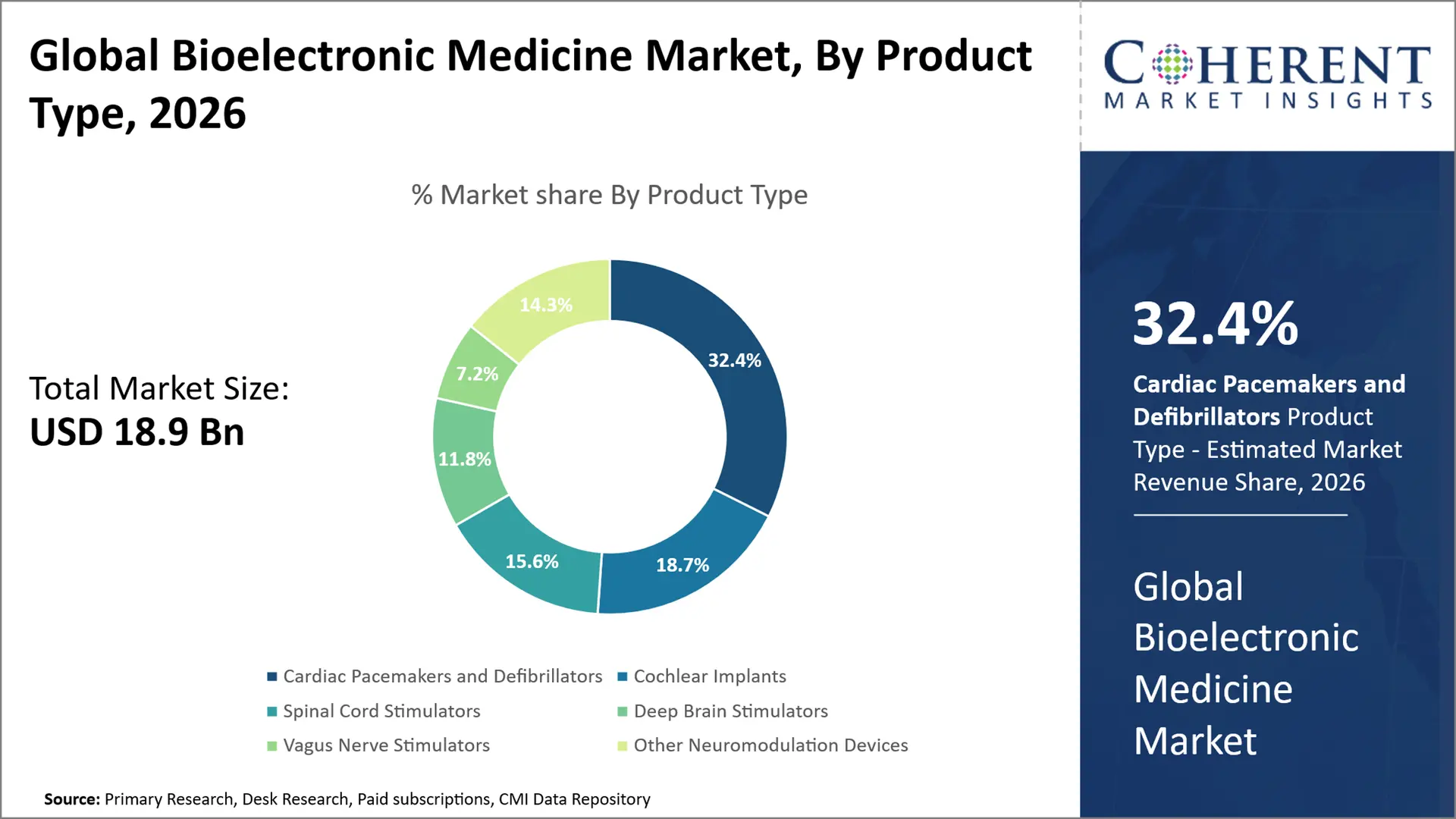
Why Do Cardiac Pacemakers and Defibrillators Dominate the Global Bioelectronic Medicine Market?
Cardiac pacemakers and defibrillators are projected to hold the market share of 32.4% in 2026, driven by the rising incidences of arrhythmias, heart failure, and other cardiac rhythm related complications that require electrical stimulation and sequence correction. Additionally, a number of technological innovations in leadless pacemakers, implantable defibrillators, and cardiac monitoring systems are expected to boost this segment. For instance, the Australian Institute of Health and Welfare (AIHW) estimates Australian hospitals inserted approximately 21,700 pacemakers in 2023–24, highlighting the clinical need for cardiac bioelectronic devices.
- Current Industry Events of 2026
- Market Size Estimation
- Regional Breakdown
- Competitive Landscape
- Customer Intelligence
- Segmental Analysis
- Pricing Analysis
- Key Market Drivers, Challenges & Future Trends
- Customized Insights Section
Why Do Implantable Bioelectronic Devices Represent the Largest Technology Segment in the Bioelectronic Medicine Market?
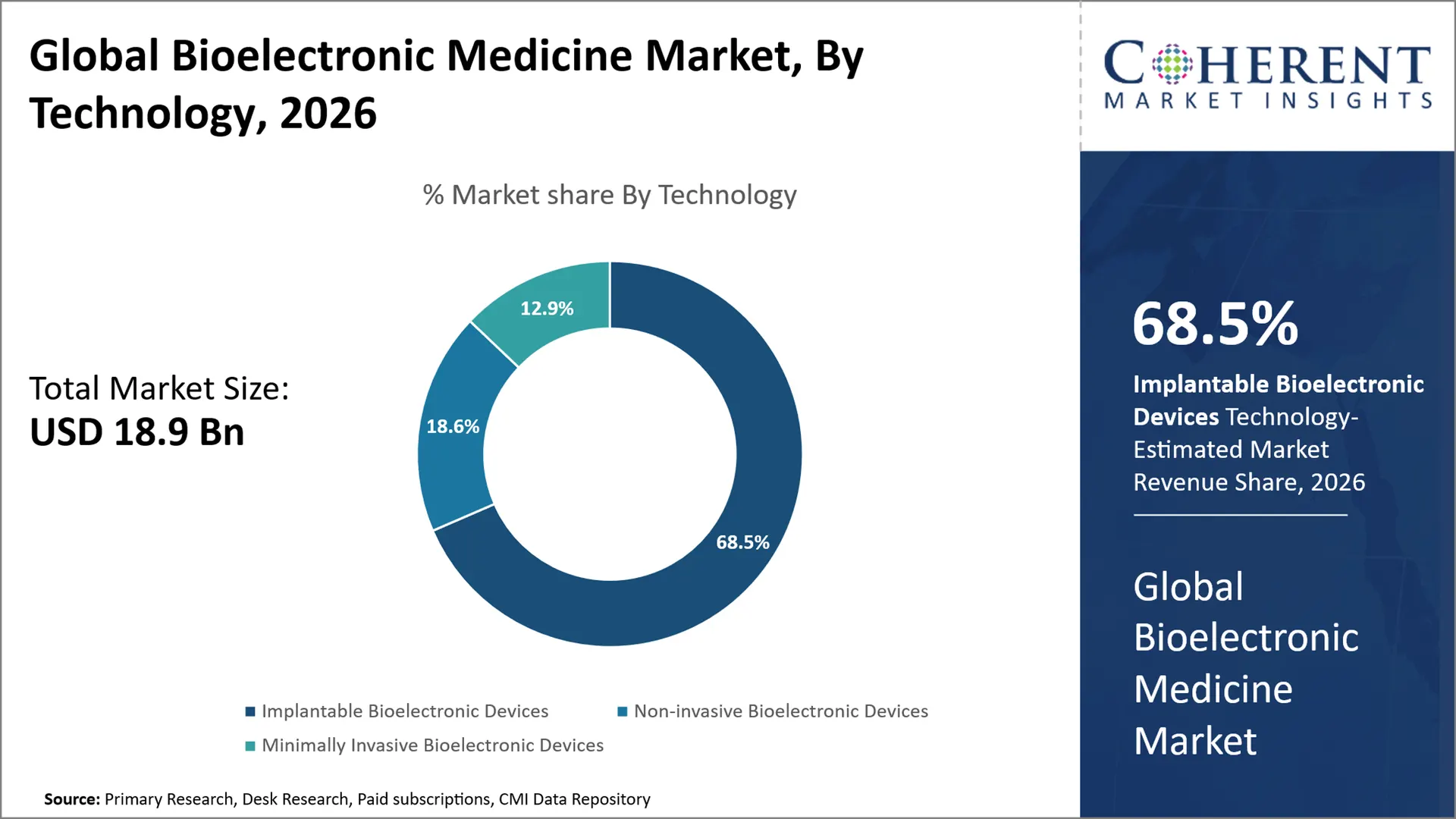
Implantable bioelectronic devices are projected to hold a market share of 68.5% in 2026, owing to the ability of these devices to offer constant, localized electrical stimulation and brain and heart activity modulation in real-time. The development of closed-loop stimulation and implantable neural interfaces may lead to increased treatment accuracy and application of devices across neurological disorders. For instance, the U.S. National Institutes of Health (NIH) BRAIN Initiative funds translational research on next-generation implantable devices that are intended to record and modulate human brain activity to treat central nervous system disorders.
Cardiovascular Disorders Segment Dominates the Global Bioelectronic Medicine Market
The cardiovascular disorders segment is projected to hold a market share of 29.6% in 2026, owing to the essential role of electrical stimulation in the treatment of arrhythmias, heart failure, and other cardiac rhythm disorders. Pacemakers, implantable cardioverter-defibrillators and cardiac resynchronization devices can provide specific rhythm regulation and sustained cardiac assistance. For instance, the National Cardiac Audit Programme in the UK estimates almost 82,000 cardiac implantable electronic device (CIED) procedures were performed in 2023-24, indicating that the clinical adoption of bioelectronics devices has already occurred in the cardiovascular space.
Current Events and their Impact
Current Events | Description and its Impact |
NIH Funds Development of Injectable Wireless Neurostimulation Technology (September 2026) |
|
NIH Expands Research Funding for Bioelectronic Interfaces in Spinal Cord Stimulation (September 2026) |
|
Bioelectronic Medicine Market Dynamics
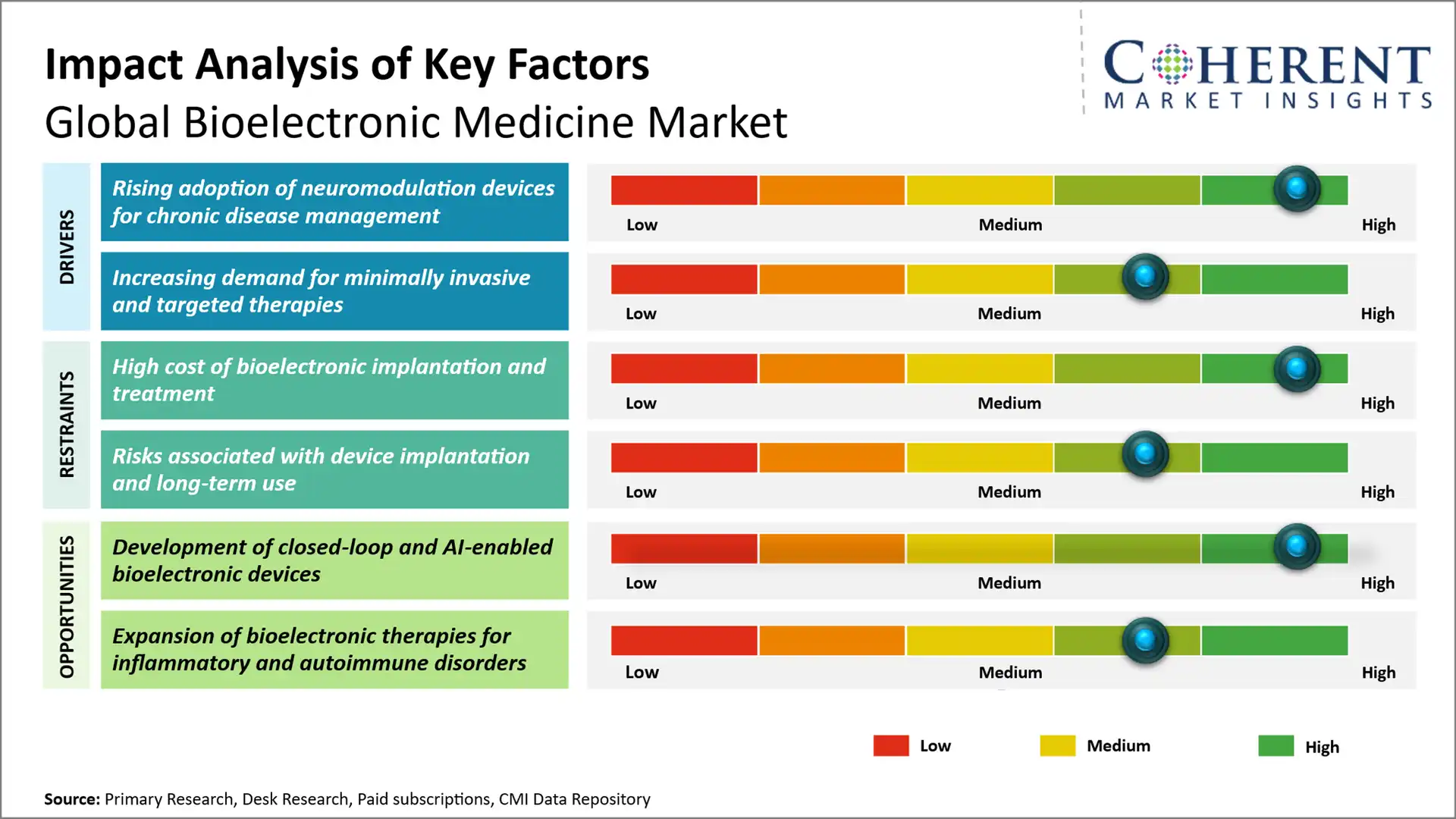
Market Drivers
- Rising adoption of neuromodulation devices for chronic disease management: The proliferation of neurostimulation treatment options via vagus nerve stimulation, spinal cord stimulation and other bioelectronic devices, is extending the range of treatment choices available for neurological, inflammatory, cardiac and pain conditions. These devices enable the specific enhancement or suppression of nerves and nerve pathways to offer alternatives for patients needing chronic disease management. For instance, the U.S. National Institutes of Health SPARC initiative encourages new therapeutic devices for modulating nerve activity that can enhance organ function and performance in conditions such as hypertension, heart failure and GI disease.
- Increasing demand for minimally invasive and targeted therapies: Rising inclination towards targeted therapies with less surgical procedures is encouraging the usage of minimally invasive bioelectronic devices (percutaneous, transcutaneous neuromodulation). These approaches allow electrical stimulation at targeted regions of the body, require less recovery period, and enable treatment at lower levels. For instance, U.S. National Institute of Neurological Disorders and Stroke (NINDS) in 2023 sponsored research on focused ultrasound neuromodulation as a non-invasive method to modulate specific pathways of the brain in the treatment of neurological diseases.
- Advancements in neural interface and bioelectronic device technologies: Advances in flexible electrodes, biocompatible materials and less invasive neural interfaces will help increase the accuracy and safety of bioelectronic devices. They will allow for better recording of brain signals and precise electrical stimulation of neural pathways, while minimizing the risk of tissue damage and other complications associated with implantation.” For instance, a research project supported by the U.S. NIH aims to develop minimally invasive endovascular neural interfaces for recording and modulation of the brain in order to offer safer access for the treatment of drug-resistant neurological diseases.
Emerging Trends
- Increasing development of closed-loop bioelectronic devices: Closed-loop devices are in development that will constantly adapt the electrical stimulation based on physio pathological signals.
- Impact: Adaptive stimulation improves treatment accuracy, reduces excessive stimulation, and allows for personalized disease management.
- Market Relevance: This trend will create opportunities for the development of implantable neurostimulators and smart bioelectronic device platforms.
- Expansion of non-invasive wearable neuromodulation technologies: The growth of wearable devices that involve transcutaneous electrical stimulation and peripheral nerve stimulation would help expand the use of bioelectronic treatment outside of the domain of implanted devices.
- Impact: These devices may decrease the number of surgical procedures required, improve access to care, and allow care to be provided at home or on an outpatient basis.
- Market Relevance: The trend is expected to drive the adoption of non-invasive bioelectronic devices for the treatment of inflammatory, neurological as well as chronic pain.
Regional Insights
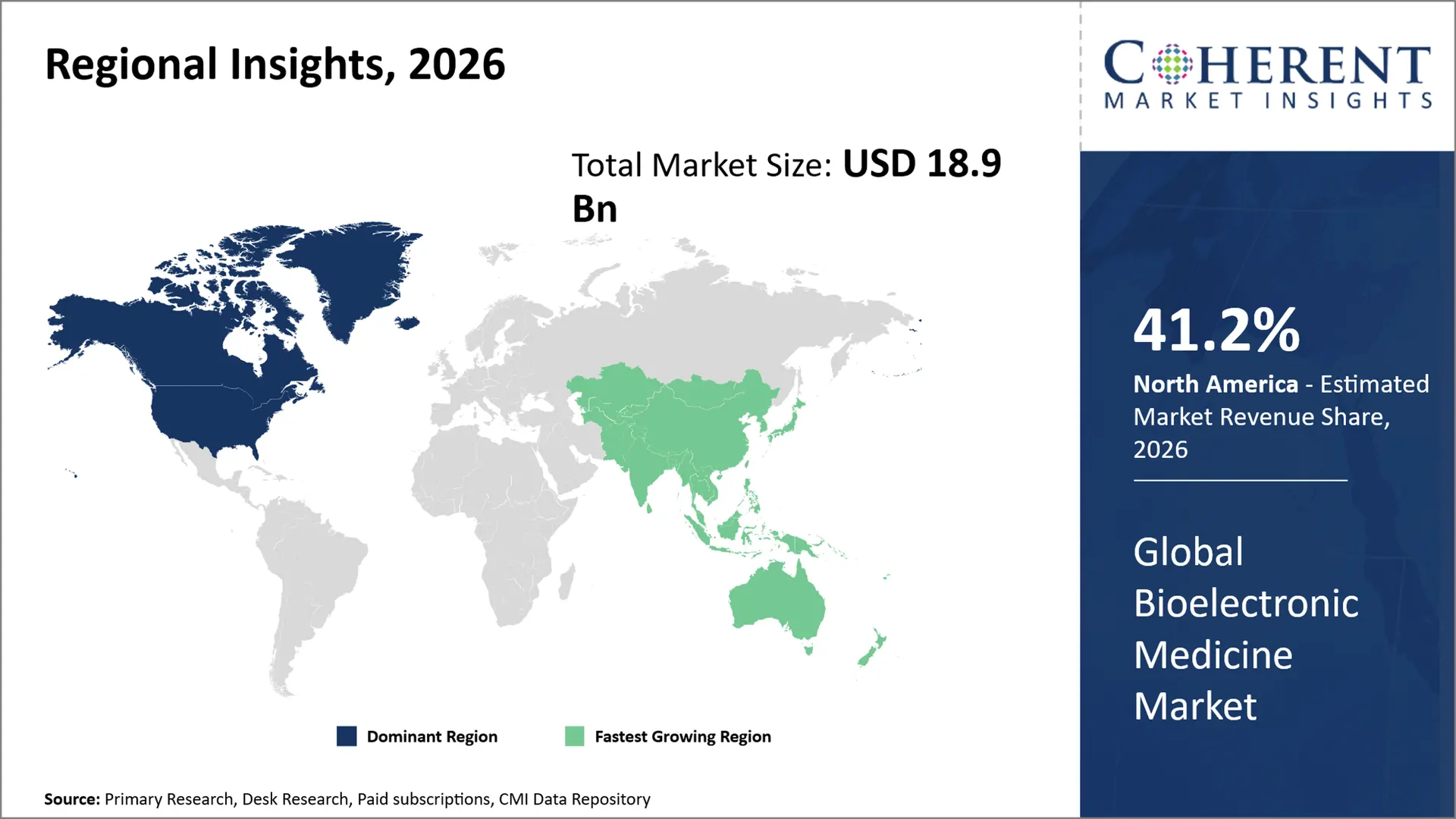
Why is North America a Strong Market for Bioelectronic Medicine?
North America leads the global bioelectronic medicine market, accounting for an estimated 41.2% share in 2026, due to an increase in number of healthcare establishments, availability of the latest medical devices, increasing R&D activities, government initiatives & funding & growing awareness regarding minimally invasive therapies among patients.
Moreover, number of initiatives taken by healthcare providers and improved health care infrastructure enable the region to prove its dominance in the market. For instance, the U.S. National Institutes of Health (NIH) sponsored the project in August 2026 to create an artificial intelligence-enabled bioelectronic platform for targeted treatment of neuropathic pain, highlighting the U.S. government's continued support of next-generation bioelectronic devices.
Why Does Asia Pacific Bioelectronic Medicine Market Exhibit High Growth?
Asia Pacific is expected to exhibit the fastest growth in the global bioelectronic medicine market, registering an estimated CAGR of 13.8% during 2026–2033. The region is projected to account for 23.1% of the global market in 2026, owing to the surging growth in healthcare infrastructure, large patient pool, and the growing adoption of advanced medical technology. In countries such as Japan, China, South Korea, and India, regulatory authorities are taking steps to develop and improve healthcare quality and promote innovation in biomedical devices.
For instance, in January 2025, the State Council of China rolled out measures to reform the drug and medical device regulation including plans to increase support for research and development, address the review and approval bottleneck, as well as improve the regulation of innovative medical devices including brain-computer interface devices and sophisticated implantable devices. Furthermore, the rising burden of chronic diseases, expanding access to care, and booming investments in manufacturing are also likely to drive the sales of bioelectronic medicine in the region.
Global Bioelectronic Medicine Market Outlook for Key Countries
Why is the U.S. Leading Innovation and Adoption in the Bioelectronic Medicine Market?
The U.S. spearheads innovation and acceptance within the bioelectronic medicine market through its dedicated research environment for peripheral nerve stimulation, autonomic nervous system mapping, and implantable neural interface technologies. The research agenda of the U.S. links neural circuit mapping to the development of therapeutic devices to treat cardiovascular, autoimmune, and inflammatory diseases including heart failure, hypertension, and chronic inflammatory disorders. In addition, the fusion of clinical translation programs with open-source neuromodulation platforms propels next-generation bioelectronic therapies.
Is Japan a Favorable Market for Bioelectronic Medicine Market?
Japan represents an attractive market for bioelectronic medicine due to the current neuromodulation therapies and indications for deep brain stimulation and vagus nerve stimulation. Some indications of neuromodulation therapy have national health insurance coverage, such as deep brain stimulation for drug resistant epilepsy, which ease access to treatments. The ongoing evolution of adaptive brain stimulation and advanced neural interfaces creates a fertile ground for next-generation implantable bioelectronic devices and individualized neurologic health.
Is China Emerging as a Key Growth Hub for the Bioelectronic Medicine Market?
China is among the promising growth centers in the bioelectronic medicine market owing to the increasing government efforts in encouraging brain computer interface, neural stimulation and the growth of medical device industry. The growing clinical indications for neuromodulation and the rise in investment for implantable and non-invasive neural technologies is opening opportunities in the fields of neurological rehabilitation and management of chronic disorders. In addition, strengthening the capacity for domestic clinical research and the emergence of specialized treatment centers are further propelling the growth of bioelectronic medicine industry in China.
Why Does Germany Top the European Bioelectronic Medicine Market?
Germany is estimated to hold the highest share in the European bioelectronic medicine market due to its matured medical technology sector coupled with its high-end healthcare services, clinical research facilities, and medical technology industry in the country. The country has advantage of research dedicated hospitals, university medical centers, research centers and top-class high end clinical research centers for implantable neurostimulators, cardiac devices, implantable devices and a wide range of bioelectronic therapeutics. High engineering standard coupled with continuous investments in medical technology field has further pushed the innovation in the medical services.
Is Bioelectronic Medicine Market Developing in UK?
The UK's bioelectronic medicine market is experiencing rapid growth, driven by the increasing advances in implantable neural interfaces, adaptive deep brain stimulation and non-invasive neuromodulation. There is an increasing clinical focus on treatment of neurological conditions, including Parkinson's disease, epilepsy and other treatment-resistant disorders, leading to increasing use of targeted electrical stimulation. In addition, the integration of real-time neural sensing with closed-loop stimulation presents opportunities for personalized neurological treatment and management.
Therapeutic Applications and Corresponding Bioelectronic Technologies
Therapeutic Application | Relevant Bioelectronic Technology | Primary Therapeutic Function |
Cardiovascular Disorders | Cardiac Pacemakers and Implantable Defibrillators | Cardiac rhythm regulation and prevention of sudden cardiac arrest |
Neurological Disorders | Deep Brain Stimulation and Vagus Nerve Stimulation | Modulation of abnormal neural activity |
Chronic Pain Management | Spinal Cord Stimulation and Peripheral Nerve Stimulation | Targeted pain signal modulation |
Hearing and Sensory Disorders | Cochlear Implants and Auditory Brainstem Implants | Restoration of auditory signal transmission |
Inflammatory and Autoimmune Disorders | Vagus Nerve Stimulation | Regulation of neural pathways involved in inflammatory responses |
How is the development of closed-loop and AI-enabled bioelectronic devices creating new growth opportunities in the bioelectronic medicine market?
The convergence of closed-loop and AI technology provide a new level of next-generation adaptive therapies that tailor the electrical stimulation based on the functioning of the target body organ or system. The technology enables more targeted therapies, optimization of stimulation parameters, and continuous management of disease state. For instance, the U.S. National Institutes of Health (NIH) is funding a project called "Intelligent Bioelectronic Implants for the Diagnosis and Neuromodulation of Neurogenic Bladder Dysfunction" focused on AI-based implant devices for chronic patient monitoring and autonomous closed-loop neuromodulation.
Market Players, Key Development, and Competitive Intelligence
Key Developments
- In June 2026, Bio Electronics Corporation announced the commercial launch of its Acti Patch wearable pulsed shortwave therapy device, following a distribution and licensing agreement with Electrome Corporation for the manufacturing of the product to market. The Acti Patch expands commercialization of non-invasive, drug-free bioelectronic therapy and has the potential to expand opportunities in the pain market for inflammatory pain.
- In February 2025, electroCore, Inc. and Spark Biomedical signed a distribution agreement to expand access of non-invasive transcutaneous auricular neuromodulation device, Sparrow Ascent, for the management of opioid withdrawal syndrome, to U.S. Department of Veteran Affairs facilities. The formation of this agreement supported the expansion of wearable neurostimulation technology adoption and a new modality for the use of bioelectronic medicine to treat addiction.
Competitive Landscape
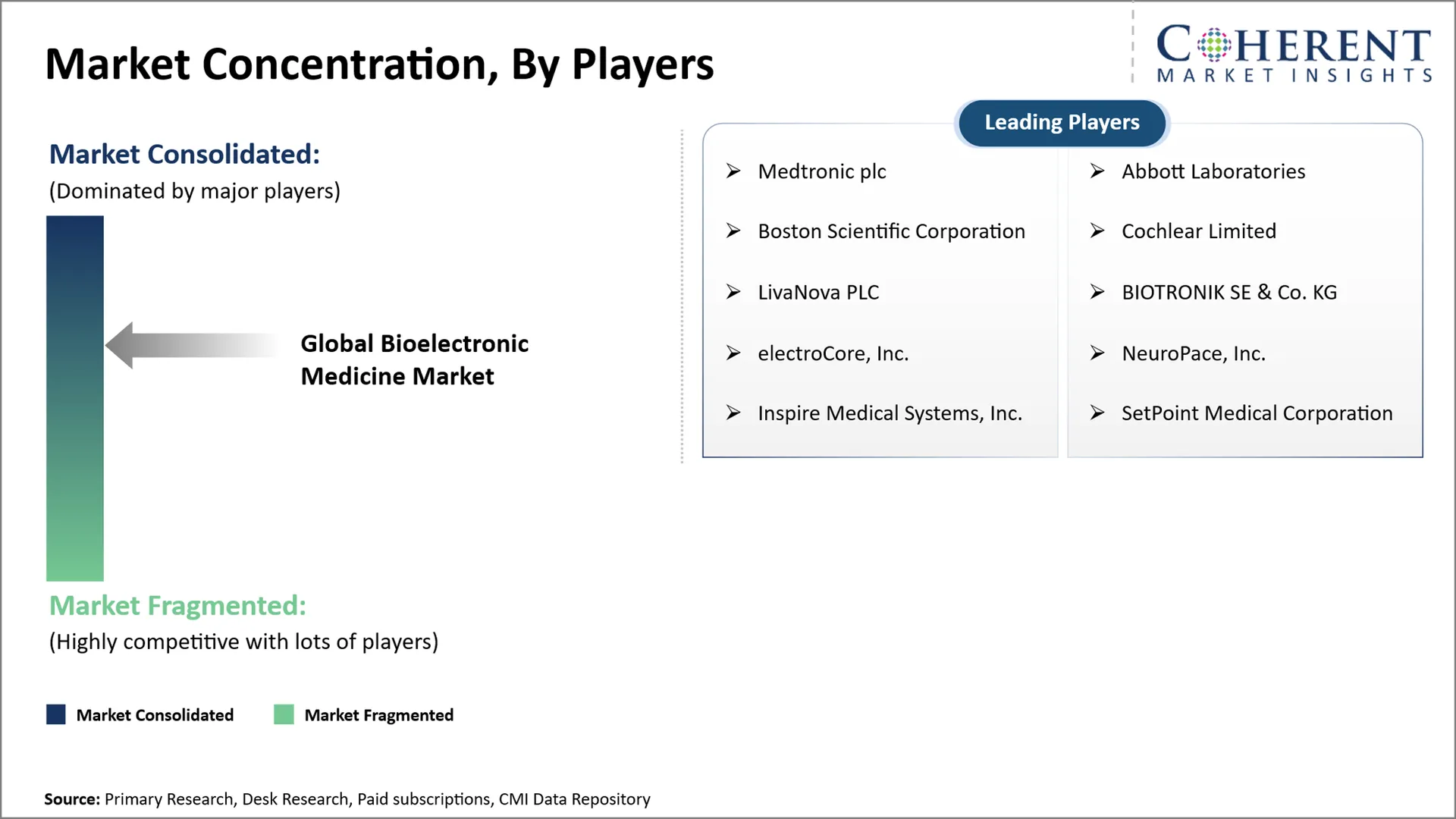
The global bioelectronic medicine market is moderately consolidated with presence of well-established and long-standing medical device manufacturers along with specialized bioelectronic technology developers. The key competitive aspects of the market are improvement of implantable neurostimulation devices, development of non-invasive neuromodulation platforms, and broadening of therapeutic indications for cardiovascular, neurological, chronic pain, and inflammatory diseases.
Key focus areas include
- Design of closed-loop bioelectronic devices with real-time sensing of neural activity and adaptive electrical stimulation.
- Development of small, rechargeable, and biocompatible implantable neuromodulation systems.
- Broaden applications of non-invasive and minimally invasive stimulation technologies for management of chronic pain and neurological disorders.
- Expanding indications for the use of bioelectronic medicine to treat inflammatory, autoimmune and cardiovascular diseases.
- Incorporation of AI-enabled signal processing, wireless connectivity and remote patient monitoring for customized therapy management.
Market Report Scope
Global Bioelectronic Medicine Market Report Coverage | |||
Report Coverage | Details | ||
Base Year | 2025 | Market Size in 2026: | USD 18.9 Bn |
Historical Data For: | 2020 To 2024 | Forecast Period: | 2026 To 2033 |
Forecast Period 2026 To 2033 CAGR: | 8.0% | 2033 Value Projection: | USD 32.4 Bn |
Geographies covered: |
| ||
Segments covered: |
| ||
Companies covered: | Medtronic plc, Abbott Laboratories, Boston Scientific Corporation, Cochlear Limited, LivaNova PLC, BIOTRONIK SE & Co. KG, electroCore, Inc., NeuroPace, Inc., Inspire Medical Systems, Inc., SetPoint Medical Corporation | ||
Growth Drivers: |
| ||
Restraints & Challenges: |
| ||
Analyst Opinion (Expert Opinion)
- The global bioelectronic medicine market is expected to transform into highly personalized, ever-evolving and smarter treatment modalities. The establishment of closed loop stimulation, wireless neural interfaces and AI-enhanced processing of signals is expected to further create a significant market for regulation of body functions. The advent of bioelectronics for inflammatory and autoimmune conditions, in addition to neurological and cardiovascular disorders is anticipated to propel growth.
- The U.S. is likely to represent the largest potential opportunity for vagus nerve stimulators for inflammatory and autoimmune diseases. Targeting the neural pathways that modulate inflammatory responses may represent a new or adjunctive therapeutic option to drug therapies. Investment in next generation neuromodulation devices and clinical studies could grow its use for other chronic diseases.
- In order to gain a competitive advantage market players should focus on designing miniaturized, biocompatible and energy-efficient devices with higher stimulation precision and reliability for long-term usage. Greater investments in closed-loop technology, real-time sensing of patient state and dynamic stimulation management will further boost product differentiation. Establishing the clinical efficacy and health benefits of closed-loop systems, growing areas of indications and working with care providers for broader patient access will be key.
Speak to the analyst
Want personalized insights?
Take the findings above to one of our principal consultants, or have the report rebuilt around the segments, geographies and competitors you actually track.
Market Segmentation
- Product Type Insights (Revenue, USD Bn, 2021 - 2033)
- Cardiac Pacemakers and Defibrillators
- Cochlear Implants
- Spinal Cord Stimulators
- Deep Brain Stimulators
- Vagus Nerve Stimulators
- Other Neuromodulation Devices
- Technology Insights (Revenue, USD Bn, 2021 - 2033)
- Implantable Bioelectronic Devices
- Non-invasive Bioelectronic Devices
- Minimally Invasive Bioelectronic Devices
- Application Insights (Revenue, USD Bn, 2021 - 2033)
- Cardiovascular Disorders
- Neurological Disorders
- Chronic Pain Management
- Hearing and Sensory Disorders
- Inflammatory and Autoimmune Disorders
- Others
- End User Insights (Revenue, USD Bn, 2021 - 2033)
- Hospitals
- Specialty Clinics
- Ambulatory Surgical Centers
- Home Healthcare Settings
- Others
- Regional Insights (Revenue, USD Bn, 2021 - 2033)
- North America
- U.S.
- Canada
- Latin America
- Brazil
- Argentina
- Mexico
- Rest of Latin America
- Europe
- Germany
- U.K.
- Spain
- France
- Italy
- Russia
- Rest of Europe
- Asia Pacific
- China
- India
- Japan
- Australia
- South Korea
- ASEAN
- Rest of Asia Pacific
- Middle East
- GCC Countries
- Israel
- Rest of Middle East
- Africa
- South Africa
- North Africa
- Central Africa
- North America
- Key Players Insights
- Medtronic plc
- Abbott Laboratories
- Boston Scientific Corporation
- Cochlear Limited
- LivaNova PLC
- BIOTRONIK SE & Co. KG
- electroCore, Inc.
- NeuroPace, Inc.
- Inspire Medical Systems, Inc.
- SetPoint Medical Corporation
Sources
Primary Research Interviews
- Neurologists and Functional Neurosurgery Specialists
- Cardiologists and Cardiac Electrophysiologists
- Neuromodulation and Pain Management Specialists
- Biomedical Engineers and Bioelectronic Device Researchers
Stakeholders
- Bioelectronic Medicine Device Developers
- Medical Device and Neuromodulation Manufacturers
- Neural Interface and Neurotechnology Developers
- Academic Institutions and Biomedical Research Organizations
- End-use Sectors
- Hospitals and Multispecialty Healthcare Systems
- Neurology and Neurosurgery Specialty Centers
- Cardiology and Electrophysiology Centers
- Pain Management and Rehabilitation Clinics
- Regulatory & Health Bodies
- U.S. Food and Drug Administration (FDA)
- European Medicines Agency (EMA)
- Central Drugs Standard Control Organisation (CDSCO), India
- Pharmaceuticals and Medical Devices Agency (PMDA), Japan
Databases
- ClinicalTrials.gov
- WHO International Clinical Trials Registry Platform (ICTRP)
- EU Clinical Trials Information System (CTIS)
- Japan Registry of Clinical Trials (jRCT)
Associations
- International Neuromodulation Society (INS)
- North American Neuromodulation Society (NANS)
- International Society for Neuroethics (INS)
- Heart Rhythm Society (HRS)
Public Domain Sources
- U.S. Food and Drug Administration (FDA)
- National Institutes of Health (NIH)
- National Center for Biotechnology Information (NCBI)
- World Health Organization (WHO)
Proprietary Elements
- CMI Data Analytics Tool
- Proprietary CMI Existing Repository of information for last 10 years.
Get access to 250+ pages report
Every segment, forecast, competitor profile and data table behind the analysis above — available for instant download.
- ESOMAR Member
- ISO 9001:2015 Certified
- D-U-N-S Registered
- GDPR & CCPA Compliant
Frequently Asked Questions
The global bioelectronic medicine market is estimated to be valued at USD 18.9 Bn in 2026 and is expected to reach USD 32.4 Bn by 2033.
Cardiac pacemakers and defibrillators dominate primarily because of the widespread incidence of disturbances of cardiac rhythm and the common clinical utilization of these devices to control arrhythmias and prevent sudden death.
Bioelectronic medicine is the use of targeted electrical stimulation to selectively switch on or off neural and biological systems for the treatment of diseases and chronic conditions.
The CAGR of global bioelectronic medicine market is projected to be 8.0% from 2026 to 2033.
Rising adoption of neuromodulation devices for chronic disease management, and increasing demand for minimally invasive and targeted therapies are the major factors driving the growth of the global bioelectronic medicine market.
High cost of bioelectronic implantation and treatment, and risks associated with device implantation and long-term use are the major factors hampering the growth of the global bioelectronic medicine market.
In terms of technology, implantable bioelectronic devices are estimated to dominate the market revenue share in 2026.