

Global Clinical Trial Digital Biomarker Measurement Market Size and Forecast – 2026 To 2033
The global clinical trial digital biomarker measurement market is expected to grow from USD 1,160.0 Mn in 2026 to USD 3,120.0 Mn by 2033, registering a compound annual growth rate (CAGR) of 15.2% from 2026 to 2033. The global market for clinical trial digital biomarker measurement is projected to witness significant growth during the forecast period due to the growing use of digital technologies to collect clinical data remotely and patient monitoring.
In April 2024, a study published in the National Library of Medicine, demonstrated that clinical outcome assessments had an average adoption rate of 56% and 51%, respectively, in clinical trials. This highlights the increased use of digital data collection technologies in clinical research, which is projected to drive demand for wearables, connected sensors and digital biomarker measuring platforms.
Key Takeaways of the Global Clinical Trial Digital Biomarker Measurement Market
- Physiological biomarkers are projected to hold 38.7% of the global clinical trial digital biomarker measurement market share in 2026, making it dominant biomarker type segment, across North America due to the well-established clinical research infrastructure, high expenditure on pharma R&D, and the increasing adoption of wearable device data collection involving physiological biomarkers. For instance, the U.S. National Institutes of Health (NIH) makes wearable device data (heart rate, activity, sleep) collected by participants available to researchers through its All of Us Research Program.
- Wearable devices are projected to hold 42.8% of the global clinical trial digital biomarker measurement market share in 2026, making it dominant measurement technology segment, across Europe owing to mature population level research initiatives and a focus on continuous activity and physiological data monitoring. For instance, UK Biobank has collected 103,712 accelerometer recordings from the wrist of the participants of the study with valid physical activity data from 96,600 participants, highlighting the feasibility of collecting large-scale wearable data
- Metabolic disorders are projected to hold 27.6% of the global clinical trial digital biomarker measurement market share in 2026, making it dominant therapeutic area segment, across Asia Pacific owing to the rising prevalence of diabetes and the growing demand for continuous monitoring of glucose levels, physical activity, and metabolic health. For instance, according to the International Diabetes Federation (IDF), an estimated 215 million adults were living with diabetes in the Western Pacific region in 2024. This accounts for about 37 percent of all adults with diabetes across the world.
- North America market maintains dominance with an expected share of 40.8% in 2026, attributed to the presence of well-established clinical research infrastructure, huge investments in pharmaceutical research & development, and digital health infrastructure. For instance, the U.S. National Institutes of Health (NIH) had 8.2 million participants enrolled in NIH-funded clinical research at 560 U.S. sites in FY 2025.
- Asia Pacific is expected to exhibit the fastest growth in the global clinical trial digital biomarker measurement market, registering an estimated CAGR of 21.8% during 2026–2033, attributed to the rising clinical trials, growing investment in pharma research, and increased use of digital healthcare technologies by emerging Asia Pacific countries. For instance, as per the World Health Organization (WHO), the highest number of clinical trial registrations by WHO regions has been in the western pacific region annually since 2016. The main driver for growth here has been China and Japan.
Segmental Insights
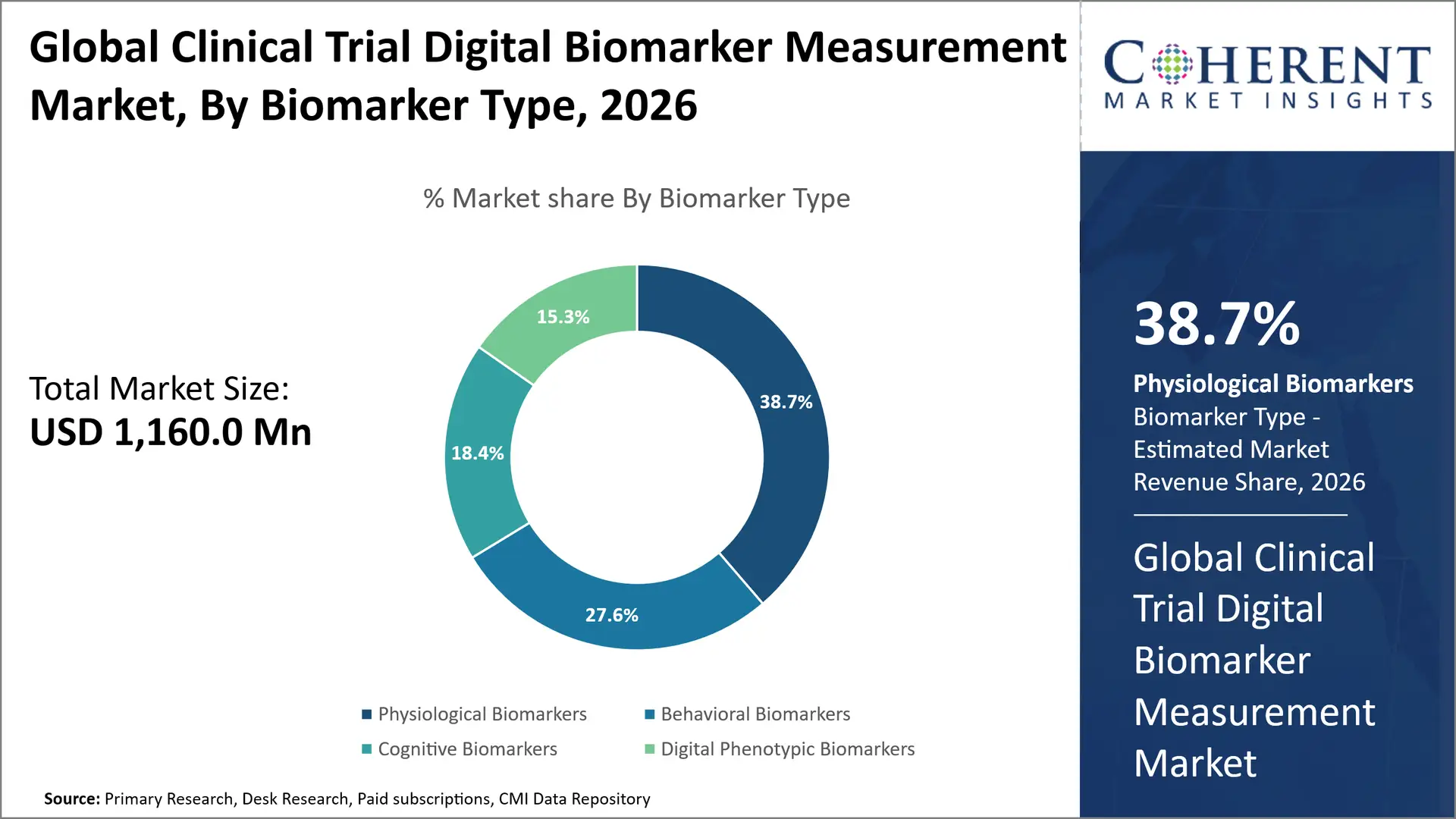
Why Do Physiological Biomarkers Dominate the Global Clinical Trial Digital Biomarker Measurement Market?
Physiological biomarkers are projected to hold the market share of 38.7% in 2026, as it offers clinically viable, non-invasive and quantifiable parameters such as body temperature, heart rate, blood pressure, and respiratory rate to monitor and evaluate health status and treatments of patients. Additionally, it enables the continuous and real-time measurement of these parameters as part of a home-based or decentralized clinical trial using wearable sensors and connected medical devices. For instance, the ANNE Chest wearable sensor from Sibel Health captures the electrocardiogram waveform, heart rate, respiratory rate, activity, position, and temperature to enable continuous body metric data collection in hospitals, clinics and home settings.
- Current Industry Events of 2026
- Market Size Estimation
- Regional Breakdown
- Competitive Landscape
- Customer Intelligence
- Segmental Analysis
- Pricing Analysis
- Key Market Drivers, Challenges & Future Trends
- Customized Insights Section
Why Do Wearable Devices Represent the Largest Measurement Technology Segment in the Clinical Trial Digital Biomarker Measurement Market?
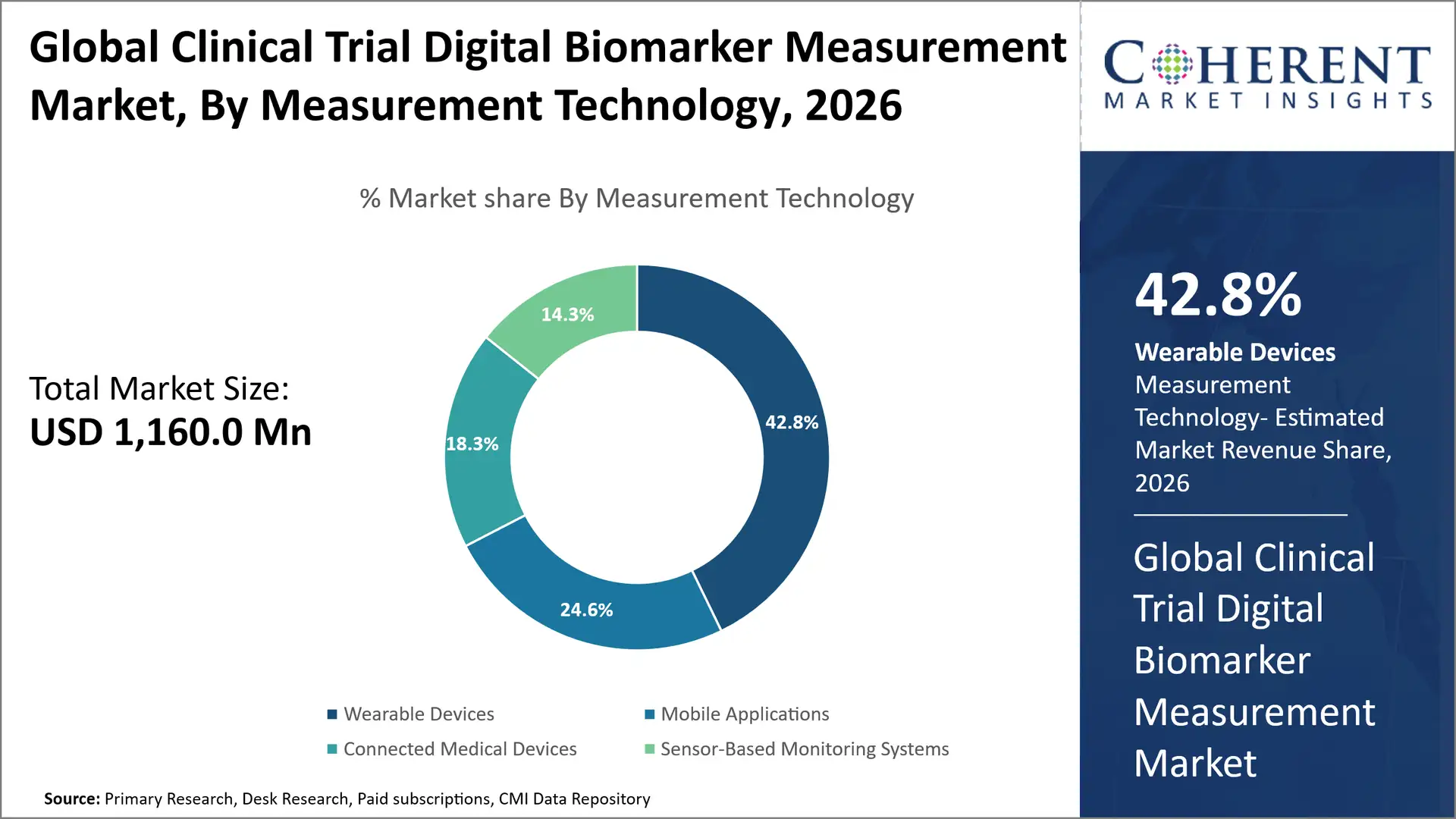
Wearable devices are projected to hold a market share of 42.8% in 2026, because they are portable and easy for patients to use, and generate a stream of physiological and behavioral data captured during daily activities. By embedding sensors like accelerometers and photoplethysmography, devices enable remote monitoring and allow for decentralized trial execution. For instance, the MEND-HD project, sponsored by U.S. National Institutes of Health, monitors gait, mobility, chorea, physical activity, heart rate variability and sleep via wearable sensors to assess digital endpoints for clinical research in Huntington's disease. (Source: U.S. Food and Drug Administration)
Metabolic Disorders Segment Dominates the Global Clinical Trial Digital Biomarker Measurement Market
The metabolic disorders segment is projected to hold a market share of 27.6% in 2026, as patients require ongoing monitoring of glucose, activity, sleep, and other vitals, to evaluate disease progression and whether medications are working. Digital biomarkers enable longitudinal data collection that extends between client visits and helps to drive a more targeted, holistic view of metabolism-based therapies. For instance, On May 2026, U.S. Food and Drug Administration issued guidance describing the technical specifications for submission of continuous glucose monitoring (CGM) data from clinical trials. The guidance underscores the importance of continuous glucose measurement in drug and biological product development. (Source: U.S. Department of Health & Human Services)
Current Events and their Impact
Current Events | Description and its Impact |
U. S. Food and Drug Administration Releases Guiding Principles for Digitally Derived Measures in Clinical Investigations (September 2026) |
|
U.S. FDA to Hold Workshop on Digital Health Technologies and Digitally Derived Clinical Trial Endpoints (August 2026) |
|
Clinical Trial Digital Biomarker Measurement Market Dynamics
Market Drivers
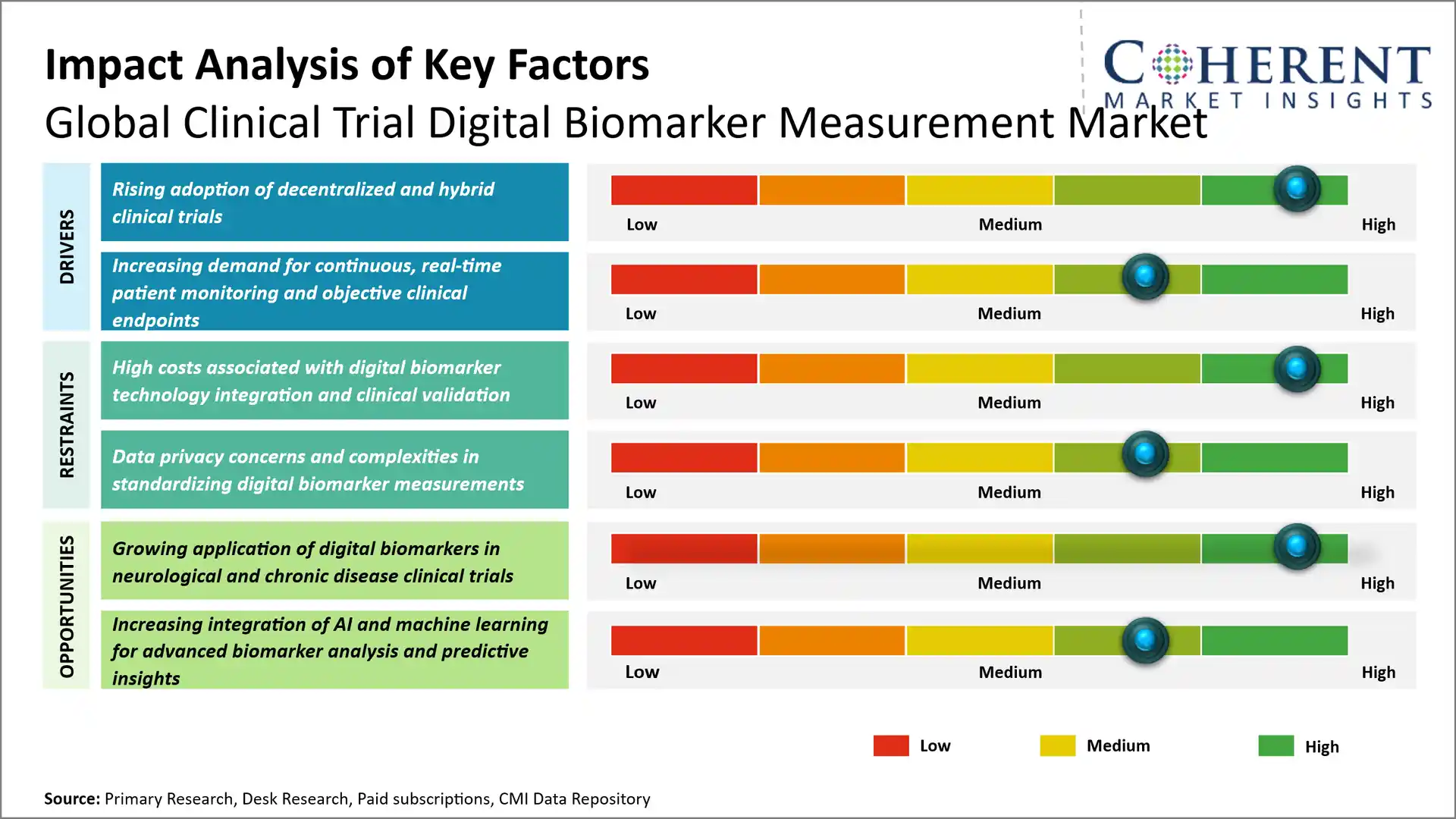
- Rising adoption of decentralized and hybrid clinical trials: The ongoing transition towards decentralized and hybrid clinical trials is leading to high demand for digital biomarker measurement solutions which allow remote monitoring of patients and remote collection of clinical data. For instance, in September 2024, the U.S. Food and Drug Administration published a final guidance document on conducting clinical trials using decentralized elements, which officially recognizes the process of remote monitoring in clinical trials through telehealth, home visits, and local physicians, thereby encouraging the use of wearables and remote monitoring tools in clinical trials.
- Increasing demand for continuous, real-time patient monitoring and objective clinical endpoints: The rising need for readily available and objective data on patient condition is likely to boost the application of digital biomarker measurement systems in clinical trials. For instance, in September 2026, the National Institutes of Health's Clinical Center revised an observational digital biomarker discovery trial (NCT04772170), to leverage the continuous measurement of smartwatches (heart rate, respiratory rate, temperature and mobility), together with the monitoring of cough and voice through smartphone-based technology to discover digital markers of respiratory viral infection.
- Rising prevalence of chronic diseases and demand for advanced clinical assessment: Growing global health burden of cardiovascular, neurological, respiratory and metabolic diseases drives the need for more sensitive and longitudinal clinical measurement tools. For instance, World Health Organization reports 43 million noncommunicable disease-related deaths in 2021, representing 75% of non-pandemic related global deaths. The need to measure disease progression and treatment response is creating potential opportunities for digital biomarker measurement tools to be used in chronic disease clinical trials.
Emerging Trends
- Growing role of AI in digital biomarkers analytics: The use of artificial intelligence (AI) and machine learning within digital biomarker platforms is helping unlock the potential of continuous streams of patient-generated data.
- Impact: AI algorithms can detect small deviations in the physiologic and behavior patterns, optimize signal understanding and assist in early detection of disease progression and therapeutic response.
- Market Relevance: The trend is creating demand for next-generation analytics platforms that will bridge the gaps in high frequency wearable and sensor data to produce clinical-endpoint values, and ultimately opportunity for technology vendors.
- Growing adoption of multimodal digital biomarkers: Significant, large-scale clinical studies use a collection of health data from wearables, smartphones, remote sensors, and connected medical devices to develop complete customer health profiles.
- Impact: Multimodal measurement enables the simultaneous measuring of several parameters, such as physical activity, sleep, heart rate, mobility and cognition, and contributes to a comprehensive clinical characterization.
- Market Relevance: This trend is creating a demand for single digital biomarker measurement platforms combining multiple data streams, to power an increased number of integrated digital biomarker measurement platforms.
Regional Insights
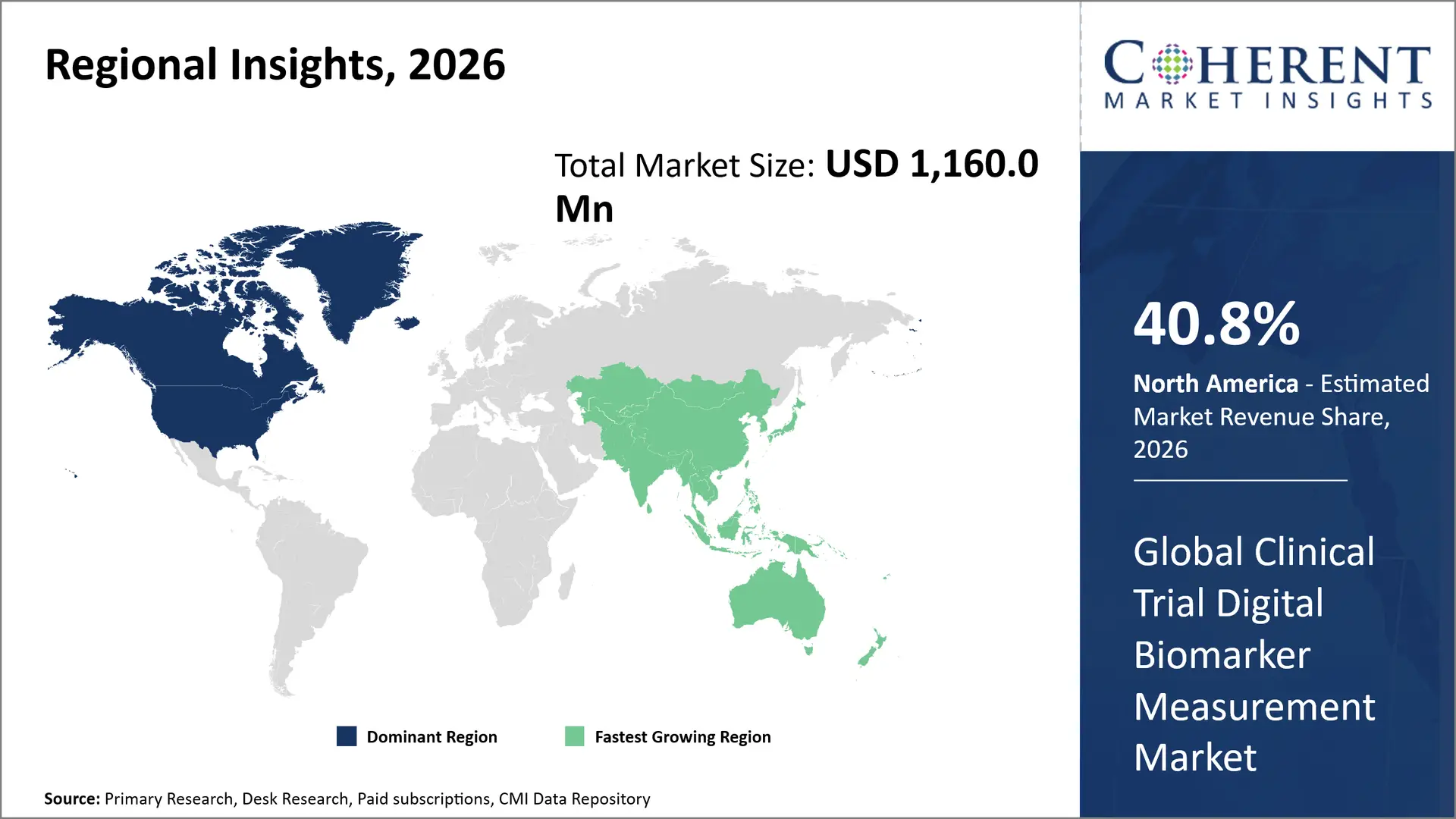
Why is North America a Strong Market for Clinical Trial Digital Biomarker Measurement?
North America leads the global clinical trial digital biomarker measurement market, accounting for an estimated 40.8% share in 2026, owing to the presence of well-established healthcare industry, quite prominent and conducive regulatory policies, and rising investments in digital health technologies. The presence of large number of pharmaceutical companies, technologists and contract research organizations (CROs) in the region play an important role in driving the market by adopting new clinical trial solutions.
Additionally, regulatory support from Food and Drug Administration (FDA) and National Institutes of Health (NIH), technological advancement in data analytics and growing widespread use of wearable and remote monitoring devices are contributing to North America's growth. For instance, in June 2026, the National Institutes of Health's All of Us Research Program launched health data from more than 747,000 participants for use by researchers. Its wearable data set also included Fitbit data from more than 59,000 participants, covering physical activity and sleep measurements
Why Does Asia Pacific Clinical Trial Digital Biomarker Measurement Market Exhibit High Growth?
Asia Pacific is expected to exhibit the fastest growth in the global clinical trial digital biomarker measurement market, registering an estimated CAGR of 21.8% during 2026–2033. The region is projected to account for 22.4% of the global market in 2026, driven by the burgeoning adoption of advanced medical technology devices and rising government initiatives to transform healthcare infrastructure and foster pharmaceutical innovation in countries such as in China, Japan, South Korea, and India.
Furthermore, the increasing focus of regulatory bodies on more harmonized global standards for clinical research and the emergence of regional technology hubs are spurring the adoption of artificial intelligence-enabled analytics, wearable technologies, and remote monitoring devices. For instance, in September 2026, China’s National Medical Products Administration (NMPA) adopted the new Good Clinical Practice (GCP) requirements that incorporated the principles of ICH E6(R3) to modernize the conduct of clinical trials and enhance the quality of study data. (Source: Legal500)
Global Clinical Trial Digital Biomarker Measurement Market Outlook for Key Countries
Why is the U.S. Leading Innovation and Adoption in the Clinical Trial Digital Biomarker Measurement Market?
The U.S. possesses the most superior growth and adoption potential in the clinical trial digital biomarker measurement market owing to its highly advanced FDA qualification pathways such as Drug Development Tool (DDT) Qualification Program and ISTAND initiative for developing new measures for clinical trials. In addition, the FDA Digital Health Technologies program provides specific guidance for the use of wearable, implantable, and sensor-based technologies for remote data collection in clinical trials. This can further boost the market for digital endpoints in the country.
Is Japan a Favorable Market for Clinical Trial Digital Biomarker Measurement Market?
Japan is a potentially favorable market for clinical trial digital biomarker measurement fueled by the country’s mature ecosystem of healthcare technology and pharmaceutical research, and a growing demand for wearable-based clinical trials. The surge in demand for validated digital biomarkers for neurological and chronic conditions translates into a higher demand for wearable devices, remote monitoring and clinically validated digital endpoints.
Is China Emerging as a Key Growth Hub for the Clinical Trial Digital Biomarker Measurement Market?
China is emerging as a key growth area for the clinical trial digital biomarker measurement market driven by country's strong pharma research ecosystem, increased adoption of wearable based monitoring technologies, and existing strengths in digital health. Updated Good Clinical Practice guidelines also increase scope for wearable-based physiological measurement, AI enabled biomarker insights, and remote collection of clinical data.
Why Does Germany Top the European Clinical Trial Digital Biomarker Measurement Market?
Germany probably captures the largest share of the European clinical trial digital biomarker measurement market owing to its vast pharmaceutical R&D landscape, established clinical research venues and digital health friendly environment. The BfArM-driven platform presents an incentive for evidence-based approach towards development of digital health applications. Furthermore, the research climate at renowned entities like Charité, Fraunhofer, etc. are facilitating increased focus towards wearable-based monitoring and sensor-based clinical trials.
Is Clinical Trial Digital Biomarker Measurement Market Developing in India?
India is an emerging market for clinical trial digital biomarker measurement, with opportunities emerging with a proliferation of clinical research infrastructure, new decentralized trial designs, and heightened interest in wearable-based remote data collection. The Indian Council of Medical Research (ICMR) via their Indian Clinical Trial and Education Network (INTENT) has created a network of 84 Phase II/III trial sites and four Phase I facilities in India that offer this potential opportunity.
Digital Biomarker Applications and Measurement Parameters Across Therapeutic Areas
Therapeutic Area | Digital Biomarker Parameters | Measurement Technology | Clinical Trial Application |
Neurological Disorders | Gait, tremor, sleep, cognitive activity | Smartphones, motion sensors, wearables | Disease progression and motor-function assessment |
Cardiovascular Diseases | Heart rate, heart rate variability, ECG | Connected ECG devices, smartwatches | Cardiac function and treatment-response monitoring |
Respiratory Diseases | Respiratory rate, oxygen saturation, lung function | Connected spirometers, pulse oximeters | Respiratory function and exacerbation monitoring |
Metabolic Disorders | Glucose levels, physical activity, sleep | Continuous glucose monitors, wearables | Metabolic control and treatment-response assessment |
Oncology | Physical activity, fatigue, sleep, patient mobility | Wearables, mobile applications | Treatment tolerability and symptom monitoring |
Others | Medication adherence, activity, behavioral patterns | Smartphones, connected sensors | Patient adherence and general health monitoring |
How is the growing application of digital biomarkers in neurological and chronic disease clinical trials creating new growth opportunities in the clinical trial digital biomarker measurement market?
The global clinical trial digital biomarker measurement market anticipated to see a rise in the adoption of digital measurement products & solutions in neurology & chronic disease clinical studies for ongoing tracking of disease progression and management. For instance, in October 2026, Phase II Parkinson’s disease study (NCT06680830) registered with ClinicalTrials.gov by Neuron23 includes Roche’s digital biomarker score as a primary outcome measure over a 52-week treatment period. This trend is creating opportunities for wearable-based monitoring and digital biomarker analytics providers.
Market Players, Key Development, and Competitive Intelligence
Key Developments
- In June 2026, Samsung Electronics announced partnership with Alcedis, a digital-first clinical research organization (CRO), to improve the use of biometric data collected via a wearable device for pharmaceutical clinical trials. This project aims to use the Galaxy Watch sensors (Bioelectrical Impedance Analysis (BIA), Electrodermal Activity (EDA)) for development of digital biomarkers, clinical endpoint validation and ongoing surveillance of patients.
- In February 2024, Biofourmis enters four clinical collaborations to accelerate the development of digital biomarker and safety-monitoring algorithms for oncology clinical trials. The studies aim to apply digital clinical trial platform technology in combination with digital endpoints in a bid to improve remote data collection, enable continuous patient monitoring, and support the clinical development of digital biomarkers across multiple clinical trial programs.
Competitive Landscape
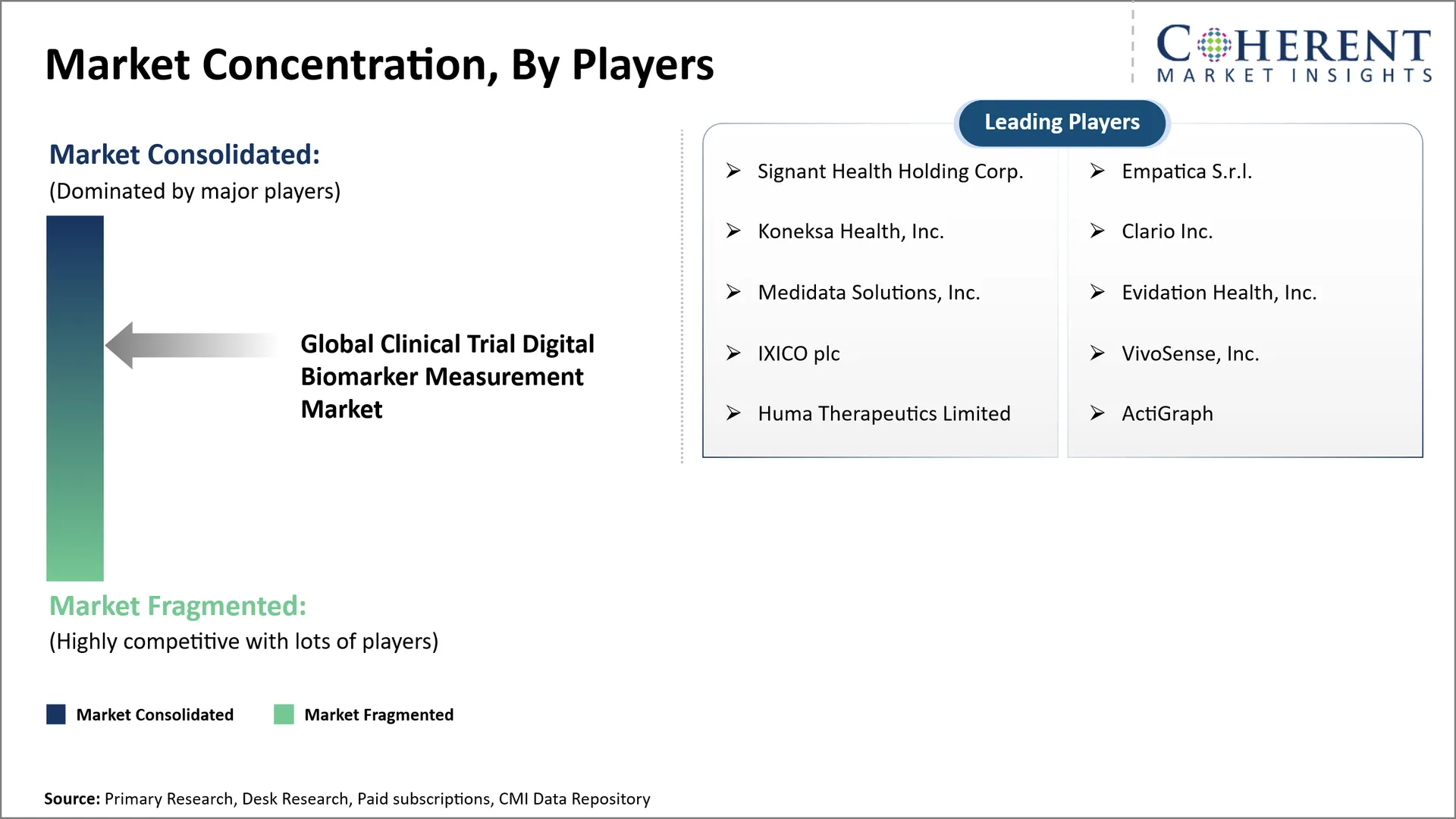
The global clinical trial digital biomarker measurement market is moderately fragmented and innovation driven with the presence of niche players specialized in digital biomarker developers, wearable technology providers, and clinical trial technology players. Competition is largely focused on digitally validated endpoints for clinical use, improving the accuracy of sensor-based measurement, and integrating wearable devices, apps, and advanced analytics into the clinical trial process. Leading vendors are focusing on the expansion of digital measurement, strengthening validation through regulators, and forming alliances with pharma companies and CROs.
Key focus areas include
- Clinically validated digital biomarkers for measuring Physiological, Behavioral and cognitive assessments.
- Wearable devices, connected sensors, and mobile apps for continuous remote patient monitoring.
- Use of artificial intelligence and advanced analytics for real-time biomarker analysis and clinical endpoint discovery.
- Extended geographic coverage of therapeutic-area-specific digital measurement solutions across neurological, cardiovascular, metabolic and respiratory clinical trials.
- Partnerships with pharmaceutical companies, biotech companies, and CROs through strategic alliances to fund the next-gen of digital endpoint adoption and commercialization.
Market Report Scope
Global Clinical Trial Digital Biomarker Measurement Market Report Coverage | |||
Report Coverage | Details | ||
Base Year | 2025 | Market Size in 2026: | USD 1,160.0 Mn |
Historical Data For: | 2020 To 2024 | Forecast Period: | 2026 To 2033 |
Forecast Period 2026 To 2033 CAGR: | 15.2% | 2033 Value Projection: | USD 3,120.0 Mn |
Geographies covered: |
| ||
Segments covered: |
| ||
Companies covered: | Signant Health Holding Corp., Empatica S.r.l., Koneksa Health, Inc., Clario Inc., Medidata Solutions, Inc., Evidation Health, Inc., IXICO plc, VivoSense, Inc., Huma Therapeutics Limited, ActiGraph | ||
Growth Drivers: |
| ||
Restraints & Challenges: |
| ||
Analyst Opinion (Expert Opinion)
- In the coming years, the global clinical trial digital biomarker measurement market will experience a paradigm shift from infrequent clinical assessments to real-world continuous digital biomarker measurements. The adoption of wearables, sensor connectivity and AI-powered analytic capabilities into clinical trial processes is set to be deeper and broader, supporting objective endpoint assessments and early detection of treatment response. Neurological, cardiovascular and metabolic digital biomarkers will likely be more prominent as clinical research continues the move towards decentralized and patient-focused approaches.
- The best opportunity is expected to be in physiological and cognitive biomarkers for clinical trials targeting neurological and metabolic diseases and disorders with the US, China, and Japan being the biggest markets. Wearable tracking of movement, sleep, heart rate, and activity throughout the day can be used to measure how the disease progresses over time and how it responds to treatment. Firms that develop disease-specific digital endpoints, such as for Parkinson's disease, Alzheimer's, and diabetes, will find considerable commercial potential.
- In order to gain a competitive advantage market players should focus on establishing clinically validated digital biomarkers with high reproducibility, sensitivity and correlations with therapeutic effect. Designing integrated solutions that combine hardware wearables, AI-enabled analytics tools, and enterprise-grade clinical data management platforms will improve their value proposition. Building long-term partnerships with pharma and CROs, and developing the capabilities to support regulatory validation and interoperability will be critical to secure recurring clinical trial work.
Speak to the analyst
Want personalized insights?
Take the findings above to one of our principal consultants, or have the report rebuilt around the segments, geographies and competitors you actually track.
Market Segmentation
- Biomarker Type Insights (Revenue, USD Mn, 2021 - 2033)
- Physiological Biomarkers
- Behavioral Biomarkers
- Cognitive Biomarkers
- Digital Phenotypic Biomarkers
- Measurement Technology Insights (Revenue, USD Mn, 2021 - 2033)
- Neurological Disorders
- Cardiovascular Diseases
- Respiratory Diseases
- Oncology
- Metabolic Disorders
- Others
- Therapeutic Area Insights (Revenue, USD Mn, 2021 - 2033)
- Neurological Disorders
- Cardiovascular Diseases
- Respiratory Diseases
- Oncology
- Metabolic Disorders
- Others
- End User Insights (Revenue, USD Mn, 2021 - 2033)
- Pharmaceutical and Biotechnology Companies
- Contract Research Organizations (CROs)
- Academic and Research Institutions
- Others
- Regional Insights (Revenue, USD Mn, 2021 - 2033)
- North America
- U.S.
- Canada
- Latin America
- Brazil
- Argentina
- Mexico
- Rest of Latin America
- Europe
- Germany
- U.K.
- Spain
- France
- Italy
- Russia
- Rest of Europe
- Asia Pacific
- China
- India
- Japan
- Australia
- South Korea
- ASEAN
- Rest of Asia Pacific
- Middle East
- GCC Countries
- Israel
- Rest of Middle East
- Africa
- South Africa
- North Africa
- Central Africa
- North America
- Key Players Insights
- Signant Health Holding Corp.
- Empatica S.r.l.
- Koneksa Health, Inc.
- Clario Inc.
- Medidata Solutions, Inc.
- Evidation Health, Inc.
- IXICO plc
- VivoSense, Inc.
- Huma Therapeutics Limited
- ActiGraph
Sources
Primary Research Interviews
- Clinical trial investigators specializing in digital endpoint assessment
- Digital biomarker scientists and clinical data specialists
- Clinical research professionals involved in decentralized clinical trials
- Biomedical engineers specializing in wearable sensors and digital health technologies
Stakeholders
- Clinical trial digital biomarker technology developers
- Wearable device and connected medical technology manufacturers
- Pharmaceutical and biotechnology companies
- Contract research organizations (CROs) and clinical data management providers
- End-use Sectors
- Pharmaceutical and biotechnology companies
- Contract research organizations (CROs)
- Academic medical centers and clinical research institutions
- Hospitals and specialized clinical trial centers
- Regulatory & Health Bodies
- U.S. Food and Drug Administration (FDA)
- European Medicines Agency (EMA)
- Central Drugs Standard Control Organisation (CDSCO), India
- National Medical Products Administration (NMPA), China
Databases
- ClinicalTrials.gov
- WHO International Clinical Trials Registry Platform (ICTRP)
- Clinical Trials Registry–India (CTRI)
- EU Clinical Trials Information System (CTIS)
Associations
- Digital Medicine Society (DiMe)
- Clinical Trials Transformation Initiative (CTTI)
- Decentralized Trials & Research Alliance (DTRA)
- International Society for Pharmacoepidemiology (ISPE)
Public Domain Sources
- U.S. Food and Drug Administration (FDA)
- National Institutes of Health (NIH)
- National Center for Biotechnology Information (NCBI)
- World Health Organization (WHO)
Proprietary Elements
- CMI Data Analytics Tool
- Proprietary CMI Existing Repository of information for last 10 years.
Get access to 250+ pages report
Every segment, forecast, competitor profile and data table behind the analysis above — available for instant download.
- ESOMAR Member
- ISO 9001:2015 Certified
- D-U-N-S Registered
- GDPR & CCPA Compliant
Frequently Asked Questions
The global clinical trial digital biomarker measurement market is estimated to be valued at USD 1,160.0 Mn in 2026 and is expected to reach USD 3,120.0 Mn by 2033.
Physiological biomarkers dominate the market owing to their significant use in long-term monitoring of vital signs, physical activity, sleep parameters, and other quantifiable physiological metrics in clinical studies.
The use of digital devices to collect and analyze objective physiological, behavioral, and cognitive information from patients in order to measure and understand the patient's health and the response to the treatment during the clinical trial.
The CAGR of global clinical trial digital biomarker measurement market is projected to be 15.2% from 2026 to 2033.
Rising adoption of decentralized and hybrid clinical trials, and increasing demand for continuous, real-time patient monitoring and objective clinical endpoints are the major factors driving the growth of the global clinical trial digital biomarker measurement market.
High costs associated with digital biomarker technology integration and clinical validation, and data privacy concerns and complexities in standardizing digital biomarker measurements are the major factors hampering the growth of the global clinical trial digital biomarker measurement market.
In terms of measurement technology, wearable devices are estimated to dominate the market revenue share in 2026.