

Global Digital Biomarker Market Size and Forecast – 2026 To 2033
The global digital biomarker market is expected to grow from USD 4,850 Mn in 2026 to USD 16,900 Mn by 2033, registering a compound annual growth rate (CAGR) of 19.5%. The global digital biomarker market is poised for significant expansion fueled by growing government emphasis on digital health care and remote patient monitoring for addressing the growing burden of chronic diseases.
According to the World Health Organization, noncommunicable diseases (NCDs), including heart disease, stroke, cancer, diabetes, and chronic lung disease, are collectively responsible for 74% of all deaths worldwide. More than three-quarters of all NCD deaths, and 86% of the 17 million people who died prematurely, or before reaching 70 years of age, occur in low- and middle-income countries.
(Source: World Health Organization)
Key Takeaways of the Global Digital Biomarker Market
- Monitoring biomarkers are projected to hold 46.0 % of the global digital biomarker market share in 2026, making it the dominant type segment, with North America leading the dominance owing to its well-developed remote patient monitoring technology and regulatory support for digital health. For instance, the U.S. Food and Drug Administration has been working actively to promote digital health innovations through its Digital Health Center of Excellence, accelerating the adoption of monitoring-based biomarkers in chronic disease management. (Source: U.S. Food and Drug Administration)
- Physiological data is projected to hold 54.0 % of the global digital biomarker market share in 2026, making it the dominant data type segment with Europe leading the dominance owing to the extensive use of electronic medical records and digital health strategies backed by the governments. For instance, the efforts by organizations like European Commission in establishing initiatives such as European Health Data Space are contributing towards efficient gathering and use of physiological data.
- Wearable devices are projected to hold 51.0 % of the global digital biomarker market share in 2026, making it the dominant technology platform segment with Asia Pacific experiencing rapid growth owing to the increasing popularity of smart health technology and digital health projects. In India, the Ministry of Health and Family Welfare is actively promoting digital healthcare through programs such as the Ayushman Bharat Digital Mission, which supports the integration of wearable devices for continuous health monitoring and strengthens the overall digital health ecosystem.
- North America maintains its dominance with an estimated share of 38.0 % in 2026, driven by the high rates of occurrence of chronic diseases and well-developed clinical research environment facilitating the validation and acceptance of biomarkers. For instance, according to the Centers for Disease Control and Prevention, chronic disease affects 6 in 10 adults in the U.S., while 4 in 10 adults live with multiple chronic diseases which makes the need for continuous monitoring using digital biomarkers rather urgent. (Source: Centers for Disease Control and Prevention)
- Asia Pacific is expected to exhibit the fastest growth with an estimated contribution of 24.0 % share in 2026, fueled by the rapid development of digital infrastructure and extensive coverage of population through national healthcare initiatives. For instance, as per the government of India, there are more than USD 8.8 million (INR 73 crore) Ayushman Bharat Health Accounts (ABHA) that have been generated within the country’s digital health ecosystem, thereby greatly improving the availability of data related to health and promoting digital biomarkers. (Source: Ministry of Health and Family Welfare)
- Expansion of Digital Biomarkers in Decentralized Clinical Trials (DCTs): The move towards decentralized and hybrid clinical trials has brought about the increased use of digital biomarkers for continuous and real-time monitoring of patients. The use of digital biomarkers allows for remote data collection, which enhances patient recruitment, lowers trial costs, and improves data quality. More pharmaceutical organizations are utilizing wearables to develop digital biomarkers that assist in drug discovery processes.
- Rising Use of AI-Based Behavioral and Cognitive Biomarkers: The use of digital biomarkers using artificial intelligence algorithms that examine vocal patterns, typing abilities, and smartphone usage in detecting neurodegenerative and neuropsychiatric disorders has gained momentum. The potential of this type of digital biomarkers is enormous because they help diagnose diseases such as Alzheimer's and depression early on.
Segmental Insights
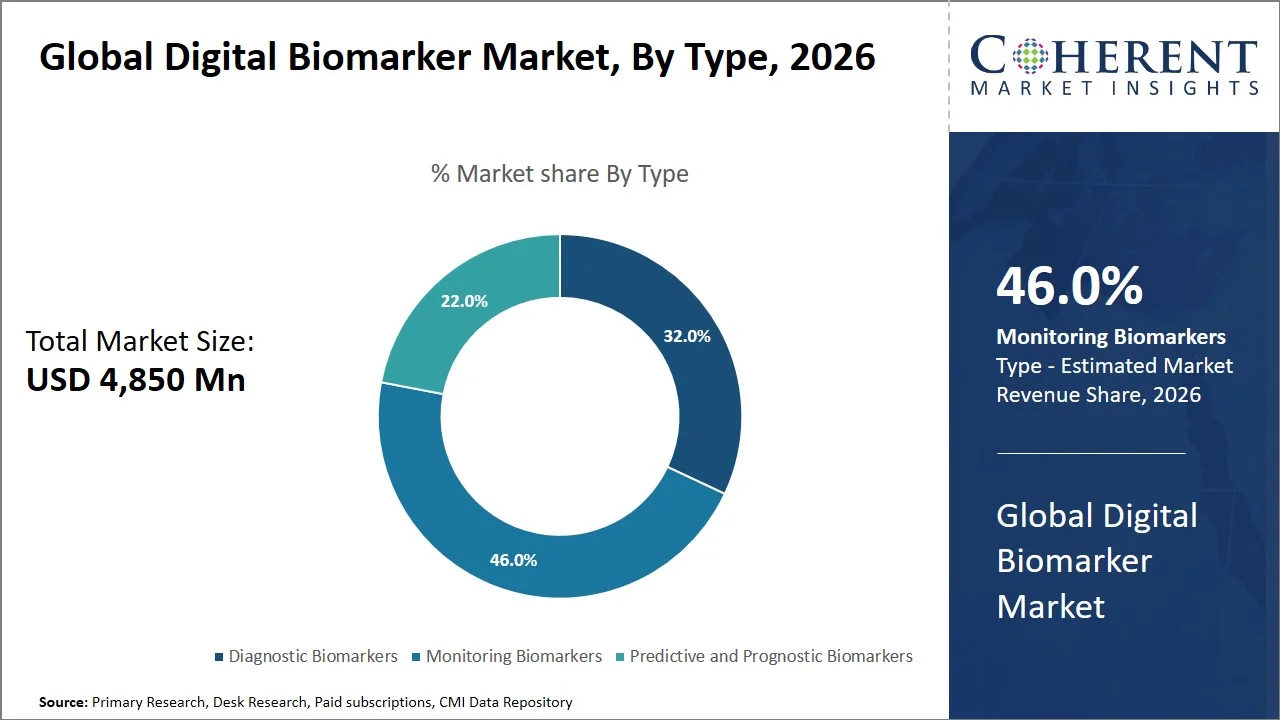
Why Does the Monitoring Biomarkers Segment Dominate the Global Digital Biomarker Market?
Monitoring biomarkers are projected to hold a market share of 46.0% in 2026, due to their ability to provide continuous and real-time tracking of both physiological and behavioral data. This is evidenced by numerous case studies conducted by various organizations, in which data collection was achieved through the use of wearable devices. For instance, the National Institutes of Health (NIH) supported the All of Us Research Program which involves the collection of continuous data on activity and sleep, among other health parameters, from hundreds of thousands of people for the purpose of disease development research. (Source: Vibrent Health)
Moreover, a study published in September 2023 in National Library of Medicine demonstrates that wearable biosensors are capable of providing continuous real-time tracking of biomarkers such as glucose, lactate, and physiological data (Source: National Library of Medicine). Additionally, the National Cancer Institute points out that new developments in wearable sensors have made it possible to measure "the quantity, timing, and quality of sleep, light exposure, and physical activity," thereby facilitating prolonged assessment of behaviors and exposures in health studies (Source: National Cancer Institute). The robustness of the body of clinical and governmental evidence available is an indication of the increased usefulness of continuous monitoring, which makes monitoring biomarkers the most dominant segment within the digital biomarker market.
- Current Industry Events of 2026
- Market Size Estimation
- Regional Breakdown
- Competitive Landscape
- Customer Intelligence
- Segmental Analysis
- Pricing Analysis
- Key Market Drivers, Challenges & Future Trends
- Customized Insights Section
Why is Physiological Data the Most Preferred Data Type?
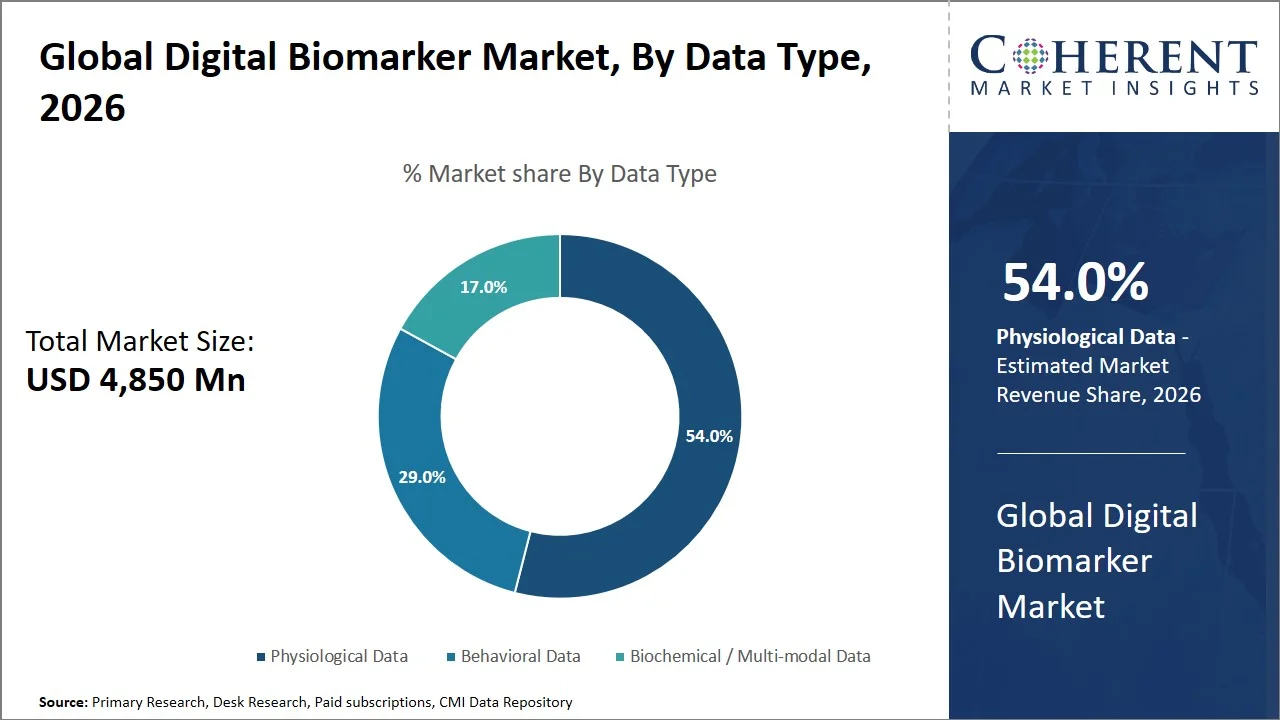
Physiological data is projected to hold a market share of 54.0% in 2026, since it captures objective and quantifiable measures of important functions of the body including heart rate, blood pressure, oxygen saturation, and physical activity. Behavioral and self-reporting data types lack objectivity and therefore cannot be used to accurately monitor disease progression and diagnose patients. Physiological measures are continually captured using validated medical-grade and consumer-grade wearable technology and can be utilized for clinical and research purposes reliably compared to other data types.
Regulatory and public health agencies encourage the use of physiological data gathered from wearable devices in their activities. For instance, the Centers for Medicare & Medicaid Services endorses the use of remotely captured physiological data using wearables such as heart rate and blood pressure measurement in clinical decisions and payment decisions (Source: Centers for Medicare & Medicaid Services). Moreover, other agencies such as the National Institutes of Health (NIH) encourages the collection of physiological measures using wearable devices continuously in major research programs aimed at studying disease progression and understanding disease trends in populations. (Source: National Institutes of Health)
Wearable Devices Segment Dominates the Global Digital Biomarker Market
The wearable devices segment is projected to hold a market share of 51.0% in 2026, due to its higher degree of accessibility, passive data collection, and seamless integration into the lifestyle of individuals. This dominance has been further bolstered by their growing adoption in large-scale health studies; for instance, the UK Biobank has utilized wearable physical activity trackers on more than 100,000 individuals in order to gain objective health data on a large scale. (Source: UK Biobank)
Moreover, the World Health Organization recognizes the importance of digital technology and its applications such as wearables in building up people-centered and evidence-based health care systems (Source: World Health Organization). This has made wearable devices the ideal choice when it comes to the deployment of digital biomarkers in both research and health care environments due to their scalability and frequency of data collection.
Currents Events and their Impact
Current Events | Description and its Impact |
EU European Health Data Space (EHDS) Regulation Advancement (2025) |
|
U.S. FDA Guidance on Digital Health Technologies in Clinical Investigations (2023–ongoing adoption) |
|
(Source: European Commission, U.S. Food and Drug Administration)
Global Digital Biomarker Market Dynamics
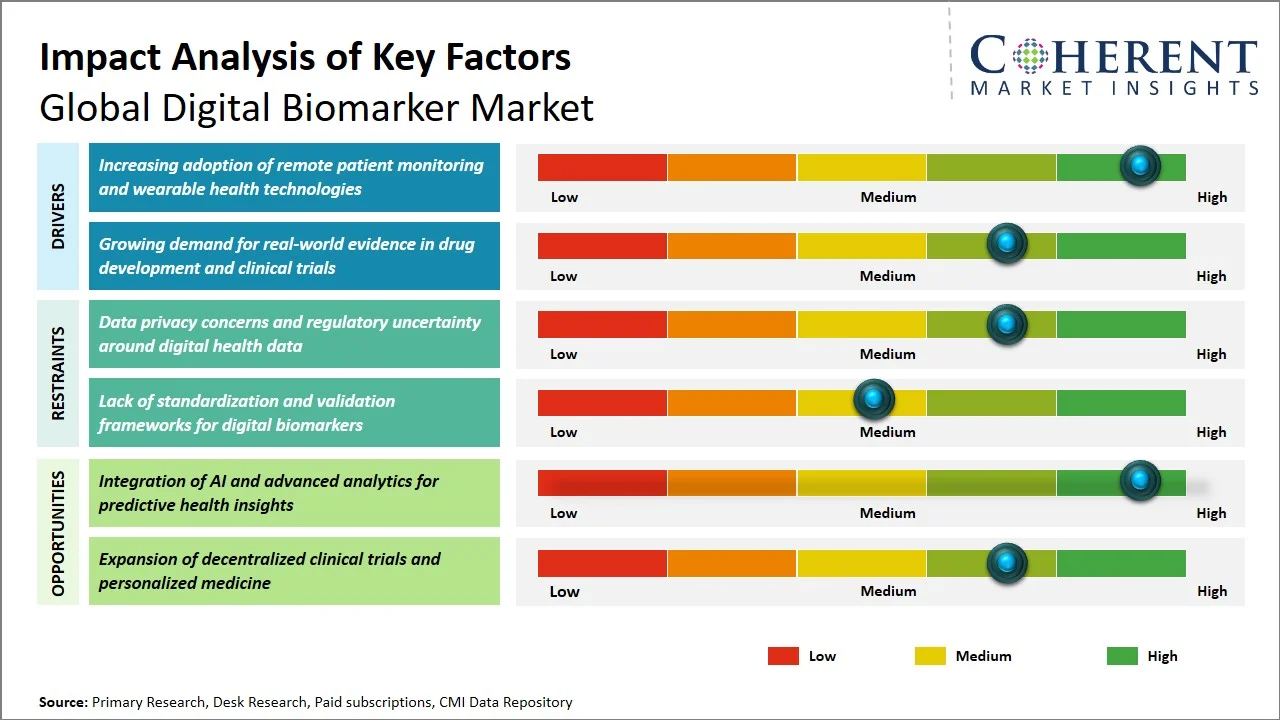
Market Drivers
- Increasing adoption of remote patient monitoring and wearable health technologies: The utilization of remote patient monitoring and wearable technology allows the continuous and real-time capture of physiological and behavioral information from patients in non-clinical settings. This driver is largely backed by government regulations and health care systems. For instance, the Centers for Medicare & Medicaid Services has broadened the eligibility criteria for remote patient monitoring, thereby allowing healthcare professionals to monitor their patients through remote patient monitoring solutions (Source: Centers for Medicare & Medicaid Services). Additionally, the National Health Services has introduced virtual wards in order to provide remote management services to its patients (Source: National Health Services). Such developments drive the demand for digital biomarkers as they will help healthcare organizations achieve their objectives through continuous disease monitoring and management.
- Growing demand for real-world evidence in drug development and clinical trials: The trend of focusing on real-world evidence (RWE) has contributed greatly towards the use of digital biomarkers as they make it possible for data to be collected objectively outside the clinical setting. There have been significant efforts by regulatory authorities to encourage such changes; for example, the U.S. Food and Drug Administration note the need for real-world data that would be used for developing real-world evidence, especially when analyzing the safety and efficacy of drugs (Source: S Food and Drug Administration). The acceptance of such regulations are prompting the pharma industry to utilize digital biomarkers for validated endpoints, which is leading to more efficient trials, decentralized study models, and faster drug development timelines.
Emerging Trends
- Integration of AI and Advanced Analytics in Digital Biomarkers: There is an emerging trend of integrating artificial intelligence and machine learning capabilities into digital biomarker solutions that can facilitate predictions and prescriptions based on continuous health monitoring. This can greatly contribute to the diagnosis and management of diseases, especially complex conditions like neurological and cardiovascular disorders.
- Growing Adoption of Digital Biomarkers in Clinical Trials: There has been an increase in the use of digital biomarkers as valid digital endpoints in decentralized and hybrid clinical trials by pharmaceutical and biotechnology organizations. This practice has enhanced the effectiveness of trials and minimized reliance on physical tests.
Regional Insights
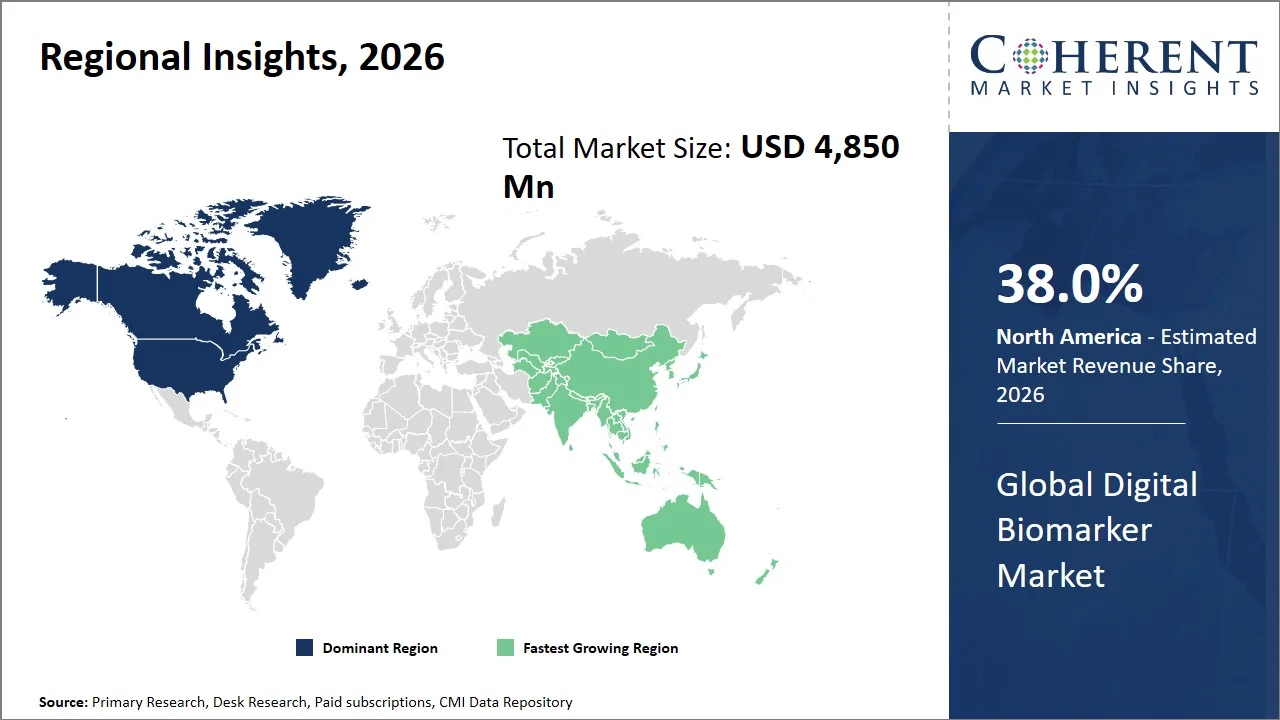
Why is North America a Strong Market for Digital Biomarkers?
North America leads the global digital biomarker market, accounting for an estimated 38.0% share in 2026, owing to its well-established infrastructure for conducting clinical research along with an early adopter attitude toward healthcare based on data-driven approaches that allows for the swift deployment of digital health solutions. The region is known for taking part in major scientific studies; for instance, the National Institute of Health (NIH) heads up a program called All of Us Research Program that involves collecting health data on over one million individuals to support the development of personalized medicine treatments. (Source: National Institute of Health)
Furthermore, as reported by the Centers for Disease Control and Prevention, chronic diseases continue to be widespread in the U.S. and a considerable number of people require prolonged supervision. Moreover, 90% of the nation's USD 4.9 trillion in annual health care expenditures are for people with chronic and mental health conditions (Source: Centers for Disease Control and Prevention). This convergence of a solid research framework, huge patient databases, and high prevalence of the disease makes for an ideal environment for digital biomarker to be deployed quickly and effectively.
Why Does the Asia Pacific Digital Biomarker Market Exhibit High Growth?
The Asia Pacific digital biomarker market is expected to exhibit the fastest growth with an estimated contribution of 24.0% share to the market in 2026, owing to its rapid build-up of digital infrastructure and a highly varied base of patients. At the same time, the governments in the region are keen on introducing technology-based solutions for healthcare delivery through their healthcare digitization initiatives.
Countries like India have plans to set up an ecosystem of digital health solutions at the national level. For example, the Indian National Health Authority has launched the Ayushman Bharat Digital Mission that involves building a complete ecosystem that allows the creation of big health data and its interoperability (Source: National Health Authority). This confluence of digitally-enabled policies, rising health needs, and higher rates of device connectivity has led to an uptick in the use of digital biomarkers, thereby positioning Asia Pacific as the fastest-growing regional market for digital biomarkers.
Global Digital Biomarker Market Outlook for Key Countries
Why is the U.S. Leading Innovation and Adoption in the Digital Biomarker Market?
The U.S. is the leader in innovations and implementations within the digital biomarker market, due to the country's significant capabilities of translating innovations from the laboratory into clinical settings and federal support of digital health innovations. For instance, the National Institute of Health (NIH) is engaged in launching the Bridge2AI project, which targets creating high-quality biomedical datasets to develop artificial intelligence technologies in healthcare, particularly by utilizing digital biomarkers. (Source: National Institute of Health)
Moreover, the Advanced Research Projects Agency for Health works on promoting health technologies through conducting innovative projects that seek to address various health issues with the help of advanced data analysis techniques (Source: Advanced Research Projects Agency for Health). The U.S., with its strong focus on integrating artificial intelligence, federally-funded innovation programs (e.g., ARPA-H programs such as Platform Accelerating Rural Access to Distributed & Integrated Medical Care (PARADIGM), Scalable Solutions for Healthcare Delivery (SSHD), and Precision Surgical Interventions (PSI)), and quickly translating research to practice, is well-positioned to be one of the leading nations in developing digital biomarkers and their widespread use.
Is the U.K. a Favorable Market for Digital Biomarkers?
The U.K. represents an ideal environment for the digital biomarker market due to the presence of a robust public healthcare system and a digital health uptake framework. The National Health Service allows the deployment of digital solutions in a centralized manner, thus facilitating real-world data collection and verification. Additionally, the National Institute for Health and Care Excellence has put forward the Evidence Standards Framework for Digital Health Technologies, which clearly defines standards on the assessment of digital products, including digital biomarker generators (Source: National Institute for Health and Care Excellence). Clinical research facilities, along with the availability of longitudinal data from patients, add to the value of the U.K. digital biomarker market in relation to digital biomarkers.
Is China Emerging as a Key Growth Hub for the Digital Biomarker Market?
China stands out as one of the most important countries with respect to the future growth of the digital biomarker market owing to an increased adoption of digital technologies in the healthcare sector, as well as wide use of smart health devices. The policies initiated by the National Health Commission of the People’s Republic of China to promote “Internet + Healthcare” aim at embedding digital technologies into the healthcare system and facilitating remote monitoring. (Source: National Health Commission of the People’s Republic of China)
Additionally, the National Medical Products Administration is enhancing the regulation of digital health and Software as a Medical Device (SaMD) product to facilitate their approval and commercial availability. (Source: China Med Device) China's large population and rising number of people with chronic diseases (over 300 million people in China are diagnosed with chronic diseases, accounting for ~86.6% of total deaths) make the need for continuous monitoring solutions even greater. The country also benefits from the widespread use of smartphones and wearables, which makes it easier to collect large amounts of real-world data. This combination of policy support, regulatory changes, and growth in digital infrastructure makes China a promising market for digital biomarker expansion.
Why Does Germany Top the Europe Digital Biomarker Market?
Germany emerges as a leader in the Europe digital biomarker industry owing to the availability of a well-established system for reimbursement of digital health services along with regulations that facilitate smooth adoption of digital therapeutics and monitoring systems (such as Digital Healthcare Act – DVG; Digital Health Applications Ordinance – DiGAV). The country has the approval and reimbursement system of digital health applications (DiGAs), managed by the Federal Institute for Drugs and Medical Devices. This allows clinically proven digital technology to be prescribed by physicians and also makes the reimbursement process possible through statutory health insurance plans. (Source: Federal Institute for Drugs and Medical Devices)
Furthermore, Germany has an advanced healthcare environment along with high penetration of electronic medical records, thereby enabling the generation of large amounts of digital data. Besides this, the country also has an active clinical research environment that can help in validating digital biomarkers.
Is Digital Biomarker Market Developing in India?
India is witnessing notable progress in the digital biomarker market, driven by advancements in the regulatory framework, expansion of clinical research infrastructure, and increasing integration of digital technologies in healthcare. Medical devices available in the country are regulated by Central Drugs Standard Control Organization through Medical Device Rules, 2017, with a proper structure to authorize software-enabled and interconnected devices.
Additionally, ethical guidelines formulated by the Indian Council of Medical Research have also been provided to ensure that ethical considerations are kept in mind while conducting biomedical and healthcare research, including the use of digital methods for capturing real-world data from the patients in clinical trials. India is also known for its burgeoning landscape for conducting clinical trials and more use of digital tools for diagnosis and monitoring patients. All of this implies that the country has the potential to become a developing market for digital biomarkers. For instance, digital biomarker-powered remote monitoring technology was extensively used during the pandemic via interventions like the Aarogya Setu, where data from real-time monitoring could be collected in massive quantities, thus proving the potential of digital technologies in health surveillance at scale.
Regulatory Landscape Governing the Global Digital Biomarker Market
Region | Key Regulatory Bodies | Key Regulations | Regulatory Focus | Impact on Market |
North America | U.S. Food and Drug Administration, Health Canada | FDA Digital Health Policies, Software as a Medical Device (SaMD), Health Canada SaMD Guidance | Software validation, real-world evidence, device classification, reimbursement frameworks | Mature regulatory ecosystem with clear pathways accelerates commercialization and clinical adoption of digital biomarkers |
Europe | European Medicines Agency, European Commission | Medical Device Regulation (MDR 2017/745), General Data Protection Regulation (GDPR) | Data privacy, cybersecurity, clinical validation, cross-border data interoperability | Strong data protection laws enhance trust and enable secure deployment of digital biomarkers at scale |
Asia Pacific | Pharmaceuticals and Medical Devices Agency, National Medical Products Administration, Ministry of Health and Family Welfare | SaMD guidelines, national digital health missions (e.g., ABDM), evolving device regulations | Digital health infrastructure development, regulatory harmonization, real-world data usage | Rapidly evolving regulatory landscape supports large-scale adoption driven by government-led digital health initiatives |
Latin America | National Health Surveillance Agency, Federal Commission for the Protection against Sanitary Risk | Medical device regulations, emerging digital health guidelines | Device approval processes, regulatory modernization, telehealth expansion | Gradual regulatory development is improving market access, though variability across countries may slow adoption |
Middle East & Africa | Saudi Food and Drug Authority, Department of Health, South African Health Products Regulatory Authority | National digital health strategies, medical device regulations, telemedicine frameworks | Digital transformation, healthcare accessibility, regulatory capacity building | Increasing government investments in digital health are creating new opportunities, though regulatory frameworks are still maturing |
How is the expansion of decentralized clinical trials and personalized medicine creating new growth opportunities in the global digital biomarker market?
The adoption of decentralized clinical trials (DCTs) and personalized medicine approaches are presenting a number of growth opportunities in the digital biomarker market by enabling continuous and objective data generation using real-world evidence. Digital biomarkers make it possible for patients to be continuously monitored remotely by way of the use of wearables and other connected devices. The above-mentioned changes in the clinical trials industry have been encouraged by regulatory authorities; for example, the U.S. Food and Drug Administration has published recommendations for the incorporation of digital technology into decentralized clinical trials (DCTs) in order to enable the collection and analysis of remote data. (Source: U.S. Food and Drug Administration)
Moreover, European Medicines Agency framework highlights that real-world evidence is increasingly used to study treatment effectiveness, safety, and clinical management in real-world settings, which is critical for personalized medicine approaches and decentralized trials (Source: European Medicines Agency). As a result, there is an acceleration of digital biomarker adoption as essential instruments that make it possible to collect high-frequency patient data.
Market Players, Key Development, and Competitive Intelligence
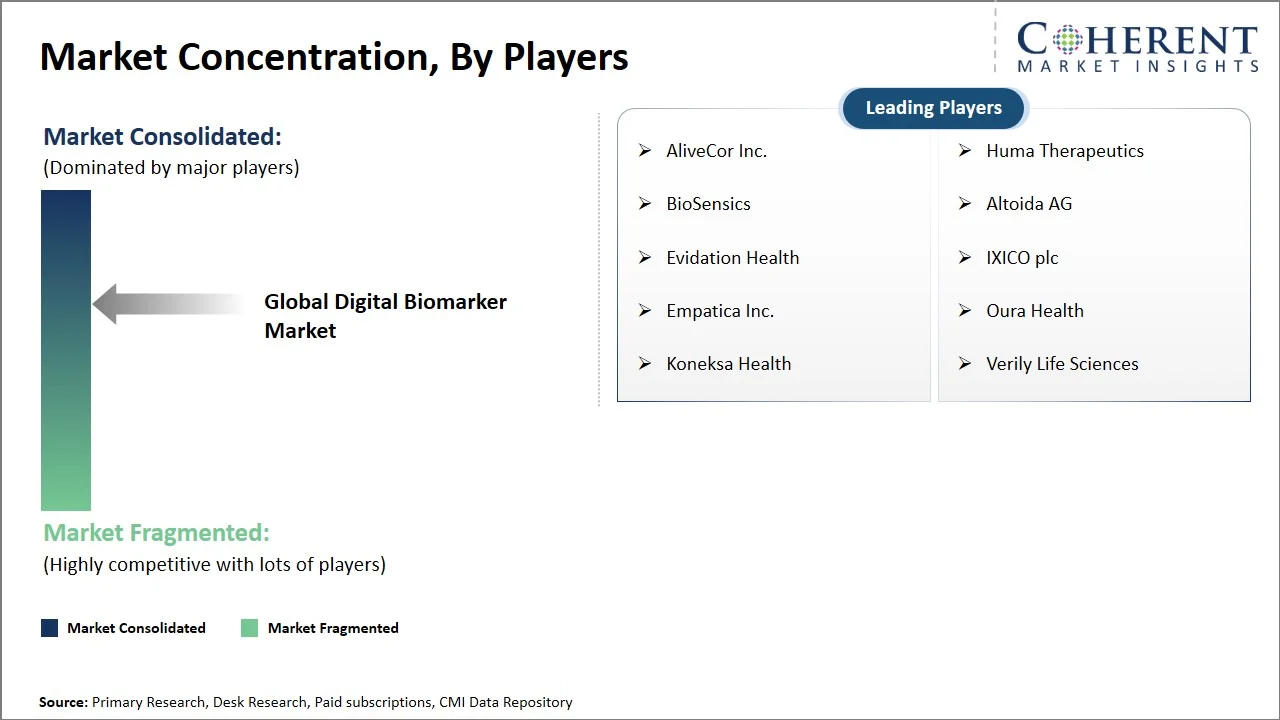
Key Developments
- In March 2024, Indivi collaborated with Biogen Inc. to develop digital biomarkers to aid the diagnosis of Parkinson's disease using smartphones. This collaboration underscores the importance of digital biomarkers in clinical trials that involve neurological patients by facilitating patient tracking and making the process of disease analysis more efficient.
- In February 2024, Biofourmis made four agreements with prominent pharmaceutical firms that would further improve its ability to conduct digital clinical trials and develop digital biomarkers. The news underscores the rising trend of using digital biomarkers in clinical studies, where pharmaceutical firms use patient data in real-time to make their trials more efficient and measurable.
Competitive Landscape
In the global digital biomarker market, the competitive nature is expected to persist as there has been significant development within digital health technologies, rising demand for real-time monitoring of patients, and the application of artificial intelligence within healthcare analytics. The organizations that have an established knowledge base in areas such as analytics, wearables, and clinical validation are able to leverage their advantages effectively. Key focus areas include:
- Advancement in wearable and sensor technologies
- Integration of AI, machine learning, and advanced analytics
- Development of clinically validated digital endpoints
- Expansion of remote patient monitoring and decentralized clinical trial models
- Strategic collaborations with pharmaceutical companies, healthcare providers, and technology firms
Market Report Scope
Digital Biomarker Market Report Coverage
| Report Coverage | Details | ||
|---|---|---|---|
| Base Year: | 2025 | Market Size in 2026: | USD 4,850 Mn |
| Historical Data for: | 2020 To 2024 | Forecast Period: | 2026 To 2033 |
| Forecast Period 2026 to 2033 CAGR: | 19.5% | 2033 Value Projection: | USD 16,900 Mn |
| Geographies covered: |
| ||
| Segments covered: |
| ||
| Companies covered: | AliveCor Inc., BioSensics, Evidation Health, Empatica Inc., Koneksa Health, Huma Therapeutics, Altoida AG, IXICO plc, Oura Health, and Verily Life Sciences | ||
| Growth Drivers: |
| ||
| Restraints & Challenges: |
| ||
Analyst Opinion (Expert Opinion)
- In the coming years, the prospects of the digital biomarker market will depend on artificial intelligence, real world data, and decentralized healthcare, thus facilitating transition from episodic care towards a more predictive, proactive, and personalized health system. With the growing need for early diagnosis and outcome-based care, digital biomarkers will play an important role in decision making, clinical trials, and remote monitoring of patients.
- The most promising opportunities are associated with the use of biomarkers in wearable devices in the U.S. due to its well-developed health tech ecosystem, the prevalence of chronic conditions, and integration of digital endpoints into clinical trials. Moreover, physiological data in Japan can also serve as a fast-growing market niche thanks to the elderly population and remote care technologies.
- For market competitors to obtain a competitive advantage, they should consider developing clinically approved products that meet the requirements of regulations and invest in AI-driven analytic software for improving data quality and its predictive power. Collaboration with various market stakeholders including pharmaceutical organizations, health care service providers, and technology firms will be crucial to increasing the range of applications especially in clinical trial analysis and personalized treatment.
Speak to the analyst
Want personalized insights?
Take the findings above to one of our principal consultants, or have the report rebuilt around the segments, geographies and competitors you actually track.
Market Segmentation
- Type Insights (Revenue, USD Mn, 2021 - 2033)
- Diagnostic Biomarkers
- Monitoring Biomarkers
- Predictive and Prognostic Biomarkers
- Data Type Insights (Revenue, USD Mn, 2021 - 2033)
- Physiological Data
- Behavioral Data
- Biochemical / Multi-modal Data
- Technology Platform Insights (Revenue, USD Mn, 2021 - 2033)
- Wearable Devices
- Mobile Applications
- Sensors and Remote Monitoring Devices
- End User Insights (Revenue, USD Mn, 2021 - 2033)
- Pharmaceutical and Biotechnology Companies
- Healthcare Providers
- Research Organizations
- Others
- Regional Insights (Revenue, USD Mn, 2021 - 2033)
- North America
- U.S.
- Canada
- Latin America
- Brazil
- Argentina
- Mexico
- Rest of Latin America
- Europe
- Germany
- U.K.
- Spain
- France
- Italy
- Russia
- Rest of Europe
- Asia Pacific
- China
- India
- Japan
- Australia
- South Korea
- ASEAN
- Rest of Asia Pacific
- Middle East
- GCC Countries
- Israel
- Rest of Middle East
- Africa
- South Africa
- North Africa
- Central Africa
- North America
- Key Players Insights
- AliveCor Inc.
- BioSensics
- Evidation Health
- Empatica Inc.
- Koneksa Health
- Huma Therapeutics
- Altoida AG
- IXICO plc
- Oura Health
- Verily Life Sciences
Sources
Primary Research Interviews
- Digital biomarker solution providers (AI health platforms, wearable tech companies)
- Pharmaceutical and biotechnology companies integrating digital biomarkers in clinical trials
- Hospitals, research institutes, and clinical trial organizations (CROs)
- Regulatory consultants and digital health experts
Stakeholders
- Digital Biomarker Solution Providers
- End-use Sectors
- Pharmaceutical & Biotechnology Companies
- Healthcare Providers (Hospitals & Clinics)
- Research Organizations & CROs
- Payers & Insurance Companies
- Regulatory & Health Bodies: U.S. Food and Drug Administration, European Medicines Agency, World Health Organization
Databases
- World Bank – Healthcare expenditure database
- World Health Organization – Global Health Observatory (GHO)
- OECD – Health Statistics
- ClinicalTrials.gov – Digital biomarker-related clinical studies
- International Diabetes Federation – Diabetes Atlas
Magazines
- Nature Digital Medicine – Digital health and biomarker research trends
- Healthcare IT News – Digital health adoption and AI integration
- MedTech Dive – Digital biomarker innovations and partnerships
- PharmaTech Outlook – Clinical trial digitization trends
- MobiHealthNews – Wearables and remote monitoring advancements
Journals
- NPJ Digital Medicine – Digital biomarker validation studies
- The Lancet Digital Health – Clinical applications of digital biomarkers
- Journal of Medical Internet Research (JMIR) – Remote patient monitoring research
- IEEE Journal of Biomedical and Health Informatics – AI-driven biomarker analytics
- Sensors (MDPI) – Wearable sensor-based biomarker studies
Newspapers
- The Wall Street Journal – Digital health investments and partnerships
- Financial Times – Global digital healthcare transformation trends
- Business Standard – Digital health ecosystem growth
- The Economic Times – Healthtech startup ecosystem and funding
- Mint – AI and healthcare innovation coverage
Associations
- Digital Medicine Society (DiMe)
- Healthcare Information and Management Systems Society (HIMSS)
- International Society for Digital Health (ISDH)
- Biotechnology Innovation Organization (BIO)
- IEEE Engineering in Medicine and Biology Society
Public Domain Sources
- U.S. FDA – Digital Health & Biomarker Qualification Programs
- European Commission – Digital health and AI regulatory framework
- National Institutes of Health (NIH) – Digital biomarker research initiatives
- Centers for Disease Control and Prevention (CDC) – Chronic disease datasets
- National Health Service (NHS) – Digital health adoption frameworks
Proprietary Elements
- CMI Data Analytics Tool, Proprietary CMI Existing Repository of information for last 10 years.
Get access to 250+ pages report
Every segment, forecast, competitor profile and data table behind the analysis above — available for instant download.
- ESOMAR Member
- ISO 9001:2015 Certified
- D-U-N-S Registered
- GDPR & CCPA Compliant
Missing comfort of reading report in your local language? Find your preferred language:
Transform your Strategy with Exclusive Trending Reports
Frequently Asked Questions
The global digital biomarker market is estimated to be valued at USD 4,850 Mn in 2026 and is expected to reach USD 16,900 Mn by 2033.
Monitoring biomarkers dominate due to their ability to enable continuous, real-time tracking of patient health conditions, supporting early intervention and effective chronic disease management through connected digital devices.
Digital biomarkers are objective; quantifiable physiological and behavioral data collected via digital devices (such as wearables or smartphones) to monitor health outcomes and disease progression.
The CAGR of the global digital biomarker market is projected to be 19.5% from 2026 to 2033.
Increasing adoption of remote patient monitoring and wearable health technologies and growing demand for real-world evidence in drug development and clinical trials are the major factors driving the growth of the global digital biomarker market.
Data privacy concerns and regulatory uncertainty around digital health data and lack of standardization and validation frameworks for digital biomarkers are the major factors hampering the growth of the global digital biomarker market.
in terms of data type, physiological data is estimated to dominate the market revenue share in 2026.