

Global Diabetes Digital Therapeutics Market Size and Forecast – 2026 To 2033
The global diabetes digital therapeutics market is expected to grow from USD 1.84 Bn in 2026 to USD 4.37 Bn by 2033, registering a compound annual growth rate (CAGR) of 13.2% from 2026 to 2033. The market for global diabetes digital therapeutics is poised for significant expansion, fueled by the rising global burden of diabetes and growing demand for scalable, personalized disease-management solutions.
According to the International Diabetes Federation (IDF), 589 million adults were living with diabetes in 2024, with the number projected to reach 853 million by 2050, reinforcing the need for continuous, technology-enabled diabetes care.
Key Takeaways of the Global Diabetes Digital Therapeutics Market
- Type 2 Diabetes is projected to hold 64.0% of the global diabetes digital therapeutics market share in 2026, making it dominant diabetes type segment, with North America benefiting from an established regulatory pathway for prescription digital therapeutics. For instance, in July 2026, the U.S. FDA classified diabetes digital behavioral therapeutic devices as Class II medical devices, requiring clinical evidence and software validation.
- Software-based solutions are projected to hold 42.0% of the global diabetes digital therapeutics market share in 2026, making it dominant product type segment, with Europe, particularly Germany, offering a structured route for eligible digital health applications. For instance, Germany’s BfArM evaluates applications for safety, data protection, medical quality, interoperability, and evidence of positive healthcare effects for inclusion in its DiGA directory.
- Glucose management and glycemic control is projected to hold 30.0% of the global diabetes digital therapeutics market share in 2026, making it dominant application segment, with Asia-Pacific offering growth potential as digital health infrastructure expands. For instance, India’s Ayushman Bharat Digital Mission supports interoperable health records and digital healthcare services, providing infrastructure that can facilitate connected diabetes management solutions.
- North America market maintains dominance with an expected share of 39.5% in 2026, bolstered by advanced digital health infrastructure, widespread adoption of connected healthcare technologies, and increasing emphasis on technology-enabled diabetes management. For instance, the U.S. Centers for Disease Control and Prevention (CDC) supports digital diabetes self-management through its Diabetes Self-Management Education and Support (DSMES) initiatives, which help people with diabetes improve disease management and reduce complications.
- Asia Pacific is expected to exhibit the fastest growth in the global diabetes digital therapeutics market, registering an estimated CAGR of 14.2% during 2026–2033, driven by expanding digital health infrastructure, rising diabetes prevalence, and increasing government focus on technology-enabled chronic disease management. For instance, China’s National Health Commission introduced the Diabetes Prevention and Treatment Action Plan (2024–2030), which encourages the use of artificial intelligence, Internet of Things applications, and wearable devices to strengthen diabetes screening and health management.
Segmental Insights
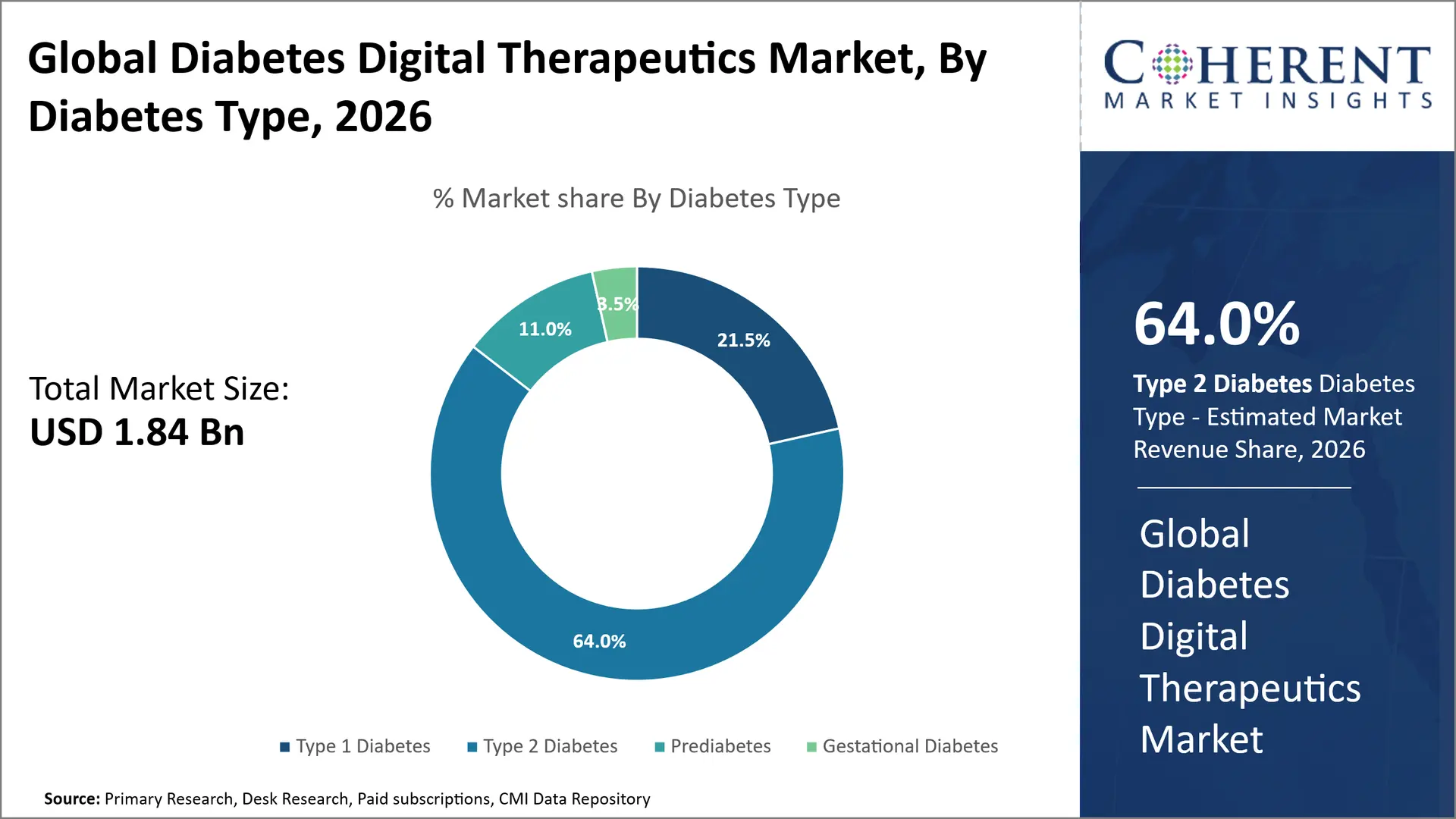
Why Do Type 2 Diabetes Dominate the Global Diabetes Digital Therapeutics Market?
Type 2 Diabetes is projected to hold the market share of 64.0% in 2026, as its management is primarily dependent on effective long-term lifestyle change, medication adherence and glycemic control through regular glucose monitoring. The digital therapeutics facilitate the management of these factors by offering individual behavioral coaching, self-management techniques and implementation tracking over a prolonged period. For instance, Click Therapeutics AspyreRx, an FDA-approved prescription digital therapeutic is based on cognitive behavioral therapy, to support adults living with type 2 diabetes as part of their standard of care.
- Current Industry Events of 2026
- Market Size Estimation
- Regional Breakdown
- Competitive Landscape
- Customer Intelligence
- Segmental Analysis
- Pricing Analysis
- Key Market Drivers, Challenges & Future Trends
- Customized Insights Section
Why Does Software-Based Solutions Represent the Largest Product Type Segment in the Diabetes Digital Therapeutics Market?
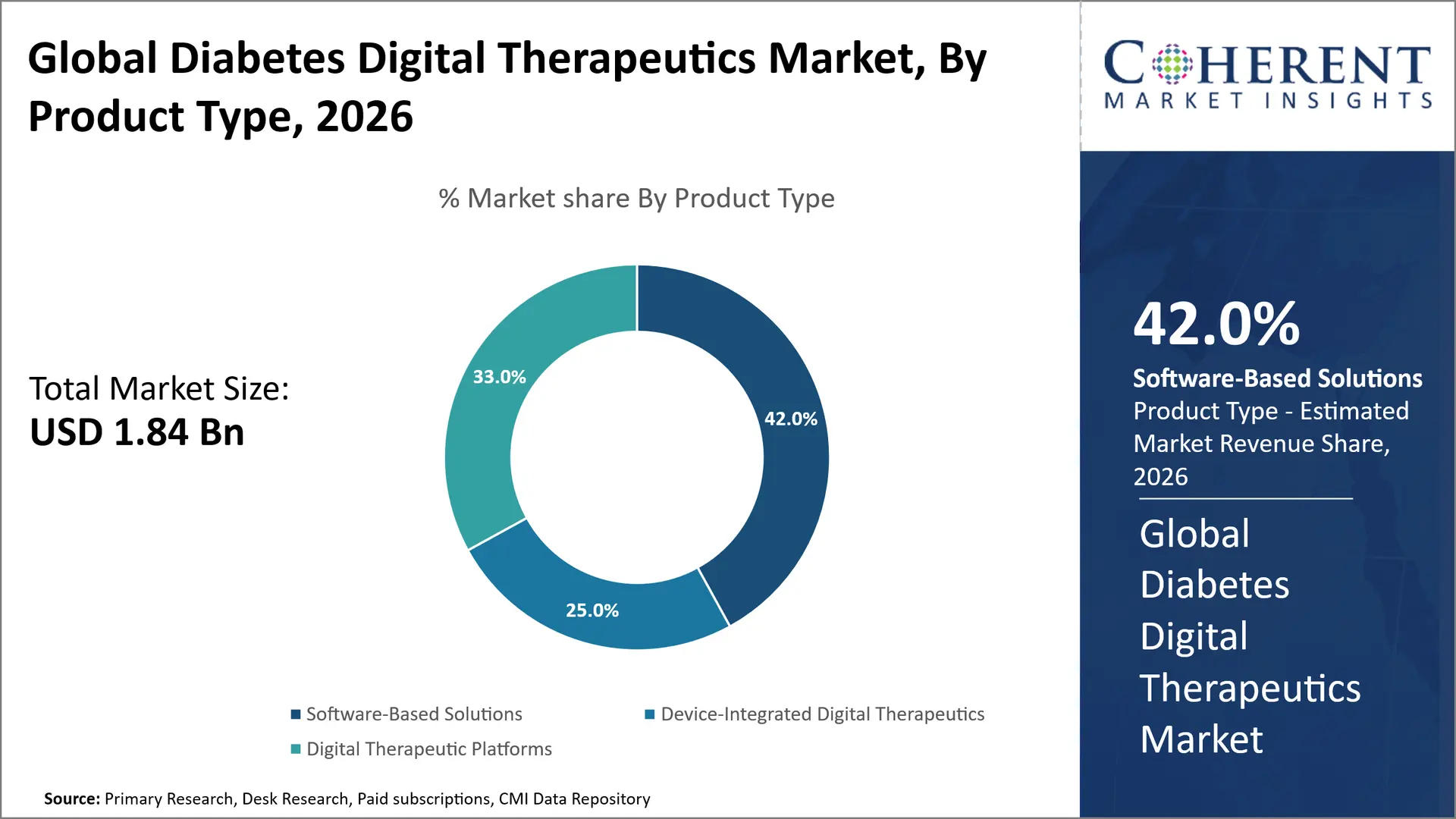
Software-based solutions are projected to hold a market share of 42.0% in 2026, owing to its convenience, cost-effectiveness, and large-scale availability. A mobile application or cloud platform may track glucose levels, send medication alarms, offer personalized behavioral recommendations, and connect with monitoring devices, to enable continuous self-management of diabetes. For instance, WellDoc’s BlueStar provides app-based diabetes coaching, personalized guidance, and integration of medication, nutrition, activity, and glucose data to support self-management.
Glucose Management and Glycemic Control Segment Dominates the Global Diabetes Digital Therapeutics Market
The glucose management and glycemic control segment is projected to hold a market share of 30.0% in 2026, due to the need of maintaining blood glucose levels within range for reducing the risk of diabetes-related complications. Digital therapeutics use glucose information, predictive analytics, and personalized feedback for informing treatment decisions, facilitating self-management and for helping patients to recognize glycemic variations. For instance, Abbott’s FreeStyle Libre system continuously tracks glucose levels and shares readings with a compatible app, helping users monitor glucose patterns and support diabetes management.
Current Events and their Impact
Current Events | Description and its Impact |
Singapore Ministry of Health evaluates broader continuous glucose monitoring access (May 2026) |
|
UK government outlines digital-first healthcare transformation under its 10-Year Health Plan (July 2025) |
|
Indian Council of Medical Research advances the DIGI-CARE project for diabetes management (March 2025) |
|
Diabetes Digital Therapeutics Market Dynamics
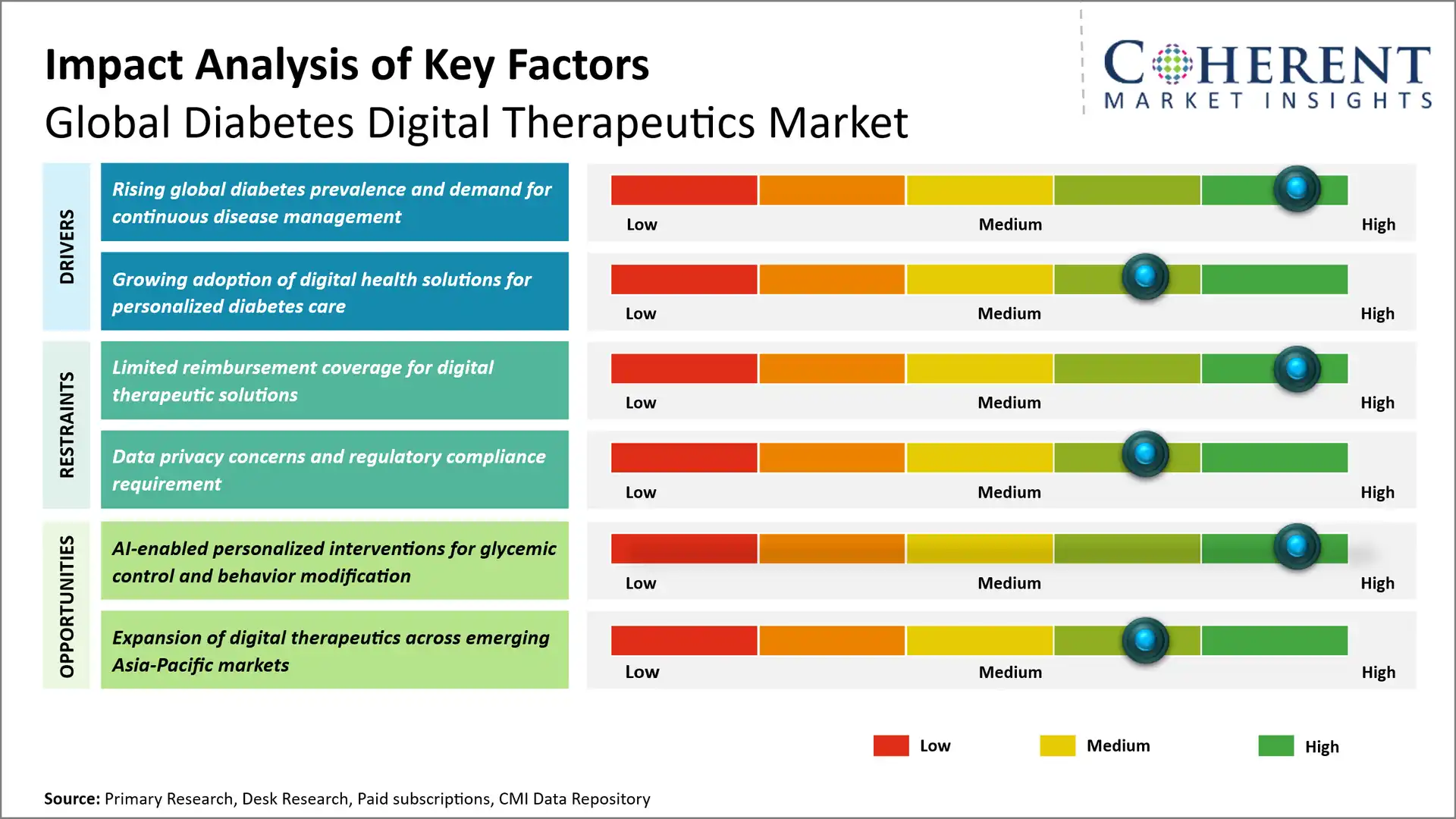
Market Drivers
- Rising global diabetes prevalence and demand for continuous disease management: The rising global prevalence of diabetes is increasing demand for continuous, personalized disease management beyond conventional clinical visits. Digital therapeutics offer ongoing support through behavioral coaching, lifestyle tracking, and remote monitoring, helping patients manage their condition more consistently. For instance, Singapore’s Health Promotion Board, in collaboration with Google, ConnectedLife, and Fullerton Health, launched HealthTrack SG, a digital health program using wearable devices and a mobile application to support people with Type 2 diabetes and other chronic conditions through continuous monitoring and personalized guidance
- Growing adoption of digital health solutions for personalized diabetes care: The growing adoption of digital health solutions is supporting personalized diabetes care through data-driven monitoring, tailored lifestyle recommendations, and improved coordination between patients and healthcare providers. For instance, Japan’s Ministry of Health, Labour and Welfare is advancing its Healthcare DX initiatives to strengthen health information sharing and digital service delivery, creating a supportive environment for technology-enabled chronic disease management.
- Growing integration of digital therapeutics into value-based healthcare models: The increasing focus on reducing diabetes-related complications and healthcare expenditure is encouraging providers and payers to adopt digital solutions that support preventive care and long-term disease management. For instance, Australia’s Department of Health, Disability and Ageing supports digital health transformation through the Australian Digital Health Agency’s national digital health initiatives, which aim to improve care coordination and access to health information across the healthcare system. These initiatives create a supportive environment for integrating digital tools into chronic disease management.
Emerging Trends
- Integration of artificial intelligence in personalized diabetes management: AI-powered digital therapeutics are increasingly being developed to personalize diabetes care using glucose readings, lifestyle patterns, medication history, and behavioral data. These solutions can provide tailored recommendations, identify potential risks, and support improved glycemic control.
- Integration with continuous glucose monitoring and connected devices: Digital therapeutics are increasingly integrating with continuous glucose monitoring (CGM) systems, smart insulin delivery devices, and wearable technologies to enable data-driven diabetes management. This connectivity supports real-time feedback, remote monitoring, and more informed treatment decisions.
- Expansion of digital therapeutics through telehealth and remote care: Healthcare providers are increasingly incorporating digital diabetes management platforms into telehealth and remote patient monitoring programs. This trend is expanding access to diabetes education, behavioral coaching, and ongoing clinical support, particularly for patients in underserved and geographically remote areas.
Regional Insights
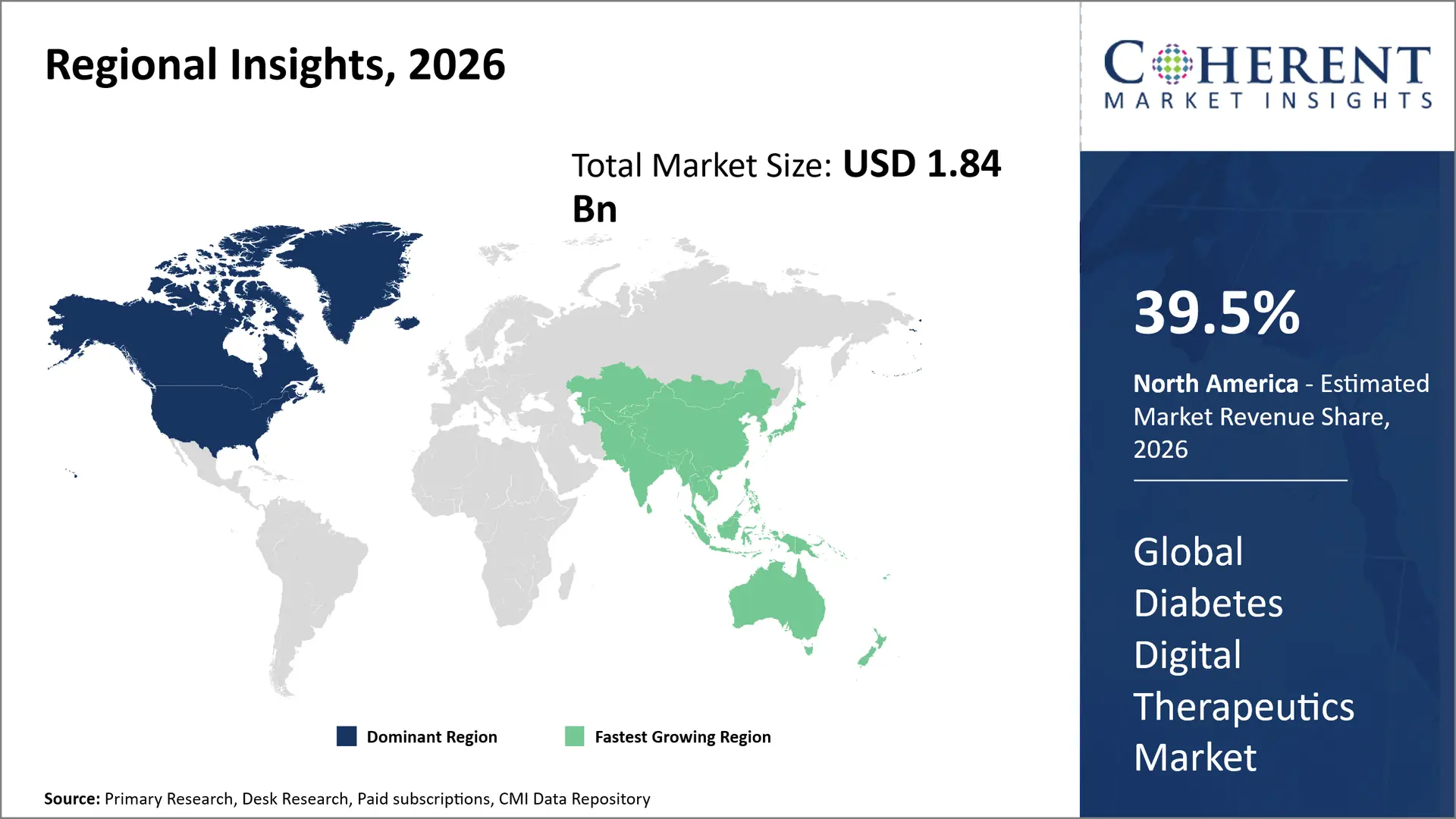
Why is North America a Strong Market for Diabetes Digital Therapeutics?
North America leads the global diabetes digital therapeutics market, accounting for an estimated 39.5% share in 2026, driven by region’s highly developed healthcare infrastructure, relatively more mature digital health industry along with government and regulator subsidies for the chronic diseases including diabetes. Additionally, FDA regulatory pathways and reimbursement processes seem to facilitate evidence-based digital therapeutics development and adoption, while increasing use of personalized behavioral interventions, glucose monitoring and remote diabetes management are expected to drive regional market growth. For instance, the U.S. FDA’s De Novo classification pathway provides a regulatory route for novel, low-to-moderate-risk medical devices, including eligible software-based digital therapeutics, that lack a suitable legally marketed predicate device.
Why Does Asia Pacific Diabetes Digital Therapeutics Market Exhibit High Growth?
Asia Pacific is expected to exhibit the fastest growth in the global diabetes digital therapeutics market, registering an estimated CAGR of 14.2% during 2026–2033. The region is projected to account for 23.0% of the global market in 2026, owing to the increasing adoption of digital health as well as high prevalence of diabetes and uptrend in smartphone penetration. The regional market growth can be accounted to the liberal government approach towards integrating digital health into the national health policies of countries like China, India and Japan to constitute in promoting telemedicine and remote patient monitoring. For instance, India’s Ayushman Bharat Digital Mission (ABDM) promotes interoperable digital health infrastructure and the secure exchange of health records, supporting digital healthcare delivery and connected patient care. (Source: National Health Authority)
Global Diabetes Digital Therapeutics Market Outlook for Key Countries
Why is the U.S. Leading Innovation and Adoption in the Diabetes Digital Therapeutics Market?
The U.S. is likely to exhibit the highest growth during the forecast period owing to the well-developed digital health landscape and increasing integration of software-focused solutions for diabetes management. The demand is supported by prescription digital therapeutics, personalized behavioral intervention, and technology-enabled diabetes self-management. This can be further driven by digital health innovators and well-performing clinical validation pathways.
Is China a Favorable Market for Diabetes Digital Therapeutics Market?
China is an attractive growth market for diabetes digital therapeutics with numerous government initiatives supporting AI-enabled diabetes care, wearable technology and digital health solutions. The country also benefits from a growing clinical research ecosystem for diabetes digital therapeutics which could provide opportunities in the areas of personalized diabetes self-management and remote monitoring.
Is Japan Emerging as a Key Growth Hub for the Diabetes Digital Therapeutics Market?
Japan is anticipated to emerge as a promising growth hub for diabetes digital therapeutics market due to its aging population, greater uptake of digital health solutions and growing demand for software-based treatment options. The market also offers scale for individualized diabetes management as well as app-based behavioral interventions. Conversely, reimbursement coverage and physician and patient familiarity will potentially be critical determinants of uptake.
Why Does Germany Top the European Diabetes Digital Therapeutics Market?
Germany leads the European diabetes digital therapeutics market as the country has most mature and evolved digital health infrastructure and has a clear reimbursement pathway for prescription digital health applications. The DiGA (Digital health Applications) process allows for digital therapeutics to be evaluated for reimbursement by statutory health insurance funds.
Is Diabetes Digital Therapeutics Market Developing in UK?
The market for diabetes digital therapeutics in the UK is growing driven by the growing interest of National Health Service in digital-first diabetes care and remote patient management. The rise in the demand for digitally enabled behavioral interventions, personalized self-management, digital monitoring is predicted to have positive impact on digital solutions.
Key Companies and Their Diabetes Digital Therapeutics Products
Company | Product / solution | Primary function |
Better Therapeutics, Inc. | AspyreRx (BT-001) | Prescription digital behavioral therapy for type 2 diabetes |
Welldoc, Inc. | BlueStar / Welldoc App | Digital diabetes management, coaching, and glucose-data integration |
Amalgam Rx, Inc. | iSage Rx | Insulin-dosing support for diabetes management |
Hygieia, Inc. | d-Nav | Personalized insulin dose guidance |
Voluntis S.A. | Insulia | Digital insulin management and dose guidance |
DarioHealth Corp. | Dario Platform | Connected diabetes monitoring and self-management support |
Roche Diabetes Care GmbH | mySugr / Accu-Chek digital solutions | Glucose tracking and digital diabetes management |
Sanofi S.A. | MyDose Coach | Insulin titration support for diabetes management |
Emperra GmbH E-Health Technologies | ESYSTA | Connected diabetes management through digital devices, app, and portal |
Lilly USA, LLC | Connected insulin solutions integrated with digital management tools | Connected insulin-dose data and digital diabetes support |
How are the AI-enabled personalized interventions for glycemic control and behavior modification creating new growth opportunities in the diabetes digital therapeutics market?
The global diabetes digital therapeutics market is expected to have growth opportunities in the form of personalized therapeutics through AI that utilizes information from glucose readings, lifestyle data, compliance to medication for personalized diabetes care. It can be further integrated with continuous glucose monitoring, and wearables for continuous feedback, behavior change and proactive management of blood glucose. For instance, Medtronic’s MiniMed 780G system uses automated insulin-delivery technology and continuous glucose monitoring data to personalize insulin delivery for diabetes management.
Market Players, Key Development, and Competitive Landscape
Key Developments
- In September 2026, Sernova Biotherapeutics and Seraxis Holdings announced a definitive merger agreement to form BetaNova Biotherapeutics, focused on developing stem cell-derived pancreatic islet therapies for type 1 diabetes. The combined company plans to advance clinical-stage treatments designed to restore insulin-producing cell function, with a Phase 1/2 trial expected to begin dosing in 2027.
- In August 2026, Berry Street merged with India-based Healthify to create an AI-powered metabolic health platform combining personalized nutrition coaching with a network of more than 2,000 clinicians. The platform integrates AI-driven guidance with clinician-supported care for diabetes, weight management, and other metabolic conditions, reflecting growing convergence between digital health technology and personalized chronic disease management.
- In May 2024, Click Therapeutics announced the acquisition of Better Therapeutics’ assets, including AspyreRx, an FDA-authorized prescription digital therapeutic for type 2 diabetes. The acquisition also included digital therapeutic candidates targeting hypertension, hyperlipidemia, and metabolic dysfunction-associated steatohepatitis (MASH), strengthening Click’s cardiometabolic treatment pipeline.
- In February 2024, Better Therapeutics Inc. announced a rebate agreement with a major U.S. pharmacy benefit manager for AspyreRx, its FDA-authorized prescription digital therapeutic for adults with type 2 diabetes. The agreement covered a commercial population of more than 70 million people, creating a potential pathway to improve treatment access.
Competitive Landscape
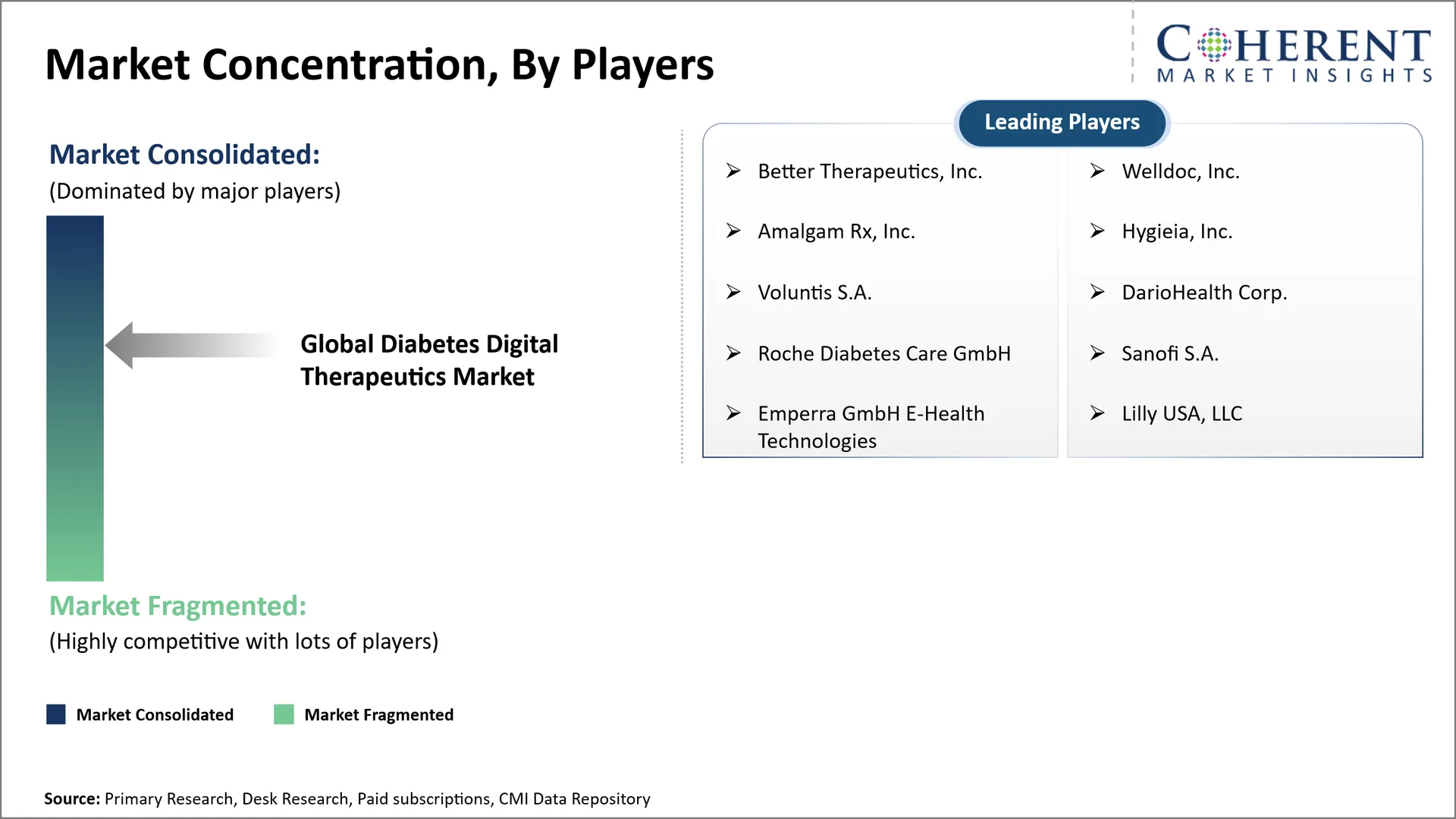
The global diabetes digital therapeutics market is moderately competitive, with competition centered on evidence-based digital interventions, personalized diabetes management, behavioral coaching, and integration with connected glucose-monitoring technologies. Market participants focus on improving glycemic control, supporting medication adherence, and enabling continuous patient engagement through software-based therapeutic solutions. Key focus areas include:
- AI-enabled personalized diabetes management
- Integration with continuous glucose monitoring (CGM) systems and wearable devices
- Digital behavioral coaching and lifestyle modification
- Medication adherence and treatment support
- Remote patient monitoring and telehealth integration
- Clinical validation and evidence-based therapeutic outcomes
- Data privacy, cybersecurity, and regulatory compliance
Market Report Scope
Diabetes Digital Therapeutics Market Report Coverage | |||
Report Coverage | Details | ||
Base Year | 2025 | Market Size in 2026: | USD 1.84 Bn |
Historical Data For: | 2020 To 2024 | Forecast Period: | 2026 To 2033 |
Forecast Period 2026 To 2033 CAGR: | 13.2% | 2033 Value Projection: | USD 4.37 Bn |
Geographies covered: |
| ||
Segments covered: |
| ||
Companies covered: | Better Therapeutics, Inc., Welldoc, Inc., Amalgam Rx, Inc., Hygieia, Inc., Voluntis S.A., DarioHealth Corp., Roche Diabetes Care GmbH, Sanofi S.A., Emperra GmbH E-Health Technologies, Lilly USA, LLC | ||
Growth Drivers: |
| ||
Restraints & Challenges: |
| ||
Analyst Opinion (Expert Opinion)
- In the coming years, global diabetes digital therapeutics market is expected to evolve toward personalized, data-driven, and continuously connected diabetes management. Digital therapeutics will increasingly combine AI-enabled coaching, glucose monitoring, behavioral interventions, and medication adherence support to complement conventional treatment. Future growth will depend on demonstrating sustained improvements in glycemic control, patient engagement, and long-term healthcare outcomes, alongside stronger reimbursement pathways and integration with existing healthcare systems.
- The maximum opportunities are foreseen within Type 2 diabetes for glucose management and glycemic control in India. India offers considerable potential due to its large diabetes patient population, growing digital health ecosystem, and increasing need for scalable chronic disease management. Solutions combining glucose tracking, personalized lifestyle coaching, medication reminders, and remote follow-up could address the needs of patients requiring continuous support beyond routine clinical consultations. A secondary opportunity exists in Type 2 diabetes for lifestyle and behavioral modification in China, where digitally enabled interventions can support dietary management, physical activity, and long-term behavior change.
- In order to gain a competitive advantage market players should prioritize clinically validated solutions that demonstrate measurable improvements in glycemic control, treatment adherence, and patient retention. They should develop interoperable platforms that integrate with glucose-monitoring devices and healthcare provider workflows while offering personalized interventions at affordable price points. Building partnerships with hospitals, endocrinologists, insurers, and digital health providers, alongside strengthening data privacy and localization for regional languages and patient needs, will be critical to improving adoption and establishing long-term competitive differentiation.
Speak to the analyst
Want personalized insights?
Take the findings above to one of our principal consultants, or have the report rebuilt around the segments, geographies and competitors you actually track.
Market Segmentation
- Diabetes Type Insights (Revenue, USD Bn, 2021 - 2033)
- Type 1 Diabetes
- Type 2 Diabetes
- Prediabetes
- Gestational Diabetes
- Product Type Insights (Revenue, USD Bn, 2021 - 2033)
- Software-Based Solutions
- Device-Integrated Digital Therapeutics
- Digital Therapeutic Platforms
- Application Insights (Revenue, USD Bn, 2021 - 2033)
- Glucose Management and Glycemic Control
- Lifestyle and Behavioral Modification
- Medication Adherence
- Diabetes Self-Management Education
- Insulin and Treatment Support
- Others
- End User Insights (Revenue, USD Bn, 2021 - 2033)
- Hospitals and Healthcare Systems
- Specialty Diabetes Clinics
- Home Healthcare Providers
- Employers and Health Plans
- Others
- Regional Insights (Revenue, USD Bn, 2021 - 2033)
- North America
- U.S.
- Canada
- Latin America
- Brazil
- Argentina
- Mexico
- Rest of Latin America
- Europe
- Germany
- U.K.
- Spain
- France
- Italy
- Russia
- Rest of Europe
- Asia Pacific
- China
- India
- Japan
- Australia
- South Korea
- ASEAN
- Rest of Asia Pacific
- Middle East
- GCC Countries
- Israel
- Rest of Middle East
- Africa
- South Africa
- North Africa
- Central Africa
- North America
- Key Players Insights
- Better Therapeutics, Inc.
- Welldoc, Inc.
- Amalgam Rx, Inc.
- Hygieia, Inc.
- Voluntis S.A.
- DarioHealth Corp.
- Roche Diabetes Care GmbH
- Sanofi S.A.
- Emperra GmbH E-Health Technologies
- Lilly USA, LLC
Sources
Primary Research Interviews
- Diabetes Digital Therapeutics and Product Leaders — Product development, software-based therapeutic interventions, AI-enabled personalization, patient engagement, glucose management, and product strategy.
- Endocrinologists and Diabetes Specialists — Clinical treatment pathways, glycemic control, patient adherence, behavioral interventions, and unmet needs in diabetes management.
- Chief Medical Information Officers (CMIOs) and Clinical Informatics Leaders — Integration of digital therapeutics with electronic health records, clinical workflows, remote monitoring, and healthcare information systems.
- Healthcare Data Scientists and AI/ML Specialists — Predictive glucose analytics, personalized recommendations, patient risk assessment, and machine-learning applications in diabetes management.
- Clinical Research and Digital Health Evaluation Specialists — Clinical validation, real-world evidence, patient outcomes, intervention effectiveness, and evaluation of digital therapeutic solutions.
Stakeholders
- Digital Therapeutics and Healthcare Software Providers developing diabetes management applications, behavioral coaching platforms, personalized therapeutic software, and connected care solutions.
- Hospitals and Diabetes Care Providers implementing digital diabetes management, remote monitoring, patient education, and technology-enabled clinical support.
- Health Insurance Companies and Payers evaluating reimbursement, cost-effectiveness, patient outcomes, and the economic value of digital diabetes interventions.
- Medical Device and Connected Health Providers supplying continuous glucose monitoring systems, wearable devices, and connected technologies that support digital diabetes management.
- Pharmaceutical and Biotechnology Companies integrating digital support with diabetes treatment pathways, medication adherence programs, and patient services.
- Academic and Research Institutions conducting clinical studies, digital health evaluations, behavioral research, and diabetes outcomes analysis.
- End-use Sectors
- Hospitals and Diabetes Clinics
- Endocrinology and Primary Care Practices
- Healthcare Payers and Insurance Providers
- Home Healthcare and Remote Patient Monitoring Providers
- Pharmaceutical and Biotechnology Companies
- Digital Health and Telehealth Service Providers
- Public Health Agencies and Integrated Healthcare Networks
- Regulatory & Health Bodies
- U.S. Food and Drug Administration (FDA), U.S. — Regulatory guidance for software as a medical device, mobile medical applications, digital therapeutics, and clinical evidence requirements.
- Centers for Disease Control and Prevention (CDC), U.S. — Diabetes prevention, self-management education, telehealth delivery, and public health resources supporting digital diabetes care.
- Centers for Medicare & Medicaid Services (CMS), U.S. — Medicare and Medicaid coverage policies, diabetes self-management training, reimbursement, and healthcare utilization data.
- National Institutes of Health (NIH), U.S. — Diabetes research, clinical studies, digital health innovation, and evidence development for technology-enabled disease management.
- National Institute of Diabetes and Digestive and Kidney Diseases (NIDDK), U.S. — Diabetes clinical research, disease management information, and resources supporting diabetes prevention and treatment research.
- European Medicines Agency (EMA), European Union — Regulatory information relevant to software and digital technologies used in healthcare, clinical evidence, and medicinal product development.
- European Commission, European Union — Digital health policy, health data governance, interoperability, and European Health Data Space initiatives.
- World Health Organization (WHO), International — Digital health strategy, digital health intervention classification, health system guidance, and evidence-informed implementation of digital healthcare technologies.
Databases
- ClinicalTrials.gov — Clinical trial registrations, study protocols, recruitment information, and results relevant to digital diabetes interventions and clinical evaluation.
- National Center for Biotechnology Information (NCBI) — Biomedical research publications, clinical and biological resources, and datasets relevant to diabetes technology and digital health research.
- FDA Medical Device Databases — Public regulatory records and device classification information for diabetes digital behavioral therapeutic software and related medical technologies.
- CMS Data and Public Use Files — Medicare and Medicaid utilization, provider, payment, and claims data useful for assessing healthcare access and reimbursement environments.
- WHO Global Health Observatory — International diabetes statistics, population-level health indicators, and country-level health system data supporting market context and regional analysis.
Associations
- American Diabetes Association (ADA) — Diabetes care standards, digital health technology recommendations, clinical practice guidance, and evidence-based diabetes management.
- Digital Medicine Society (DiMe) — Digital health evidence generation, clinical evaluation frameworks, and responsible implementation of digital health technologies.
- Healthcare Information and Management Systems Society (HIMSS) — Healthcare IT adoption, digital health transformation, interoperability, and health information systems.
- American Medical Informatics Association (AMIA) — Clinical informatics, healthcare AI, digital health research, and health data interoperability.
- European Federation for Medical Informatics (EFMI) — Medical informatics, digital health systems, health data management, and clinical information technology in Europe.
- International Diabetes Federation (IDF) — Global diabetes statistics, clinical and public health resources, diabetes prevention, and management initiatives.
Public Domain Sources
- U.S. Food and Drug Administration (FDA) — Regulatory guidance on digital health software, software as a medical device, mobile medical applications, and clinical evidence.
- Centers for Disease Control and Prevention (CDC) — Public health statistics, diabetes self-management education, telehealth resources, and diabetes prevention information.
- National Institute of Diabetes and Digestive and Kidney Diseases (NIDDK) — Public-domain diabetes information, research resources, and evidence on diabetes prevention, treatment, and long-term management.
- World Health Organization (WHO) — Digital health intervention frameworks, international health statistics, and guidance for implementing digital health services.
- National Health Commission of China — Government policies and programs related to diabetes prevention, chronic disease management, and digital healthcare development.
- Ministry of Health, Singapore — National healthcare policies, diabetes management initiatives, health technology programs, and public healthcare information.
- Ministry of Health and Family Welfare, India — National diabetes prevention and control programs, noncommunicable disease initiatives, and digital health policy information.
Proprietary Elements
- CMI Data Analytics Tool, Proprietary CMI Existing Repository of information for last 10 years.
Get access to 250+ pages report
Every segment, forecast, competitor profile and data table behind the analysis above — available for instant download.
- ESOMAR Member
- ISO 9001:2015 Certified
- D-U-N-S Registered
- GDPR & CCPA Compliant
Frequently Asked Questions
The global diabetes digital therapeutics market is estimated to be valued at USD 1.84 Bn in 2026 and is expected to reach USD 4.37 Bn by 2033.
Type 2 diabetes dominate due to its high global prevalence and strong demand for continuous glucose management, lifestyle modification, and medication adherence support.
Diabetes digital therapeutics are evidence-based software solutions designed to prevent, manage, or treat diabetes through personalized interventions, behavioral support, and digital monitoring.
The CAGR of global diabetes digital therapeutics market is projected to be 13.2% from 2026 to 2033.
Rising global diabetes prevalence and demand for continuous disease management, and growing adoption of digital health solutions for personalized diabetes care are the major factors driving the growth of the global diabetes digital therapeutics market.
Limited reimbursement coverage for digital therapeutic solutions, and data privacy concerns and regulatory compliance requirement are the major factors hampering the growth of the global diabetes digital therapeutics market.
In terms of product type, software-based solutions are estimated to dominate the market revenue share in 2026.