

Global Digital Pulmonology Market Size and Forecast – 2026 To 2033
The global digital pulmonology market is expected to grow from USD 8,740.0 Mn in 2026 to USD 20,310.4 Mn by 2033, registering a compound annual growth rate (CAGR) of 12.8% from 2026 to 2033. The market for global digital pulmonology is poised for significant expansion, fueled by the large and growing burden of chronic respiratory diseases, increasing the need for continuous monitoring and technology-enabled care.
In May 2026, World Health Organization (WHO) reported that more than 104 million people in the South-East Asia Region were living with chronic respiratory diseases, which accounted for approximately 12% of all deaths in the region. This highlights the substantial need for continuous respiratory monitoring, early diagnosis, and digitally enabled disease-management solutions.
Key Takeaways of the Global Digital Pulmonology Market
- Hardware and devices are projected to hold 45.8% of the global digital pulmonology market share in 2026, making it dominant component segment across North America, where standardized interoperability is supporting connected respiratory monitoring. For instance, the U.S. FDA recognizes IEEE 11073-10429-2022, which establishes interoperability standards for personal telehealth spirometry devices to communicate with smartphones, computers, and other health-data managers.
- Artificial intelligence and machine learning is projected to hold 28.9% of the global digital pulmonology market share in 2026, making it dominant technology segment with Europe providing a supportive regulatory environment for AI-enabled medical technologies. For instance, the European Commission states that AI-based software intended for medical purposes classified as high-risk must meet requirements covering risk mitigation, data quality, transparency, and human oversight under the EU AI Act.
- Chronic Obstructive Pulmonary Disease (COPD) is projected to hold 29.7% of the global digital pulmonology market share in 2026, making it dominant application segment across Asia Pacific, where governments are promoting digital approaches to chronic respiratory disease management. For instance, China’s National Health Commission’s 2024–2030 action plan calls for AI and big-data applications in standardized respiratory disease diagnosis and encourages remote healthcare and wearable devices for home-based respiratory rehabilitation and self-management.
- North America market maintains dominance with an expected share of 43.2% in 2026, bolstered by strong U.S. government investment in digital pulmonary technologies and AI-enabled respiratory care. In June 2026, the National Heart, Lung, and Blood Institute (NHLBI) launched a research funding priority specifically encouraging validation of digital health and AI/ML tools for pulmonary diagnosis, monitoring, and treatment guidance, including remote respiratory monitoring and AI-assisted pulmonary imaging.
- Asia Pacific is expected to exhibit the fastest growth in the global digital pulmonology market, registering an estimated CAGR of 17.6% during 2026–2033, driven by rapid expansion of digital health infrastructure. In June 2026, India launched the Unified Health Interface (UHI) under the Ayushman Bharat Digital Mission to enable interoperable connections between patients and healthcare providers across digital platforms.
Segmental Insights
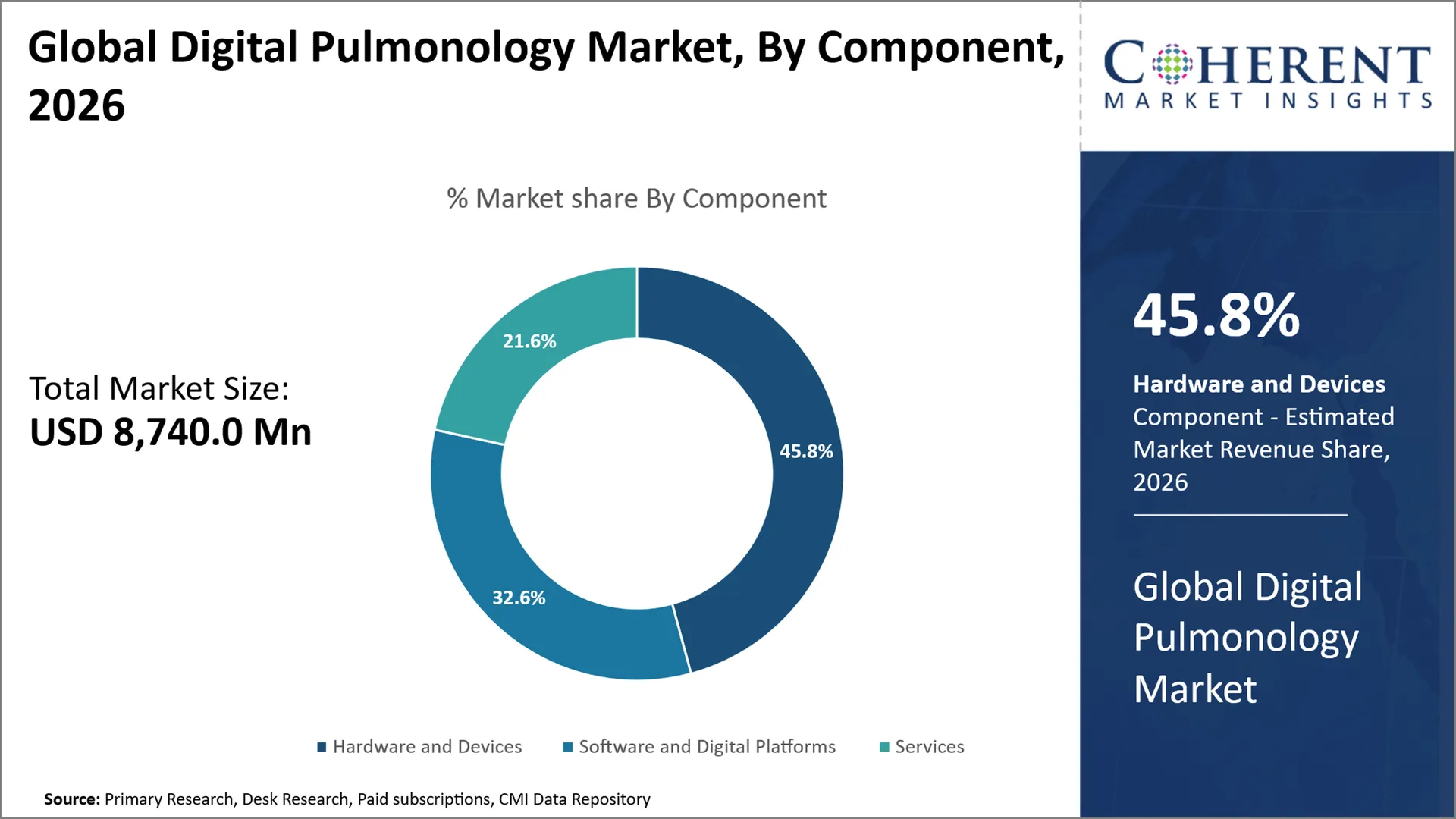
Why Do Hardware and Devices Dominate the Global Digital Pulmonology Market?
Hardware and devices are projected to hold the market share of 45.8% in 2026, driven by the increasing use of digital pulmonology hardware and devices for connected respiratory monitoring and diagnostics. Digital spirometers, respiratory monitors, and other connected devices enable real-time assessment of pulmonary function along with integration with digital care platforms. For instance, on September 16, 2026, the U.S. Food and Drug Administration (FDA) approved Amptron Medical, Inc.’s ElintMAX Respiratory Monitor a Class II spirometry device in a device for respiratory monitoring, reinforcing the continued use of specialized hardware for digital pulmonary assessment and monitoring.
- Current Industry Events of 2026
- Market Size Estimation
- Regional Breakdown
- Competitive Landscape
- Customer Intelligence
- Segmental Analysis
- Pricing Analysis
- Key Market Drivers, Challenges & Future Trends
- Customized Insights Section
Why Do Artificial Intelligence and Machine Learning Represent the Largest Technology Segment in the Digital Pulmonology Market?
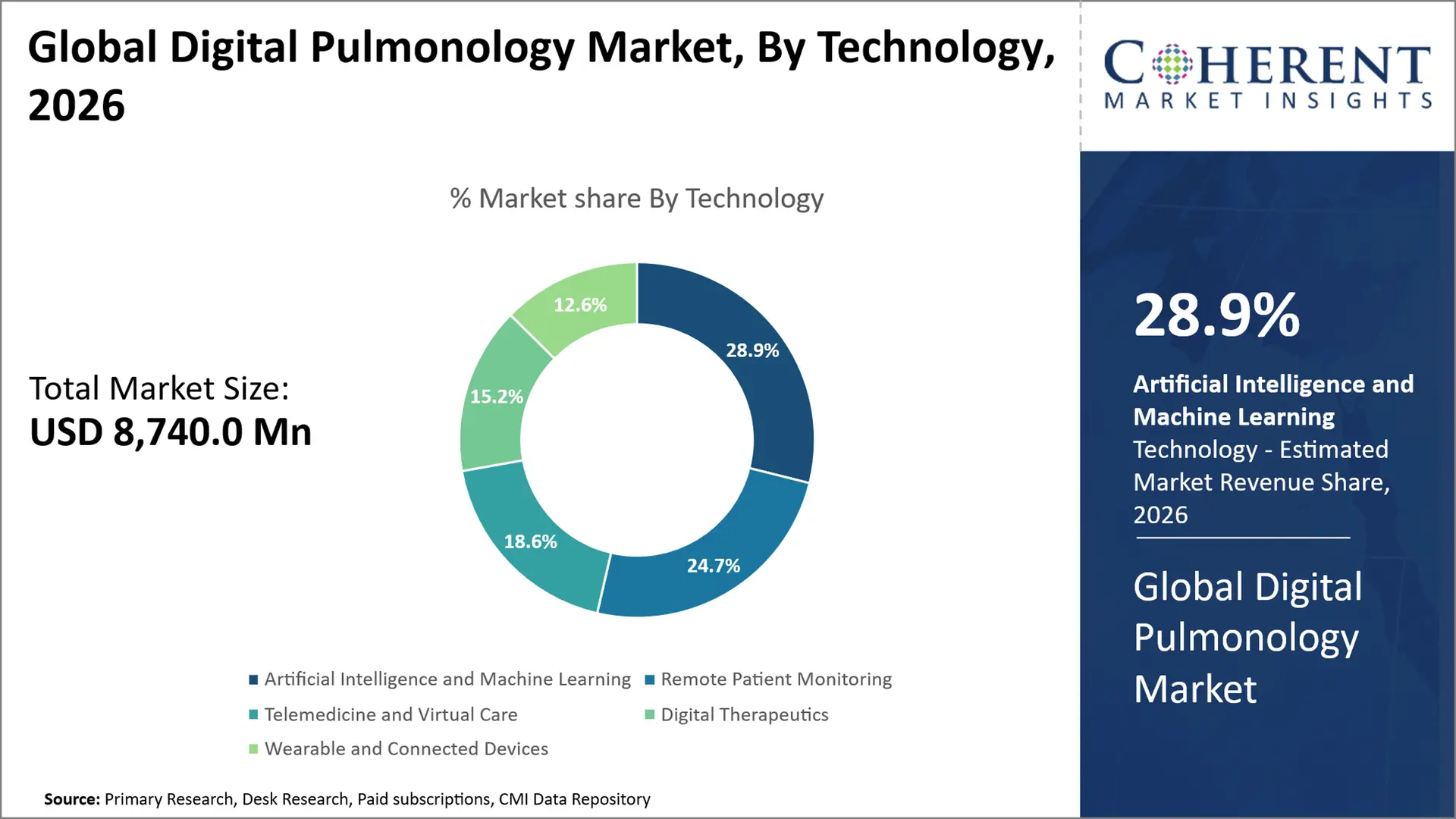
Artificial intelligence and machine learning is projected to hold a market share of 28.9% in 2026, attributed to the rising utilization of AI-based automated pulmonary imaging, diagnosis, risk analysis, and monitoring of the disease. Furthermore, AI enables rapid analysis of complex respiratory data for quick decision-making. For instance, in June 2026, the UK Government announced USD 26.55 million (£20 million) to deploy artificial intelligence-enabled lung cancer diagnostics across all England's National Health Service trusts, from 2027. The technology brings faster diagnosis or diagnosis exclusion for lung cancer for more than 4 million patients.
Chronic Obstructive Pulmonary Disease (COPD) Segment Dominates the Global Digital Pulmonology Market
The Chronic Obstructive Pulmonary Disease (COPD) segment is projected to hold a market share of 29.7% in 2026, owing to the rising disease burden and requirement for continuous monitoring and management. Also, digital technologies help in remote monitoring, personalized care for the COPD patient, as well as early detection of exacerbations. For instance, in May 2026, the UK Office for Health Improvement and Disparities reported 118,975 emergency hospital admissions for COPD in England in the FY 2025 (201 admissions per 100,000 population). The high volume of associated hospitalization highlights an urgent need for digital monitoring and early warning in COPD. (Source: UK Government)
Current Events and their Impact
Current Events | Description and its Impact |
U.S. FDA Seeks Input on Generative AI Medical Devices (August 2026) |
|
U.S. National Institutes of Health (NIH) Highlighted Digital Health and AI for Lung Disease Research (June 2026) |
|
Canada Invests USD 73 Million (CAD 100 Million) in National Digital Health Data Infrastructure (June 2026) |
|
Digital Pulmonology Market Dynamics
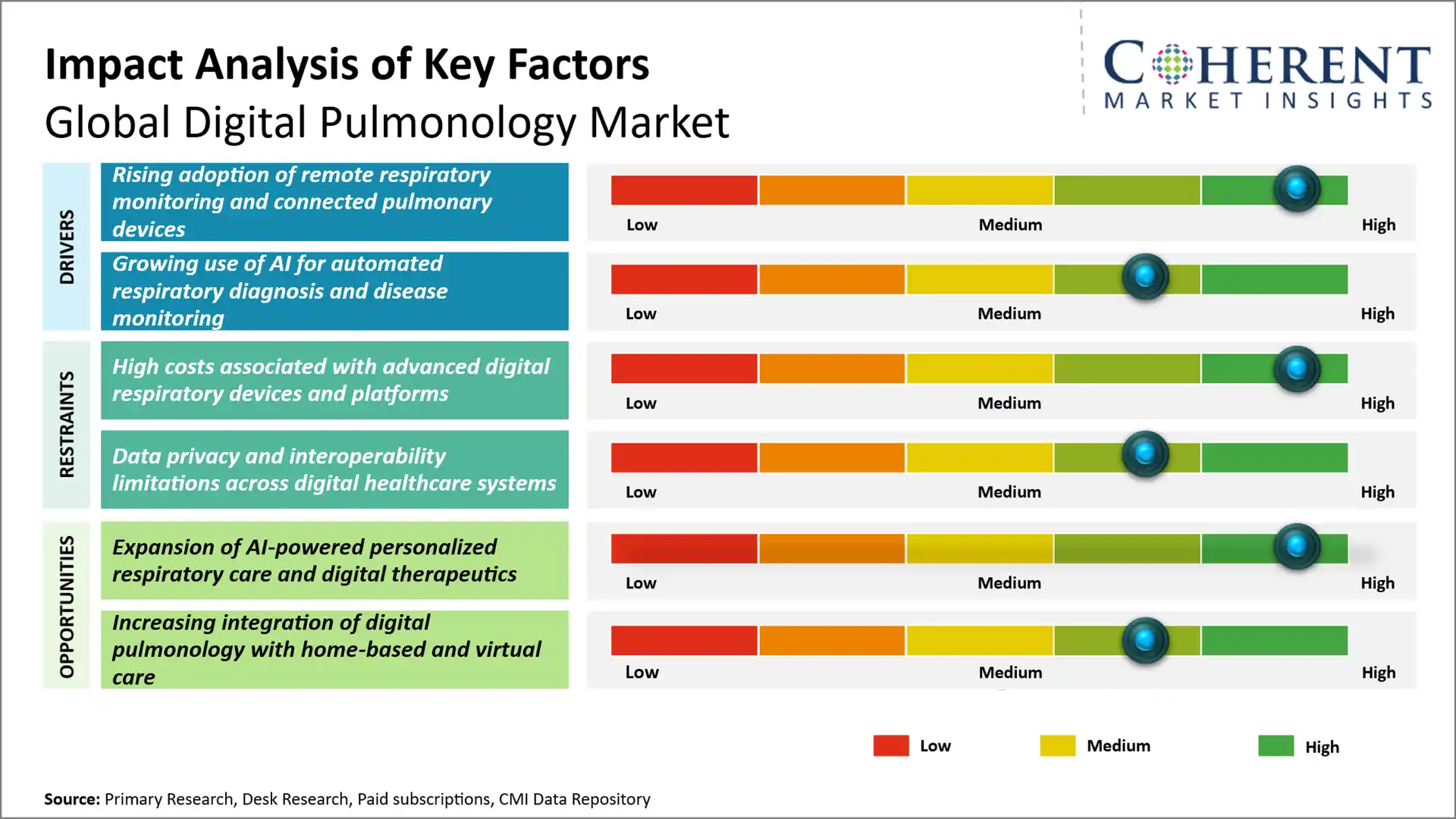
Market Drivers
- Rising adoption of remote respiratory monitoring and connected pulmonary devices: The adoption of remote respiratory monitoring and connected pulmonary devices is accelerating as care shifts toward continuous, home-based management of chronic respiratory conditions. Connected spirometers, pulse oximeters, smart inhalers, and wearable sensors enable clinicians to track respiratory parameters remotely and identify deterioration earlier. For instance, in August 2026, Koninklijke Philips N.V. expanded its patient-monitoring ecosystem through collaborations incorporating wearable and out-of-hospital technologies, including Respiree’s continuous cardio-respiratory monitoring platform.
- Growing use of AI for automated respiratory diagnosis and disease monitoring: Growing use of AI for automated respiratory diagnosis and disease monitoring is accelerating the adoption of digital pulmonology by enabling faster analysis of medical images, physiological data, and respiratory patterns. AI-based tools can support disease detection, risk assessment, and continuous monitoring, improving the efficiency of pulmonary care. For instance, in May 2026, the U.S. Food and Drug Administration (FDA) approved Fujifilm’s Synapse Lung Nodule AI, an AI-enabled software designed to assist in the detection of pulmonary nodules on CT images, supporting the growing application of AI in automated respiratory diagnosis.
- Increasing adoption of virtual and home-based pulmonary care: The shift toward virtual and home-based respiratory care is driving demand for digital pulmonology solutions that enable patients to receive ongoing pulmonary support outside traditional clinical settings. Remote monitoring, virtual consultations, and connected respiratory devices are increasingly being incorporated into chronic respiratory disease management. For instance, in March 2026, the UK Department of Health and Social Care announced a USD 13.26 million (£10 million) partnership to provide asthma and COPD patients with more personalized care closer to home, including greater support from community and primary-care teams.
Emerging Trends
- AI-powered predictive respiratory care: AI is increasingly being integrated with pulmonary imaging, lung-function data, and patient-generated data to support earlier detection of respiratory deterioration. Predictive models are also enabling more personalized monitoring and clinical decision support.
- Expansion of home-based remote respiratory monitoring: Connected spirometers, smart inhalers, pulse oximeters, and wearable devices are shifting respiratory care toward continuous monitoring outside clinical settings. This trend is strengthening virtual follow-up and enabling earlier intervention for chronic respiratory conditions.
- Integration of digital pulmonology with EHRs and clinical workflows: Digital pulmonary platforms are increasingly being designed to integrate with EHRs and hospital information systems, allowing respiratory data to be incorporated directly into clinical workflows. This supports more coordinated and data-driven pulmonary care.
Regional Insights
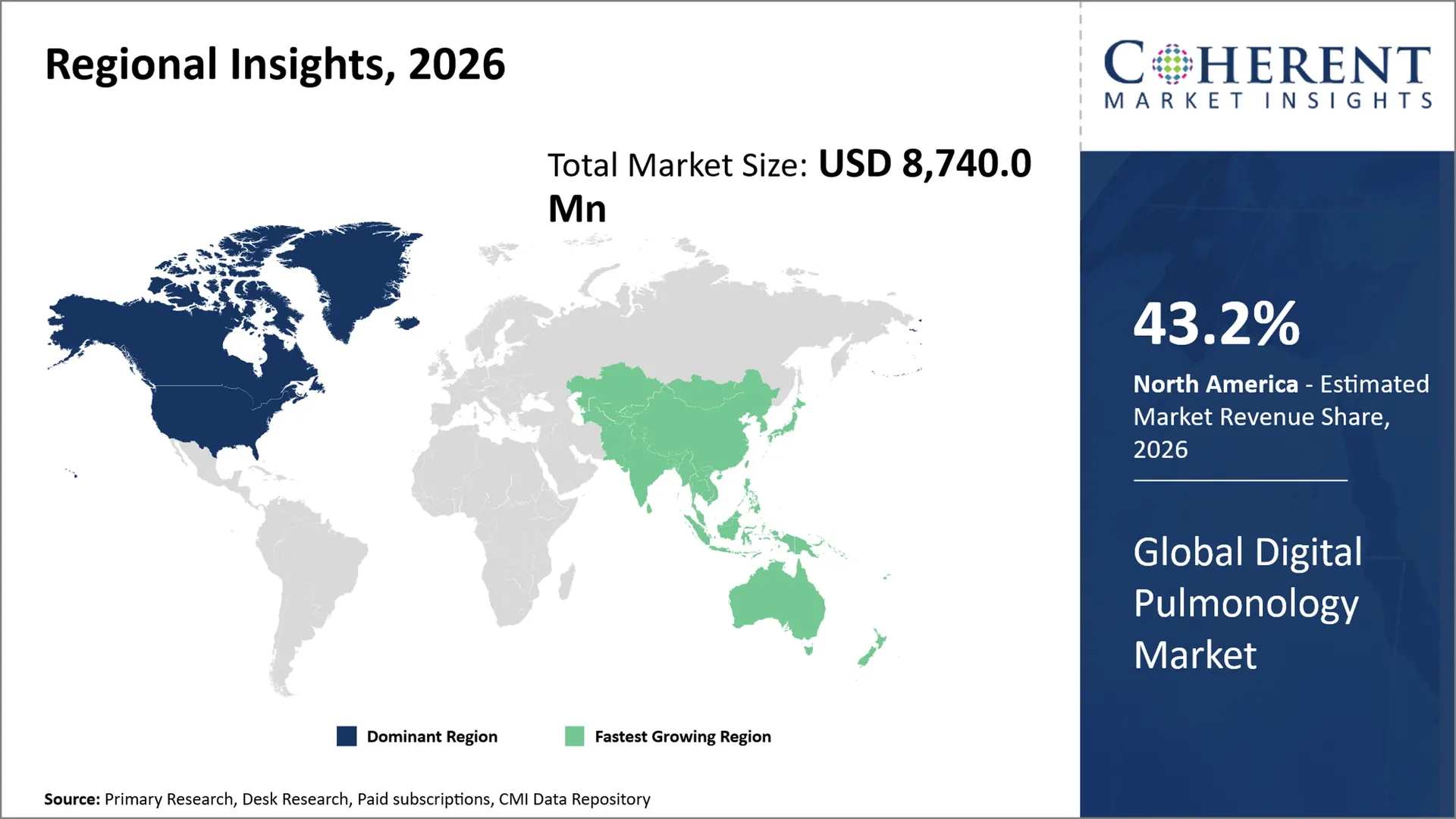
Why is North America a Strong Market for Digital Pulmonology?
North America leads the global digital pulmonology market, accounting for an estimated 43.2% share in 2026, as a result of the progressive healthcare infrastructure, elevated adoption of digital health tools and equipment and the substantial funding in the area of pulmonology health care innovation. Additionally, positive reimbursement policies and regulatory environment facilitate the coverage and acceptance of digital pulmonology solutions.
The U.S. Centers for Disease Control and Prevention (CMS) reimburses Remote Therapeutic Monitoring (RTM) of the respiratory system under CPT code 98976, covering connected devices that transmit respiratory data, thereby supporting the adoption of digitally enabled pulmonary monitoring in the U.S. Moreover, the presence of the established hospital research and healthcare technology organizations in the U.S. accelerate the integration of digital pulmonology solutions in workflows.
Why Does Asia Pacific Digital Pulmonology Market Exhibit High Growth?
Asia Pacific is expected to exhibit the fastest growth in the global digital pulmonology market, registering an estimated CAGR of 17.6% during 2026–2033. The region is projected to account for 22.4% of the global market in 2026, owing to the growing prevalence of respiratory diseases, infrastructure, and rise in the healthcare expenditure in developing countries. The government initiatives toward the use of smart healthcare devices and the adoption of digital health, along with partnerships between private and public organizations, are expected to boost the speed of deployment of AI-based diagnostic solutions, remote monitoring, and connected respiratory care solutions.
For instance, in February 2026, Ministry of Health and Family Welfare launched Strategy for AI in Healthcare (SAHI) and Benchmarking Open Data Platform for Health AI (BODH). SAHI develops a national framework for evidence based safe and AI in health, while BODH enables testing and validation of the innovative health AI before it is implemented at scale. (Source: Press Information Bureau) Moreover, increasing urbanization and growing middle-class would create demand for easily available, technology-enabled pulmonary care.
Global Digital Pulmonology Market Outlook for Key Countries
Why is the U.S. Leading Innovation and Adoption in the Digital Pulmonology Market?
The digital pulmonology market in the U.S. is expected to witness substantial innovations and faster adoption rates, largely owing to the presence of a relatively mature ecosystem for artificial intelligence-enabled diagnostics, connected respiratory devices, remote patient monitoring, and virtual pulmonary care in the country. The widespread integration of digital health devices into clinical workflows may encourage the use of data-based management of respiratory ailments. Furthermore, the availability of advanced pulmonary devices in hospitals, specialty centers, and homes is likely to propel the market growth.
Is Japan a Favorable Market for Digital Pulmonology Market?
Japan represents a good-growth market for digital pulmonology, driven by the swift healthcare digitization, aging population and government-initiated Healthcare DX programmes. Additionally, Japan's Digital Agency and Ministry of Health, Labour and Welfare are promoting standardization of electronic medical records, health-data sharing and cloud-based hospital systems, thus laying the potential infrastructural foundation for AI-enabled diagnostic tools and remote monitoring of patients' respiratory health.
Is China Emerging as a Key Growth Hub for the Digital Pulmonology Market?
China is gradually emerging as the newest growth driver for the digital pulmonology market driven by digital pulmonology industry as government has spearheaded the development of AI-enabled healthcare and chronic respiratory disease management. The 2024-2030 chronic respiratory disease plan from the Chinese National Health Commission promotes the adoption of AI and big-data-based system for diagnosis in primary care and also remote healthcare as well as wearable devices for home-based respiratory rehab and self-management.
Why Does Germany Top the European Digital Pulmonology Market?
Germany leads the European digital pulmonology market owing to an advanced digital-health ecosystem and mature reimbursement structure for digital health applications. In addition, the reach of higher-risk digital health applications has been broadened by the Digital-Gesetz (DigiG) to include applications that support telemonitoring as well as more complex care processes. Additionally, the rising focus on enabling access to health data and digital healthcare remains high in Germany.
Is Digital Pulmonology Market Developing in UK?
The UK digital pulmonology market is on a growth trajectory, driven by the rising usage of virtual respiratory care and remote monitoring in management of the chronic diseases such as chronic obstructive pulmonary disease and asthma in the National Health Services (NHS). Moreover, rising adoption of digital disease-management tools in NHS care pathways is creating more opportunities for connected respiratory monitoring and virtual pulmonology consultation.
Key Respiratory Disease Burden and Digital-Care Relevance
Respiratory Condition | Publicly Reported Disease Burden / Indicator | Relevance to Digital Pulmonology |
Chronic Obstructive Pulmonary Disease (COPD) | WHO reports COPD as the fourth leading cause of death worldwide. | Supports demand for remote monitoring, digital disease management, and early exacerbation detection. |
Asthma | WHO estimates that 262 million people were affected by asthma in 2019. | Supports digital monitoring, connected inhalers, telemedicine, and adherence-management solutions. |
Lung Cancer | WHO reports approximately 2.5 million new lung cancer cases in 2022. | Creates applications for AI-assisted imaging, digital diagnostics, and remote follow-up. |
Tuberculosis | WHO estimated 10.7 million people fell ill with TB in 2024. | Creates opportunities for digital screening, diagnostic support, treatment monitoring, and adherence tools. |
Sleep Apnea | The American Academy of Sleep Medicine reports that obstructive sleep apnea affects nearly 30 million U.S. adults. | Supports connected sleep devices, remote monitoring, digital diagnostics, and virtual sleep-care services. |
How is the expansion of AI-powered personalized respiratory care and digital therapeutics creating new growth opportunities in the digital pulmonology market?
The global digital pulmonology market is expected to create an immense opportunity through the application of AI-based personalized respiratory therapy and digital therapeutics for disease conditions such as chronic obstructive pulmonary disease, asthma, and sleep apnea. AI can combine information acquired by connected devices, wearables, and digital applications for personalized management, decision-making, and early detection of exacerbations. For instance, in July 2026, U.S. Food and Drug Administration (FDA) announced its first participant in the TEMPO Digital Health Devices Pilot, a new initiative to explore the use of digital health devices in chronic-care settings. The goal of the pilot is to provide real-world evidence to help regulatory decision-making on digital health technologies.
Market Players, Key Development, and Competitive Intelligence
Key Developments
- On September 5, 2026, Evinova and Lothar Medical announced a strategic partnership integrating Evinova’s Unified Trial Solution with Lothar Medical’s respiratory devices. The combined solution connects spirometry, oscillometry, and FeNO measurements with a digital clinical-trial platform to enable remote respiratory assessments and richer pulmonary-function data for asthma, COPD, bronchiectasis, and ILD studies.
- In August 2026, Olympus Corporation announced an exclusive global distribution agreement with Endocision for its portable, single-use flexible cryocatheter system for diagnostic and therapeutic bronchoscopic procedures. The system supports transbronchial cryobiopsy, cryoextraction, tumor debulking, and airway recanalization across multiple hospital settings, expanding technology-enabled respiratory care.
- In May 2026, Viz.ai launched the Viz Pulmonary Suite, an AI-powered platform integrating acute and chronic pulmonary-care workflows for COPD, lung nodules, and pulmonary embolism. The EHR-integrated solution combines AI-enabled patient summaries, guideline support, and care-coordination tools to facilitate earlier identification and follow-up of pulmonary conditions.
- In March 2026, L&T Technology Services Limited launched an NVIDIA-powered AI lung digital twin platform that integrates CT imaging with deep-learning models to create 3D, patient-specific lung models. The platform supports respiratory diagnostics, lung navigation, bronchoscopy, and surgical planning through automated segmentation and procedural pathway simulation.
Competitive Landscape
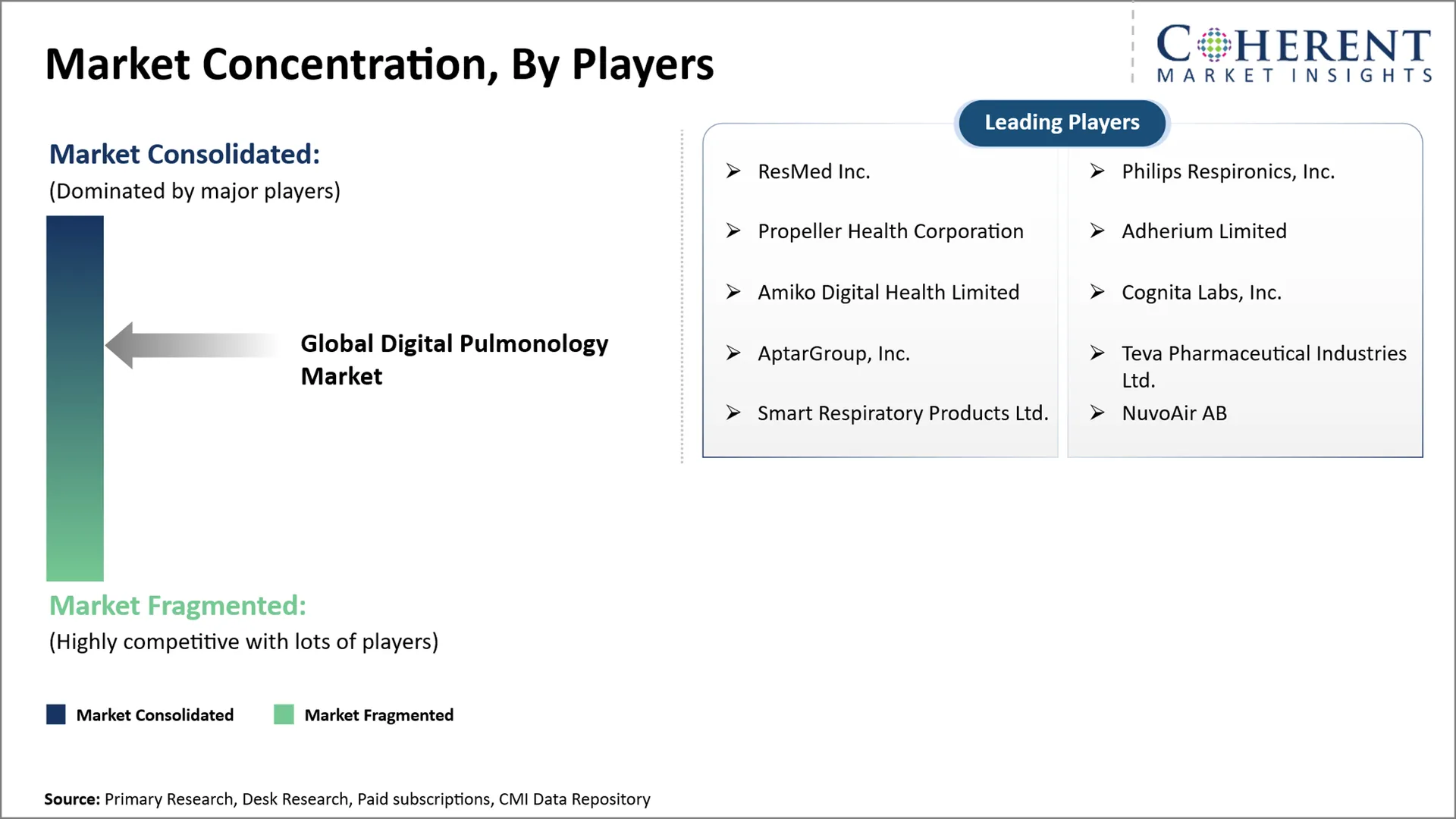
The global digital pulmonology market is moderately competitive, with market dynamics shaped by advances in AI-enabled respiratory diagnostics, remote patient monitoring, connected pulmonary devices, digital therapeutics, and virtual respiratory care. Market participants are increasingly focusing on improving diagnostic accuracy, enabling continuous disease monitoring, integrating respiratory data into clinical workflows, and supporting personalized management of chronic pulmonary conditions.
Key focus areas include
- Development of AI-enabled respiratory diagnostics and predictive analytics
- Expansion of remote patient monitoring and connected respiratory devices
- Integration of digital pulmonology platforms with EHRs and hospital information systems
- Development of digital therapeutics and personalized disease-management solutions
- Enhancement of telemedicine and virtual pulmonary care
Market Report Scope
Global Digital Pulmonology Market Report Coverage | |||
Report Coverage | Details | ||
Base Year | 2025 | Market Size in 2026: | USD 8,740.0 Mn |
Historical Data For: | 2020 To 2024 | Forecast Period: | 2026 To 2033 |
Forecast Period 2026 To 2033 CAGR: | 12.8% | 2033 Value Projection: | USD 20,310.4 Mn |
Geographies covered: |
| ||
Segments covered: |
| ||
Companies covered: | ResMed Inc., Philips Respironics, Inc., Propeller Health Corporation, Adherium Limited, Amiko Digital Health Limited, Cognita Labs, Inc., AptarGroup, Inc., Teva Pharmaceutical Industries Ltd., Smart Respiratory Products Ltd., NuvoAir AB | ||
Growth Drivers: |
| ||
Restraints & Challenges: |
| ||
Analyst Opinion (Expert Opinion)
- The future of digital pulmonology will increasingly center on continuous, data-driven respiratory care, moving beyond episodic diagnosis toward integrated monitoring and personalized disease management. AI-enabled diagnostics, connected respiratory devices, remote monitoring, and digital therapeutics are expected to converge into unified platforms that support clinicians across diagnosis, treatment, and long-term follow-up.
- The maximum opportunities are foreseen within AI & Machine Learning for COPD management in the U.S., where AI can address the need for earlier exacerbation detection, continuous disease monitoring, and personalized treatment decisions. The opportunity should increasingly shift toward solutions that combine imaging, pulmonary-function data, patient-generated data, and clinical records rather than standalone diagnostic applications.
- In order to gain a competitive advantage market players should prioritize integrated, clinically actionable platforms rather than individual digital tools. Building interoperable solutions, demonstrating measurable clinical outcomes, strengthening data security, and developing condition-specific workflows for COPD and asthma can help differentiate offerings. Partnerships with healthcare providers and device manufacturers can further accelerate clinical integration and adoption.
Speak to the analyst
Want personalized insights?
Take the findings above to one of our principal consultants, or have the report rebuilt around the segments, geographies and competitors you actually track.
Market Segmentation
- Component Insights (Revenue, USD Mn, 2021 - 2033)
- Hardware and Devices
- Software and Digital Platforms
- Services
- Technology Insights (Revenue, USD Mn, 2021 - 2033)
- Artificial Intelligence and Machine Learning
- Remote Patient Monitoring
- Telemedicine and Virtual Care
- Digital Therapeutics
- Wearable and Connected Devices
- Application Insights (Revenue, USD Mn, 2021 - 2033)
- Chronic Obstructive Pulmonary Disease (COPD)
- Asthma
- Sleep Apnea
- Interstitial Lung Diseases
- Lung Cancer
- Others
- End User Insights (Revenue, USD Mn, 2021 - 2033)
- Hospitals and Clinics
- Specialty Pulmonary and Respiratory Centers
- Home Healthcare
- Pharmaceutical and Biotechnology Companies
- Research and Academic Institutions
- Others
- Regional Insights (Revenue, USD Mn, 2021 - 2033)
- North America
- U.S.
- Canada
- Latin America
- Brazil
- Argentina
- Mexico
- Rest of Latin America
- Europe
- Germany
- U.K.
- Spain
- France
- Italy
- Russia
- Rest of Europe
- Asia Pacific
- China
- India
- Japan
- Australia
- South Korea
- ASEAN
- Rest of Asia Pacific
- Middle East
- GCC Countries
- Israel
- Rest of Middle East
- Africa
- South Africa
- North Africa
- Central Africa
- North America
Sources
Primary Research Interviews
- Pulmonologists and respiratory physicians evaluating digital diagnostic and monitoring solutions
- Respiratory therapists and pulmonary-care specialists using remote monitoring and connected respiratory devices
- Clinical informatics and digital-health specialists implementing AI-enabled pulmonary platforms
- Hospital IT and healthcare-technology decision-makers integrating digital pulmonology solutions with EHR systems
- Clinical researchers and investigators conducting trials involving digital respiratory technologies
Stakeholders
- Digital pulmonology platform and respiratory digital-health technology developers
- AI and medical-imaging technology providers developing pulmonary diagnostic solutions
- Connected respiratory-device and remote patient-monitoring manufacturers
- Digital therapeutics and telemedicine providers focused on respiratory disease management
- End-use Sectors
- Hospitals & Clinics
- Specialty Pulmonary & Respiratory Centers
- Home Healthcare Providers
- Pharmaceutical & Biotechnology Companies
- Research & Academic Institutions
- Regulatory & Health Bodies
- U.S. Food and Drug Administration (FDA) – medical devices, software as a medical device, AI-enabled healthcare technologies
- European Commission – medical devices, digital health, AI, and healthcare technology
- Medicines and Healthcare products Regulatory Agency (MHRA), UK – medical devices, software, and digital health technologies
- Pharmaceuticals and Medical Devices Agency (PMDA), Japan – medical devices and software-based healthcare technologies
- National Medical Products Administration (NMPA), China – medical devices and AI-based medical software
- Central Drugs Standard Control Organisation (CDSCO), India – medical devices and medical device software
- World Health Organization (WHO) – digital health, lung health, and chronic respiratory disease programs
Databases
- ClinicalTrials.gov – clinical trials involving respiratory diseases and digital health technologies
- WHO International Clinical Trials Registry Platform (ICTRP) – global clinical-trial registration data
- Scopus – scientific and technology research publications
- Web of Science – multidisciplinary research and citation data
- FDA Medical Device Databases – medical-device and regulatory information
- EU Clinical Trials Information System (CTIS) – clinical-trial information in the European Union
Journals
- Journal of Medical Internet Research (JMIR) – digital health, telehealth, remote monitoring, and respiratory technologies
- npj Digital Medicine – AI, digital health, connected-care, and clinical technologies
- Respiratory Research – pulmonary diseases, respiratory diagnostics, and disease management
- European Respiratory Journal – respiratory medicine and pulmonary research
- Chest – pulmonary, critical-care, and respiratory medicine
- Digital Biomarkers – digital biomarkers, wearable technologies, and remote patient monitoring
Associations
- American Thoracic Society (ATS)
- European Respiratory Society (ERS)
- American College of Chest Physicians (CHEST)
- Global Initiative for Chronic Obstructive Lung Disease (GOLD)
- Global Initiative for Asthma (GINA)
- International Society for Telemedicine and eHealth (ISfTeH)
- Digital Therapeutics Alliance (DTA)
Public Domain Sources
- U.S. Food and Drug Administration (FDA) – medical-device, AI-enabled device, and digital-health regulatory information
- National Institutes of Health (NIH) – pulmonary medicine, digital health, AI, and clinical research
- National Center for Biotechnology Information (NCBI) – respiratory medicine, digital health, and biomedical literature
- World Health Organization (WHO) – digital health, lung health, chronic respiratory diseases, and healthcare technology resources
- U.S. Centers for Disease Control and Prevention (CDC) – respiratory disease surveillance and public-health data
- National Heart, Lung, and Blood Institute (NHLBI) – lung disease research and respiratory health data
- European Centre for Disease Prevention and Control (ECDC) – respiratory disease surveillance and epidemiological information
- World Bank – healthcare infrastructure, digital development, and health-system indicators
Proprietary Elements
- CMI Data Analytics Tool
- Proprietary CMI Existing Repository of information for last 10 years.
Get access to 250+ pages report
Every segment, forecast, competitor profile and data table behind the analysis above — available for instant download.
- ESOMAR Member
- ISO 9001:2015 Certified
- D-U-N-S Registered
- GDPR & CCPA Compliant
Frequently Asked Questions
The global digital pulmonology market is estimated to be valued at USD 8,740.0 Mn in 2026 and is expected to reach USD 20,310.4 Mn by 2033.
Hardware and devices dominate due to the widespread use of connected respiratory devices, digital spirometers, wearable monitors, and home-based monitoring equipment.
Digital pulmonology is the application of digital technologies such as AI, remote monitoring, connected devices, and telemedicine to diagnose, monitor, and manage respiratory diseases.
The CAGR of global digital pulmonology market is projected to be 12.8% from 2026 to 2033.
Rising adoption of remote respiratory monitoring and connected pulmonary devices, and growing use of AI for automated respiratory diagnosis and disease monitoring are the major factors driving the growth of the global digital pulmonology market.
High costs associated with advanced digital respiratory devices and platforms, and data privacy and interoperability limitations across digital healthcare systems are the major factors hampering the growth of the global digital pulmonology market.
In terms of technology, artificial intelligence and machine learning is estimated to dominate the market revenue share in 2026.