

Global Next Generation Cell Therapy Market Size and Forecast – 2026 To 2033
The global next generation cell therapy market is expected to grow from USD 7.40 Bn in 2026 to USD 35.88 Bn by 2033, registering a compound annual growth rate (CAGR) of 25.3% from 2026 to 2033. The market for global next generation cell therapy is poised for significant expansion, fueled by the increasing government-backed research activity in regenerative medicine and advanced cell-based technologies.
According to NIH RePORT, 1,087 regenerative medicine research projects were supported in 2025, indicating sustained public-sector research activity that can accelerate development and clinical translation of next-generation cell therapies.
Key Takeaways of the Global Next Generation Cell Therapy Market
- T Cells are projected to hold 44.5% of the global next generation cell therapy market share in 2026, making it dominant cell type segment across North America due to its established regulatory and clinical ecosystem for engineered T-cell therapies. For instance, in April 2026, the U.S. FDA issued draft guidance on the use of next-generation sequencing to assess genome-editing safety, including off-target editing and genome integrity, providing specific considerations relevant to genetically engineered cellular therapies.
- CAR-T cell therapy is projected to hold 41.0% of the global next generation cell therapy market share in 2026, making it dominant therapy type segment with Asia Pacific emerging as a significant CAR-T development market supported by Japan's established regenerative-medicine regulatory framework. For instance, in March 2026, Japan’s PMDA published a regulatory-perspective report identifying five CAR-T products approved in Japan and detailing key regulatory considerations related to manufacturing variability, out-of-specification products, and adverse events.
- Autologous is projected to hold 61.5% of the global next generation cell therapy market share in 2026, making it dominant source segment with Europe maintaining a structured regulatory environment for patient-derived and genetically modified cell therapies. For instance, the EMA’s 2026 CAT workplan includes revision of its gene-therapy Q&A framework to expand coverage across all classes of advanced therapy medicinal products (ATMPs), strengthening regulatory guidance relevant to autologous and genetically modified cell therapies.
- North America market maintains dominance with an expected share of 42.5% in 2026, bolstered by a mature regulatory framework, advanced cell therapy development infrastructure, and strong clinical-development activity. For instance, in January 2026, the U.S. FDA announced greater flexibility in chemistry, manufacturing, and controls (CMC) requirements for cell and gene therapies, specifically to expedite development and support access to innovative therapies.
- Asia Pacific is expected to exhibit the fastest growth in the global next generation cell therapy market, registering an estimated CAGR of 17.2% during 2026–2033, driven by expanding regenerative-medicine frameworks, clinical development, and government support for advanced cellular therapies. For instance, in May 2026, Japan’s PMDA reported 26 approved regenerative medical products and highlighted measures including SAKIGAKE designation and conditional and time-limited approval to accelerate regenerative medicine development.
Segmental Insights
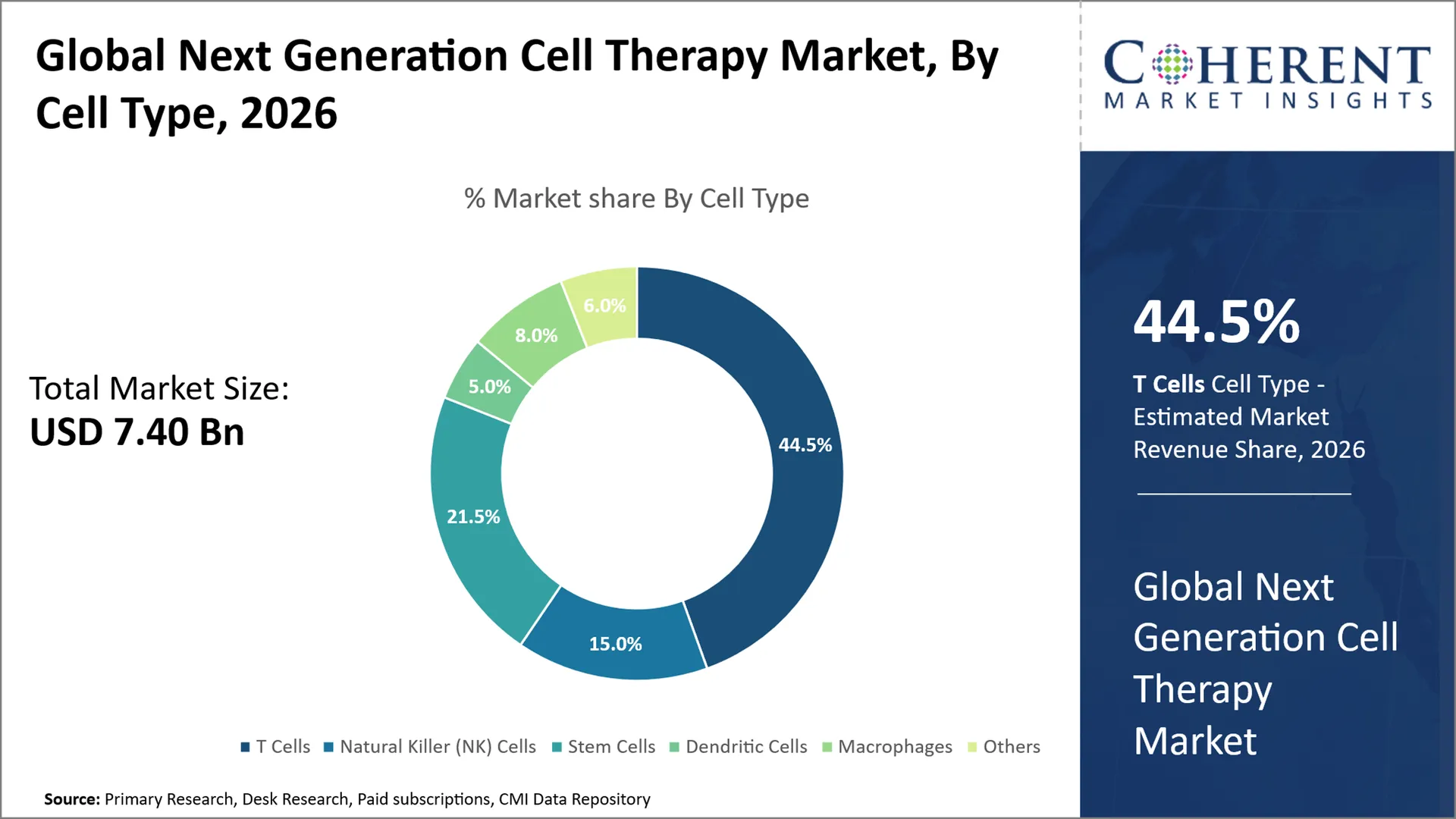
Why Do T Cells Dominate the Global Next Generation Cell Therapy Market?
T Cells are projected to hold the market share of 44.5% in 2026, owing to their strong antigen-recognition abilities and their ability to be further engineered using genetic and receptor engineering. In addition, data indicates that engineered T cells have a scope to be used for non-oncology indications involving complex neurological and autoimmune disorders. For instance, in March 2026, the U.S. National Institutes of Health (NIH) announced preclinical research indicating that engineered CAR-T cells will probably target amyloid beta plaques and potentially diminish a number of Alzheimer's related pathological characteristics in mice, underscoring the growing potential of engineered T-cell therapies.
- Current Industry Events of 2026
- Market Size Estimation
- Regional Breakdown
- Competitive Landscape
- Customer Intelligence
- Segmental Analysis
- Pricing Analysis
- Key Market Drivers, Challenges & Future Trends
- Customized Insights Section
Why Does CAR-T Cell Therapy Represent the Largest Therapy Type Segment in the Next Generation Cell Therapy Market?
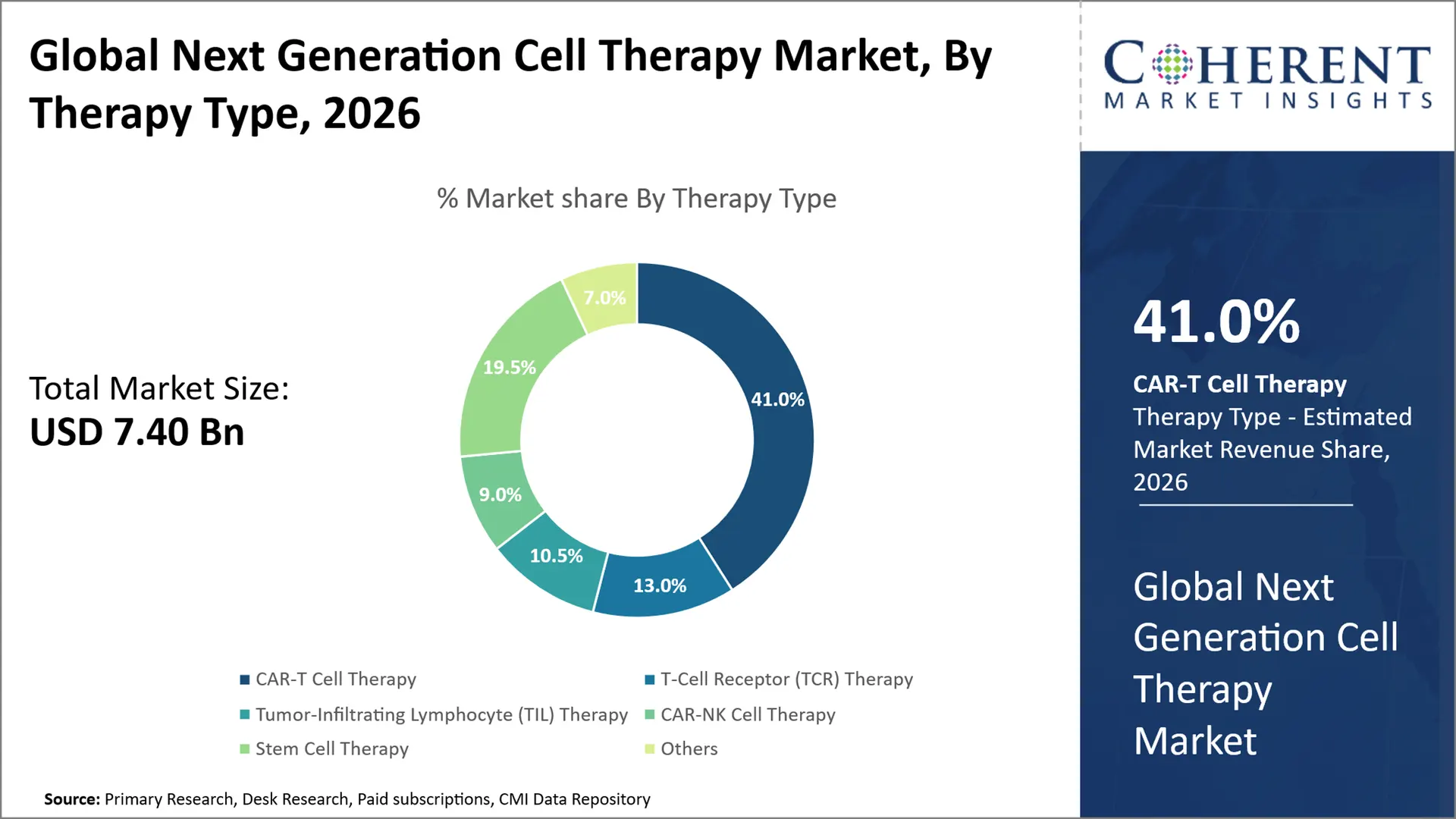
CAR-T cell therapy is projected to hold a market share of 41.0% in 2026, owing to its established clinical efficacy for hematological malignancies and the potential for application in earlier stages of treatment. Evolution of CAR-T products are further expanding access to an engineered T-cell pool for various patient groups. For instance, in June 2026, the Committee for Medicinal Products for Human Use (CHMP) of the European Medicines Agency (EMA) accepted to review the supplemental new drug application (sNDA) for Carvykti (ciltacabtagene autoleucel) to extend the indication for its use in relapsed or refractory multiple myeloma in adults who have received at least one prior therapy, and to provide an additional option for patients in Europe.
Autologous Segment Dominates the Global Next Generation Cell Therapy Market
The autologous segment is projected to hold a market share of 61.5% in 2026, owing to its personalized treatment and minimal immunological incompatibility and usage in engineered cellular therapies. In addition, technological advancements in patient-specific cell collection, processing and manufacturing can contribute to the clinical development of autologous therapies. For instance, in June 2026, European Medicines Agency (EMA) updates product information for Tecartus (brexucabtagene autoleucel) for autologous genetically modified T-cell therapy, highlighting the continuous progress of regulators in Europe around cell therapies.
Current Events and their Impact
Current Events | Description and its Impact |
Japan’s MHLW Revises Microbiological Safety Guidelines for Specified Cell-Processed Products (June 2026) |
|
EMA Recommends Refusal of Marketing Authorization for Autologous TIL Therapy Tacquell (June 2026) |
|
Japan’s PMDA Approves Allogeneic iPS Cell-Derived Cardiomyocyte Sheet for Regenerative Medicine (March 2026) |
|
Next Generation Cell Therapy Market Dynamics
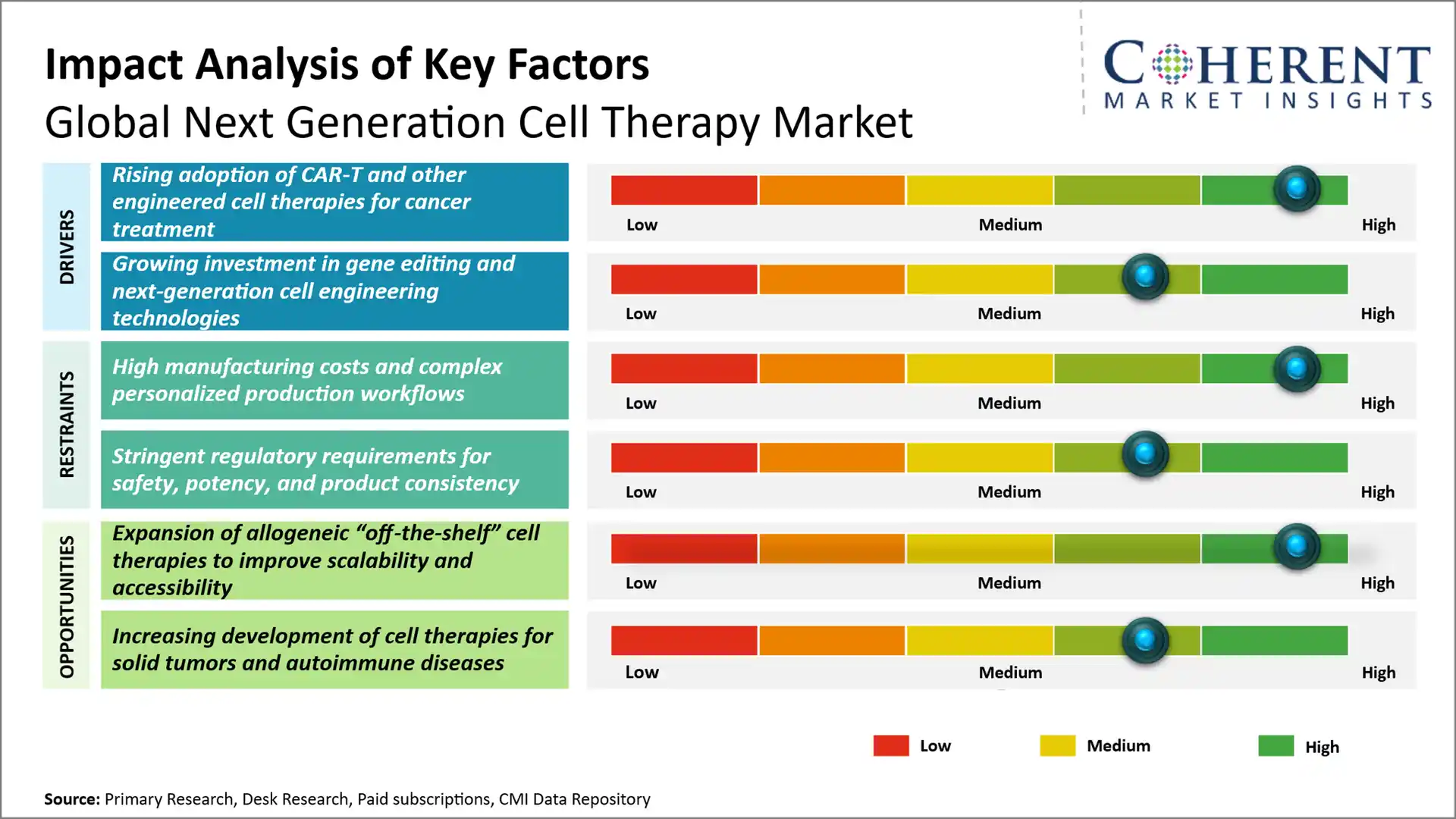
Market Drivers
- Rising adoption of CAR-T and other engineered cell therapies for cancer treatment: The rising adoption of CAR-T and other engineered cell therapies is strengthening demand for next-generation cell therapy platforms, particularly as these approaches expand treatment options for difficult-to-treat cancers. Continued regulatory approvals are also broadening the clinical use of engineered cellular therapies across hematological malignancies. For instance, in February 2026, the U.S. FDA granted traditional approval to Breyanzi (lisocabtagene maraleucel) for relapsed or refractory follicular lymphoma, further expanding the approved use of CAR-T therapy in cancer treatment.
- Growing investment in gene editing and next-generation cell engineering technologies: Growing investment in gene editing and next-generation cell engineering technologies is accelerating the development of more precise, functional, and scalable cell therapies. Funding is increasingly supporting CRISPR, base editing, synthetic receptors, and advanced delivery technologies that can improve therapeutic cell performance and expand applications beyond conventional oncology. For instance, on September 2, 2026, the U.S. National Institutes of Health (NIH) launched a dedicated research topic on next-generation cellular immunotherapy, supporting approaches that use CRISPR/Cas9, base and prime editing, synthetic receptors, and in vivo engineering of T cells, NK cells, and macrophages.
- Expansion of cell therapy applications beyond oncology: The expansion of cell therapy development into rare genetic and immune disorders is broadening the addressable applications for next-generation cellular platforms. Increasing regulatory validation of engineered cellular products is also supporting investment in advanced cell-processing and manufacturing capabilities. For instance, in March 2026, the U.S. FDA approved KRESLADI, the first gene therapy for severe Leukocyte Adhesion Deficiency Type I (LAD-I), demonstrating the expanding application of advanced cellular and gene-based therapies in rare genetic diseases.
Emerging Trends
- Shift toward allogeneic and off-the-shelf therapies: Cell therapy development is increasingly moving toward donor-derived and allogeneic platforms that can support standardized, scalable manufacturing. This approach is expected to reduce patient-specific production constraints and improve treatment accessibility.
- Integration of gene editing into cell engineering: CRISPR and other genome-editing technologies are being increasingly incorporated into cell therapy development to improve cell functionality, persistence, immune compatibility, and safety.
- Increasing focus on manufacturing scalability and process standardization: The industry is shifting toward more standardized and flexible manufacturing processes, with greater emphasis on CMC controls, potency assessment, automation, and reproducibility.
Regional Insights
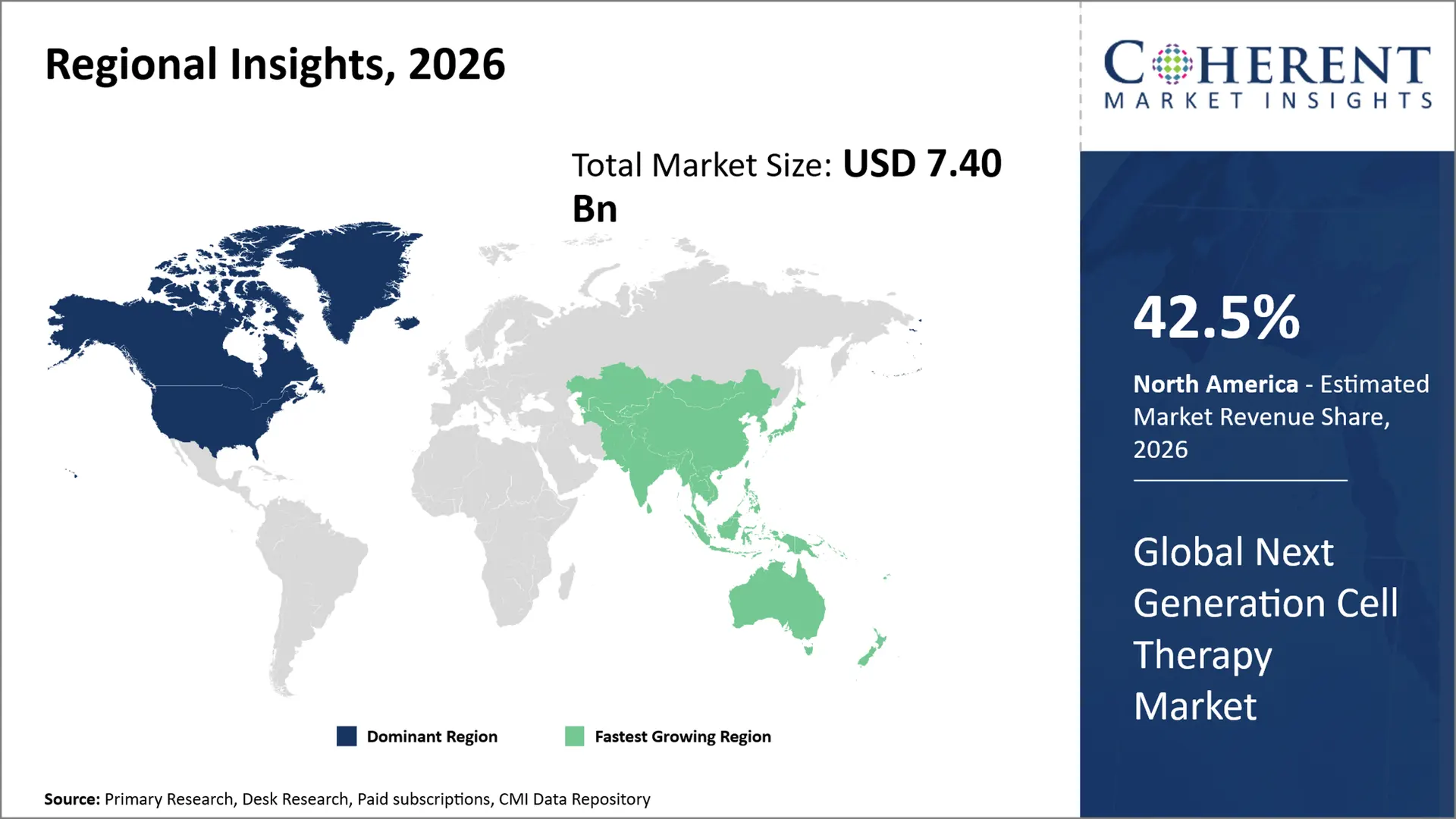
Why is North America a Strong Market for Next Generation Cell Therapy?
North America leads the global next generation cell therapy market, accounting for an estimated 42.5% share in 2026, due to its advanced healthcare infrastructure, R&D strength, and favorable biopharmaceutical government policies. For instance, in April 2026, the U.S government renewed the SBIR/STTR programs through September 2031. This will continue federal support for the innovation efforts of small-businesses in the biomedical and technology commercialization space. (Source: National Institutes of Health (NIH))
Additionally, the region is expected to be benefited from significant private as well as public investments, advanced clinical research infrastructure, and a strong biomanufacturing capacity to support cell therapy development & commercialization. Furthermore, well-established regulatory infrastructure and clear pathways for advanced therapies may further support clinical translation.
Why Does Asia Pacific Next Generation Cell Therapy Market Exhibit High Growth?
Asia Pacific is expected to exhibit the fastest growth in the global next generation cell therapy market, registering an estimated CAGR of 17.2% during 2026–2033. The region is projected to account for 23.5% of the global market in 2026, due to increased healthcare spending, rising biotechnology capabilities, and unmet needs of modern therapies. Favorable government policies, including reduced regulatory approval timeframes and an investment in regenerative medicine research in the region primarily in China, Japan and South Korea are expected to further support regional growth.
For instance, in April 2026, the China National Health Commission announced new regulations on the clinical translation and approval of biomedical technologies. The regulations specify a particular approval process and a focus on faster approval for technologies targeting life-threatening diseases without effective treatment options.
Global Next Generation Cell Therapy Market Outlook for Key Countries
Why is the U.S. Leading Innovation and Adoption in the Next Generation Cell Therapy Market?
The U.S. is at the forefront of the next generation cell therapy market innovation and adoption, potentially driven by the country's large share of cell therapy clinical development, advanced biomanufacturing infrastructure and expertise in the engineered T-cell space. The country has a highly conducive environment to accelerate the translation of gene-edited, CAR-T, TCR and other advanced cellular therapies into the clinic. Additionally, the country is likely to have more advanced infrastructure for collection, processing, manufacturing and administration of cell therapies.
Is Japan a Favorable Market for Next Generation Cell Therapy Market?
Japan is probably an attractive market for next generation cell therapy due to its mature regenerative medicine environment, the advanced clinical infrastructure, and the increase in the capacity for iPSC-based and engineered cell therapies in Japan. The regulatory environment of Japan seems to accommodate the development and clinical translation of the next generation of advanced cellular therapies. Japan's regenerative medicine proficiency may also indicate a solid ground for the next-generation field.
Is China Emerging as a Key Growth Hub for the Next Generation Cell Therapy Market?
China is emerging as a major growth market in the next generation cell therapy driven by its growing biotechnology capabilities and clinical development, along with a regulatory ecosystem that is becoming more innovation friendly. Additionally, China is strengthening its support for advanced therapy products by providing expedited reviews and devoting more regulatory resources for urgently needed innovations.
Why Does Germany Top the European Next Generation Cell Therapy Market?
Germany leads the European next generation cell therapy market owing to a robust biotechnology base, advanced clinical infrastructure, and mature biomanufacturing facilities in the country. The country have a well-established ecosystem linking universities and research organizations, specialized hospitals and biotech firms that help translate state-of-the-art research into clinics. An existing expertise in regenerative medicine and gene- and cell-therapy research further positions Germany as the leader of the European cell therapy market.
Is Next Generation Cell Therapy Market Developing in UK?
UK next generation cell therapy market is experiencing consistent growth, probably due to a vibrant research ecosystem for cell and gene therapy, specialized NHS infrastructure and existing regulatory expertise around advanced therapies. The country seems to favor clinical translation and adoption of advanced therapies through dedicated programs such as the NHS Advanced Therapy Medicinal Products Programme, the Cell and Gene Therapy Catapult and updates to the regulation of gene therapy, which MHRA opened for consultation in 2026 to reflect new genome editing and engineered-cell technologies.
Key Next-Generation Cell Therapy Platforms and Their Development Characteristics
Cell Therapy Platform | Cell Source | Manufacturing Model | Key Development Focus | Major Application Areas |
CAR-T Cell Therapy | Autologous / Allogeneic | Patient-specific / Off-the-shelf | Tumor targeting, persistence, safety | Hematological malignancies, solid tumors |
TCR Therapy | Autologous / Allogeneic | Patient-specific / Engineered | Intracellular antigen targeting | Solid tumors, hematological malignancies |
TIL Therapy | Autologous | Patient-specific | Expansion and tumor reactivity | Solid tumors |
CAR-NK Cell Therapy | Allogeneic | Off-the-shelf | Scalability, safety, tumor targeting | Hematological malignancies, solid tumors |
Gene-Edited Cell Therapy | Autologous / Allogeneic | Engineered / Off-the-shelf | Immune evasion, enhanced functionality | Oncology, autoimmune diseases |
iPSC-Derived Cell Therapy | Allogeneic | Scalable cell banking | Renewable cell source, standardized manufacturing | Oncology, regenerative medicine, neurological disorders |
How is the expansion of allogeneic “off-the-shelf” cell therapies to improve scalability and accessibility creating new growth opportunities in the next generation cell therapy market?
The progress of allogeneic "off-the-shelf" cell therapies points towards a significant market opportunity for next-generation cell therapies, as it will probably foster a more standardized manufacturing, reduce the time required for treatment, and be more scalable. Especially relative to the autologous space, its derivation from donors will allow for more widely distributed manufacturing and availability, likely allowing access to more people. Further, advances in cell engineering and immune-modulation are set to underpin safer allogeneic cell therapies. For instance, in June 2026, the U.S Food and Drug Administration (FDA) has approved TREGZI, an allogeneic regulatory T-cell immunotherapy for matched-donor adult transplantation, for treatment of hematological malignancies. The approval of TREGZI demonstrates progress in the regulation of donor-derived cellular therapy products.
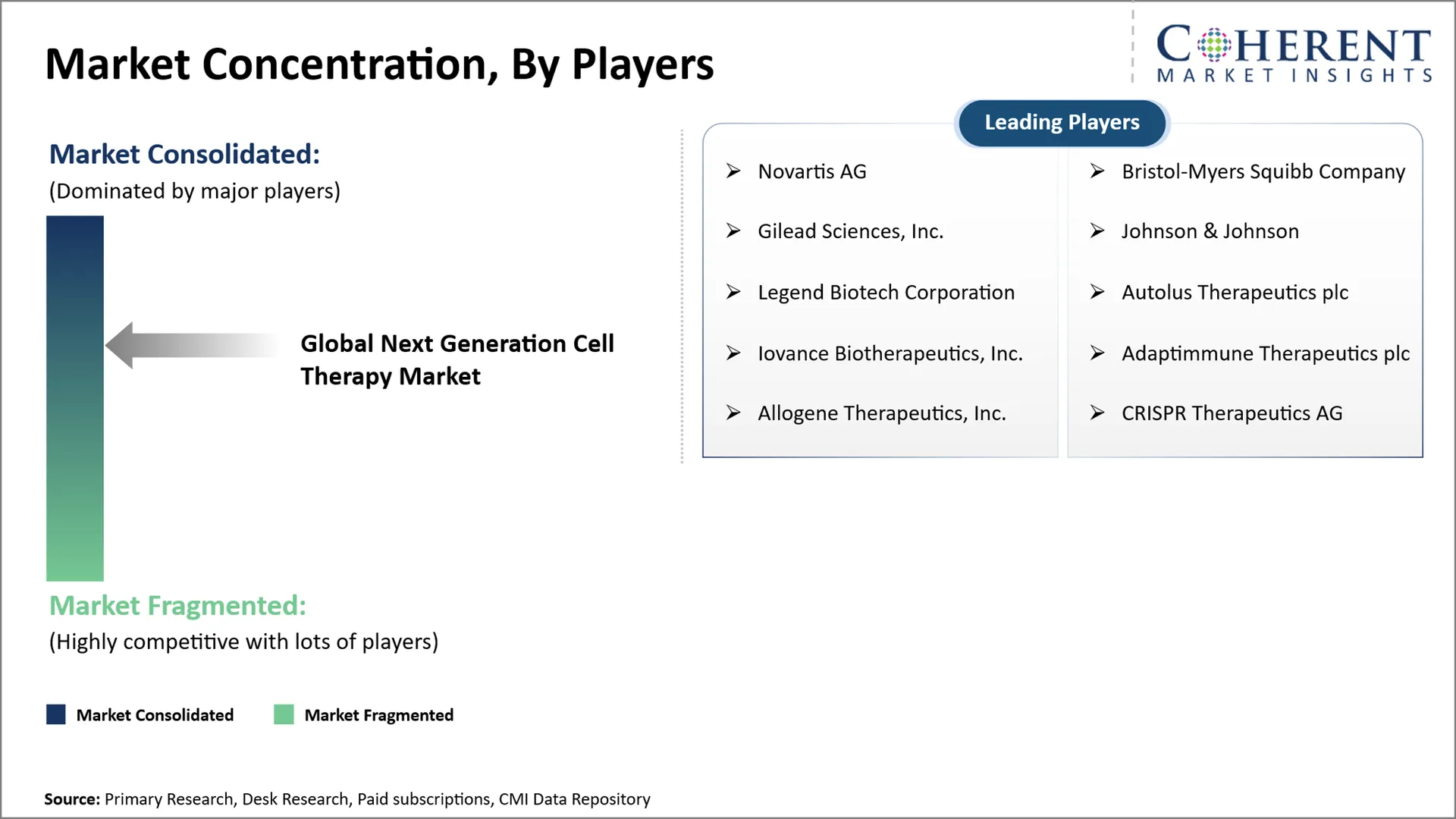
Market Players, Key Development, and Competitive Intelligence
Key Developments
- On September 17, 2026, Charles River Laboratories introduced rapid cell banking programs combining rapid microbiological testing with Next-Generation Sequencing (NGS) characterization. The platform is designed to reduce cell-bank production timelines by 40% versus the industry standard of 20 weeks, supporting faster development and regulatory readiness for advanced therapies.
- On September 15, 2026, Ori Biotech announced a 10-year agreement valued at up to USD 120 million with an undisclosed biopharmaceutical company to integrate its IRO automated manufacturing platform into a commercial cell therapy process. The agreement is intended to modernize autologous cell therapy manufacturing and improve scalability, throughput, reproducibility, and cost efficiency.
- In March 2026, Sartorius AG launched the Eveo Cell Therapy Platform, an automated, multi-parallel system designed for intensified production of autologous cell therapies. The platform can process eight patient batches simultaneously and potentially increase output up to fourfold within existing cleanroom space, addressing scalability and manufacturing-cost challenges in next-generation cell therapy production.
- In January 2026, Fresenius Kabi USA, LLC entered into a strategic-development agreement with TQ Therapeutics to integrate proprietary cell-selection technology into its Cue Cell Processing System. The combined system is designed to isolate high-purity T cells from blood or apheresis products in less than two hours, supporting more automated and scalable manufacturing of next-generation cell therapies.
Competitive Landscape
The global next generation cell therapy market is highly competitive, with competition centered on advanced cell-engineering capabilities, manufacturing scalability, therapeutic efficacy, safety, and regulatory readiness. Market participants are increasingly focusing on developing next-generation cellular platforms, improving automated manufacturing, expanding allogeneic and gene-edited therapies, and advancing cell therapies into new indications. Key focus areas include:
- Development of advanced CAR-T, TCR, TIL, CAR-NK, and gene-edited cell therapy platforms
- Expansion of allogeneic and off-the-shelf cell therapy technologies to improve scalability and accessibility
- Integration of automation, AI, and process analytics into cell therapy manufacturing
- Advancement of solid-tumor, autoimmune, neurological, and regenerative medicine applications
- Strengthening of cell characterization, potency testing, safety controls, and manufacturing consistency
- Expansion of clinical pipelines and strategic collaborations to accelerate next-generation cell therapy commercialization
Market Report Scope
Global Next Generation Cell Therapy Market Report Coverage | |||
Report Coverage | Details | ||
Base Year | 2025 | Market Size in 2026: | USD 7.40 Bn |
Historical Data For: | 2020 To 2024 | Forecast Period: | 2026 To 2033 |
Forecast Period 2026 To 2033 CAGR: | 25.3% | 2033 Value Projection: | USD 35.88 Bn |
Geographies covered: |
| ||
Segments covered: |
| ||
Companies covered: | Novartis AG, Bristol-Myers Squibb Company, Gilead Sciences, Inc., Johnson & Johnson, Legend Biotech Corporation, Autolus Therapeutics plc, Iovance Biotherapeutics, Inc., Adaptimmune Therapeutics plc, Allogene Therapeutics, Inc., CRISPR Therapeutics AG | ||
Growth Drivers: |
| ||
Restraints & Challenges: |
| ||
Analyst Opinion (Expert Opinion)
- In the coming years, global next generation cell therapy market is expected to move toward more scalable, standardized, and increasingly automated cell platforms, with allogeneic, gene-edited, and engineered immune-cell therapies gaining greater importance. Manufacturing is likely to shift from highly individualized workflows toward integrated platforms that improve consistency, throughput, and cost efficiency.
- The maximum opportunities are foreseen within allogeneic CAR-NK therapies for solid tumors in China, where scalable off-the-shelf approaches can address the manufacturing limitations of autologous therapies while expanding cell therapy applications beyond hematological cancers. The combination of large patient populations, expanding oncology pipelines, and growing cell-therapy development capabilities creates substantial room for commercialization.
- In order to gain a competitive advantage market players should prioritize scalable allogeneic platforms, automated manufacturing, and gene-editing capabilities while building strong process-control and characterization systems. Establishing flexible manufacturing platforms that can support multiple cell types and therapeutic targets can help reduce production complexity, accelerate development, and improve commercial scalability.
Speak to the analyst
Want personalized insights?
Take the findings above to one of our principal consultants, or have the report rebuilt around the segments, geographies and competitors you actually track.
Market Segmentation
- Cell Type Insights (Revenue, USD Bn, 2021 - 2033)
- T Cells
- Natural Killer (NK) Cells
- Stem Cells
- Dendritic Cells
- Macrophages
- Others
- Therapy Type Insights (Revenue, USD Bn, 2021 - 2033)
- CAR-T Cell Therapy
- T-Cell Receptor (TCR) Therapy
- Tumor-Infiltrating Lymphocyte (TIL) Therapy
- CAR-NK Cell Therapy
- Stem Cell Therapy
- Others
- Source Insights (Revenue, USD Bn, 2021 - 2033)
- Autologous
- Allogeneic
- Application Insights (Revenue, USD Bn, 2021 - 2033)
- Hematological Malignancies
- Solid Tumors
- Autoimmune Diseases
- Genetic Disorders
- Neurological Disorders
- Others
- End User Insights (Revenue, USD Bn, 2021 - 2033)
- Hospitals and Cancer Centers
- Pharmaceutical and Biotechnology Companies
- Contract Development and Manufacturing Organizations (CDMOs)
- Academic and Research Institutes
- Specialized Cell Therapy Centers
- Others
- Regional Insights (Revenue, USD Bn, 2021 - 2033)
- North America
- U.S.
- Canada
- Latin America
- Brazil
- Argentina
- Mexico
- Rest of Latin America
- Europe
- Germany
- U.K.
- Spain
- France
- Italy
- Russia
- Rest of Europe
- Asia Pacific
- China
- India
- Japan
- Australia
- South Korea
- ASEAN
- Rest of Asia Pacific
- Middle East
- GCC Countries
- Israel
- Rest of Middle East
- Africa
- South Africa
- North Africa
- Central Africa
- North America
Sources
Primary Research Interviews
- Cell therapy developers and clinical researchers involved in CAR-T, TCR, TIL, NK-cell, stem-cell, and gene-edited therapies
- Cell therapy manufacturing and process-development specialists involved in cell expansion, engineering, characterization, and scale-up
- Clinical investigators and oncologists evaluating next generation cell therapies across oncology, autoimmune, genetic, and regenerative indications
- Regulatory and CMC specialists supporting cell therapy development, manufacturing, validation, and regulatory submissions
- CDMO executives and cell-processing technology specialists involved in commercial-scale cell therapy manufacturing
Stakeholders
- Pharmaceutical and biotechnology companies developing next generation cell therapies
- Cell therapy CDMOs and specialized manufacturing service providers
- Cell-processing, automation, bioreactor, and gene-editing technology providers
- Hospitals, cancer centers, and specialized cell therapy treatment centers
- Academic and research institutions
- Clinical research organizations and cell therapy testing laboratories
- Payers and health insurance providers
- Regulatory authorities and health technology assessment (HTA) organizations
- End-use Sectors
- Pharmaceutical and Biotechnology Companies
- Hospitals and Cancer Centers
- Specialized Cell Therapy Centers
- Contract Development and Manufacturing Organizations (CDMOs)
- Academic and Research Institutions
- Clinical Research Organizations (CROs)
- Payers and Health Insurance Providers
- Regenerative Medicine and Advanced Therapy Centers
- Regulatory & Health Bodies
- U.S. Food and Drug Administration (FDA) – Cell and gene therapy approvals, CMC requirements, manufacturing guidance, clinical development, and regulatory oversight.
- European Medicines Agency (EMA) – Advanced therapy medicinal products, cell-based therapies, clinical development, manufacturing, and quality requirements.
- Medicines and Healthcare products Regulatory Agency (MHRA), United Kingdom – Regulation of advanced therapy medicinal products and cell and gene therapy development
- Pharmaceuticals and Medical Devices Agency (PMDA), Japan – Regulatory review of regenerative medicine products and advanced cell-based therapies
- National Medical Products Administration (NMPA), China – Regulatory evaluation, clinical development, and safety oversight of advanced biological and cellular therapies
- Health Canada – Regulation and authorization of biologic and cell-based therapeutic products
Databases
- ClinicalTrials.gov – Clinical trials and development-stage information for cell and gene therapies
- WHO International Clinical Trials Registry Platform (ICTRP) – Global clinical trial registration and research information
- FDA Approved Cellular and Gene Therapy Products Database – Approved cellular and gene therapy products and manufacturers.
- FDA CBER Regulatory Information – Guidance, regulatory pathways, and development information for cellular and gene therapy products.
- NCBI GenBank – Genetic sequence and molecular biology information supporting cell engineering and gene-editing research
- WIPO PATENTSCOPE – Patent information covering cell therapy technologies, gene editing, manufacturing, and related innovations
Associations
- International Society for Cell & Gene Therapy (ISCT) – Cell and gene therapy research, clinical translation, manufacturing, and regulatory developments
- Alliance for Regenerative Medicine (ARM) – Advanced therapy industry, policy, regulatory, and commercialization information
- International Society for Pharmaceutical Engineering (ISPE) – Cell and gene therapy manufacturing, facility design, quality, and process engineering
- American Society of Gene & Cell Therapy (ASGCT) – Gene and cell therapy research, clinical development, and scientific advancements
- Society for Cell & Gene Therapy (SCGT) – Cell and gene therapy scientific and clinical development activities
Public Domain Sources
- National Institutes of Health (NIH) – Biomedical research, cell therapy, gene editing, and clinical research information
- Centers for Disease Control and Prevention (CDC) – Disease burden, epidemiological, and population-health data relevant to cell therapy indications
- World Health Organization (WHO) – Global disease burden, healthcare, and advanced therapy information
- U.S. Census Bureau – Population and demographic statistics relevant to addressable patient populations
- Organisation for Economic Co-operation and Development (OECD) – Healthcare expenditure, biotechnology, R&D, and health-system statistics
- World Bank – Population, healthcare expenditure, economic, and country-level development indicators
- National health ministries and statistical agencies – Country-level disease prevalence, healthcare infrastructure, demographic, and health expenditure data
Proprietary Elements
- CMI Data Analytics Tool
- Proprietary CMI Existing Repository of information for last 10 years.
Get access to 250+ pages report
Every segment, forecast, competitor profile and data table behind the analysis above — available for instant download.
- ESOMAR Member
- ISO 9001:2015 Certified
- D-U-N-S Registered
- GDPR & CCPA Compliant
Missing comfort of reading report in your local language? Find your preferred language:
Frequently Asked Questions
The global next generation cell therapy market is estimated to be valued at USD 7.40 Bn in 2026 and is expected to reach USD 35.88 Bn by 2033.
T cells dominate due to their established clinical validation, extensive CAR-T development, and broad application in hematological malignancies.
Next generation cell therapy uses engineered, gene-edited, or otherwise enhanced living cells to deliver more targeted, scalable, and potentially durable treatments for complex diseases.
The CAGR of global next generation cell therapy market is projected to be 25.3% from 2026 to 2033.
Rising adoption of CAR-T and other engineered cell therapies for cancer treatment, and growing investment in gene editing and next-generation cell engineering technologies are the major factors driving the growth of the global next generation cell therapy market.
High manufacturing costs and complex personalized production workflows, and stringent regulatory requirements for safety, potency, and product consistency are the major factors hampering the growth of the global next generation cell therapy market.
In terms of source, autologous is estimated to dominate the market revenue share in 2026.