

Global Outcome-Based Remote Heart Failure Care Market Size and Forecast – 2026 To 2033
The global outcome-based remote heart failure care market is expected to grow from USD 1.78 Bn in 2026 to USD 5.10 Bn by 2033, registering a compound annual growth rate (CAGR) of 16.1% from 2026 to 2033. The global market for outcome-based remote heart failure care is estimated to witness tremendous growth owing to increasing incidences of heart failure and rising hospitalization burden.
According to a 2023 Global Burden of Disease analysis, approximately 56.0 million people globally were living with heart failure, reflecting a 124.6% increase since 1990. A growing patient population is driving the adoption of remote heart failure care solutions, as the need for ongoing surveillance of the heart, predicting patient deterioration, and timely intervention are further strengthened. (Source: JAMA Network)
Key Takeaways of the Global Outcome-Based Remote Heart Failure Care Market
- Remote patient monitoring and surveillance is projected to hold 36.8% of the global outcome-based remote heart failure care market share in 2026, making it dominant service type segment, across North America owing to the presence of a stronger remote care setup, reimbursement policies, and growing comfort of continuous cardiac monitoring. For instance, in September 2026, the U.S. Centers for Medicare & Medicaid Services (CMS) announced the expansion of its ACCESS Model that will include heart failure, with new clinical tracks starting from April 2027.
- Remote monitoring devices and wearables are projected to account for 32.6% of the global outcome-based remote heart failure care market share in 2026, making it dominant technology type segment, across Europe due to the increasing focus on digital health adoption and remote patient monitoring services in the country. For instance, the European Health Data Space Regulation by the European Commission came into effect in March 2025 to provide a structure for improved access and sharing of electronic health data to enable the rise of integrated care.
- Home-based care is expected to hold the largest share of 58.4% of the global outcome-based remote heart failure care market by 2026, making it dominant care setting segment, across Asia Pacific due to the growing telemedicine infrastructure along with various initiatives to ensure quality care outside the hospital environment. For instance, India’s Ministry of Health and Family Welfare reported over 282 million consultations.
- North America market maintains dominance with an expected share of 42.8% in 2026, due to the presence of an advanced cardiovascular care infrastructure, remote monitoring devices, remote health monitoring infrastructure and the penetration of digital technology into the management of chronic diseases. For instance, the U.S. National Heart, Lung, and Blood Institute (NHLBI) funds research for cardiovascular health and management of heart failure through its government-funded research programs.
- Asia Pacific is projected to register the fastest growth in the global outcome-based remote heart failure care market with an estimated CAGR of 18.9% during 2026-2033, due to growing cardiovascular disease burden, scaling telehealth infrastructure, and rising investments in technology-enabled home healthcare. For instance, in September 2026, the eSanjeevani platform of India’s Ministry of Health and Family Welfare crossed 500 million teleconsultations, delivering telehealth services across all 36 States and Union Territories.
Segmental Insights
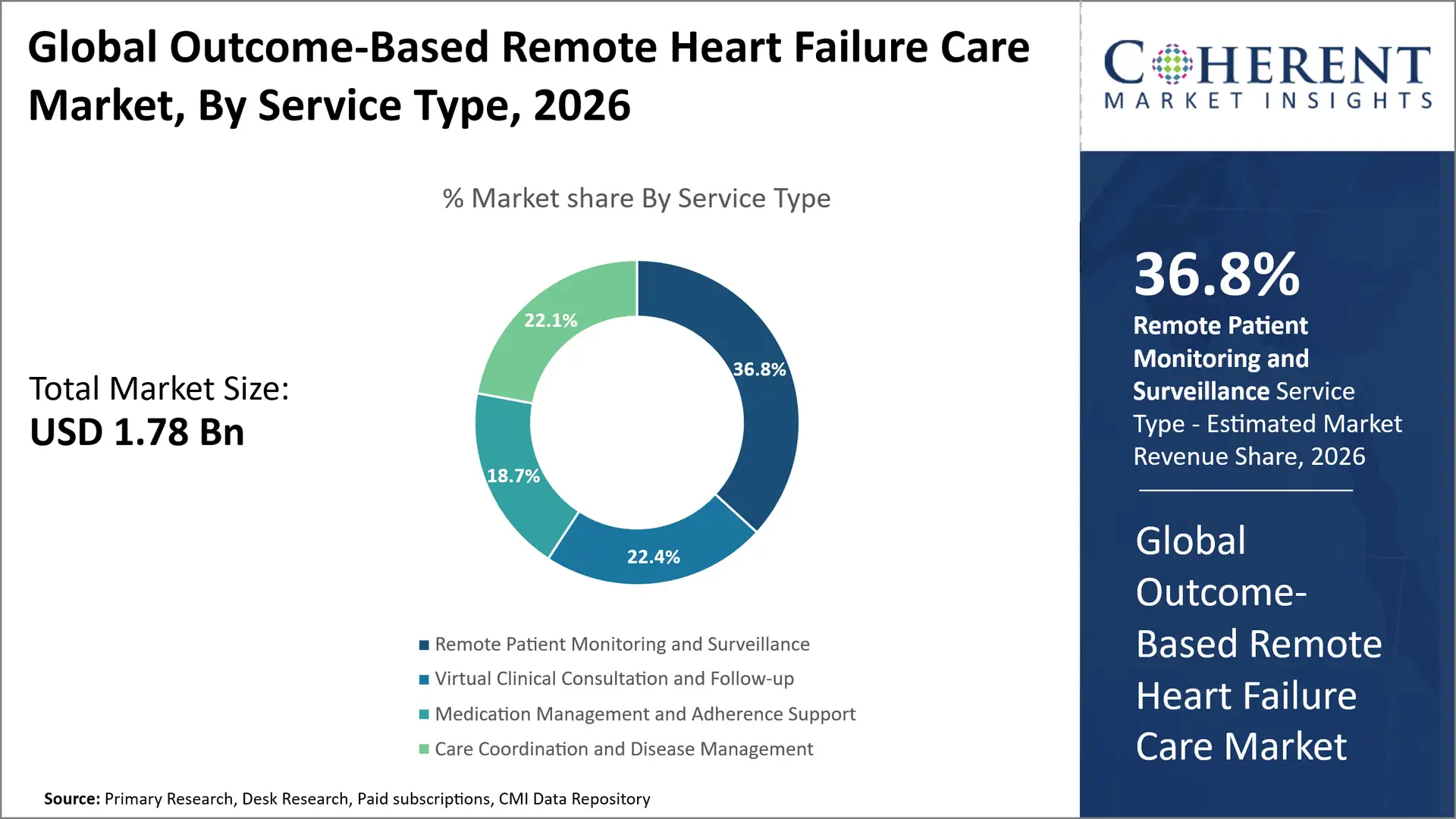
Why Do Remote Patient Monitoring and Surveillance Dominate the Global Outcome-Based Remote Heart Failure Care Market?
Remote patient monitoring and surveillance is projected to hold the market share of 36.8% in 2026, as it enables continuous measurement of vital parameters, early detection of heart failure progression, clinical intervention, and minimizes hospital visits. Additionally, its adoption is further supported by the transition toward proactive, home-based chronic disease management. For instance, in 2025 the UK’s National Institute for Health and Care Excellence (NICE) issued implementation guidance to support the integration of algorithm-based surveillance into clinical practice for remote heart failure monitoring in patients with cardiac implantable electronic devices.
- Current Industry Events of 2026
- Market Size Estimation
- Regional Breakdown
- Competitive Landscape
- Customer Intelligence
- Segmental Analysis
- Pricing Analysis
- Key Market Drivers, Challenges & Future Trends
- Customized Insights Section
Why Do Remote Monitoring Devices and Wearables Represent the Largest Technology Type Segment in the Outcome-Based Remote Heart Failure Care Market?
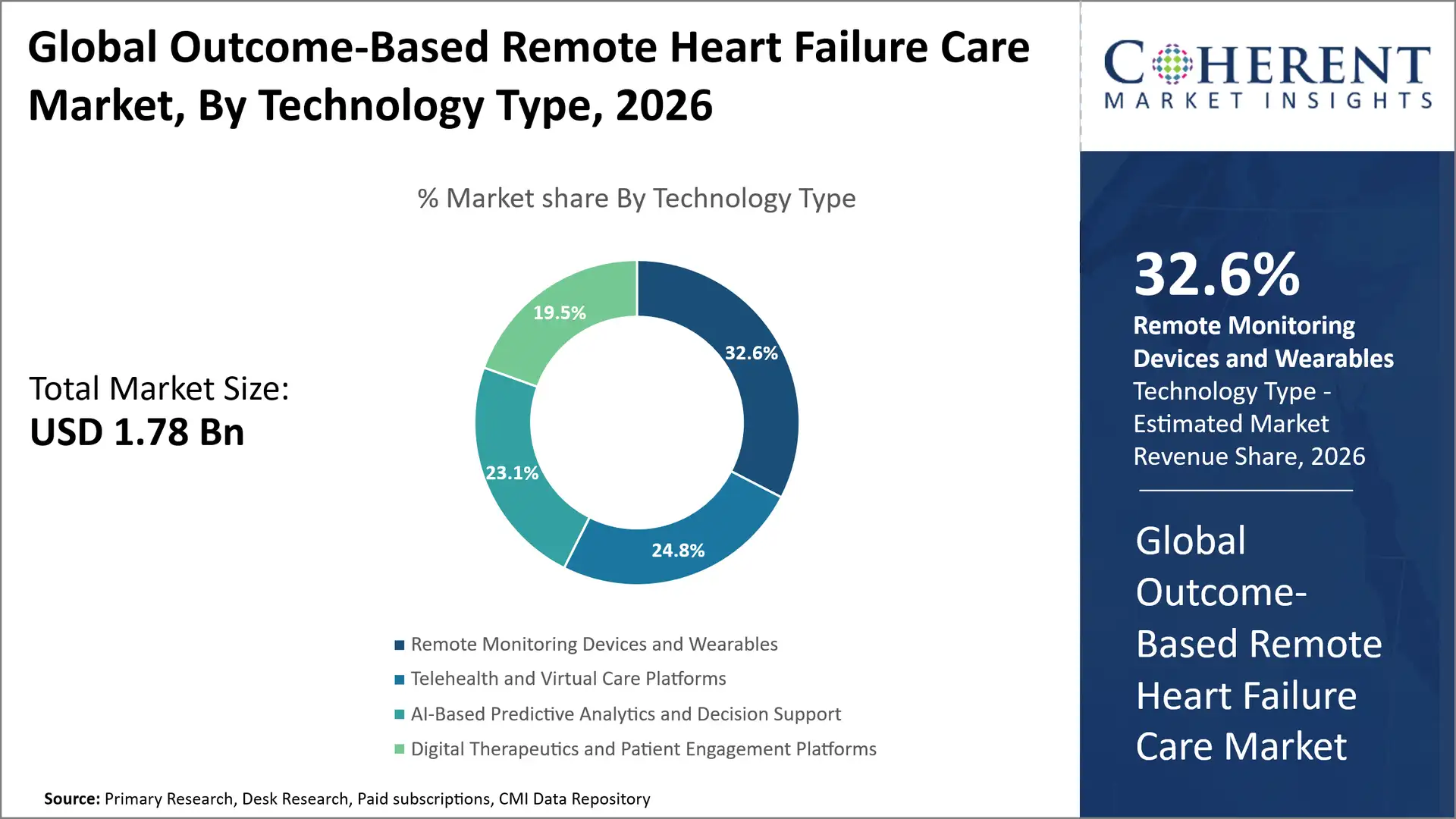
Remote monitoring devices and wearables are projected to hold a market share of 32.6% in 2026, as they enable continuous, low-impact monitoring of vital signs, which support early identification of deterioration and timely clinical intervention. Additionally, incorporation of these devices with the digital care platform would enable tailored treatment and bring patients into a learning health system. For instance, the SAATHI-HF project in India is testing a wearable-based monitoring system combined with AI-based risk prediction and telemedicine, to enable home-based management of heart failure patients across 10 tertiary care centres. (Source: Centre for Chronic Disease Control)
Home-Based Care Segment Dominates the Global Outcome-Based Remote Heart Failure Care Market
The home-based care segment is projected to hold a market share of 58.4% in 2026, as it enables continuing heart failure management with remote monitoring, virtual appointments, and integrated clinical care. It is also likely to decrease health care utilization, such as hospital visits and avoidable hospitalizations. For instance, the guidance from NHS England on virtual ward care for heart failure allows appropriate patients to be treated and monitored in the community remotely with home visits. It is an alternative to hospital admission and allows for early discharge.
Current Events and their Impact
Current Events | Description and its Impact |
New South Wales Issues Remote Patient Monitoring Implementation Guidance (October 2026) |
|
New South Wales Launches Virtual Heart Failure Service (January 2026) |
|
Outcome-Based Remote Heart Failure Care Market Dynamics
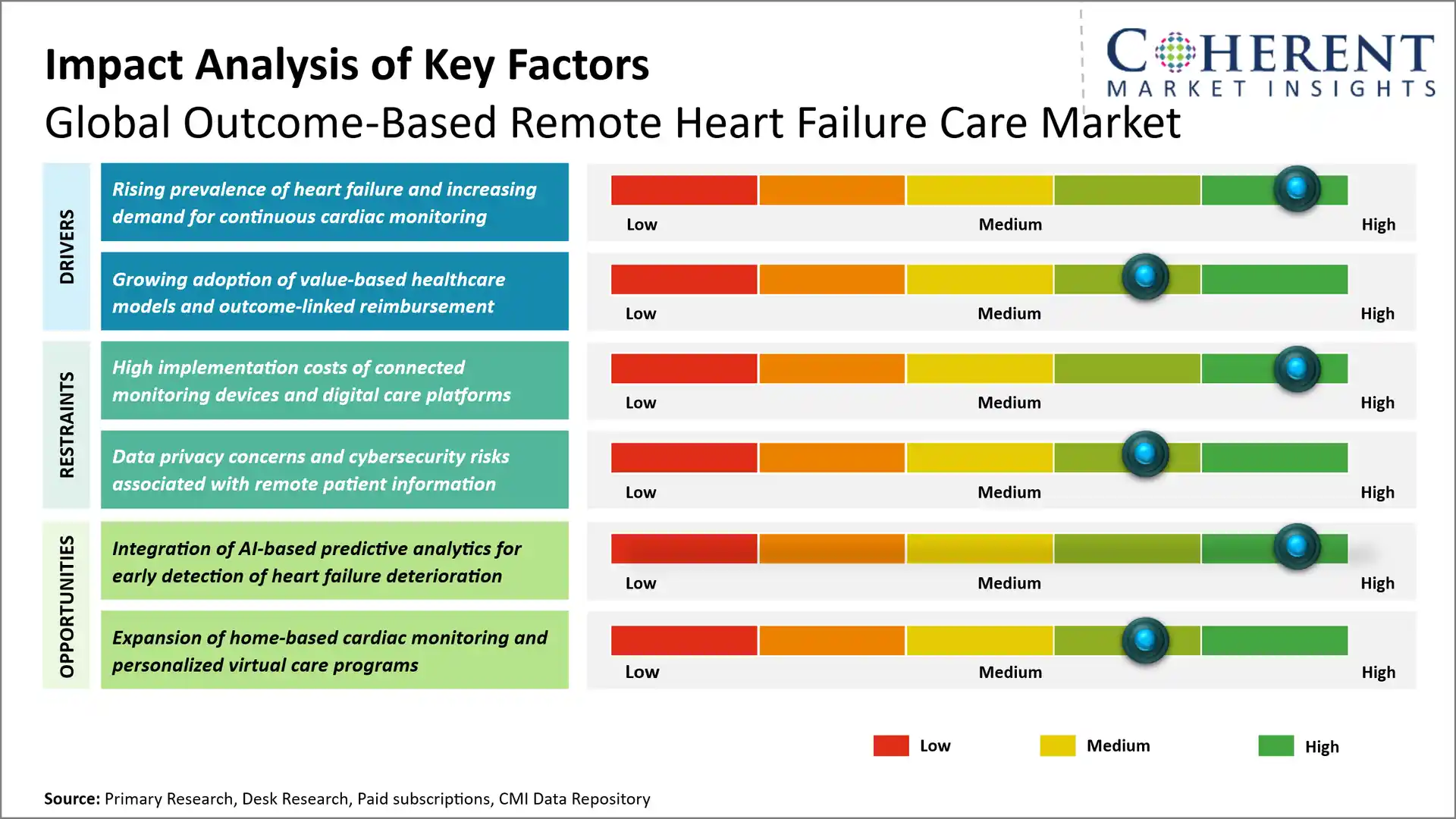
Market Drivers
- Rising prevalence of heart failure and increasing demand for continuous cardiac monitoring: As the incidence of heart failure continues to grow, there is a higher demand for continuous cardiac monitoring, which can be supplemented with rapid medical treatment. Remote monitoring technologies allow medical professionals to monitor patients’ vital signs outside hospital walls for complications and better treatment of the disease. For instance, the European Society of Cardiology (ESC) has acknowledged the relevance of digital health technologies in cardiovascular disease follow-up in their guidelines for cardiovascular disease management in 2025.
- Growing adoption of value-based healthcare models and outcome-linked reimbursement: As healthcare systems shift towards value-based care initiatives, healthcare providers are increasingly required to track and measure clinical outcomes, such as hospital utilization and improved continuity of care. For instance, U.S. Centers for Medicare & Medicaid Services (CMS) Hospital Value-Based Purchasing (VBP) Program features 30-day heart failure mortality as a clinical outcome measure in hospital performance assessments that allows hospitals to link their results to Medicare pay-for-performance adjustments – a mechanism that incentivizes healthcare providers to improve clinical outcomes.
- Growing adoption of home-based and post-discharge cardiac care: A shift towards home management of heart failure is fueling a need for greater remote monitoring, virtual visits and continued outpatient surveillance of discharged patients. For instance, in December 2025, the Government of Victoria in Australia launched a Virtual Hospital Pilot, which encompasses specialized virtual wards for heart failure, remote patient monitoring and virtual clinical visits to support patients' recovery at home.
Emerging Trends
- Integration of AI-Enabled Predictive Monitoring– The role of AI predictive monitoring is rapidly expanding, enabling real-time processing of patient data from wearables and connected cardiac devices to identify signs of worsening heart failure.
- Impact: Predictive analytics can lead to more timely intervention, individual-based management changes, and better identification of high-risk individuals. It also leads to the adoption of a more preventative, rather than reactive (hospital-based), approach to management of cardiac conditions.
- Market Relevance: With the rise in adoption of artificial intelligence-enabled monitoring, demand for integrated remote care platforms is projected to grow. Systems, which are at the convergence of predictive analytics and virtual clinical care, are set to play a greater role in outcome-driven heart failure management.
- Expansion of Hospital-to-Home Heart Failure Care: An emerging trend is moving away from hospital-centric systems to hospital to home-based care, in which remote monitoring of the patient with preexisting chronic heart failure, telehealth and post discharge home care have become more prevalent.
- Impact: Continuous monitoring beyond hospitals enables an early detection of complications and increases the continuity of patient care after discharge. It also provides health professionals with the opportunity to remotely control the patients.
- Market Relevance: This trend is expected to fuel the demand for connected monitoring devices, home-based cardiac care and telehealth solutions. The companies that can provide integrated post-discharge and long-term disease management solutions are likely to derive great benefits.
Regional Insights
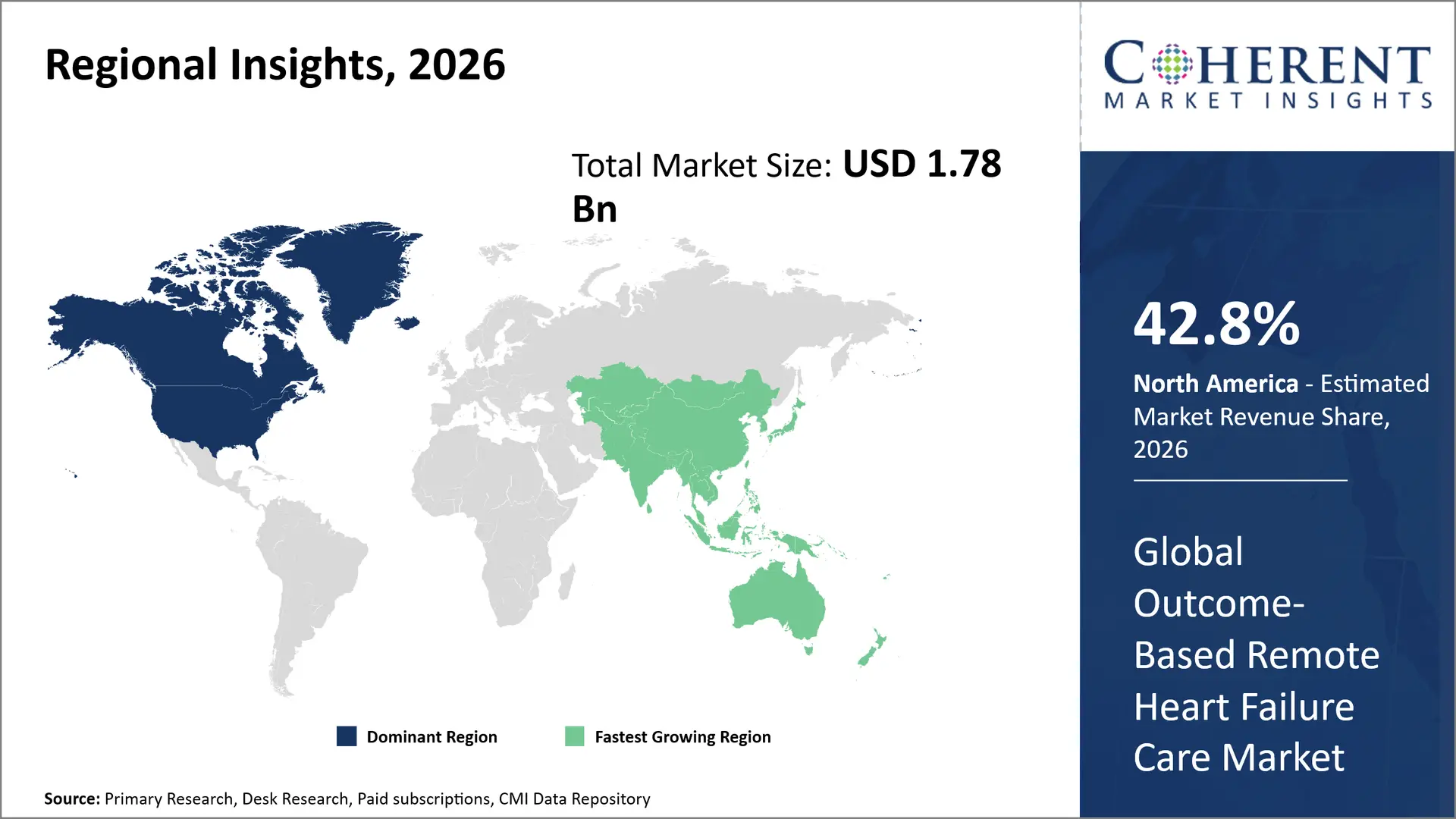
Why is North America a Strong Market for Outcome-Based Remote Heart Failure Care?
North America leads the global outcome-based remote heart failure care market, accounting for an estimated 42.8% share in 2026, owing to the existence of standard healthcare infrastructure in the region, advanced digital health ecosystem, and supportive policies for management of chronic diseases. The U.S. and Canada have established reimbursement policies for outcome-based care resulting in greater market access for remote monitoring devices and digital health platforms to monitor heart failure.
For instance, Medicare reimburses remote physiological monitoring using the CPT codes (99453, 99454, 99457, 99458) that cover remote device setup, transmission, monitoring, and management, creating a reimbursement pathway for healthcare providers who are delivering technology-based chronic disease management. (Source: Health Resources and Services Administration) Additionally, the integration of artificial intelligence, Internet of Things, and data analytics with cardiac monitoring devices along with emerging partnerships between healthcare providers, payers, and technology companies are further strengthening the market growth in the region.
Why Does Asia Pacific Outcome-Based Remote Heart Failure Care Market Exhibit High Growth?
Asia Pacific is expected to exhibit the fastest growth in the global outcome-based remote heart failure care market, registering an estimated CAGR of 18.9% during 2026–2033. The region is projected to account for 22.4% of the global market in 2026, driven by the rising cardiovascular disease burden, expansion of healthcare infrastructure, and burgeoning investments in the digital health market. Increasing adoption of digital healthcare solutions through telemedicine and remote patient monitoring in China, India, Japan, and South Korea is improving access to cardiac care.
For instance, in April 2026, Japan’s Ministry of Health, Labor and Welfare revised its guidelines for the appropriate implementation of online medical care, strengthening the framework for the inclusion of virtual consultations in healthcare delivery and making it easier to obtain medical services away from conventional clinic settings. Additionally, regulatory reforms, government initiatives, and rise in awareness regarding effective management of heart failure are likely to fuel the market in Asia-Pacific.
Global Outcome-Based Remote Heart Failure Care Market Outlook for Key Countries
Why is the U.S. Leading Innovation and Adoption in the Outcome-Based Remote Heart Failure Care Market?
The U.S. leads the innovation and adoption in the outcome-based remote heart failure care market owing to the country’s mature ecosystem of implantable cardiac sensors, connectivity-enabled devices, and an AI-enabled ecosystem of virtual patient surveillance. Integrating remote monitoring into chronic care management and value-based reimbursement pathways can help providers offer out-of-hospital heart failure management services. Furthermore, country’s mature digital health infrastructure and extensive virtual cardiology offerings help push forward the shift towards outcome-based cardiac care.
Is China a Favorable Market for Outcome-Based Remote Heart Failure Care Market?
China is an attractive market for the outcome-based remote heart failure care due to large number of cardiovascular patients, the growth of digital health infrastructure in the country and growing adoption of internet-enabled healthcare services. Widespread adoption of telemedicine connected to hospitals, monitoring devices and clinical support tools driven by artificial intelligence has the potential to enable remote management of heart failure, including post-discharge and home-based care. However, healthcare system integration and cost of state-of-the-art remote monitoring will ultimately determine the uptake.
Is Japan Emerging as a Key Growth Hub for the Outcome-Based Remote Heart Failure Care Market?
Japan is gaining attraction as a potentially high-growth market due to its rapidly aging society, high prevalence of cardiovascular disease and high-quality healthcare system. Growing focus on home-based healthcare and telemedicine is creating new opportunities for remote cardiac monitoring, follow-up post-discharge, as well as for technology-enabled management of heart failure.
Why Does Germany lead the European Outcome-Based Remote Heart Failure Care Market?
Germany leads the European outcome-based remote heart failure care market due to highly developed hospital infrastructure, strong cardiovascular capabilities, and widespread uptake of digital health solutions. The DiGA framework in Germany, and the increasing implementation of telemedicine and remote patient monitoring in clinical practice, encourage the adoption of technology-enabled heart failure management, especially for monitoring, post-discharge care and personalized treatment.
Is Outcome-Based Remote Heart Failure Care Market Developing in UK?
UK is transforming into an emerging hub driven by the adoption of virtual consultation, remote patient monitoring, and digitally enabled cardiac rehabilitation into NHS pathways. Additionally, the demand for hospital at home initiatives and tracking of chronic cardiovascular diseases offers a market for outcome-based heart failure management in the form of post-discharge monitoring and tailored home-based care.
Key Components of Outcome-Based Remote Heart Failure Care
Care component | Key activities | Expected contribution |
Remote Patient Monitoring | Tracking heart rate, blood pressure, weight, and oxygen saturation | Predicting clinical deterioration at an earlier stage |
AI-Based Predictive Analytics | Patient risk assessment and prediction of worsening heart failure | Proactive clinical intervention |
Care Coordination | Coordination between hospitals, cardiologists, and home healthcare teams | Integrated disease management |
Medication Management | Treatment adherence monitoring and medication optimization | Improved treatment compliance |
Virtual Clinical Consultation | Remote cardiology consultations and follow-up | Improved continuity of care |
Outcome-Based Reimbursement | Monitoring clinical outcomes and linking payments to performance | Increased accountability for the provision of care |
How is the integration of AI-based predictive analytics for early detection of heart failure deterioration creating new growth opportunities in the outcome-based remote heart failure care market?
The integration of artificial intelligence-informed predictive analytics and wearables sensors and connected monitoring devices offer significant growth opportunities by identifying deterioration of patients with heart failure earlier. These technologies allow continuous monitoring of patient health status, clinical interventions and care management, and can help reduce preventable hospitalizations. For instance, the U.S. Department of Veterans Affairs-funded LINK-HF2 trial, published in 2026, assessed use of AI-enabled wearable monitoring among five VA medical centres to identify physiological instability and enable early clinical response. (Source: JACC Journals)
Market Players, Key Development, and Competitive Intelligence
Key Developments
- In September 2026, the U.S. Centers for Medicare & Medicaid Services announced the expansion of the ACCESS Model to cover heart failure, chronic obstructive pulmonary disease, substance use disorders, and nicotine dependence. The expanded clinical tracks are scheduled to begin in April 2027. The goal of the program is to increase access to technology-enabled care such as virtual visits, remote patient monitoring and connected medical devices for Medicare beneficiaries.
- In February 2026, Innovaccer’s Story Health partnered with the Minneapolis Heart Institute at Allina Health to start a pilot virtual heart failure management program in Minnesota and western Wisconsin. This includes remote patient monitoring, automated clinical workflows and virtual access to specialists. These help to extend heart failure management, medication titration and monitoring into the home, outside of the clinical environment.
Competitive Landscape
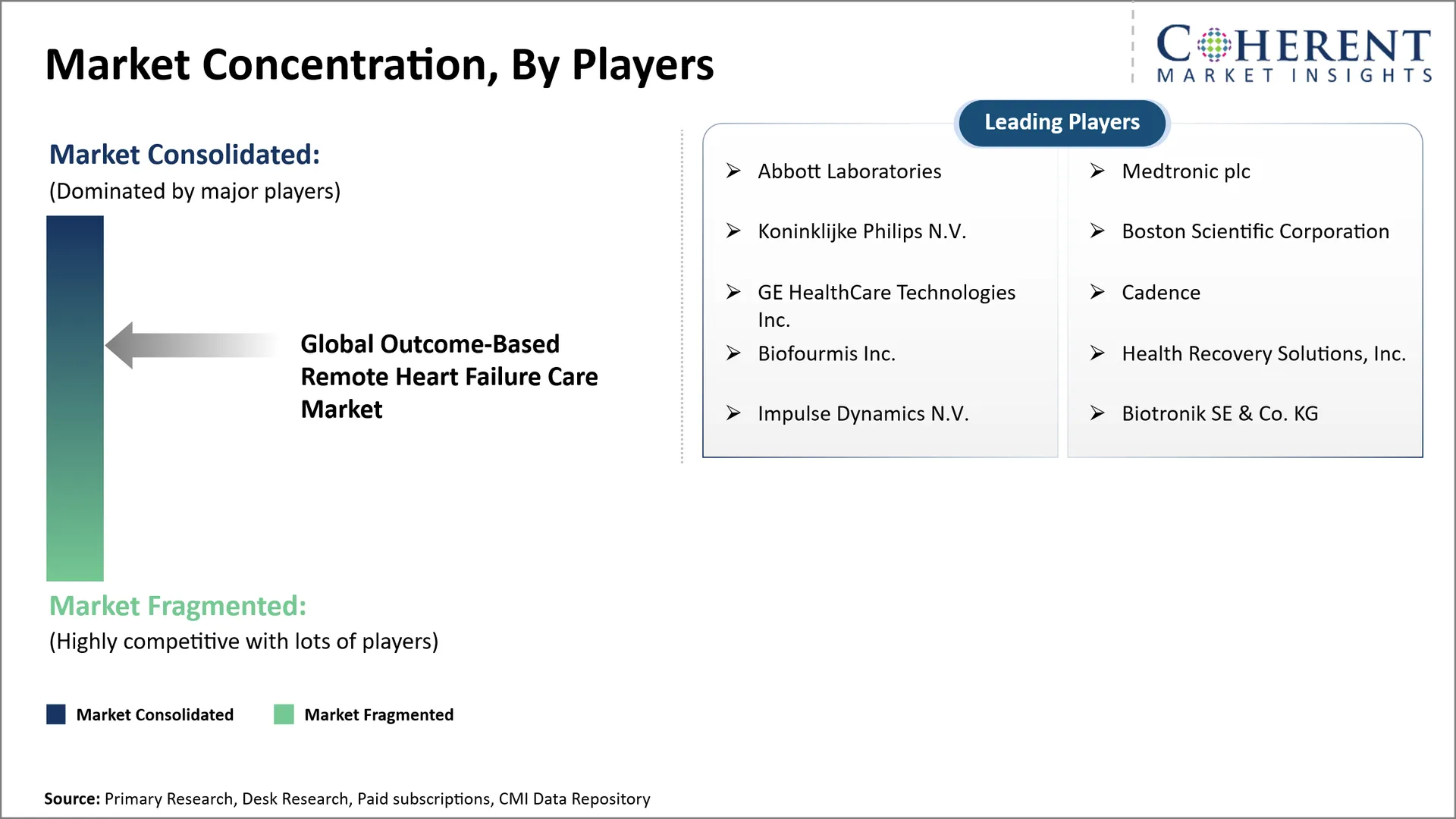
The global outcome-based remote heart failure care market is moderately fragmented, with different categories of technologies and services such as remote monitoring, virtual care, connected devices, and digital disease management. The market is primarily developing owing to the increased adoption of digital healthcare technologies, clinical outcome measurement, capability to monitor the patient, and a transition from hospital-based care to home-based patient-centered and value-based cardiac care.
Key focus areas include
- Continuous remote monitoring and cardiac health surveillance
- Artificial intelligence-enabled predictive analytics and patient risk assessment
- Connected medical devices and wearable monitoring technologies
- Virtual consultations and remote clinical follow-up
- Clinical outcome measurement and performance-based reimbursement
- Patient engagement, medication adherence, and home-based care
Market Report Scope
Global Outcome-Based Remote Heart Failure Care Market Report Coverage | |||
Report Coverage | Details | ||
Base Year | 2025 | Market Size in 2026: | USD 1.78 Bn |
Historical Data For: | 2020 To 2024 | Forecast Period: | 2026 To 2033 |
Forecast Period 2026 To 2033 CAGR: | 16.1% | 2033 Value Projection: | USD 5.10 Bn |
Geographies covered: |
| ||
Segments covered: |
| ||
Companies covered: | Abbott Laboratories, Medtronic plc, Koninklijke Philips N.V., Boston Scientific Corporation, GE HealthCare Technologies Inc., Cadence, Biofourmis Inc., Health Recovery Solutions, Inc., Impulse Dynamics N.V., Biotronik SE & Co. KG | ||
Growth Drivers: |
| ||
Restraints & Challenges: |
| ||
Analyst Opinion (Expert Opinion)
- The future of the global outcome-based remote heart failure care market is expected to see a shift to long term management of cardiac diseases through AI enabled continuous care compared to episodic care at hospitals. The inclusion of virtual clinical visits and the deployment of remote device monitors will help in foreseeing patient deterioration and take the requisite action through an appropriate intervention. Furthermore, outcome-based at home monitoring and care delivery is expected to become a key part of long-term heart failure management.
- The maximum opportunities are foreseen within artificial intelligence-enabled remote monitoring for heart failure management in India and China. This market is promising as the two markets have a high number of patients, a large and growing digital healthcare infrastructure, and a high demand for accessible and affordable cardiac healthcare services. Connected patient monitoring equipment, an early warning system, and virtual hospital follow-up services are expected to have a high adoption rate, particularly among post-discharge and aged heart failure patients.
- Market players need to focus on accelerating development of comprehensive solutions integrating continuous physiological monitoring, artificial intelligence risk prediction, medication adherence, and remote clinical support. More attention is needed to interoperability with hospital information systems, usability, security and cost. Only solutions that can evidence value in terms of improved patient outcomes and reductions in preventable admissions will see long-term success.
Speak to the analyst
Want personalized insights?
Take the findings above to one of our principal consultants, or have the report rebuilt around the segments, geographies and competitors you actually track.
Market Segmentation
- Service Type Insights (Revenue, USD Bn, 2021 - 2033)
- Remote Patient Monitoring and Surveillance
- Virtual Clinical Consultation and Follow-up
- Medication Management and Adherence Support
- Care Coordination and Disease Management
- Technology Type Insights (Revenue, USD Bn, 2021 - 2033)
- Remote Monitoring Devices and Wearables
- Telehealth and Virtual Care Platforms
- AI-Based Predictive Analytics and Decision Support
- Digital Therapeutics and Patient Engagement Platforms
- Care Setting Insights (Revenue, USD Bn, 2021 - 2033)
- Home-Based Care
- Hospital-Based Remote Care
- Ambulatory and Outpatient Care
- Payment Model Insights (Revenue, USD Bn, 2021 - 2033)
- Value-Based Care and Bundled Payments
- Shared Savings and Risk-Based Contracts
- Performance-Based and Outcome-Linked Reimbursement
- End User Insights (Revenue, USD Bn, 2021 - 2033)
- Hospitals and Health Systems
- Specialty Cardiology and Heart Failure Clinics
- Home Healthcare Providers
- Accountable Care Organizations (ACOs) and Value-Based Care Organizations
- Others
- Regional Insights (Revenue, USD Bn, 2021 - 2033)
- North America
- U.S.
- Canada
- Latin America
- Brazil
- Argentina
- Mexico
- Rest of Latin America
- Europe
- Germany
- U.K.
- Spain
- France
- Italy
- Russia
- Rest of Europe
- Asia Pacific
- China
- India
- Japan
- Australia
- South Korea
- ASEAN
- Rest of Asia Pacific
- Middle East
- GCC Countries
- Israel
- Rest of Middle East
- Africa
- South Africa
- North Africa
- Central Africa
- North America
- Key Players Insights
- Abbott Laboratories
- Medtronic plc
- Koninklijke Philips N.V.
- Boston Scientific Corporation
- GE HealthCare Technologies Inc.
- Cadence
- Biofourmis Inc.
- Health Recovery Solutions, Inc.
- Impulse Dynamics N.V.
- Biotronik SE & Co. KG
Sources
Primary Research Interviews
- Heart failure specialists and cardiologists
- Remote patient monitoring programme administrators
- Digital health and telehealth professionals
- Healthcare reimbursement and value-based care specialists
Stakeholders
- Remote patient monitoring technology providers
- Connected medical device and wearable manufacturers
- Telehealth and virtual care platform providers
- AI-based cardiac analytics and digital health solution providers
- End-use Sectors
- Hospitals and health systems
- Specialty cardiology and heart failure clinics
- Home healthcare providers
- Accountable Care Organizations (ACOs)
- Regulatory & Health Bodies
- U.S. Food and Drug Administration (FDA)
- Centers for Medicare & Medicaid Services (CMS)
- European Medicines Agency (EMA)
- World Health Organization (WHO)
Databases
- CDC WONDER
- Global Health Data Exchange (GHDx)
- ClinicalTrials.gov
- WHO Global Health Observatory
Associations
- American Heart Association (AHA)
- American College of Cardiology (ACC)
- Heart Failure Society of America (HFSA)
- European Society of Cardiology (ESC)
Public Domain Sources
- U.S. Centers for Disease Control and Prevention (CDC)
- National Institutes of Health (NIH)
- National Heart, Lung, and Blood Institute (NHLBI)
- NHS England
Proprietary Elements
- CMI Data Analytics Tool
- Proprietary CMI Existing Repository of information for last 10 years.
Get access to 250+ pages report
Every segment, forecast, competitor profile and data table behind the analysis above — available for instant download.
- ESOMAR Member
- ISO 9001:2015 Certified
- D-U-N-S Registered
- GDPR & CCPA Compliant
Frequently Asked Questions
The global outcome-based remote heart failure care market is estimated to be valued at USD 1.78 Bn in 2026 and is expected to reach USD 5.10 Bn by 2033.
Remote patient monitoring and surveillance dominates as it monitors the patient's heart rhythm for a certain period, detects deterioration before it occurs, and intervenes.
Outcome-based remote heart failure management includes remote monitoring of digital cardiac data and offering clinical services such that the focus remains on optimizing outcomes and eliminating inappropriate hospital admissions.
The CAGR of global outcome-based remote heart failure care market is projected to be 16.1% from 2026 to 2033.
Rising prevalence of heart failure and increasing demand for continuous cardiac monitoring, and growing adoption of value-based healthcare models and outcome-linked reimbursement are the major factors driving the growth of the global outcome-based remote heart failure care market.
High implementation costs of connected monitoring devices and digital care platforms, and data privacy concerns and cybersecurity risks associated with remote patient information are the major factors hampering the growth of the global outcome-based remote heart failure care market.
In terms of technology type, remote monitoring devices and wearables are estimated to dominate the market revenue share in 2026.