

Global Pan-RAS Inhibitor Therapeutics Market Size and Forecast – 2026-2033
The global Pan-RAS inhibitor therapeutics market is expected to grow from USD 185.0 Mn in 2026 to USD 1,125.0 Mn by 2033, registering a compound annual growth rate (CAGR) of 29.4% from 2026 to 2033. The global Pan-RAS inhibitor therapeutics market is expected to grow substantially during the forecast period owing to increased RAS mutation-related malignancies such as pancreatic, colorectal, and non-small cell lung cancers.
The growing demand for efficient targeted treatments in oncology was highlighted by the International Agency for Research on Cancer (IARC), which documented approximately 20.6 million new cancer cases worldwide in 2024, with colorectal and lung cancers representing significant shares.
Key Takeaways of the Global Pan-RAS Inhibitor Therapeutics Market
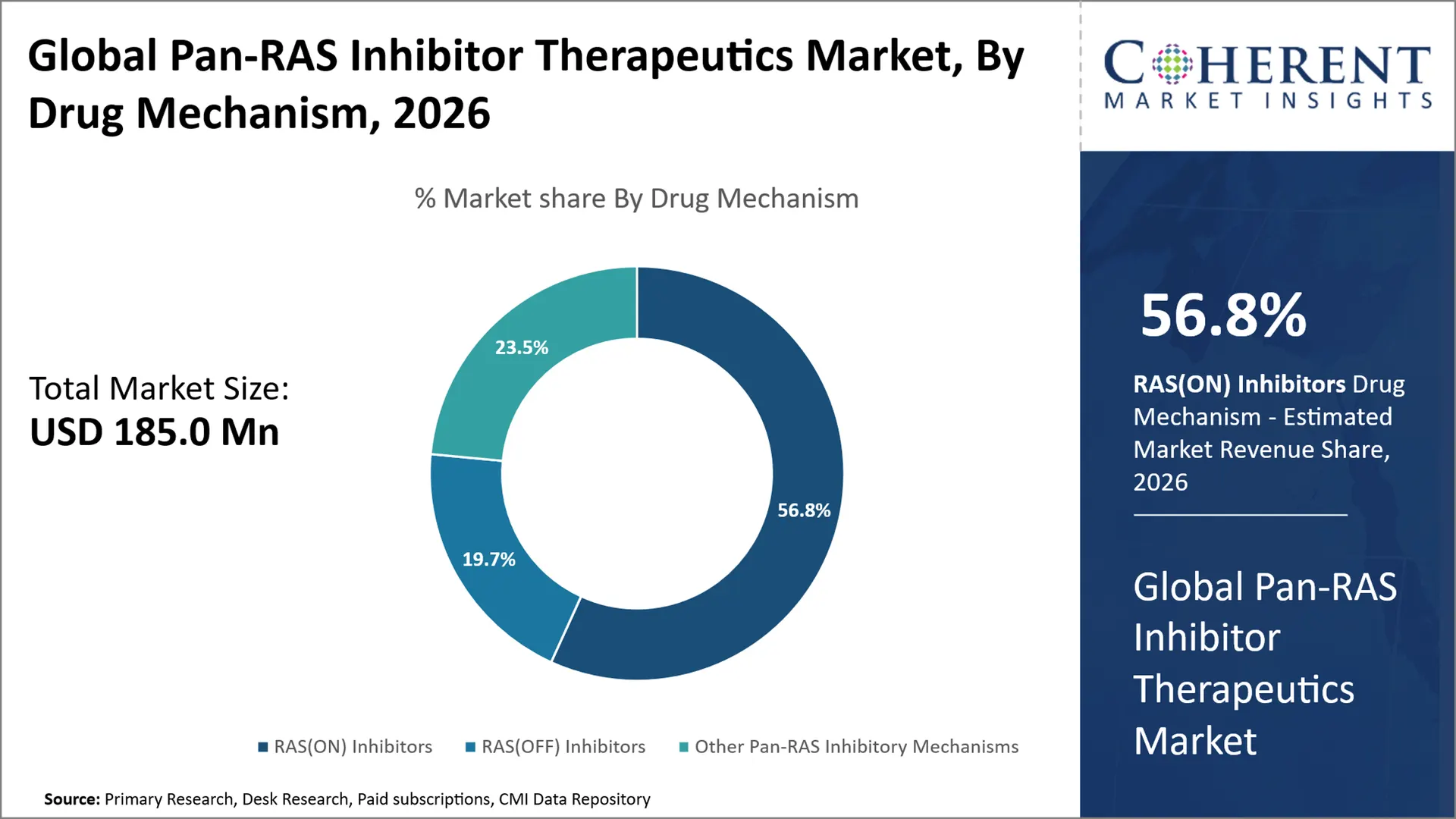
- RAS(ON) Inhibitors are projected to hold 56.8% of the global Pan-RAS inhibitor therapeutics market share in 2026, making it dominant drug mechanism segment, across Asia Pacific driven by the demand for RAS-targeted development and oncology research within China. For instance, China's JYP0015 phase I/II trial is studying an oral Pan-RAS(ON) inhibitor that inhibits KRAS, NRAS and HRAS mutations across several solid tumors.
- Monotherapy is projected to hold 57.6% of the global Pan-RAS inhibitor therapeutics market share in 2026, making it dominant treatment type segment, across Europe as it has robust clinical research ecosystem with an enthusiastic early-stage oncology clinical studies pipeline. For instance, Pan-RAS phase I clinical study (ERAS-0015) of investigational Pan-RAS inhibitor is registered on European Clinical Trials Information System (CTIS) as monotherapy and combination therapy.
- Clinical stage is projected to hold 64.2% of the global Pan-RAS inhibitor therapeutics market share in 2026, making it dominant development type segment, across Asia Pacific attributed to the expansion of oncological trial capabilities and the growing participation in multinational RAS-targeted drug development. For instance, the Japanese clinical trials registry lists an ongoing phase III trial (RASolute 304) testing daraxonrasib in resected pancreatic ductal adenocarcinoma patients which has initiated recruitment in June 2026.
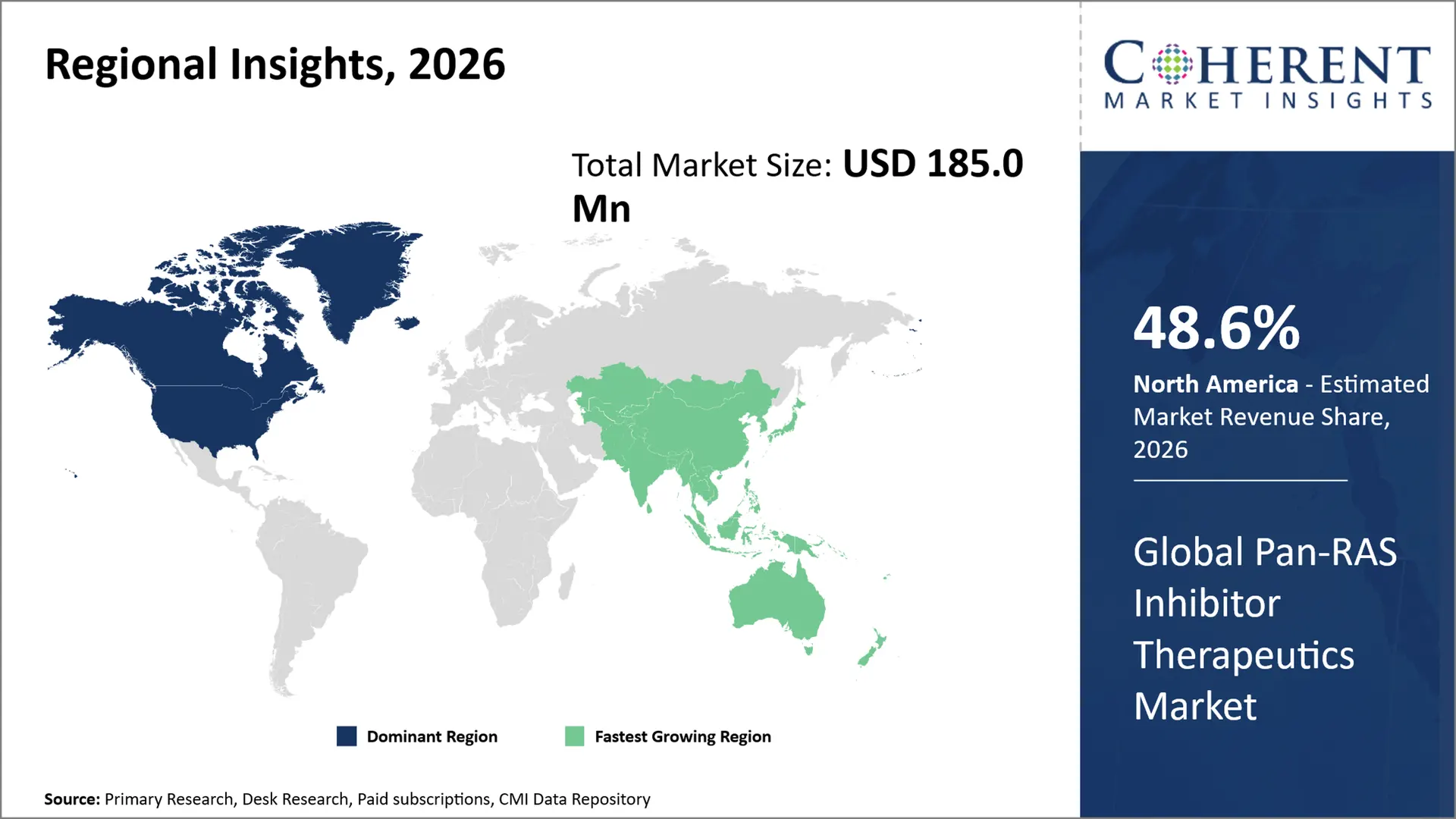
- North America market maintains dominance with an expected share of 48.6% in 2026, primarily driven by the presence of a strong biotech ecosystem, high expenditure for oncology R&D, and established clinical research infrastructure. For instance, the RAS initiative of the U.S. National Cancer Institute promotes research on RAS-driven cancers and therapeutics targeting RAS signaling.
- Asia Pacific is expected to exhibit the fastest growth in the global Pan-RAS inhibitor therapeutics market, registering an estimated CAGR of 19.8% during 2026–2033, attributed to the increase in regional clinical trial activities and the growing focus on research related to pan-RAS targeted therapies. For instance, in August 2026, the Shanghai Institute of Materia Medica revealed that the Pan-RAS inhibitor HZ-V055 had been granted approval by China's NMPA for clinical research related to advanced RAS-mutated solid tumors.
Segmental Insights
Why Do RAS(ON) Inhibitors Dominate the Global Pan-RAS Inhibitor Therapeutics Market?
RAS(ON) inhibitors are projected to hold the market share of 56.8% in 2026, due to their ability to address active RAS proteins and block oncogenic signaling of different RAS isoforms. The expansion in the use of molecular glue technology and rising clinical research will drive the RAS(ON) inhibitors market. For instance, Revolution Medicines received the U.S. FDA approval in August 2026 for its RAS(ON) Inhibitor, RASONQUE (daraxonrasib), a multi-selective RAS(ON) inhibitor indicated for the treatment of patients with metastatic pancreatic cancer who have been previously treated.
- Current Industry Events of 2026
- Market Size Estimation
- Regional Breakdown
- Competitive Landscape
- Customer Intelligence
- Segmental Analysis
- Pricing Analysis
- Key Market Drivers, Challenges & Future Trends
- Customized Insights Section
Why Do Monotherapy Represent the Largest Treatment Type Segment in the Pan-RAS Inhibitor Therapeutics Market?
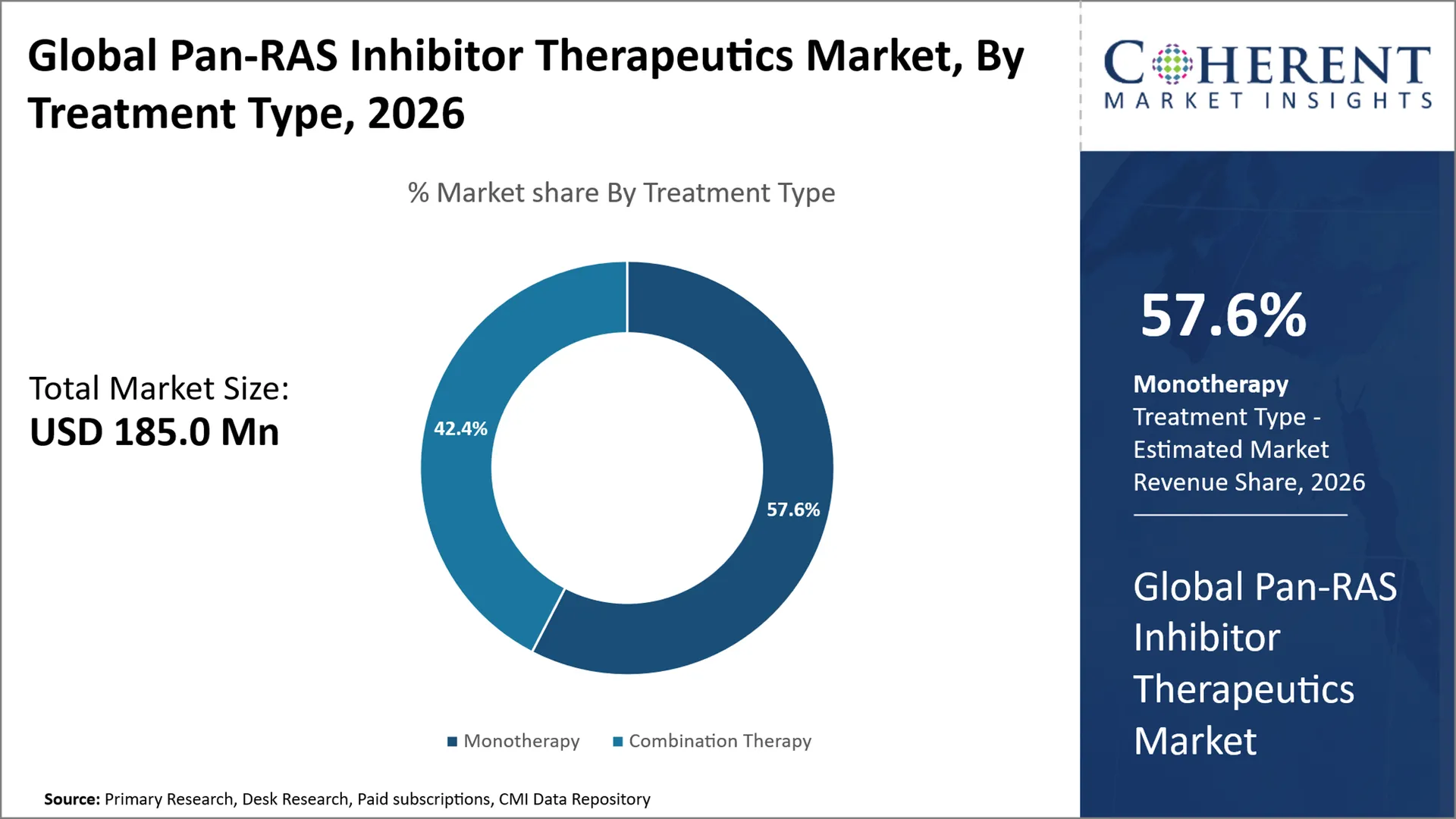
Monotherapy is projected to hold a market share of 57.6% in 2026, attributed to the benefits offered by easier dosing, decreased risk of drug interactions, and easier assessment of treatment responses. In addition, monotherapy helps clinicians to assess the safety and efficacy of Pan-RAS inhibitors before combination regimens are introduced. For instance, RSC-1255 by Ras Cal Therapeutics is under investigation as an oral monotherapy in a Phase I study for advanced cancers. (Source: ClinicalTrials.gov)
Clinical Stage Segment Dominates the Global Pan-RAS Inhibitor Therapeutics Market
The clinical stage segment is projected to hold a market share of 64.2% in 2026, due to rising number of Pan-RAS inhibitor candidates currently undergoing human trials. These studies help determine safety, tolerability, dose range, and preliminary antitumor activity and, in turn, would improve the commercial potential of the pipeline.
Current Events and their Impact
Current Events | Description and its Impact |
U.S. National Cancer Institute Spotlights Progress in RAS-Targeted Cancer Research (October 2026) |
|
U.S. FDA Initiates Expedited Investigational New Drug Pilot Program (September 2026) |
|
Pan-RAS Inhibitor Therapeutics Market Dynamics
Market Drivers
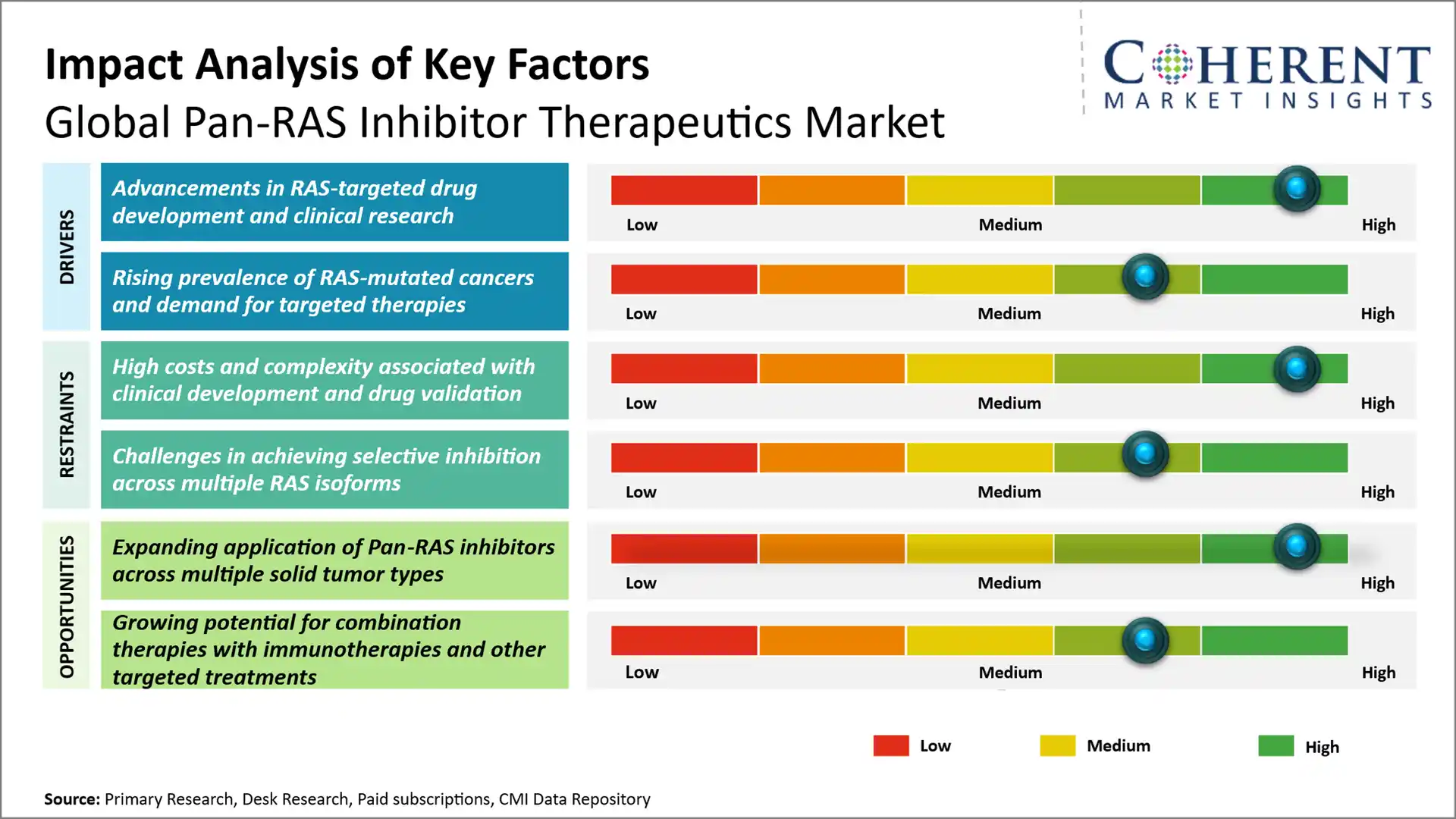
- Advancements in RAS-targeted drug development and clinical research: The advancement of multi-isoform RAS inhibitors is driving clinical investigation and help to advance precision therapeutics for RAS-mutated cancers. For instance, the U.S. National Cancer Institute has an active ongoing Phase I/II clinical trial investigating the safety, tolerability, and efficacy of AN9025, a novel oral Pan-RAS(ON) inhibitor, in patients with advanced and metastatic solid tumors harboring RAS mutations, based in the U.S. as well as China.
- Rising prevalence of RAS-mutated cancers and demand for targeted therapies: The growing number of RAS-mutated cancers has created an unmet need for drugs that could hit more than one RAS isoform. For instance, in May 2020, a study in Cancer Research found that an estimated 19% of all cancer patients globally have RAS mutations, translating to roughly 3.4 million new cases each year, highlighting the potential patient population for Pan-RAS-targeted treatments.
- Growing adoption of precision oncology and genomic profiling: Greater use of tumor genomic testing to identify specific RAS mutation groups is helping to select patients for mutation-directed clinical trials. For instance, in January 2026, the U.S. National Cancer Institute updated its ComboMATCH trial procedures to include use of circulating tumor DNA (ctDNA) sequencing for patient screening, thus making molecularly guided enrollment available for targeted combination therapy trials.
Emerging Trends
- Advancement of RAS(ON) molecular glue inhibitors: The working idea of targeting active RAS proteins using these molecules as molecular glue inhibitors in many isoforms and mutations is a novel concept.
- Impact: These agents will induce RAS proteins to complex with cellular regulatory proteins in order to induce oncogenic signaling. Increased target engagement translates to expanded therapeutic indications in additional RAS-mutated tumor types.
- Market Relevance: The rising investment in molecular glue technology is projected to strengthen the Pan-RAS(ON) inhibitor pipeline. This growth will provide an ample window for developers working on pancreatic, colorectal, and non-small cell lung cancers.
- Growing attention to combination-based Pan-RAS therapies: The combination regimens, which include Pan-RAS inhibitor, are rapidly progressing in the research of pharmaceuticals for the treatment of cancer.
- Impact: Combining RAS inhibition with SHP2, MEK, or checkpoint inhibitors might enable the silencing of compensatory signaling pathways and overcome acquired resistance. These approaches have the potential to improve the durability of responses and broaden the overall applicability of treatments.
- Market Relevance: The combination therapy-driven clinical programs are expected to expand the therapeutic indications for Pan-RAS inhibitors. This is expected to provide incentives to the developers to focus on the development of distinct treatment regimens for the patients with advanced RAS-mutated solid tumors.
Regional Insights
Why is North America a Strong Market for Pan-RAS Inhibitor Therapeutics?
North America leads the global Pan-RAS inhibitor therapeutics market, accounting for an estimated 48.6% share in 2026, due to high healthcare standards, established ecosystem for cancer research, and extensive research and development capabilities in pharmaceutical industry. Moreover, government support through regulatory agencies such as U.S. Food and Drug Administration provide an innovative environment, guidance towards regulations, and review of new targeted therapeutics for the novel targeted therapeutics.
For instance, the Breakthrough Therapy Designation and Fast Track Designation programs by the U.S. Food and Drug Administration offer robust regulatory support, more intensive FDA interaction and potentially more frequent written communication, and a rolling review for promising therapies that meet a serious condition and fulfill an unmet medical need. In addition, collaboration among academia and biotech research centers with clinical trial networks propel the development of the next generation RAS targeting therapeutics, and the high incidence of RAS mutated cancer patients fuels this demand across North America.
Why Does Asia Pacific Pan-RAS Inhibitor Therapeutics Market Exhibit High Growth?
Asia Pacific is expected to exhibit the fastest growth in the global Pan-RAS inhibitor therapeutics market, registering an estimated CAGR of 19.8% during 2026–2033. The region is projected to account for 21.4% of the global market in 2026, due to increased access to healthcare, rising cancer prevalence, and increasing biopharmaceutical R&D investment. Countries like China, Japan, South Korea, and India are strengthening their oncology research capacity. Additionally, government efforts focused on encouraging biotechnology innovation and enacting regulatory changes to shorten drug development and approval timelines further strengthen the region’s growth.
For instance, in October 2025, China’s National Medical Products Administration (NMPA) launches a streamlined clinical trial review process, reducing the review period for eligible innovative drug investigational applications from 60 working days to 30 working days. This enables accelerated clinical development of novel oncology candidates and increases China’s attractiveness for Pan-RAS inhibitor research. Additionally, increase in clinical trials, adoption of precision oncology, and surging regional involvement in the RAS-focused drug development efforts are expected to impact the market positively during the forecast period.
Global Pan-RAS Inhibitor Therapeutics Market Outlook for Key Countries
Why is the U.S. Leading Innovation and Adoption in the Pan-RAS Inhibitor Therapeutics Market?
The U.S. leads innovation and adoption in the Pan-RAS inhibitor therapeutics market owing to presence of single cell biology specialized developers, highly skilled molecular oncology development centers and the presence of active clinical trial development and execution environment. The country has the advantage of synergistic network of pharmaceutical company, cancer research and academic centres and bioresearch and translational research center. The reliable structure of precision oncology provides an environment for next generation innovative RAS targeted therapies.
Is Japan a Favorable Market for Pan-RAS Inhibitor Therapeutics Market?
Japan is a favorable and developing market for Pan-RAS inhibitor therapeutics with a developed infrastructure for oncology research, active research environment, and on the rise, clinical trials evaluating pan-RAS targeted medicines. Japan's high level of molecular oncology, its research centres devoted to cancer, and its skilled medical research professionals create opportunities for clinical development of Pan-RAS inhibitors, as it relates to pancreatic or non-small cell lung cancers.
Is China Emerging as a Key Growth Hub for the Pan-RAS Inhibitor Therapeutics Market?
China is gradually gaining recognition as an important new growth hub for Pan-RAS inhibitor therapeutics market driven by domestically increasing endeavors to develop next-generation RAS targeted candidates. The growth of clinical trials in the oncology setting, increasing collaborations between biotech firms and academic research centers further strengthen market position. Apart from this, the expanding pipeline of Pan-RAS(ON) inhibitors and molecular glue market is expected to propel the market.
Why Does Germany Top the European Pan-RAS Inhibitor Therapeutics Market?
Germany holds a prominent position in the European Pan-RAS inhibitor therapeutics market attributed to its fast-developing ecosystem of translational oncology, presence of specialized cancer research institutes, and the extensive adoption of molecular diagnostic techniques within clinical drug development processes. The presence of a large number of academic institutions such as German Cancer Research Center (DKFZ), German Cancer Consortium (DKTK), National Center for Tumor Diseases (NCT), contributes to the assessment of molecularly targeted therapies and precision cancer treatment approaches in the country. In addition, Germany is notable for its active participation in clinical trials evaluating RAS(ON) inhibitor combinations for RAS mutated non-small cell lung cancer.
Is Pan-RAS Inhibitor Therapeutics Market Developing in UK?
UK is an emerging market for Pan-RAS inhibitor therapeutics through participation in global multicenter clinical trials, the presence of oncology research centers, and the availability of a designated infrastructure for early-stage clinical trials in cancer. High-quality research institutions such as The Royal Marsden, The Christie and University College London Hospitals provide essential clinical capabilities to evaluate early-stage and investigational RAS-targeted therapeutics, especially for pancreatic and other RAS mutated tumors.
Pan-RAS Inhibitor Therapeutics and Their Clinical Development Landscape
Drug candidate | Developer | Drug mechanism | Development stage | Key cancer focus |
Daraxonrasib (RMC-6236) | Revolution Medicines, Inc. | RAS(ON) inhibitor | Phase III | Pancreatic cancer, NSCLC |
ERAS-0015 | Erasca, Inc. | RAS(ON) inhibitor | Phase I | Pancreatic cancer, NSCLC |
AN9025 | Adlai Nortye Ltd. | RAS(ON) inhibitor | Phase I | RAS-driven solid tumors |
RSC-1255 | RasCal Therapeutics, Inc. | Pan-RAS inhibitor | Phase I | Advanced solid tumors |
LUNA018 | Chugai Pharmaceutical Co., Ltd. | RAS(OFF) inhibitor | Phase I | Advanced solid tumors |
Expanding Application of Pan-RAS Inhibitors Across Multiple Solid Tumor Types
How is the expanding application of Pan-RAS inhibitors across multiple solid tumor types creating new growth opportunities in the Pan-RAS inhibitor therapeutics market?
Increasing utilization of Pan-RAS inhibitors for treatment of solid tumors indicates a huge untapped potential for the global Pan-RAS inhibitor therapeutics market. As pan-RAS strategy focuses on cancers other than pancreatic, lung and colorectal, it has a potential to treat RAS-mutated cancers, expanding the potential patient population. For instance, YL-17231, a Pan-RAS inhibitor, is currently being evaluated in a Phase I trial in patients with solid tumors with KRAS/HRAS/NRAS mutations. This study is designed to support broader indications for broader tumor-type applications. (Source: Patient Advocate Foundation)
Market Players, Key Development, and Competitive Intelligence
Key Developments
- In September 2026, Adlai Nortye Group Ltd. reported the first dose administration of AN4035 in Australia is a significant milestone for the global, Phase I clinical trial of AN4035 in CEACAM5-enriched, RAS-Addicted solid tumors. The company has been granted a "Study-May-Proceed" letter by the U.S. Food and Drug Administration to support testing of AN4035 in the U.S., reflecting progress in Pan-RAS(ON) inhibitor-focused cancer therapies and the potential of targeted antibody-drug conjugates.
- In August 2026 Erasca, Inc. announced that the U.S. Food and Drug Administration has granted Fast Track Designation for ERAS-0015, an oral Pan-RAS molecular glue candidate for the treatment of metastatic pancreatic adenocarcinoma. This follows encouraging data from ERAS-0015's phase I clinical activity and is expected to result in more frequent interactions with the FDA during accelerated development. It also announced plans for three potentially registration enabling trials for pancreatic and lung cancer, thus supporting the clinical pipeline for Pan-RAS inhibitor drugs.
Competitive Landscape
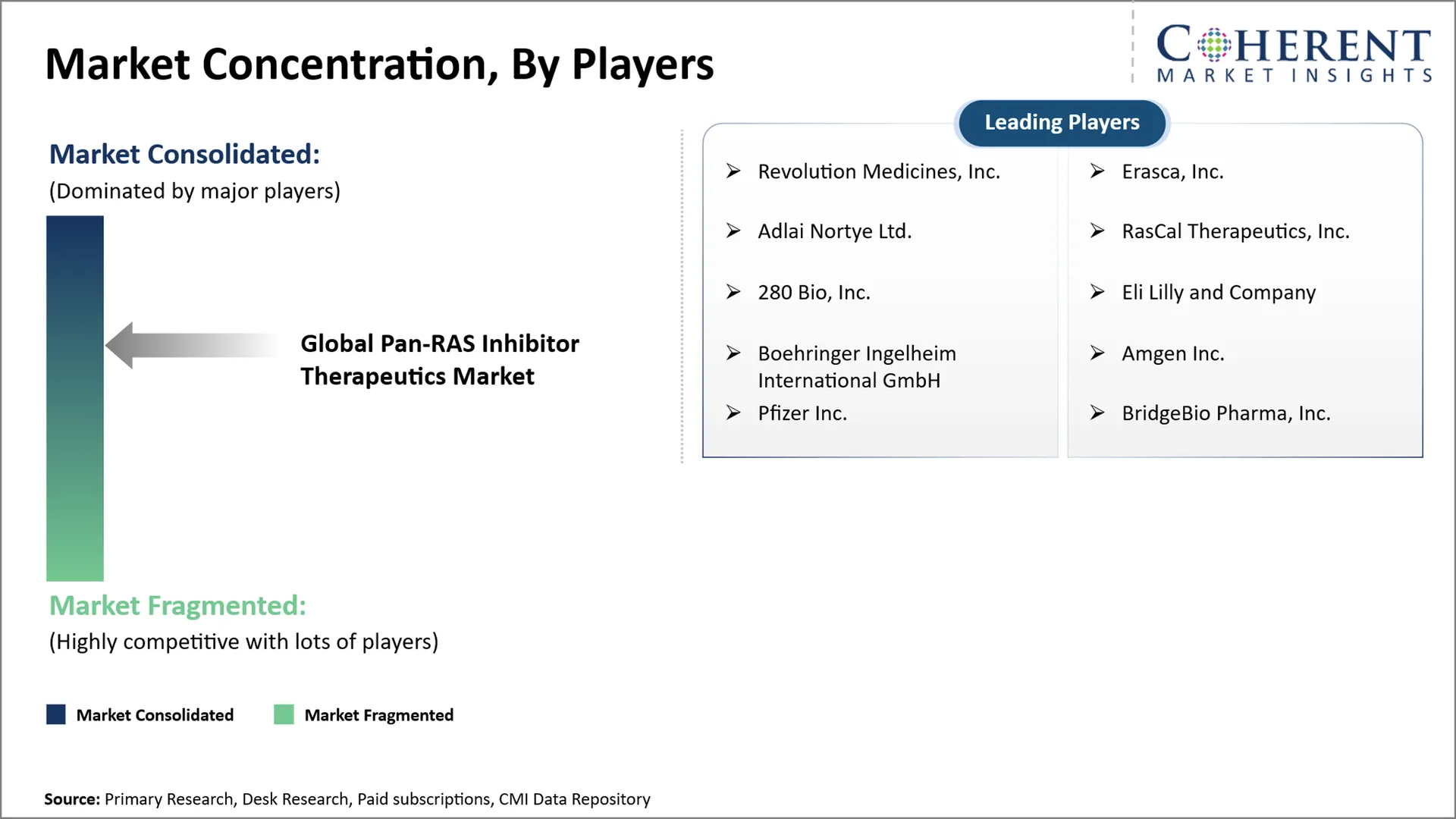
The global Pan-RAS inhibitor therapeutics market is moderately fragmented, with innovation being highly focused. Competition exists among a handful of niche biotechnology players focused on the development of therapies that can target multiple RAS isoforms and/or mutations. The competition is expected to intensify as more candidates emerge from the preclinical stage and enter clinical development.
Key focus areas include
- Development of next-generation Pan-RAS(ON) and Pan-RAS(OFF) inhibitors for pan-RAS(ON) and pan-RAS(OFF), multiple RAS isoforms and mutations.
- Development of molecular glue and allosteric inhibition platforms to pharmacologically block the activity of RAS.
- Broaden the reach of clinical trials into pancreatic, colorectal, non-small cell lung and other RAS-driven cancers.
- Combination therapies, incorporating Pan-RAS inhibitors, chemotherapy, and other targeted therapies, being developed for oncology.
- Enhancement of therapeutic specificity, safety, and response durability to overcome acquired resistance.
- Identification of predictive biomarkers and patients treatments strategies.
Market Report Scope
Global Pan-RAS Inhibitor Therapeutics Market Report Coverage | |||
Report Coverage | Details | ||
Base Year | 2025 | Market Size in 2026: | USD 185.0 Mn |
Historical Data For: | 2020 To 2024 | Forecast Period: | 2026 To 2033 |
Forecast Period 2026 To 2033 CAGR: | 29.4% | 2033 Value Projection: | USD 1,125.0 Mn |
Geographies covered: |
| ||
Segments covered: |
| ||
Companies covered: | Revolution Medicines, Inc., Erasca, Inc., Adlai Nortye Ltd., RasCal Therapeutics, Inc., 280 Bio, Inc., Eli Lilly and Company, Boehringer Ingelheim International GmbH, Amgen Inc., Pfizer Inc., BridgeBio Pharma, Inc. | ||
Growth Drivers: |
| ||
Restraints & Challenges: |
| ||
Analyst Opinion (Expert Opinion)
- The future of the global Pan-RAS inhibitor therapeutics market will be characterized by transition from mutation-specific RAS inhibitors to novel pan-RAS inhibitors targeting multiple RAS isoforms. Increasingly clinical validation of Pan-RAS(ON) and Pan-RAS(OFF) strategies will further advance the therapeutic paradigm. In addition, combination regimens and molecular glue therapeutic strategy may emerge as key optimizers of durability and resistance in patients with advanced solid tumors.
- The greatest potential is expected for Pan-RAS(ON) inhibitors in pancreatic cancer, especially in the U.S. and China. RAS-mutated pancreatic tumours are an unmet medical need, so the ability to target multiple RAS variants provides a route for these therapies. Opportunities will also exist beyond pancreatic cancer in colorectal and NSCLC cancers, where pan-RAS inhibitors may have utility in larger patient populations than mutation-specific therapies.
- In order to gain a competitive advantage market players should focus on developing differentiated inhibitor strategies that offer a strong breadth of RAS targeting that are safe enough to move into the clinic. Strong clinical evidence can be achieved with combination therapies, biomarker-driven clinical trials and patient stratification. Other considerations will include alliance with pharma partners and CROs, scaling manufacturing capacity and focusing on programs that have a clear pathway to regulatory approval and commercialization.
Speak to the analyst
Want personalized insights?
Take the findings above to one of our principal consultants, or have the report rebuilt around the segments, geographies and competitors you actually track.
Market Segmentation
- Drug Mechanism Insights (Revenue, USD Mn, 2021 - 2033)
- RAS(ON) Inhibitors
- RAS(OFF) Inhibitors
- Other Pan-RAS Inhibitory Mechanisms
- Treatment Type Insights (Revenue, USD Mn, 2021 - 2033)
- Monotherapy
- Combination Therapy
- Development Stage Insights (Revenue, USD Mn, 2021 - 2033)
- Clinical Stage
- Preclinical Stage
- Cancer Type Insights (Revenue, USD Mn, 2021 - 2033)
- Pancreatic Cancer
- Non-Small Cell Lung Cancer (NSCLC)
- Colorectal Cancer
- Others
- Regional Insights (Revenue, USD Mn, 2021 - 2033)
- North America
- U.S.
- Canada
- Latin America
- Brazil
- Argentina
- Mexico
- Rest of Latin America
- Europe
- Germany
- U.K.
- Spain
- France
- Italy
- Russia
- Rest of Europe
- Asia Pacific
- China
- India
- Japan
- Australia
- South Korea
- ASEAN
- Rest of Asia Pacific
- Middle East
- GCC Countries
- Israel
- Rest of Middle East
- Africa
- South Africa
- North Africa
- Central Africa
- North America
- Key Players Insights
- Revolution Medicines, Inc.
- Erasca, Inc.
- Adlai Nortye Ltd.
- RasCal Therapeutics, Inc.
- 280 Bio, Inc.
- Eli Lilly and Company
- Boehringer Ingelheim International GmbH
- Amgen Inc.
- Pfizer Inc.
- BridgeBio Pharma, Inc.
Sources
Primary Research Interviews
- Medical oncologists specializing in RAS-mutated cancers
- Clinical investigators involved in Pan-RAS inhibitor trials
- Oncology drug-development researchers and molecular biologists
- Pharmaceutical R&D experts specializing in targeted cancer therapeutics
Stakeholders
- Pan-RAS inhibitor drug developers
- Biotechnology companies developing RAS-targeted therapeutics
- Pharmaceutical companies specializing in precision oncology
- Contract research organizations (CROs) and clinical trial service providers
- End-use Sectors
- Hospitals and comprehensive cancer centers
- Specialty oncology clinics
- Academic medical centers and cancer research institutions
- Clinical trial and early-phase oncology research centers
- Regulatory & Health Bodies
- U.S. Food and Drug Administration (FDA)
- Central Drugs Standard Control Organisation (CDSCO), India
- European Medicines Agency (EMA)
- National Medical Products Administration (NMPA), China
Databases
- ClinicalTrials.gov
- WHO International Clinical Trials Registry Platform (ICTRP)
- National Cancer Institute (NCI) Clinical Trials Search
- Chinese Clinical Trial Registry (ChiCTR)
Associations
- American Society of Clinical Oncology (ASCO)
- American Association for Cancer Research (AACR)
- European Society for Medical Oncology (ESMO)
- International Association for the Study of Lung Cancer (IASLC)
Public Domain Sources
- U.S. Food and Drug Administration (FDA)
- National Cancer Institute (NCI)
- National Institutes of Health (NIH)
- World Health Organization (WHO)
Proprietary Elements
- CMI Data Analytics Tool
- Proprietary CMI Existing Repository of information for last 10 years.
Get access to 250+ pages report
Every segment, forecast, competitor profile and data table behind the analysis above — available for instant download.
- ESOMAR Member
- ISO 9001:2015 Certified
- D-U-N-S Registered
- GDPR & CCPA Compliant
Frequently Asked Questions
The global Pan-RAS inhibitor therapeutics market is estimated to be valued at USD 185.0 Mn in 2026 and is expected to reach USD 1,125.0 Mn by 2033.
RAS(ON) inhibitors dominate the market due to their ability to target active RAS isoforms, and mutations, across a range of RAS proteins.
Pan-RAS inhibitor therapeutics are targeted cancer drugs that are designed to inhibit different members of RAS (KRAS, NRAS, HRAS) in order to block the signaling pathways that lead to the growth of the cancer.
The CAGR of global Pan-RAS inhibitor therapeutics market is projected to be 29.4% from 2026 to 2033.
Advancements in RAS-targeted drug development and clinical research, and rising prevalence of RAS-mutated cancers and demand for targeted therapies are the major factors driving the growth of the global Pan-RAS inhibitor therapeutics market.
High costs and complexity associated with clinical development and drug validation, and challenges in achieving selective inhibition across multiple RAS isoforms are the major factors hampering the growth of the global Pan-RAS inhibitor therapeutics market.
In terms of treatment type, monotherapy is estimated to dominate the market revenue share in 2026.