
Pancreatic Cancer Treatment Market Size and Share Analysis – 2026 To 2033
The global Pancreatic Cancer Treatment Market size is estimated to be valued at USD 4.3 Bn in 2026 and is expected to reach USD 12.6 Bn by 2033, exhibiting a compound annual growth rate (CAGR) of 16.6% from 2026 to 2033. The growing incidence of pancreatic cancer, the rising demand for effective targeted and immunotherapies, the growing use of combination chemotherapy regimens, and advances in precision oncology and molecular diagnostics are key growth drivers. According to the National Cancer Institute (NCI), pancreatic cancer treatments may include surgery, chemotherapy, radiation therapy, targeted therapy, or clinical trials testing new treatments.
Key Takeaways of the Global Pancreatic Cancer Treatment Market (2026–2033)
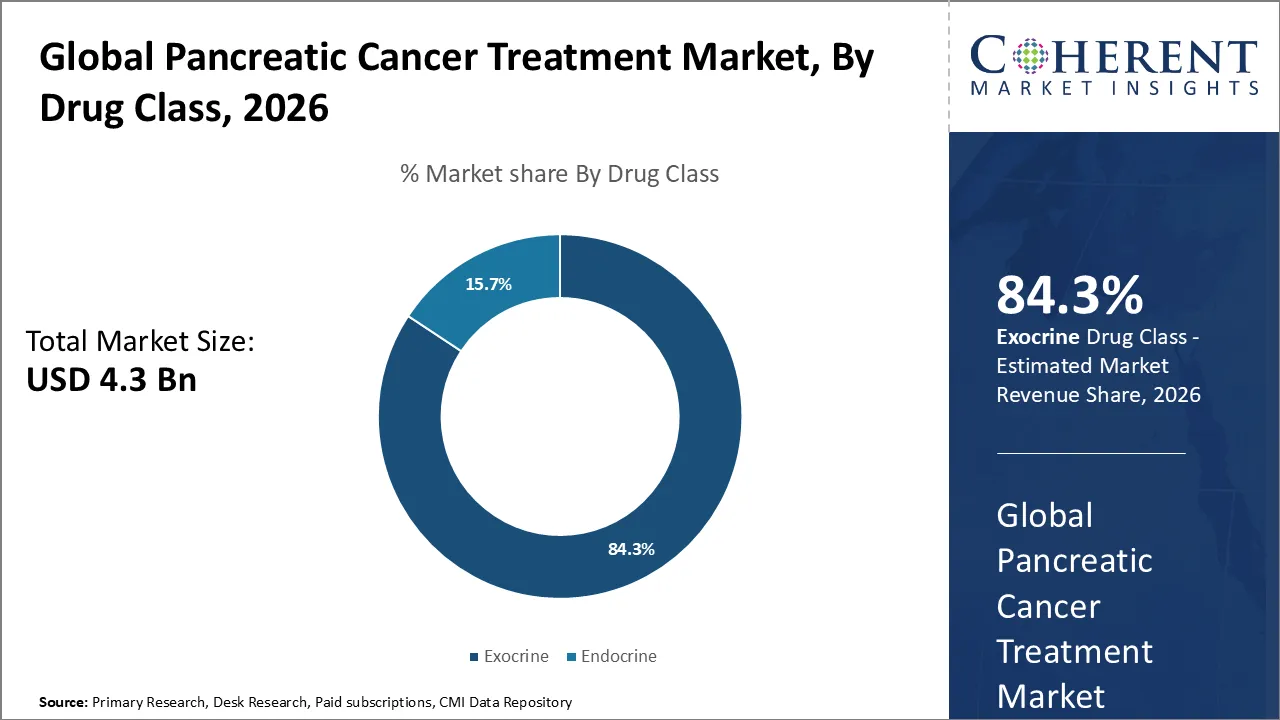
- The Exocrine segment is expected to account for the largest share of the global pancreatic cancer treatment market, with 84.3% market share in 2026. The increasing incidences of pancreatic ductal adenocarcinoma (PDAC) and growing demand for chemotherapy and targeted therapy are driving the growth of the market. In a February 20, 2026, report in Nature Reviews Drug Discovery, exocrine tumors account for approximately 90-95% of pancreatic cancer cases, highlighting the high clinical burden of this cancer type
- The Hospital Pharmacies segment is anticipated to hold a share of around 52.0% in the market by 2026, thereby leading the distribution channel. This segment is being propelled by the increasing administration of complex chemotherapy regimens, requirement for specialist oncology supervision and availability of advanced cancer care infrastructure. Two common chemotherapy combinations for pancreatic cancer are FOLFIRINOX and gemcitabine plus nab-paclitaxel, the U.S. National Cancer Institute says. This underscores the significance of specialized oncology treatment centers.
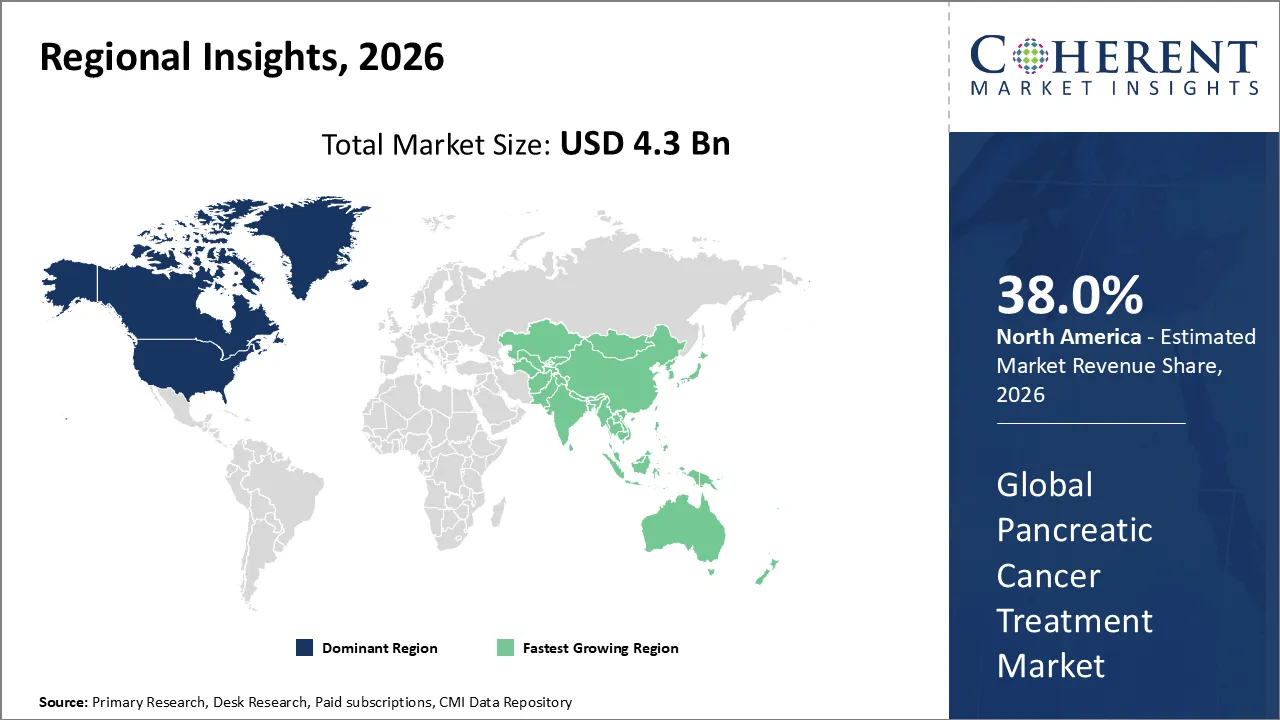
- North America is anticipated to hold the largest share of the global pancreatic cancer treatment market by 2026, contributing to around 38.0% of the total global revenue. The region’s dominance is driven by high spending on oncology treatment, availability of state-of-the-art therapies, existing cancer treatment facilities and continued pharmaceutical research. According to the American Cancer Society’s Cancer Facts & Figures 2026, pancreatic cancer has a 5-year relative survival rate of approximately 13% in the United States, highlighting the critical unmet need for more effective therapies.
- Asia Pacific (APAC) in the requested segmentation, comprising of East Asia and South Asia and Oceania is projected to be the fastest growing regional market during 2026-2033. The regional expansion is attributed to the rising incidence of pancreatic cancer, increasing access to oncology care, and growing adoption of advanced treatment options. Eastern Asia had the most new cases of pancreatic cancer in 2022 among the United Nations subregions, with an estimated 177,069 cases, according to a study in the Journal of Global Health in September 2026.
Segmental Insights
Why Does the Exocrine Segment Dominate the Global Pancreatic Cancer Treatment Market?
By 2026, the exocrine segment is expected to account for 84.3% of the global pancreatic cancer treatment market. The segment is primarily attributed to the high prevalence of pancreatic ductal adenocarcinoma (PDAC), increasing use of chemotherapy, and advances in targeted therapy and combination treatment regimens. The vast majority of pancreatic cancers are exocrine pancreatic cancers, creating large demand for specialized treatment services and oncology drugs. The U.S. National Cancer Institute (NCI) states that the majority of pancreatic cancers (95% in 2026) are derived from the exocrine cells (PDAC alone accounts for 90% of pancreatic cancer cases). The clinical burden is high with the American Cancer Society estimating roughly 67,530 new cases of pancreatic cancer and 52,740 deaths in the United States in 2026.
On April 9, 2025, the European Society for Medical Oncology (ESMO), released updated clinical practice guidelines for metastatic pancreatic cancer with the NALIRIFOX chemotherapy regimen and updated recommendations for first- and second-line treatment. The update underscores ongoing progress in systemic therapies for pancreatic adenocarcinoma, which enhances adoption of treatment in the exocrine segment
- Current Industry Events of 2026
- Market Size Estimation
- Regional Breakdown
- Competitive Landscape
- Customer Intelligence
- Segmental Analysis
- Pricing Analysis
- Key Market Drivers, Challenges & Future Trends
- Customized Insights Section
Why Does the Hospital Pharmacies Segment Dominate the Global Pancreatic Cancer Treatment Market?
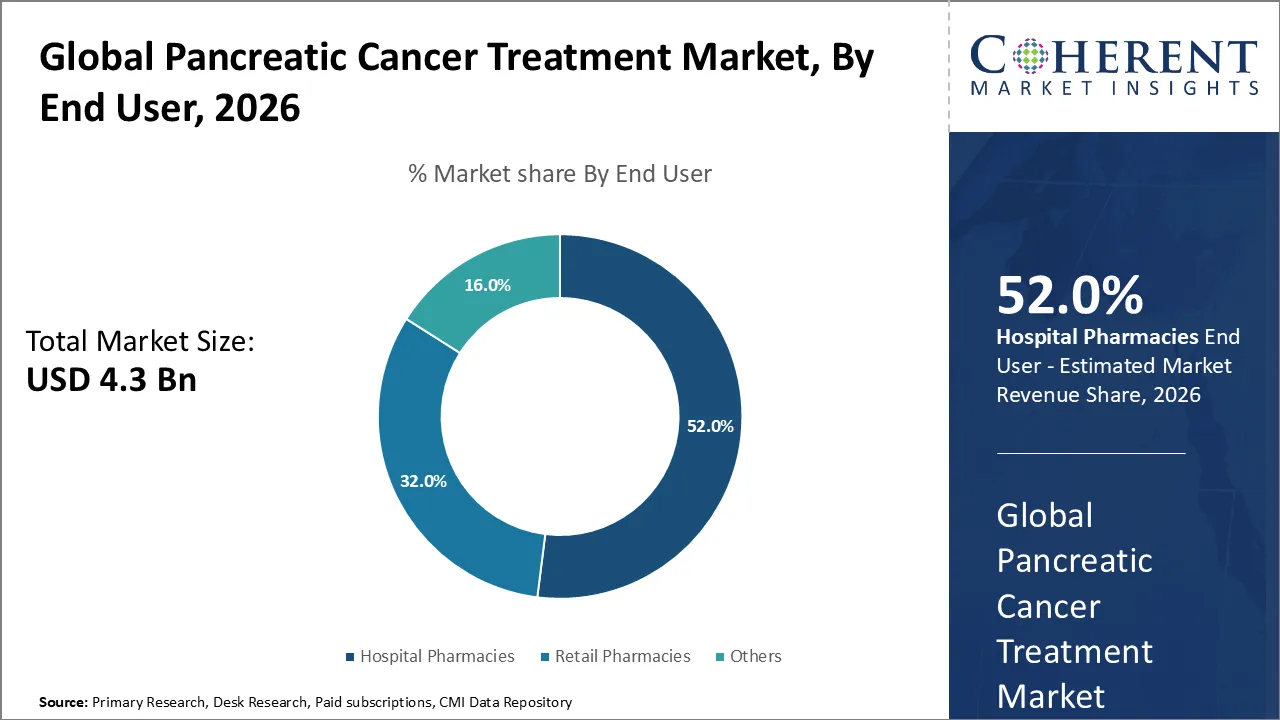
The hospital pharmacies segment is expected to hold a global pancreatic cancer treatment market share of approximately 52.0% in 2026. Hospital pharmacies are important in the distribution and management of chemotherapy, specific therapies, supportive oncology medication and complex intravenous treatment protocols. The segment is driven by the rising prevalence of pancreatic cancer patients requiring multidisciplinary oncology care, specialized drug preparation, and hospital-based treatment administration. UnitedHealth Group said in April 2026 that about 60% of commercially insured cancer patients treated with administered drugs in the United States in 2024 were treated in hospital settings, up 9 percentage points from 2018. The trend points to the need for infrastructure for the treatment of oncology in hospitals.
On February 13, 2024, the U.S. Food and Drug Administration (FDA) approved liposomal irinotecan in combination with oxaliplatin, fluorouracil and leucovorin for the first-line treatment of metastatic adenocarcinoma of the pancreas. This approval was based on the NAPOLI 3 clinical trial which enrolled 770 patients. The protocol requires timed IV infusions, emphasizing the role of hospital pharmacies and specialized oncology infusion centers in the delivery of complex pancreatic cancer treatments.
Current Events and Their Impact on the Pancreatic Cancer Treatment Market
Current Event | Description and its Impact |
European Medicines Agency Advances Expedited Review of Pancreatic Cancer Therapy (2026) |
|
European Medicines Agency Advances Expedited Review of Pancreatic Cancer Therapy (2026) |
|
Pancreatic Cancer Treatment Market Dynamics
Market Drivers
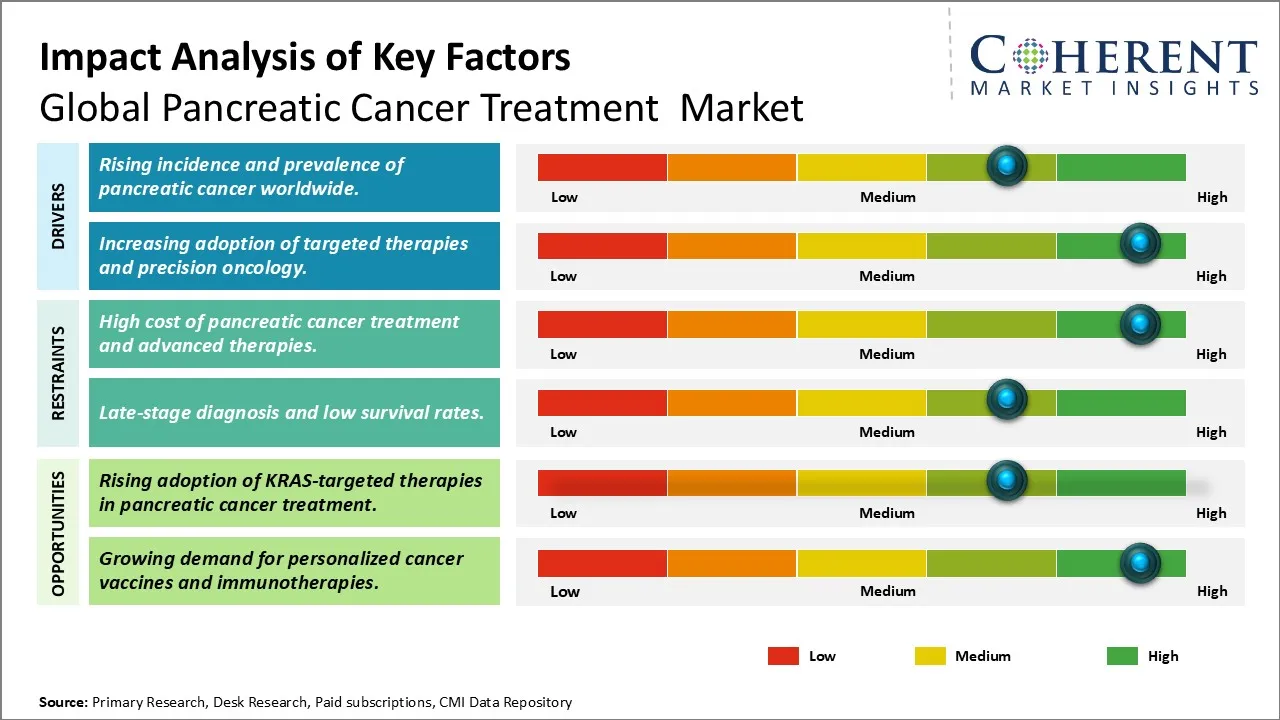
- The rising incidence and high mortality burden of pancreatic cancer: The increasing incidence of pancreatic cancer worldwide is fueling the demand for advanced treatment options. The incidence is rising in aging populations, and mortality rates are high, while curative treatment options are limited, creating a great need for chemotherapy, specific therapies, and novel combination treatments. Pancreatic cancer is often diagnosed at an advanced stage and thus requires systemic therapy for disease control. Also, the rising number of patients requiring specialized oncology care is leading to the utilization of hospital-based chemotherapy and supportive medications.
- The American Cancer Society issued its statistics on cancer for the year 2026 in January 2026. In 2026, it projected 67,530 new cases of pancreatic cancer and 52,740 deaths from the disease in the U.S. Pancreatic cancer represents approximately 3.2% of all new cancer cases diagnosed and 8.4% of deaths from cancer in the nation, highlighting the need for better therapies.
- Increasing use of targeted treatments and advances in precision oncology: Growing development and uptake of specialized therapies are fueling the growth of the global pancreatic cancer treatment market. The pharmaceutical companies are looking for ways to treat specific changes in molecules, in particular mutations of a molecule known as KRAS, which are very common in pancreatic cancer. Advances in genomic profiling, biomarker-guided treatment selection and combination therapy development are broadening the therapeutic landscape beyond traditional chemotherapy.
- Rasonque (daraxonrasib) was approved by the U.S. Food and Drug Administration on August 26, 2026, for the treatment of adults with metastatic pancreatic adenocarcinoma who have received prior systemic therapy or who are not candidates for multiagent systemic therapy. Rasonque is manufactured by Revolution Medicines. The approval was based on the 500-patient RASolute 302 clinical trial, in which median overall survival was 13.2 months with daraxonrasib versus 6.7 months with standard chemotherapy.
Pancreatic Cancer Treatment Market Trends
- The treatment landscape of pancreatic cancer is changing with the introduction of precision oncology and targeted therapies targeting KRAS, and more effective biomarker-driven treatments are being developed. The U.S. National Cancer Institute (NCI) states that more than 90% of pancreatic cancers contain mutations in the KRAS gene, and inhibiting KRAS is a key focus of drug development efforts. On August 26, 2026, Daraxonrasib (Rasonque) Approved by U.S. FDA An important step in precision oncology with a RAS-targeted therapy for previously treated metastatic pancreatic cancer.
- Emerging personalized cancer vaccines and immunotherapies provide an opportunity for next generation pancreatic cancer therapies. Researchers are studying mRNA-based neoantigen vaccines, combinations of immune checkpoints and novel immune-targeting strategies to improve treatment responses. On January 9, 2026, a study published in Nature Reviews Gastroenterology & Hepatology reported durable immune responses in patients with resected pancreatic adenocarcinoma associated with personalized RNA-lipoplex vaccines, but larger randomized studies are still needed.
- Combination chemotherapy and multimodal treatment strategies are increasingly being used and are helping to advance treatment for pancreatic cancer in various stages. Patients have better treatment options now with combinations of multiple agents of chemotherapy, and surgery and radiation therapy when applicable. And the NCI’s updated overview of pancreatic cancer research in 2026 highlights the promise of combining KRAS inhibitors with chemotherapy to attack multiple pathways that contribute to tumor growth and resistance.
Regional Insights
Why Does North America Dominate the Global Pancreatic Cancer Treatment Market?
North America is projected to lead the global pancreatic cancer treatment market, accounting for approximately 38.0% of global revenue in 2026. The leadership of the region is driven by advanced infrastructure for oncology, higher spending on treatment, robust pharmaceutical research capabilities and growing adoption of combination chemotherapy and precision oncology. In the United States, networks of specialized cancer treatment centers have been developed that provide access to novel drugs, molecular diagnostics, and multidisciplinary care.
The U.S. National Cancer Institute SEER statistics show that about 51% of pancreatic cancer is diagnosed with distant metastasis, and only 15% is diagnosed at the localized stage. The figures underscore the high demand for complex treatment regimens and systemic therapies. Also, the FDA-approved NALIRIFOX regimen yielded median overall survival of 11.1 months versus 9.2 months with gemcitabine plus nab-paclitaxel, reaffirming the continued application of advanced combination therapies in the region.
Why Does the Asia Pacific Pancreatic Cancer Treatment Market Exhibit High Growth?
Asia Pacific, comprising East Asia and South Asia and Oceania, is expected to exhibit the fastest growth during 2026–2033. The regional growth is being aided by rising investments in healthcare, growing access to cancer medicines, increasing adoption of multimodal treatment approaches and expansion of specialized oncology facilities. Clinical research and better access to therapies are boosting cancer management capabilities in countries like China, Japan, India and South Korea.
According to the National Cancer Center Japan’s Cancer Statistics 2026, it was estimated that there would be about 42,300 deaths caused by pancreatic cancer in Japan in 2025, indicating the great demand for effective therapies. In a 2025 study published in Cancer Letters of 3,268 treated patients at a high-volume cancer center in China, the median overall survival was 18.5 months and the five-year survival rate was 23.3%. This brings to light the need for standardized multi-modality treatment for improved patient outcomes.
Global Pancreatic Cancer Treatment Market Outlook for Key Countries
Why is the U.S. Emerging as a Major Hub in the Pancreatic Cancer Treatment Market?
The U.S. pancreatic cancer treatment market is driven by sophisticated oncology infrastructure, growing uptake of precision medicine, strong pharmaceutical research capabilities and availability of novel chemotherapy and targeted treatments. There are dedicated cancer centers and a solid regulatory framework for clinical trials and the commercialization of new treatments. Increasingly, pharmaceutical companies are developing KRAS targeted treatments, personalized cancer vaccines and combination regimens to improve survival outcomes. Pancreatic cancer is projected to account for about 8.4% of all cancer deaths in the U.S. in 2026, according to the U.S. National Cancer Institute’s SEER statistics. Poor survival outcomes are driving investment in new drugs, biomarker-based treatment selection and advanced oncology care.
Is China the Next Growth Engine for the Pancreatic Cancer Treatment Market?
China's pancreatic cancer treatment market is supported by its vast patient pool, growing oncology infrastructure, increased access to cancer therapies, and rising domestic pharmaceutical innovation. Chinese biotech companies are increasingly pursuing clinical development of specialty therapies, in particular KRAS inhibitors, while hospitals are building up molecular testing capabilities to support precision oncology. A peer-reviewed study Cancer Incidence and Mortality in China, 2024, published in 2026, estimated 122,597 new cases of pancreatic cancer in China in 2024, which resulted in an age-standardized incidence rate of 4.32 per 100,000 population in 2024.
Germany Pancreatic Cancer Treatment Market Analysis and Trends
Germany's pancreatic cancer treatment market is driven by advanced hospital infrastructure, specialized oncology centers, increasing investment in clinical research, and strong government-backed cancer research initiatives. The country is developing cooperative efforts between academic institutions, research hospitals, and pharmaceutical developers to improve pancreatic cancer treatment strategies. The German Cancer Aid organization announced on 18 February 2026 three major research projects within the German Pancreatic Cancer Alliance, awarding total funding of roughly €33.5 million over five years. The goal of this initiative is to improve treatment outcomes through innovative research, collaborative clinical development, and a better understanding of the biology of pancreatic tumors.
U.K. Pancreatic Cancer Treatment Market Analysis and Trends
The U.K. pancreatic cancer treatment market is driven by increasing demand for superior oncology care, National Health Service treatment infrastructure, continued clinical research and efforts to improve access to innovative cancer medicines. The NHS and specialist cancer centers are concentrating on earlier diagnosis, multi-disciplinary treatment and better access to systemic therapies. Latest figures from Cancer Research UK show around 45% of people diagnosed with pancreatic cancer in England in 2019 were diagnosed after attending as an emergency. This points to the issues with late diagnosis and the need for better treatment pathways.
Japan Pancreatic Cancer Treatment Market Analysis and Trends
The Japanese pancreatic cancer treatment market is driven by factors such as aging population, significant pancreatic cancer burden, advanced healthcare infrastructure and growing interest in molecularly targeted treatments. The country has a very mature oncology research ecosystem with specialized cancer hospitals and academic institutions which are conducting clinical research on new chemotherapy combinations and precision oncology. According to Cancer Statistics 2026 by the National Cancer Center Japan, the estimated number of pancreatic cancer deaths in Japan in 2025 was approximately 42,300 (20,900 men and 21,400 women). In 2025, pancreatic cancer was projected to be the third most frequent cause of cancer mortality in Japanese women.
How Are Advancements in Personalized Cancer Vaccines Creating New Growth Opportunities in the Pancreatic Cancer Treatment Market?
The increasing development of personalized cancer vaccines is likely to provide substantial growth prospects in the global pancreatic cancer treatment market. Pharmaceutical and biotechnology companies are exploring the use of mRNA-based neoantigen vaccines, KRAS-targeted vaccines and combination immunotherapies to enhance immune responses and reduce cancer recurrences post-surgery. These therapies aim to stimulate the immune system to recognize tumor-specific mutations, potentially overcoming some of the limitations of traditional chemotherapy. The advancement of genome sequencing, personalized vaccine manufacturing and immune monitoring are also driving investment in next-generation cancer drugs.
For instance, on April 19, 2026, Memorial Sloan Kettering Cancer Center posted updated data from a Phase 1 clinical trial of personalized mRNA vaccine autogene cevumeran, developed by BioNTech and Genentech. The study involved 16 patients who had surgery for pancreatic cancer. Up to six years after their last treatment, almost 90% of patients who mounted an immune response to the vaccine were still alive.
Market Players, Key Development, and Competitive Intelligence
Key Developments
- In October 2026, AstraZeneca announced that its partnered pan-KRAS inhibitor program with Jacobio Pharma was under evaluation in Phase I trials in patients with advanced solid tumors with KRAS alterations (including pancreatic ductal adenocarcinoma [PDAC]).
- In May 2026, Pfizer announced a global collaboration with Innovent Biologics to research and develop 12 early-stage oncology medicines including antibody-drug conjugates and multispecific antibodies.
Competitive Landscape
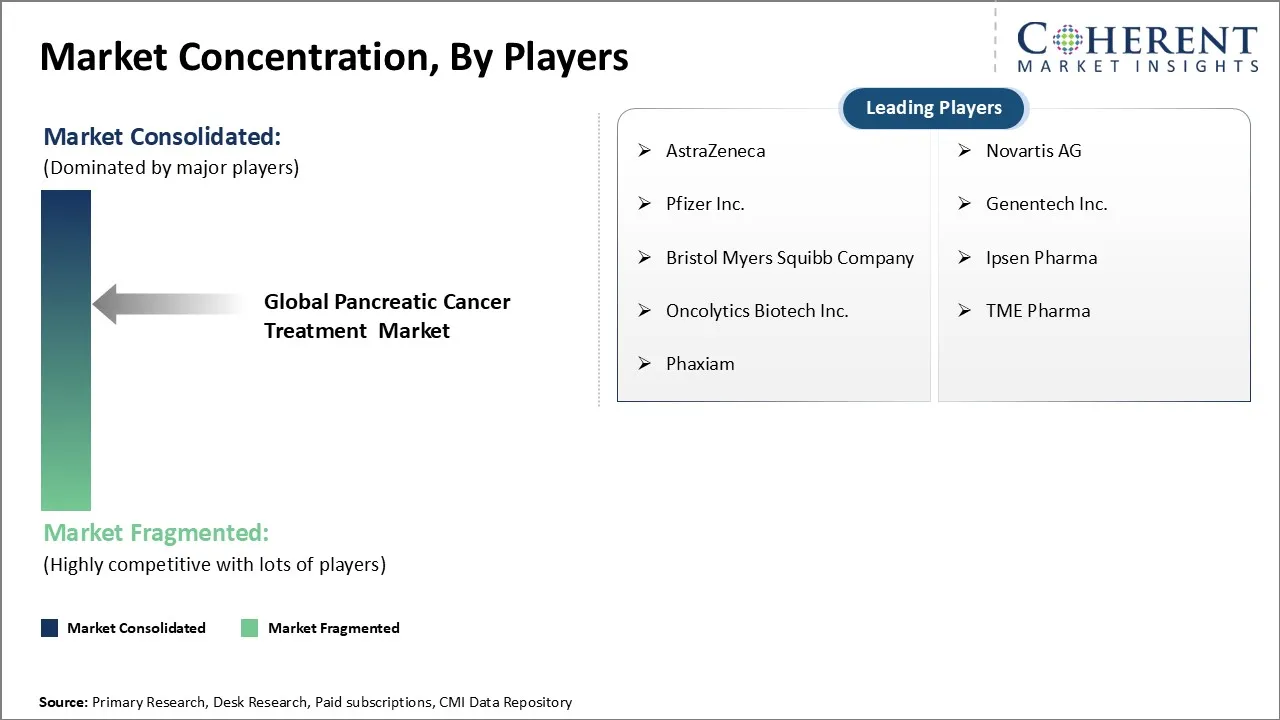
The global pancreatic cancer treatment market is marked by fierce competition between existing pharmaceutical companies and new biotechnology companies concentrating on innovative chemotherapy regimens, targeted treatments, immunotherapies, and precision oncology. Onivyde (liposomal irinotecan) is also a key component of Ipsen’s portfolio of combination chemotherapy regimens for metastatic pancreatic adenocarcinoma. AstraZeneca is progressing its oncology pipeline with investigational KRAS-targeted treatments, and Genentech, part of the Roche Group, is working with BioNTech to develop personalized mRNA-based cancer vaccines for pancreatic ductal adenocarcinoma. Bristol Myers Squibb is also exploring targeted combinations through collaborations with KRAS inhibitors and PRMT5 inhibitors. Novartis is focused on radioligand therapies, including Lutathera, for gastroenteropancreatic neuroendocrine tumors, including eligible pancreatic neuroendocrine tumors. Revolution Medicines is developing RAS-targeting therapies, and Incyte has KRAS G12D inhibitor programs for pancreatic cancer. Differentiation is increasingly based on clinical efficacy, overall survival benefit, treatment selection based on biomarkers, regulatory approvals, access to reimbursement and the development of therapies that target resistance to conventional chemotherapy.
Top Manufacturers and Notable Products/Solutions in the Pancreatic Cancer Treatment Market
Company/Manufacturer | Notable Product/Brand | Key Features |
AstraZeneca | Lynparza (Olaparib) | Oral PARP inhibitor; FDA-approved maintenance treatment for germline BRCA-mutated metastatic pancreatic adenocarcinoma after first-line platinum-based chemotherapy; biomarker-guided therapy. |
Novartis AG | Afinitor (Everolimus); Lutathera (Lutetium Lu 177 Dotatate) | Afinitor inhibits mTOR signaling in advanced pancreatic neuroendocrine tumors (pNETs); Lutathera provides targeted peptide receptor radionuclide therapy for eligible somatostatin receptor-positive gastroenteropancreatic neuroendocrine tumors. |
Pfizer Inc. | Sutent (Sunitinib) | Oral multikinase inhibitor targeting tumor angiogenesis and growth signaling; approved for progressive, well-differentiated, unresectable or metastatic pancreatic neuroendocrine tumors. |
Pfizer Inc. | Sutent (Sunitinib) | Oral multikinase inhibitor targeting tumor angiogenesis and growth signaling; approved for progressive, well-differentiated, unresectable or metastatic pancreatic neuroendocrine tumors. |
Genentech, Inc. | Autogene Cevumeran (Investigational) | Personalized mRNA neoantigen vaccine being studied with atezolizumab and modified FOLFIRINOX following surgical resection of pancreatic ductal adenocarcinoma; Phase II clinical development. |
Bristol Myers Squibb | Abraxane (Nab-Paclitaxel) | Albumin-bound paclitaxel formulation; microtubule inhibitor; approved in combination with gemcitabine for first-line treatment of metastatic pancreatic adenocarcinoma |
Market Report Scope
Pancreatic Cancer Treatment Market Report Coverage
Report Coverage | Details | ||
Base Year: | 2025 | Market Size in 2026: | USD 4.3 Bn |
Historical Data for: | 2020 to 2024 | Forecast Period: | 2026 to 2033 |
CAGR: | 16.6% | 2033 Value Projection: | USD 12.6 Bn |
Geographies covered: |
| ||
Segments covered: |
| ||
Companies covered: | AstraZeneca, Novartis AG, Pfizer Inc., Genentech Inc., Bristol Myers Squibb Company, Ipsen Pharma, Oncolytics Biotech Inc., TME Pharma, and Phaxiam | ||
Growth Drivers: |
| ||
Restraints & Challenges: |
| ||
Analyst Opinion (Expert Opinion)
- The future of the global pancreatic cancer treatment market will focus more on precision oncology, targeted treatments that target KRAS and personalized treatment approaches, rather than solely on conventional chemotherapy. Drug companies are developing therapies that target specific genetic variants, tumor signaling pathways and mechanisms of treatment resistance. The U.S. National Cancer Institute (NCI) reports that more than 90% of pancreatic cancers harbor KRAS mutations, which present major opportunities for mutation-directed drug development. On August 26, 2026, the U.S. FDA approved daraxonrasib as the first RAS-targeted treatment for eligible patients with advanced pancreatic cancer, highlighting the growing clinical potential of molecularly targeted treatments. However, widespread use will depend on demonstration of survival benefits, acceptable toxicity and availability of biomarker testing.
- The biggest growth opportunities are anticipated to be in combination therapies, personalized cancer vaccines and scaling of specialized oncology treatment infrastructure. North America is well-placed to continue as a strong hub for the commercialization of its advanced cancer research ecosystem, established reimbursement infrastructure and access to innovative medicines. Meanwhile, there are opportunities in Asia Pacific countries including China, Japan and India with growth in oncology services and better access to molecular diagnostics. Camupepimut (ELI-002 7P) is a KRAS-targeted cancer vaccine that was evaluated in 144 patients with pancreatic adenocarcinoma in a study published in Nature Medicine on October 23, 2026. Although the trial did not meet its primary endpoint of disease-free survival, the data provide important clinical information to guide the development of future vaccines. Companies that can marry innovative drug candidates with companion diagnostics and well-designed clinical trials may be better positioned competitively.
- Market participants should focus on clinically proven survival benefits, availability of treatments, safety and cost-effectiveness, not just pipeline expansion. “Manufacturers should invest in biomarker-guided patient selection, optimized combination regimens, strategic clinical partnerships and real-world evidence generation.” Regulatory approvals and reimbursement decisions will continue to be key to successful commercialization particularly for emerging targeted treatments and immunotherapies. According to the U.S. FDA, the Phase III NAPOLI 3 trial involving 770 patients demonstrated a median progression-free survival of 7.4 months with NALIRIFOX compared with 5.6 months for gemcitabine plus nab-paclitaxel. The objective response rate was 41.8% versus 36.2%, respectively. These findings demonstrate the importance of measurable clinical outcomes in differentiating competing pancreatic cancer treatments.
Speak to the analyst
Want personalized insights?
Take the findings above to one of our principal consultants, or have the report rebuilt around the segments, geographies and competitors you actually track.
Market Segmentation
- By Drug Class (Revenue, USD Bn, 2021-2033)
- Exocrine
- Endocrine
- By End User (Revenue, USD Bn, 2021-2033)
- Hospital Pharmacies
- Retail Pharmacies
- Others
- By Region (Revenue, USD Bn, 2021-2033)
- North America
- U.S.
- Canada
- Latin America
- Brazil
- Mexico
- Argentina
- Rest of Latin America
- Europe
- Germany
- U.K.
- France
- Italy
- Spain
- Russia
- Rest of Europe
- Asia Pacific
- China
- India
- Japan
- Australia
- South Korea
- ASEAN
- Rest of Asia Pacific
- Middle East
- GCC
- Israel
- Rest of Middle East
- Africa
- South Africa
- Central Africa
- North Africa
- North America
- Key Players
- AstraZeneca
- Novartis AG
- Pfizer Inc.
- Genentech Inc.
- Bristol Myers Squibb Company
- Ipsen Pharma
- Oncolytics Biotech Inc.
- TME Pharma
- Phaxiam
Sources
Primary Research Interviews
- Medical oncologists specializing in pancreatic cancer treatment
- Gastroenterologists and pancreatic surgical oncologists
- Clinical researchers involved in pancreatic cancer drug trials
- R&D heads from oncology pharmaceutical and biotechnology companies
- Hospital oncology department heads and oncology pharmacists
- Pharmaceutical market access and reimbursement specialists
- Key opinion leaders (KOLs) in pancreatic oncology and precision medicine
Databases
- National Cancer Institute (NCI) – SEER Program
- World Health Organization (WHO) – Global Cancer Observatory (GLOBOCAN)
- International Agency for Research on Cancer (IARC)
- ClinicalTrials.gov – U.S. National Library of Medicine
- U.S. Food and Drug Administration (FDA) – Drugs@FDA
- European Medicines Agency (EMA) – Medicines Database
- Organisation for Economic Co-operation and Development (OECD) – Health Statistics
Magazines
- Oncology Times
- CancerNetwork
- The ASCO Post
- HemOnc Today
- Pharmaceutical Technology
- European Pharmaceutical Review
Journals
- Journal of Clinical Oncology
- The Lancet Oncology
- Annals of Oncology
- JAMA Oncology
- Clinical Cancer Research
- Cancer Research
- Nature Reviews Clinical Oncology
- Pancreatology
Newspapers
- The New York Times
- The Guardian
- The Wall Street Journal
- Financial Times
- The Economic Times
Associations
- American Society of Clinical Oncology (ASCO)
- European Society for Medical Oncology (ESMO)
- American Association for Cancer Research (AACR)
- National Comprehensive Cancer Network (NCCN)
- American Pancreatic Association (APA)
- International Association of Pancreatology (IAP)
- Pancreatic Cancer Action Network (PanCAN)
Public Domain Sources
- Pharmaceutical Company Annual Reports and Investor Presentations
- U.S. FDA Drug Approvals, Prescribing Information, and Regulatory Announcements
- European Medicines Agency (EMA) Drug Assessment Reports and Approvals
- National Cancer Institute (NCI) Research Publications and Cancer Statistics
- WHO and IARC Cancer Incidence, Mortality, and Epidemiological Reports
- ClinicalTrials.gov Pancreatic Cancer Clinical Trial Records
- Government Healthcare Expenditure and Reimbursement Publications
- Peer-Reviewed Clinical Studies and Oncology Treatment Guidelines
- Publicly Available Pharmaceutical Pipeline and Drug Development Reports
- Patent Databases such as WIPO, USPTO, and Google Patents
Proprietary Elements
- CMI Data Analytics Tool
- Proprietary CMI Existing Repository of Information for the Last 10 Years
Get access to 250+ pages report
Every segment, forecast, competitor profile and data table behind the analysis above — available for instant download.
- ESOMAR Member
- ISO 9001:2015 Certified
- D-U-N-S Registered
- GDPR & CCPA Compliant
Frequently Asked Questions
The global Pancreatic Cancer Treatment Market is expected to reach USD 12.6 Bn by 2033, up from USD 4.3 Bn in 2026.
Major players operating in the global Pancreatic Cancer Treatment Market include AstraZeneca, Novartis AG, Pfizer Inc., Genentech Inc., Bristol Myers Squibb Company, Ipsen Pharma, Oncolytics Biotech Inc., TME Pharma, and Phaxiam.
The high cost of advanced cancer therapies, late-stage diagnosis, limited treatment effectiveness, clinical trial challenges, and restricted access to specialized oncology care are the major factors hampering market growth.
The rising incidence of pancreatic cancer, increasing adoption of targeted therapies, advancements in precision oncology, and growing investment in innovative chemotherapy and immunotherapy treatments are driving market growth.
The global Pancreatic Cancer Treatment Market is anticipated to grow at a CAGR of 16.6% between 2026 and 2033.
North America is expected to dominate the global Pancreatic Cancer Treatment Market, accounting for approximately 38.0% of global market share in 2026, supported by advanced oncology infrastructure and increasing adoption of innovative treatments.
Asia Pacific is expected to exhibit the fastest growth during 2026–2033, driven by expanding oncology infrastructure, increasing healthcare investments, and improving access to advanced pancreatic cancer therapies.