
Global Precision Obesity Care Market Size and Forecast – 2026 To 2033
The global precision obesity care market is expected to grow from USD 19.8 Bn in 2026 to USD 52.7 Bn by 2033, registering a compound annual growth rate (CAGR) of 15.0% from 2026 to 2033. The global precision obesity care market is estimated to grow substantially during the forecast period owing to the rising prevalence of obesity and the growing demand for personalized treatment methods.
According to World Health Organization (WHO) in 2024, 1.1 billion people in the world had obesity, representing 1 in 7 people globally. There is a rising disease burden, which calls for the need for phenotype-based evaluation and precision medicine approaches that take into consideration the use of pharmacological, nutritional, and behavioral approaches.
Key Takeaways of the Global Precision Obesity Care Market
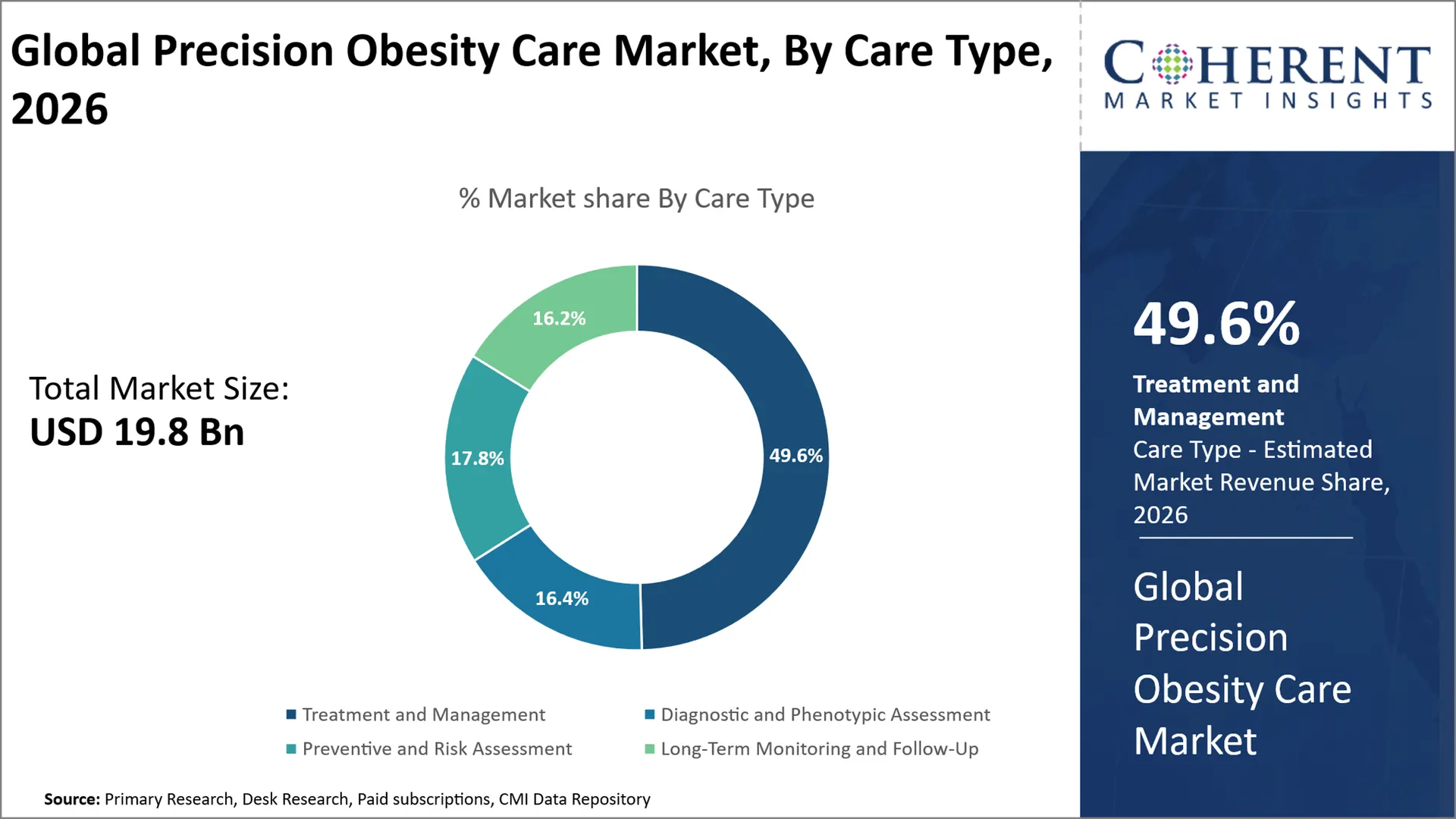
- Treatment and management are projected to hold 49.6% of the global precision obesity care market share in 2026, making it dominant care type segment, across North America owing to established ecosystem for obesity research and growing adoption of phenotype-focused treatment. For instance, U.S. National Institutes of Health (NIH) is supporting a trial that compare phenotype-based lifestyle interventions to improve weight loss and weight maintenance.
- Pharmacological therapy is projected to hold 46.8% of the global precision obesity care market share in 2026, making it dominant treatment type segment, across Europe as it possesses cooperative research programs that address the combination of biological, genetic, and behavioral features in individual-specific obesity management. For instance, the European BETTER4U research project aims to generate obesity prevention and treatment methodologies that are personalized based on genetic, metabolic, and machine learning-based analytical models.
- Digital health platforms and mobile applications is projected to hold 34.2% of the global precision obesity care market share in 2026, making it dominant technology segment, across Asia Pacific driven by pioneering research in precision nutrition and digital innovation for obesity management. For instance, a clinical trial registered on Clinical Trials.gov is currently investigating the use of precision nutrition for the management of obesity in China, with a focus on personalized diets and weight loss outcomes.
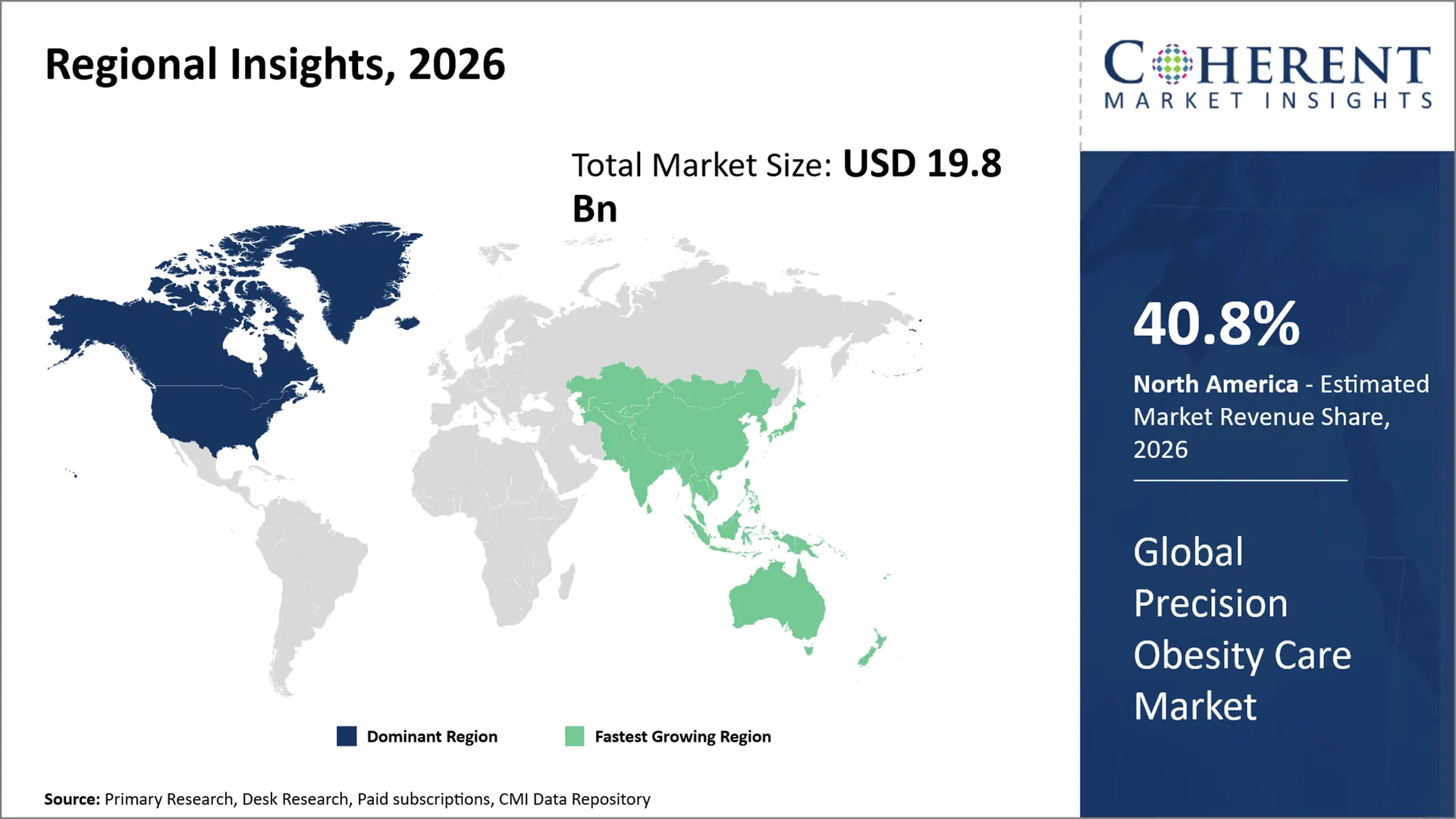
- North America market maintains dominance with an expected share of 40.8% in 2026, due to the presence of a well-established ecosystem for obesity research and increasing adoption of phenotype guided diagnosis and treatment path. For instance, the U.S. National Institute of Diabetes and Digestive and Kidney Diseases (NIDDK) has actively sponsored research studying differences in physiology and behavior among people to better understand variations in weight-loss responses and susceptibility.
- Asia Pacific is expected to exhibit the fastest growth in the global precision obesity care market, registering an estimated CAGR of 18.7% during 2026–2033, attributed to the growing attention towards population-specific metabolic profiling as well as personalized obesity intervention services. For instance, the National Precision Medicine Programme in Singapore is coordinating toward adoption of genomic, lifestyle, and healthcare data to facilitate precision-based models for healthcare services or support for metabolic and obesity care.
Segmental Insights
Why Do Treatment and Management Dominate the Global Precision Obesity Care Market?
Treatment and management are projected to hold the market share of 49.6% in 2026, driven by increased adoption of tailored treatment regimens that include a combination of pharmacotherapy, diet and behavioral modification. Personalization of treatment based on the body mass index (BMI), metabolic status, comorbidities, and individual treatment responses improves the relevance of clinical interventions. For instance, the ESI Clinical Practice Guidelines 2025, issued by the Endocrine Society of India (ESI), encourages to individualize the management of obesity, using a comprehensive evaluation. The guidelines further states that all management strategies should focus on the clinical needs of an individual using various medications, surgical procedures, and lifestyle practices. (Source: National Library of Medicine)
- Current Industry Events of 2026
- Market Size Estimation
- Regional Breakdown
- Competitive Landscape
- Customer Intelligence
- Segmental Analysis
- Pricing Analysis
- Key Market Drivers, Challenges & Future Trends
- Customized Insights Section
Why Does Pharmacological Therapy Represent the Largest Treatment Type Segment in the Precision Obesity Care Market?
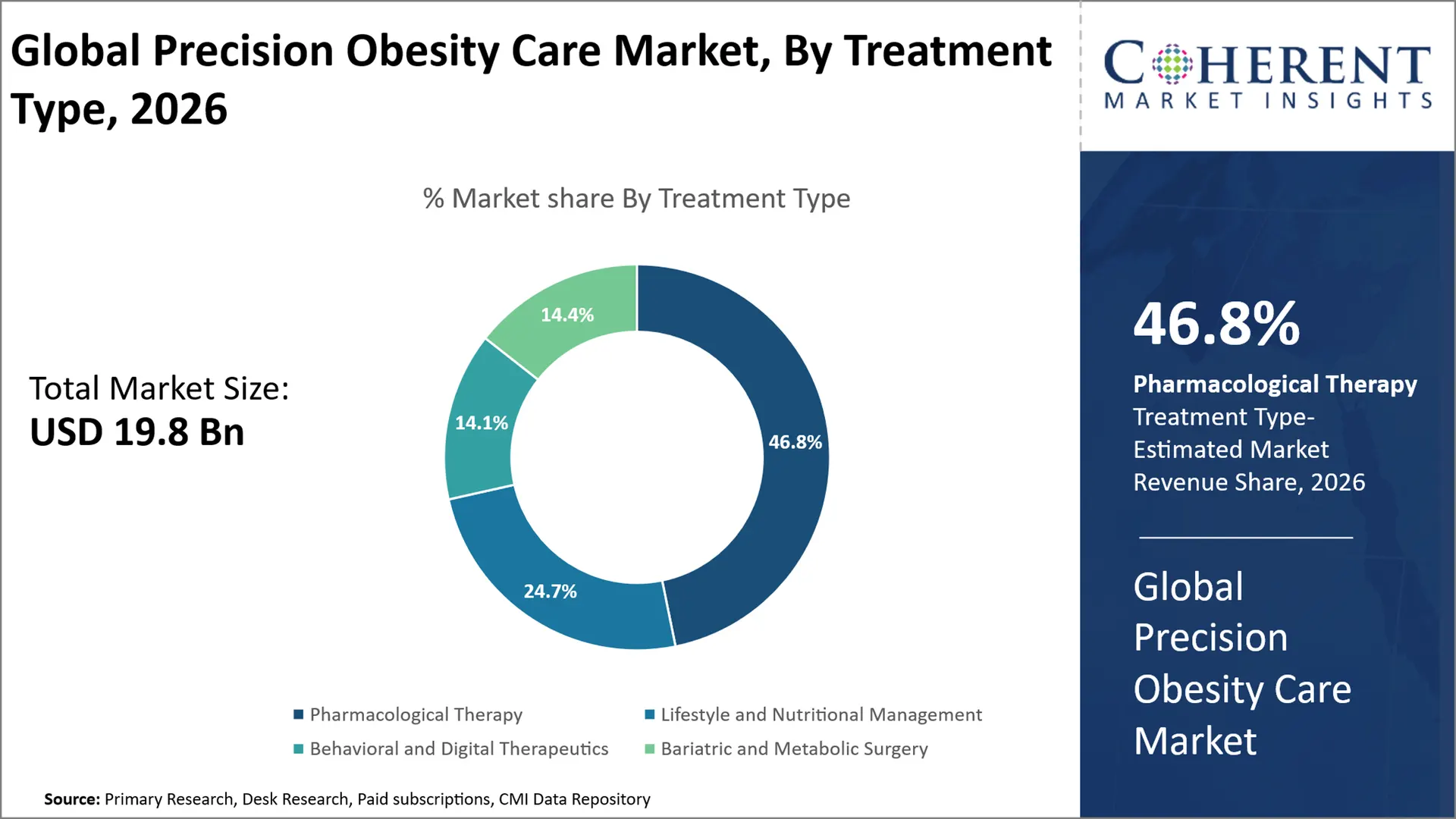
Pharmacological therapy is projected to hold a market share of 46.8% in 2026, owing to the increasing availability of targeted anti-obesity drugs that facilitate intervention against defined hormonal and metabolic pathways. The growing use of genetic and biological profiling will improve the ability to match the best treatment for a given patient with defined obesity subtypes. For instance, in March 2026, the U.S. Food and Drug Administration (FDA) broadened the indication of setmelanotide (Imcivree) for use in treating adults and pediatric patients aged 4 years and older with acquired hypothalamic obesity. (Source: DailyMed)
Digital Health Platforms and Mobile Applications Segment Dominates the Global Precision Obesity Care Market
The digital health platforms and mobile applications segment is projected to hold a market share of 34.2% in 2026, owing to their ability to support personalized planning of treatment, track diet, and monitor physical activity, as well as continuous engagement of the patient. AI-enabled analytics and integration with wearable devices might further help with personalized intervention and treatment adjustments. For instance, in June 2026, India’s Union Ministry of Health and Family Welfare announced the release of the latest version of the digital health app, Aarogya Setu 2.0. This enhanced app was equipped with health advices based on artificial intelligence, personalized health dashboard, goal setting and integration with wearables to reflect the growing relevance of connected digital platforms in personalized healthcare. (Source: Press Information Bureau)
Current Events and their Impact
Current Events | Description and its Impact |
India expands RBSK 2.0 to include childhood obesity and metabolic health conditions (July 2026) |
|
India advances personalized medicine through GenomeIndia and national phenome biobank initiatives (February 2026) |
|
Precision Obesity Care Market Dynamics
Market Drivers
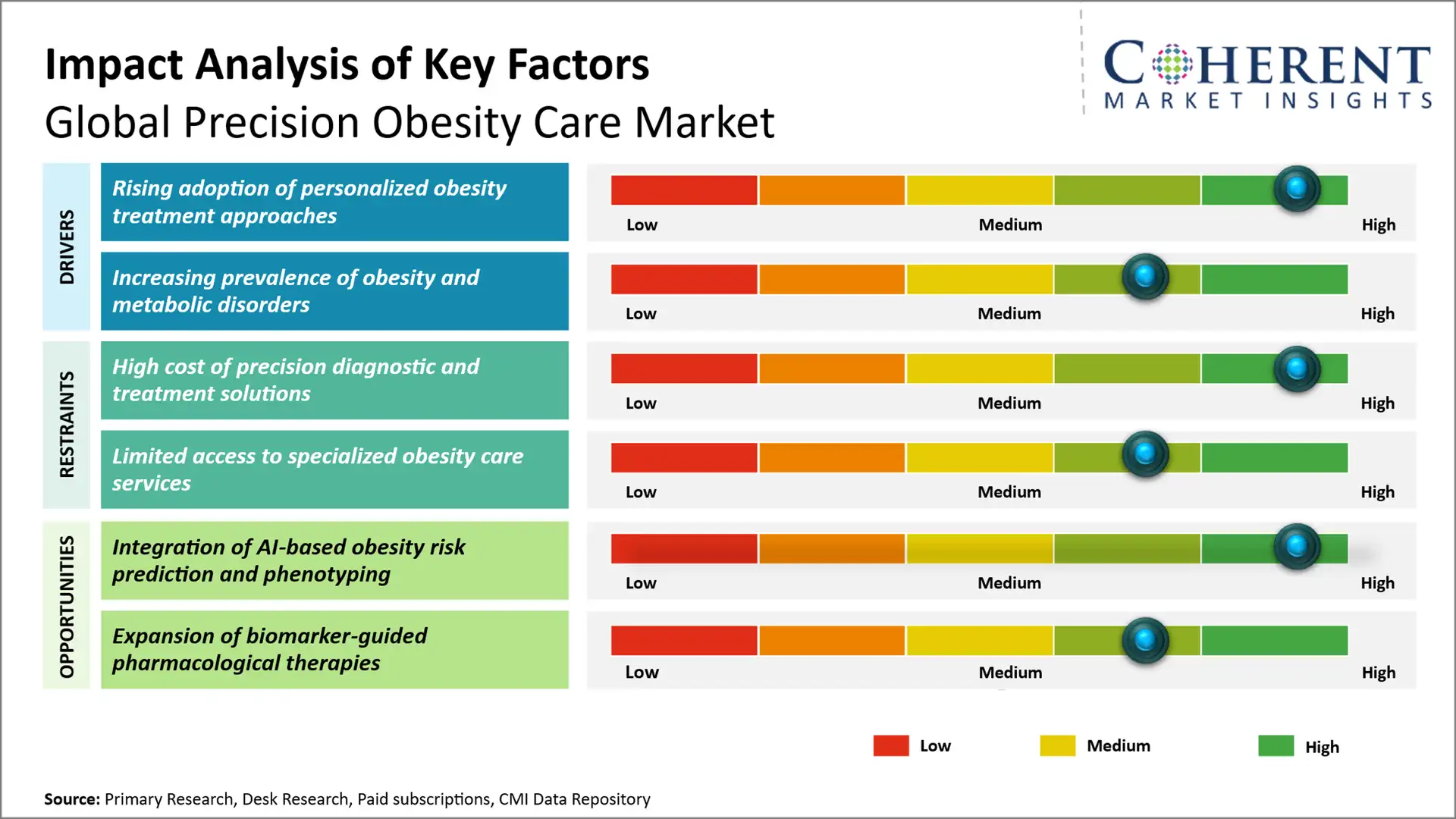
- Rising adoption of personalized obesity treatment approaches: There is a growing awareness of the complex metabolic nature of obesity leading to the development of precision treatment approaches that take into account the individual biological, metabolic and clinical characteristics of patients. This approach facilitates a more personalized choice of treatments and reduces reliance on trial-and-error methods of treatment. For instance, SOPHIA (Stratification of Obesity Phenotypes to Optimize Future Therapy) project funded by the European Commission, which bring together clinical and research centers to better define subgroups of obesity as well as personalized therapy.
- Increasing prevalence of obesity and metabolic disorders: The upsurge in obesity and related illnesses, such as type 2 diabetes and heart disease, is pushing for a greater need for long-term, tailored treatment and assessment for obesity. For instance, the U.S. Centers for Disease Control and Prevention’s National Center for Health Statistics found that 40.3 percent of adults in the U.S. were classed as obese between August 2021 and August 2023.
- Advancements in AI and multi-omics technologies: The use of artificial intelligence, genomic, metabolomic, and microbiome technologies allow clinicians to better distinguish obesity phenotypes and better ascertain who might respond to different treatments. Ultimately, these technologies allow better stratification of obesity, potentially enabling clinicians to tailor pharmaco-, nutritional, and behavioral therapies. For instance, the U.S. National Academies of Sciences, Engineering, and Medicine held a workshop on artificial intelligence in obesity treatment, exploring how these approaches might combine clinical, wearable, and genomic data to tailor obesity treatments.
Emerging Trends
- Growing utilization of phenotype-focused obesity care: Updated metabolic, genetic and hormonal profiling allows the identification of different obesity phenotypes, which are helping to inform treatment choices.
- Impact: This promotes more personalized treatment by helping clinicians to select treatments that are specific to a patient's individual biology and treatment response.
- Market Relevance: The trend is accelerating the adoption of precision diagnostics, biomarker profiling, and targeted pharmacological therapies.
- Integration of AI and wearable technologies in obesity management: The platforms leveraging AI are bringing together patient health records, eating behavior, physical activity and data produced by wearables to create tailored obesity management plans.
- Impact: This combination allows continuous assessment of patient progress, more immediate treatment adjustments and better tracking of weight loss results.
- Market Relevance: This trend opens up new opportunities for digital obesity care platforms, predictive analytics, and connected remote-monitoring solutions.
Regional Insights
Why is North America a Strong Market for Precision Obesity Care?
North America leads the global precision obesity care market, accounting for an estimated 40.8% share in 2026, owing to its highly advanced healthcare sector, growing research investments, and widespread utilization of precision healthcare tools and technologies. In addition, various initiatives in support of obesity prevention, precision medicine, and the use of digital health across the US and Canada are projected to drive the regional market growth.
For instance, the U.S. National Institutes of Health (NIH) launched the Nutrition for Precision Health initiative under the auspices of the All of Us Research Program, with the aim of developing algorithms to predict how different people will respond to various foods using artificial intelligence, genomics, microbiome, and metabolomics data for personalized nutrition advice. individualized obesity prevention and treatment. Additionally, the presence of reimbursement policies, high patients' awareness levels, along with academic institutions and healthcare professional clusters for the adoption of precision-based obesity diagnosis and treatment is further strengthening region’s dominance in the market.
Why Does Asia Pacific Precision Obesity Care Market Exhibit High Growth?
Asia Pacific is expected to exhibit the fastest growth in the global precision obesity care market, registering an estimated CAGR of 18.7% during 2026–2033. The region is projected to account for 23.6% of the global market in 2026, owing to rising prevalence of obesity, increasing disposable income, and growing healthcare infrastructure. In addition, the governments of countries, such as China, India, and Japan, are increasing their focus on healthcare reforms that address management of chronic diseases, together with personalized treatment. The adoption of digital health platforms, telemedicine, and remote monitoring will enable the market for personalized obesity management to grow by providing personalized long-term assessment and treatment for obesity.
For instance, in March 2025, the National Administration of Traditional Chinese Medicine, China's National Health Commission (NHC) and other agencies released guidelines urging hospitals to create specialized clinics to treat obesity and to offer targeted services as part of multidisciplinary treatment. The guidelines recommend using internet applications, artificial intelligence and wearable devices to monitor and follow up with patients and to give them targeted health advice. Moreover, the expanding precision medicine capabilities and international research collaborations are creating new market opportunities.
Global Precision Obesity Care Market Outlook for Key Countries
Why is the U.S. Leading Innovation and Adoption in the Precision Obesity Care Market?
The U.S. is spearheading innovation and adoption by embracing deep integration of obesity pharmacotherapy, precision diagnostics and data-enabled clinical care. The highly developed clinical research environment in the country provides a platform for the creation of personalized approaches to GLP-1 treatment. Electronic health records and real-world patient data also enable evaluation of response and side effects. Moreover, the close integration of specialized obesity clinics, digital care platforms and pharmaceutical development, substantially expedites the translation of precision approaches to the clinical setting.
Is China a Favorable Market for Precision Obesity Care Market?
The size of China’s obese population, and the fast-growing demand for precision obesity treatment, make the country an attractive market for precision obesity care. Precision obesity has opportunities due to the proliferation of GLP-1-based therapies and the maturation of precision diagnostics, which would lead to personalized treatment approaches. Additionally, there is also an opportunity in digital healthcare and artificial intelligence-enabled metabolic monitoring for integrated, phenotype-based care.
Is Japan Emerging as a Key Growth Hub for the Precision Obesity Care Market?
Japan can become a prospective growth market for the precision obesity care market owing to the presence of well-established classification system for obesity-related diseases, and a specialist-driven care delivery model. The combination of drug and non-drug therapies with diet and lifestyle interventions offers scope for tailored obesity care. Moreover, the growing digital therapeutics ecosystem and the availability of real-world clinical data would enable AI-enabled patient assessment, monitoring, and customization of care in Japan.
Why Does Germany Top the European Precision Obesity Care Market?
Germany is the leading market for the European precision obesity care market attributed to the existence of an established multidisciplinary approach to obesity treatment through a combination of nutritional, physical activity, behavioral, pharmacological and surgical approaches. The DiGA reimbursement pathway for the prescription and reimbursement of qualified digital health applications (DiGA) for obesity management by statutory health insurances enables the integration of digital therapeutics into standard care. Furthermore, the established clinical research and digital health ecosystem in Germany creates additional opportunities for the application of artificial intelligence-enabled obesity management and monitoring.
Is Precision Obesity Care Market Developing in UK?
The UK is an emerging market for precision obesity care due to the shift within the NHS to integrated digitally enabled weight-management pathways, combined with broader availability of tirzepatide (plus behavior and nutritional interventions) creating opportunities for personalized treatment management. Additionally, UK government initiatives to improve the obesity pathways are encouraging innovations into AI-assisted patient assessment, digital triage and community care delivery.
Treatment Approaches by Obesity Phenotype
Obesity Phenotype | Key Characteristics | Preferred Care Approach | Relevant Precision Technologies |
Metabolically Unhealthy Obesity | Obesity accompanied by metabolic abnormalities and insulin resistance | Pharmacological therapy and metabolic risk management | Metabolic profiling, glucose monitoring |
Inflammatory Obesity | Chronic low-grade inflammation and associated metabolic dysfunction | Individualized pharmacological and lifestyle interventions | Inflammatory biomarker profiling |
Hyperphagic Obesity | Increased hunger, appetite dysregulation, and impaired satiety | Appetite-regulating pharmacological and behavioral interventions | Hormonal profiling, genetic testing |
Visceral Adiposity-Driven Obesity | Excess abdominal fat and elevated cardiometabolic risk | Targeted weight reduction and cardiometabolic management | Body composition analysis, imaging |
How is the integration of AI-based obesity risk prediction and phenotyping creating new growth opportunities in the precision obesity care market?
The advent of metabolomics, genomics and medical big data analysis is leading to various opportunities for optimized patient stratification and identification of multiple different data profiles of obesity and obesity related complications. This can ultimately allow for targeted treatment and intervention, lifestyle modifications, and prediction of obesity related complications. For instance, in January 2025, the U.S. National Institutes of Health (NIH) provided funding worth USD 3.37 million to enable the Ethical Multimodal AI Development for Obesity, Diabetes, and Digestive Disease project, which is working on creating AI models that fuse multiple different clinical datasets for use in healthcare. (Source: U.S. Department of Health & Human Services)
Market Players, Key Development, and Competitive Intelligence
Key Developments
- In June 2026, Phenomix Sciences introduced direct-to-patient access to its MyPhenome genetic test for obesity. The test can be ordered online and the individual can provide a test sample by way of an at-home cheek-swab. MyPhenome assesses multiple genetic factors that influence obesity and can help a clinician guide the patient to the most appropriate treatment for obesity.
- In June 2026, Ilant Health raised USD 15 million Series A to build out its AI-enabled personalized obesity treatment model that overlays clinical, behavioral, and personal health data to tailor different treatment paths comprising pharmacologic, behavioral, and bariatric surgical intervention.
Competitive Landscape
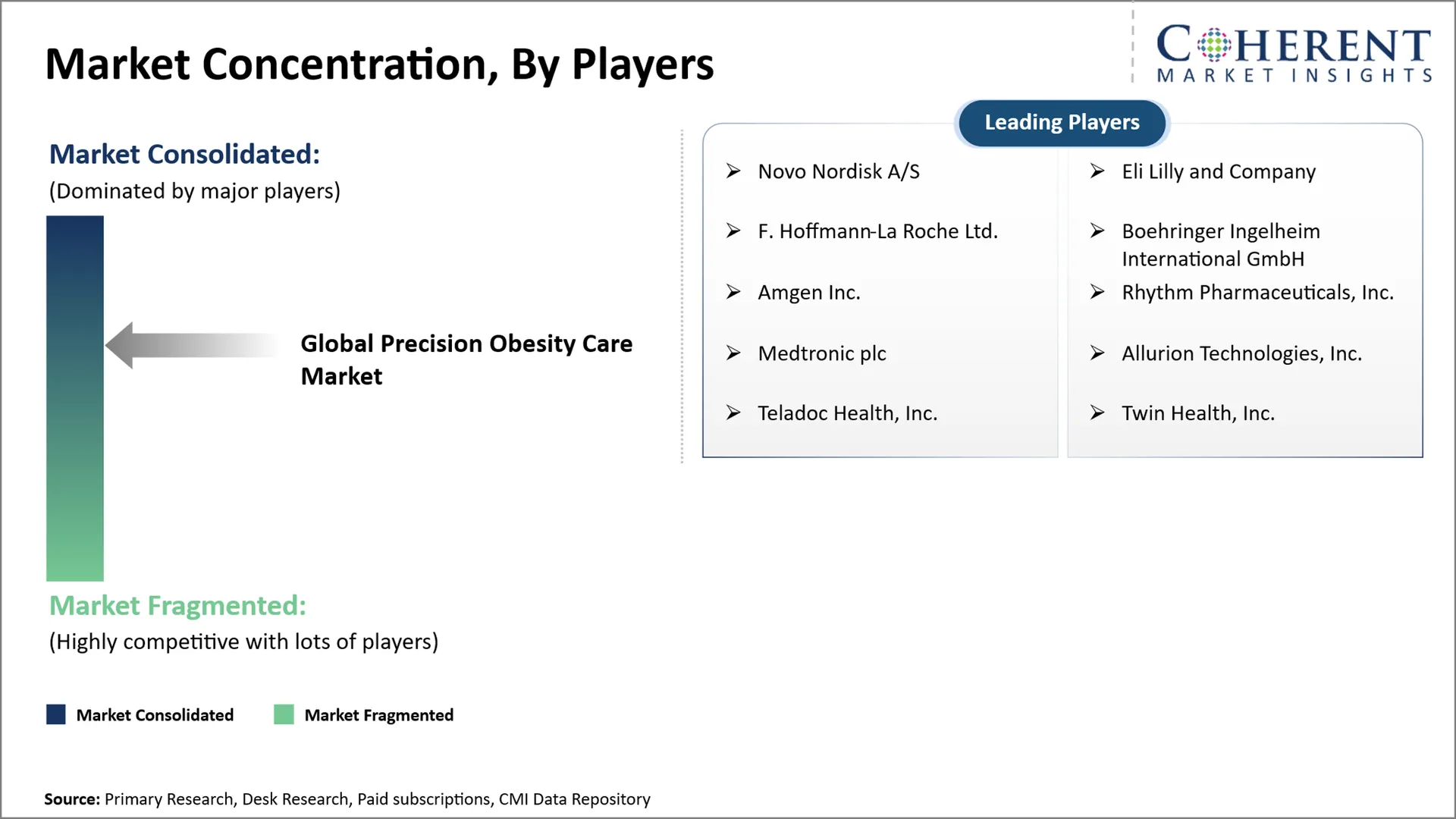
The global precision obesity care market is modestly fragmented. The competition in the market is diversified based on diverse domains of personalized obesity management including drug-based intervention, precision diagnostics, digital health, remote monitoring and customized lifestyle interventions to facilitate better treatment selection and long-term weight loss management results. Competition between participants in the market is differentiated based on clinical knowledge, personalized treatments, technology solutions, patient engagement and the ability to deliver continuous care. Key focus areas include:
- Incorporation of artificial intelligence-enabled portals that facilitate personalized evaluation of obesity, identification of phenotype, and targeting of treatment.
- Rise in adoption of GLP-1 therapies with digital solutions for prescription management and medication adherence.
- Extending remote patient monitoring to include measures of weight and metabolic parameters, lifestyle behaviors, and treatment response.
- Individualized nutrition, activity and behavioral coaching for metabolic profile and goal orientated.
- Increasing emphasis on sustained weight loss, treatment maintenance and prevention of weight regain.
Market Report Scope
Global Precision Obesity Care Market Report Coverage | |||
Report Coverage | Details | ||
Base Year | 2025 | Market Size in 2026: | USD 19.8 Bn |
Historical Data For: | 2020 To 2024 | Forecast Period: | 2026 To 2033 |
Forecast Period 2026 To 2033 CAGR: | 15.0% | 2033 Value Projection: | USD 52.7 Bn |
Geographies covered: |
| ||
Segments covered: |
| ||
Companies covered: | Novo Nordisk A/S, Eli Lilly and Company, F. Hoffmann-La Roche Ltd., Boehringer Ingelheim International GmbH, Amgen Inc., Rhythm Pharmaceuticals, Inc., Medtronic plc, Allurion Technologies, Inc., Teladoc Health, Inc., Twin Health, Inc. | ||
Growth Drivers: |
| ||
Restraints & Challenges: |
| ||
Analyst Opinion (Expert Opinion)
- In the coming years, global precision obesity care market is expected to move from weight management approaches in the traditional sense to more integrated approach of phenotype-based treatments. The development of obesity care through combination of pharmacological approaches, multi-omics profiling, AI enabled assessment and digital monitoring will make the obesity care more personalized over time. Long term management of the treatment, any relapse of weight and sustained engagement of the patient will be another approach to focus upon.
- The greatest potential opportunity is expected to occur in drug treatment providing personalized pharmacological management of obesity and metabolic related disease in China. The growing concern about metabolic health, growing healthcare and increasingly open mindset for advanced therapies can create opportunities for personalized medications approach. The combination of pharmacotherapy, metabolic profiling and nutrition management with digital follow-up, may be solution for unmet needs in long-term management of obesity.
- In order to gain a competitive advantage market players should build integrated care models that bridge precision diagnosis, personalized treatment, and patient monitoring. Strengthening AI technology to enable phenotyping and treating-response prediction could enable better patient segmentation and treatment efficacy. Novel partnerships across pharmaceutical, diagnostic, clinical, and digital health ecosystems, coupled with cost-effective and accessible care models, will be key for establishing a competitive advantage.
Speak to the analyst
Want personalized insights?
Take the findings above to one of our principal consultants, or have the report rebuilt around the segments, geographies and competitors you actually track.
Market Segmentation
- Care Type Insights (Revenue, USD Bn, 2021 - 2033)
- Treatment and Management
- Diagnostic and Phenotypic Assessment
- Preventive and Risk Assessment
- Long-Term Monitoring and Follow-Up
- Treatment Type Insights (Revenue, USD Bn, 2021 - 2033)
- Pharmacological Therapy
- Lifestyle and Nutritional Management
- Behavioral and Digital Therapeutics
- Bariatric and Metabolic Surgery
- Technology Insights (Revenue, USD Bn, 2021 - 2033)
- Artificial Intelligence and Predictive Analytics
- Digital Health Platforms and Mobile Applications
- Wearable and Remote Monitoring Devices
- Biomarker and Genetic Profiling Technologies
- Obesity Phenotype Insights (Revenue, USD Bn, 2021 - 2033)
- Metabolic
- Hormonal
- Genetic
- Behavioral
- End User Insights (Revenue, USD Bn, 2021 - 2033)
- Hospitals and Specialty Obesity Clinics
- Diagnostic and Reference Laboratories
- Ambulatory Surgical Centers
- Digital Health and Telehealth Providers
- Others
- Regional Insights (Revenue, USD Bn, 2021 - 2033)
- North America
- U.S.
- Canada
- Latin America
- Brazil
- Argentina
- Mexico
- Rest of Latin America
- Europe
- Germany
- U.K.
- Spain
- France
- Italy
- Russia
- Rest of Europe
- Asia Pacific
- China
- India
- Japan
- Australia
- South Korea
- ASEAN
- Rest of Asia Pacific
- Middle East
- GCC Countries
- Israel
- Rest of Middle East
- Africa
- South Africa
- North Africa
- Central Africa
- North America
- Key Players Insights
- Novo Nordisk A/S
- Eli Lilly and Company
- F. Hoffmann-La Roche Ltd.
- Boehringer Ingelheim International GmbH
- Amgen Inc.
- Rhythm Pharmaceuticals, Inc.
- Medtronic plc
- Allurion Technologies, Inc.
- Teladoc Health, Inc.
- Twin Health, Inc.
Sources
Primary Research Interviews
- Endocrinologists and Obesity Medicine Specialists
- Bariatric Surgeons and Metabolic Health Specialists
- Clinical Nutritionists and Registered Dietitians
- Digital Obesity Care and Telehealth Specialists
Stakeholders
- Precision Obesity Care Platform Providers
- Pharmaceutical and Biotechnology Companies
- Precision Diagnostics and Genomic Testing Providers
- Remote Patient Monitoring and Wearable Technology Providers
- End-use Sectors
- Hospitals and Multispecialty Healthcare Systems
- Specialized Obesity and Metabolic Health Clinics
- Virtual Weight Management and Telehealth Providers
- Employers and Corporate Healthcare Programs
- Regulatory & Health Bodies
- U.S. Food and Drug Administration (FDA)
- Centers for Medicare & Medicaid Services (CMS)
- European Medicines Agency (EMA)
- European Commission
- World Health Organization (WHO)
- Central Drugs Standard Control Organization (CDSCO), India
- National Medical Products Administration (NMPA), China
Databases
- ClinicalTrials.gov
- WHO International Clinical Trials Registry Platform (ICTRP)
- WHO Global Health Observatory (GHO)
- OECD Health Statistics
Associations
- World Obesity Federation (WOF)
- The Obesity Society (TOS)
- Obesity Medicine Association (OMA)
- European Association for the Study of Obesity (EASO)
- American Diabetes Association (ADA)
- International Federation for the Surgery of Obesity and Metabolic Disorders (IFSO)
Public Domain Sources
- U.S. Food and Drug Administration (FDA)
- Centers for Disease Control and Prevention (CDC)
- National Institutes of Health (NIH)
- World Health Organization (WHO)
- Ministry of Health and Family Welfare, India
- National Health Commission, China
- International Diabetes Federation (IDF)
Proprietary Elements
- CMI Data Analytics Tool
- Proprietary CMI Existing Repository of information for last 10 years.
Get access to 250+ pages report
Every segment, forecast, competitor profile and data table behind the analysis above — available for instant download.
- ESOMAR Member
- ISO 9001:2015 Certified
- D-U-N-S Registered
- GDPR & CCPA Compliant
Frequently Asked Questions
The global precision obesity care market is estimated to be valued at USD 19.8 Bn in 2026 and is expected to reach USD 52.7 Bn by 2033.
Treatment and management dominate primarily because they are increasingly demanded by the need to customize pharmacological, nutritional, behavioral, and surgical procedures to adapt to the specific metabolic and clinical characteristics of each patient.
Personalized obesity care is a precision approach to prevention, diagnosis, and treatment of obesity based on the genetics, metabolism, biology and lifestyle of the patient.
The CAGR of global precision obesity care market is projected to be 15.0% from 2026 to 2033.
Rising adoption of personalized obesity treatment approaches, and increasing prevalence of obesity and metabolic disorders are the major factors driving the growth of the global precision obesity care market.
High cost of precision diagnostic and treatment solutions, and limited access to specialized obesity care services are the major factors hampering the growth of the global precision obesity care market.
In terms of treatment type, pharmacological therapy is estimated to dominate the market revenue share in 2026.