

Global 3D Bioprinted Tissue Models Market Size and Forecast – 2026 To 2033
The global 3D bioprinted tissue models market is expected to grow from USD 1.45 Bn in 2026 to USD 3.67 Bn by 2033, registering a compound annual growth rate (CAGR) of 14.2% from 2026 to 2033. The global 3D bioprinted tissue models market is expected to witness a rapid growth owing to the surging demand for human relevant in-vitro models used in the screening of drugs and toxin due to their physiologically relevant platform they provide for analyzing drug response.
In March 2026, the U.S. National Institutes of Health (NIH), pledged more than USD 150 million investment through its Complement-ARIE program, to establish, validate and standardize human-based research models for replacing the use of animals.
Key Takeaways of the Global 3D Bioprinted Tissue Models Market
- 3D bioprinted tissue models are projected to hold 54.6% of the global 3D bioprinted tissue models market share in 2026, making it dominant product & service segment. North America is anticipated to be the key region, supported by its well-established pharma R&D activities, presence of high-end tech/biotech infrastructure, rise in use of human relevant tissue models in drug discovery. In October 2026, U.S. National Center for Advancing Translational Sciences (NCATS) announced multi-institution venture with human-based 3D models, drug screening and AI to examine fibrotic diseases and discover possible drug candidates.
- Skin models are projected to hold 26.8% of the global 3D bioprinted tissue models market share in 2026, making it dominant tissue type segment. Europe is expected to be a major market for bioprinted tissue models, led by government funding for public research institutions as well as growing application of bioprinted skin constructs for disease modelling and preclinical testing. The European Research Council (ERC) Fibro Revert project 3D bio prints human skin structures in vitro and studies skin fibrosis using patient biopsies.
- Extrusion-based bioprinting is projected to hold 43.6% of the global 3D bioprinted tissue models market share in 2026, making it dominant technology segment. The Asia-Pacific region is anticipated to witness the adoption of extrusion-based bioprinting due to government-funded research programs and investments in bio fabrication and tissue engineering. Japan’s Agency for Medical Research and Development (AMED) has funded research on bio-3D printing applications to produce viable tissue such as bone, cartilage, meniscus and skin to advance tissue engineering capabilities in the region.
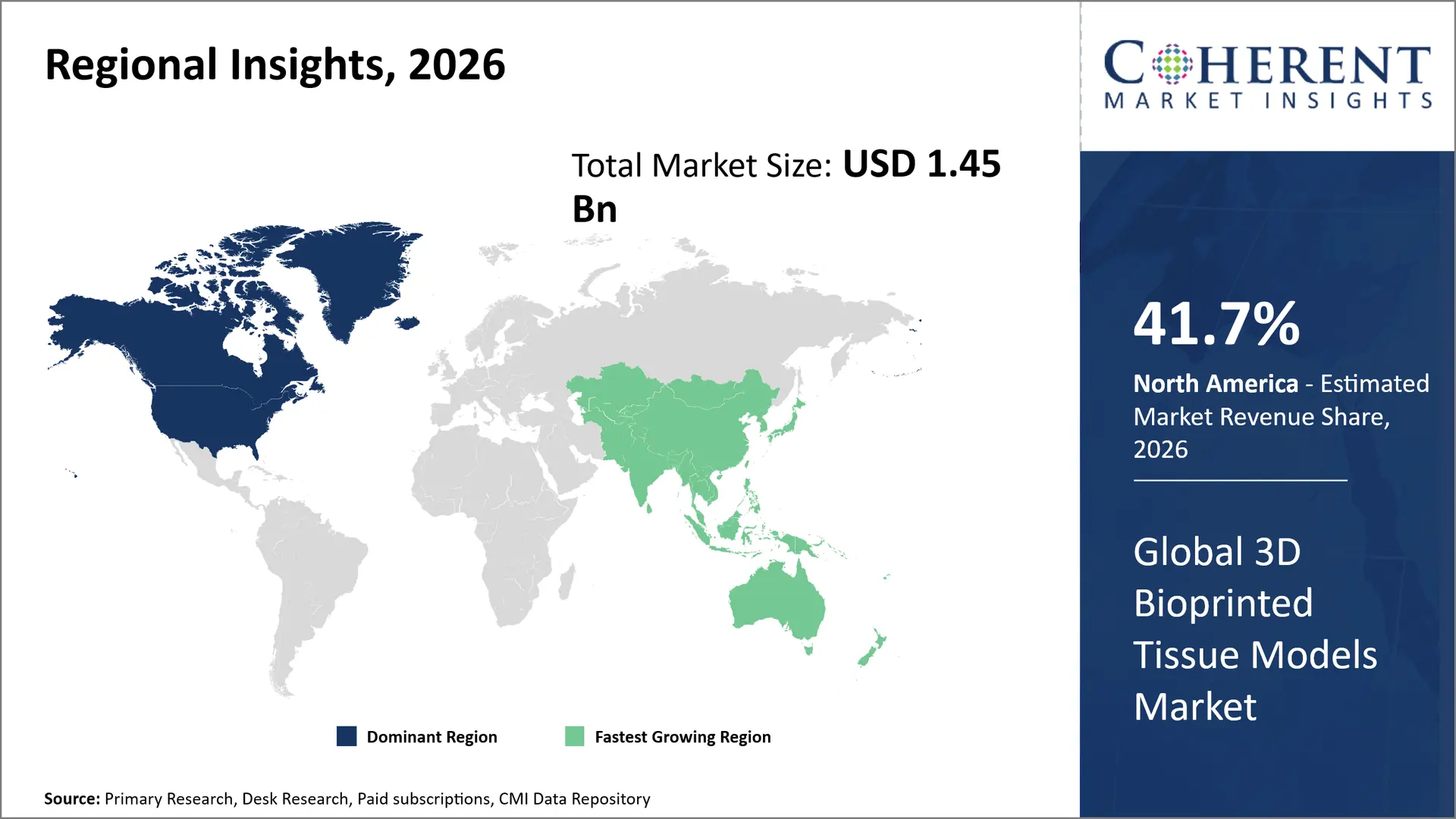
- North America market maintains dominance with an expected share of 41.7% in 2026, due to the presence of superior biomedical research facilities, substantial investments in pharmaceutical R&D, and government support for bioprinting and tissue engineering. In January 2026, the U.S. ARPA-H announced funded proposals for projects under its 3D bioprinting using the PRINT programme to develop human 3D bioprinted, patient-specific organs by research groups at various organizations such as Carnegie Mellon University and Wake Forest University.
- Asia Pacific is expected to exhibit the fastest growth in the global 3D bioprinted tissue models market, registering an estimated CAGR of 18.6% during 2026–2033. This is primarily due to the increasing government support for advanced in-vitro research, rising biotech capability and intensifying research to move away from animal testing. The Indian government’s Ministry of Science and Technology reported in August 2026 that the Indian Council of Medical Research (ICMR) supported 109 research projects in the area of non-animal testing, including 3D tissue models, organ-on-a-chip and computer-based models.
Segmental Insights
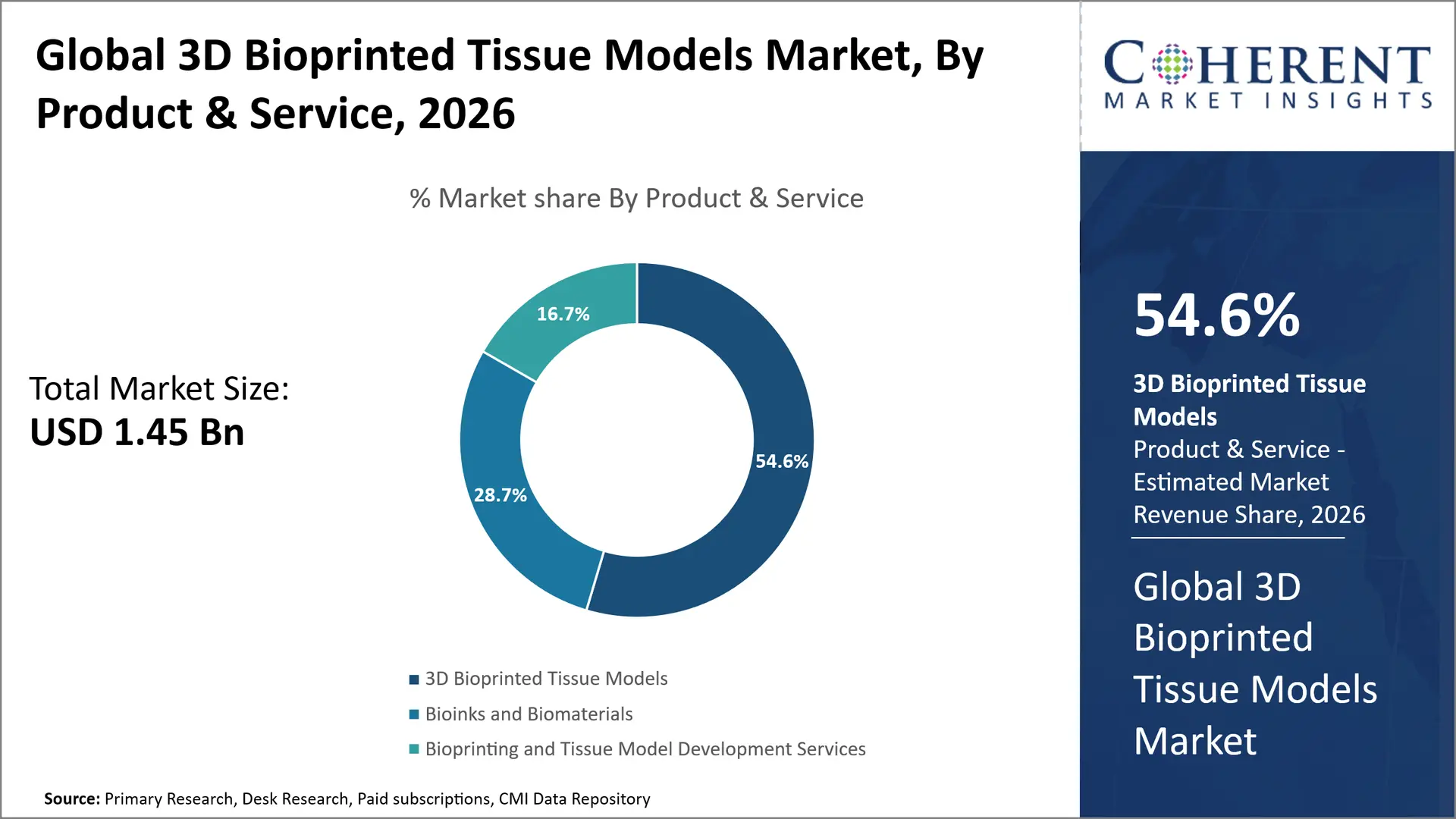
Why Do 3D Bioprinted Tissue Models Dominate the Global 3D Bioprinted Tissue Models Market?
3D bioprinted tissue models are projected to hold the market share of 54.6% in 2026, due to growing applications of functional, human-relevant tissue models in drug discovery, toxicity testing and disease modelling. Cell-specific and complex tissue structure reproducing applications are expected to replace traditional preclinical models. For instance, in June 2026, the Sree Chitra Tirunal Institute for Medical Sciences and Technology (SCTIMST) announced a research project funded by Indian Council of Medical Research (ICMR) to generate a clinically relevant 3D-bioprinted liver construct and examine its performance in a model of liver disease. (Source: Department of Science & Technology)
- Current Industry Events of 2026
- Market Size Estimation
- Regional Breakdown
- Competitive Landscape
- Customer Intelligence
- Segmental Analysis
- Pricing Analysis
- Key Market Drivers, Challenges & Future Trends
- Customized Insights Section
Why Does Skin Models Represent the Largest Tissue Type Segment in the 3D Bioprinted Tissue Models Market?
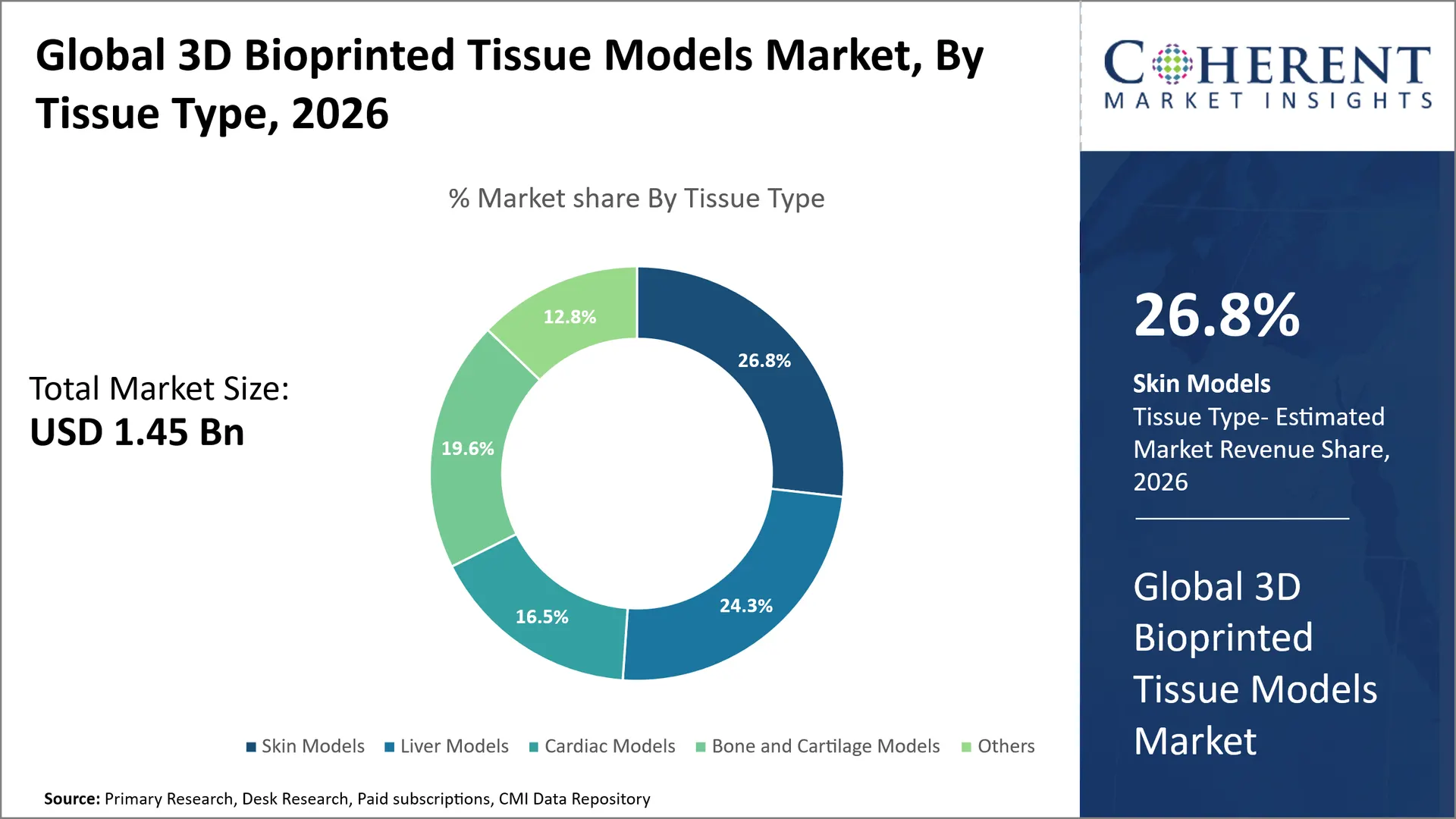
Skin models are projected to hold a market share of 26.8% in 2026, as they are mainly employed in test safety of cosmetics, wound-healing and dermatological research, and drug delivery systems. Since they are capable of simulating the epidermis and dermal tissue, they facilitate more relevant research to be done on topical formulations and treatments related to skin. For instance, in June 2025, a study published by the National Library of Medicine, demonstrated that a vascularized, 3D-bioprinted skin-on-chip platform was able to mimic wound-healing processes such as tissue re-epithelialization for the purposes of drug testing and regenerative studies.
Extrusion-Based Bioprinting Segment Dominates the Global 3D Bioprinted Tissue Models Market
The extrusion-based bioprinting segment is projected to hold a market share of 43.6% in 2026, owing to high feasibility and reasonable cost, working with variety of bioinks, and printing 3D structures loaded with cells with high cell density and greater structural complexity. Their ability to be used in fabricating tissue-specific models with better structural integrity and cell viability. For instance, in May 2026, researchers published a paper describing GelMA-Carbopol bioinks for high-fidelity extrusion bioprinting where they were able to bio print complex structures as well as a lung tissue model with live human lung fibroblasts. (Source: John Wiley & Sons, Inc.)
Current Events and their Impact
Current Events | Description and its Impact |
NIH Establishes 3D Multi-Organ Models of Fibrosis Research Initiative (October 2026) |
|
U.S. NCATS Develops 3D-Bioprinted Skin Models for Drug Discovery (January 2026) |
|
3D Bioprinted Tissue Models Market Dynamics
Market Drivers
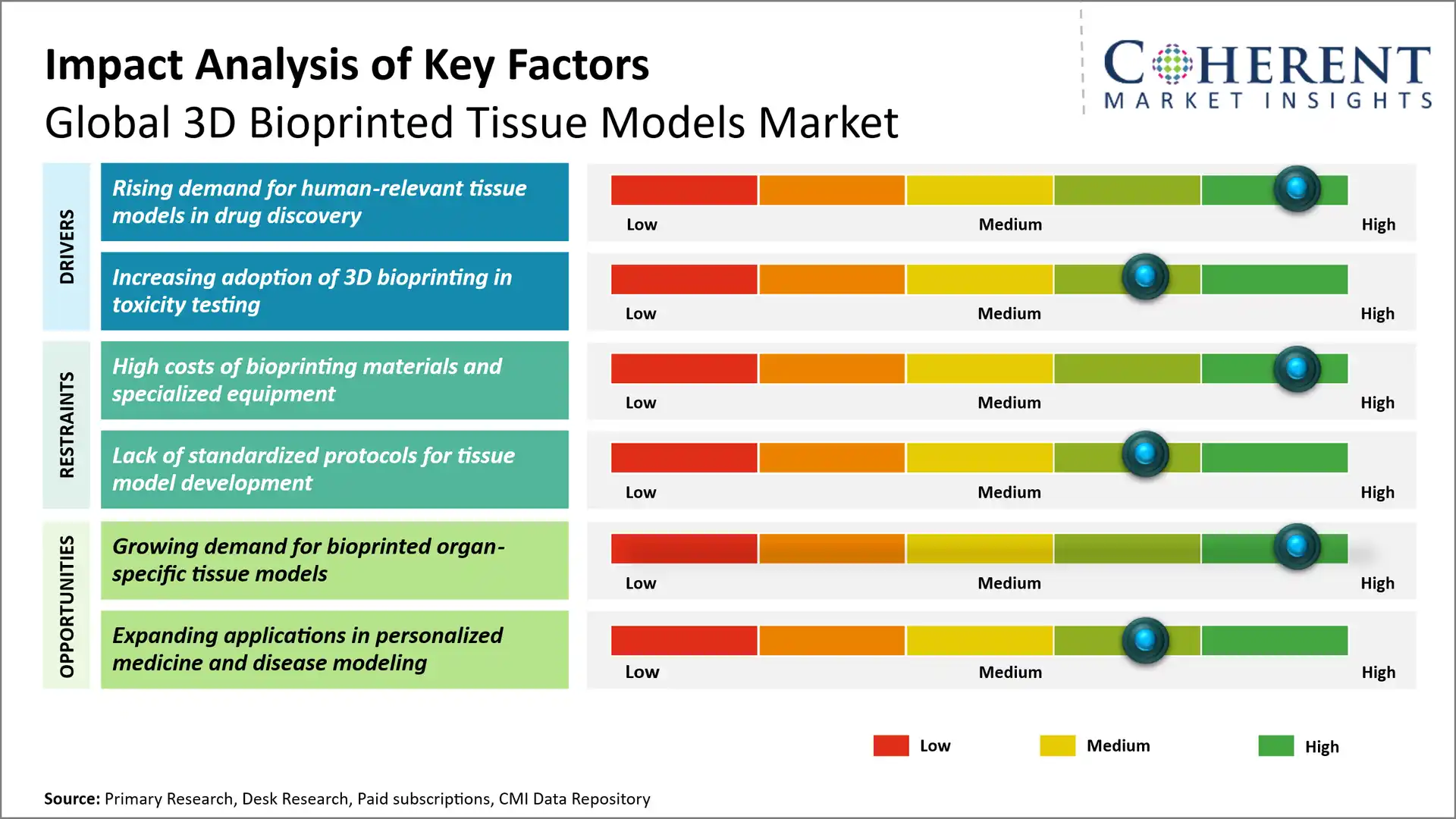
- Rising demand for human-relevant tissue models in drug discovery: Increasing demand for physiologically accurate tissue models is expected to propel the 3D bioprinting over the forecast period. 3D bioproducts enable improved drug screening, toxicity testing, and preclinical research. 3D cell culture models have greater potential to recapitulate the human tissue response compared to 2D cell cultures. The U.S. NIH Office of Research Innovation, Validation and Application (ORIVA) was established in June 2026 with a mission to support the development, validation and implementation of human-based research technologies including 3D human tissue models.
- Increasing adoption of 3D bioprinting in toxicity testing: Drug toxicity tests using 3D bioprinted tissue models mimic the damage caused by compounds better than traditional 2D test tube cultures. In July 2025, India's Department of Biotechnology announced that BRIC-inStem was researching 3D tissue and organoid models to determine the developmental toxicity of new chemical entities as part of furthering the non-animal pipeline for preclinical drug testing.
- Growing demand for patient-specific and disease-specific tissue models: The growing emphasis on precision medicine is stimulating research activities on 3D bioprinted tissue models which utilize cells from patients to reproduce the disease characteristics and test for patient-specific responses. The U.S. National Center for Advancing Translational Sciences (NCATS) is working on the development of patient-derived 3D tissue models of human diseases by utilizing iPSCs for personalized drug screening and research into disease mechanisms.
Emerging Trends
- Integration of organ-on-chip technologies with 3D bioprinting: Microfluidics integrated with 3D bioprinted tissue offers a way to develop organ models with physiologically relevant cell-cell interactions.
- Impact: Such impact enhances the modeling of tissue functions, interactions, and drug responses.
- Market Relevance: The rising adoption of end-to-end integrated platforms is projected to generate opportunities for enhanced drug screening, toxicity testing and disease modelling.
- Growing adoption of iPSC-based bioprinted tissue models: 3D bioprinting helps to prepare tissue constructs for patients' designated diseases or diseases of the patient's blood.
- Impact: These models enhance the ability to mimic personal biological traits and determine personalized treatment reactions.
- Market Relevance: Increasing preference for patient-specific testing of drugs and precision medicine is anticipated to support the growth of cell bioprinting industry for providing personalized tissue models.
Regional Insights
Why is North America a Strong Market for 3D Bioprinted Tissue Models?
North America leads the global 3D bioprinted tissue models market, accounting for an estimated 41.7% share in 2026, owing to robust investment ecosystem, and presence of significant biotech industries. The presence of leading global pharmaceutical companies, startups, and biopharmaceutical companies in the US favor market growth. The U.S. is known for groundbreaking research, and boasts of government funding for regenerative medicine and tissue engineering research and development research.
Furthermore, the government initiatives supporting the development and evaluation of advanced in-vitro testing methods strengthens the regional market. For instance, in September 2026, the U.S. National Institutes of Health (NIH) announced USD 88 million in biomedical infrastructure grants to support human research technologies (organoid and tissue-model systems, and other platforms).
Why Does Asia Pacific 3D Bioprinted Tissue Models Market Exhibit High Growth?
Asia Pacific is expected to exhibit the fastest growth in the global 3D bioprinted tissue models market, registering an estimated CAGR of 18.6% during 2026–2033. The region is projected to account for 24.1% of the global market in 2026, owing to increase in biomedical research infrastructure, increasing R&D activities in pharmaceutical industry, increasing application of advanced preclinical testing methods and emergence of integrated research programs.
Countries like China, Japan and South Korea is boosting biotechnology innovation, tissue engineering, and a range of new medical technologies through government initiatives are fueling the growth of the market. For instance, in March 2026, China’s National Healthcare Security Administration (NHSA) published separate pricing categories for medical services related to biological 3D bioprinting of tissues, blood vessels, and organs with the aim of forming a healthcare reimbursement policy to facilitate the clinical translation of the technology.
Global 3D Bioprinted Tissue Models Market Outlook for Key Countries
Why is the U.S. Leading Innovation and Adoption in the 3D Bioprinted Tissue Models Market?
The U.S. leads the innovation and adoption in the 3D bioprinted tissue models market owing to the widespread adoption and breakthrough in tissue engineering, stem cell biology, biomaterials studies, and preclinical drug screening. U.S. research landscape is conducive for the generation of disease-specific as well as organ-specific models, especially for hepatotoxicity and cancer research and drug screening. The availability of dedicated translational research setting can provide enhanced access to pharmaceutical industry for commercial value realization of tissue constructs created in the laboratory.
Is China a Favorable Market for 3D Bioprinted Tissue Models Market?
China offers an attractive and high potential market with country’s efforts underway in 3D bioprinting, tissue engineering, and organ-specific model development. Rising investment in bio fabrication and stem cell technology combined with the ability to combine organ-on-chip devices with bioprinting technology leads to opportunities in liver, cardiac, and disease-specific tissue models. However, commercial success is dependent upon providing more reproducible models, standardization of bioink quality, and developing constructs created in the lab into robust platforms for pharma testing.
Is Japan Emerging as a Key Growth Hub for the 3D Bioprinted Tissue Models Market?
Japan is one of the most promising centres for growth especially with its emphasis on linking the fields of induced pluripotent stem cell (iPSC) technology, tissue engineering and micro physiological systems (MPS) to drug discovery. Japan's research ecosystem is focused on the development of organ-specific models, including liver, intestinal and vascularized 3D tissue models, with application areas that include drug metabolism, toxicity testing and disease models. Its focus on the development of new, reliable, human-relevant testing solutions ensures commercial viability.
Why Does Germany Top the European 3D Bioprinted Tissue Models Market?
Germany remains a strong player in the market, leveraging its well-developed capabilities in bio fabrication, biomaterials engineering and advanced tissue engineering. German research landscape spans 3D bioprinting with human cell-based models, organoids and bioinks for drug screening and evaluation and toxicity testing, as well as for disease modelling. Germany has competitive advantages due to expertise and infrastructure in translation of lab research into application-oriented tissue models with pilot scale process development and tissue characterization.
Is 3D Bioprinted Tissue Models Market Developing in UK?
UK is a favorable market for 3D bioprinted tissue models driven by the presence of several research infrastructures that provide support for development of 3D human tissue models and testing of these models for drug testing. Shared bioprinting infrastructure, availability of human biological samples and expertise on tissue engineering underpins organ-specific models development for drug safety and disease research. Wider commercialization in the UK will rest on addressing issues of reproducibility, standardization and scalability.
Tissue Model Types and Their Key Research Applications
Tissue model type | Key research applications |
Skin Models | Skin disease modelling, irritation testing, and drug efficacy assessment |
Liver Models | Drug metabolism, hepatotoxicity testing, and liver disease modelling |
Cardiac Models | Cardiotoxicity testing and cardiac disease modelling |
Bone & Cartilage Models | Osteoarthritis research, bone disease modelling, and tissue regeneration studies |
Other Tissue Models | Neural, kidney, intestinal, and vascular disease modelling |
How is the growing demand for bioprinted organ-specific tissue models creating new growth opportunities in the 3D bioprinted tissue models market?
The increasing demand for different organ specific bioprinted tissue models are providing lucrative opportunities in 3D bioprinted tissue models market for liver, cardiac, kidney, and lung models for drug discovery, toxicity testing, and disease modelling. Development in bioinks, stem cell technology, and bioprinting accuracy is presenting greater replicability of organ-specific response for tissue functionality. For instance, in January 2025, China researchers published a paper showing 3D-bioprinted human liver models that used induced hepatocytes for personalized drug toxicity testing. The results of the experiment serve to show the potential that organ-specific bioprinted tissues have for preclinical drug testing. (Source: National Library of Medicine)
Market Players, Key Development, and Competitive Landscape
Key Developments
- In October 2026, CTIBIOTECH established a strategic partnership and Memorandum of Understanding (MoU) with Beijing Vital River to provide its human tissue models, 3D bioprinted tissue systems, and cutting-edge bioassays to the China market. The Partnership will focus on providing human-relevant preclinical models for drug discovery and development in pharmaceutical and biotech, further reducing the use of animal testing.
- In February 2026, CollPlant announced the development of a ready-to-print recombinant human collagen (rhCollagen)-based bioink kit for Digital Light Processing (DLP) 3D bioprinting. Coll Plant’s product has tunable mechanical properties and improved printing reproducibility, setting a higher standard for bioinks in 3D bioprinted tissue model development, to help drive the development of advanced tissue models for drug discovery and engineered tissues.
Competitive Landscape
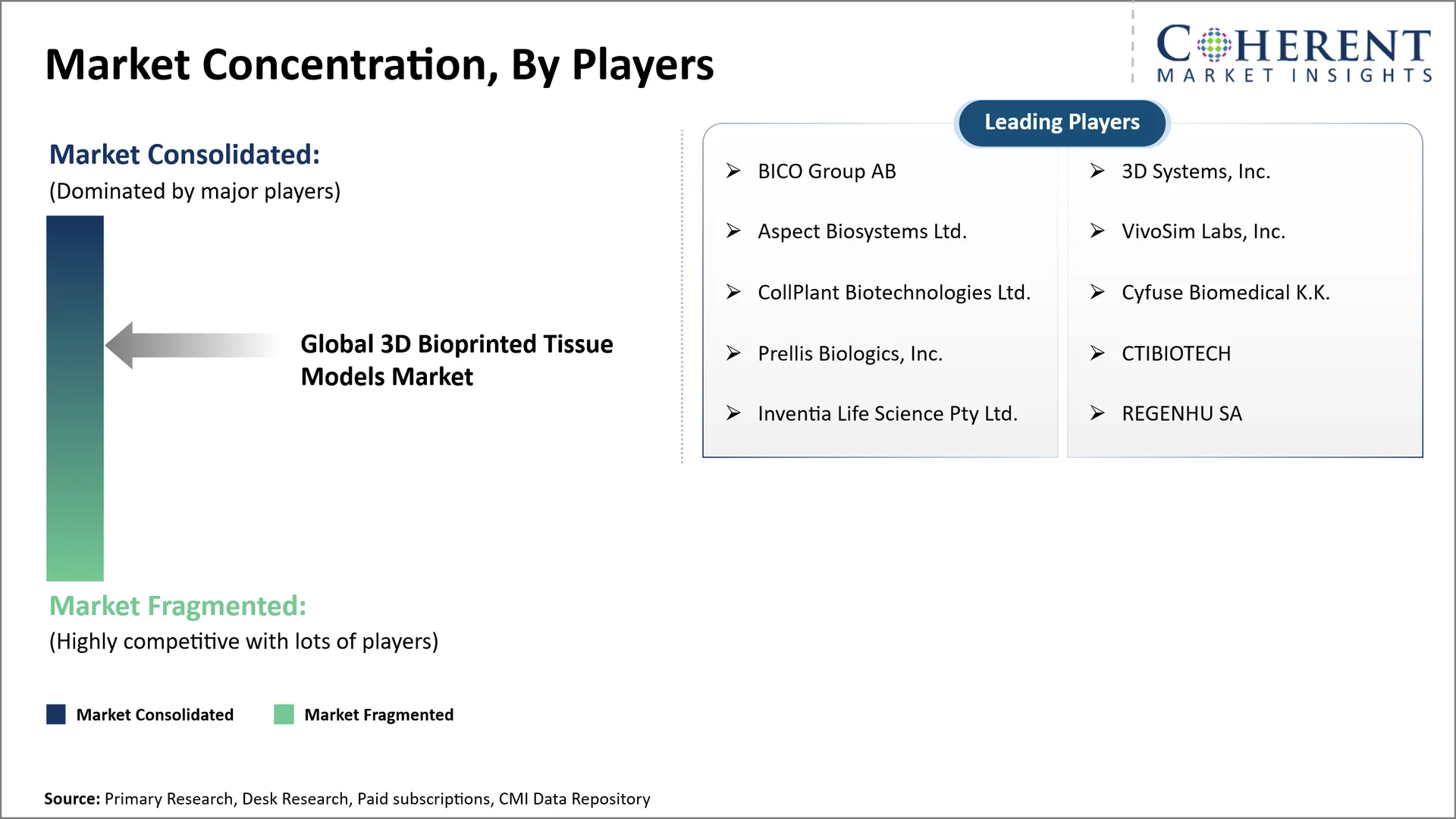
The global 3D bioprinted tissue models market is highly competitive, characterized by competition among several players across various technology and application segments, as opposed to a handful of well-established players in the market. The market continues to be innovation-driven, with participants competing on the grounds of tissue-model functionality, bioink efficacy, and printing accuracy and application solutions. Key focus areas include:
- Tissue-specific models for drug discovery, toxicity assessment, disease modeling and personalized medicine.
- Development of more sophisticated bioinks to improve cell viability, tissue architecture and structure, mechanics and biological function.
- Finer resolution of printing through development of extrusion-based, inkjet-based and laser-assisted processes to enhance printing accuracy and increase construct complexity.
- Strategic partnerships with pharma companies, CROs and academic institutions to facilitate model validation and commercialisation.
Market Report Scope
3D Bioprinted Tissue Models Market | |||
Report Coverage | Details | ||
Base Year | 2025 | Market Size in 2026: | USD 1.45 Bn |
Historical Data For: | 2020 To 2024 | Forecast Period: | 2026 To 2033 |
Forecast Period 2026 To 2033 CAGR: | 14.2% | 2033 Value Projection: | USD 3.67 Bn |
Geographies covered: |
| ||
Segments covered: |
| ||
Companies covered: | BICO Group AB, 3D Systems, Inc., Aspect Biosystems Ltd., VivoSim Labs, Inc., CollPlant Biotechnologies Ltd., Cyfuse Biomedical K.K., Prellis Biologics, Inc., CTIBIOTECH, Inventia Life Science Pty Ltd., REGENHU SA | ||
Growth Drivers: |
| ||
Restraints & Challenges: |
| ||
Analyst Opinion (Expert Opinion)
- In the coming years, global 3D bioprinted tissue models market will progress from simple 3D cell constructs towards more sophisticated physiologically relevant tissue models which more accurately mimic human tissue structure and behavior. Increasing popularity of human-relevant substitutes to traditional 2D cell cultures and animal testing will enable the technology to be adopted more broadly for drug discovery, toxicity testing, and disease modelling. Over the forecast period, advances to bioink formulations, cell viability, and print resolution will further drive the commercial success of specific application tissue models.
- The most promising potential is in 3D bioprinted liver models for drug discovery and toxicity testing – in the U.S., as pharma developers use these models to help them develop information on drug metabolism, toxicity and safety of compounds prior to clinical development. Another opportunity is for skin models for toxicity testing in Germany, as the country is largely into cosmetic and dermatology research. Reproducible, application-specific models with substantiated biological performance are likely to represent higher-value demand.
- In order to gain a competitive advantage market players should focus on establishing tissue-specific bioinks and bioprinting workflows that produce reliable cell viability, tissue functionality and reproducibility through batches. Pharma companies, CROs, and academic research centres should form alliances to validate models for specific drug development uses and allow timely market commercialisation. Companies should also concentrate on adopting quality-control standards and scalable manufacturing to convert laboratory-stage products into commercially reliable products.
Speak to the analyst
Want personalized insights?
Take the findings above to one of our principal consultants, or have the report rebuilt around the segments, geographies and competitors you actually track.
Market Segmentation
- Product & Service Insights (Revenue, USD Bn, 2021 - 2033)
- 3D Bioprinted Tissue Models
- Bioinks and Biomaterials
- Bioprinting and Tissue Model Development Services
- Tissue Type Insights (Revenue, USD Bn, 2021 - 2033)
- Skin Models
- Liver Models
- Cardiac Models
- Bone and Cartilage Models
- Others
- Technology Insights (Revenue, USD Bn, 2021 - 2033)
- Extrusion-Based Bioprinting
- Inkjet-Based Bioprinting
- Laser-Assisted Bioprinting
- Stereolithography-Based Bioprinting
- Application Insights (Revenue, USD Bn, 2021 - 2033)
- Drug Discovery and Development
- Toxicity Testing
- Disease Modeling
- Personalized Medicine
- Others
- End User Insights (Revenue, USD Bn, 2021 - 2033)
- Pharmaceutical and Biotechnology Companies
- Academic and Research Institutes
- Contract Research Organizations (CROs)
- Hospitals and Specialty Clinics
- Others
- Regional Insights (Revenue, USD Bn, 2021 - 2033)
- North America
- U.S.
- Canada
- Latin America
- Brazil
- Argentina
- Mexico
- Rest of Latin America
- Europe
- Germany
- U.K.
- Spain
- France
- Italy
- Russia
- Rest of Europe
- Asia Pacific
- China
- India
- Japan
- Australia
- South Korea
- ASEAN
- Rest of Asia Pacific
- Middle East
- GCC Countries
- Israel
- Rest of Middle East
- Africa
- South Africa
- North Africa
- Central Africa
- North America
- Key Players Insights
- BICO Group AB
- 3D Systems, Inc.
- Aspect Biosystems Ltd.
- VivoSim Labs, Inc.
- CollPlant Biotechnologies Ltd.
- Cyfuse Biomedical K.K.
- Prellis Biologics, Inc.
- CTIBIOTECH
- Inventia Life Science Pty Ltd.
- REGENHU SA
Sources
Primary Research Interviews
- 3D Bioprinting and Tissue Engineering Researchers
- Biomaterials and Bioink Specialists
- Pharmaceutical Preclinical Research Specialists
- Toxicology and Drug Discovery Experts
Stakeholders
- 3D Bioprinted Tissue Model Developers
- Bioink and Biomaterial Developers
- Bioprinting Technology and Service Providers
- Tissue Engineering Research Institutions
- End-use Sectors
- Pharmaceutical and Biotechnology Companies
- Academic and Research Institutes
- Contract Research Organizations (CROs)
- Hospitals and Specialty Clinics
- Regulatory & Health Bodies
- U.S. Food and Drug Administration (FDA)
- National Institutes of Health (NIH)
- National Center for Advancing Translational Sciences (NCATS)
- Indian Council of Medical Research (ICMR)
Databases
- ClinicalTrials.gov
- NIH Research Portfolio Online Reporting Tools (RePORT)
Public Domain Sources
- National Institutes of Health (NIH)
- National Center for Advancing Translational Sciences (NCATS)
- Advanced Research Projects Agency for Health (ARPA-H)
- U.S. Food and Drug Administration (FDA)
- Department of Science and Technology, India (DST)
- Department of Biotechnology, India (DBT)
Proprietary Elements
- CMI Data Analytics Tool, Proprietary CMI Existing Repository of information for last 10 years.
Get access to 250+ pages report
Every segment, forecast, competitor profile and data table behind the analysis above — available for instant download.
- ESOMAR Member
- ISO 9001:2015 Certified
- D-U-N-S Registered
- GDPR & CCPA Compliant
Frequently Asked Questions
The global 3D bioprinted tissue models market is estimated to be valued at USD 1.45 Bn in 2026 and is expected to reach USD 3.67 Bn by 2033.
3D bioprinted tissue models dominate due to the strong adoption in drug discovery & development, toxicity testing and disease modelling and the upsurge in the demand for the requirement of physiologically and pathologically relevant human tissue models.
3D bioprinted tissue models are lab-constructed, three-dimensional tissue structures that are created in the laboratory utilizing living cells and bioinks that can mimic both the functional and structural properties of human tissues.
The CAGR of global 3D bioprinted tissue models market is projected to be 14.2% from 2026 to 2033.
Rising demand for human-relevant tissue models in drug discovery, and increasing adoption of 3D bioprinting in toxicity testing are the major factors driving the growth of the global 3D bioprinted tissue models market.
High costs of bioprinting materials and specialized equipment, and lack of standardized protocols for tissue model development are the major factors hampering the growth of the global 3D bioprinted tissue models market.
In terms of tissue type, skin models are estimated to dominate the market revenue share in 2026.