
Flat 45% off this market research report
Nov 26 – 29 · Direct purchase only · Not applicable to customized reports
Global Allogeneic Cell Therapy Market Size and Forecast – 2026 To 2033
The global allogeneic cell therapy market is expected to grow from USD 2.16 Bn in 2026 to USD 8.65 Bn by 2033, registering a compound annual growth rate (CAGR) of 21.9% from 2026 to 2033. The global allogeneic cell therapy market is expected to witness a rapid growth due to the increasing volume of hematological malignancies, such as multiple myeloma, leukemia, and lymphoma. Increased cases of various blood disorders are likely to boost the demand for more complex donor-derived cellular therapies.
As per International Agency for Research on Cancer (IARC), around 487,294 cases of new leukemia, 553,389 cases of non-Hodgkin lymphoma and 187,952 cases of multiple myeloma were observed across the globe in 2022, highlighting the considerable disease burden and need for innovative treatment approaches.
Key Takeaways of the Global Allogeneic Cell Therapy Market
- Stem cell therapies are projected to hold 56.8% of the global allogeneic cell therapy market share in 2026, making it dominant therapy type segment. Europe has a strong infrastructure for hematopoietic stem cell transplantation (HSCT) and well-organized donor registries. The national stem cell donor registry of NHS Blood and Transplant in the UK, has predetermined standards for collection, testing, and transplantation support, thereby, boosting the regional transplant ecosystem.
- T-cell therapies are projected to hold 32.6% of the global allogeneic cell therapy market share in 2026, making it dominant cell type segment. Asia-Pacific specifically China is gaining its foothold with government-sponsored research and development activities for universal donor-derived CAR-T technology. In April 2026, Science and Technology Commission in Shanghai launched a cell and gene therapy research program focused on allogeneic universal CAR-T, editing of genes, and scaled manufacturing.
- Umbilical cord blood and placenta is projected to hold 29.6% of the global allogeneic cell therapy market share in 2026, making it dominant cell source segment. North America, and the U.S. particularly, has a mature community for public cord blood banking and donor assortment. The well-being Resources and Services Administration (HRSA) allotted USD 15.8 million to cord blood banks in 2025 for National Cord Blood Inventory program to speed up assortment and storage of culturally various cord blood units.
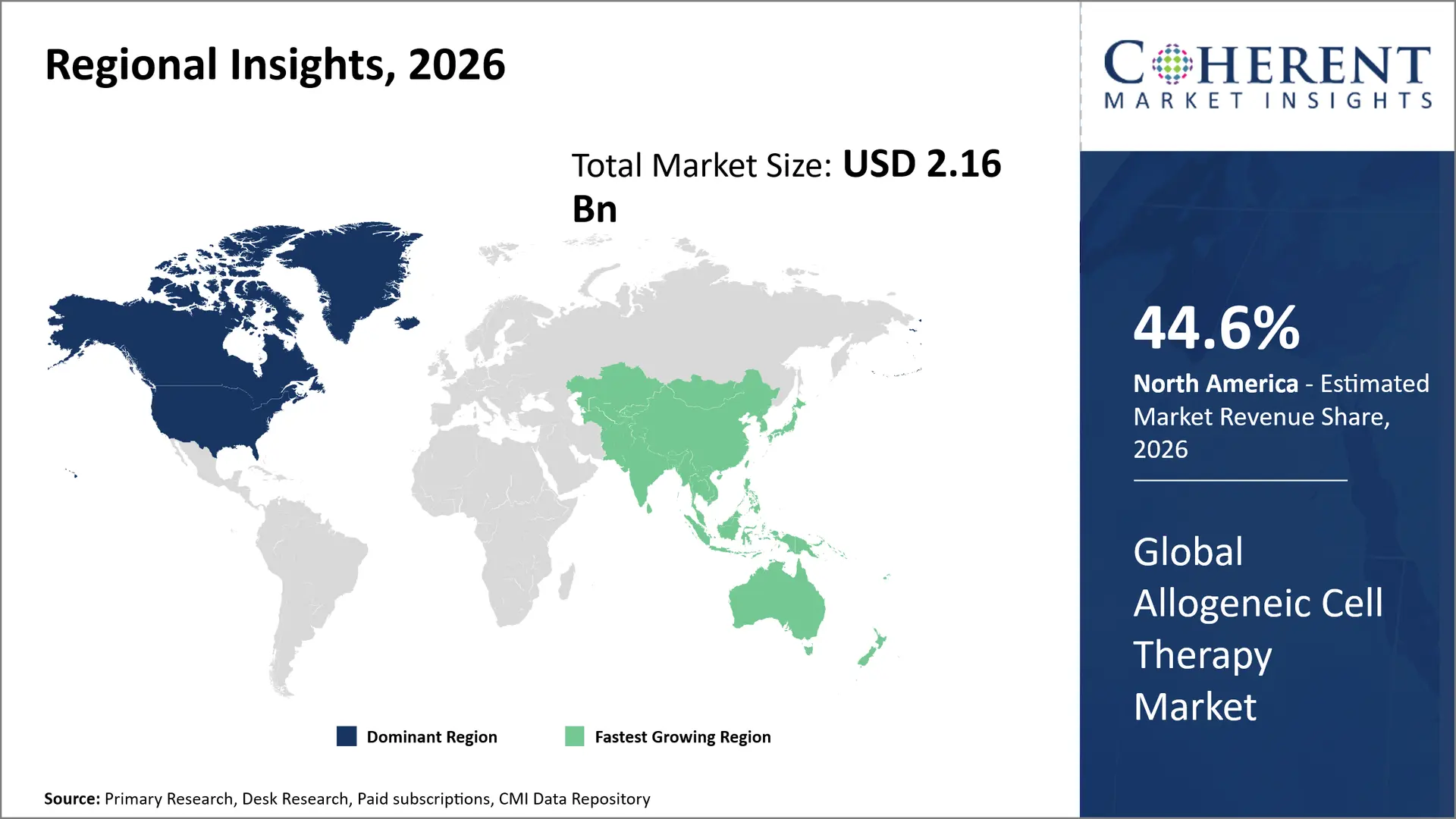
- North America market maintains dominance with an expected share of 44.6% in 2026, due to high federal research funding and robust clinical research infrastructure and increased domestic cell therapy manufacturing capabilities. In October 2026, Loma Linda University received a USD 8 million grant from U.S. National Institutes of Health (NIH) to develop a cellular therapy research facility to research next-generation treatments for cancer and early-stage clinical research.
- Asia Pacific is expected to exhibit the fastest growth in the global allogeneic cell therapy market, registering an estimated CAGR of 25.8% during 2026–2033. This regional growth is attributed to rising government funding for cell therapy research, cell therapy manufacturing infrastructure and clinical translation programs. The Agency for Medical Research and Development (AMED) of the Ministry of Economy, Trade and Industry (METI) of Japan provides clinical research and cell therapy manufacturing technology development programs for cell and gene therapy development, CDMO capabilities development and clinical research infrastructure.
Segmental Insights
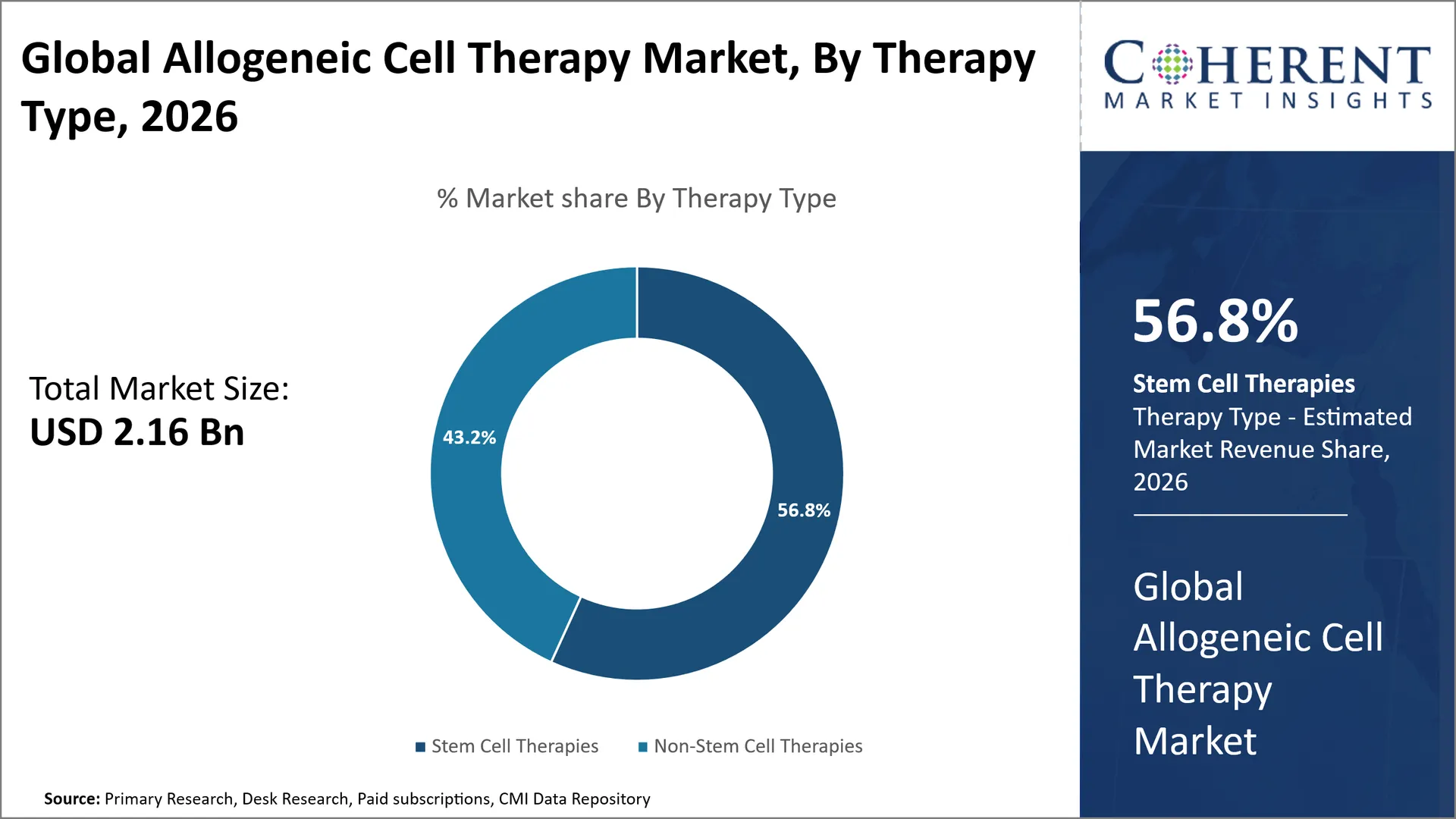
Why Do Stem Cell Therapies Dominate the Global Allogeneic Cell Therapy Market?
Stem cell therapies are projected to hold the market share of 56.8% in 2026, because of their regenerative ability and their versatility for treating hematological and immune-related conditions. Patients with few alternatives for treatment can benefit from their capability of restoring blood and immune cell production. For instance, in December 2025, U.S. Food and Drug Administration (FDA) approved Omisirge (omidubicel-onlv) for allogeneic cord blood-derived stem cell therapy for severe aplastic anemia in patients six years of age or older, underscoring the clinical placement of donor-derived stem cell therapies.
- Current Industry Events of 2026
- Market Size Estimation
- Regional Breakdown
- Competitive Landscape
- Customer Intelligence
- Segmental Analysis
- Pricing Analysis
- Key Market Drivers, Challenges & Future Trends
- Customized Insights Section
Why Does T-Cell Therapies Represent the Largest Cell Type Segment in the Allogeneic Cell Therapy Market?
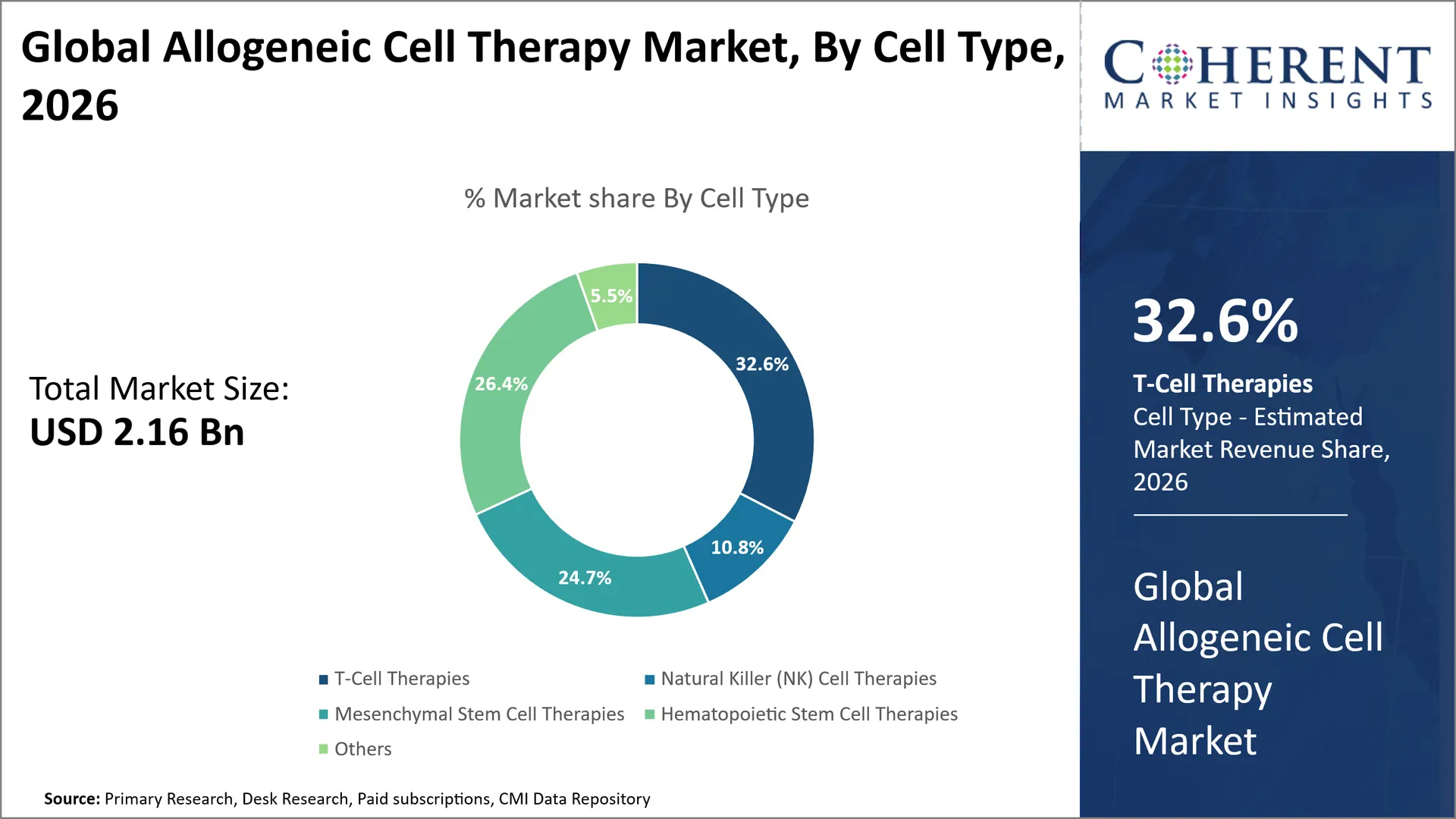
T-cell therapies are projected to hold a market share of 32.6% in 2026, as it can target cancer cells specifically and are being increasingly employed across immuno-oncology. Donor-derived T-cell platform development is paving the way to off-the-shelf therapies, eliminating the need to collect a patient's cell samples and manufacture the treatment. For instance, in June 2026, U.S. Food and Drug Administration (FDA) approved Tregzi, a new allogeneic regulator T-cell-based immunotherapy, for the treatment of stem cell transplantation in matched donors in patients with hematological malignancies, which is a new treatment step in the treatment of donor derived T-cell.
Umbilical Cord Blood and Placenta Segment Dominates the Global Allogeneic Cell Therapy Market
The umbilical cord blood and placenta segment is projected to hold a market share of 29.6% in 2026, due to their status as donor-derived stem cell sources, being allogenic compatible sources, their current established collection and cryopreservation systems, as well as their ability to facilitate donor matching for patients lacking a related donor. For instance, according to the U.S. Health Resources and Services Administration (HRSA), the National Cord Blood Inventory has cumulatively released 326 inventory-funded units for transplantation and made available 129,790 cord blood units by FY 2025, establishing the clinical utilization of this cell source.
Current Events and their Impact
Current Events | Description and its Impact |
India Amends Drugs Rules to Regulate Advanced Cell and Gene Therapies (July 2026) |
|
Japan Grants First-Ever Conditional Approval to Allogeneic iPSC-Based Therapies (March 2026) |
|
Allogeneic Cell Therapy Market Dynamics
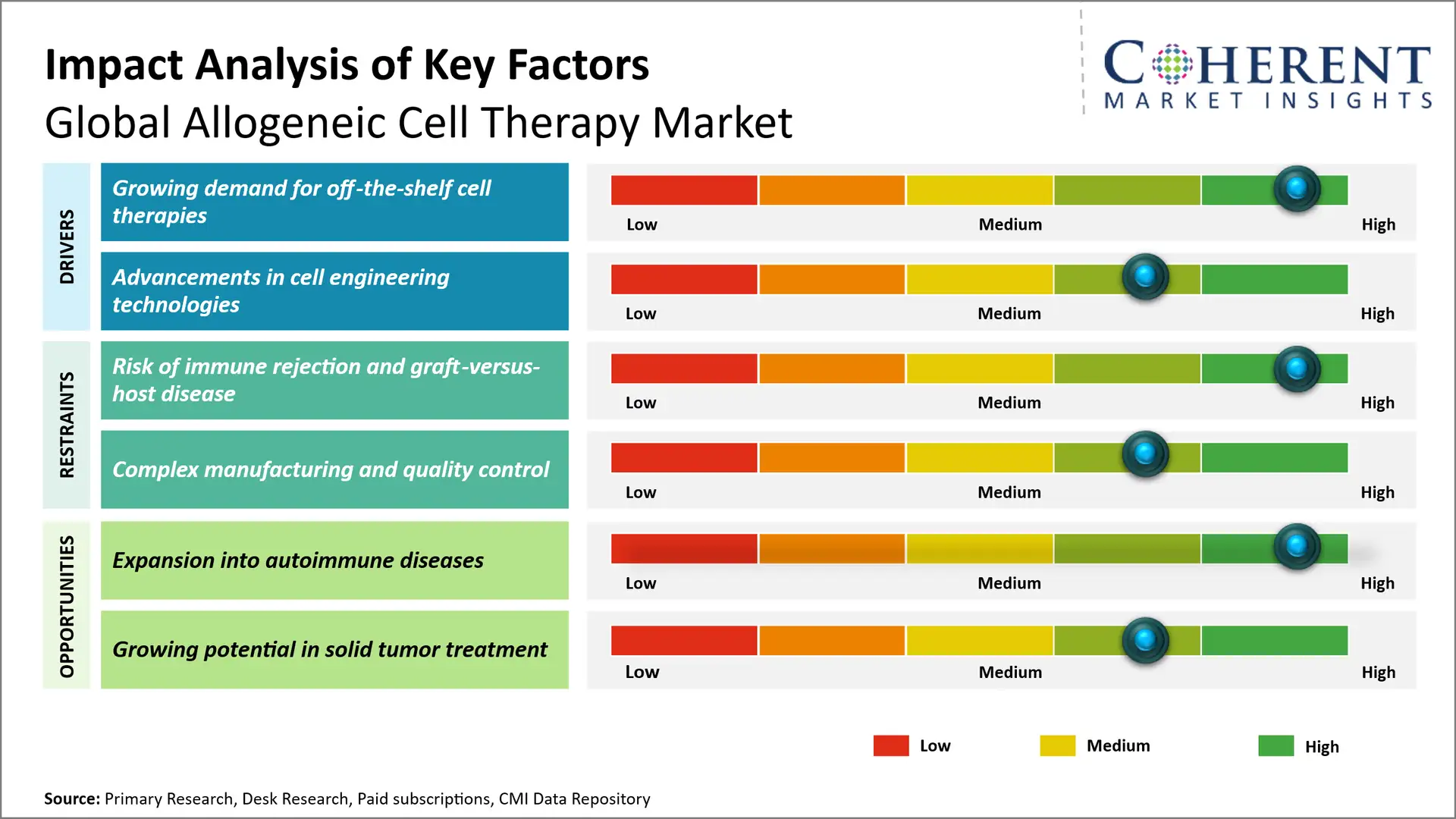
Market Drivers
- Growing demand for off-the-shelf cell therapies: The rising demand for easily accessible donor-derived therapies is one of the major factors supporting the adoption of allogeneic cell platform, which do not require cell collection from the patient and shorter treatment time. In February 2026, Department of Science and Technology (DST), India announced financial grant to East Ocyon Bio, for their efforts to develop indigenous off-the-shelf CAR-NK cell therapy platform, which would treat resistant solid tumors and leishmaniasis. This platform would benefit scalable manufacturing and access to such therapies.
- Advancements in cell engineering technologies: Gene editing donor-derived cells can be genetically edited to enable favorable immune profiles and therapeutic functions through genome editing technologies such as CRISPR-Cas9 and multiplex gene editing. In September 2025, the U.S. National Institutes of Health (NIH) granted USD 314,000 to CellFE, Inc. to build a microfluidic platform that facilitates same-day sequential gene editing of donor T cells to formulate allogeneic cell therapies – addressing challenges related to editing efficiency, manufacturing speed and scalability.
- Increasing government funding for cell therapy research and development: Increased government funding for regenerative medicine research is bringing allogeneic cell therapies closer to market by enabling research in clinical trials, manufacturing, and therapies. In November 2026, the California Institute for Regenerative Medicine (CIRM) launched the Clinical Stage Funding Program to provide up to USD 15 million for Phase II, III and pivotal clinical trials of genetic and stem cell-based therapies for critical unmet needs.
Emerging Trends
- Development of gene-edited universal donor cell therapies: CRISPR-Cas9 and TALEN technologies are leading engineered donor cells that can have lower immunogenicity and graft-versus-host disease risks.
- Impact: Safer, easier to manufacture off-the-shelf therapies are likely to result from increased immune compatibility and less manufacturing pain.
- Market Relevance: Growing number of universal donor CAR-T and NK-cell platforms is likely to contribute to market growth of allogeneic therapies.
- Expansion of iPSC-derived allogeneic cell platforms: As interest in using patient-specific cells to treat diseases continues to grow, scientific studies into induced pluripotent stem cells (iPSCs) are rapidly advancing the development of a standardized cell line that will provide a renewable source for a range of therapeutic uses.
- Impact: They enable uniform production at a large scale and reduce the requirement for recurrent donor cell harvest.
- Market Relevance: An increase in the use of iPSC-derived therapies for autoimmunity and regenerative medicine can lead to a significant market opportunity.
Regional Insights
Why is North America a Strong Market for Allogeneic Cell Therapy?
North America leads the global allogeneic cell therapy market, accounting for an estimated 44.6% share in 2026, due to the high standards of healthcare, high biotech investment in R&D, and established clinical research system in the region. The FDA’s positive framework for regenerative medicine, including the Regenerative Medicine Advanced Therapy (RMAT) designation, and the high level of research funding from the National Institutes of Health (NIH) promote innovation and facilitate the clinical pipeline.
For instance, the U.S. FDA awarded 50 RMAT designations in FY 2025, for a total of 193 designations since the program’s inception in December 2016, reflecting increasing regulatory support for advanced cell and gene therapies. Additionally, the region has a strong GMP manufacturing capacity and well-established regulatory pathways for the development of donor-derived cell therapies.
Why Does Asia Pacific Allogeneic Cell Therapy Market Exhibit High Growth?
Asia Pacific is expected to exhibit the fastest growth in the global allogeneic cell therapy market, registering an estimated CAGR of 25.8% during 2026–2033. The region is projected to account for 24.1% of the global market in 2026, owing to the growing investments in biotech companies and increasing clinical trials in countries such as China, Japan, and South Korea. Additionally, a favorable government policy environment including fast-track approval, government investments for regenerative medicine is helping in the acceleration of clinical development and market adoption of allogeneic cell therapies.
For example, in October 2026, the Agency for Medical Research and Development (AMED) of Japan announced that five projects were selected for FY2026 funding support, including the commercialization of manufacturing methods for gene-modified iPSC-derived NK cells for malignant pleural mesothelioma, which will help to shift from donor-derived cells to clinical and commercial scale cells. Moreover, an increase in the number of cell therapy manufacturing and research collaborations is also likely to propel growth.
Global Allogeneic Cell Therapy Market Outlook for Key Countries
Why is the U.S. Leading Innovation and Adoption in the Allogeneic Cell Therapy Market?
The U.S. presents a strong innovation focus on off-the-shelf allogeneic CAR-T-cell and NK-cell platforms to treat hematological and solid tumors. The country brings to bear specialized cell therapy developers, strong gene-editing abilities and robust GMP manufacturing capabilities to transition donor-derived products from the preclinical to clinical phase. Ultimately, close collaborations among biotech, academic research institutes and clinical sites facilitates product innovation and translation.
Is China a Favorable Market for Allogeneic Cell Therapy Market?
China is a promising growth market for allogeneic cell therapy due to an established and growing ecosystem for CAR-Ts and NK-cell therapies, as well as the continued growth of gene-edited donor-derived cell platform development. Opportunities for allogeneic therapies within hematological and solid cancer indications, as well as autoimmune disease, exist, with the growing domestic cell therapy manufacturing industry enabling rapid clinical pipeline growth.
Is Japan Emerging as a Key Growth Hub for the Allogeneic Cell Therapy Market?
Japan will be a leading growth driver for allogeneic cell therapy driven by its mature regenerative medicine environment and increasing interest in induced pluripotent stem cell (iPSC) therapies. Supported by a conditional and time-limited approval process, Japan will be a promising market for the clinical translation of donor-derived cell therapies in indications such as cardiovascular and neurological conditions. Development of standardized iPSC-based platforms and cell manufacturing expertise will support Japan's next-generation allogeneic cell therapy pipeline.
Why Does Germany Top the European Allogeneic Cell Therapy Market?
Germany represents the largest European market of allogeneic cell therapy market driven by a well-developed hematopoietic stem cell transplant network, well-established biotech research landscape, and its expertise in cell therapy manufacturing. It builds its competitiveness on its proven track record of developing CAR-T cells and its extensive knowledge and well-developed infrastructure in stem cell research and GMP-compliant manufacturing for clinical translation of donor-derived therapies. Academic medical centers, research institutes, and biopharma groups work closely in allogeneic cell therapy for hematological cancers and regenerative medicine applications.
Is Allogeneic Cell Therapy Market Developing in UK?
UK is emerging as a key market for allogeneic cell therapy, owing to its existing stem cell transplant network and the state-of-the-art academic research ecosystem. UK is concentrating on CAR-T development, donor-derived stem cell therapies, and ATMPs, in turn providing an opportunity for clinical translation and commercialization. This, along with collaboration between NHS treatment centers, university research organizations and biotech developers, can help to strengthen the UK’s position in the allogeneic cell therapy space.
Global Allogeneic Cell Therapy Clinical Pipeline by Cell Type and Development Stage (2026)
Cell type | Representative therapy / platform | Therapeutic application | Development stage |
T-Cell Therapies | Cema-cel (CD19 CAR-T) | Large B-cell lymphoma | Phase II |
Natural Killer (NK) Cell Therapies | Cord blood-derived CAR-NK platforms | Acute myeloid leukemia and other hematological malignancies | Phase I |
Mesenchymal Stem Cell Therapies | Allogeneic MSC-based therapies | Spina bifida and inflammatory disorders | Phase I |
Hematopoietic Stem Cell Therapies | Donor-derived HSPC transplantation | Hematological malignancies and bone marrow disorders | Approved / Established clinical use |
Other Cell Types | Allogeneic pluripotent stem cell-derived neural progenitor cells | Parkinson's disease and neurological disorders | Phase I |
How is the expansion into autoimmune diseases creating new growth opportunities in the allogeneic cell therapy market?
Autoimmune indications present a large growth opportunity for allogeneic cell therapies, through the development of donor-derived CAR-T platforms that fundamentally reset dysregulated immune responses found in diseases like lupus, systemic sclerosis, inflammatory myopathies and others. This approach could have the advantage of replacing immunosuppressives over time by eliminating pathogenic immune cells from the immune system. For instance, Phase I RESOLUTION trial investigating ALLO-329, an allogeneic dual-targeted CD19/CD70 CAR-T, is assessing safety and preliminary efficacy in patients with systemic lupus erythematosus, inflammatory myopathies and systemic sclerosis. The development underscores the potential of allogeneic cell therapy for other autoimmune indications beyond oncology into autoimmune indications. (Source: Icahn School of Medicine at Mount Sinai)
Market Players, Key Development, and Competitive Landscape
Key Developments
- On November 12, 2026, Lineage Cell Therapeutics, Inc. acquired NeuroAirmid Therapeutics, Inc., including global rights to HUNT1, a pluripotent stem cell-derived neural cell therapy candidate for HD. With six patients already dosed in the current Phase I/II REGEN4HD study, the acquisition brings a Phase I/II clinical-stage program into the Lineage pipeline and bolsters the potential for stem cell-derived therapies with applications outside oncology.
- In September 2026, Sernova Biotherapeutics Inc. and Seraxis Holdings, Inc. entered into a definitive merger agreement to form Beta Nova Biotherapeutics, Inc. Beta Nova will leverage Sernova's proprietary Cell Pouch Bio-hybrid Organ and combination product platform with Seraxis' specialized stem cell-derived pancreatic islet cell technology and cGMP manufacturing expertise to develop and commercialize a new class of cell therapies to address Type 1 and Type 2 diabetes. In Q1 2027, Beta Nova will progress SR-02, a lead allogeneic islet cell therapy for Type 1 diabetes, into Phase I/II clinical trials post IND clearance by FDA.
Competitive Landscape
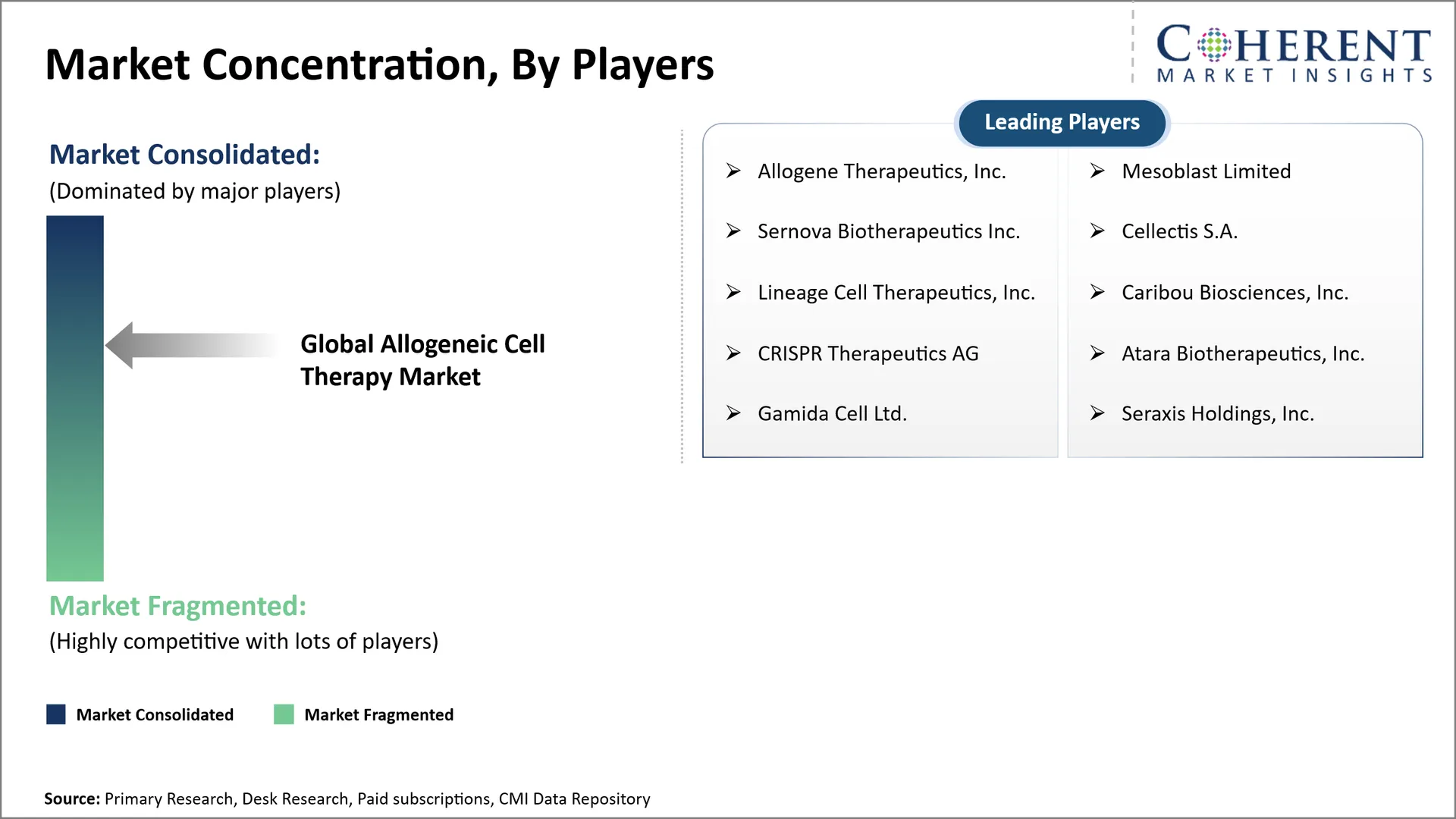
The global market for allogeneic cell therapy is competitive with innovation in off-the-shelf CAR-T platforms, donor-derived NK-cell therapies, mesenchymal stem cell offerings, and gene editing based cell technologies. Companies are competing to enhance immune-matching, avoid GvHD, improve cell persistence, and bring to market more clinical stage candidates in the areas of oncology and autoimmune disease. Competitive positioning will be differentiated by the therapeutic effect, gene-editing expertise, clinical pipeline, manufacturing scale, and product consistency. Key focus areas include:
- Expansion of allogeneic cell therapy indications into autoimmune/inflammatory indications and introduction of engineered T-cell platforms.
- Improvement of large-scale cell expansion, cryopreservation and GMP compliant manufacturing processes for improved product consistency and commercial scalability.
- Development of CAR-T platforms to reduce immune rejection and Graft-versus-host risks.
- Improvements in NK-cell and iPSC derived immune-cell therapies for hematological malignancies and solid tumors.
Market Report Scope
Allogeneic Cell Therapy Market | |||
Report Coverage | Details | ||
Base Year | 2025 | Market Size in 2026: | USD 2.16 Bn |
Historical Data For: | 2020 To 2024 | Forecast Period: | 2026 To 2033 |
Forecast Period 2026 To 2033 CAGR: | 21.9% | 2033 Value Projection: | USD 8.65 Bn |
Geographies covered: |
| ||
Segments covered: |
| ||
Companies covered: | Allogene Therapeutics, Inc., Mesoblast Limited, Sernova Biotherapeutics Inc., Cellectis S.A., Lineage Cell Therapeutics, Inc., Caribou Biosciences, Inc., CRISPR Therapeutics AG, Atara Biotherapeutics, Inc., Gamida Cell Ltd., Seraxis Holdings, Inc. | ||
Growth Drivers: |
| ||
Restraints & Challenges: |
| ||
Analyst Opinion (Expert Opinion)
- Allogeneic cell therapy market growth will ultimately be driven by a shift away from traditional donor-derived procedures and towards off-the-shelf, engineered cellular therapies. Gene-edited CAR-T and NK-cell therapies will become an increasingly prominent feature as companies strive to mitigate immune rejection, improve cell persistence and ensure consistent treatment results. Autoimmune indications and regenerative medicine should also begin to expand the long-term application scope of the industry.
- The most attractive opportunity is in allogeneic T-cell therapies for autoimmune diseases in China, specifically engineered CAR-T platforms, which focus on B cell-mediated autoimmune diseases, such as systemic lupus erythematosus. The ongoing growth of clinical development and cell manufacturing infrastructure in China holds the potential for scale. For Japan, opportunities exist in iPSC-technology-based regenerative therapies for neurological and cardiovascular diseases.
- In order to gain a competitive advantage market players should focus on gene-editing approaches that minimize immune incompatibility and ensure efficacy and long-term cell persistence. Investment in scalable manufacturing, standardized donor sourcing and strong cryopreservation capabilities will be critical to achieve improved economics and product consistency. Players should focus on indications with high unmet needs, develop dedicated clinical development partnerships, and invest in manufacturing that supports product commercialization in multiple indications.
Speak to the analyst
Want personalized insights?
Take the findings above to one of our principal consultants, or have the report rebuilt around the segments, geographies and competitors you actually track.
Market Segmentation
- Therapy Type Insights (Revenue, USD Bn, 2021 - 2033)
- Stem Cell Therapies
- Non-Stem Cell Therapies
- Cell Type Insights (Revenue, USD Bn, 2021 - 2033)
- T-Cell Therapies
- Natural Killer (NK) Cell Therapies
- Mesenchymal Stem Cell Therapies
- Hematopoietic Stem Cell Therapies
- Others
- Cell Source Insights (Revenue, USD Bn, 2021 - 2033)
- Umbilical Cord Blood and Placenta
- Peripheral Blood
- Bone Marrow
- Adipose Tissue
- Others
- Therapeutic Area Insights (Revenue, USD Bn, 2021 - 2033)
- Oncology
- Hematological Disorders
- Autoimmune and Inflammatory Diseases
- Dermatological Disorders
- Cardiovascular and Neurological Disorders
- Others
- End User Insights (Revenue, USD Bn, 2021 - 2033)
- Hospitals and Specialty Cancer Centers
- Research and Academic Institutes
- Specialty Clinics
- Others
- Regional Insights (Revenue, USD Bn, 2021 - 2033)
- North America
- U.S.
- Canada
- Latin America
- Brazil
- Argentina
- Mexico
- Rest of Latin America
- Europe
- Germany
- U.K.
- Spain
- France
- Italy
- Russia
- Rest of Europe
- Asia Pacific
- China
- India
- Japan
- Australia
- South Korea
- ASEAN
- Rest of Asia Pacific
- Middle East
- GCC Countries
- Israel
- Rest of Middle East
- Africa
- South Africa
- North Africa
- Central Africa
- North America
- Key Players Insights
- Allogene Therapeutics, Inc.
- Mesoblast Limited
- Sernova Biotherapeutics Inc.
- Cellectis S.A.
- Lineage Cell Therapeutics, Inc.
- Caribou Biosciences, Inc.
- CRISPR Therapeutics AG
- Atara Biotherapeutics, Inc.
- Gamida Cell Ltd.
- Seraxis Holdings, Inc.
Sources
Primary Research Interviews
- Allogeneic Cell Therapy Research Scientists
- Cell Therapy Clinical Development Specialists
- Stem Cell and CAR-T Research Experts
- Biopharmaceutical Manufacturing Specialists
Stakeholders
- Allogeneic Cell Therapy Platform Developers
- Pharmaceutical and Biotechnology Companies
- Contract Development and Manufacturing Organizations (CDMOs)
- Cell Therapy Research and Development Institutions
- End-use Sectors
- Hospitals and Multispecialty Healthcare Systems
- Specialty Oncology and Cancer Treatment Centers
- Regenerative Medicine and Cell Therapy Centers
- Academic and Research Institutions
- Regulatory & Health Bodies
- U.S. Food and Drug Administration (FDA)
- Pharmaceuticals and Medical Devices Agency (PMDA), Japan
- Ministry of Health, Labour and Welfare (MHLW), Japan
- Japan Agency for Medical Research and Development (AMED)
Databases
- ClinicalTrials.gov
- WHO International Clinical Trials Registry Platform (ICTRP)
- NIH RePORTER
- International Agency for Research on Cancer (IARC) – Global Cancer Observatory
Public Domain Sources
- U.S. Food and Drug Administration (FDA)
- National Institutes of Health (NIH)
- Health Resources and Services Administration (HRSA)
- Japan Agency for Medical Research and Development (AMED)
Proprietary Elements
- CMI Data Analytics Tool, Proprietary CMI Existing Repository of information for last 10 years.
Get access to 250+ pages report
Every segment, forecast, competitor profile and data table behind the analysis above — available for instant download.
- ESOMAR Member
- ISO 9001:2015 Certified
- D-U-N-S Registered
- GDPR & CCPA Compliant
Frequently Asked Questions
The global allogeneic cell therapy market is estimated to be valued at USD 2.16 Bn in 2026 and is expected to reach USD 8.65 Bn by 2033.
Stem cell therapies lead the market because of their transplantation applications, regenerative capabilities and their wide range of therapeutic use in a range of hematological and immune diseases.
Allogenic cell therapy is where cells from a healthy donor are used for infusion into a person in need of therapy.
The CAGR of global allogeneic cell therapy market is projected to be 21.9% from 2026 to 2033.
Growing demand for off-the-shelf cell therapies, and advancements in cell engineering technologies are the major factors driving the growth of the global allogeneic cell therapy market.
Risk of immune rejection and graft-versus-host disease, and complex manufacturing and quality control are the major factors hampering the growth of the global allogeneic cell therapy market.
In terms of cell source, umbilical cord blood and placenta is estimated to dominate the market revenue share in 2026.