

Global Atopic Dermatitis Therapeutics Market Size and Forecast – 2026 To 2033
The global atopic dermatitis therapeutics market is expected to grow from USD 20.74 Bn in 2026 to USD 35.89 Bn by 2033, registering a compound annual growth rate (CAGR) of 8.2% from 2026 to 2033. The market for global atopic dermatitis therapeutics is poised for significant expansion, fueled by the rising global prevalence and disease burden of atopic dermatitis, which is increasing the need for diagnosis and treatment.
According to the World Health Organization (WHO), atopic dermatitis affects approximately 204.05 million people globally, including 102.78 million children and 101.27 million adults, highlighting the substantial patient population requiring ongoing disease management and therapeutic intervention.
Key Takeaways of the Global Atopic Dermatitis Therapeutics Market
- Biologics are projected to hold 31.8% of the global atopic dermatitis therapeutics market share in 2026, making it dominant drug class segment across North America due to the established use of targeted biologic therapies for moderate-to-severe disease. For instance, the U.S. Food and Drug Administration (FDA) recognizes biologic treatment such as dupilumab and lebrikizumab for patients with moderate-to-severe atopic dermatitis inadequately controlled by topical prescription therapies, supporting the strong position of biologics in the U.S. therapeutic landscape.
- Topical is projected to hold 43.6% of the global atopic dermatitis therapeutics market share in 2026, making it dominant route of administration segment across Europe due to established treatment pathways that prioritize topical management. For instance, the UK National Institute for Health and Care Excellence (NICE) recommends emollients and topical corticosteroids as core treatments for pediatric atopic eczema, with treatment potency adjusted according to disease severity, reinforcing the continued use of topical therapies in routine care.
- Moderate is projected to hold 42.7% of the global atopic dermatitis therapeutics market share in 2026, making it dominant severity segment with Asia Pacific representing a significant growth market as regulatory frameworks increasingly support access to systemic targeted therapies. For instance, in May 2026, Japan’s Ministry of Health, Labour and Welfare (MHLW) revised its optimal-use guideline for baricitinib for patients with atopic dermatitis inadequately controlled by existing treatments, supporting the structured use of targeted systemic therapy in the country.
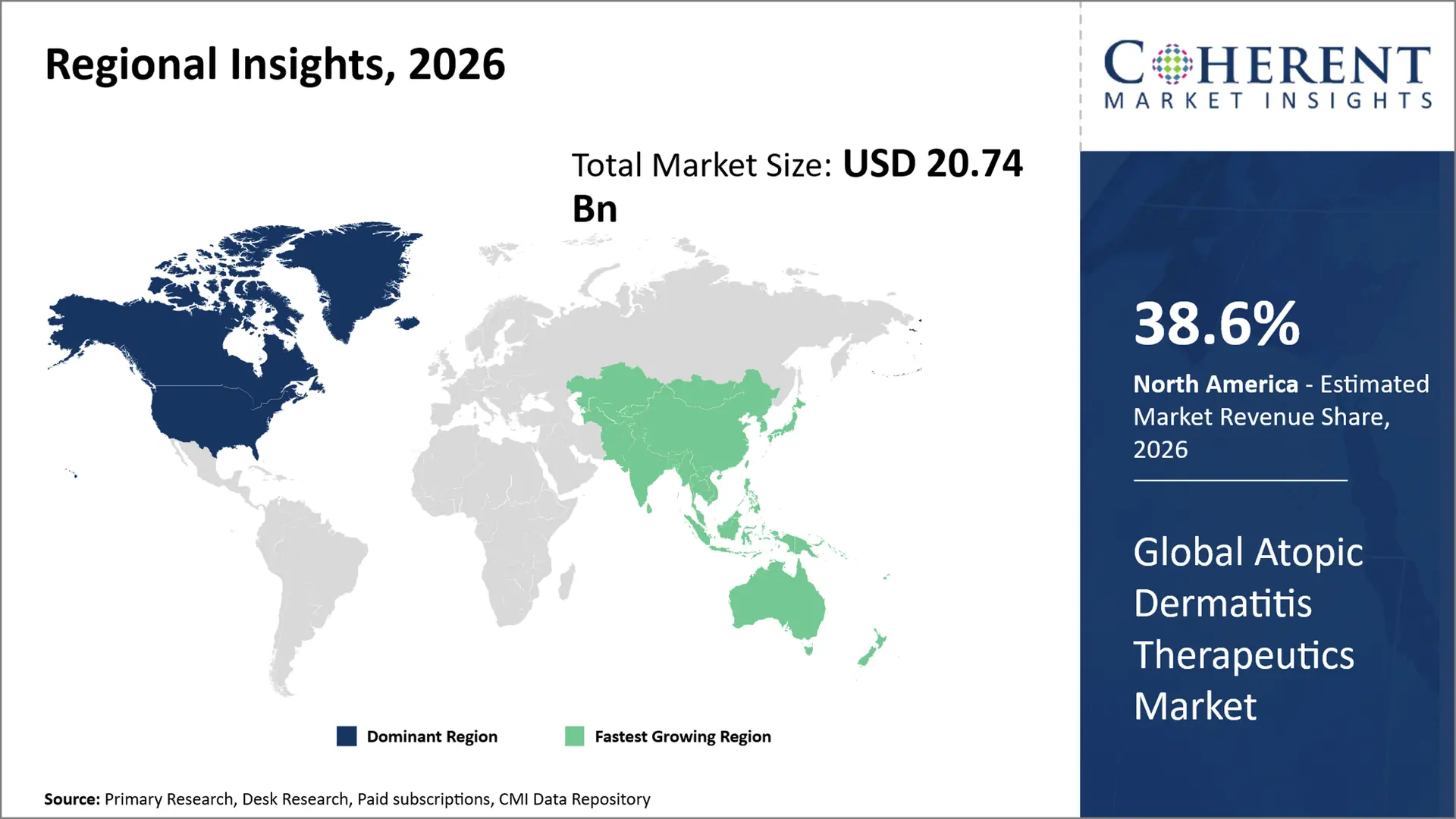
- North America market maintains dominance with an expected share of 38.6% in 2026, bolstered by the region’s established regulatory framework and access to advanced targeted therapies for atopic dermatitis. For instance, in February 2026, Health Canada added nemolizumab to its Prescription Drug List, with the listing covering its use in patients aged 12 years and older with moderate-to-severe atopic dermatitis inadequately controlled by topical prescription therapies.
- Asia Pacific is expected to exhibit the fastest growth in the global atopic dermatitis therapeutics market, registering an estimated CAGR of 9.4% during 2026–2033, driven by improving treatment access and stronger government support for standardized management of atopic dermatitis. For instance, China’s National Health Commission reported that the National Healthcare Security Administration had included commonly used atopic dermatitis medicines in the national reimbursement system and had used reimbursement negotiations to reduce the prices of therapies including dupilumab, crisaborole, and upadacitinib, supporting broader patient access to advanced AD treatments.
Segmental Insights
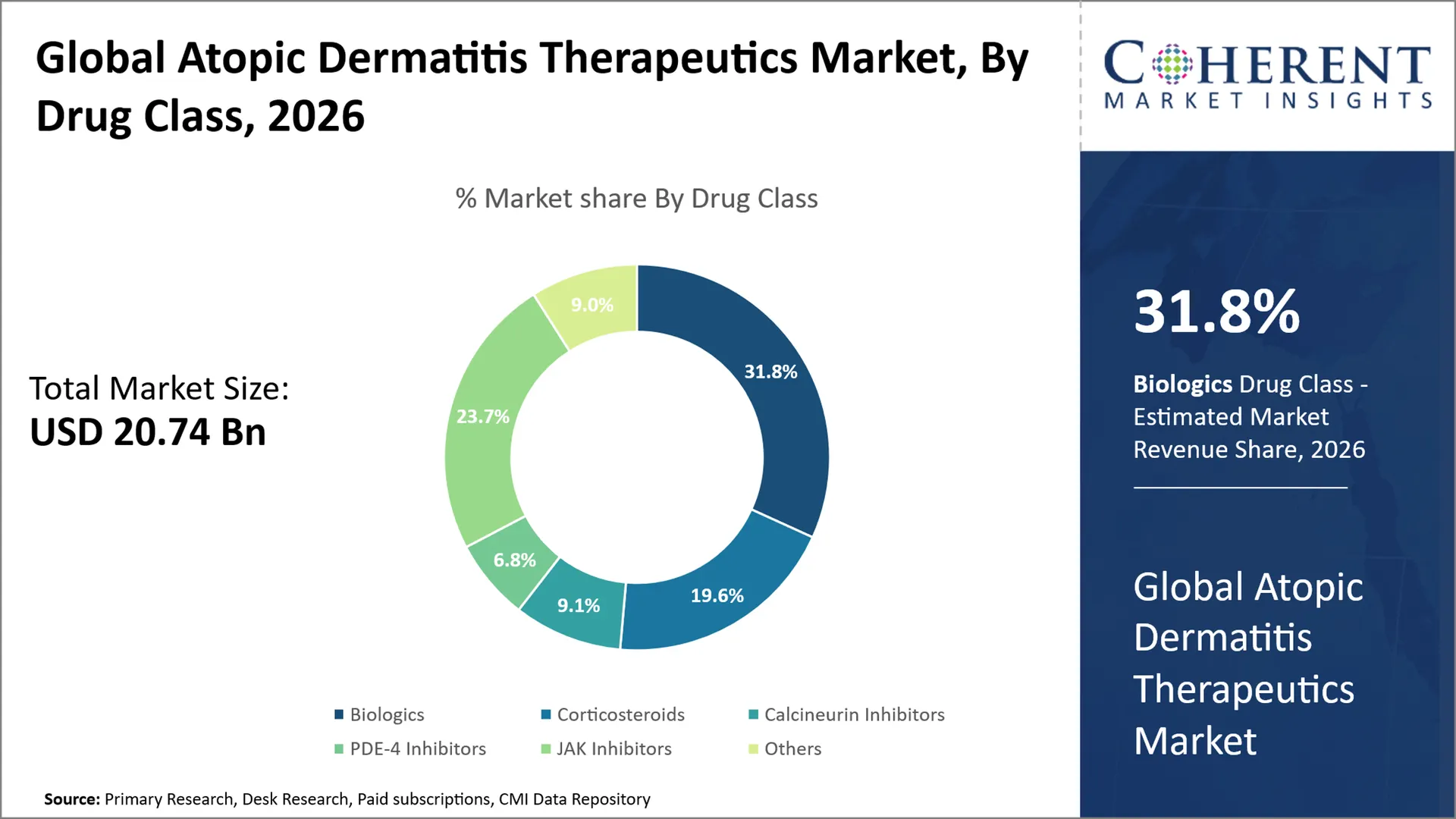
Why Do Biologics Dominate the Global Atopic Dermatitis Therapeutics Market?
Biologics are projected to hold the market share of 31.8% in 2026, as they possess the various targeted mechanisms and have been proven effective in treat moderate-to-severe AD. The ability of these biologics to selectively block major inflammatory pathways like IL-4/IL-13 or IL-31 could have significantly contributed to their role in patients requiring systemic treatment. For instance, in February 2025, the European Medicines Agency (EMA) granted marketing authorization in the European Union for nemolizumab (Nemluvio), an IL-31 receptor antagonist, for use in the treatment of patients aged 12 years and older with moderate-to-severe atopic dermatitis who are candidates for systemic therapy.
- Current Industry Events of 2026
- Market Size Estimation
- Regional Breakdown
- Competitive Landscape
- Customer Intelligence
- Segmental Analysis
- Pricing Analysis
- Key Market Drivers, Challenges & Future Trends
- Customized Insights Section
Why Do Topical Represent the Largest Route of Administration Segment in the Atopic Dermatitis Therapeutics Market?
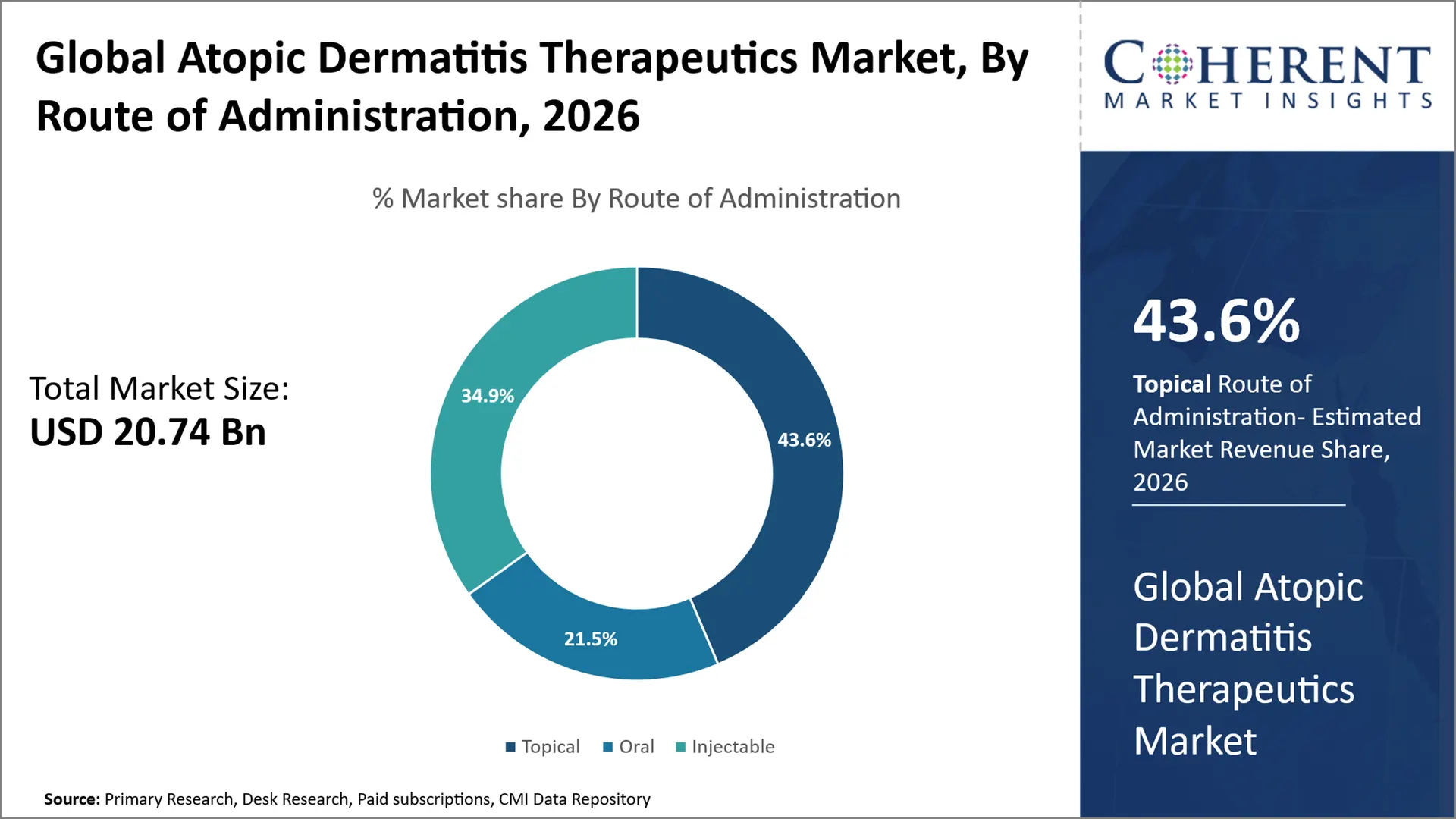
Topical is projected to hold a market share of 43.6% in 2026, due to their targeted mode of action, ease of application and proven efficacy as a first line therapy in atopic dermatitis patients. In addition, corticosteroids, calcineurin, PDE-4 and topical JAK inhibitors seem to broaden the scope of treatment options without systemic penetration. For instance, in 2025, the American Academy of Dermatology (AAD) updated its clinical guideline recommending the use of a few topical treatments, including topical corticosteroids, calcineurin inhibitors, PDE-4 inhibitors, and topical JAK inhibitors for certain patients with atopic dermatitis.
Moderate Segment Dominates the Global Atopic Dermatitis Therapeutics Market
The moderate segment is projected to hold a market share of 42.7% in 2026, due to the continued severity of symptoms which may involve advanced treatment than simple skin care or mild topical treatment. In addition, the segment is estimated to grow due to the presence of moderate topical agents and systemic targeted treatments allowing for treatment escalation. For instance, in April 2026, the American Academy of Dermatology (AAD) published its first-ever guidance on pediatric atopic dermatitis for moderate to severe cases, including monoclonal antibodies and JAK inhibitors, illustrating the increasing treatment options required in this severity group.
Current Events and their Impact
Current Events | Description and its Impact |
WHO Develops Global Action Plan for Skin Diseases 2026–2035 (July 2026) |
|
Japan Revises Optimal-Use Guideline for Baricitinib in Atopic Dermatitis (May 2026) |
|
NICE Updates Atopic Eczema Management Guidance for Children (September 2025) |
|
Atopic Dermatitis Therapeutics Market Dynamics
Market Drivers
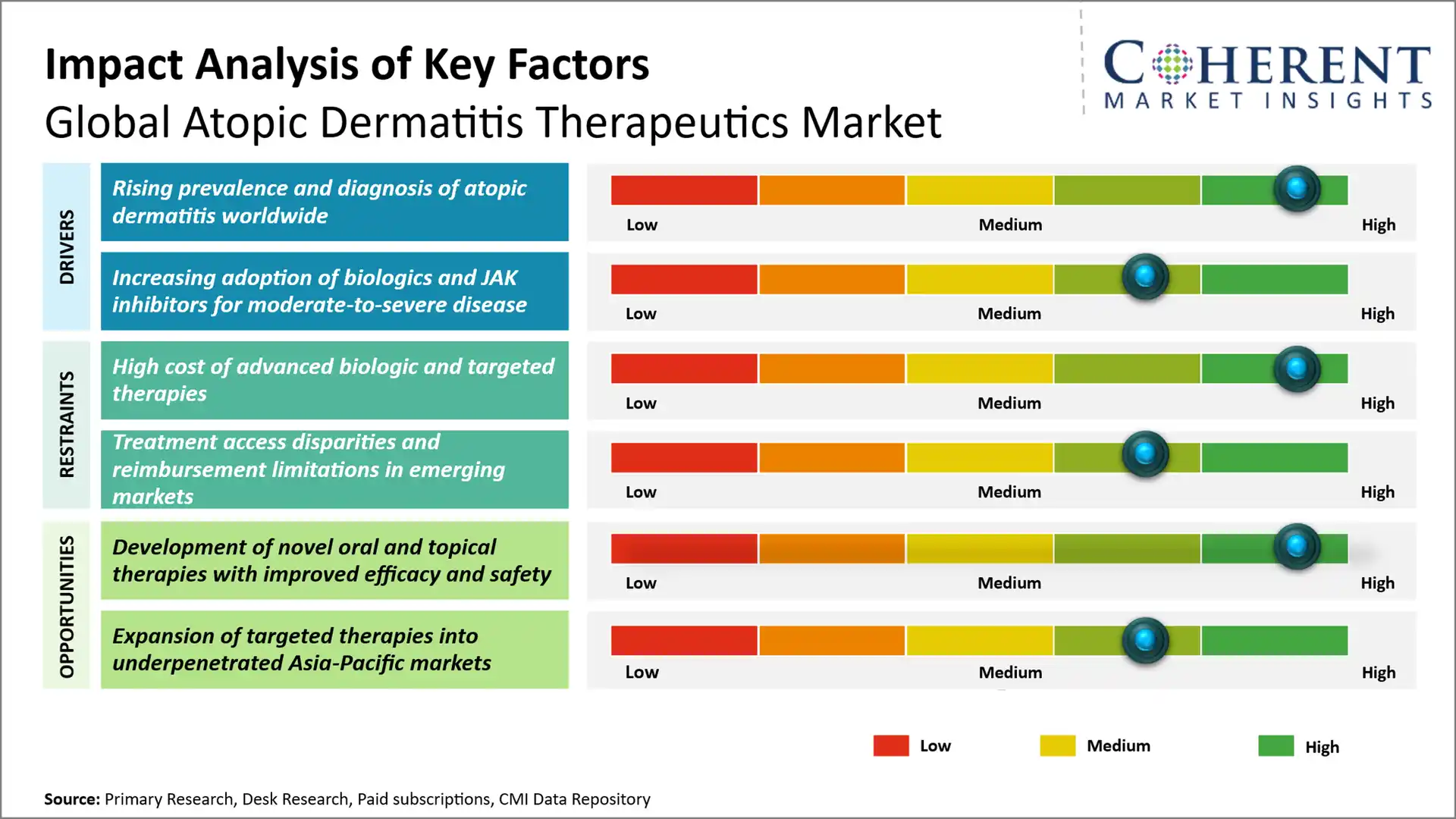
- Rising prevalence and diagnosis of atopic dermatitis worldwide: The rising prevalence of atopic dermatitis, coupled with improved disease recognition and diagnosis, is expanding the treated patient population worldwide. Increasing awareness among patients and healthcare professionals is also encouraging earlier diagnosis and greater demand for pharmacological management. For instance, in 2025, the World Health Organization adopted Resolution WHA78.15, recognizing skin diseases as a global public health priority and calling for stronger prevention, diagnosis, treatment, and access to care.
- Increasing adoption of biologics and JAK inhibitors for moderate-to-severe disease: The increasing adoption of biologics and JAK inhibitors is reshaping treatment approaches for patients with moderate-to-severe atopic dermatitis who require systemic therapy. Their targeted mechanisms, clinical efficacy, and availability of multiple treatment options are supporting a shift away from conventional systemic immunosuppressants. For instance, in September 2024, the U.S. FDA approved lebrikizumab (Ebglyss) for the treatment of moderate-to-severe atopic dermatitis in adults and pediatric patients aged 12 years and older, expanding targeted biologic treatment options.
- Growing awareness and early diagnosis of atopic dermatitis: Growing awareness of atopic dermatitis is encouraging patients to seek medical attention earlier and improving recognition of symptoms by healthcare professionals. Greater disease education and access to dermatology services are supporting earlier diagnosis and initiation of appropriate treatment. For instance, the American Academy of Dermatology promote October as Eczema Awareness Month, providing educational resources to help patients recognize eczema symptoms and seek evaluation by dermatologists.
Emerging Trends
- Shift toward targeted biologics and novel pathway inhibitors: The market is moving toward therapies targeting specific inflammatory pathways, including IL-13, IL-31, OX40/OX40L, and TSLP. This trend is expanding treatment options for patients with moderate-to-severe or inadequately controlled atopic dermatitis.
- Growing adoption of nonsteroidal topical therapies: Development of nonsteroidal topical treatments, including PDE-4 inhibitors, topical JAK inhibitors, and newer agents such as tapinarof and roflumilast, is gaining momentum. These therapies aim to improve long-term disease management while reducing reliance on topical corticosteroids.
- Development of long-acting and patient-convenient therapies: Drug developers are increasingly pursuing long-acting biologics and less frequent dosing regimens to improve treatment convenience and adherence. Extended dosing intervals are particularly relevant for chronic atopic dermatitis patients requiring long-term systemic therapy.
Regional Insights
Why is North America a Strong Market for Atopic Dermatitis Therapeutics?
North America leads the global atopic dermatitis therapeutics market, accounting for an estimated 38.6% share in 2026, due to region’s advance healthcare infrastructure, sophisticated pharmaceutical R&D sector along with high adoption of novel treatments for dermatological conditions. Additionally, investment in biologics and targeted therapeutics is high in the region and is supported by established specialist care networks and authorities such as the U.S. Food and Drug Administration for regulatory pathways to speed up the development and approval process of such therapeutics.
For instance, U.S. FDA's fast track designation accelerates the development and review of drugs for serious conditions and unmet medical needs, offering more frequent communication with the FDA during the development process. This path can help speed the development of new systemic and targeted therapies. Furthermore, region’s well-established research capabilities and academic-industry collaboration in the region substantiates the North America’s lead in the global atopic dermatitis therapeutics market.
Why Does Asia Pacific Atopic Dermatitis Therapeutics Market Exhibit High Growth?
Asia Pacific is expected to exhibit the fastest growth in the global atopic dermatitis therapeutics market, registering an estimated CAGR of 9.4% during 2026–2033. The region is projected to account for 21.8% of the global market in 2026, owing to soaring health expenditure, growing disease awareness, and upsurge in access to highly advanced skin-related solutions. As countries develop rapidly, wider penetration of improved healthcare infrastructure is expected to further promote diagnosis and treatment across the region's large markets.
Additionally, the government in countries like South Korea, China, and India are actively investing into supporting domestic drug discovery and development ecosystems by ensuring comparatively simple policies, subsidies, and lower approval timeframes. For instance, China’s National Medical Products Administration (NMPA) implemented 30-working-day review and approval, for eligible innovative-drug clinical trial applications, while the regular process takes 60 working days. This track is reserved for the nationally prioritized innovative drugs and globally synchronized development drugs.
Global Atopic Dermatitis Therapeutics Market Outlook for Key Countries
Why is the U.S. Leading Innovation and Adoption in the Atopic Dermatitis Therapeutics Market?
The U.S. atopic dermatitis therapeutics market is the dominant market owing to the early adoption of biologics and JAK inhibitors for the treatment of moderate-to-severe disease and the availability of multiple targeted treatment options. The market is also bolstered by a robust pipeline with IL-4/IL-13, IL-31, and JAK pathways, promoting therapeutic differentiation. Furthermore, the existing use of advanced systemic therapies has helped position toward targeted therapies and move away from traditional immunosuppressives.
Is Japan a Favorable Market for Atopic Dermatitis Therapeutics Market?
The atopic dermatitis therapeutics market in Japan is attractive due to a higher adoption rate of advanced systemic therapies along with the presence of a well-established dermatologist care infrastructure. The market has huge potential for biologics, JAK inhibitors, and other targeted therapies for the treatment of moderate-to-severe disease. Moreover, the growing demand for superior long-term disease management and treatment options with improved efficacy and safety are also contributing to market growth.
Is China Emerging as a Key Growth Hub for the Atopic Dermatitis Therapeutics Market?
The growth of the China atopic dermatitis therapeutics market is driven by a growing availability of targeted therapy options and an increasing need for specialist-led management of atopic dermatitis, which has increased the number of patients seeking diagnosis and treatment. Moreover, the market is further driven by the rapid expansion of the dermatology clinics outside the major cities, thereby improving access to experts for treatment of atopic dermatitis. Increasing domestic capabilities are further accelerating the development of atopic dermatitis treatments relevant to local patients.
Why Does Germany Top the European Atopic Dermatitis Therapeutics Market?
Germany leads the European atopic dermatitis therapeutics market, owing to the large diagnosed patient base and high adoption of the prescription-based dermatology drugs. The country has a robust healthcare infrastructure that includes access to best practices dermatologists and specialized clinics and centers that promotes uniform treatment and its accessibility in the country.
Is Atopic Dermatitis Therapeutics Market Developing in France?
France atopic dermatitis therapeutics market is expanding driven by an established dermatology care path and increasing use of advanced therapies for uncontrolled atopic dermatitis patients. Furthermore, the market will gain growth owing to expanding treatment options such as biologics, JAK inhibitors and steroid sparing therapies in nonsteroidal topical agents. The long-term disease control and management will contribute to the increase in demand for different treatment options.
Key Atopic Dermatitis Therapeutics by Drug Class, Mechanism, Route, and Disease Severity
Drug Class | Key Mechanism/Target | Representative Therapies | Primary Route | Main Disease Severity |
Corticosteroids | Broad anti-inflammatory activity | Topical corticosteroids | Topical | Mild–Severe |
Calcineurin Inhibitors | Calcineurin/T-cell inhibition | Tacrolimus, Pimecrolimus | Topical | Mild–Moderate |
PDE-4 Inhibitors | PDE-4 inhibition | Crisaborole, Roflumilast | Topical | Mild–Moderate |
Biologics | Targeted cytokine/pathway inhibition | Dupilumab, Tralokinumab, Lebrikizumab, Nemolizumab | Injectable | Moderate–Severe |
JAK Inhibitors | JAK pathway inhibition | Upadacitinib, Abrocitinib, Baricitinib, Ruxolitinib | Oral/Topical | Moderate–Severe |
Other Systemic Therapies | Broad immunosuppression | Cyclosporine, Methotrexate, Azathioprine | Oral | Moderate–Severe |
How is the development of novel oral and topical therapies with improved efficacy and safety creating new growth opportunities in the atopic dermatitis therapeutics market?
The atopic dermatitis therapeutics market reflects a significant market potential for novel oral and topical therapies which could improve efficacy, safety and ease of use. The strong drive towards targeted therapies will also promote the development of products aimed at particular inflammatory pathways, which could offset some of the drawbacks associated with current therapies. Improvements in delivery systems and nonsteroidal therapies will also produce new opportunities for improved adherence and expanded treatment options. For instance, in October 2025, the U.S. Food and Drug Administration (FDA) expanded the approval of roflumilast (Zoryve) cream for the treatment of mild-to-moderate atopic dermatitis, including a 0.05% formulation for two- to five-year-old children, demonstrating ongoing effort to advance nonsteroidal topical therapies.
Market Players, Key Development, and Competitive Landscape
Key Developments
- On October 1, 2026, Sanofi and Regeneron Pharmaceuticals, Inc. expanded their global antibody alliance to include four next-generation, long-acting immunology antibodies, including REGN20423, a long-acting IL-13 monoclonal antibody in Phase 1 development for atopic dermatitis. The companies will jointly develop and commercialize the programs, with Regeneron receiving USD 1 billion upfront and potential milestone payments of up to USD 7 billion.
- In September 2026, Aethlon Medical, Inc. and North Immunology, Inc. announced a merger to advance NOR-101, a half-life-extended IL-13 × IL-18 bispecific antibody being developed for atopic dermatitis. The Phase 1a study is expected to begin in Q1 2027, followed by Phase 1b and Phase 2b studies in 2027, with topline data expected in 2028. Aethlon Medical, Inc.
- In July 2026, Turn Therapeutics, Inc. announced the final Stage 2 design and data-driven expansion of its Phase 2 program evaluating GX-03 in atopic dermatitis. The expanded study will evaluate approximately 120–135 patients across the full EASI severity spectrum, following interim findings showing clinically meaningful treatment responses and a favorable safety profile.
- In July 2026, Nektar Therapeutics initiated the Phase 3 ZENITH AD program evaluating rezpegaldesleukin, a novel regulatory T-cell biologic, for moderate-to-severe atopic dermatitis. The program comprises three global Phase 3 trials covering biologic/JAK inhibitor treatment-naïve and treatment-experienced patients.
Competitive Landscape
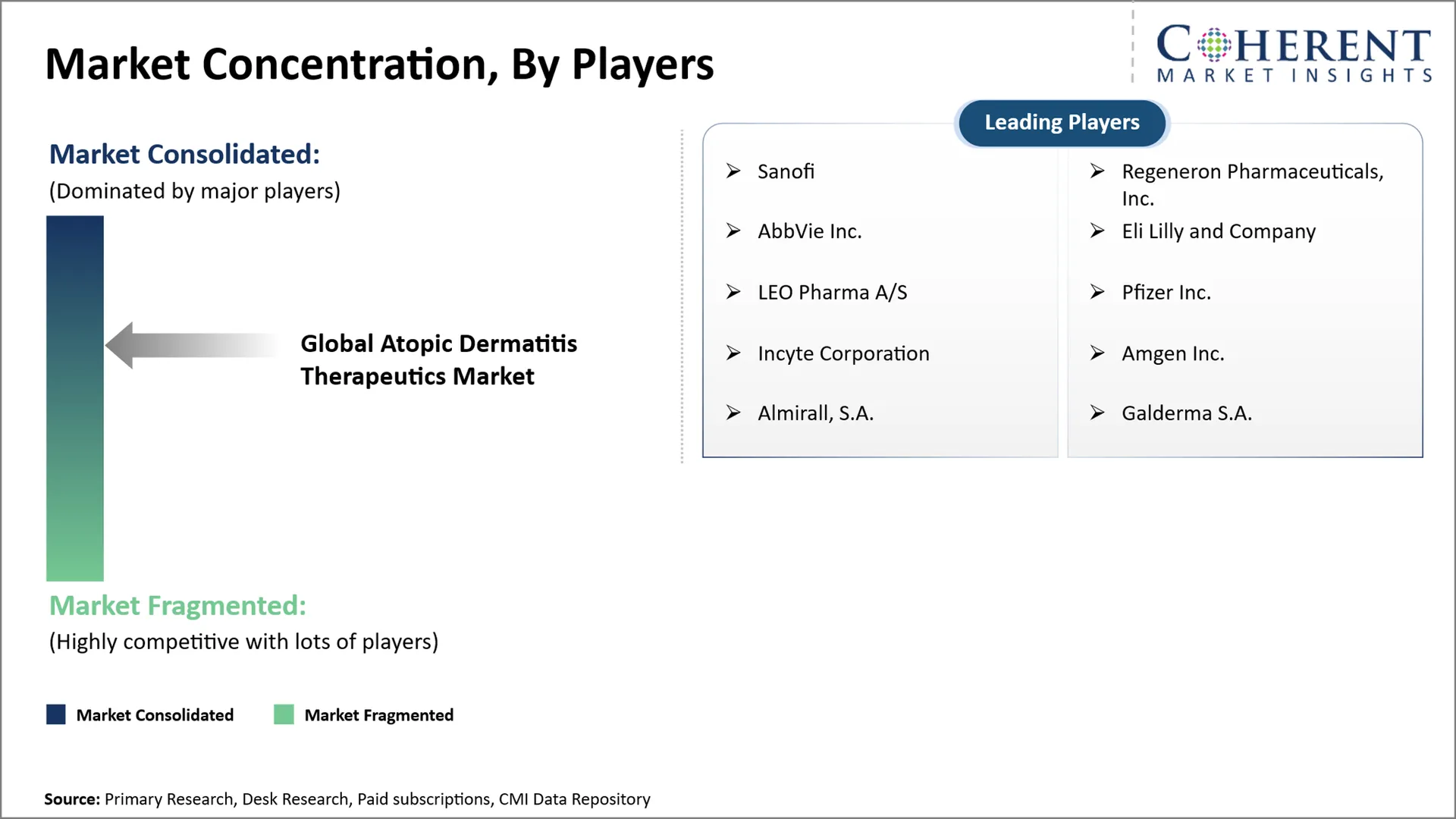
The global atopic dermatitis therapeutics market is highly competitive, with market dynamics shaped by the expansion of biologics, JAK inhibitors, novel targeted therapies, and differentiated topical treatments. Market participants are increasingly focusing on improving efficacy and safety, extending treatment options across disease severity, and developing therapies targeting new inflammatory pathways. Key focus areas include:
- Development of next-generation biologics targeting IL-13, IL-31, OX40/OX40L, and other inflammatory pathways
- Expansion of oral and topical JAK inhibitor therapies for moderate-to-severe atopic dermatitis
- Development of novel topical therapies with improved efficacy and safety profiles
- Advancement of long-acting and less frequent dosing regimens to improve treatment convenience and adherence
- Expansion of clinical pipelines targeting broader patient populations and treatment-resistant atopic dermatitis
Market Report Scope
Global Atopic Dermatitis Therapeutics Market | |||
Report Coverage | Details | ||
Base Year | 2025 | Market Size in 2026: | USD 20.74 Bn |
Historical Data For: | 2020 To 2024 | Forecast Period: | 2026 To 2033 |
Forecast Period 2026 To 2033 CAGR: | 8.2% | 2033 Value Projection: | USD 35.89 Bn |
Geographies covered: |
| ||
Segments covered: |
| ||
Companies covered: | Sanofi, Regeneron Pharmaceuticals, Inc., AbbVie Inc., Eli Lilly and Company, LEO Pharma A/S, Pfizer Inc., Incyte Corporation, Amgen Inc., Almirall, S.A., Galderma S.A. | ||
Growth Drivers: |
| ||
Restraints & Challenges: |
| ||
Analyst Opinion (Expert Opinion)
- In the coming years, global atopic dermatitis therapeutics market is expected to shift toward targeted, mechanism-specific therapies, particularly biologics and JAK inhibitors, as treatment moves beyond conventional topical corticosteroids and nonspecific immunosuppression. Longer-acting formulations, improved safety profiles, and therapies targeting differentiated inflammatory pathways are likely to become important areas of innovation, while combination and personalized treatment approaches may gain traction for patients with inadequate response to existing therapies.
- The maximum opportunities are foreseen within targeted systemic therapies for moderate-to-severe atopic dermatitis in China, where a large patient pool, increasing diagnosis, expanding access to advanced therapies, and growing acceptance of innovative dermatology treatments create substantial headroom for market penetration. India also presents an attractive opportunity for cost-effective topical and systemic therapies for moderate-to-severe AD, particularly where affordability and wider treatment access can support volume growth.
- In order to gain a competitive advantage, market players should prioritize differentiated efficacy and safety, convenient dosing, and broader patient applicability rather than competing solely on established mechanisms. Building region-specific pricing and access strategies, strengthening local partnerships, and developing therapies that address treatment-resistant or inadequately controlled AD can help companies accelerate adoption and establish a stronger competitive position.
Speak to the analyst
Want personalized insights?
Take the findings above to one of our principal consultants, or have the report rebuilt around the segments, geographies and competitors you actually track.
Market Segmentation
- Drug Class Insights (Revenue, USD Bn, 2021 - 2033)
- Biologics
- Corticosteroids
- Calcineurin Inhibitors
- PDE-4 Inhibitors
- JAK Inhibitors
- Others
- Route of Administration Insights (Revenue, USD Bn, 2021 - 2033)
- Topical
- Oral
- Injectable
- Severity Insights (Revenue, USD Bn, 2021 - 2033)
- Mild
- Moderate
- Severe
- Distribution Channel Insights (Revenue, USD Bn, 2021 - 2033)
- Hospital Pharmacies
- Retail Pharmacies
- Online Pharmacies
- Regional Insights (Revenue, USD Bn, 2021 - 2033)
- North America
- U.S.
- Canada
- Latin America
- Brazil
- Argentina
- Mexico
- Rest of Latin America
- Europe
- Germany
- U.K.
- Spain
- France
- Italy
- Russia
- Rest of Europe
- Asia Pacific
- China
- India
- Japan
- Australia
- South Korea
- ASEAN
- Rest of Asia Pacific
- Middle East
- GCC Countries
- Israel
- Rest of Middle East
- Africa
- South Africa
- North Africa
- Central Africa
- North America
- Key Players Insights
- Sanofi
- Regeneron Pharmaceuticals, Inc.
- AbbVie Inc.
- Eli Lilly and Company
- LEO Pharma A/S
- Pfizer Inc.
- Incyte Corporation
- Amgen Inc.
- Almirall, S.A.
- Galderma S.A.
Sources
Primary Research Interviews
- Dermatologists and pediatric dermatologists specializing in atopic dermatitis management and advanced therapies
- Allergists and immunologists involved in systemic and targeted AD treatment
- Clinical investigators conducting trials of biologics, JAK inhibitors, topical therapies, and emerging AD therapeutics
- Hospital and specialty-clinic decision-makers responsible for dermatology treatment protocols and formulary selection
- Pharmaceutical and biotechnology executives involved in atopic dermatitis drug development and commercialization
Stakeholders
- Pharmaceutical companies developing and commercializing atopic dermatitis therapeutics
- Biotechnology companies developing biologics, JAK inhibitors, and novel targeted therapies
- Dermatology clinics and specialty healthcare providers
- Contract research organizations (CROs) conducting atopic dermatitis clinical trials
- Specialty pharmacies and pharmaceutical distribution providers
- Healthcare payers and pharmacy benefit managers involved in reimbursement and access
- Research organizations and academic institutions specializing in inflammatory skin diseases
- End-use Sectors
- Hospitals and Dermatology Centers
- Specialty Clinics and Physician Practices
- Retail and Specialty Pharmacies
- Online Pharmacies and Digital Health Platforms
- Research and Academic Institutions
- Pharmaceutical and Biotechnology Companies
- Other Healthcare Facilities
- Regulatory & Health Bodies
- U.S. Food and Drug Administration (FDA) – approval and safety oversight of atopic dermatitis drugs and biologics
- European Medicines Agency (EMA) – regulatory evaluation of medicines for atopic dermatitis across the European Union
- Medicines and Healthcare products Regulatory Agency (MHRA), UK – regulation of medicines and biologic therapies
- Pharmaceuticals and Medical Devices Agency (PMDA), Japan – review and approval of pharmaceutical therapies and biologics
- National Medical Products Administration (NMPA), China – regulation and approval of innovative drugs and biologic therapies
- Central Drugs Standard Control Organisation (CDSCO), India – regulation of new drugs, biologics, and clinical trials
Databases
- ClinicalTrials.gov – clinical trials involving biologics, JAK inhibitors, topical therapies, and emerging atopic dermatitis treatments
- FDA Drugs@FDA – regulatory approval and labeling information for FDA-approved AD therapeutics
- FDA Orange Book – approved drug products and patent/exclusivity information relevant to AD therapies
- EU Clinical Trials Information System (CTIS) – clinical-trial information for investigational AD therapies in the European Union
- WHO International Clinical Trials Registry Platform (ICTRP) – global clinical-trial information for atopic dermatitis therapeutics
Journals
- Journal of the American Academy of Dermatology (JAAD)
- JAMA Dermatology
- British Journal of Dermatology
- Journal of Dermatological Science
- Dermatology and Therapy
- International Journal of Dermatology
Associations
- American Academy of Dermatology (AAD)
- European Academy of Dermatology and Venereology (EADV)
- International Eczema Council (IEC)
- National Eczema Association (NEA)
- American Academy of Allergy, Asthma & Immunology (AAAAI)
- European Academy of Allergy and Clinical Immunology (EAACI)
- International Society of Dermatology (ISD)
Public Domain Sources
- World Health Organization (WHO) – global health information and disease burden data
- National Institutes of Health (NIH) – biomedical research and clinical information
- National Library of Medicine (NLM) – biomedical literature and clinical research information
- National Center for Biotechnology Information (NCBI) – scientific literature and biomedical databases
- U.S. Food and Drug Administration (FDA) – drug approvals, labels, safety communications, and regulatory documents
- European Medicines Agency (EMA) – European medicine assessments and regulatory information
- Centers for Disease Control and Prevention (CDC) – public health and epidemiological information
- National Institute for Health and Care Excellence (NICE), UK – clinical guidance and health technology assessments relevant to AD treatment
Proprietary Elements
- CMI Data Analytics Tool, Proprietary CMI Existing Repository of information for last 10 years.
Get access to 250+ pages report
Every segment, forecast, competitor profile and data table behind the analysis above — available for instant download.
- ESOMAR Member
- ISO 9001:2015 Certified
- D-U-N-S Registered
- GDPR & CCPA Compliant
Frequently Asked Questions
The global atopic dermatitis therapeutics market is estimated to be valued at USD 20.74 Bn in 2026 and is expected to reach USD 35.89 Bn by 2033.
Biologics dominate due to their high efficacy in moderate-to-severe disease, targeted mechanisms of action, and increasing adoption among patients inadequately controlled by conventional therapies.
Atopic dermatitis therapeutics are medications used to manage and treat AD, including topical agents, biologics, JAK inhibitors, and other systemic therapies.
The CAGR of global atopic dermatitis therapeutics market is projected to be 8.2% from 2026 to 2033.
Rising prevalence and diagnosis of atopic dermatitis worldwide, and increasing adoption of biologics and JAK inhibitors for moderate-to-severe disease are the major factors driving the growth of the global atopic dermatitis therapeutics market.
High cost of advanced biologic and targeted therapies, and treatment access disparities and reimbursement limitations in emerging markets are the major factors hampering the growth of the global atopic dermatitis therapeutics market.
In terms of route of administration, topical is estimated to dominate the market revenue share in 2026.