

Global Circular RNA Market Size and Forecast – 2026 To 2033
The global circular RNA market is expected to grow from USD 438.6 Mn in 2026 to USD 1,734.2 Mn by 2033, registering a compound annual growth rate (CAGR) of 21.7% from 2026 to 2033. The market for global circular RNA is poised for significant expansion, fueled by the increasing government investment in RNA biology and genomic research, supporting the development of advanced RNA sequencing technologies and novel therapeutic applications.
In September 2025, the U.S. National Institute on Aging awarded a research grant (R01AG095675) worth USD 595,769 to the University of Kentucky Research Foundation for a study investigating how RNA modifications affect circular RNA translation in Alzheimer’s disease, supporting research into circRNA’s therapeutic relevance.
Key Takeaways of the Global Circular RNA Market
- Reagents and kits are projected to hold 45.8% of the global circular RNA market share in 2026, making it dominant product type segment, across North America, where advanced RNA research and biotechnology development support demand for specialized research tools. For instance, the U.S. National Institutes of Health (NIH) supports RNA research through funding programs focused on RNA biology and technology development, strengthening the research ecosystem that uses circRNA reagents and kits.
- Therapeutics development is projected to hold 34.6% of the global circular RNA market share in 2026, making it dominant application segment, with Asia Pacific benefiting from public investment in RNA therapeutic development and commercialization. For instance, the New South Wales Government in Australia launched a USD 4.17 million (AUD 6 million) RNA Pipeline Grants Program in 2025 to support the development and commercialization of RNA therapeutics, vaccines, and related technologies.
- Pharmaceutical and biotechnology companies are projected to hold 48.7% of the global circular RNA market share in 2026, making it dominant end user segment, across Asia Pacific, where government-backed biotechnology funding is supporting industry-led innovation. For instance, in July 2025, India approved a USD 10.5 billion (INR 1 lakh crore) Research, Development and Innovation (RDI) Scheme to catalyze private-sector R&D investment across strategic and emerging technology areas, including biotechnology and health.
- North America market maintains dominance with an expected share of 41.8% in 2026, bolstered by its established biotechnology ecosystem and strong investment in RNA research. For instance, the U.S. National Institutes of Health (NIH) announced its RNomics Program to develop technologies for comprehensive RNA sequencing, characterization, and functional analysis, strengthening research infrastructure relevant to circRNA discovery and therapeutic development.
- Asia Pacific is expected to exhibit the fastest growth in the global circular RNA market, registering an estimated CAGR of 19.2% during 2026–2033, driven by government-backed investment in RNA science and drug innovation. For instance, in January 2026, the National Natural Science Foundation of China (NSFC) announced a funding plan for RNA research, proposing 40–45 exploratory projects at approximately USD 84,500 (RMB 600,000) each and 5–7 key projects at approximately USD 394,400 (RMB 2.8 million) each to advance RNA mechanisms, drug design, and delivery technologies
Segmental Insights
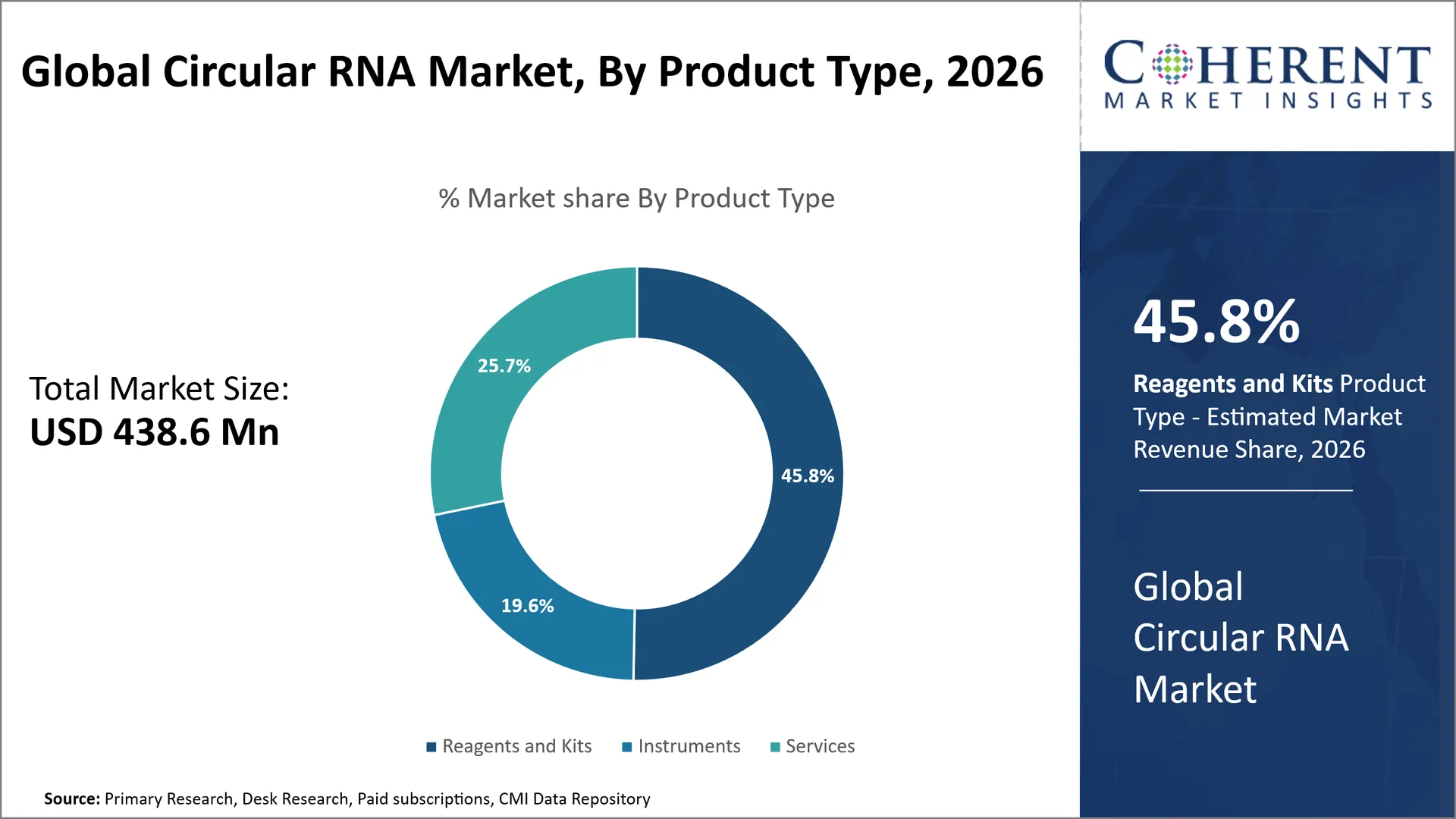
Why Do Reagents and Kits Dominate the Global Circular RNA Market?
Reagents and kits are projected to hold the market share of 45.8% in 2026, as they are used in the isolation, enrichment, detection, and characterization of the circular RNA in molecular biology research. In addition, growing RNA sequencing and circular RNA-specific analysis methods are expected to boost demand for reliable reagents in the circular RNA market. For instance, Applied Biological Materials Inc. offers circRNA Isolation Kit (Cat. No. G4001), which uses poly(A) polymerase, RNase R, and RNA purification magnetic beads to degrade linear RNA and enrich circRNA from total RNA samples.
- Current Industry Events of 2026
- Market Size Estimation
- Regional Breakdown
- Competitive Landscape
- Customer Intelligence
- Segmental Analysis
- Pricing Analysis
- Key Market Drivers, Challenges & Future Trends
- Customized Insights Section
Why Do Therapeutics Development Represent the Largest Application Segment in the Circular RNA Market?
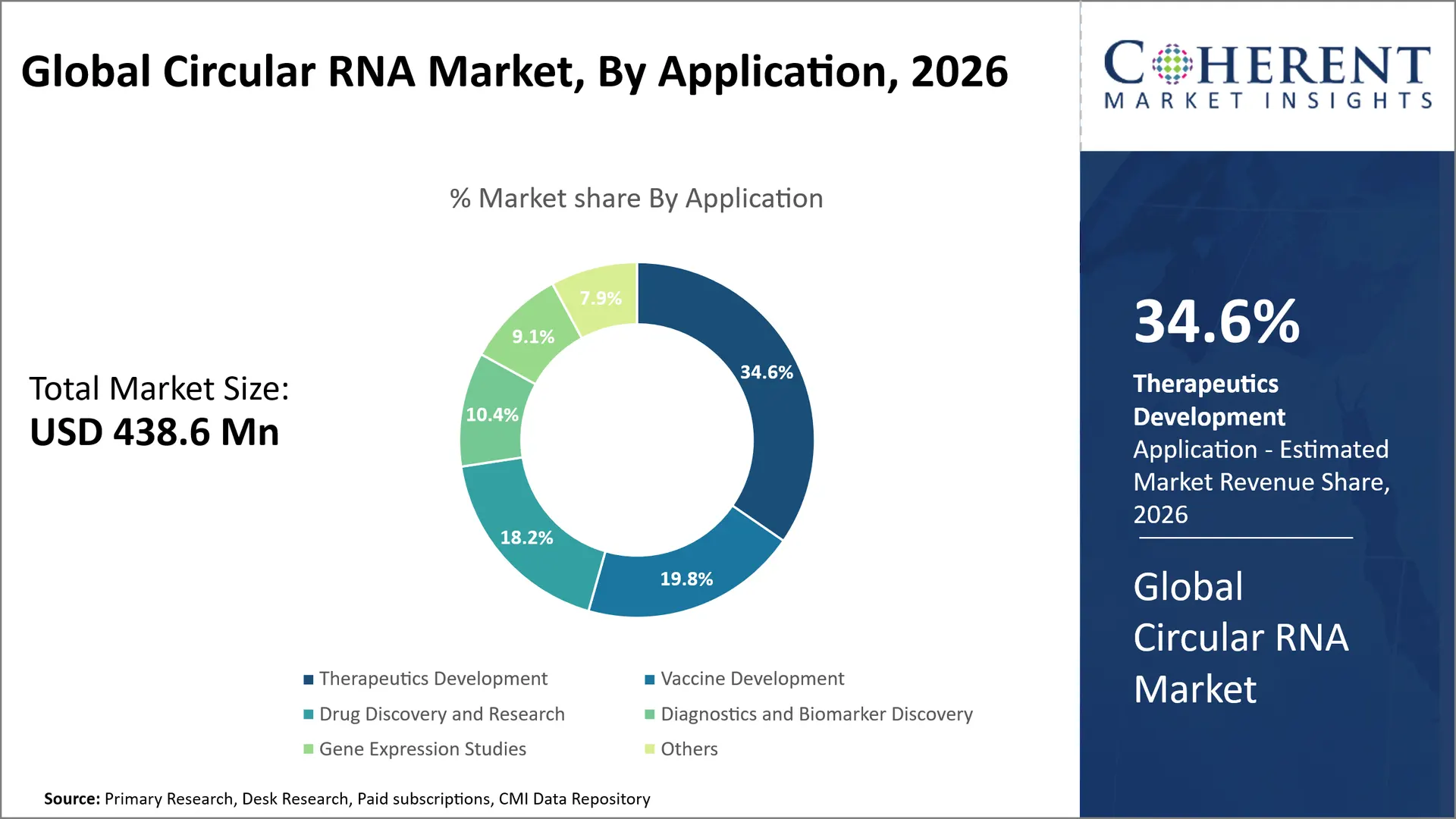
Therapeutics development is projected to hold a market share of 34.6% in 2026, owing to the potential of circular RNA to enable novel treatments via the means of persistent protein expression and modulation of pathways linked to diseases. Growing research activities related to circular RNA engineering and delivery technology is expanding its application spectrum in cancer, metabolic diseases, and other chronic disorders. For instance, CircCode Biomed’s circular RNA therapeutic candidate HM2002 has received investigational new drug (IND) approvals from China’s National Medical Products Administration and the U.S. FDA for development of circRNA therapeutics for ischemic heart disease, illustrating the progress toward clinical testing of circRNA-based therapeutics.
Pharmaceutical and Biotechnology Companies Segment Dominates the Global Circular RNA Market
The pharmaceutical and biotechnology companies segment is projected to hold a market share of 48.7% in 2026, due to the research and development capabilities, expertise, and development infrastructure of these companies allowing for the translation of a circRNA discovery into a therapeutic candidate. Companies' expenditures in RNA engineering, drug discovery, and delivery capabilities would further aid the advancement of circRNA based therapies toward clinical development and commercialization.
Current Events and their Impact
Current Events | Description and its Impact |
U.S. FDA Issues Draft Framework for Individualized RNA-Based Therapies (February 2026) |
|
NIH Launches RNA-Targeting Technology Challenge (January 2026) |
|
NIH Approves RNomics Program to Advance RNA Research (December 2025) |
|
Circular RNA Market Dynamics
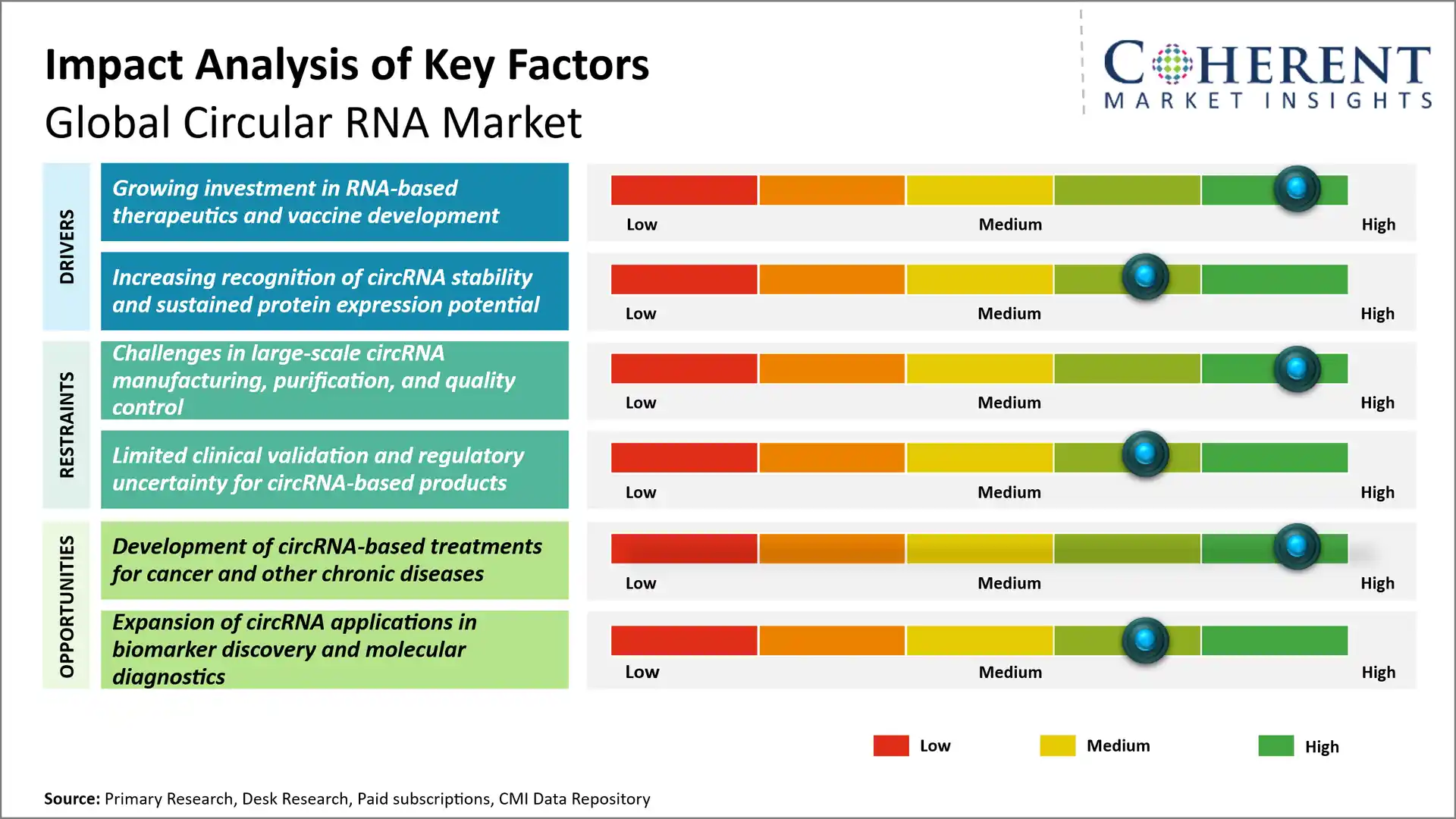
Market Drivers
- Growing investment in RNA-based therapeutics and vaccine development: Growing investment in RNA-based therapeutics and vaccine development is driving the circular RNA market as governments support research into RNA stability, delivery technologies, and next-generation medicines. For instance, in April 2025, India’s Department of Biotechnology (DBT) and BIRAC launched a joint call for proposals on mRNA therapeutics under the BioE3 Policy, supporting discovery research and manufacturing scale-up for RNA-based therapies and vaccines.
- Increasing recognition of circRNA stability and sustained protein expression potential: Increasing recognition of circRNA stability and sustained protein expression potential is driving market interest, as the closed-loop structure makes circRNA more resistant to degradation than linear RNA and may enable longer-lasting protein production. For instance, in July 2022, a study published in the National Library of Medicine demonstrated that engineered circRNA designs could increase protein production several hundred-fold and support more durable translation in vivo, highlighting their potential for future therapeutic applications.
- Increasing applications of circRNA in precision medicine and targeted therapies: Increasing applications of circRNA in precision medicine and targeted therapies are expected to drive market growth as researchers explore its potential for disease-specific treatments, personalized interventions, and sustained therapeutic protein production. For instance, in March 2025, Jingsheng Cai, Zheng Liu, Shaoyi Chen, and colleagues at Peking University People’s Hospital, China, published a study in Experimental Hematology & Oncology demonstrating that circRNA-engineered, DLL3-targeted CAR-T cells showed promising antitumor activity against small-cell lung cancer in laboratory experiments and mouse models. These findings highlight the potential of circRNA for developing targeted cancer treatments.
Emerging Trends
- Advancements in circRNA-based therapeutics: Pharmaceutical and biotechnology companies are increasingly exploring circular RNA for therapeutic applications because its closed-loop structure can improve resistance to degradation and support sustained protein expression. Research is expanding across oncology, immunotherapy, and rare disease treatment.
- Growing use of circRNA in diagnostics and biomarker discovery: Researchers are investigating circRNAs as potential biomarkers for cancer, neurological disorders, and cardiovascular diseases because of their stability and presence in various biological samples. Advances in RNA sequencing and bioinformatics are improving circRNA detection and characterization.
- Development of improved circRNA delivery and manufacturing technologies: Innovation in lipid nanoparticles, RNA purification, and manufacturing processes is helping address challenges associated with delivering circRNA into target cells and producing it at scale. These advances could support the transition of circRNA-based candidates from laboratory research to clinical development.
Regional Insights
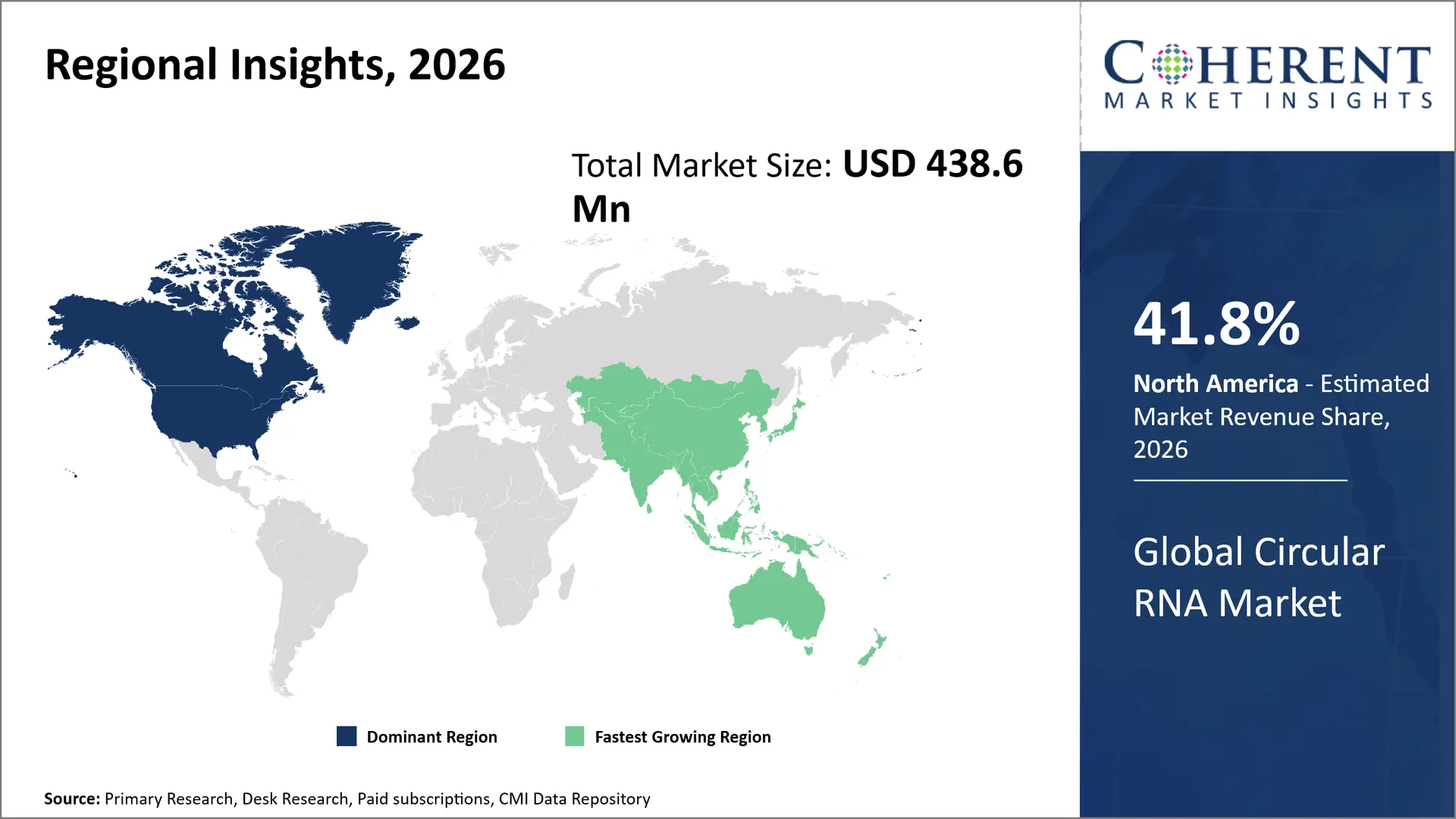
Why is North America a Strong Market for Circular RNA?
North America leads the global circular RNA market, accounting for an estimated 41.8% share in 2026, owing to its advanced and developed biotech ecosystem, research and development infrastructures, and increased investments for genomics research. The strong support from the government organizations and the favorable regulatory environments are expected to drive the innovation and commercialization of circular RNA-based diagnostics and therapeutics in the region.
For instance, in January 2026, the Targeting RNA in Disease with Novel Technologies (TRDNT) Challenge was launched by the U.S. National Institutes of Health (NIH), offering up to USD 500,000 worth of Phase I prizes to increase the capabilities of technologies designed to target disease-associated RNA molecules and accelerate the development of novel RNA-targeted therapeutics.
Why Does Asia Pacific Circular RNA Market Exhibit High Growth?
Asia Pacific is expected to exhibit the fastest growth in the global circular RNA market, registering an estimated CAGR of 19.2% during 2026–2033. The region is projected to account for 25.1% of the global market in 2026, owing to greater R&D investment in biotechnology, widening healthcare infrastructure, and soaring demand for precision medicine. The countries such as China, South Korea, and Japan are promoting biopharmaceuticals research through subsidies and supportive policies to promote circular RNA research within the country.
For instance, in December 2024, South Korea’s Ministry of Health and Welfare announced its 2025 healthcare R&D funding plan, including support for next-generation gene therapies using gene, RNA, and epigenome editing technologies to address rare and intractable diseases. This government-backed initiative strengthens the regional research environment for emerging RNA-based therapeutics, including potential circular RNA applications. Moreover, a growing network of research institutions, contract research organizations, and biotechnology companies involved in the circular RNA research for treatment, vaccine, and molecular diagnostics is likely to influence regional circular RNA market growth.
Global Circular RNA Market Outlook for Key Countries
Why is the U.S. Leading Innovation and Adoption in the Circular RNA Market?
U.S. is considered to hold the leading position in circular RNA market, owing to the presence of a favorable ecosystem for RNA therapeutics research, biotech companies, and pharmaceutical research and development. Existing expertise in mRNA development and lipid nanoparticle delivery could provide a foundation for circular RNA-based therapeutics and vaccines. Additionally, research collaborations between academic groups, biotech companies, and pharma industry have been envisioned to help translate research in circular RNA to potential clinical applications.
Is Japan a Favorable Market for Circular RNA Market?
Japan is one of the promising markets for circular RNA attributed to its superior pharma research and development capabilities, and nucleic acid research back up. The country’s significant strength in the regenerative medicine ecosystem and the government's commitment towards advanced biomedical innovation, the circRNA-based therapeutics, vaccine research, and molecular diagnostics offers significant opportunities.
Is China Emerging as a Key Growth Hub for the Circular RNA Market?
China is emerging as a major growth market for the circular RNA facilitated by the growth of RNA engineering research and circRNA-based cancer therapies and immunotherapies. In addition, China's existing biotech manufacturing capacity and vibrant academia support the transition from laboratory research to the translation of therapies. Furthermore, advances in circRNA design, delivery and clinical validation are expected to strengthen China's role in the market.
Why Does Germany Top the European Circular RNA Market?
Germany is expected to lead the European circular RNA market, driven by significant research expertise in this field in the country. The country is known for its expertise in RNA therapeutics and molecular biology, and the large number of biopharmaceuticals, research organizations, and the high-end infrastructure in the life sciences industry enables the development of circRNA, which include molecular engineering and therapeutic research. In addition, countries' infrastructure for mRNA research and manufacturing could form a foundation for circRNA-related developments.
Is Circular RNA Market Developing in UK?
UK circular RNA market is driven by research in area of RNA biology, drug therapies and new drug delivery systems. The mature scientific research base in UK, biotechnology environment, and existing life sciences industry enable circular RNA research in cancer therapy, vaccine discovery, and molecular diagnostics. Moreover, progress in clinical translation and scalable manufacturing is expected to be vital for increasing commercial acceptance.
Circular RNA Therapeutic Candidates in Clinical Development
Company | Candidate | Target / approach | Indication | Development stage |
RiboX Therapeutics | RXRG001 | AQP1 protein expression | Radiation-induced xerostomia | Phase I/IIa |
PegBio | CR059 | GLP-1 receptor agonism | Type 2 diabetes | Phase I |
CirCode Biomed | HM2002 | VEGF-A expression | Ischemic heart disease | Phase I |
Therorna | TI-0093 | HPV-16 E6/E7 antigens | HPV-16-positive solid tumors | Phase I |
How is the development of circRNA-based treatments for cancer and other chronic diseases creating new growth opportunities in the circular RNA market?
The global circular RNA market provides opportunities for the growth of targeted therapeutics for cancer and chronic diseases, owing to the potential of circRNA for stable protein expression and the control of disease pathways. This could lead to new treatment methods where traditional options are limited, due to issues such as drug resistance and suboptimal targeting. For instance, in March 2025, a study published in Springer Nature reported encouraging preclinical results using engineered circRNA-based DLL3-targeted CAR-T cells to treat small-cell lung cancer, demonstrating potential for circRNA-enabled cancer immunotherapy.
Market Players, Key Development, and Competitive Landscape
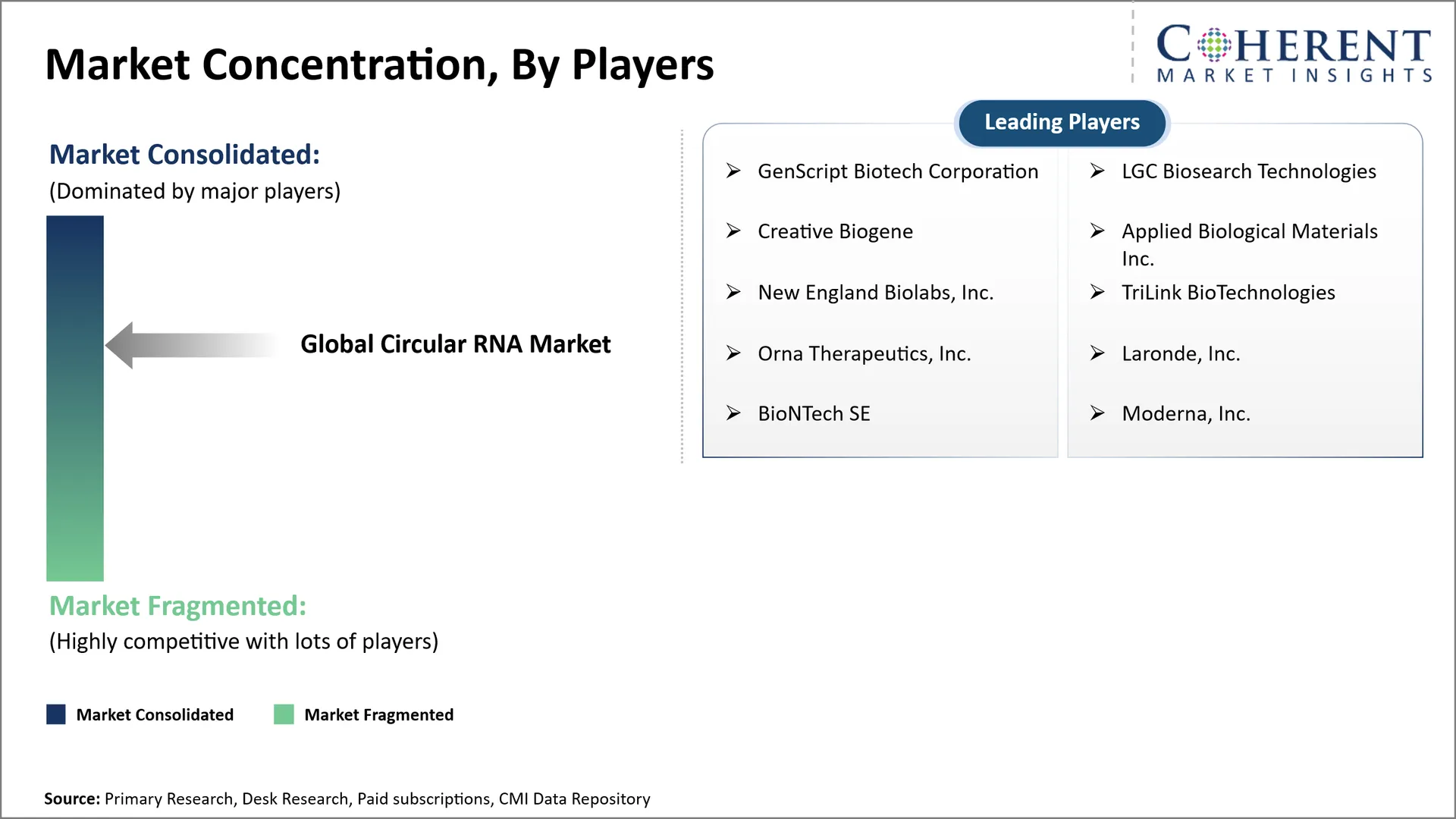
Key Developments
- In August 2026, RiboX Therapeutics Ltd. announced that the U.S. FDA had cleared the Investigational New Drug (IND) application for RXIM002, a targeted lipid nanoparticle (tLNP)-delivered circular RNA therapy designed to generate CD19-targeting CAR-T cells in vivo for treating autoimmune cytopenias. The milestone enables the initiation of a Phase I clinical trial and highlights the potential of circRNA technology to expand therapeutic applications beyond conventional RNA-based approaches. This development is expected to support continued investment in circRNA therapeutic research and clinical development.
- In February 2026, Eli Lilly and Company announced a definitive agreement to acquire Orna Therapeutics in a deal valued at up to USD 2.4 billion to advance circular RNA-based therapeutics and in vivo CAR-T cell therapies. Orna’s lead candidate, ORN-252, is designed to generate CD19-targeting CAR-T cells in vivo for B-cell-driven autoimmune diseases. The acquisition highlights growing pharmaceutical investment in circRNA platforms and their therapeutic potential.
- In December 2025, uBriGene Biosciences and Circurna announced a strategic partnership to accelerate the development and manufacturing of circular RNA–lipid nanoparticle (circRNA-LNP) therapeutics. The collaboration aims to combine circRNA technology with process development, analytical testing, scale-up, and GMP manufacturing capabilities, supporting the advancement of circRNA-based therapies toward clinical development.
Competitive Landscape
The global circular RNA market remains an emerging and innovation-driven market, with competitive intensity shaped by technological capabilities, intellectual property, manufacturing readiness, and the ability to translate research into clinical applications. Competition is likely to strengthen as circRNA technologies progress toward broader therapeutic and diagnostic use. Key focus areas include:
- Development of efficient circRNA synthesis and circularization technologies.
- Improvement in RNA purification, product consistency, and quality-control processes.
- Advancement of delivery systems that enable effective cellular uptake and sustained protein expression.
- Expansion of circRNA applications across therapeutics, vaccines, drug discovery, and diagnostics.
- Strengthening of manufacturing scalability and regulatory readiness for clinical development.
Market Report Scope
Circular RNA Market Report Coverage | |||
Report Coverage | Details | ||
Base Year | 2025 | Market Size in 2026: | USD 438.6 Mn |
Historical Data For: | 2020 To 2024 | Forecast Period: | 2026 To 2033 |
Forecast Period 2026 To 2033 CAGR: | 21.7% | 2033 Value Projection: | USD 1,734.2 Mn |
Geographies covered: |
| ||
Segments covered: |
| ||
Companies covered: | GenScript Biotech Corporation, LGC Biosearch Technologies, Creative Biogene, Applied Biological Materials Inc., New England Biolabs, Inc., TriLink BioTechnologies, Orna Therapeutics, Inc., Laronde, Inc.,BioNTech SE, Moderna, Inc. | ||
Growth Drivers: |
| ||
Restraints & Challenges: |
| ||
Analyst Opinion (Expert Opinion)
- In the coming years, global circular RNA market is expected to evolve from a research-focused field into a more commercially oriented RNA technology market over the forecast period. Growing interest in circRNA stability, sustained protein expression, and potential applications in therapeutics and vaccines is expected to create opportunities across research reagents, synthesis platforms, delivery technologies, and therapeutic development. However, the pace of commercialization will depend on demonstrating safety, efficacy, manufacturing consistency, and reliable delivery in clinical applications.
- The maximum opportunities are foreseen within therapeutics development, particularly circRNA-based cancer immunotherapies and protein-replacement therapies in the U.S. and China. These markets offer opportunities to develop specialized circRNA platforms, improve delivery systems, and advance therapeutic candidates toward clinical validation. In the near term, research reagents and synthesis services may offer a more accessible commercial opportunity, while therapeutic applications provide longer-term growth potential.
- In order to gain a competitive advantage market players should prioritize proprietary circRNA engineering technologies, efficient circularization and purification processes, and delivery systems that improve cellular uptake while maintaining therapeutic activity. Developing scalable manufacturing and robust analytical quality-control capabilities early can help reduce development bottlenecks. Companies should also focus on application-specific product development, establish collaborations with academic and clinical research institutions, and build regulatory and intellectual-property strategies to differentiate their platforms and strengthen their long-term competitive position.
Speak to the analyst
Want personalized insights?
Take the findings above to one of our principal consultants, or have the report rebuilt around the segments, geographies and competitors you actually track.
Market Segmentation
- Product Type Insights (Revenue, USD Mn, 2021 - 2033)
- Reagents and Kits
- Instruments
- Services
- Application Insights (Revenue, USD Mn, 2021 - 2033)
- Therapeutics Development
- Vaccine Development
- Drug Discovery and Research
- Diagnostics and Biomarker Discovery
- Gene Expression Studies
- Others
- End User Insights (Revenue, USD Mn, 2021 - 2033)
- Pharmaceutical and Biotechnology Companies
- Academic and Research Institutes
- Contract Research Organizations (CROs) and Contract Development and Manufacturing Organizations (CDMOs)
- Diagnostic Laboratories
- Others
- Regional Insights (Revenue, USD Mn, 2021 - 2033)
- North America
- U.S.
- Canada
- Latin America
- Brazil
- Argentina
- Mexico
- Rest of Latin America
- Europe
- Germany
- U.K.
- Spain
- France
- Italy
- Russia
- Rest of Europe
- Asia Pacific
- China
- India
- Japan
- Australia
- South Korea
- ASEAN
- Rest of Asia Pacific
- Middle East
- GCC Countries
- Israel
- Rest of Middle East
- Africa
- South Africa
- North Africa
- Central Africa
- North America
- Key Players Insights
- GenScript Biotech Corporation
- LGC Biosearch Technologies
- Creative Biogene
- Applied Biological Materials Inc.
- New England Biolabs, Inc.
- TriLink BioTechnologies
- Orna Therapeutics, Inc.
- Laronde, Inc.
- BioNTech SE
- Moderna, Inc.
Sources
Primary Research Interviews
- Circular RNA synthesis and reagent manufacturers
- Circular RNA platform developers and RNA engineering specialists
- RNA purification, analytical testing, and quality-control experts
- Pharmaceutical and biotechnology researchers involved in circRNA-based therapeutics and vaccine development
- Drug discovery scientists and molecular biologists specializing in circRNA function
- Clinical researchers involved in RNA-based therapeutic development
- Contract research organizations (CROs) and contract development and manufacturing organizations (CDMOs) specializing in RNA production
- Diagnostic developers and biomarker researchers investigating circRNA applications
Stakeholders
- Circular RNA reagent, synthesis kit, and research-tool suppliers
- RNA synthesis, circularization, purification, and analytical technology providers
- Lipid nanoparticle (LNP) and other RNA delivery technology developers
- Pharmaceutical and biotechnology companies developing circRNA-based therapeutics and vaccines
- Contract research organizations and contract development and manufacturing organizations
- Academic institutions and molecular biology research laboratories
- Diagnostic laboratories and molecular diagnostic technology developers
- Healthcare institutions and clinical research centers involved in RNA-based therapeutic evaluation
- End-use Sectors
- Pharmaceutical and Biotechnology Companies
- Academic and Research Institutes
- Contract Research Organizations (CROs) and Contract Development and Manufacturing Organizations (CDMOs)
- Diagnostic Laboratories
- Other research and biotechnology organizations
- Regulatory & Health Bodies
- U.S. Food and Drug Administration (FDA) — regulation of biological products, investigational new drug applications, and clinical development of RNA-based therapeutics.
- National Institutes of Health (NIH), U.S. — funding and support for RNA biology, genomic research, and translational biomedical research.
- European Medicines Agency (EMA) — scientific and regulatory guidance for the development and quality assessment of biological medicines.
- European Commission — European Union pharmaceutical legislation and regulatory frameworks for medicinal products.
- Central Drugs Standard Control Organisation (CDSCO), India — regulation of new drugs, clinical trials, and biological products in India.
- National Medical Products Administration (NMPA), China — regulation and review of drugs, including biological products and clinical trial applications.
- Pharmaceuticals and Medical Devices Agency (PMDA), Japan — scientific review and regulatory oversight of pharmaceutical products and clinical development.
Databases
- ClinicalTrials.gov — clinical trial registrations and results for RNA-based therapeutics and related biomedical interventions.
- WHO International Clinical Trials Registry Platform (ICTRP) — international clinical trial registry records.
- PubMed Central (PMC) — full-text biomedical research articles, including circRNA-related studies.
- NCBI Gene Expression Omnibus (GEO) — gene expression and functional genomics datasets that can support circRNA research.
- NCBI Sequence Read Archive (SRA) — high-throughput sequencing datasets used in RNA sequencing and transcriptomic analysis.
- FDA Drugs@FDA — regulatory approval information and labeling for FDA-approved drugs and biological products.
Associations
- American Society of Gene & Cell Therapy (ASGCT) — gene and cell therapy research, development, and translation.
- American Society for Biochemistry and Molecular Biology (ASBMB) — molecular biology and biochemical research, including RNA biology.
- RNA Society — RNA science, RNA biology, and related research.
- International Society for RNA Nanotechnology and Therapeutics (ISRNT) — RNA nanotechnology and therapeutic development.
Public Domain Sources
- U.S. Food and Drug Administration (FDA) — biological product regulation, clinical development guidance, and drug approval information.
- National Institutes of Health (NIH) — public research funding information and RNA biology research initiatives.
- European Medicines Agency (EMA) — regulatory guidelines and scientific recommendations for biological medicines.
- Central Drugs Standard Control Organisation (CDSCO), India — clinical trial and new drug regulatory information.
- National Medical Products Administration (NMPA), China — drug regulatory policies and clinical trial information.
- National Center for Biotechnology Information (NCBI) — publicly accessible RNA sequencing, gene expression, and biomedical literature databases.
- ClinicalTrials.gov — publicly accessible clinical trial records and results.
Proprietary Elements
- CMI Data Analytics Tool, Proprietary CMI Existing Repository of information for last 10 years.
Get access to 250+ pages report
Every segment, forecast, competitor profile and data table behind the analysis above — available for instant download.
- ESOMAR Member
- ISO 9001:2015 Certified
- D-U-N-S Registered
- GDPR & CCPA Compliant
Frequently Asked Questions
The global circular RNA market is estimated to be valued at USD 438.6 Mn in 2026 and is expected to reach USD 1,734.2 Mn by 2033.
Reagents and Kits dominate due to their widespread use in circRNA synthesis, purification, detection, and characterization across research and drug development activities.
Circular RNA (circRNA) is a covalently closed RNA molecule that lacks free ends, making it more resistant to degradation than conventional linear RNA.
The CAGR of global circular RNA market is projected to be 21.7% from 2026 to 2033.
Growing investment in RNA-based therapeutics and vaccine development, and increasing recognition of circRNA stability and sustained protein expression potential are the major factors driving the growth of the global circular RNA market.
Challenges in large-scale circRNA manufacturing, purification, and quality control, and limited clinical validation and regulatory uncertainty for circRNA-based products are the major factors hampering the growth of the global circular RNA market.
In terms of application, therapeutics development is estimated to dominate the market revenue share in 2026.