
Global Exosome-Based Therapeutics Market Size and Forecast – 2026 To 2033
The global exosome-based therapeutics market is expected to grow from USD 72.8 Mn in 2026 to USD 268.4 Mn by 2033, registering a compound annual growth rate (CAGR) of 20.5% from 2026 to 2033. The global exosome-based therapeutics market is expected to witness a rapid growth due to the growing prevalence of cardiovascular diseases, as well as the need for exosome based regenerative medicine and precision delivery of therapeutic molecules.
According to the World Health Organization (WHO), cardiovascular diseases caused an estimated 19.8 million deaths globally in 2022 representing around 32% of all global deaths, indicating a need for innovative therapeutic approaches.
Key Takeaways of the Global Exosome-Based Therapeutics Market
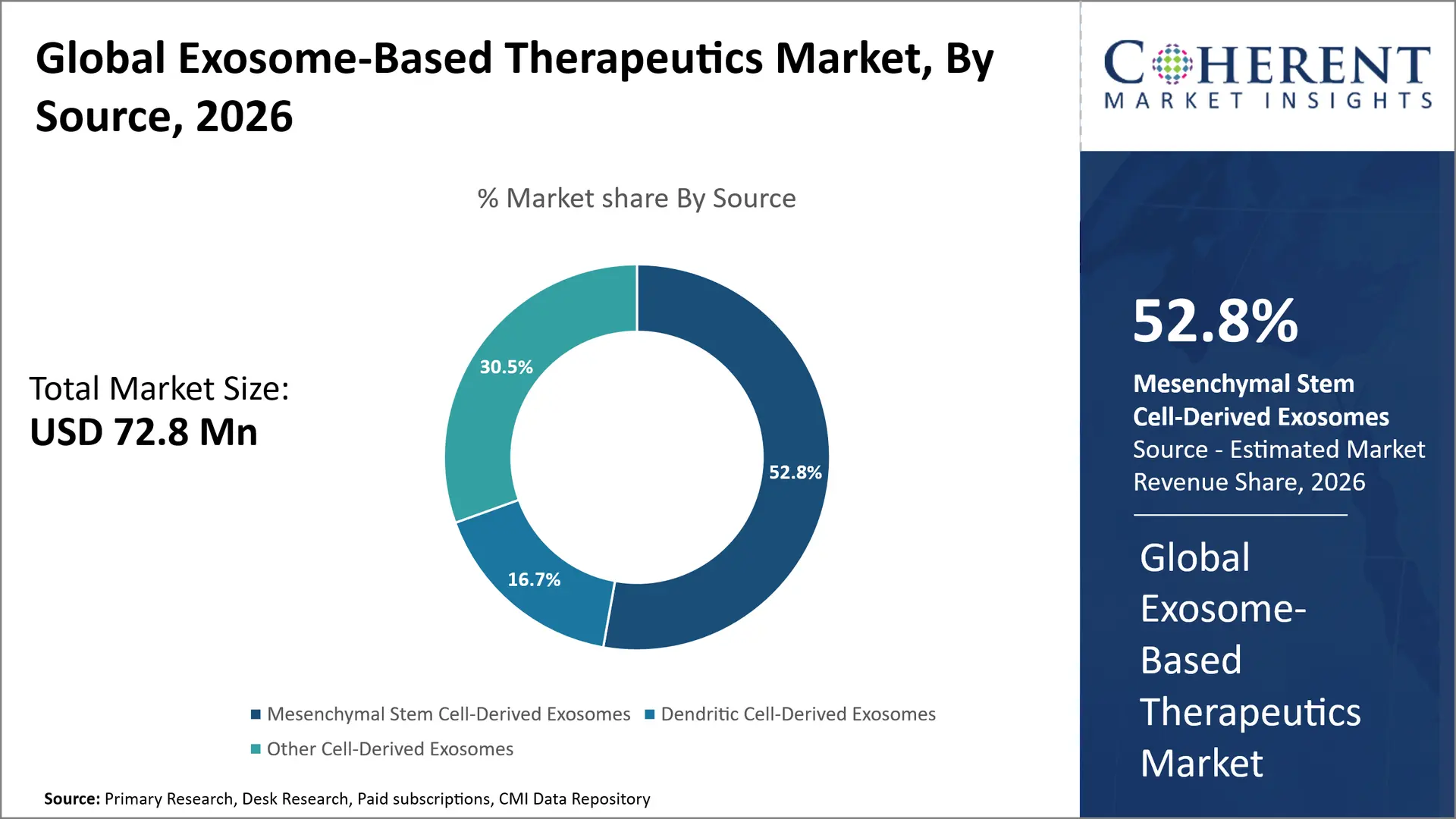
- Mesenchymal stem cell-derived exosomes are projected to hold 52.8% of the global exosome-based therapeutics market share in 2026, making it dominant source segment. There is an increase in clinical trials in the Asia Pacific region, especially in China, where the use of MSC derived exosomes in treatment is expected to be further driven by the increasing inclination towards the field of regenerative medicine and its clinical translation. In January 2026, the China-based public database of clinical trials, the Chinese Clinical Trial Register, announced a clinical trial to investigate the safety and potential tissue repair in skeletal muscle injuries via MSC-derived exosomes.
- Oncology is projected to hold 38.6% of the global exosome-based therapeutics market share in 2026, making it dominant therapeutic area segment. Europe particularly Germany is strengthening the extracellular vesicle research environment supported by public research grants and cooperation between Cancer Research Institutes. In April 2026, The German Research Foundation (DFG) bestowed about USD 591,262 (EUR 538,000) to a research group at the National Center for Tumor Diseases Heidelberg to explore the character and proteins that distinguish extracellular vesicles and tumor cell-derived cell to colon cancer.
- Drug delivery is projected to hold 41.7% of the global exosome-based therapeutics market share in 2026, making it dominant therapeutic application segment. North America, and particularly the U.S., is set to make significant development in the engineered exosome platform for the targeted delivery of therapeutic molecules into diseased tissues, driven by research grant from the government and well-established research infrastructure for biotech research. In August 2026, the University of Pittsburgh received a Trailblazer Award from NIH/NIBIB to fund research on programmable drug delivery to the brain using engineered exosomes and focused ultrasound.
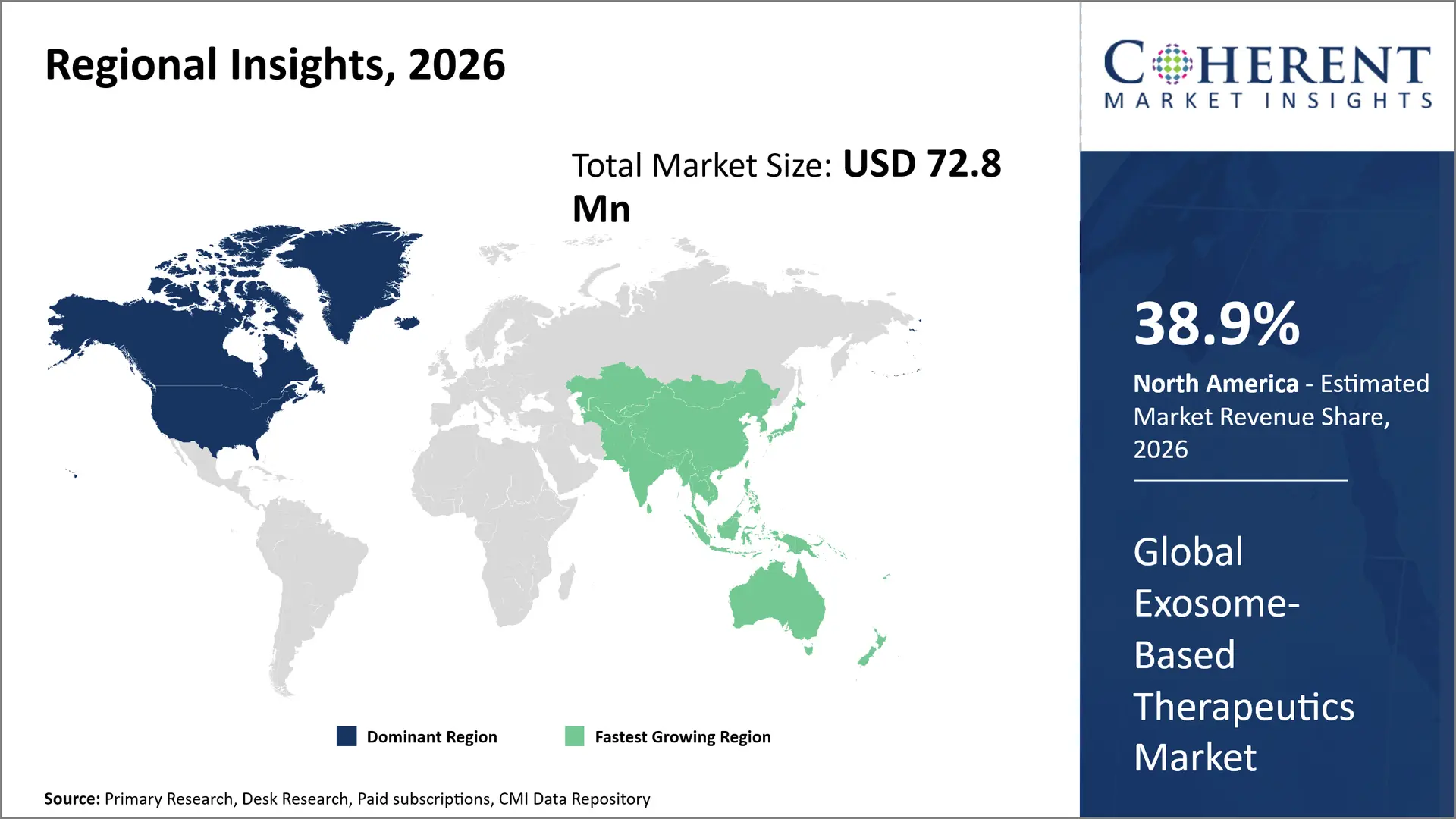
- North America market maintains dominance with an expected share of 38.9% in 2026, owing to the presence of a well-developed biotech ecosystem, high federal research funding, and higher number of new exosome-based therapeutic platform developments. In June 2026, the U.S. National Institute of Arthritis and Musculoskeletal and Skin Diseases awarded grant of USD 652,195 to Northeastern University for research on cartilage targeting exosomes for osteoarthritis gene therapy and pain treatment. The research promotes using engineered mesenchymal stem cell-derived exosomes as targeted, non-viral delivery vehicles for therapeutic molecules.
- Asia Pacific is expected to exhibit the fastest growth in the global exosome-based therapeutics market, registering an estimated CAGR of 21.6% during 2026–2033, owing to the growth of regenerative medicine research, increasing translational research of extracellular vesicle-based technologies in clinics as well as the establishment of regulatory guidelines for exosome based therapeutic products. In June 2026, the Pharmaceuticals and Medical Devices Agency (PMDA) of Japan published a document detailing quality considerations for human cell-derived extracellular vesicle (EV) products entering initial clinical trial notification processes, after the Japan Agency for Medical Research and Development had developed the document on a draft quality guideline as a part of the Japan Agency for Medical Research and Development's (AMED) regulatory science research program of research on the preparation of quality guidelines for new drugs.
Segmental Insights
Why Do Mesenchymal Stem Cell-Derived Exosomes Dominate the Global Exosome-Based Therapeutics Market?
Mesenchymal stem cell-derived exosomes are projected to hold the market share of 52.8% in 2026, due to their regenerative, anti-inflammatory and immunomodulatory effect, as well as their tissue-repair capacity in a broad spectrum of indications. Additionally, the availability of MSCs from sources such as the umbilical cord, bone marrow, and adipose tissue are set to enable research into scalable therapeutic production. For instance, Isfahan University of Medical Sciences (Iran) is enrolling a clinical trial (NCT06466850) to test allogeneic MSC-derived exosomes in patients with knee osteoarthritis. In the trial, intra-articular injection is given on Day 1 and Day 90, and knee function changes are measured by the WOMAC index at 6 months. (Source: ClinicalTrials.gov)
- Current Industry Events of 2026
- Market Size Estimation
- Regional Breakdown
- Competitive Landscape
- Customer Intelligence
- Segmental Analysis
- Pricing Analysis
- Key Market Drivers, Challenges & Future Trends
- Customized Insights Section
Why Does Oncology Represent the Largest Therapeutic Area Segment in the Exosome-Based Therapeutics Market?
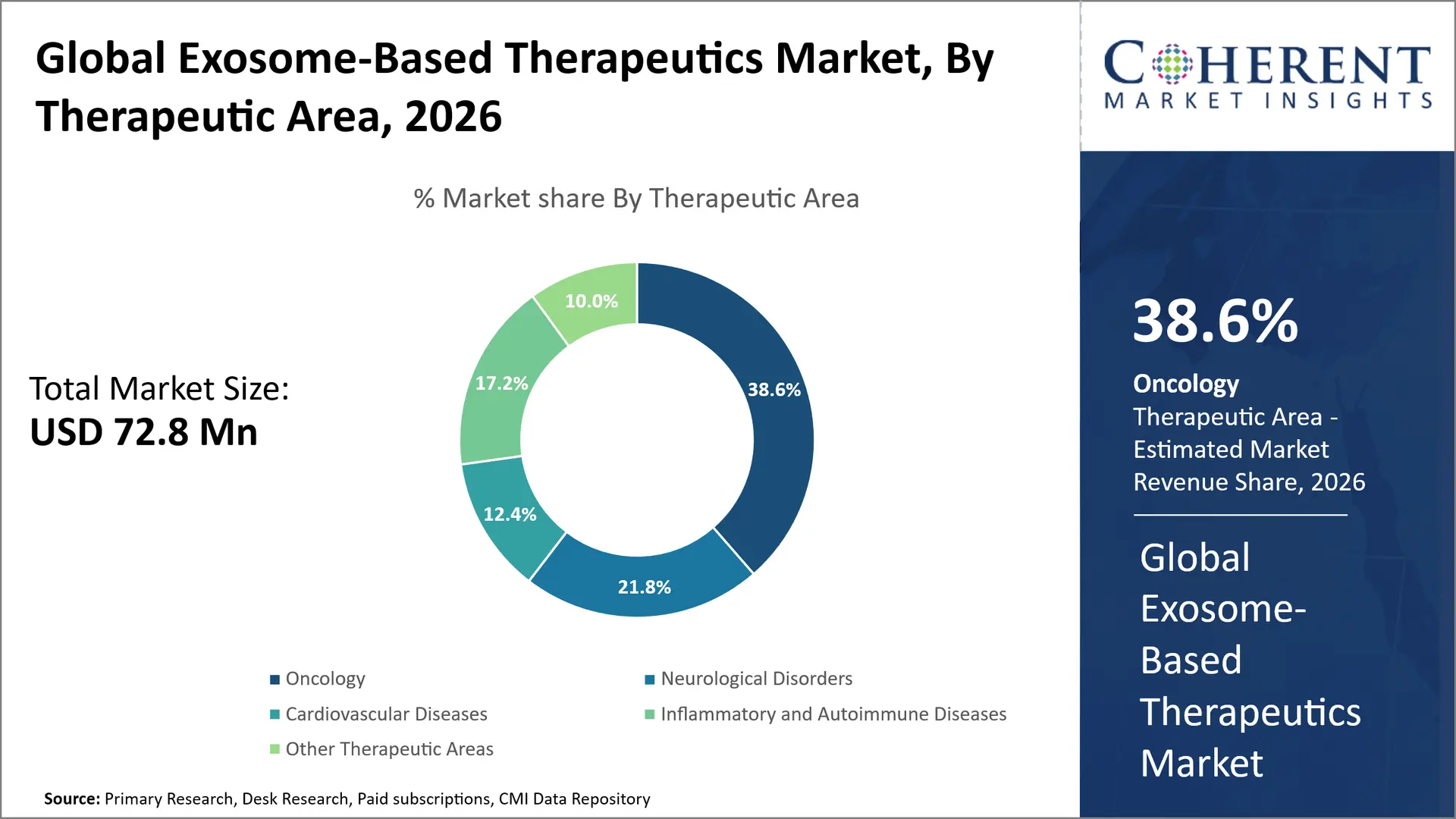
Oncology is projected to hold a market share of 38.6% in 2026, owing to numerous research being conducted on exosome-based targeted drug delivery and immunotherapy. Both these methods can potentially deliver the therapeutic cargo into the tumor as well as the tumor microenvironment. For instance, China West Hospital, China began a Phase I interventional clinical trial on May 10, 2026 to assess the efficacy of reprogrammed macrophage-derived exosomes injected directly into tumors for the treatment of advanced solid tumors. The clinical trial expects to include 9 subjects and the primary completion date is estimated as March 2027, while study completion date is expected as May 2028. (Source: ClinicalTrials.gov)
Drug Delivery Segment Dominates the Global Exosome-Based Therapeutics Market
The drug delivery segment is projected to hold a market share of 41.7% in 2026, probably because exosomes are biocompatible and they can carry a variety of therapeutic molecules, such as drugs, nucleic acids, and others that have the ability to target tissue barriers. For instance, Kafrelsheikh University (Egypt) initiated the EXO-DEX-SNHL interventional study on April 3, 2026, to evaluate the effectiveness of dexamethasone-loaded exosomes for intratympanic injection in treating patients with acute sensorineural hearing loss. The trial has a target enrollment of 30 subjects with primary completion expected in April 2027 and overall completion in August 2027. (Source: ClinicalTrials.gov)
Current Events and their Impact
Current Events | Description and its Impact |
European Medicines Agency Updates Quality Questions for Extracellular Vesicle Medicinal Products (September 2026) |
|
Japan PMDA Issues Quality Considerations for Human Cell-Derived Extracellular Vesicle Products (June 2026) |
|
Exosome-Based Therapeutics Market Dynamics
Market Drivers
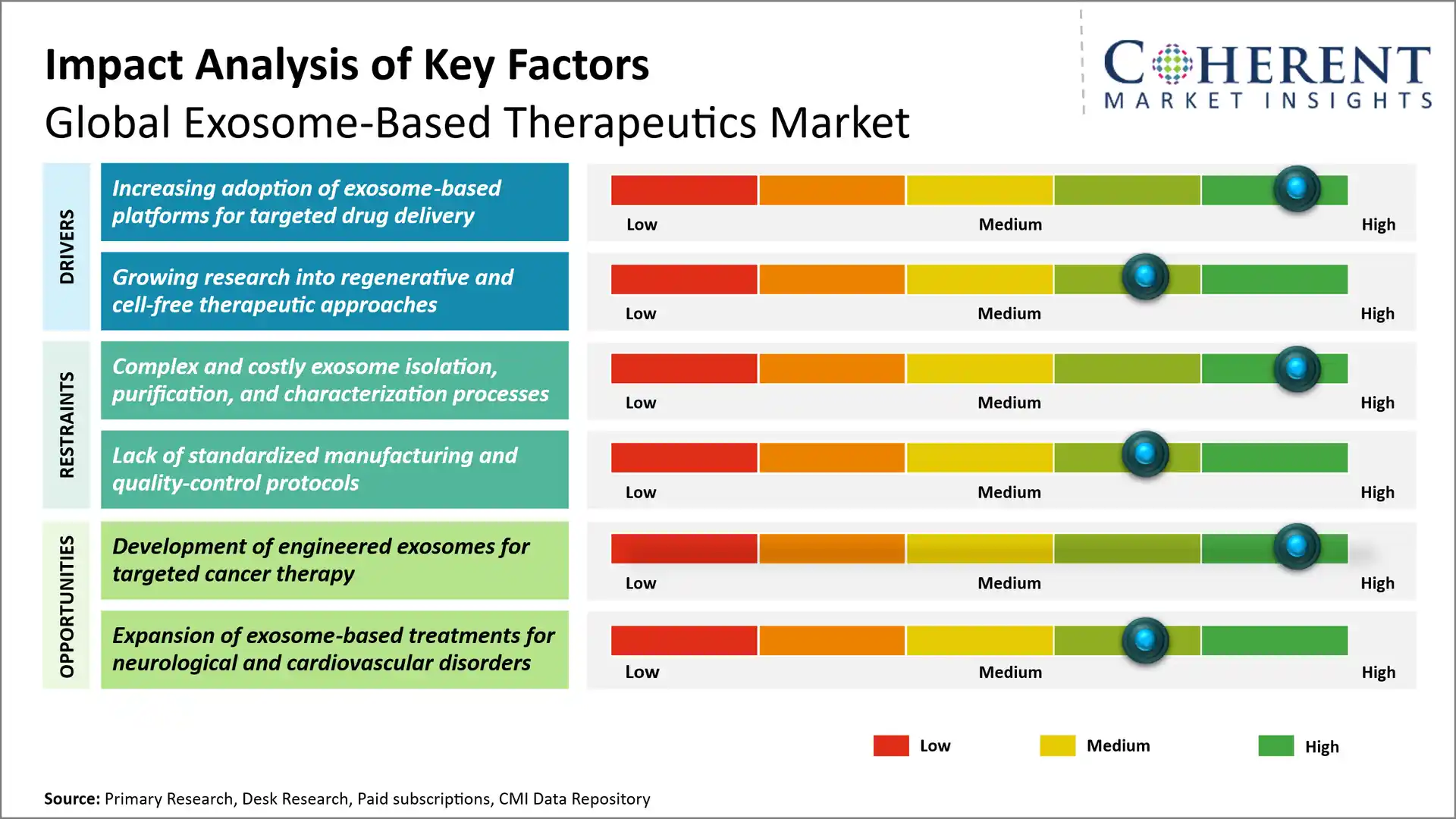
- Increasing adoption of exosome-based platforms for targeted drug delivery: The use of exosomes as engineered nanocarriers for delivery of therapeutic drugs into specific cells is under investigation and may improve the specificity of targeting as well as reduce adverse off-target effects, thus expanding the scope of drug delivery in complex diseases, such as cancer. In May 2026, researchers at the University of Central Florida (UCF) developed a platform that loads therapeutics into exosomes and coats these particles with cell-specific markers for delivery to specific tissues as a step toward translational studies.
- Growing research into regenerative and cell-free therapeutic approaches: The increasing interest in exosome-based cell-free therapies is driven by the ability of these therapies to recapitulate the tissue repair and immunomodulatory effects of stem cells without the need for cell transfer. This cell-free therapy has the potential to enable regenerative therapies and address many of the issues associated with cell therapies. In September 2026, the European Commission launched the USD 14.29 million (EUR 13 million) ExoCordOA project led by Exogenus Therapeutics, with the goal to enable clinical development and Good Manufacturing Practice (GMP) manufacturing of umbilical cord blood-derived extracellular vesicles therapy for osteoarthritis.
- Increasing research into exosome-based therapies for chronic respiratory diseases: With increasing investigation of exosome-directed approaches for chronic lung diseases, there is a potential to develop localized treatments targeting diseased lung tissues with therapeutic RNA. It may also drive the use of exosomes beyond cancer and regenerative medicine. The U.S. National Heart, Lung, and Blood Institute (NIH) is funding research from June 2025 to May 2027 into inhaled delivery of microRNA-enriched exosomes for the treatment of lung fibrosis.
Emerging Trends
- Development of engineered and targeted exosomes: Exosomes are the grabbing attention of many researchers as they have been investigated to be engineered for targeted therapy by surface modification, gene modification and loading the therapeutic cargo.
- Impact: These approaches may enable targeted delivery, enhance the efficacy, and reduce the side effects.
- Market Relevance: The increasing development of engineered exosomes offers several opportunities in targeted oncology, neurological treatment and precision delivery of drugs.
- Advancement of GMP-based manufacturing and quality standardization: Exosome manufacturers are working on scalable manufacturing processes, quality improvement and standardized quality-control approaches that ensure consistency.
- Impact: It improves the reproducibility of batches, aid safety assessment and foster preparation for clinical development.
- Market Relevance: Increased focus on GMP-compliant manufacturing and quality is expected to drive clinical translation and eventual commercialization of exosomes therapeutic products in the foreseeable future.
Regional Insights
Why is North America a Strong Market for Exosome-Based Therapeutics?
North America leads the global exosome-based therapeutics market, accounting for an estimated 38.9% share in 2026, due to presence of world-class infrastructure for biopharmaceuticals and research, early adoption of new therapies, and high investments in discovery research and product development. The presence of leading biotechnology research companies, centers of excellence, and clinical development programs drive exosome-based therapies commercialization.
Meanwhile, regulatory support for innovation and commercialization of new therapeutics by governments through the development of pathways for quick review of therapeutics in expedited programs by the Food and Drug Administration (FDA) quicken product development and launch. For instance, in September 2025, the U.S. Food and Drug Administration (FDA) released draft guidance on the development and review of regenerative medicine. The FDA defines regenerative medicine advanced therapy (RMAT) designation and accelerated approval of regenerative medicines for treatment of a serious or life-threatening disease or condition. This may allow for more efficient development and application of suitable exosome regenerative medicines.
Why Does Asia Pacific Exosome-Based Therapeutics Market Exhibit High Growth?
Asia Pacific is expected to exhibit the fastest growth in the global exosome-based therapeutics market, registering an estimated CAGR of 21.6% during 2026–2033. The region is projected to account for 25.1% of the global market in 2026, owing to the growing research and development activities in the biotechnology sector, rising investments in regenerative medicine, and favorable government policies in the country. The governments of China, Japan, South Korea, and other nations are strengthening the research and development sector with the help of public investments and policies focused on cell-based and extracellular vesicle-based therapies.
For instance, the Japan's Pharmaceuticals and Medical Devices Agency (PMDA) announced considerations of quality for human cell-derived EV products. This guidance was published as the project of regulatory science research program sponsored by the Japan Agency for Medical Research and Development (AMED). The considerations are referred for the quality for native EV and engineered EV products for the purpose of therapy, toward the clinical development and the regulatory readiness in Japan. Furthermore, increasing patient population, disease prevalence, and rise in the demand for advanced medicines are also to increase clinical research and new product development in the region.
Global Exosome-Based Therapeutics Market Outlook for Key Countries
Why is the U.S. Leading Innovation and Adoption in the Exosome-Based Therapeutics Market?
The U.S. accounts for the largest share of the exosome-based therapeutics market owing to the presence of a large number of biotechnology developers, academic research institutions and pipeline clinical-stage therapeutics programs in the country. The research activity of most pipeline therapeutic programs is focused on mesenchymal stem cell-derived exosomes, engineered vesicles and targeted drug delivery, while use of exosomes for cancer and regenerative medicine applications would be the most crucial areas of growth. Additionally, the presence of existing clinical research infrastructure and the regulatory precedent set by FDA for biologics would encourage the translation of exosome-related technology to clinical programs.
Is China a Favorable Market for Exosome-Based Therapeutics Market?
China appears to be a promising and high potential market for exosome-based therapeutics, with the positive momentum receiving a boost from a large number of clinical studies occurring in the field of extracellular vesicle and stem cell derived therapies. As of December 2025, China had the largest share with 123 out of 355 registered clinical studies of human derived extracellular vesicles, or 34.6%. Moreover, China’s research on mesenchymal stem cell derived exosomes, especially in regenerative medicine, wound healing, and tissue regeneration has further augmented its market potential. However, the absence of a separate and finalized regulation for exosome therapeutics is a major challenge.
Is Japan Emerging as a Key Growth Hub for the Exosome-Based Therapeutics Market?
Japan is emerging as a key growth hub for the exosome-based therapeutics market driven by a range of region-specific factors including the country’s focus on targeted regulatory science and growing pipeline of extracellular vesicle-based therapeutics. In January 2023, the Pharmaceuticals and Medical Devices Agency (PMDA) issued a comprehensive report on EV-based therapeutics, and announced that quality considerations for human cell-derived EV products will be issued in June 2026. These endeavors are centered on the evaluation of product characterization, safety, purity, and manufacturing quality for advanced clinical advancement of native and engineered exosomes in Japan.
Why Does Germany Top the European Exosome-Based Therapeutics Market?
Germany has the largest share of the European exosome-based therapeutics market with a high level of experience in cell-based medicine, research in extracellular vesicles and expertise in biopharmaceutical manufacturing. The country has a long history of translating research from the lab to therapeutic development, in particular for mesenchymal stem cell-derived exosomes, tissue regeneration and targeted drug delivery. The combination of in-depth academic research, specific biotechnology capabilities, and process development experience promotes progress in exosome characterization, purification, and large-scale production.
Is Exosome-Based Therapeutics Market Developing in UK?
The UK market for exosome-based therapeutics is still relatively nascent and immature with respect to clinical and commercial maturity. The increasing research focus on exosome-based research with a focus on regenerative medicine, targeted drug delivery and sophisticated biologics suggest the potential demand for exosome therapies. The Medicines and Healthcare products Regulatory Agency (MHRA) in the UK evaluates products qualifying under its advanced therapy and biological medicines framework that require clinical trial approval with a rigorous review of quality, safety, and efficacy data. However, with few products in the pipeline and no approved exosome-based therapies, commercialization in the UK remains a nascent stage.
Global Clinical Development Pipeline of Exosome-Based Therapeutics
Therapeutic candidate | Exosome source | Therapeutic indication | Clinical stage | Trial ID |
ExoFlo | Bone marrow MSC-derived | Acute respiratory distress syndrome | Phase III | NCT05354141 |
PEP | Platelet-derived | Diabetic foot ulcers | Phase II | NCT06319287 |
AGLE-102 | Bone marrow MSC-derived | Epidermolysis bullosa | Phase I/ Phase II | NCT04173650 |
AB126 | Neural cell-derived | Acute ischemic stroke | Phase I/IIa | Not publicly listed |
STX11101 | Engineered adipose MSC-derived | Acute liver failure | IND application accepted | CXSL2600403 |
Development of Engineered Exosomes for Targeted Cancer Therapy
How is the development of engineered exosomes for targeted cancer therapy creating new growth opportunities in the exosome-based therapeutics market?
Engineered exosomes are a major opportunity to be exploited for targeted cancer therapy because of their biocompatibility, efficient delivery of drugs and nucleic acids to tumor cells and the possibility to reduce off-target effects. For instance, in March 2026, researchers created chimeric antigen receptor T (CAR-T)-derived engineered exosomes co-delivering miR-145 and cytotoxic proteins against oesophageal squamous cell carcinoma in preclinical models, reinforcing the potential of combining targeted cancer-cell recognition with gene regulation in a cell-free therapeutic platform. (Source: National Library of Medicine)
Market Players, Key Development, and Competitive Intelligence
Key Developments
- In August 2026, NurExone Biologic Inc. and its wholly owned subsidiary Exo-Top in the U.S. and Made Scientific have signed an exclusive Memorandum of understanding ("MOU") agreement to provide GMP manufacturing, commercialization supply of exosomes in the US. This agreement has included technology transfer and aseptic fill-finish processes. GMP grade batches of exosomes are due to be completed in the first half of 2027.
- In July 2026, INTENT Biologics announced that the U.S. Food and Drug Administration granted the Breakthrough Therapy Designation to PEP Biologic, an exosome-based therapy for diabetic foot ulcer. The new designation provides for faster development and expedited review by the FDA as the candidate moves into Phase III clinical development. The designation comes amid growing clinical and regulatory interest in exosome-based therapeutics.
Competitive Landscape
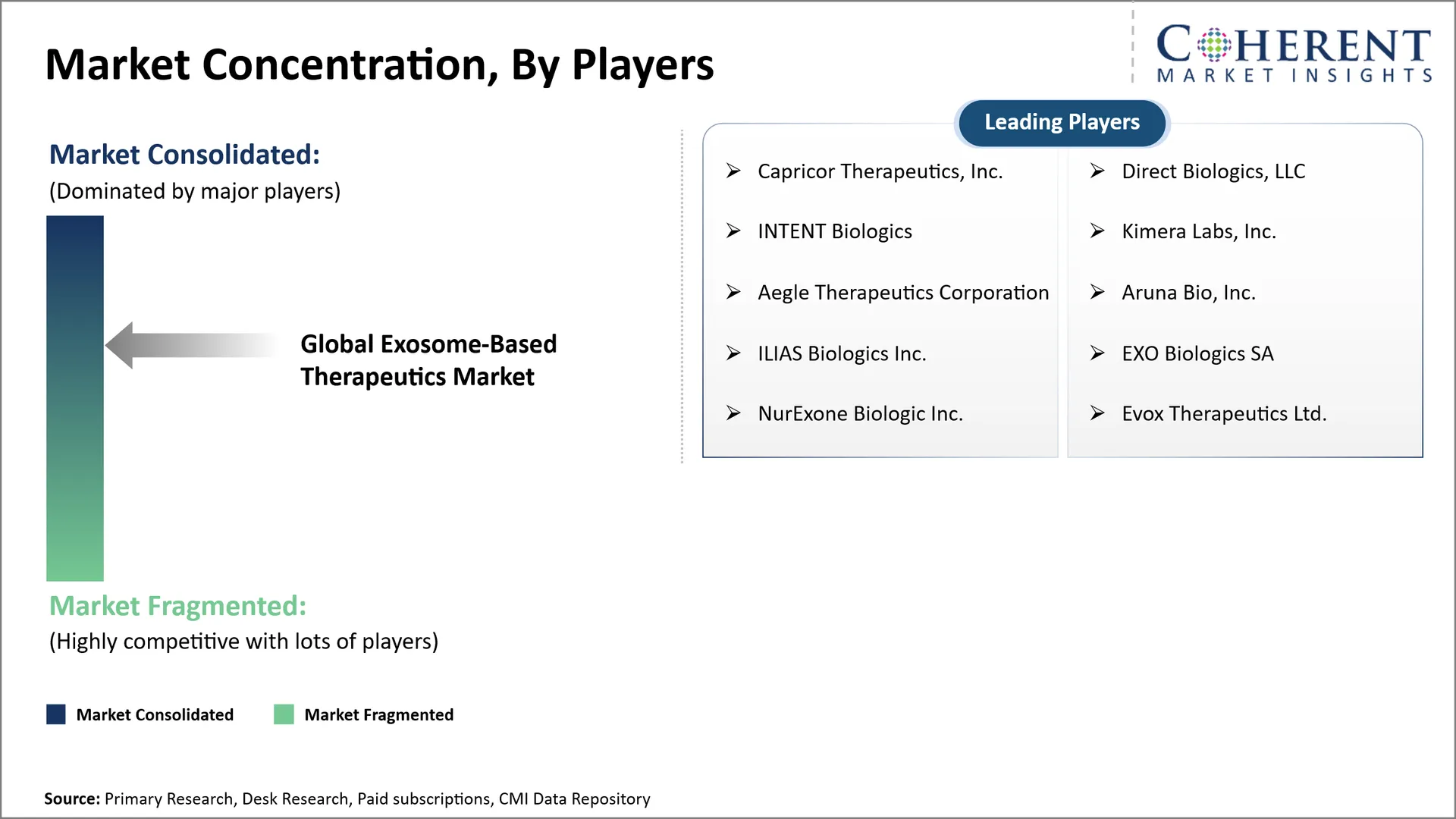
The global exosome-based therapeutics market is highly competitive characterized by competitive advancements from the developers of native/exogenously derived platforms, stem cell extracellular vesicle therapies and differentiated manufacturing processes. Players are currently focused on progressing clinical-stage candidates, developing strategies to enhance delivery of therapeutic payloads and developing scalable manufacturing processes. Competitive positioning will depend on the level of clinical progress, identity of the source of exosomes, ability to target therapeutics, characterization of products, manufacturing reproducibility and readiness for regulatory approval.
Key focus areas include
- Development of engineered exosome platforms for the targeted delivery of drugs, RNA, proteins, and gene-editing molecules.
- Development of therapies based on mesenchymal stem cell-derived and other cell-derived exosomes.
- Growth of clinical development programs.
- Advancements in cargo-loading technologies and surface-engineering strategies.
Market Report Scope
Global Exosome-Based Therapeutics Market Report Coverage | |||
Report Coverage | Details | ||
Base Year | 2025 | Market Size in 2026: | USD 72.8 Mn |
Historical Data For: | 2020 To 2024 | Forecast Period: | 2026 To 2033 |
Forecast Period 2026 To 2033 CAGR: | 20.5% | 2033 Value Projection: | USD 268.4 Mn |
Geographies covered: |
| ||
Segments covered: |
| ||
Companies covered: | Capricor Therapeutics, Inc., Direct Biologics, LLC, INTENT Biologics, Kimera Labs, Inc., Aegle Therapeutics Corporation, Aruna Bio, Inc., ILIAS Biologics Inc., EXO Biologics SA, NurExone Biologics Inc., Evox Therapeutics Ltd. | ||
Growth Drivers: |
| ||
Restraints & Challenges: |
| ||
Analyst Opinion (Expert Opinion)
- In the coming years, global exosome-based therapeutics market is expected to evolve from a predominantly preclinical industry to a substantially more clinically validated and commercially mature industry. Engineered exosomes platforms, including mesenchymal stem cells, are expected to emerge as key players within the industry, especially in the areas of targeted drug delivery, oncology and regenerative medicine. The ability to establish commercially viable therapeutics will be affected over time by developments in cargo loading technologies, purification techniques and manufacturing scalability.
- The most promising opportunity is expected to be in MSC-derived exosomes and targeted drug delivery in the U.S. Developers could focus on designing exosomes for efficient delivery of siRNA, mRNA, and therapeutic proteins to tumor cells to improve the targeting and reduce systemic toxicity. Another area of opportunity is in neurological drug delivery because of the ability to ferry therapeutic compounds through biological barriers.
- In order to gain a competitive advantage market players should focus on acquiring proprietary technologies for exosome engineering and loading of therapeutic cargoes that increase targeting efficiency, therapeutic potency, and cellular absorption. Investment in scalable products and services like isolation, purification, characterization, as well as GMP-compliant manufacturing, will be necessary to ensure reproducible quality. In addition, market professionals should build indication-specific clinical pipelines and establish collaborations with hospitals and research institutes.
Speak to the analyst
Want personalized insights?
Take the findings above to one of our principal consultants, or have the report rebuilt around the segments, geographies and competitors you actually track.
Market Segmentation
- Source Insights (Revenue, USD Mn, 2021 - 2033)
- Mesenchymal Stem Cell-Derived Exosomes
- Dendritic Cell-Derived Exosomes
- Other Cell-Derived Exosomes
- Therapeutic Area Insights (Revenue, USD Mn, 2021 - 2033)
- Oncology
- Neurological Disorders
- Cardiovascular Diseases
- Inflammatory and Autoimmune Diseases
- Other Therapeutic Areas
- Therapeutic Application Insights (Revenue, USD Mn, 2021 - 2033)
- Drug Delivery
- Immunotherapy
- Regenerative Medicine
- Other Therapeutic Applications
- Route of Administration Insights (Revenue, USD Mn, 2021 - 2033)
- Intravenous
- Local and Intratumoral
- Others
- End User Insights (Revenue, USD Mn, 2021 - 2033)
- Hospitals and Clinics
- Pharmaceutical and Biotechnology Companies
- Academic and Research Institutes
- Others
- Regional Insights (Revenue, USD Mn, 2021 - 2033)
- North America
- U.S.
- Canada
- Latin America
- Brazil
- Argentina
- Mexico
- Rest of Latin America
- Europe
- Germany
- U.K.
- Spain
- France
- Italy
- Russia
- Rest of Europe
- Asia Pacific
- China
- India
- Japan
- Australia
- South Korea
- ASEAN
- Rest of Asia Pacific
- Middle East
- GCC Countries
- Israel
- Rest of Middle East
- Africa
- South Africa
- North Africa
- Central Africa
- North America
- Key Players Insights
- Capricor Therapeutics, Inc.
- Direct Biologics, LLC
- INTENT Biologics
- Kimera Labs, Inc.
- Aegle Therapeutics Corporation
- Aruna Bio, Inc.
- ILIAS Biologics Inc.
- EXO Biologics SA
- NurExone Biologic Inc.
- Evox Therapeutics Ltd.
Sources
Primary Research Interviews
- Exosome Therapeutics Research Scientists
- Extracellular Vesicle (EV) Platform Development Specialists
- Clinical Research and Drug Development Experts
- Biopharmaceutical Manufacturing and Process Development Experts
Stakeholders
- Exosome-Based Therapeutics Platform Developers
- Pharmaceutical and Biotechnology Companies
- Contract Development and Manufacturing Organizations (CDMOs)
- Hospitals and Clinical Research Institutions
- End-use Sectors
- Hospitals and Multispecialty Healthcare Systems
- Specialty Oncology and Cancer Treatment Centers
- Regenerative Medicine and Cell Therapy Centers
- Neurology and Neuroscience Treatment Centers
- Pharmaceutical and Biotechnology Companies
- Academic and Research Institutions
- Regulatory & Health Bodies
- U.S. Food and Drug Administration (FDA)
- Pharmaceuticals and Medical Devices Agency (PMDA), Japan
- European Medicines Agency (EMA)
- Japan Agency for Medical Research and Development (AMED)
Databases
- ClinicalTrials.gov
- WHO International Clinical Trials Registry Platform (ICTRP)
- NIH RePORTER
- CORDIS – European Commission Research Database
Public Domain Sources
- U.S. Food and Drug Administration (FDA)
- National Institutes of Health (NIH)
- Pharmaceuticals and Medical Devices Agency (PMDA), Japan
- European Medicines Agency (EMA)
Proprietary Elements
- CMI Data Analytics Tool
- Proprietary CMI Existing Repository of information for last 10 years.
Get access to 250+ pages report
Every segment, forecast, competitor profile and data table behind the analysis above — available for instant download.
- ESOMAR Member
- ISO 9001:2015 Certified
- D-U-N-S Registered
- GDPR & CCPA Compliant
Frequently Asked Questions
The global exosome-based therapeutics market is estimated to be valued at USD 72.8 Mn in 2026 and is expected to reach USD 268.4 Mn by 2033.
Mesenchymal stem cell-derived exosomes dominate as they are characterized by their regenerative and anti-inflammatory function, immunomodulatory activity, and wide-ranging therapeutic use.
Exosome-based therapeutics utilize naturally occurring or modified extracellular vesicles that deliver therapeutic molecules to treat diseases.
The CAGR of global exosome-based therapeutics market is projected to be 20.5% from 2026 to 2033.
Increasing adoption of exosome-based platforms for targeted drug delivery, and growing research into regenerative and cell-free therapeutic approaches are the major factors driving the growth of the global exosome-based therapeutics market.
Complex and costly exosome isolation, purification, and characterization processes, and lack of standardized manufacturing and quality-control protocols are the major factors hampering the growth of the global exosome-based therapeutics market.
In terms of therapeutic area, oncology is estimated to dominate the market revenue share in 2026.