

Global Gabapentin Market Size and Forecast – 2026 To 2033
The global gabapentin market is expected to grow from USD 3.9 Bn in 2026 to USD 5.8 Bn by 2033, registering a compound annual growth rate (CAGR) of 5.8% from 2026 to 2033. The market for gabapentin is poised for significant expansion, fueled by the soaring burden of neurological disorders and chronic neuropathic pain conditions globally.
According to the World Health Organization (WHO), neurological conditions are the leading cause of ill health and disability, affecting over 1 in 3 people worldwide.
(Source: World Health Organization)
Additionally, according to the International Neuromodulation Society, nearly 15 million people in the U.S. and Europe had neuropathic pain.
(Source: International Neuromodulation Society)
Key Takeaways of the Global Gabapentin Market
- The capsules segment is projected to hold 43.2 % of the global gabapentin market share in 2026, making it the dominant dosage form segment especially in North America due to the high consumption of oral solid dosage drugs for epilepsy and chronic pain management and patient’s strong desire for easy-to-use oral forms. For instance, the U.S. Pharmacopeia Pharmaceutical Dosage Forms Guidelines states that the usage of capsules, an oral solid dosage form, is advantageous in chronic treatments as it increases patient compliance and convenience. (Source: U.S. Pharmacopeia)
- The neuropathic pain segment is projected to hold 48.7 % of the global gabapentin market share in 2026, making it the dominant application segment across Europe due to the rising prevalence of diabetic neuropathy and aging-related chronic nerve pain syndromes. For instance, diabetic neuropathy affects about 6–34 % of people with diabetes mellitus in Europe, depending on the diagnostic criteria used. (Source: ScienceDirect)
- The retail pharmacies segment is projected to hold 47.6 % of the global gabapentin market share in 2026, making it the dominant distribution channel segment, throughout the Asia Pacific region, fueled by the dramatic growth of the community pharmacy chains and the increasing availability of low-cost generics in developing economies like India. For instance, in India, Pradhan Mantri Bhartiya Janaushadhi Pariyojana (PMBJP) has further enhanced the availability of affordable generic medicines to masses through Jan Aushadhi Kendras, enabling increased distribution of prescription medicines through retail pharmacy. (Source: Department of Pharmaceuticals)
- North America maintains its dominance with an expected share of 39.4 % in 2026, bolstered by robust neurological disease management infrastructure, attractive reimbursement systems, and prolific research work on epilepsy and pain therapeutics. For instance, the U.S. has comprehensive prescription drug benefit plan for drugs such as gabapentin via Centers for Medicare & Medicaid Services through Medicare Part D to provide access to long-term treatment of chronic neurological disorders. (Source: U.S. Centers for Medicare and Medicaid Services)
- Asia Pacific is expected to exhibit the fastest growth with an estimated contribution of 23.6 % share in 2026, driven by broadened access to generic medicines, growing incidence of neurological diseases, and escalated funds in health care infrastructure across developing countries like India, China, and Japan. For instance, according to the Press Information Bureau (PIB), India’s health expenditure increased from 1.4% to 1.9% in FY 2024, reflecting increased government spending on healthcare infrastructure. (Source: Ministry of Finance)
- Rising Adoption in Multimodal Pain Management: The increasing adoption of gabapentin by health care professionals as part of multimodal pain management strategies is likely to become one of the next major niche growth drivers across the market. Health authorities across the globe are adopting gabapentin as part of the preoperative recovery regimens as well as a solution for chronic pain stimulation. Increasing concerns over opioid addiction in North America and Europe are also surging demand for non-opioid drugs, thereby catalyzing the penetration of gabapentin into numerous pain applications in the specialty setting.
- Development of Extended-Release and Novel Formulations: With the emergence of extended-release and abuse-resistant gabapentin formulations, pharmaceutical manufacturers will be presented with considerable market opportunities. Key areas of focus in drug development include the reduction of side effects and extension of intellectual property exclusivity through the application of novel drug delivery In addition, clinical trials evaluating the use of gabapentin for psychiatric conditions, migraine, and alcohol withdrawal symptoms will likely expand the drug's overall utility and potential revenues.
Segmental Insights
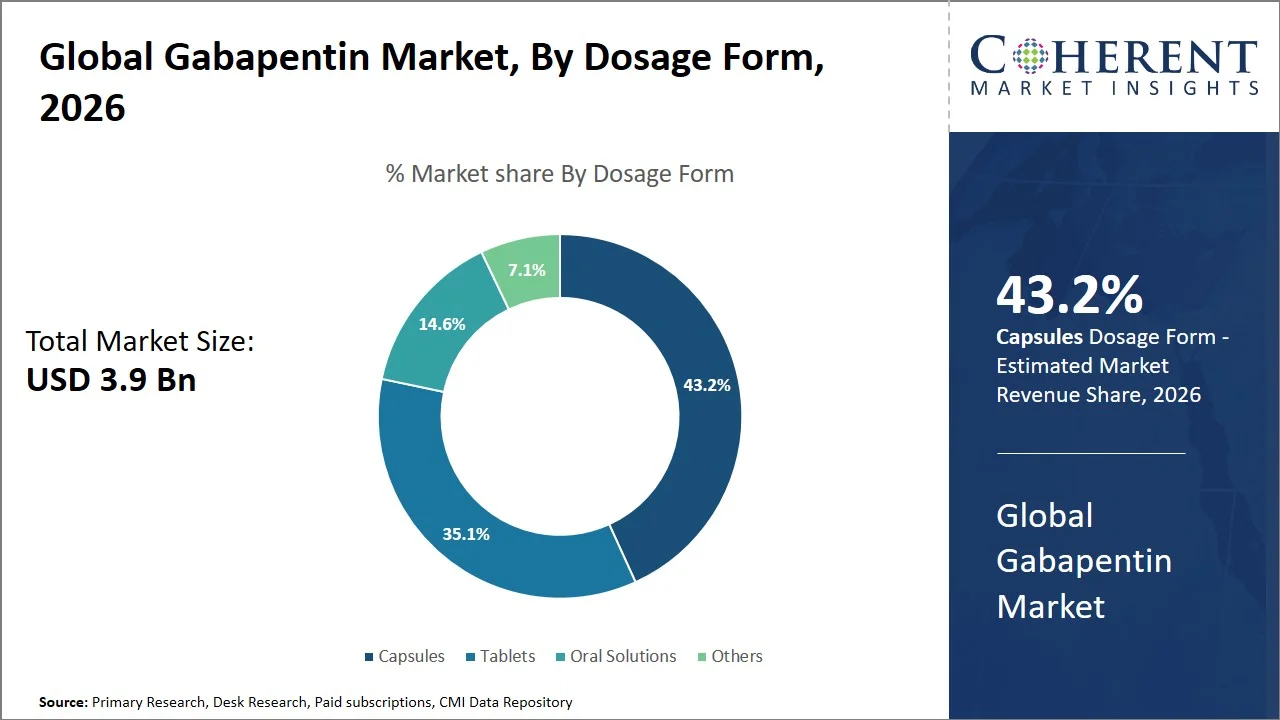
Why Do Capsules Dominate the Global Gabapentin Market?
Capsules are projected to hold a market share of 43.2% in 2026, due to improved patient compliance, stability of formulation and feasibility during long-term use in neurological disorders. The bitter taste of the drug can be masked effectively by choice of capsules formulation with ease of oral administration, especially during ongoing therapy in neuropathic pain in elderly patients. For instance, the European Medicines Agency (EMA) − Medicines for Older People has discussed the urgent necessity in the use of good quality, age-appropriate, patient‑friendly medicines for the rapidly expanding European geriatric population. It considers the older generation as one of the biggest consumer groups of long-term medications and so this age group requires convenient oral dosage form like capsules for better compliance. (Source: European Medicines Agency) The protective barrier against moisture and environmental elements even after reconstitution is another factor favoring its major share in the market. Furthermore, their compatibility in designing immediate-release or extended-release systems further aids in better therapeutic efficiency.
- Current Industry Events of 2026
- Market Size Estimation
- Regional Breakdown
- Competitive Landscape
- Customer Intelligence
- Segmental Analysis
- Pricing Analysis
- Key Market Drivers, Challenges & Future Trends
- Customized Insights Section
Why Does Neuropathic Pain Represent the Largest Application Segment in the Gabapentin Market?
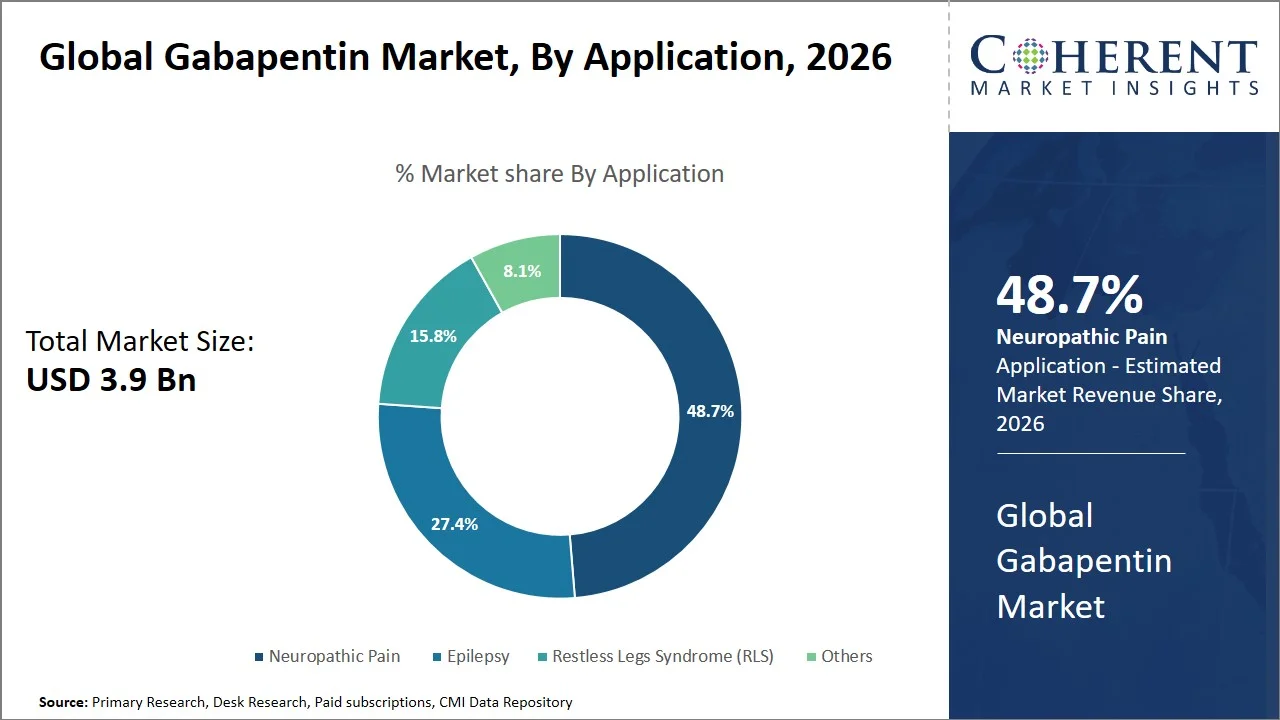
Neuropathic pain is projected to hold a market share of 48.7% in 2026, owing to its clinical effectiveness in the treatment of chronic nerve-based pain syndromes. Gabapentin helps in reducing pain by decreasing nerve hyper-excitability, which is commonly exhibited with burning pain, tingling and shooting sensations associated with neuropathic pain conditions such as diabetic nerve pain, post-herpetic neuralgia and chemotherapy adverse events. The rising prevalence of diabetics as well as neurological conditions, has surged the demand for gabapentin as a primary non-opioid therapy for pain management. For instance, according to the World Health Organization, the number of people living with diabetes rose from 200 million in 1990 to 830 million in 2022. The prevalence has been rising more rapidly in low- and middle-income countries than in high-income countries (Source: World Health Organization). Moreover, the growing acknowledgement of neuropathic pain as a separate clinical entity is also impetus for rising prescription levels worldwide.
Retail Pharmacies Segment Dominates the Global Gabapentin Market
The retail pharmacies segment is projected to hold a market share of 47.6% in 2026, owing to the robust presence of organized pharmacy chains, ease of availability of prescription medicines and increased outpatient procedures in chronic neurological disorders. Retail pharmacy has significantly contributed to the accurate access to chronic doses of gabapentin in drug sensitive conditions such as epilepsy and neuropathic pain. Furthermore, growing pharmacy operations have further enhanced the accessibility of medication in urban and suburban areas. For instance, the Centers for Medicare & Medicaid Services (CMS) - Long-Term Care Pharmacy Services emphasizes the increasing role of pharmacy services networks with the provision of pharmacy services in the continuum of care for patients requiring continuous treatment support. (Source: Centers for Medicare & Medicaid Services )
Currents Events and their Impact
Current Events | Description and its Impact |
European Union Advances Critical Medicines Act (May 2026) |
|
U.S. Expands Drug Pricing Transparency Initiative (May 2026) |
|
(Source: European Commission, The White House)
Gabapentin Market Dynamics
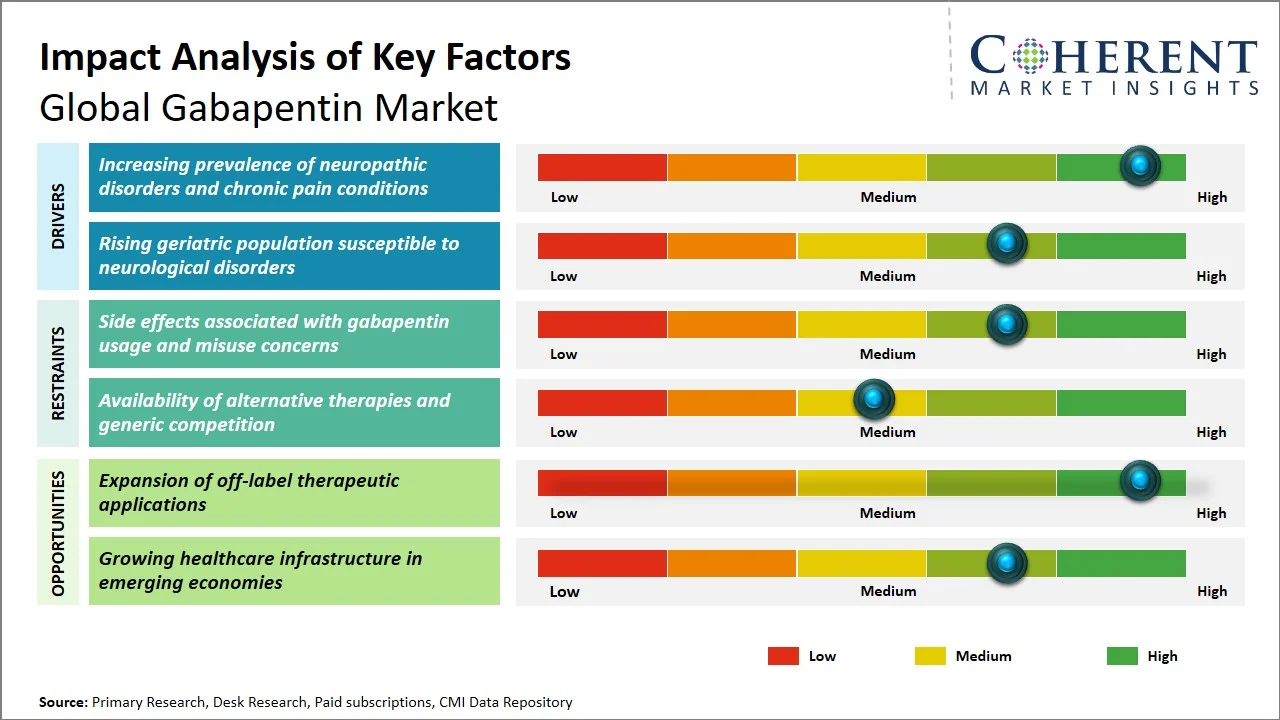
Market Drivers
- Increasing prevalence of neuropathic disorders and chronic pain conditions: The rising incidence of conditions such as diabetic neuropathy, post-herpetic neuralgia, epilepsy and fibromyalgia has contributed to a growing population of patients needing long-term neurological treatment. For instance, Centers for Disease Control and Prevention (CDC) reported that 20.9% of U.S. adults (51.6 million persons) experienced chronic pain, and 6.9% (17.1 million persons) experienced high-impact chronic pain (Source: Centers for Disease Control and Prevention). Gabapentin is widely prescribed on account of its proven efficacy in pain relief from nerve pathology and, in general, a better safety profile than opioids. It is also likely that increasing recognition and diagnosis of chronic pain syndromes accounts for the continued rise in prescribers throughout both hospital and outpatient environments.
- Rising geriatric population susceptible to neurological disorders: The constantly expanding aging global population is leading to a substantial rise in age-related neurological disorders such as post-herpetic neuralgia, epilepsy, diabetic neuropathy and chronic musculoskeletal pain. For instance, according to World Health Organization, by 2030, 1 in 6 people in the world will be aged 60 years or over. By 2050, the world’s population of people aged 60 years and older will double (2.1 billion). The number of persons aged 80 years or older is expected to triple between 2020 and 2050 to reach 426 million (Source: World Health Organization). With senescent populations more likely to undergo long-term pain management therapies, this is also hastening the demand for gabapentin for use in chronic healthcare settings. Furthermore, continuous use of non-opioid neurological treatments in elderly patient groups is predicted to further encourage clinical use of gabapentin.
Emerging Trends
- Expansion of Gabapentin Use in Perioperative Care: Gabapentin is actively used in perioperative and post-surgical analgesic regimens to decrease opioid use and optimize recovery. Hospitals and pain physicians are using gabapentin as a multimodal analgesic approach for all orthopedic, spinal, and minimally invasive procedures. The use of this drug for purposes outside of its traditional neurological indications is rapidly increasing, and providing new opportunities for market penetration.
- Increasing Focus on Abuse-Deterrent and Safer Gabapentinoid Therapies: The increasing regulatory concern over Gabapentinoid abuse potential is promoting pharmaceutical manufacturers to develop drugs with safer, abuse-deterrent, gabapentin formulations. These developments encompass changes in controlled-release technology, improved formulation and dosing system design, and enhanced pharmacovigilance strategies. The move towards safer formulations is likely to open new market opportunities and product differentiation strategies.
Regional Insights
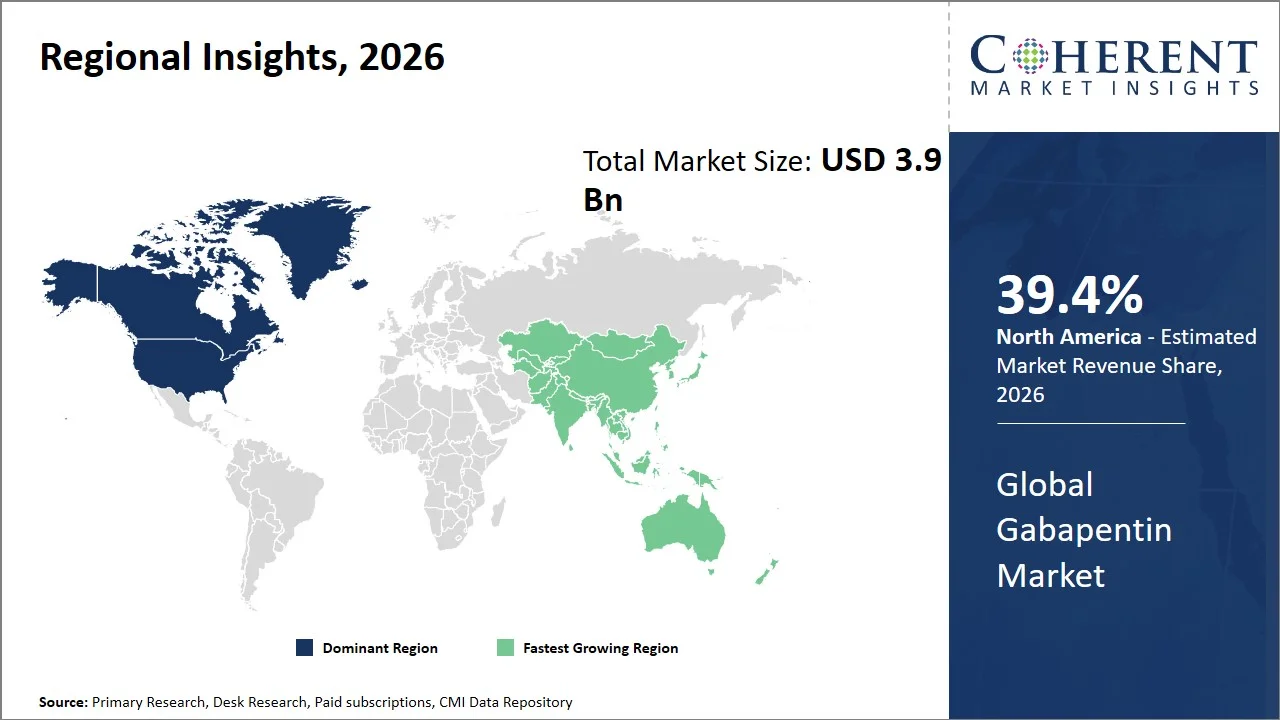
Why is North America a Strong Market for Gabapentin?
North America leads the global gabapentin market, accounting for an estimated 39.4% share in 2026, owing to the region’s mature pharmaceutical industry, sophisticated healthcare system, mature regulatory environment along with the influx of R&D investments in the region. Moreover, the presence of major pharmaceutical companies including Pfizer, Mylan (now part of Viatris) and Novartis is driving the research, innovation and commercial availability of various gabapentin formulations. Furthermore, government initiatives aimed at bringing in economical generic drugs and boosting the healthcare benefits has enabled broad patient access within this market. For instance, the Centers of Medicare & Medicaid services continue supporting increased access to prescription drug through community-based healthcare and medication management programs which ensure patient access to long term neurological therapies. (Source: Centers of Medicare & Medicaid services)
Why Does the Asia Pacific Gabapentin Market Exhibit High Growth?
The Asia Pacific gabapentin market is expected to exhibit the fastest growth with an estimated contribution of 23.6% share to the global market in 2026, due to the increased awareness towards health care and the increasing patient population along with the growing infrastructure in the emerging economies like India and China. Governments across the region have been playing a proactive role in enhancing the API manufacturing capabilities in pharma companies as well as in the approval of generic drugs. For instance, India’s Production Linked Incentive (PLI) Scheme for Bulk Drugs was implemented with the purpose of supporting local API manufacturing and diminishing reliance on import of medicines supporting the regional availability of generic neurological medicines such as gabapentin (Source: Department of Pharmaceuticals). Furthermore, the region is home to pharmaceutical giants like Sun Pharmaceutical Industries, Cipla and Dr. Reddy's Laboratories, which aid through competitive pricing and tailored formulations to meet local needs.
Global Gabapentin Market Outlook for Key Countries
Why is the U.S. Leading Innovation and Adoption in the Gabapentin Market?
The U.S. is at the forefront of innovation and adoption in the gabapentin market due to its comprehensive use within approved neurological indications and off-label treatments particularly concerning neuropathic and post-operative pain. High utilization of extended-release, and branded gabapentin formulations coupled with robust pharmaceutical commercialization capacity is witnessed in the U.S. Integration into non-opioid pain treatment regimens further amplified its utilization in outpatients, and long-term care. Market maturity and accessibility of products in the U.S is further supported by the availability of large drug manufacturers and robust drug monitoring systems.
Is Japan a Favorable Market for Gabapentin?
Japan is one of the most promising markets for the gabapentin market owing to its exponentially aging population and increasing number of chronic neurological and neuropathic pain diseases which require long-term medication management. The country has reported high demand for non-opioid analgesics, characterized by high use in post-herpetic neuralgia and diabetic neuropathy among the elderly population. Factors such as existence of defined distribution channels, advanced healthcare system, greater access to prescription drugs, higher awareness among chronic disease population and high market penetration of these therapies will further stimulate the growth of gabapentin market in Japan.
Is China Emerging as a Key Growth Hub for the Gabapentin Market?
China is positioned as a key growth hub in the global gabapentin market driven by the tremendous growth in its domestic pharmaceutical manufacturing industry and increasing need and the rising utilization of low-cost treatments for neurological disorders. The use of generic gabapentin formulations for treatments of neuropathic pain and seizures in hospitals especially in China is increasing and will continue to do so as the country invests heavily in healthcare infrastructure and develops capacities for pharmaceutical active ingredients production.
Why Does Germany Top the European Gabapentin Market?
Germany is the leader in the European market for gabapentin due to its robust neurological care infrastructure and a high clinical focus on treatment of chronic pain and epilepsy in the country. Germany exhibits high utilization rates of gabapentin therapy in diabetic neuropathy, post-herpetic neuralgia, and age-associated nerve conditions, and sizeable geriatric population. Germany has a relatively mature generic industry and good availability of over-the-counter prescription drugs supplied through multiple retail/ hospital pharmacy systems. The country also has relatively strong non-opioid pain management protocols (such as multimodal analgesia pathways, Enhanced Recovery After Surgery (ERAS) programs, regional anesthesia protocols, non-opioid perioperative analgesia guidelines, and interdisciplinary pain assessment models) which will help provide ongoing demand for gabapentin therapies within chronic care situations.
Is the Gabapentin Market Developing in India?
India is emerging as a lucrative market for gabapentin due to an increasing number of diabetic neuropathy, epilepsy and chronic pain conditions for which neurological long-term treatment is inevitable. The well-established generic manufacturing base along with its expanding retail pharmacy footprint in the country is making the oral formulations of gabapentin economical and easily accessible even in semi-urban markets. Greater acceptability of non-opioid pain management options, familiarity among physicians and proliferation of government protocols supporting generic medicines are further strengthening its usage profile.
Regulatory Landscape Governing the Global Gabapentin Market
Region | Authority & Classification | Approval Pathway | Key Regulatory Insight |
North America | U.S. FDA / Health Canada; Gabapentin is prescription-only and federally non-scheduled in the U.S., though several states classify it as Schedule V due to misuse concerns | NDA/ANDA approval pathway for branded and generic formulations | Increasing monitoring of gabapentin misuse and opioid co-prescription is strengthening pharmacovigilance and prescription monitoring requirements. |
Europe | EMA and national regulatory agencies; prescription-only medicine | Centralized, Decentralized (DCP), and Mutual Recognition Procedure (MRP) pathways | Generic gabapentin approvals are widely supported through DCP/MRP routes, while harmonization of labeling and safety standards remains a key regulatory focus. |
Asia Pacific | PMDA (Japan), NMPA (China), CDSCO (India), TGA (Australia) | Country-specific national approval pathways with bioequivalence requirements for generics | Expanding generic drug manufacturing and increasing neurological disease burden are accelerating approvals across emerging Asian markets. |
Latin America | ANVISA (Brazil), COFEPRIS (Mexico), INVIMA (Colombia) | National registration and generic equivalence approval pathways | Governments are emphasizing affordable generic medicines and stricter quality compliance to improve access to neurological therapies. |
Middle East & Africa | SFDA (Saudi Arabia), SAHPRA (South Africa), UAE Ministry of Health and Prevention | National drug registration pathways supported by Gulf and regional harmonization initiatives | Regulatory modernization and rising dependence on imported pharmaceuticals are improving market access for gabapentin formulations. |
How is the expansion of off-label therapeutic applications creating new growth opportunities in the gabapentin market?
Growing off-label therapeutic uses for gabapentin is significantly driving opportunities in the global gabapentin market by enhancing the product's clinical application beyond its indications of epilepsy and neuropathic pain. Increasing prescriptions of gabapentin for conditions like anxiety disorders, migraine prevention, fibromyalgia, restless leg syndrome and alcohol withdrawal are largely attributed to the drug's neuromodulatory action, coupled with a relatively lower risk of addiction compared to opioid based pain therapies. The expanded applications of gabapentin are subsequently elevating prescription volumes and sustaining demand in chronic care settings. It is anticipated that more clinical trials on gabapentin will contribute to the enhancement of the market prospects by investigating its use in various neurological and psychiatric conditions. For instance, a study published by the National Library of Medicine, highlights the increased off-label use of gabapentin in treating migraine, fibromyalgia, mental illnesses, and substance dependence. It additionally recognized gabapentin as being used more often as a substitute for opioid-based treatment in chronic care settings. (Source: National Library of Medicine)
Market Players, Key Development, and Competitive Intelligence
Key Developments
- In December 2025, Akums introduced a 'DCGI-approved' ER version of Gabapentin for postherpetic neuralgia treatment, in India. So far, the once daily formulation was launched to boost treatment elicitability and nonsupervisory in treatment of peripheral pain. These launches are likely to expand the therapeutic reach of gabapentin and contribute to the growth of the market size.
- In March 2024, Strides gained marketing approval from U.S. FDA for the oral gabapentin Tablets USP 600 mg and 800 mg. This approval bolstered the company's neurological product range. Regulatory approval of gabapentin had a positive effect on the growth of the market, widening access to the drugs and adding to the portfolio of regulated markets.
Competitive Landscape
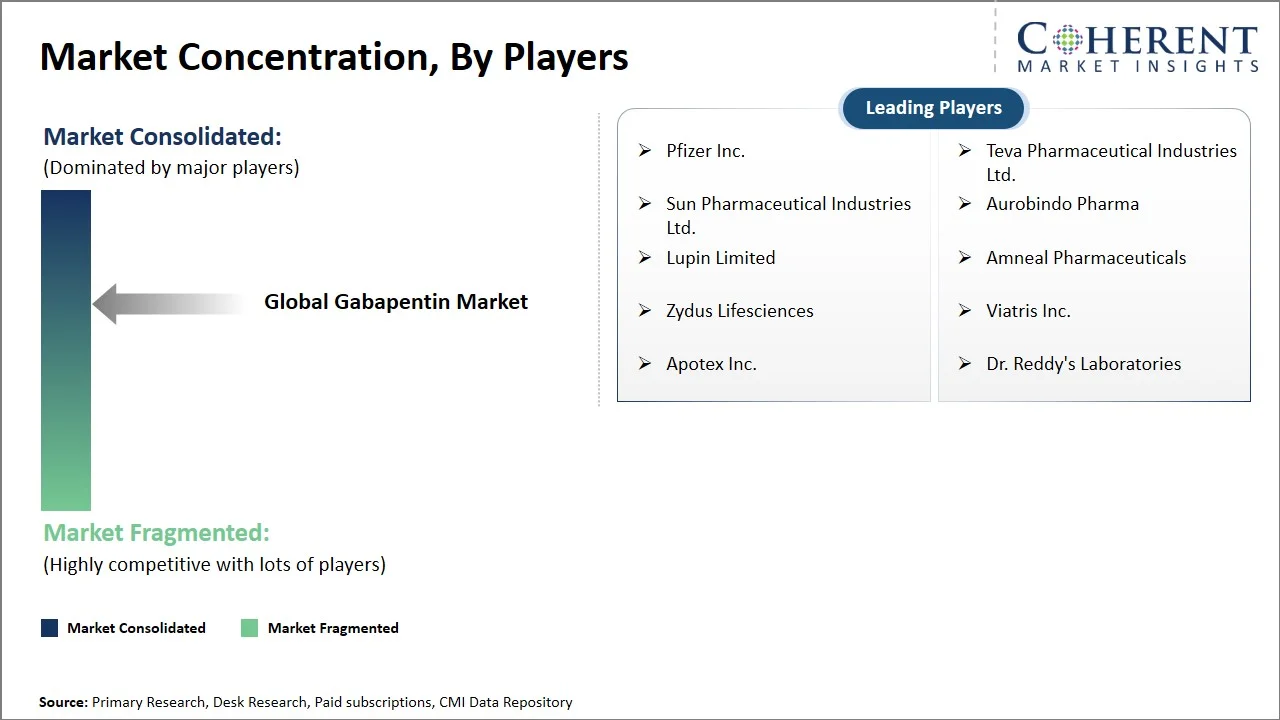
The global gabapentin market is moderately competitive, as the market has strong presence of branded pharmaceuticals companies along with manufacturers of generic drugs for competing on value-oriented pricing techniques as well as formulation improvements and intimation to market entry via geographical enhancement driving approaches. The key players are moving toward launching of value-added versions including abuse deterrent formulations, cost optimal versions along with extending their reach via strengthening of retail pharmacy arrangements, and boosting manufacturing set up in regional jurisdictions for effective supply of medicines in emerging markets. Key focus areas include:
- Development of extended-release and patient-friendly gabapentin formulations
- Expansion of generic drug manufacturing and regional supply chain capabilities
- Strengthening retail pharmacy distribution and healthcare provider partnerships
- Increasing focus on abuse monitoring, regulatory compliance, and pharmacovigilance initiatives
Market Report Scope
Gabapentin Market Report Coverage
| Report Coverage | Details | ||
|---|---|---|---|
| Base Year: | 2025 | Market Size in 2026: | USD 3.9 Bn |
| Historical Data for: | 2020 To 2024 | Forecast Period: | 2026 To 2033 |
| Forecast Period 2026 to 2033 CAGR: | 5.8% | 2033 Value Projection: | USD 5.8 Bn |
| Geographies covered: |
| ||
| Segments covered: |
| ||
| Companies covered: | Pfizer Inc., Teva Pharmaceutical Industries Ltd., Sun Pharmaceutical Industries Ltd., Aurobindo Pharma, Lupin Limited, Amneal Pharmaceuticals, Zydus Lifesciences, Viatris Inc., Apotex Inc., and Dr. Reddy's Laboratories | ||
| Growth Drivers: |
| ||
| Restraints & Challenges: |
| ||
Analyst Opinion (Expert Opinion)
- The future outlook for the global market for gabapentin is anticipated to remain positive supported by an aging population and increased use of non-opioid therapies for pain relief. As clinical indications for gabapentin are extended to include a number of chronic neurological conditions, expanding generic drug availability in emerging markets and the trend toward developing new medicines will likely enhance marketing opportunities in the long-term.
- The maximum opportunities will probably exist within neuropathic pain application segment in Asia Pacific, especially in India and China, as these countries are experiencing a rapidly growing diabetic population along with an improving healthcare infrastructure and increased access to affordable generic medicines. Retail pharmacy segments are also likely to provide significant opportunities due to increasing outpatient treatment volumes and growing penetration of organized pharmacy networks in urban and semi-urban populations.
- In order to obtain a competitive advantage, market participants should seek to develop patient-centric, extended-release gabapentin products which are centered around non-invasiveness, convenience and effectiveness. This will enable a reduction in side effects and improve market growth through better patient adherence. Additionally, it will strengthen regional manufacturing capabilities and foster strategic alliances with retail pharmacy chains and physician groups. Furthermore, companies are focusing on pharmacovigilance and regulatory initiatives to address the rising scrutiny surrounding gabapentinoid therapy and support long-term market expansion. Over time, adopting low-cost generic manufacturing lines, digital and online prescriptions can aid market players in extending their sphere of influence and securing long-term gains.
Speak to the analyst
Want personalized insights?
Take the findings above to one of our principal consultants, or have the report rebuilt around the segments, geographies and competitors you actually track.
Market Segmentation
- Dosage Form Insights (Revenue, USD Bn, 2021 - 2033)
- Capsules
- Tablets
- Oral Solutions
- Others
- Application Insights (Revenue, USD Bn, 2021 - 2033)
- Neuropathic Pain
- Epilepsy
- Restless Legs Syndrome (RLS)
- Others
- Distribution Channel Insights (Revenue, USD Bn, 2021 - 2033)
- Hospital Pharmacies
- Retail Pharmacies
- Online Pharmacies
- Regional Insights (Revenue, USD Bn, 2021 - 2033)
- North America
- U.S.
- Canada
- Latin America
- Brazil
- Argentina
- Mexico
- Rest of Latin America
- Europe
- Germany
- U.K.
- Spain
- France
- Italy
- Russia
- Rest of Europe
- Asia Pacific
- China
- India
- Japan
- Australia
- South Korea
- ASEAN
- Rest of Asia Pacific
- Middle East
- GCC Countries
- Israel
- Rest of Middle East
- Africa
- South Africa
- North Africa
- Central Africa
- North America
- Key Players Insights
- Pfizer Inc.
- Teva Pharmaceutical Industries Ltd.
- Sun Pharmaceutical Industries Ltd.
- Aurobindo Pharma
- Lupin Limited
- Amneal Pharmaceuticals
- Zydus Lifesciences
- Viatris Inc.
- Apotex Inc.
- Reddy's Laboratories
Sources
Primary Research Interviews
- Neurologists, pain management specialists, and epilepsy treatment experts involved in gabapentin prescription and neurological disorder management
- Retail pharmacy managers and pharmaceutical distributors overseeing chronic prescription medicine accessibility and dispensing operations
- Pharmaceutical formulation scientists and generic drug manufacturers engaged in gabapentin capsule and extended-release formulation development
- Hospital pharmacists and clinicians managing neuropathic pain, epilepsy, and post-herpetic neuralgia treatment protocols
- Researchers and healthcare professionals evaluating non-opioid pain management therapies and gabapentinoid safety profiles
Stakeholders
- Gabapentin manufacturers and generic pharmaceutical companies
- End-use Sectors
- Hospitals and specialty neurology clinics
- Retail pharmacies and community pharmacy chains
- Pain management and rehabilitation centers
- Pharmaceutical and biotechnology companies
- Academic and neurological research institutions
- Healthcare providers and chronic care facilities
- Regulatory & Health Bodies: World Health Organization – neurological disorder and chronic pain statistics, U.S. Food and Drug Administration – drug approval and prescription safety regulations, Centers for Disease Control and Prevention – epilepsy and chronic pain prevalence data, European Medicines Agency – pharmaceutical safety and geriatric medicine guidelines, Centers for Medicare & Medicaid Services – prescription drug access and pharmacy service frameworks
Databases
- WHO Global Health Observatory – neurological disorder and chronic pain burden statistics
- International Diabetes Federation (IDF) Database – diabetes prevalence and diabetic neuropathy trends
- CDC National Center for Health Statistics – healthcare utilization and chronic disease data
- OECD Health Statistics – healthcare expenditure and pharmaceutical consumption trends
- Global Burden of Disease (GBD) Database – epilepsy and neuropathic pain prevalence data
- World Bank Health Database – healthcare infrastructure and pharmaceutical spending indicators
Magazines
- Pharmaceutical Technology – drug formulation and pharmaceutical manufacturing trends
- Drug Store News – retail pharmacy and prescription medicine developments
- Pharmaceutical Commerce – pharmaceutical distribution and supply chain updates
- BioPharma Dive – pharmaceutical industry advancements and regulatory updates
- Managed Healthcare Executive – chronic disease treatment and healthcare policy trends
Journals
- Journal of Pain Research
- Neurology
- Pain Medicine
- Epilepsia
- Journal of Clinical Pharmacy and Therapeutics
- The Lancet Neurology
Newspapers
- Financial Times – pharmaceutical industry and healthcare market developments
- The Wall Street Journal – prescription drug pricing and healthcare policy updates
- The New York Times (Health Section) – chronic pain and neurological disorder trends
Associations
- American Academy of Neurology
- International Association for the Study of Pain (IASP)
- Epilepsy Foundation
- American Chronic Pain Association
- International League Against Epilepsy (ILAE)
Public Domain Sources
- World Health Organization (WHO) – neurological disorders and pain management statistics
- Centers for Disease Control and Prevention (CDC) – epilepsy prevalence, neuropathic pain, and prescription drug usage data
- National Institutes of Health (NIH) – gabapentin clinical studies and neurological research publications
- U.S. Food and Drug Administration (FDA) – gabapentin approvals, safety updates, and pharmacovigilance information
- European Medicines Agency (EMA) – regulatory guidance and gabapentinoid safety assessments
- International Association for the Study of Pain (IASP) – neuropathic pain treatment guidelines and pain management research publications
Proprietary Elements
- CMI Data Analytics Tool, Proprietary CMI Existing Repository of information for last 10 years.
Get access to 250+ pages report
Every segment, forecast, competitor profile and data table behind the analysis above — available for instant download.
- ESOMAR Member
- ISO 9001:2015 Certified
- D-U-N-S Registered
- GDPR & CCPA Compliant
Missing comfort of reading report in your local language? Find your preferred language:
Transform your Strategy with Exclusive Trending Reports
Frequently Asked Questions
The global gabapentin market is estimated to be valued at USD 3.9 Bn in 2026 and is expected to reach USD 5.8 Bn by 2033.
Capsules dominate due to their improved patient compliance, ease of oral administration, formulation stability, and suitability for long-term neurological disorder treatment.
Gabapentin is an anticonvulsant and neuropathic pain medication used to treat epilepsy, nerve pain disorders, and certain neurological conditions by reducing abnormal nerve activity in the brain and nervous system.
The CAGR of the global gabapentin market is projected to be 5.8% from 2026 to 2033.
Increasing prevalence of neuropathic disorders and chronic pain conditions and rising geriatric population susceptible to neurological disorders are the major factors driving the growth of the global gabapentin market.
Side effects associated with gabapentin usage and misuse concerns and availability of alternative therapies and generic competition are the major factors hampering the growth of the global gabapentin market.
Gabapentin modulates voltage-gated calcium channels in the central nervous system, thereby reducing abnormal neuronal excitability and pain signal transmission.