

Global Hair Regeneration Market Size and Forecast – 2026 To 2033
The global hair regeneration market is expected to grow from USD 4.26 Bn in 2026 to USD 10.72 Bn by 2033, registering a compound annual growth rate (CAGR) of 14.1% from 2026 to 2033. The market for global hair regeneration is poised for significant expansion, fueled by the growing global burden of alopecia areata and associated hair-loss disorders, creating a broader patient pool for regenerative treatments.
According to the Global Burden of Disease Study 2021, published in 2025, approximately 17.5 million people globally were living with alopecia areata in 2021. Among adolescents and young adults aged 10–24 years alone, the number of prevalent cases reached 3.16 million in 2021, highlighting a substantial and relatively young patient population requiring hair-loss management. (Source: National Library of Medicine)
Key Takeaways of the Global Hair Regeneration Market
- Hair regeneration devices are projected to hold 36.4% of the global hair regeneration market share in 2026, making it dominant product type segment across North America due to established regulatory acceptance of hair-growth devices. For instance, the U.S. Food and Drug Administration (FDA) classifies laser hair-growth devices as Class II medical devices under 21 CFR 890.5500, specifically covering devices intended to promote hair growth in androgenetic alopecia.
- Platelet-Rich Plasma (PRP) Therapy is projected to hold 40.6% of the global hair regeneration market share in 2026, making it dominant treatment type segment, with Europe representing a significant regional market due to established regulatory oversight of autologous regenerative treatments. The European Medicines Agency (EMA) maintains regulatory oversight of advanced biological and autologous treatment approaches, while European regulatory frameworks require appropriate authorization and quality controls for biological therapies used in clinical practice. This regulatory environment supports standardized clinical use of regenerative treatment technologies, including PRP-based approaches.
- Androgenetic alopecia is projected to hold 68.7% of the global hair regeneration market share in 2026, making it dominant indication segment, with Asia Pacific emerging as a key regional market due to increasing regulatory attention toward hair-loss treatments. For instance, Japan's Pharmaceuticals and Medical Devices Agency (PMDA) maintains a dedicated review and approval framework for medical devices, including products requiring clinical evaluation before market authorization, supporting the development and commercialization of advanced dermatological and hair-treatment technologies in Japan.
- North America market maintains dominance with an expected share of 30.8% in 2026, bolstered by its well-established regulatory oversight of autologous hair-regeneration procedures. Health Canada clarified that PRP treatments prepared from a patient’s own blood and administered back to the same patient in a single procedure fall under the practice of medicine and dentistry, while PRP products marketed outside these conditions require Health Canada authorization. This regulatory clarification has helped define the permissible clinical-use framework for PRP, an important hair-regeneration treatment.
- Asia Pacific is expected to exhibit the fastest growth in the global hair regeneration market, registering an estimated CAGR of 13.6% during 2026–2033, driven by expanding regulatory recognition of advanced hair-loss therapies. In April 2026, Australia’s Therapeutic Goods Administration (TGA) accepted an application for a new severe alopecia areata indication for upadacitinib, reflecting increasing regulatory activity around therapies targeting hair-loss disorders in the region.
Segmental Insights
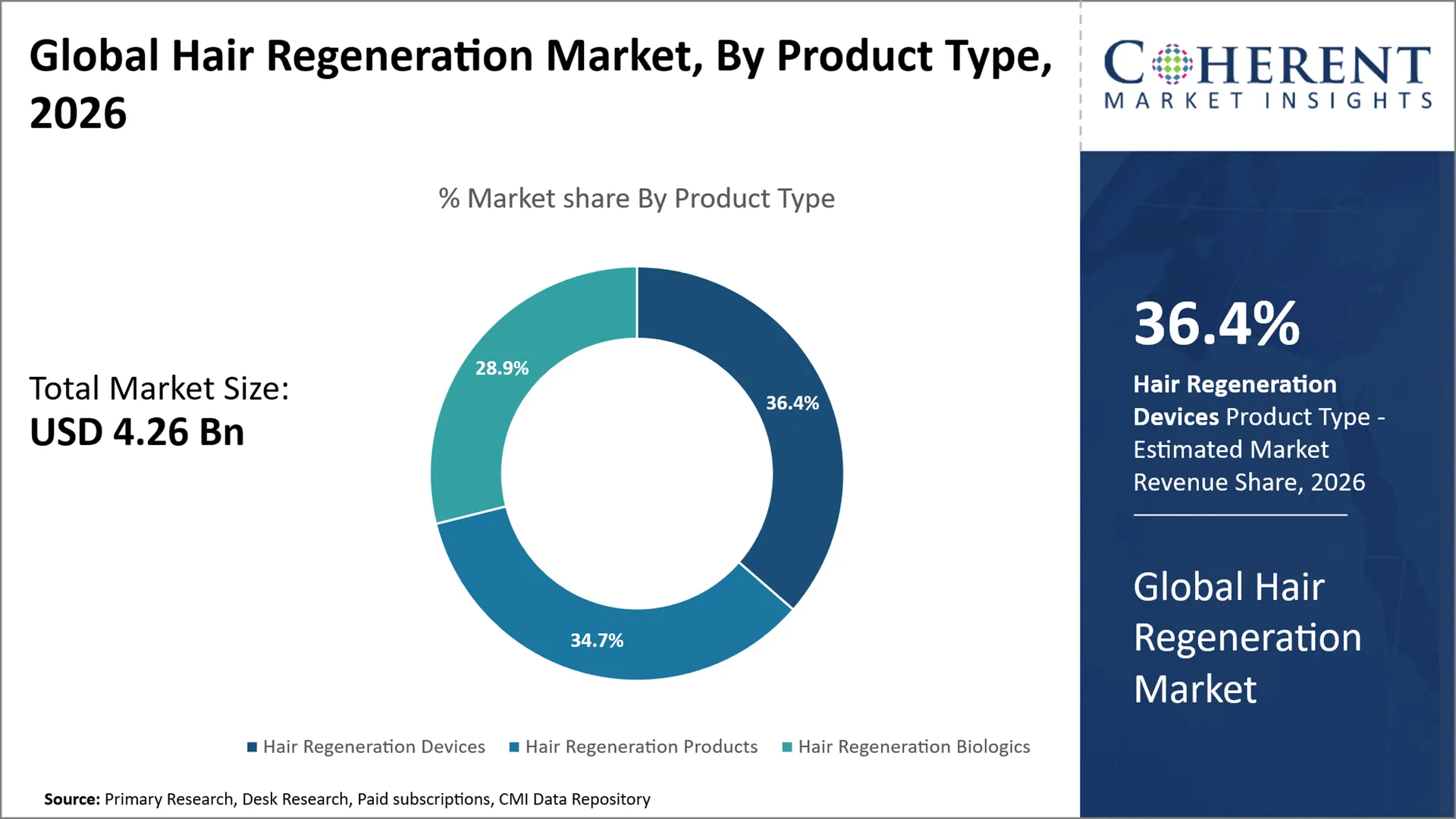
Why Do Hair Regeneration Devices Dominate the Global Hair Regeneration Market?
Hair regeneration devices are projected to hold the market share of 36.4% in 2026, driven mainly by consumer demand for painless and user-friendly hair growth treatment options coupled with constant innovations in wearable LLLT formats. The segment will also be led by a wider array of home-use designs such as laser caps, helmets, and combs. In July 2026, the U.S. Food and Drug Administration (FDA) cleared the CHZL Red Light Therapy Hair Growth Cap by the 510(k) pathway. This is a Class II "Laser, Comb, Hair" device (21 CFR 890.5500). The clearance for the device enables hair growth devices, especially in the formats of wearable, at-home products, to keep growing.
- Current Industry Events of 2026
- Market Size Estimation
- Regional Breakdown
- Competitive Landscape
- Customer Intelligence
- Segmental Analysis
- Pricing Analysis
- Key Market Drivers, Challenges & Future Trends
- Customized Insights Section
Why Do Platelet-Rich Plasma (PRP) Therapy Represent the Largest Treatment Type Segment in the Hair Regeneration Market?
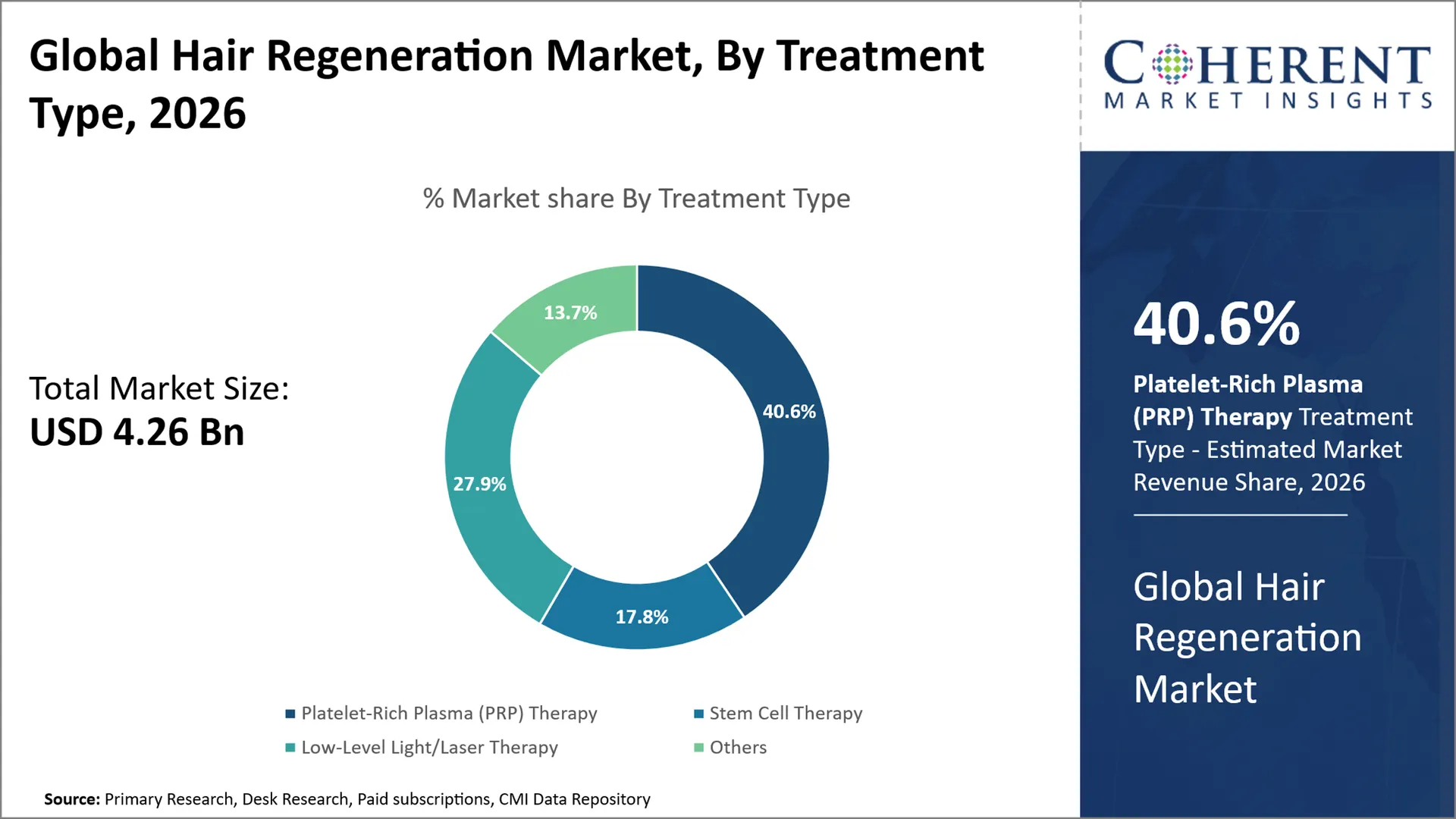
Platelet-Rich Plasma (PRP) Therapy is projected to hold a market share of 40.6% in 2026, as its autologous nature, minimally invasive injection procedure, and validated use in regenerative settings have all strongly supported this mode of treatment. Further developments in PRP processing procedures may ease clinical feasibility and standardization. In March 2026, the U.S. Food and Drug Administration (FDA) approved Platelet Quick PRP system, a rapid point-of-care preparation of autologous PRP from peripheral blood, emphasizing the ongoing approval of the PRP preparation technology.
Androgenetic Alopecia Segment Dominates the Global Hair Regeneration Market
The androgenetic alopecia segment is projected to hold a market share of 68.7% in 2026, due to its chronic and debilitating nature, and ongoing innovations in treatments targeting male and female pattern baldness. In addition, the rising number of regulatory approvals for different therapies to treat AGA is driving the improving treatment landscape. In June 2026, the European Medicines Agency (EMA)'s Committee for Medicinal Products for Human Use (CHMP) recommended marketing authorization for upadacitinib (Rinvoq) for the new use of upadacitinib (Rinvoq) in the treatment of alopecia areata in adult and paediatric patients aged 12 years and older with severe disease.
Current Events and their Impact
Current Events | Description and its Impact |
U.S. FDA Issues New Guidance for Cellular and Gene Therapy Product Development (August 2026) |
|
U.S. FDA Takes Regulatory Action Against Unapproved Stem Cell and Exosome Products (May 2026) |
|
MHRA Approves Deuruxolitinib for Severe Alopecia Areata (March 2026) |
|
Hair Regeneration Market Dynamics
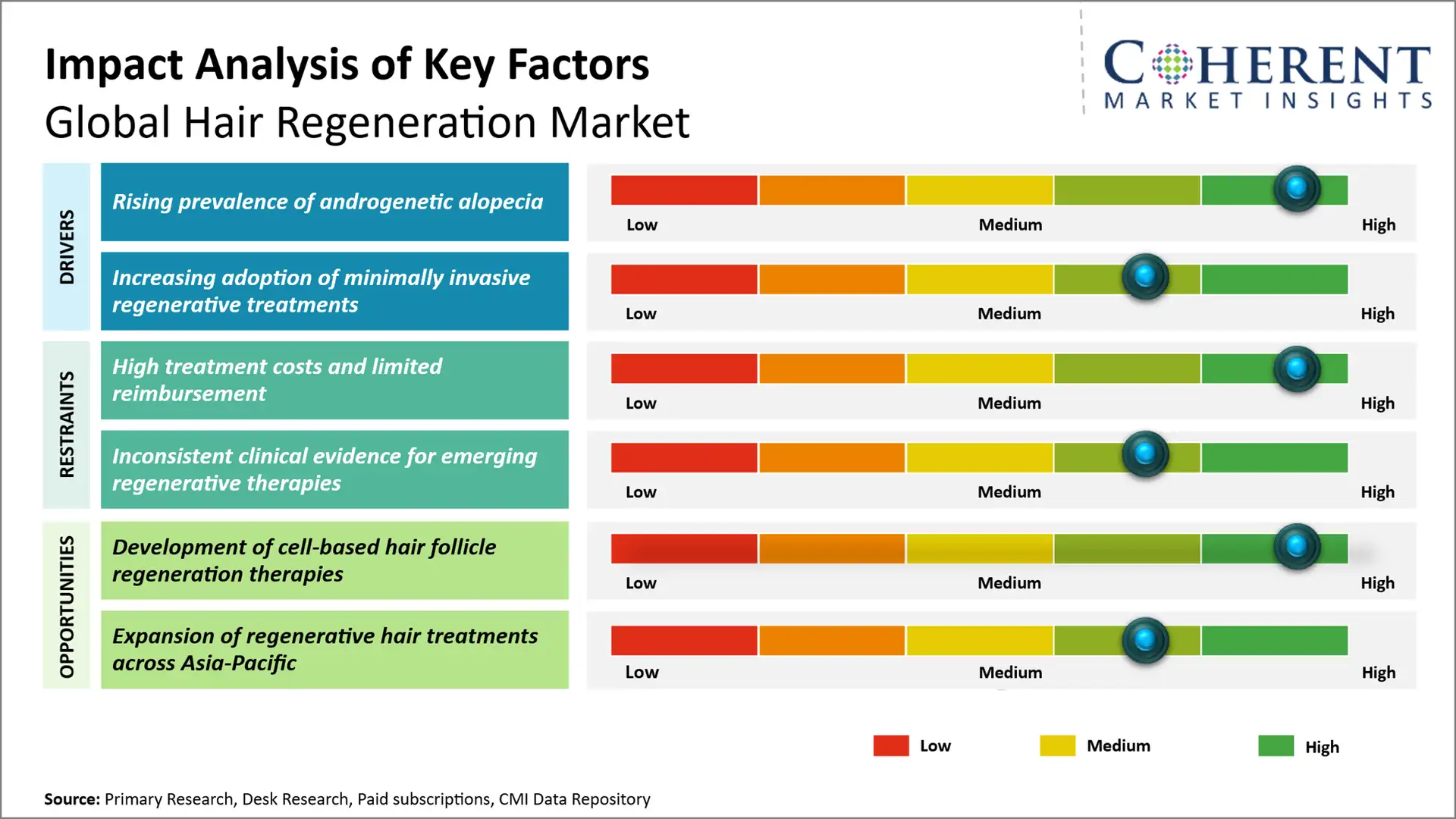
Market Drivers
- Rising prevalence of androgenetic alopecia: The expanding prevalence of androgenetic alopecia is increasing the addressable population for hair-regeneration solutions, particularly as incidence rises with age. The condition affects both men and women and remains one of the most common forms of hair loss globally. For instance, the American Academy of Dermatology estimates that androgenetic alopecia affects 80 million people in the U.S., including 50 million men and 30 million women, highlighting the substantial patient population requiring hair-loss management.
- Increasing adoption of minimally invasive regenerative treatments: Rising preference for minimally invasive hair-loss procedures is supporting demand for regenerative treatments such as PRP, microneedling-assisted therapies, and low-level laser therapy. These approaches offer outpatient treatment with limited downtime, making them increasingly attractive alternatives or complements to surgical hair restoration. For instance, in September 2025, a systematic review published by the National Library of Medicine, identified 43 randomized controlled trials involving 1,877 participants evaluating PRP for alopecia, with findings supporting improvements in hair density and reductions in hair loss.
- Growing investment in regenerative hair-follicle research: Increasing investment in regenerative medicine is accelerating the development of hair-follicle therapies based on stem cells, extracellular vesicles, dermal papilla cells, and tissue-engineering approaches. This shift is expanding the pipeline beyond conventional hair-loss treatments toward therapies designed to restore follicular function and potentially generate new hair growth. For instance, in August 2026, Amplifica Holdings Group closed an oversubscribed USD 26 million Series B financing, led by Tasso Partners with participation from Eli Lilly and other investors, to advance its injectable hair-growth pipeline designed to reactivate dormant hair follicles and promote new hair growth.
Emerging Trends
- Rise of exosome-based hair regeneration: exosome and extracellular-vesicle therapies are gaining attention as regenerative approaches designed to influence follicular signaling and support hair growth. Research is increasingly exploring their use as standalone treatments and in combination with other regenerative modalities.
- Shift toward cell-based follicle regeneration: Research is moving beyond hair-loss management toward restoring follicular activity through stem cells, dermal papilla cells, conditioned media, and cell-derived factors. These approaches could expand treatment options for patients with advanced or treatment-resistant hair loss.
- Growth of personalized combination therapies: Hair-regeneration treatment is increasingly moving toward individualized protocols that combine PRP, photo biomodulation, regenerative formulations, and digital scalp assessment. This approach allows treatment intensity and modality selection to be adapted to the patient's hair-loss pattern and follicular condition.
Regional Insights
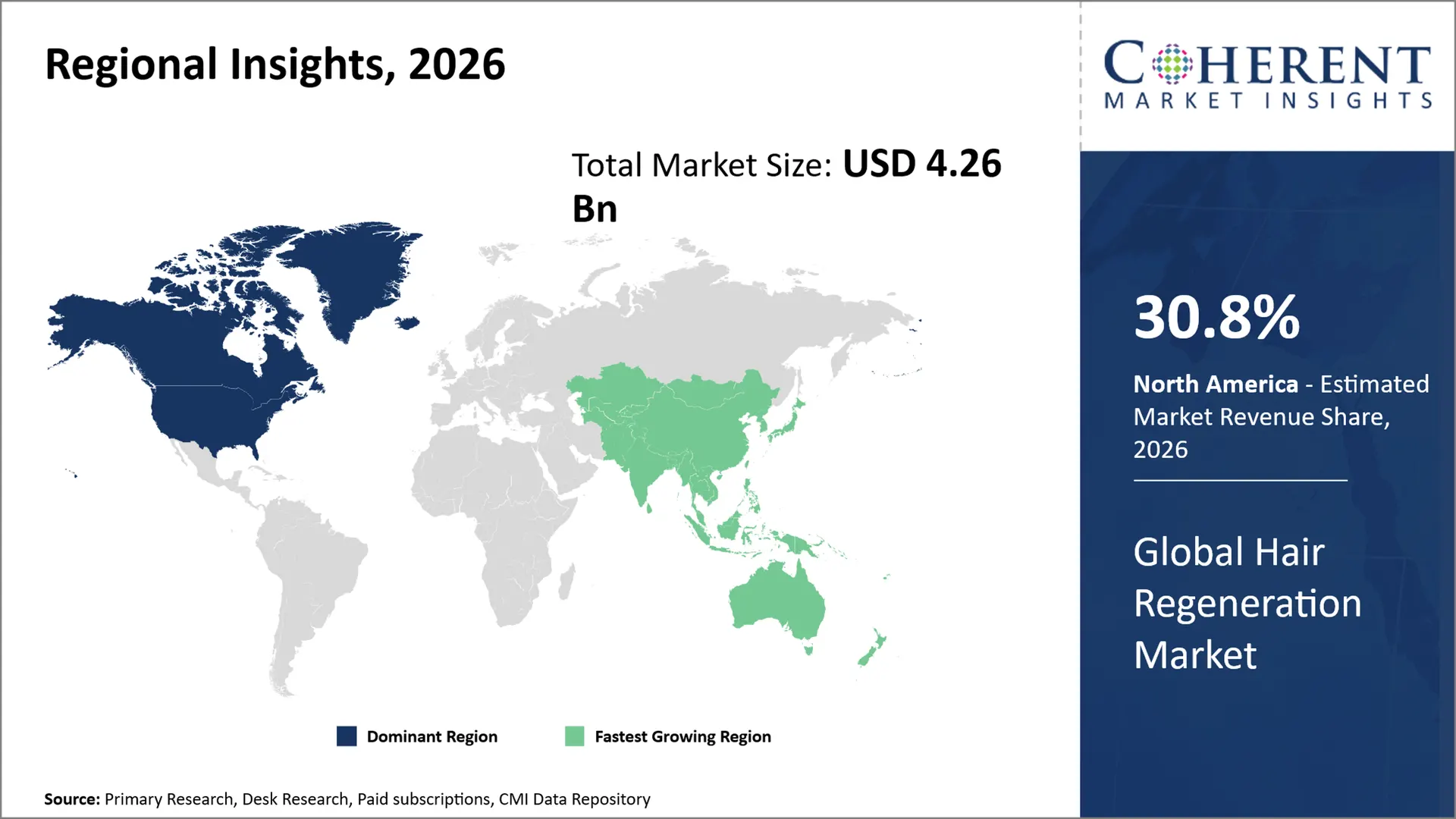
Why is North America a Strong Market for Hair Regeneration?
North America leads the global hair regeneration market, accounting for an estimated 30.8% share in 2026, owing to increased consumer awareness, market participants and the availability of robust healthcare infrastructure that provides the grounds for significant market growth. Moreover, the immense number of investments in aesthetic and regenerative medicine and its corresponding effect on market growth is yet another factor driving its dominance. Furthermore, the favorable regulations associated with regulatory bodies such as the U.S. FDA provide a way of examining hair-growth devices, thereby potentially improving the hair regeneration market.
For instance, the Breakthrough Devices Program of the U.S. Food and Drug Administration (FDA) provides a faster track for development and review of qualifying innovative devices that demonstrate a great benefit to a serious or life-threatening disease or condition for which there is a high unmet need. This approach may lead to increased regulation of future hair-regeneration inventions.
Why Does Asia Pacific Hair Regeneration Market Exhibit High Growth?
Asia Pacific is expected to exhibit the fastest growth in the global hair regeneration market, registering an estimated CAGR of 13.6% during 2026–2033. The region is projected to account for 27.8% of the global market in 2026, owing to rising disposable income, growing awareness regarding aesthetic procedures, and expanding healthcare infrastructure in major cities. The strategic state investments by the countries like China, Japan, and South Korea government for strengthening biomedical research and technology offerings are likely to drive innovation and aid market reach within the region.
Japan's government has pledged around USD 189 million (¥30 billion) to stimulate progress in the field of regenerative medicine as part of the Moonshot Research and Development Program, a move that hopes to strengthen the ecosystem of next-generation regenerative therapy. (Source: Japan Science and Technology Agency) Additionally, lower treatment costs than other Western countries and improving accessibility to next-generation dermatology and regenerative procedures is expected to enhance demand.
Global Hair Regeneration Market Outlook for Key Countries
Why is the U.S. Leading Innovation and Adoption in the Hair Regeneration Market?
The U.S. is expected to be the first in bringing advanced hair-growth technology to commercialization, namely that involving a pump for photo biomodulation, and wearable laser devices. An FDA-specific 510(k) framework seems to be enabling the market availability of new low-level laser therapy caps, helmets and combs for androgenetic alopecia, via significant-equivalence assessment. The framework points towards ongoing product development and wider availability of non-invasive at-home therapies.
Is Japan a Favorable Market for Hair Regeneration Market?
Japan is one of the largest markets for hair regeneration owing to its aging population, large demand for aesthetic and dermatological treatments, and high acceptance for tech enabled healthcare solutions. Additionally, the mature ecosystem for regenerative medicine, world class clinical setup and focus on non-invasive procedures offer a better ecosystem for advanced hair regeneration therapies.
Is China Emerging as a Key Growth Hub for the Hair Regeneration Market?
China is gradually emerging as the newest growth driver for the hair regeneration market acknowledged by its huge addressable population, rising expenditure on aesthetic and dermatological procedures, and the development of private health care providers. Additionally, growing funding in biotechnology and regenerative medicine and also acceptance of non-surgical procedures to treat hair loss, is likely to strengthen China's presence in the regional hair regeneration industry.
Why Does Germany Top the European Hair Regeneration Market?
Germany probably captures the largest share of the European market for hair-regeneration products and services due to its superior healthcare system and robust healthcare clinical research environment. The need for clinical hair-loss treatment and high prevalence of advanced aesthetic-care industry contribute to the dominant position of the country. Moreover, the advent of technologically-advanced procedures encourages the acceptance of new minimally-invasive hair regeneration techniques.
Is Hair Regeneration Market Developing in India?
India represents an emerging hair regeneration market, attributable to its vast community of youth consumers. Growing apathy to hair-loss treatment amongst the youth population along with continued growth of the dedicated dermatology and aesthetics care landscape indicates a rise in consumer appetite for minimally invasive procedures. This shall also continue to be complemented by the increased availability of advanced hair-restoration options and improved access to these clinics.
Hair Regeneration Technologies – Development Landscape
Technology | Key Application | Development Status |
Platelet-Rich Plasma (PRP) | Androgenetic alopecia and hair thinning | Established |
Low-Level Light/Laser Therapy (LLLT) | Androgenetic alopecia and hair growth stimulation | Established |
Stem Cell Therapy | Follicular regeneration and hair-loss treatment | Clinical development |
Exosome / Extracellular Vesicle Therapy | Follicular stimulation and regeneration | Emerging |
Dermal Papilla Cell Therapy | New follicle formation and regeneration | Experimental/clinical development |
Conditioned Media / Secretome | Hair-follicle stimulation | Emerging |
How is the development of cell-based hair follicle regeneration therapies creating new growth opportunities in the hair regeneration market?
Cell-based hair follicle regeneration is moving forward to therapies that target the follicular microenvironment and regenerative signaling rather than providing a perfunctory solution for hair loss. Promising new modalities include stem-cell-derived secretomes, extracellular vesicles and in vitro cultured follicular cells, and research is moving in the direction of increasing the density of follicles and overall follicular activity. For instance, in June 2026, a first-in-human clinical study published by the National Library of Medicine, evaluated cultured autologous peripheral blood mononuclear cell therapy for androgenetic alopecia, reporting improvements in hair density and thickness at six months.
Market Players, Key Development, and Competitive Intelligence
Key Developments
- On September 23, 2026, Swiss Bioscience GmbH and OrganTech, Inc. signed a non-binding MOU to explore strategic collaboration on OrganTech’s hair-regeneration technologies in Europe. The initial focus is on conditioned medium derived from allogeneic hair follicle cells, with planned evaluation of GMP manufacturing, regulatory development, clinical research, technology transfer, and potential commercialization.
- On September 8, 2026, Alkem Laboratories Ltd. launched Renocia Exo, a next-generation hair regeneration therapy based on ginsenoside phyto-exosomes. The formulation combines phyto-exosomes, biomimetic peptides, copper peptides, and stem-cell-supportive actives to support hair-follicle health and vitality. The launch expands the use of exosome-based approaches in India's hair-regeneration landscape.
- In July 2026, Dr Batra’s Healthcare launched HairGain, a non-surgical hair-regrowth treatment powered by 50 billion exosomes and its proprietary TriXo Complex. The formulation combines exosomes with PDRN, collagen, caffeine, growth factors, polypeptides, and copper tripeptides, targeting follicular regeneration and hair growth.
Competitive Landscape
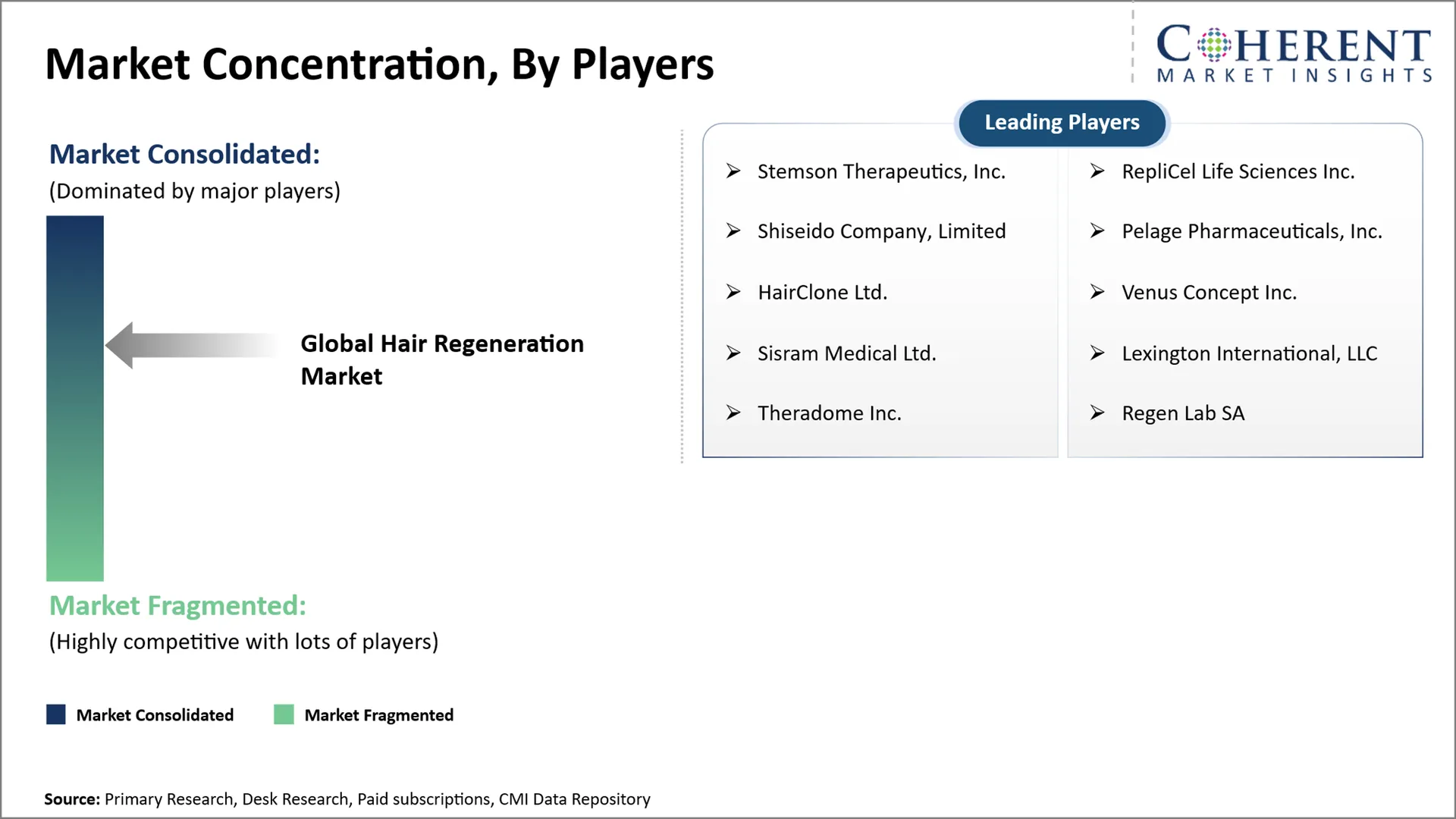
The global hair regeneration market is moderately competitive, with market dynamics shaped by advances in regenerative medicine, exosome-based therapies, stem cell technologies, PRP treatments, and light-based hair-growth devices. Market participants are increasingly focusing on expanding clinical applications, improving treatment efficacy, and developing minimally invasive solutions across clinical and aesthetic settings.
Key focus areas include
- Development of stem cell and exosome-based hair regeneration therapies
- Expansion of PRP and regenerative treatment platforms
- Advancement of low-level light and photo biomodulation devices
- Development of follicle-targeted and personalized regeneration approaches
- Enhancement of clinical validation and treatment standardization
Market Report Scope
Global Hair Regeneration Market Report Coverage | |||
Report Coverage | Details | ||
Base Year | 2025 | Market Size in 2026: | USD 4.26 Bn |
Historical Data For: | 2020 To 2024 | Forecast Period: | 2026 To 2033 |
Forecast Period 2026 To 2033 CAGR: | 14.1% | 2033 Value Projection: | USD 10.72 Bn |
Geographies covered: |
| ||
Segments covered: |
| ||
Companies covered: | Stemson Therapeutics, Inc., RepliCel Life Sciences Inc., Shiseido Company, Limited, Pelage Pharmaceuticals, Inc., HairClone Ltd., Venus Concept Inc., Sisram Medical Ltd., Lexington International, LLC, Theradome Inc., Regen Lab SA | ||
Growth Drivers: |
| ||
Restraints & Challenges: |
| ||
Analyst Opinion (Expert Opinion)
- In the coming years, global hair regeneration market will shift from conventional hair-loss management toward follicle-focused regenerative solutions, with exosome-based therapies, cell-derived products, PRP combinations, and advanced photo biomodulation becoming increasingly integrated into personalized treatment pathways. The industry is likely to move toward minimally invasive, repeatable therapies that target follicular regeneration while combining clinical treatment with digital scalp and hair-density monitoring.
- The maximum opportunities are foreseen within exosome-based and cell-derived regeneration for androgenetic alopecia in India, where a large addressable patient base, expanding aesthetic-dermatology infrastructure, and increasing acceptance of non-surgical hair treatments can support adoption. Players can also build differentiated offerings around combination protocols that integrate regenerative formulations with PRP or device-based therapies.
- In order to gain a competitive advantage market players should prioritize clinical differentiation, treatment standardization, and evidence generation rather than competing primarily on product availability. Building proprietary regenerative platforms, demonstrating sustained hair-density outcomes, developing combination treatment protocols, and creating personalized monitoring tools can help companies establish stronger clinical credibility and improve patient retention.
Speak to the analyst
Want personalized insights?
Take the findings above to one of our principal consultants, or have the report rebuilt around the segments, geographies and competitors you actually track.
Market Segmentation
- Product Type Insights (Revenue, USD Bn, 2021 - 2033)
- Hair Regeneration Devices
- Hair Regeneration Products
- Hair Regeneration Biologics
- Treatment Type Insights (Revenue, USD Bn, 2021 - 2033)
- Platelet-Rich Plasma (PRP) Therapy
- Stem Cell Therapy
- Low-Level Light/Laser Therapy
- Others
- Indication Insights (Revenue, USD Bn, 2021 - 2033)
- Androgenetic Alopecia
- Alopecia Areata
- Scarring Alopecia
- Others
- End User Insights (Revenue, USD Bn, 2021 - 2033)
- Hospitals and Clinics
- Dermatology and Hair Restoration Centers
- Research and Academic Institutions
- Others
- Regional Insights (Revenue, USD Bn, 2021 - 2033)
- North America
- U.S.
- Canada
- Latin America
- Brazil
- Argentina
- Mexico
- Rest of Latin America
- Europe
- Germany
- U.K.
- Spain
- France
- Italy
- Russia
- Rest of Europe
- Asia Pacific
- China
- India
- Japan
- Australia
- South Korea
- ASEAN
- Rest of Asia Pacific
- Middle East
- GCC Countries
- Israel
- Rest of Middle East
- Africa
- South Africa
- North Africa
- Central Africa
- North America
Sources
Primary Research Interviews
- Dermatologists and hair-restoration specialists specializing in alopecia and regenerative hair treatments
- Hair-regeneration clinic directors and dermatology practice decision-makers
- Regenerative-medicine specialists involved in PRP, stem-cell, exosome, and secretome-based therapies
- Researchers and clinical investigators working on hair-follicle biology, hair regeneration, and follicular stem cells
- Medical-aesthetic and device specialists involved in low-level light/laser therapy and photobiomodulation
Stakeholders
- Hair-regeneration and regenerative-medicine technology developers
- PRP, exosome, stem-cell, and cell-derived therapy developers
- Low-level light/laser and photo biomodulation device manufacturers
- Dermatology clinics, hair-restoration centers, and aesthetic-medicine providers
- Pharmaceutical, biotechnology, and regenerative-medicine companies
- Research organizations and academic institutions specializing in hair-follicle biology
- Diagnostic, scalp-analysis, and digital hair-monitoring technology providers
- End-use Sectors
- Hospitals and Clinics
- Dermatology and Hair Restoration Centers
- Research and Academic Institutions
- Others
- Regulatory & Health Bodies
- U.S. Food and Drug Administration (FDA) – biologics, cell-based therapies, exosome products, and medical devices
- European Medicines Agency (EMA) – advanced therapy medicinal products and biological therapies
- Medicines and Healthcare products Regulatory Agency (MHRA), UK – medicines, biologics, and medical devices
- Pharmaceuticals and Medical Devices Agency (PMDA), Japan – regenerative medicine products and medical devices
- National Medical Products Administration (NMPA), China – biologics, regenerative therapies, and medical devices
- Central Drugs Standard Control Organisation (CDSCO), India – biological products, clinical trials, and medical devices
Databases
- ClinicalTrials.gov – clinical trials involving alopecia, PRP, stem cells, exosomes, and hair-regeneration therapies
- FDA 510(k) Premarket Notification Database – cleared laser and light-based hair-growth devices
- FDA Biological Products Database – biological and regenerative therapy information
- WHO International Clinical Trials Registry Platform (ICTRP) – global clinical-trial information
- EU Clinical Trials Information System (CTIS) – clinical trials involving regenerative and biological therapies
Journals
- Journal of the American Academy of Dermatology (JAAD)
- Dermatologic Surgery
- Journal of Cosmetic Dermatology
- International Journal of Dermatology
- Dermatology and Therapy
- Stem Cells Translational Medicine
- Journal of Dermatological Science
- Lasers in Medical Science
- International Journal of Trichology
- Experimental Dermatology
Associations
- American Academy of Dermatology (AAD)
- International Society of Hair Restoration Surgery (ISHRS)
- American Society for Dermatologic Surgery (ASDS)
- European Academy of Dermatology and Venereology (EADV)
- International Federation of Societies for Cosmetic and Plastic Surgery (ISAPS)
- International Society for Stem Cell Research (ISSCR)
- World Trichology Society (WTS)
Public Domain Sources
- U.S. Food and Drug Administration (FDA) – medical devices, biologics, stem-cell and exosome regulatory information
- National Institutes of Health (NIH) – biomedical and regenerative-medicine research
- National Center for Biotechnology Information (NCBI) – alopecia, hair-follicle biology, and scientific literature
- European Medicines Agency (EMA) – advanced therapy medicinal products and biological therapies
- World Health Organization (WHO) – clinical trials and global health information
- National Institute of Arthritis and Musculoskeletal and Skin Diseases (NIAMS) – alopecia and dermatological conditions
- Indian Council of Medical Research (ICMR) – biomedical and clinical research in India
Proprietary Elements
- CMI Data Analytics Tool
- Proprietary CMI Existing Repository of information for last 10 years.
Get access to 250+ pages report
Every segment, forecast, competitor profile and data table behind the analysis above — available for instant download.
- ESOMAR Member
- ISO 9001:2015 Certified
- D-U-N-S Registered
- GDPR & CCPA Compliant
Frequently Asked Questions
The global hair regeneration market is estimated to be valued at USD 4.26 Bn in 2026 and is expected to reach USD 10.72 Bn by 2033.
Hair regeneration devices dominate due to their established clinical use, non-invasive treatment profile, and growing adoption of laser and photo biomodulation technologies for hair loss management.
Hair regeneration refers to therapeutic approaches that stimulate, restore, or support hair-follicle activity to promote hair growth and address hair loss.
The CAGR of global hair regeneration market is projected to be 14.1% from 2026 to 2033.
Rising prevalence of androgenetic alopecia, and increasing adoption of minimally invasive regenerative treatments are the major factors driving the growth of the global hair regeneration market.
High treatment costs and limited reimbursement, and inconsistent clinical evidence for emerging regenerative therapies are the major factors hampering the growth of the global hair regeneration market.
In terms of indication, androgenetic alopecia is estimated to dominate the market revenue share in 2026.